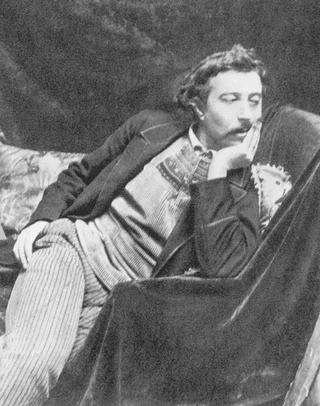
Paul Gauguin
1848–1903 · Frankreich · Postimpressionismus
Die Geschichte
Bis Mitte dreißig war Paul Gauguin ein Pariser Börsenmakler mit gutem Gehalt, einer dänischen Frau und fünf Kindern. Er sammelte impressionistische Gemälde als Liebhaberei eines wohlhabenden Mannes und probierte sich nebenbei selbst als Maler. Dann brach 1882 die Pariser Börse zusammen, die Firma, für die er arbeitete, zerfiel, und das bequeme Leben ging mit ihr unter. Gauguin fasste die Katastrophe als Erlaubnis auf: Er würde nun ganz der Malerei leben. Seine entsetzte Familie verließ ihn schließlich.
Er zog nach Pont-Aven, ein billiges Künstlerdorf in der Bretagne, und entwickelte dort den Stil, der ihn prägte. 1888 malte er eine Gruppe bretonischer Frauen in weißen Hauben, die nach dem Kirchgang eine Vision haben – Jakobs Ringkampf mit dem Engel, auf einer flächigen Fläche aus reinem Rot. Von realem Raum oder natürlicher Farbe keine Spur; das Bild war aus kräftigen Konturen und flachen Farbblöcken aufgebaut, eher eine Idee als eine Szene. Diese Art, aus Vorstellung und Symbol heraus zu malen, die er Synthetismus nannte, floss unmittelbar in die moderne Kunst ein.
Im selben Herbst überredete Vincent van Gogh ihn, in den Süden nach Arles zu kommen, ein Haus zu teilen und eine Künstlerkolonie zu gründen. Sie hielt neun Wochen. Die beiden Männer malten wie besessen und stritten noch heftiger, und kurz vor Weihnachten 1888 endete der Streit damit, dass van Gogh sich einen Teil seines eigenen Ohrs abschnitt und Gauguin zurück nach Paris floh. Gauguin wollte nun noch weiter weg von Europa und segelte 1891 nach Tahiti, einer französischen Kolonie im Pazifik, auf der Suche nach einem Paradies, das er sich zu einem guten Teil selbst ausgedacht hatte. Er fand ein bereits kolonisiertes, katholisch geprägtes Papeete vor, malte dort trotzdem einige der berühmtesten Bilder seines Lebens und starb 1903 verarmt auf den abgelegeneren Marquesas-Inseln.
Weitere Artikel
 Artikel · 45 Min. LesezeitMusée d’Orsay: vom Kauf des Cabanel durch Napoleon III. bis zum Caillebotte für 43 Millionen
 Artikel · 38 Min. LesezeitMuseo Thyssen-Bornemisza: Zwanzig Bilder, die Vater und Sohn gekauft haben
 Artikel · 37 Min. LesezeitKunstmuseum Basel: Vom Kauf des Amerbach-Kabinetts bis zum Fall der „Muse“, 1661–2023
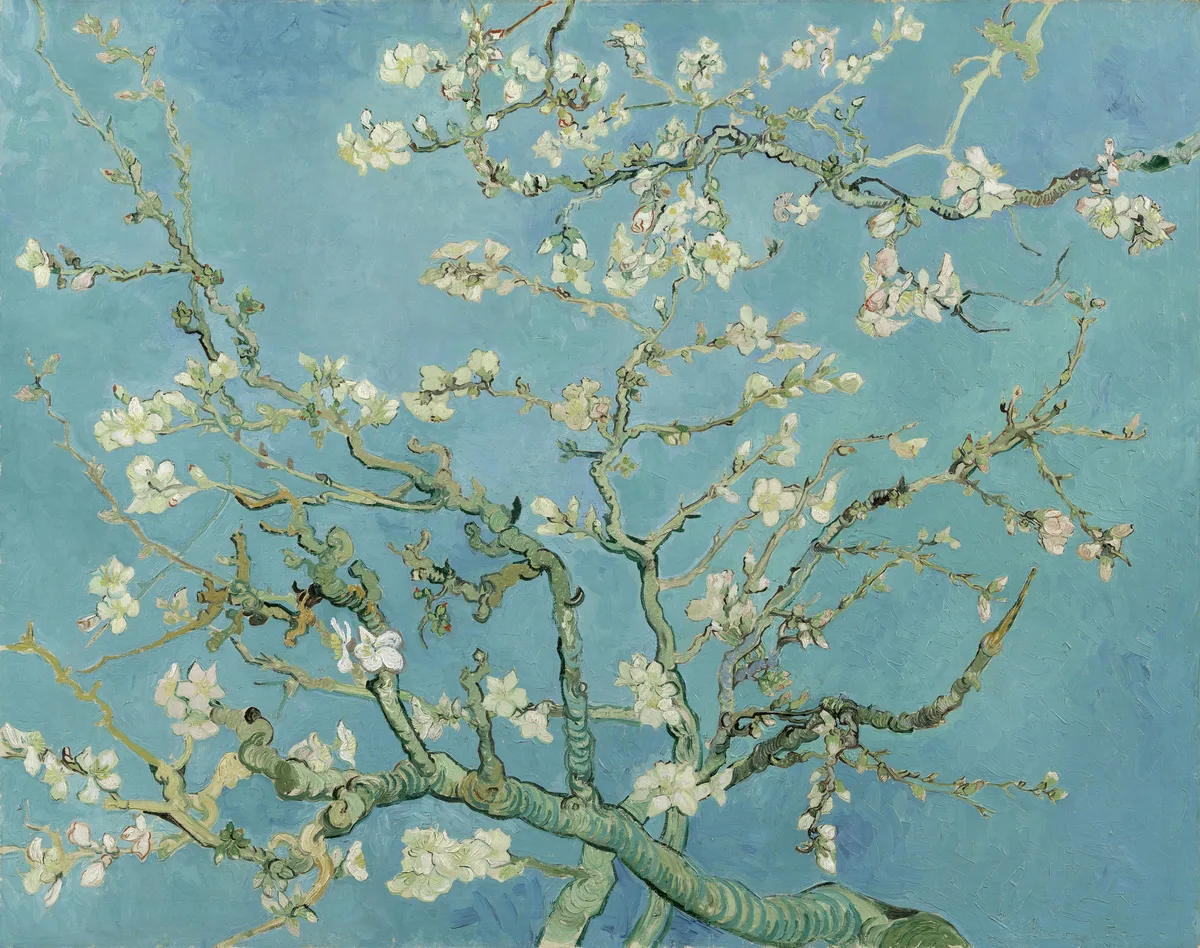 Artikel · 35 Min. LesezeitVan-Gogh-Museum: seine Mutter, Theo, Gauguin und die anderen Menschen hinter seinen Bildern
Werke
158 Werke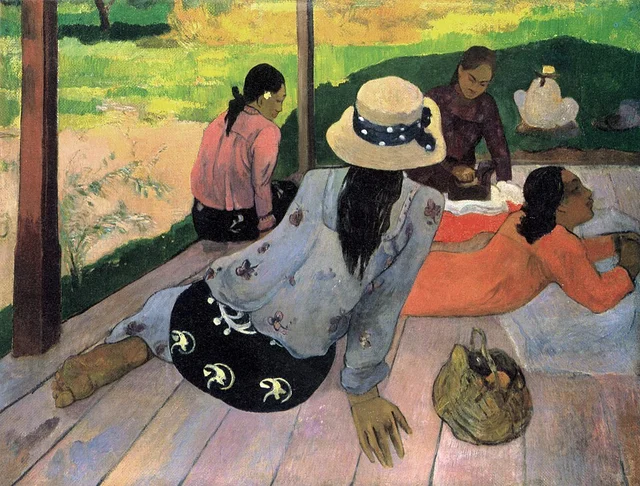 Die SiestaPaul Gauguin, 1892
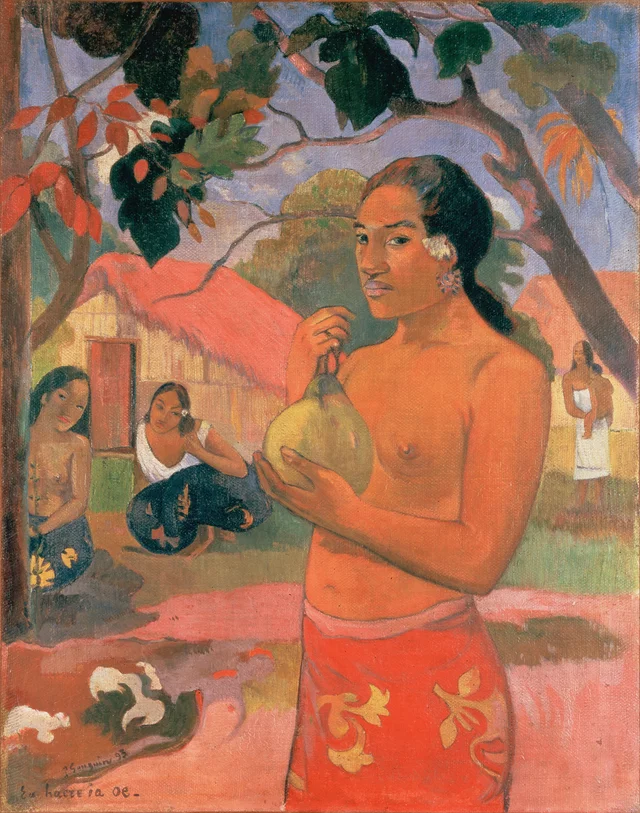 Eu haere ia oePaul Gauguin, 1893
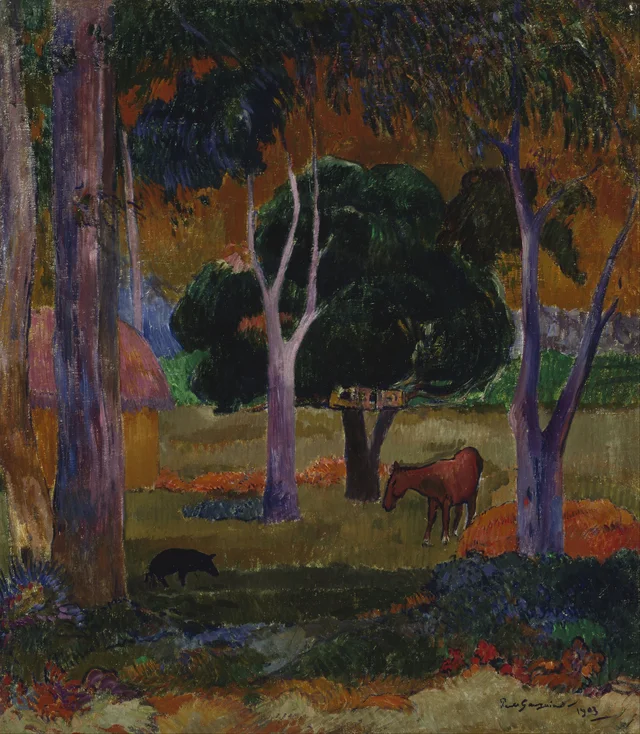 Hiva OaPaul Gauguin, 1903
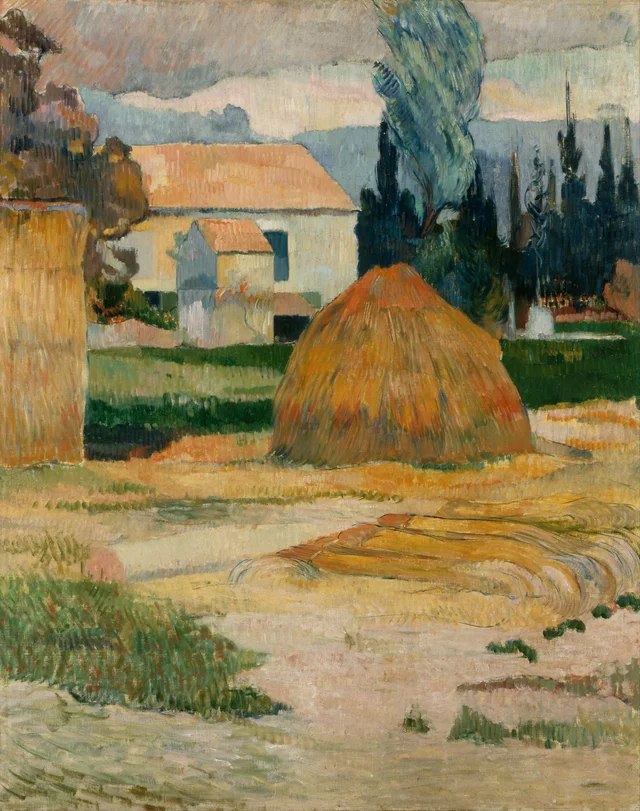 Landschaft bei ArlesPaul Gauguin, 1888
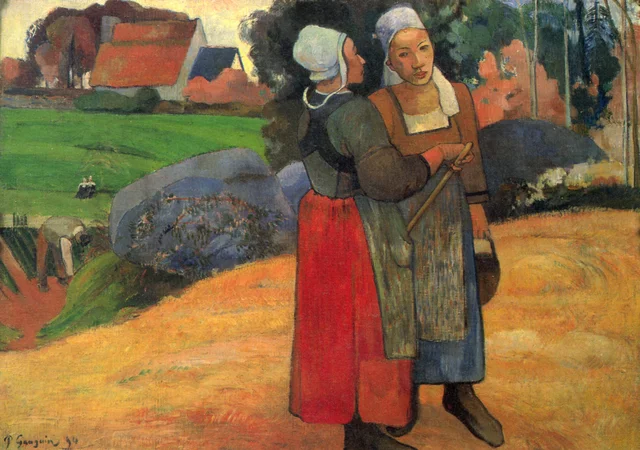 Bretonische BäuerinnenPaul Gauguin, 1894
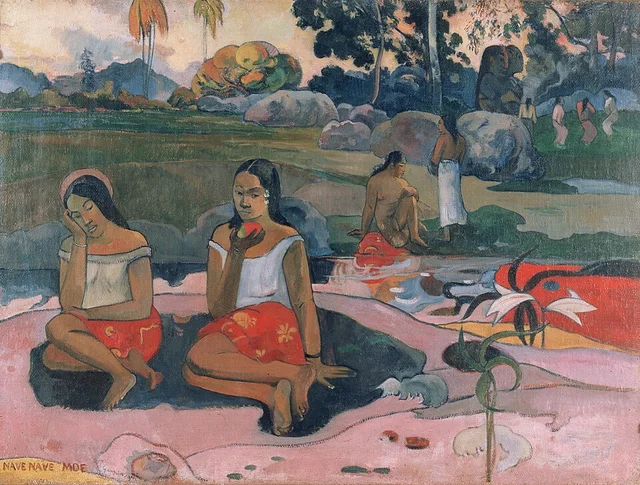 Heilige Quelle: Süße Träume (Nave nave moe)Paul Gauguin, 1894
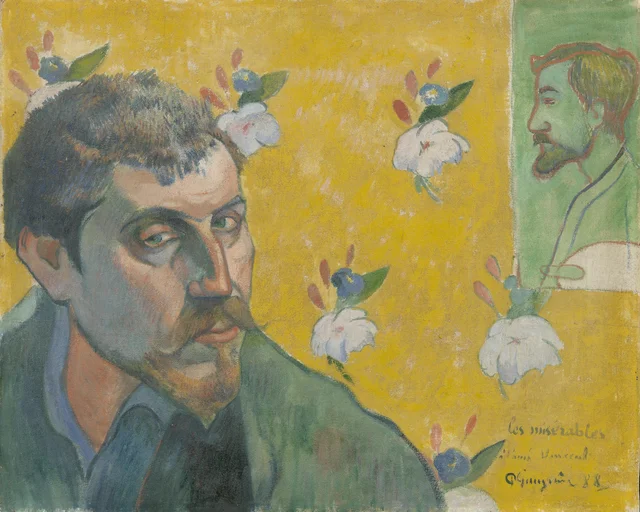 Selbstbildnis mit Bildnis BernardsPaul Gauguin, 1888
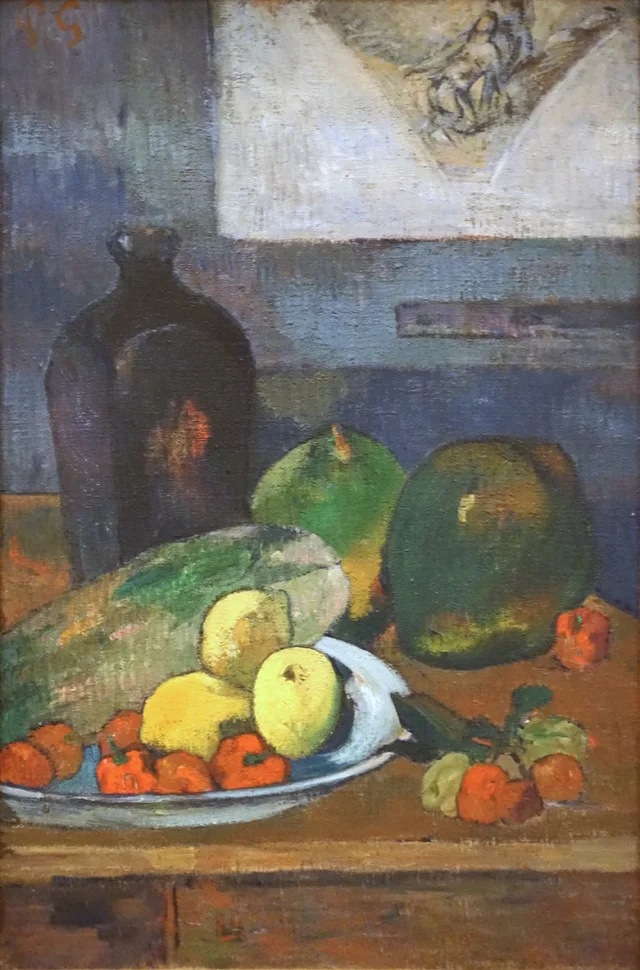 Stillleben mit einer Skizze nach DelacroixPaul Gauguin, 1887
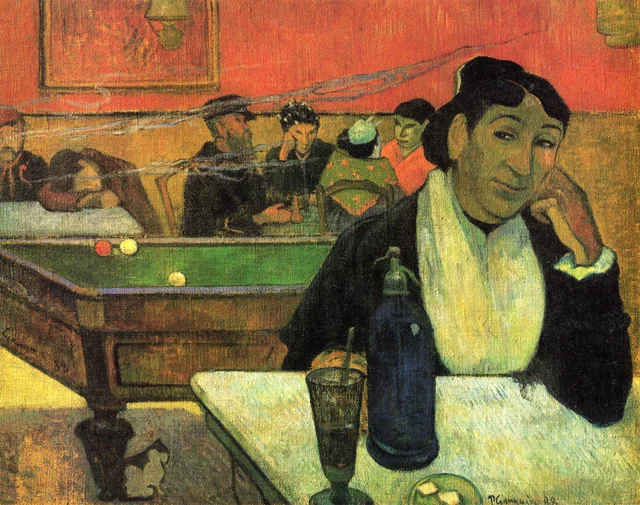 Das Nachtcafé in ArlesPaul Gauguin, 1888
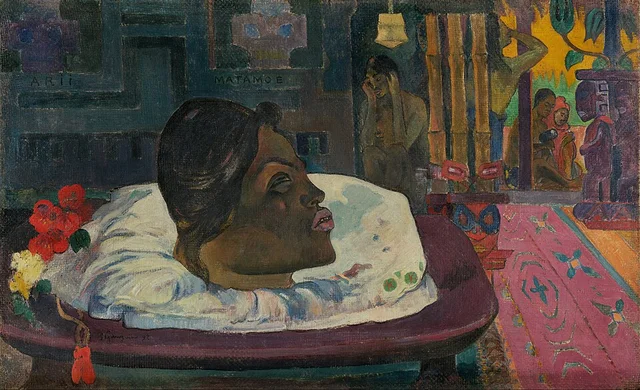 Das königliche EndePaul Gauguin, 1892
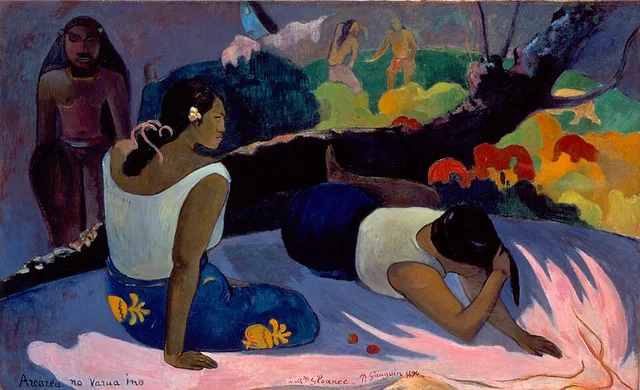 Arearea no varua inoPaul Gauguin, 1894
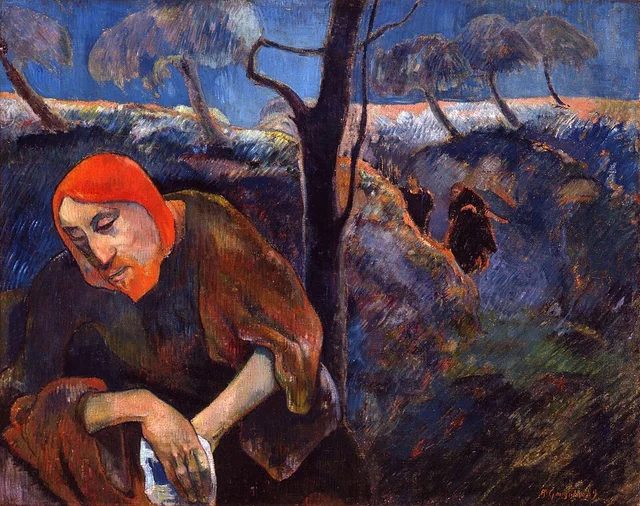 Christus am ÖlbergPaul Gauguin, 1889
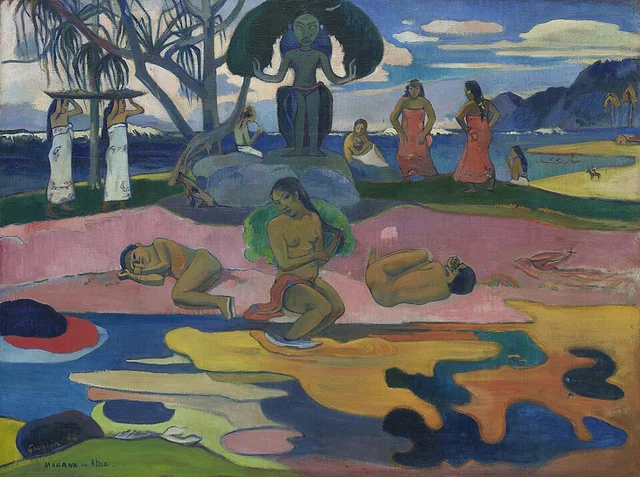 Der Tag des Gottes (Mahana no atua)Paul Gauguin, 1894
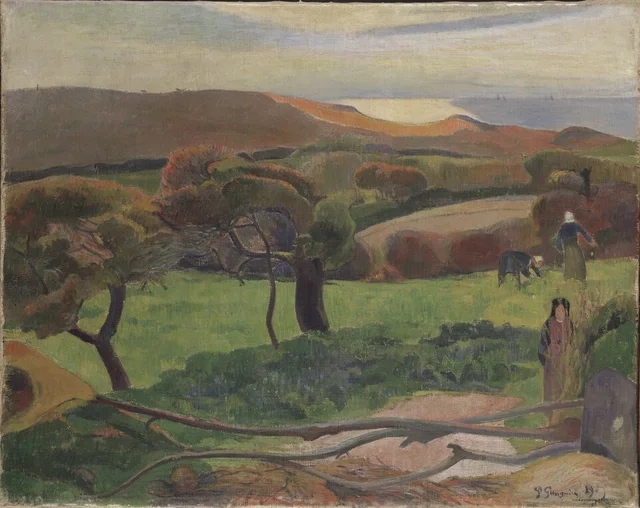 Landschaft aus der BretagnePaul Gauguin, 1889
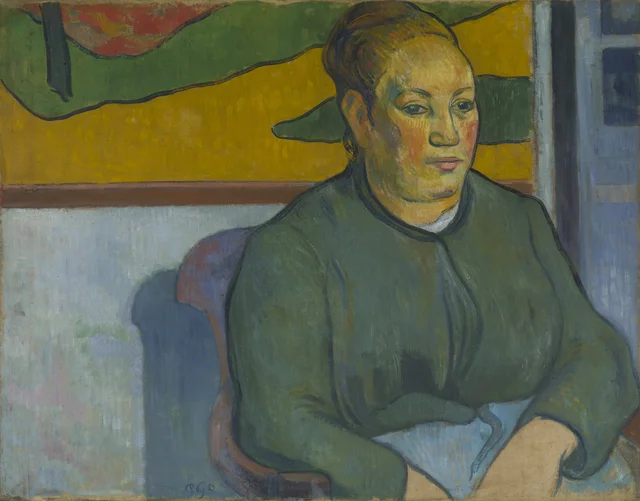 Madame RoulinPaul Gauguin, 1888
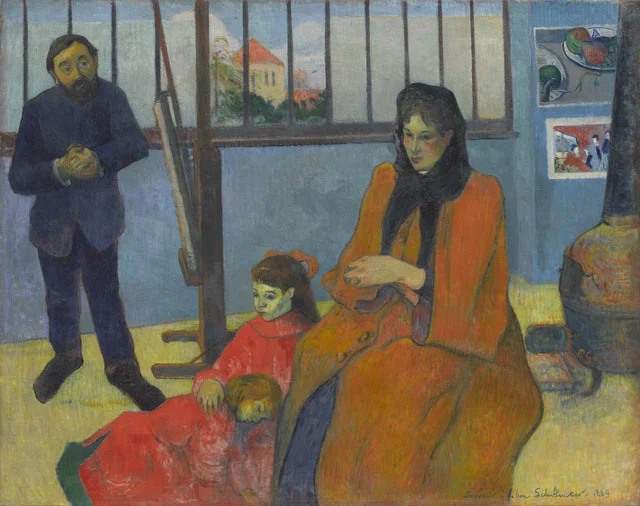 Schuffeneckers AtelierPaul Gauguin, 1889
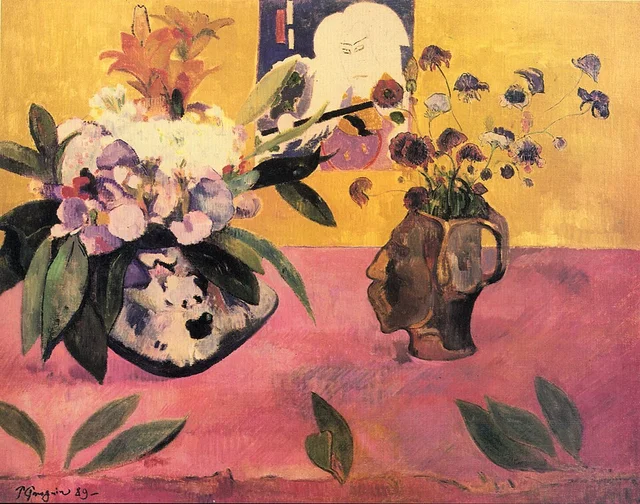 Stillleben mit kopfförmiger Vase und japanischem HolzschnittPaul Gauguin, 1889
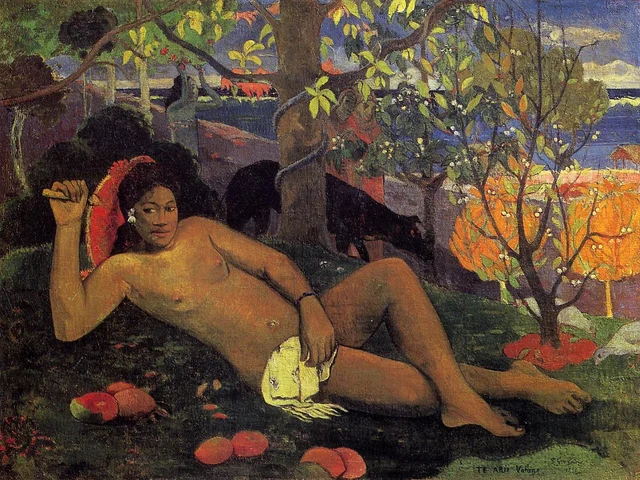 Die Frau des KönigsPaul Gauguin, 1896
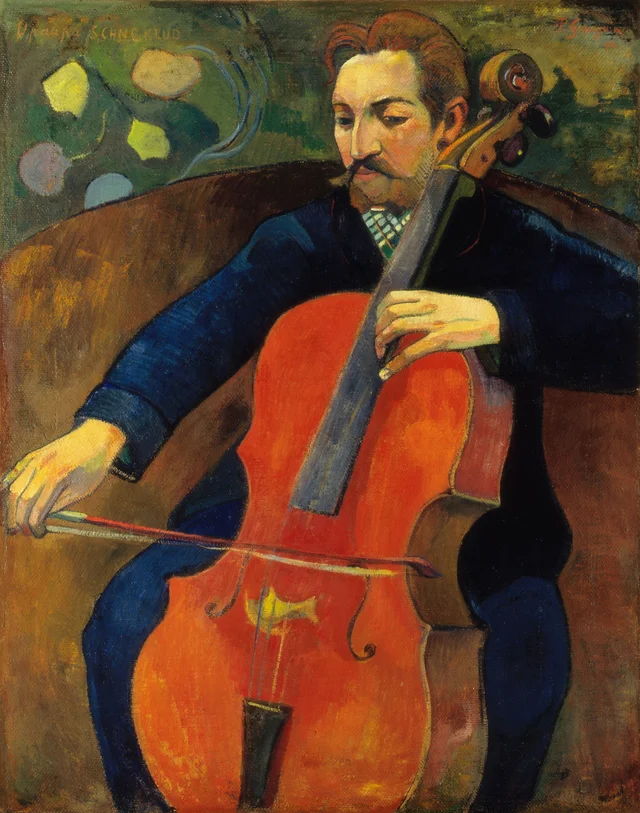 Der Musiker SchnekludPaul Gauguin, 1894
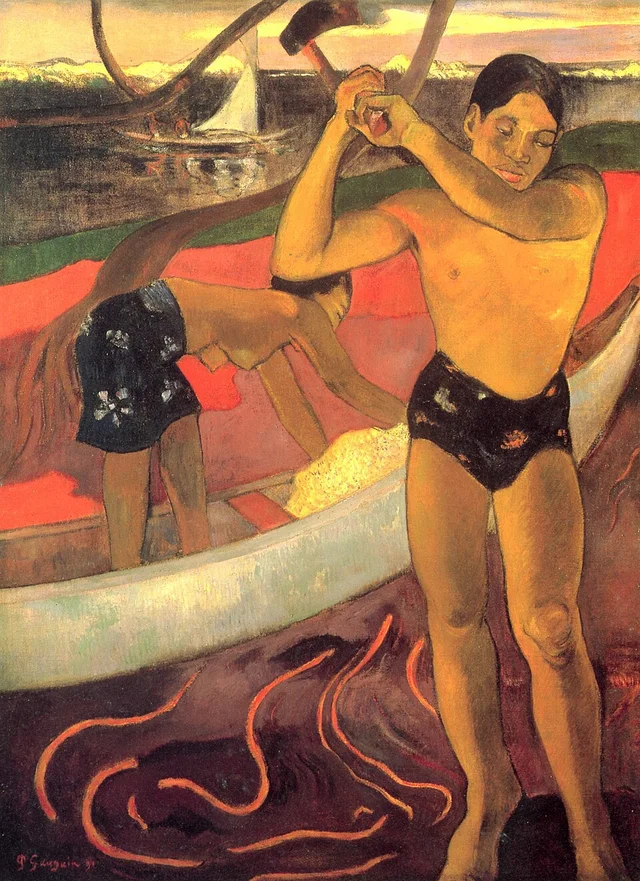 Der HolzfällerPaul Gauguin, 1891
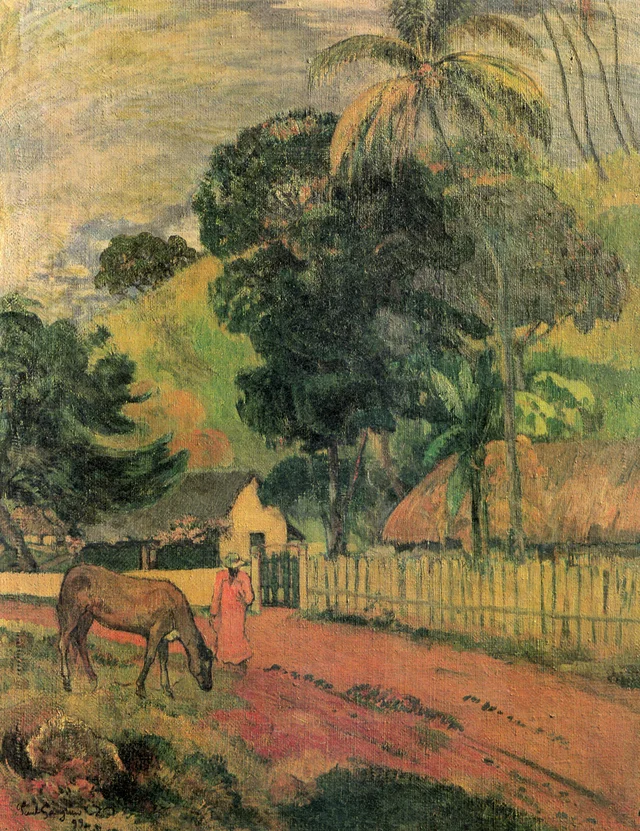 Landschaft mit Pferd auf der StraßePaul Gauguin, 1899
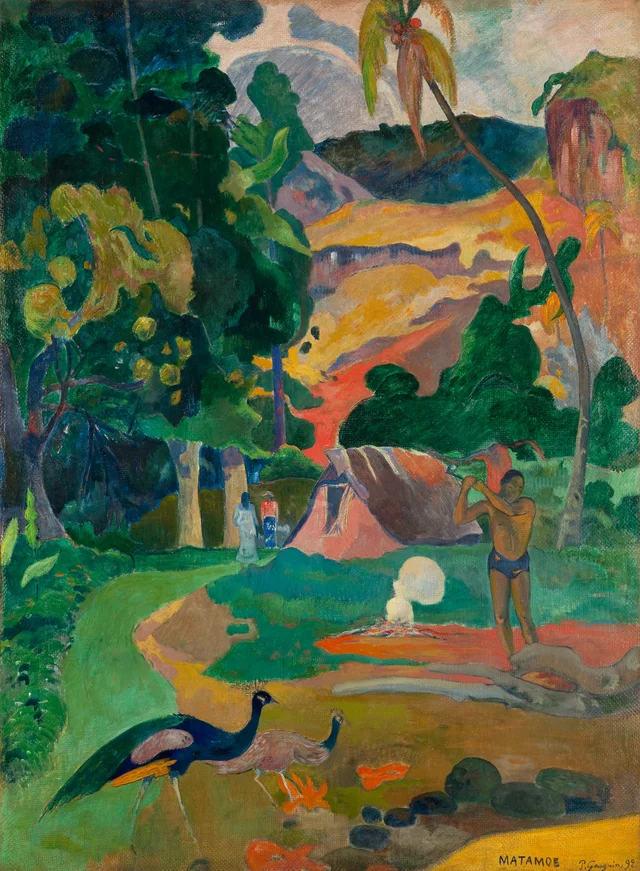 Matamoe (der Tod), Landschaft mit PfauenPaul Gauguin, 1892
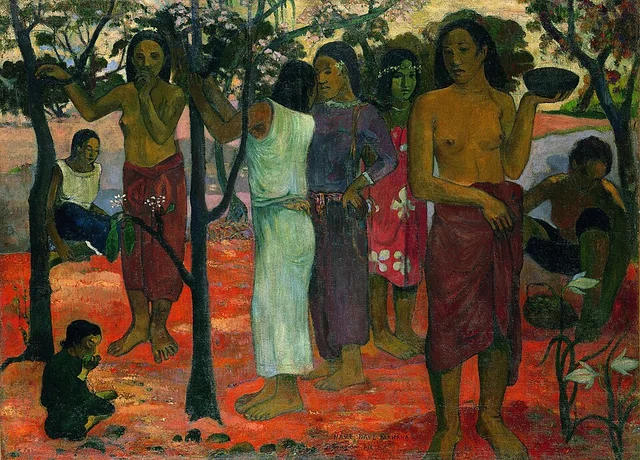 Nave Nave MahanaPaul Gauguin, 1896
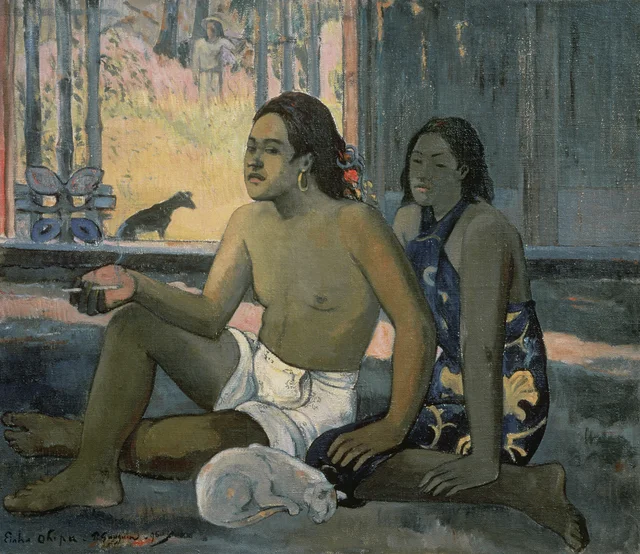 Nicht arbeiten (Eiaha ohipa)Paul Gauguin, 1896
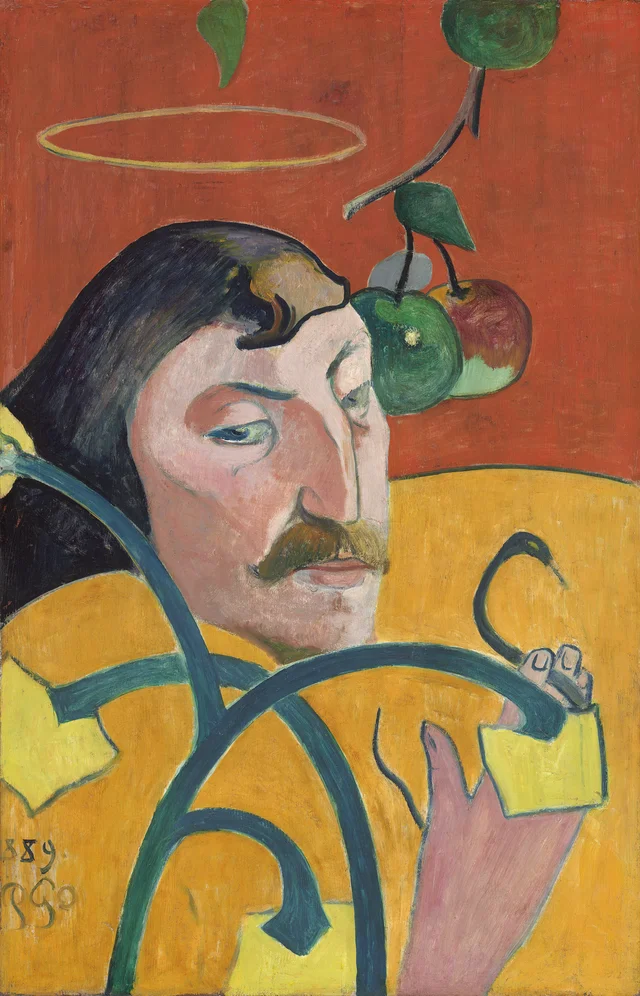 SelbstbildnisPaul Gauguin, 1889