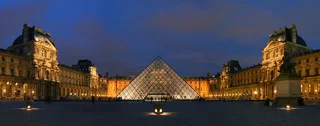
Die Geschichte
Der Louvre begann als Festung. Philipp II. ließ sie um 1190 am rechten Seineufer errichten, um das mittelalterliche Paris zu schützen, und über die folgenden Jahrhunderte bauten die französischen Könige sie zu einem Schloss um, bis Ludwig XIV. seinen Hof 1682 nach Versailles verlegte und die halbfertigen Säle der königlichen Sammlung und den dort einquartierten Künstlern überließ.
Die Revolution machte daraus ein öffentliches Museum. Am 10. August 1793 öffnete das Muséum central des arts seine Türen und zeigte die beschlagnahmte Kunst von Krone und Kirche jedem Bürger, der eintreten wollte. Napoleon füllte es mit der Beute seiner Feldzüge und benannte es kurzzeitig nach sich selbst. Vieles kehrte nach Waterloo zurück, doch die Idee hielt, eine für das Studium geordnete Nationalsammlung, frei zugänglich für alle.
Heute besitzt der Louvre mehr als 35.000 Werke, von der Venus von Milo bis zu Géricaults Floß der Medusa. Die Menge aber drängt zu einem kleinen Bildnis. Im August 1911 verschwand es: Vincenzo Peruggia, ein italienischer Handwerker, der im Museum gearbeitet hatte, nahm Leonardos Mona Lisa von der Wand und trug sie unter seinem Mantel hinaus. Zwei Jahre lang hing der Rahmen leer, während Besucher kamen, um die Lücke anzustarren, und das Bild kehrte erst 1913 zurück, nachdem Peruggia versucht hatte, es einem Händler in Florenz zu verkaufen. Die gläserne Pyramide von I. M. Pei, 1989 in den Hof gesetzt, markiert heute den Eingang.
Weitere Artikel
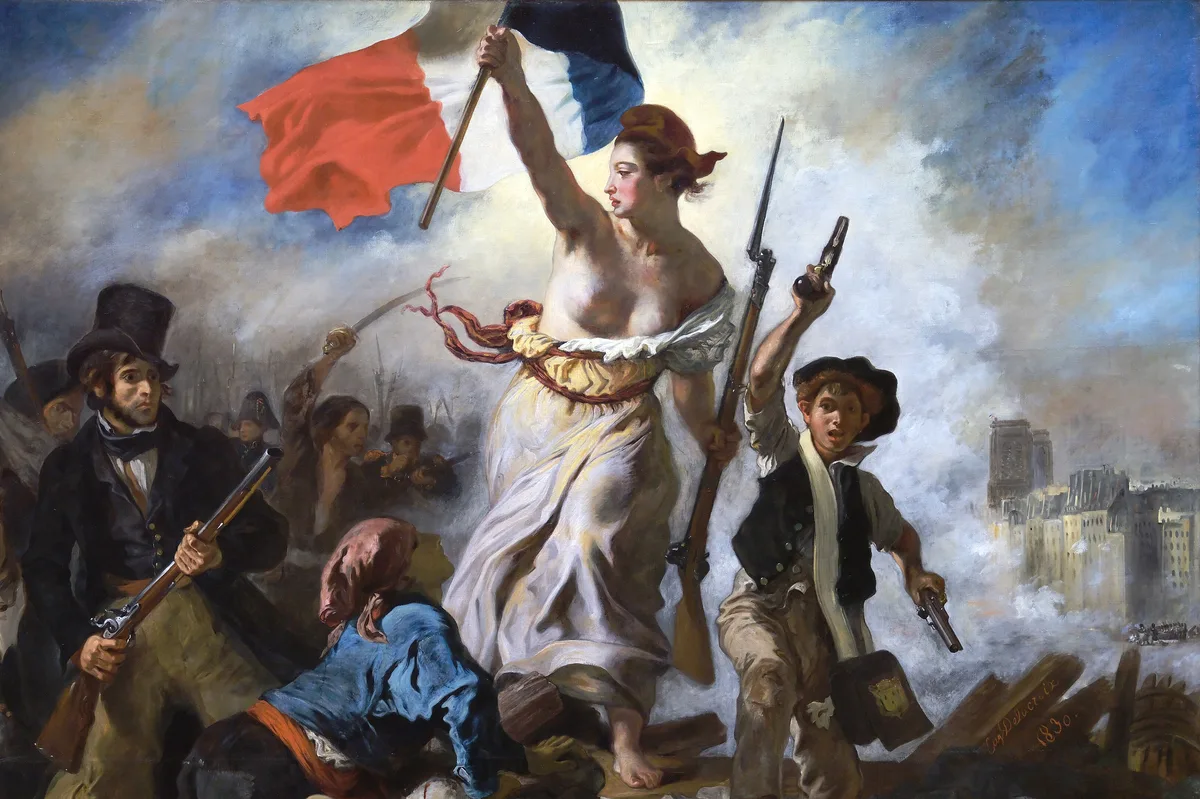
Sammlung
1.174 Werke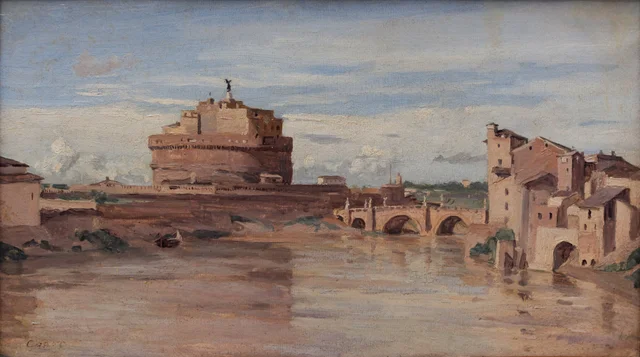 Engelsburg und TiberJean-Baptiste Camille Corot, 1826
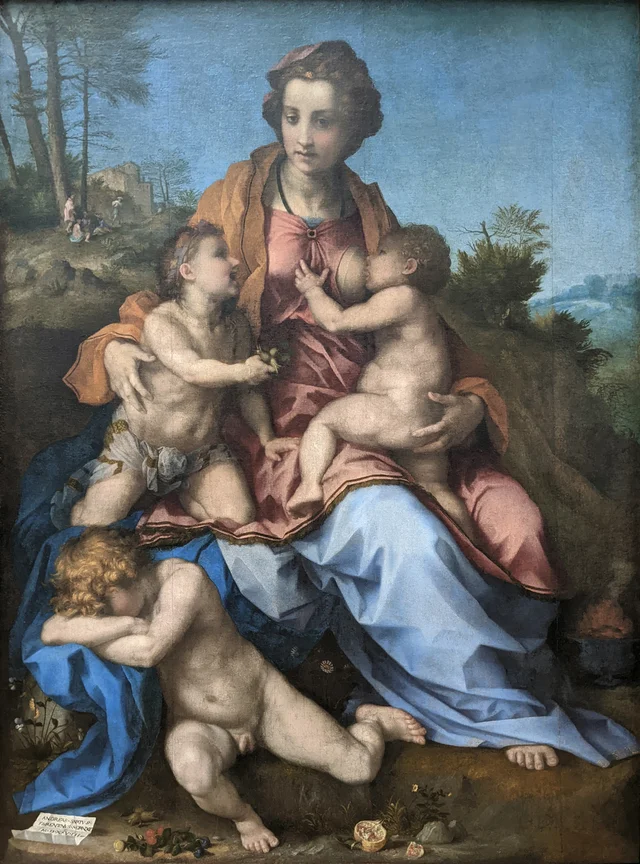 Die CaritasAndrea del Sarto, 1518
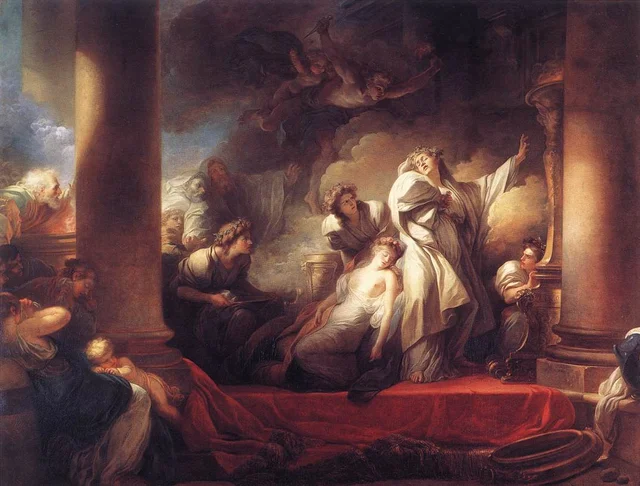 Koresos opfert sich, um Kallirhoe zu rettenJean-Honoré Fragonard, 1765
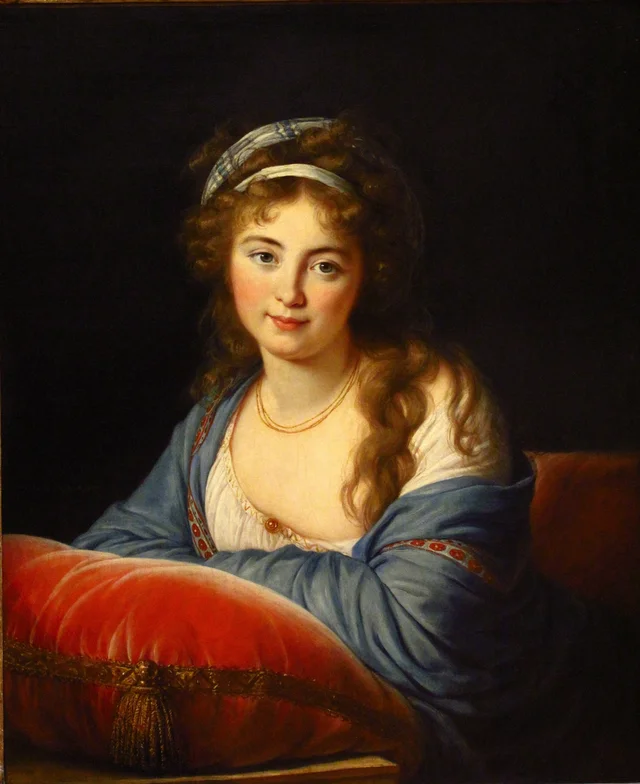 Gräfin Jekaterina Wassiljewna SkawronskajaÉlisabeth Louise Vigée Le Brun, 1796
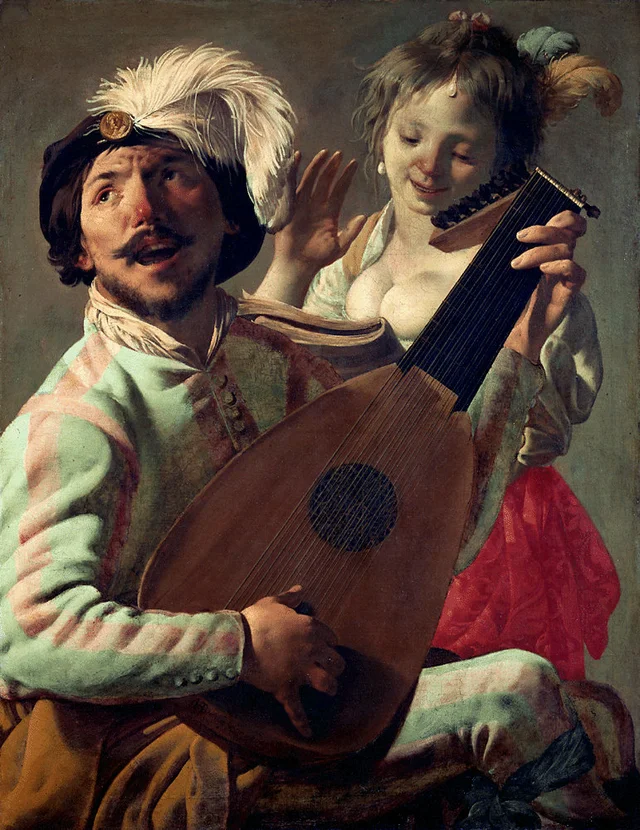 DuettHendrick ter Brugghen, 1628
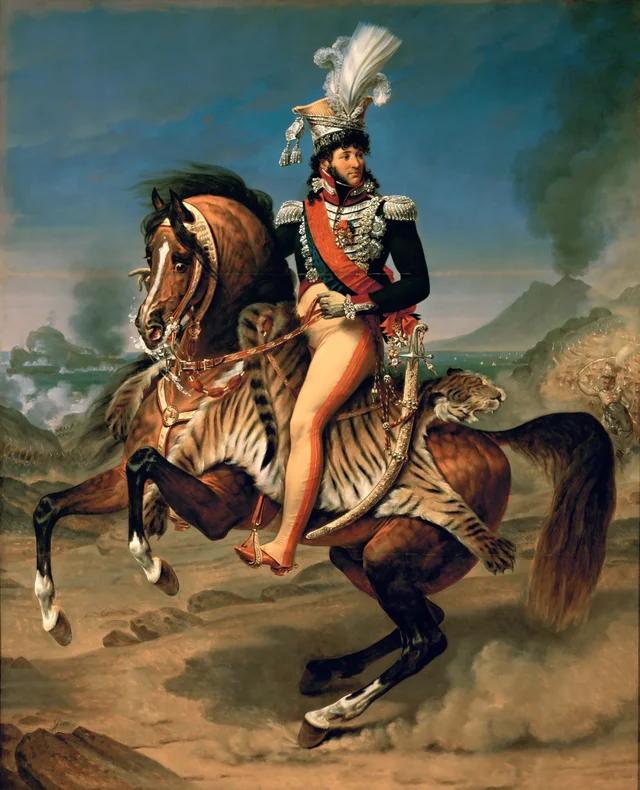 Reiterbildnis von Joachim MuratAntoine-Jean Gros, 1812
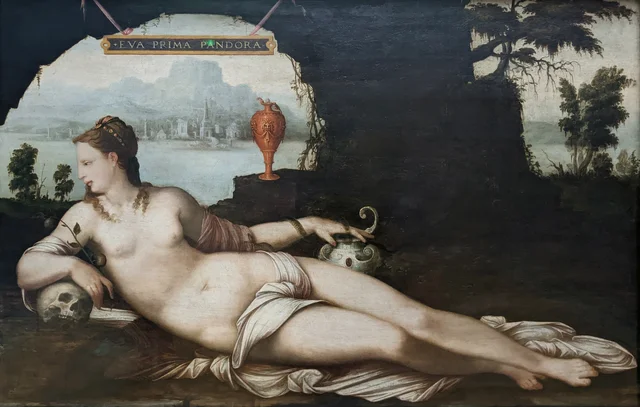 Eva Prima PandoraJean Cousin, 1550
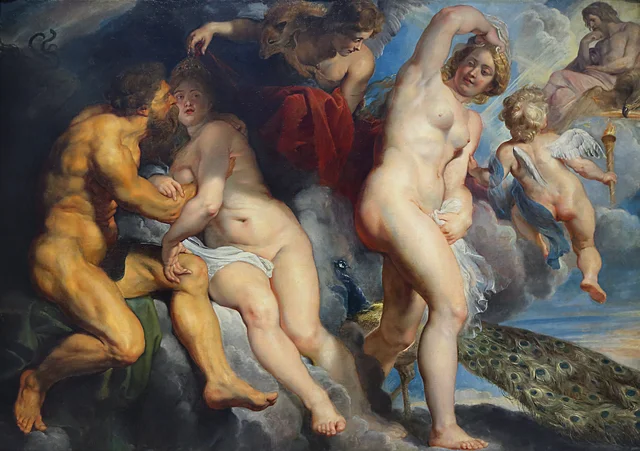 Ixion, König der Lapithen, von Juno getäuscht, die er verführen wolltePeter Paul Rubens, 1615
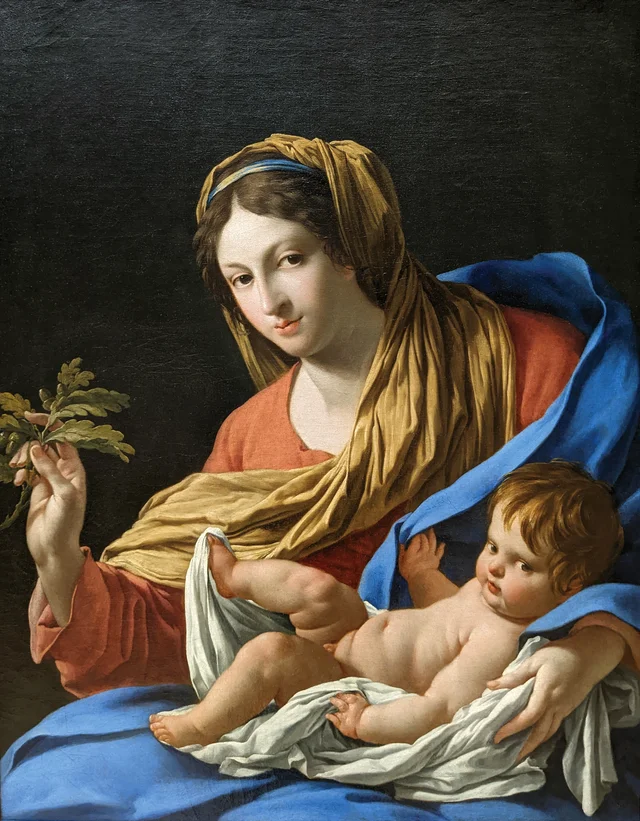 Madonna mit KindSimon Vouet, 1640
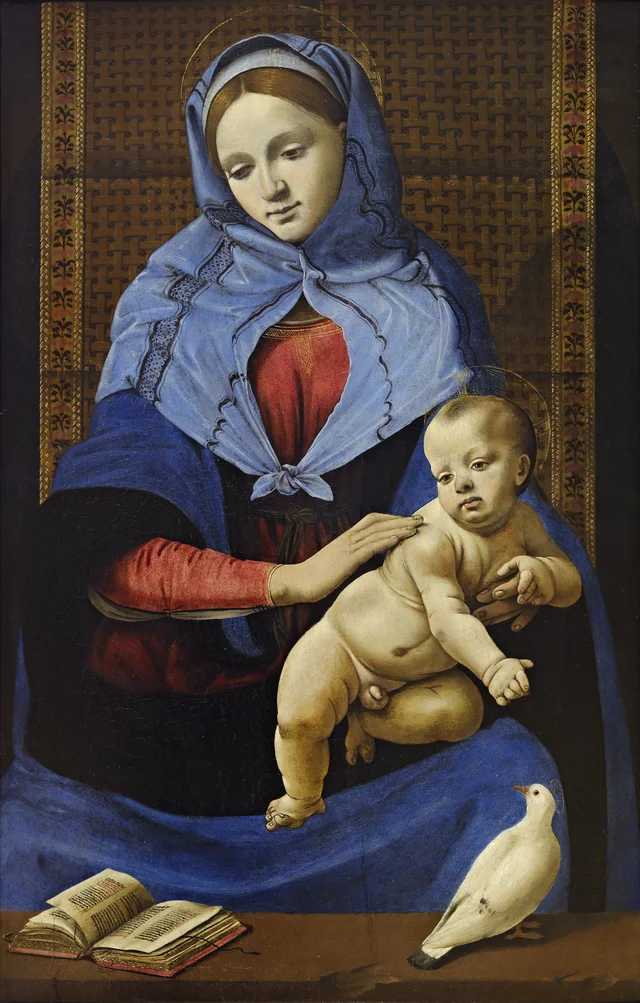 Madonna mit Kind und einer TaubePiero di Cosimo, 1490
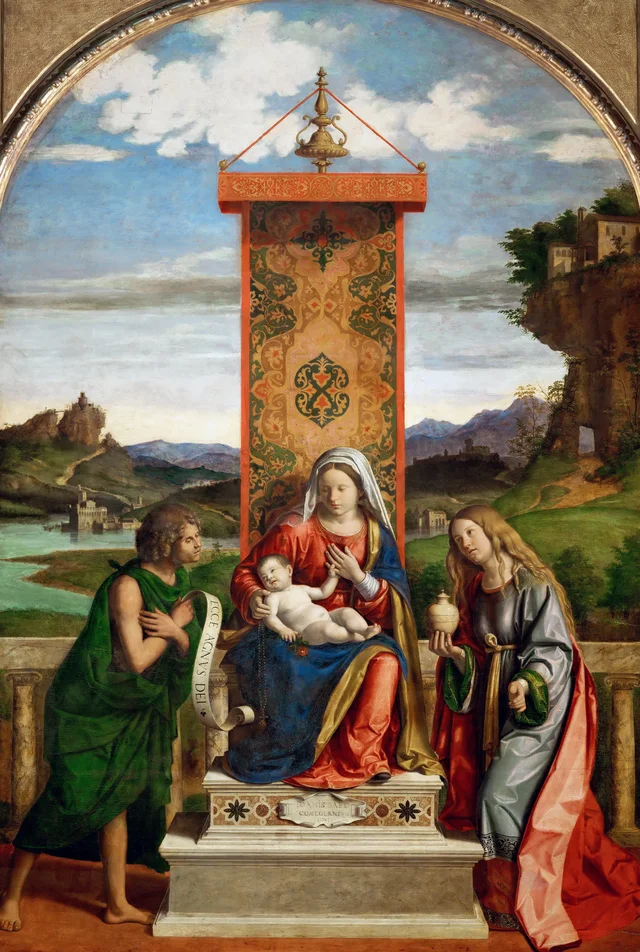 Madonna mit Kind, Johannes dem Täufer und Maria MagdalenaGiovanni Battista Cima da Conegliano, 1511
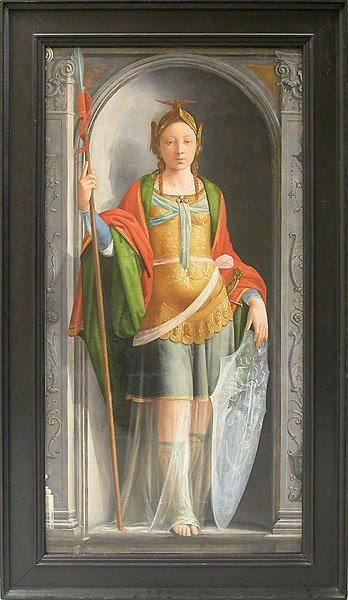 MinervaFra Bartolomeo, 1490
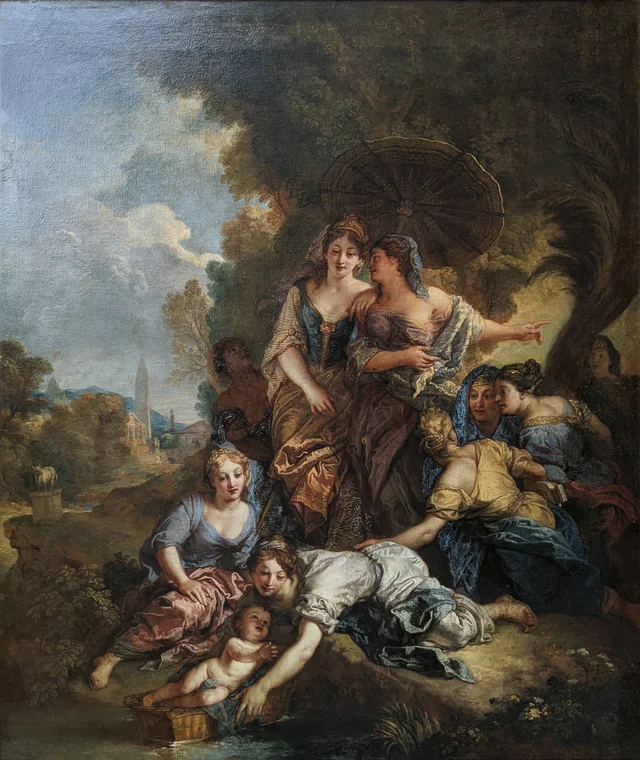 Mose wird aus dem Wasser gerettetCharles de La Fosse, 1701
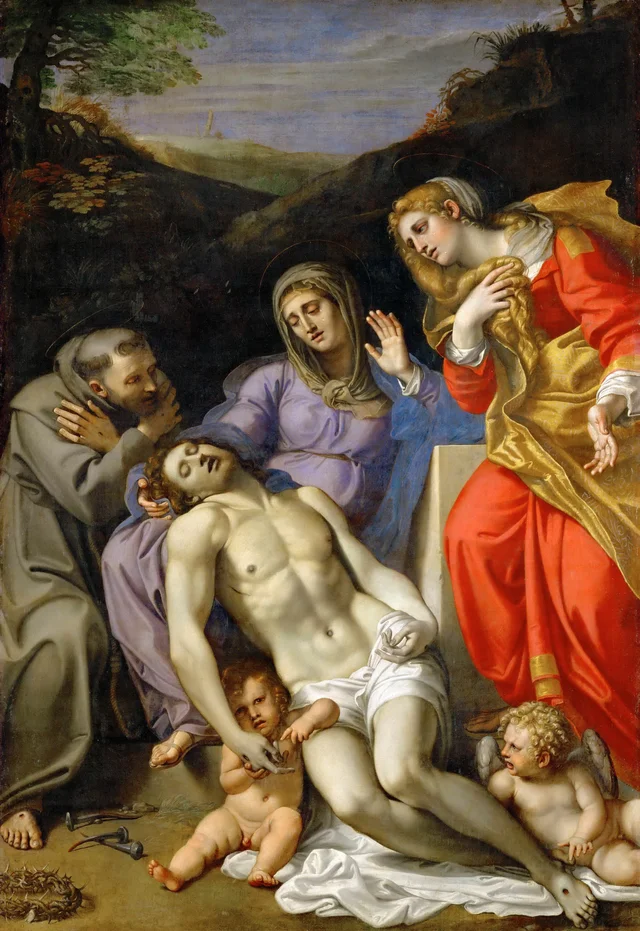 Pietà mit den Heiligen Franziskus und Maria MagdalenaAnnibale Carracci, 1602
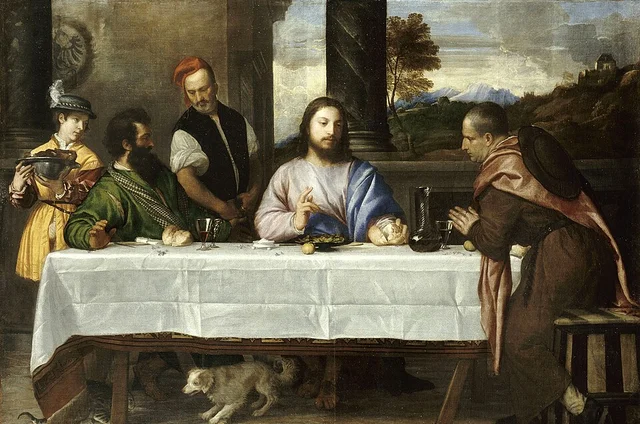 Die Pilger von EmmausTizian, 1533
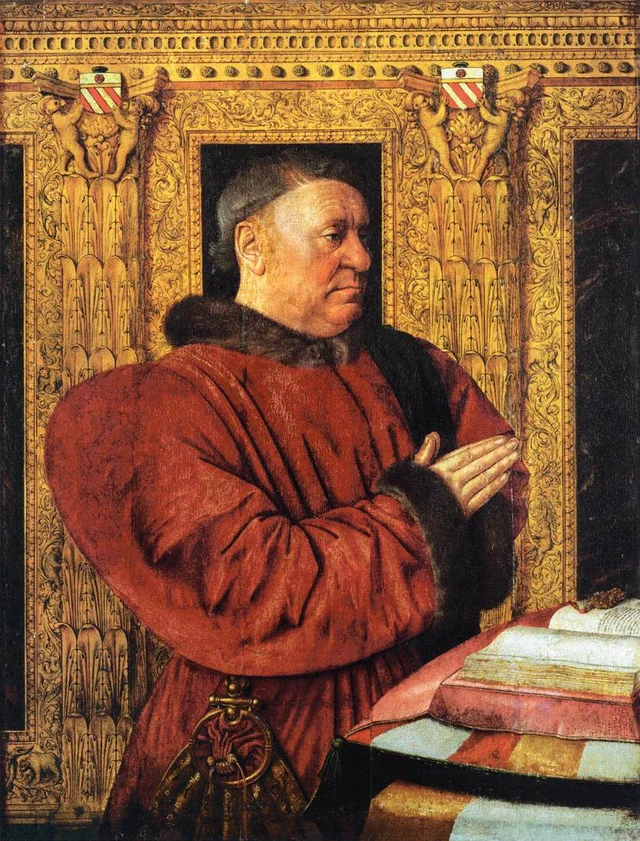 Bildnis des Guillaume Jouvenel des UrsinsJean Fouquet, 1460
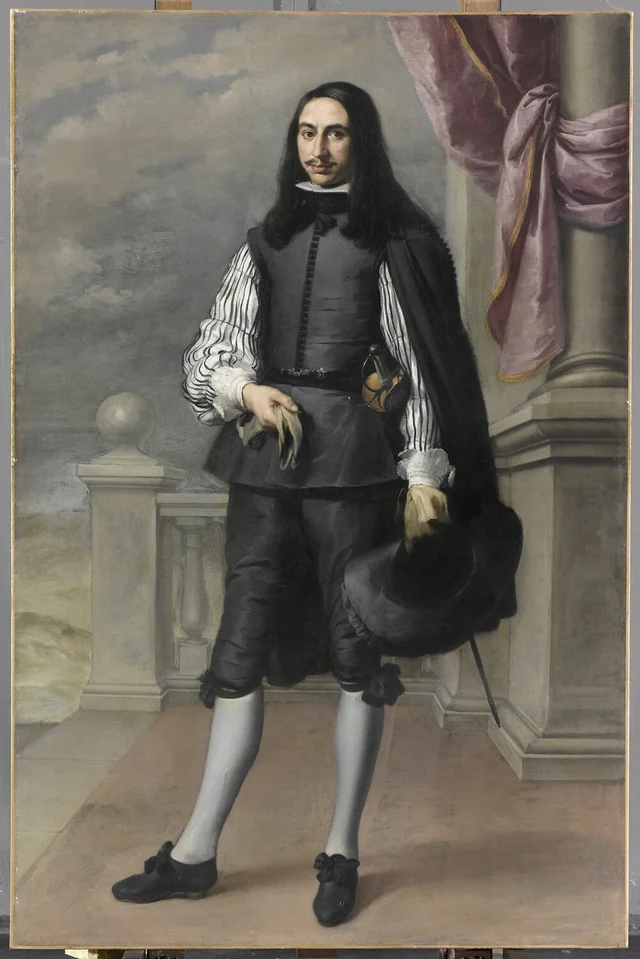 Bildnis des Íñigo Fernández de VelascoBartolomé Esteban Murillo, 1659
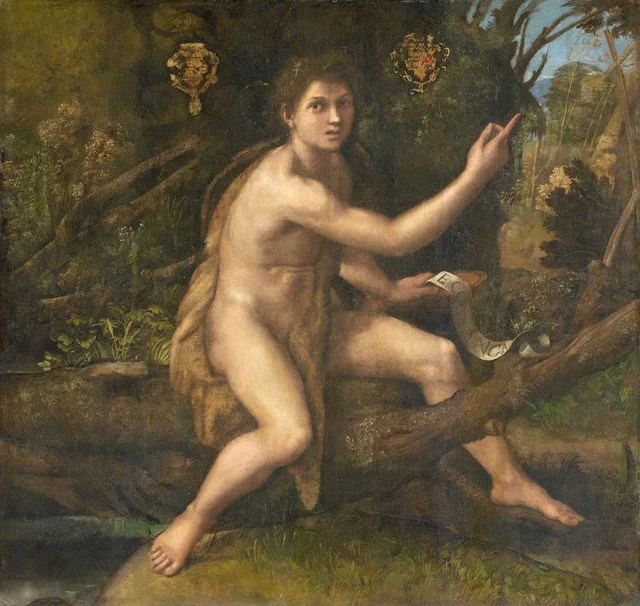 Der heilige Johannes der Täufer in der WüsteRaffael, 1516
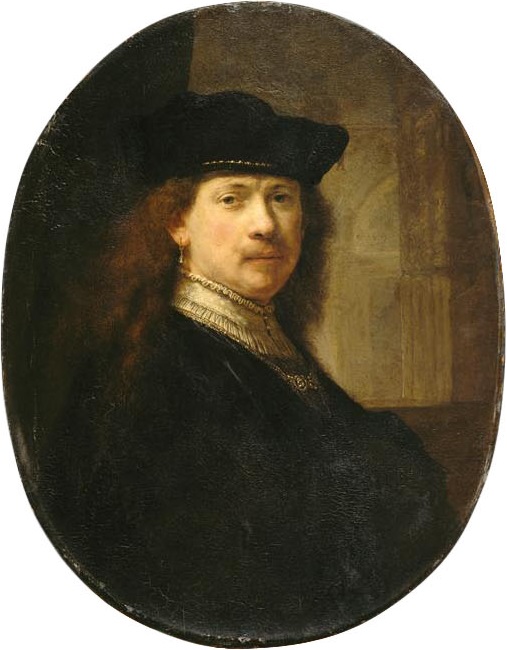 Selbstbildnis mit architektonischen Elementen im HintergrundRembrandt, 1639
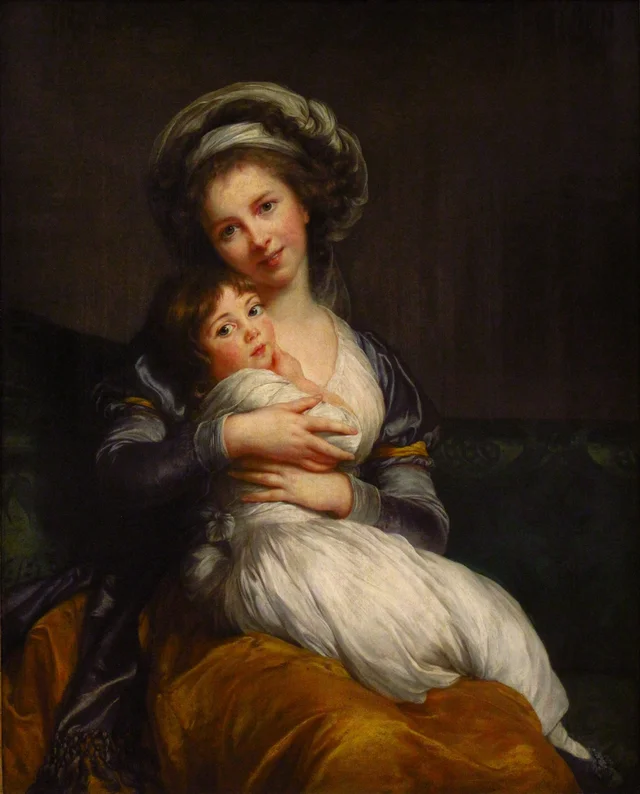 Selbstbildnis mit ihrer Tochter JulieÉlisabeth Louise Vigée Le Brun, 1786
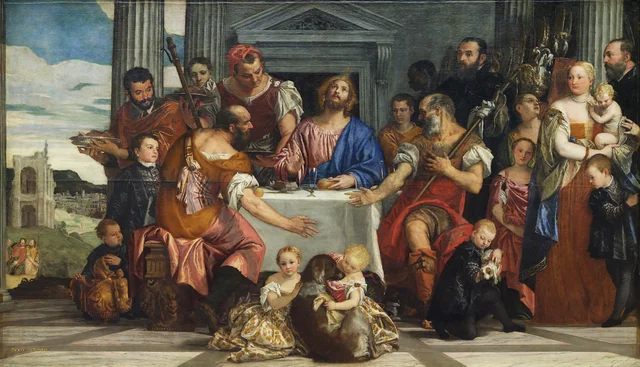 Das Abendmahl in EmmausPaolo Veronese, 1559
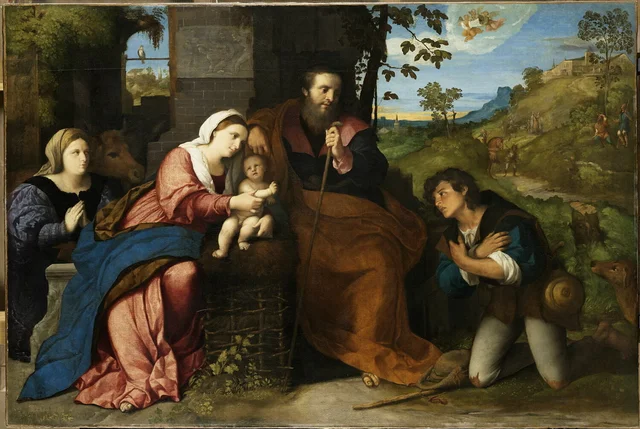 Die Anbetung der Hirten mit einem StifterPalma il Vecchio, 1520
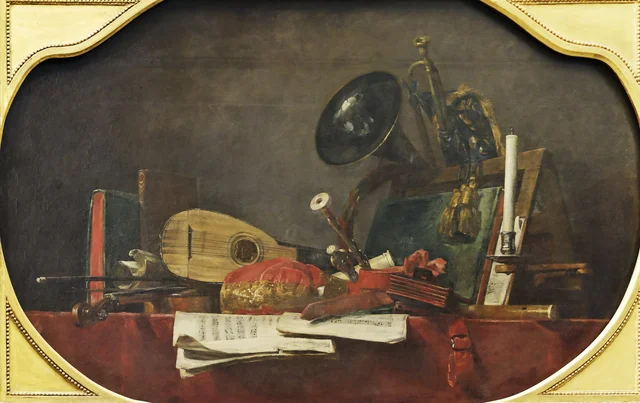 Die Attribute der MusikJean-Baptiste-Siméon Chardin, 1765
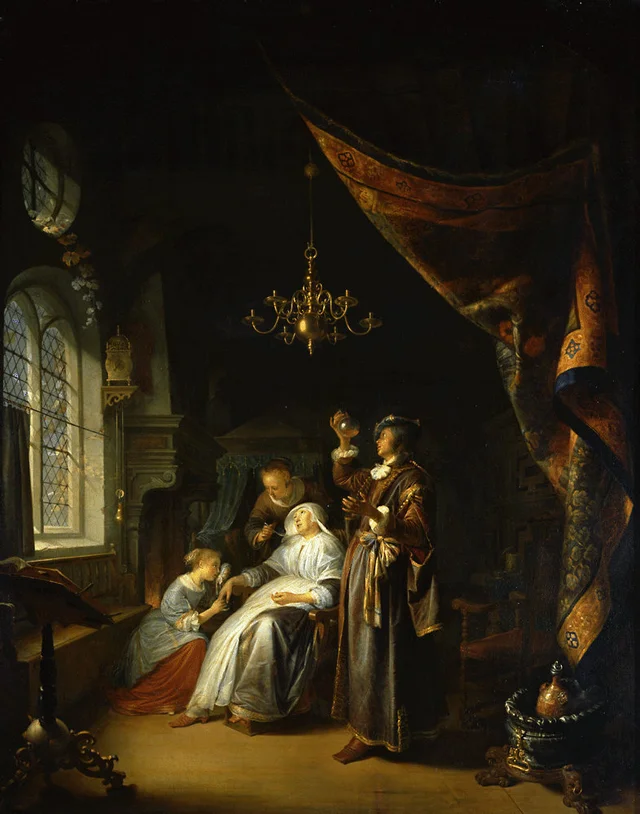 Die WassersüchtigeGerrit Dou, 1663
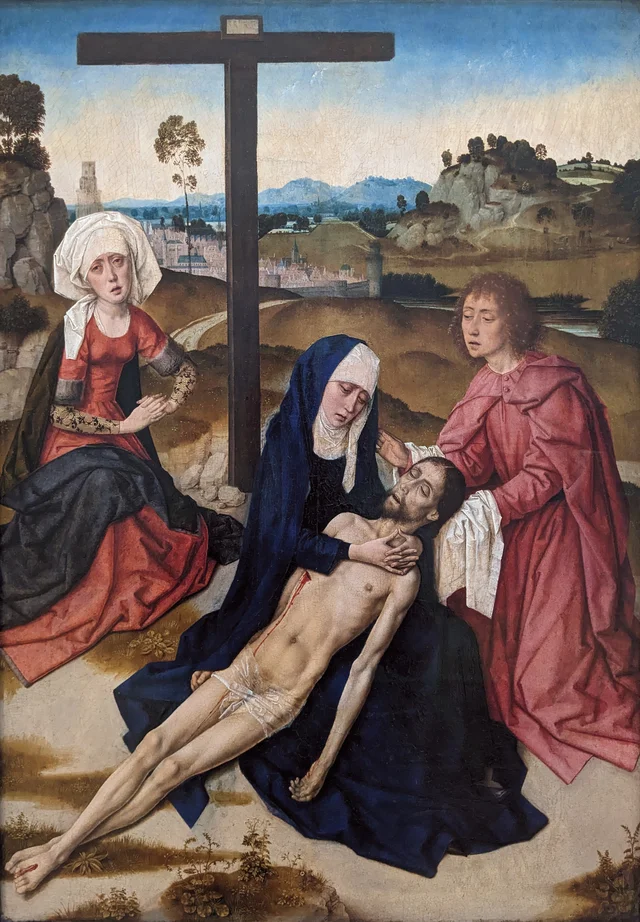 Die Beweinung des toten ChristusDieric Bouts, 1460