Die Geschichte
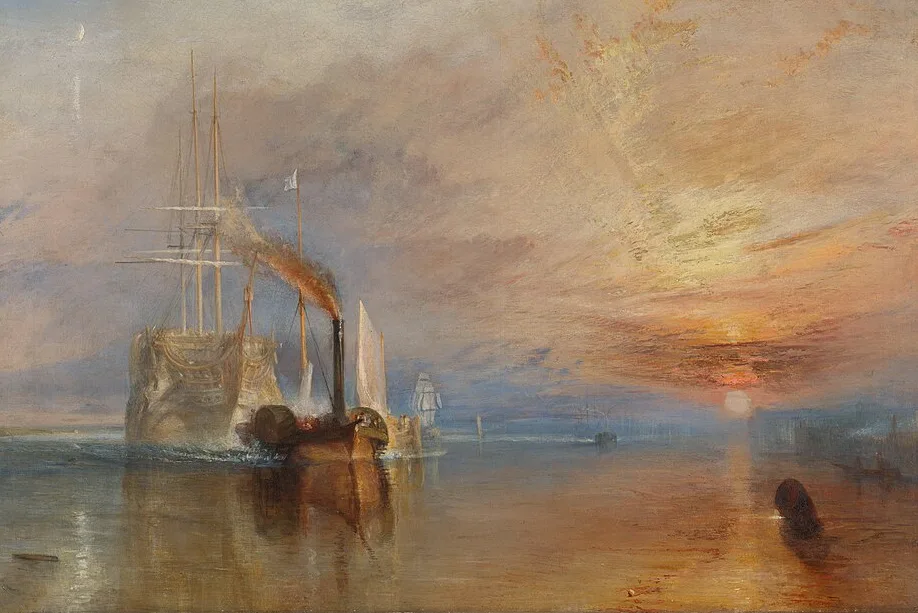
Nach Kriegsausbruch, mit einer für 1940 erwarteten Invasion, wurden die Bilder der National Gallery aus London fortgeschafft. Im Sommer 1941 waren sie in einem Schieferbergwerk in den Bergen von Nordwales verborgen. Jemand hatte vorgeschlagen, sie nach Kanada zu verschiffen, und Churchill antwortete: Versteckt sie in Höhlen und Kellern, aber kein einziges Bild soll diese Insel verlassen. Tief im Steinbruch von Manod, in Backsteinkammern, die Feuchtigkeit und Temperatur stabil halten sollten, überstanden van Eycks Arnolfini-Hochzeit und Turners Die kämpfende Téméraire den Blitz, während die Pianistin Myra Hess in den leergeräumten Sälen im fernen London Mittagskonzerte gab.
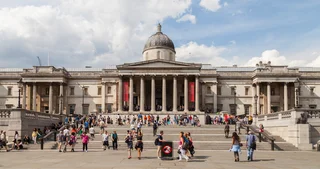
Die Galerie hatte immer der Öffentlichkeit gehört und keinem Palast. Sie begann 1824, als das Parlament dem Bankier John Julius Angerstein 38 Gemälde abkaufte, und wurde bewusst am Trafalgar Square im Zentrum Londons angesiedelt, damit ein Schreiber oder ein Fuhrmann sie ebenso leicht erreichte wie ein Lord. Ihre ständige Sammlung ist bis heute frei zugänglich.
Während des Krieges holten die Mitarbeiter immer wieder einzelne Meisterwerke aus Wales zurück, eines nach dem anderen, um sie im leeren Haus als Bild des Monats für eine bombardierte Stadt aufzuhängen. Dieselben Räume beherbergen heute das Wilton-Diptychon, Van Goghs Sonnenblumen und Constables Der Heuwagen, offen für jeden, der die Stufen vom Platz hinaufsteigt.
Weitere Artikel
Sammlung
648 Werke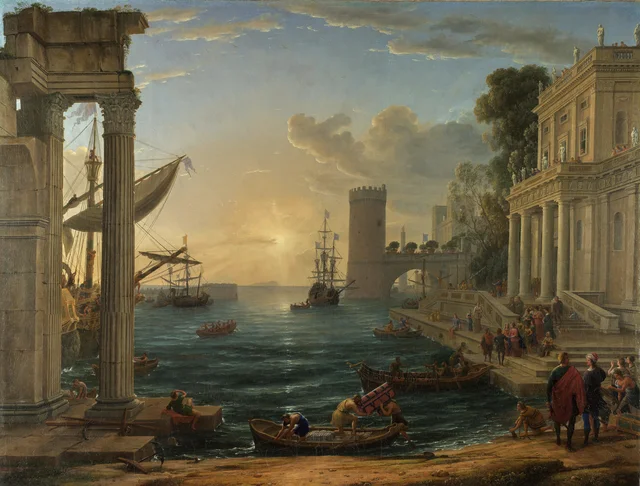 Die Einschiffung der Königin von SabaClaude Lorrain, 1648
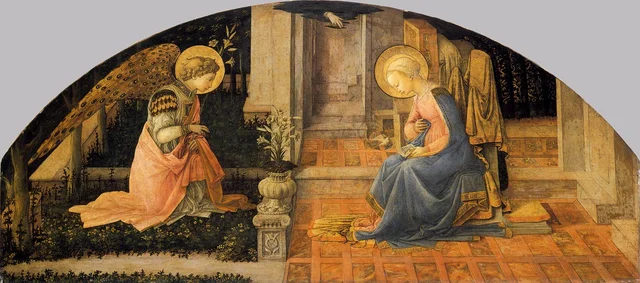 VerkündigungFilippo Lippi, 1450
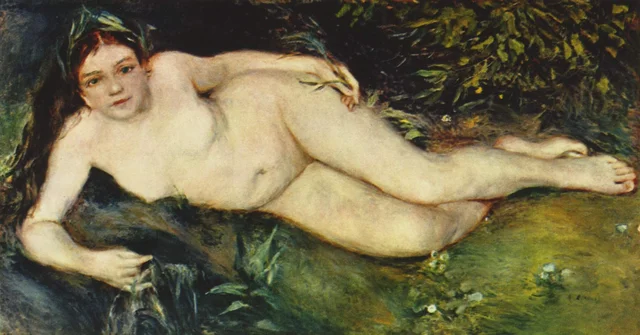 Nymphe an einem BachPierre-Auguste Renoir, 1869
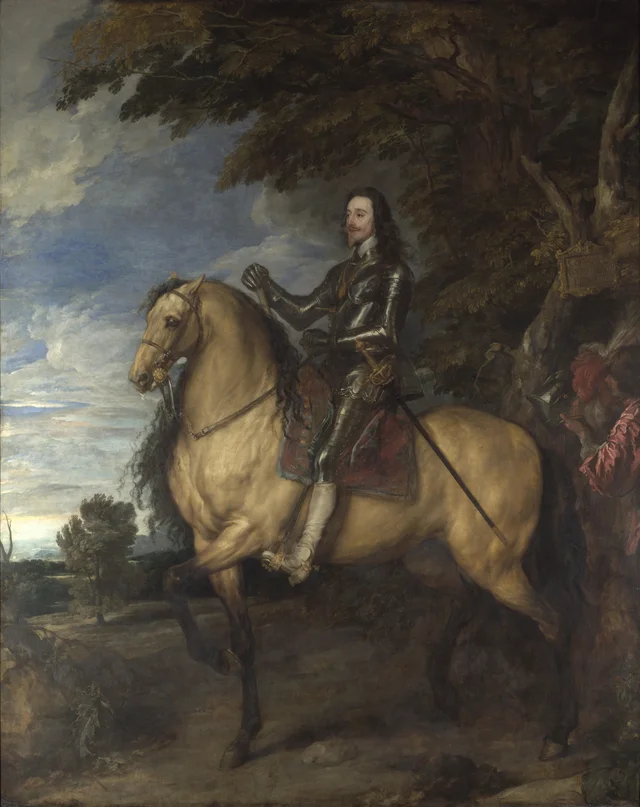 Reiterbildnis Karls I.Anthonis van Dyck, 1637
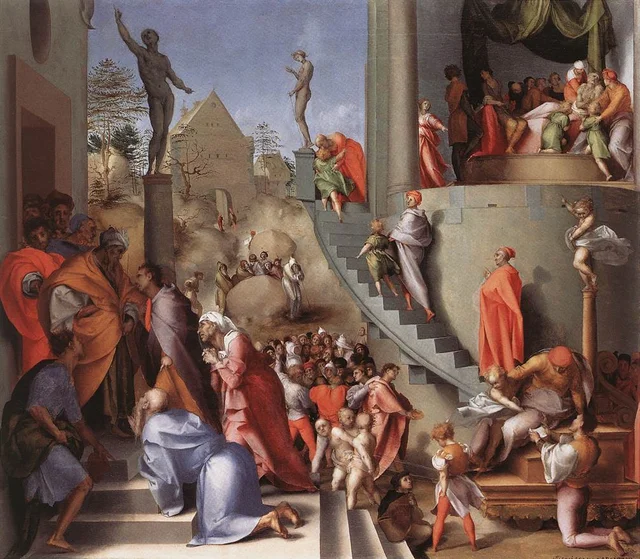 Josef mit Jakob in ÄgyptenPontormo, 1518
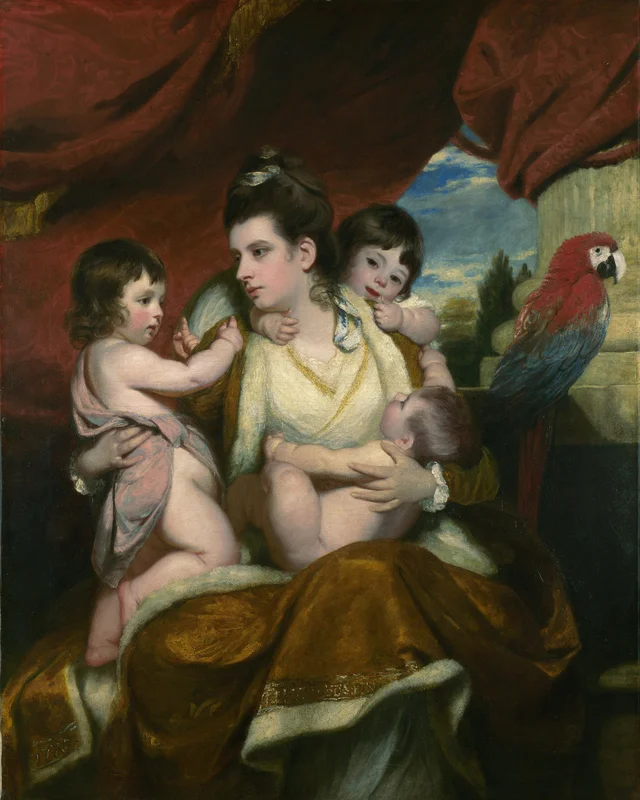 Lady Cockburn und ihre drei ältesten SöhneJoshua Reynolds, 1773
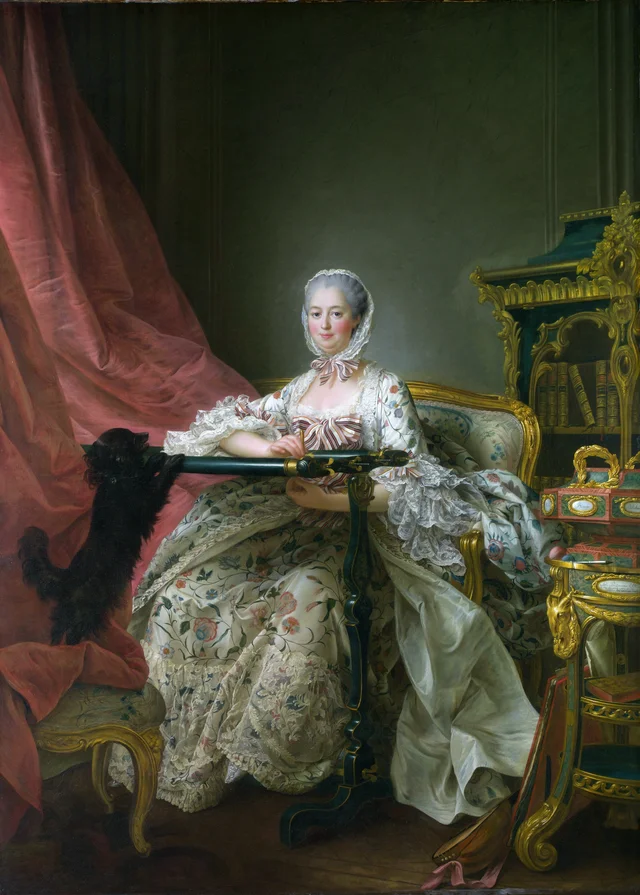 Madame de Pompadour am StickrahmenFrançois-Hubert Drouais, 1763
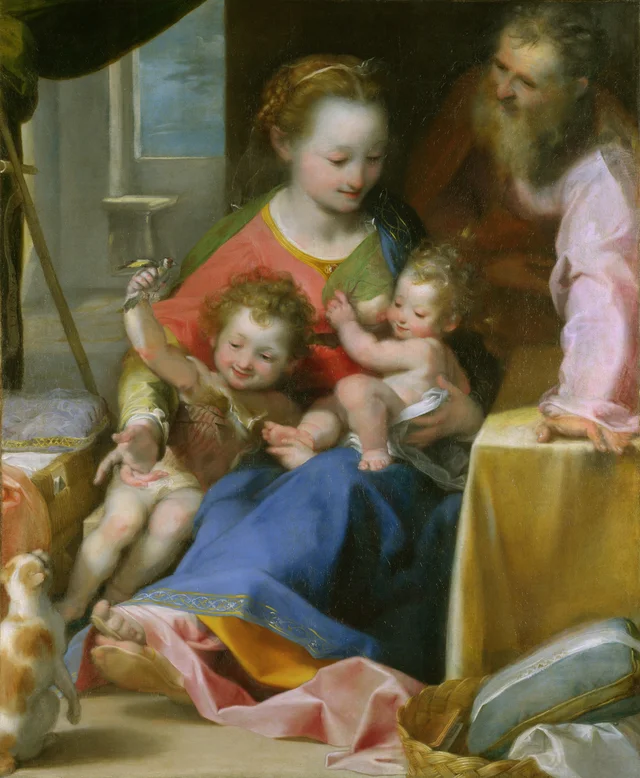 Madonna mit der KatzeFederico Barocci, 1575
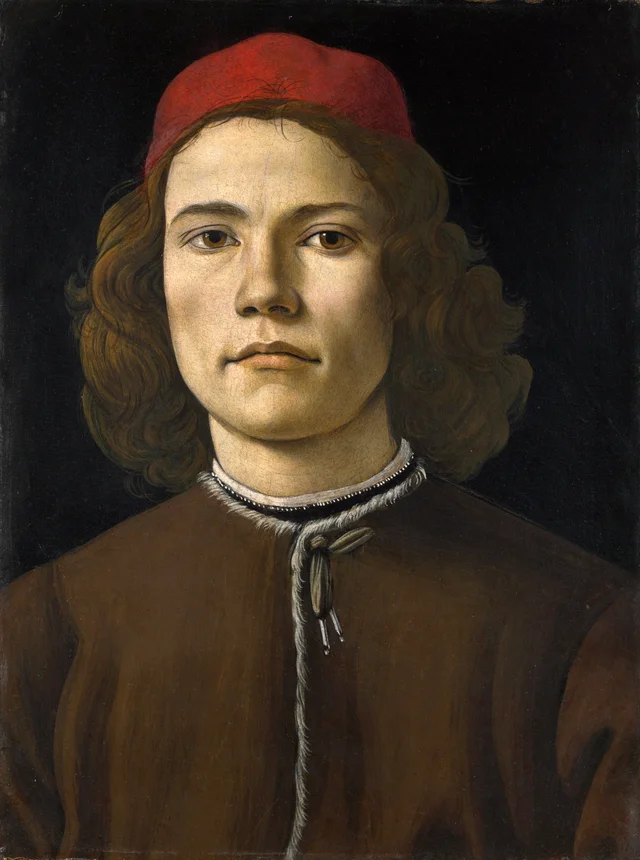 Bildnis eines jungen MannesSandro Botticelli, 1480
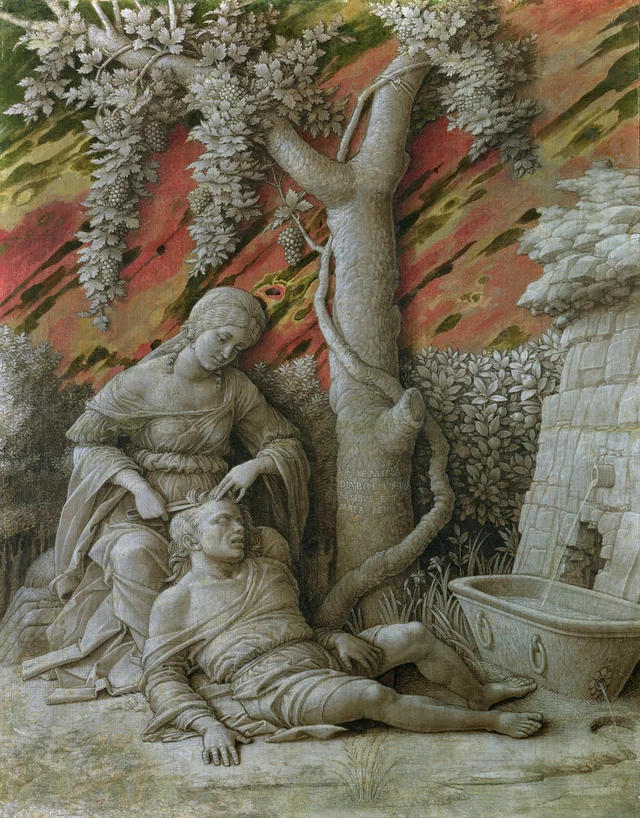 Simson und DelilaAndrea Mantegna, 1495
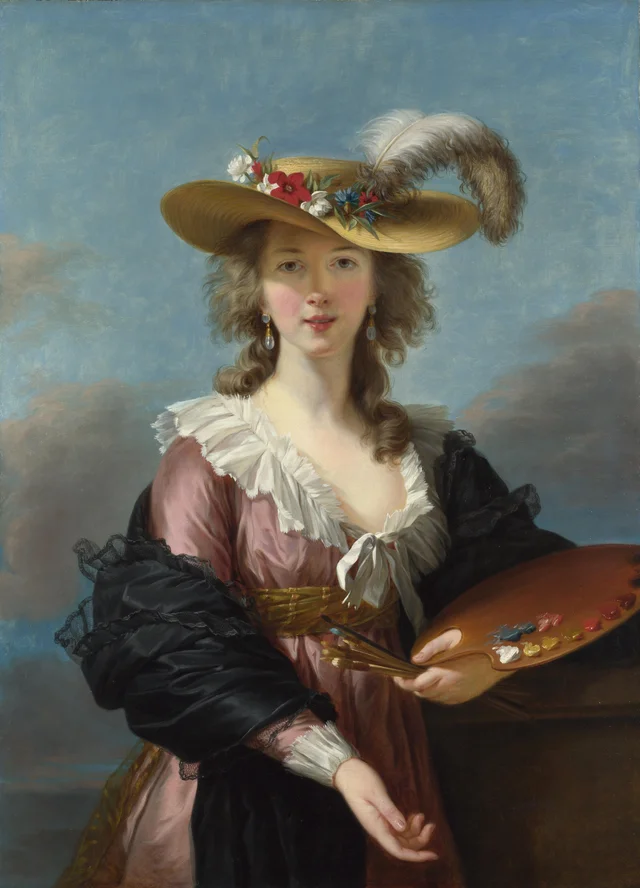 Selbstbildnis mit StrohhutÉlisabeth Louise Vigée Le Brun, 1782
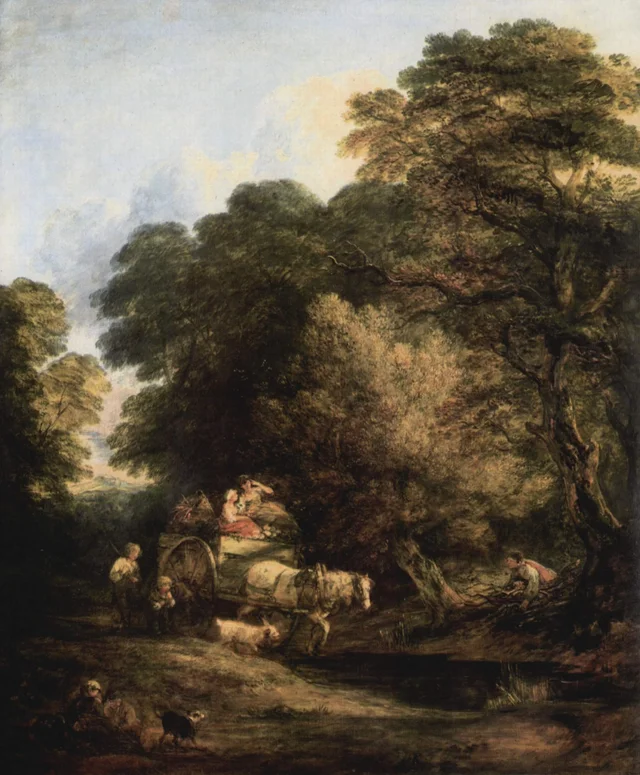 Der MarktkarrenThomas Gainsborough, 1786
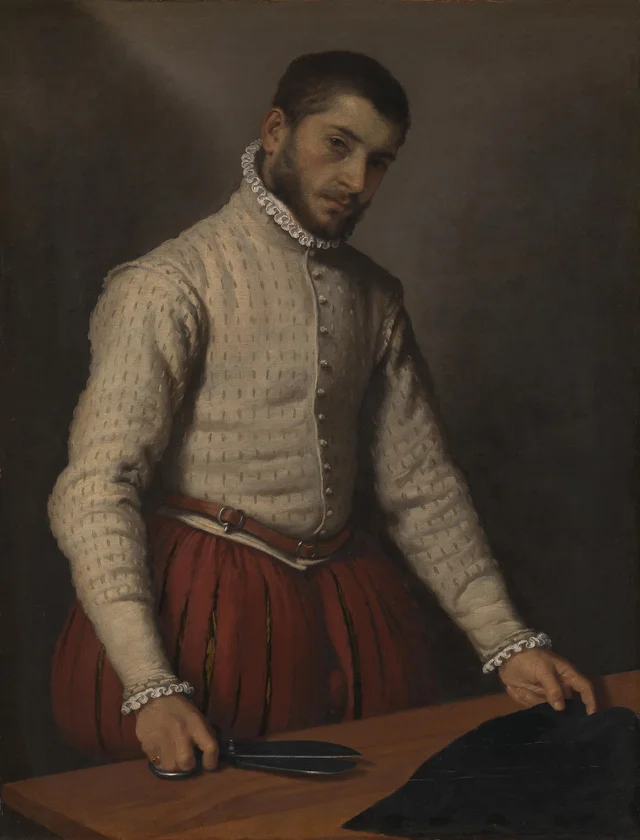 Der SchneiderGiovanni Battista Moroni, 1567
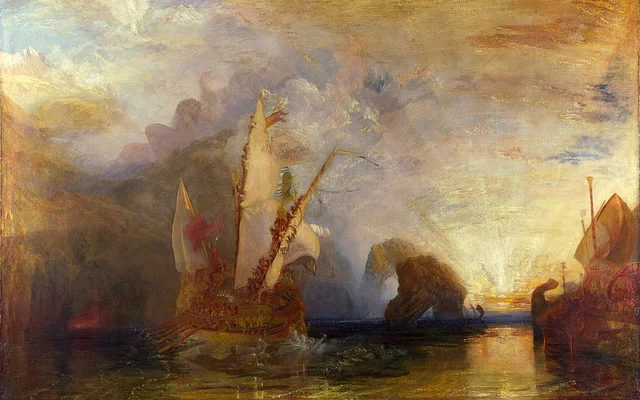 Odysseus verspottet PolyphemJ. M. W. Turner, 1829
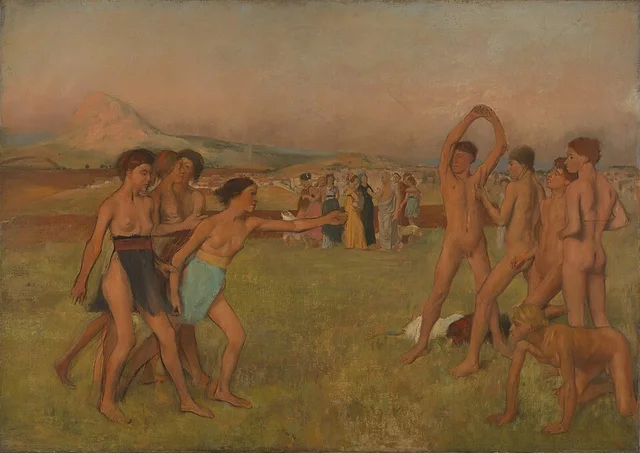 Spartanische Mädchen fordern Knaben herausEdgar Degas, 1860
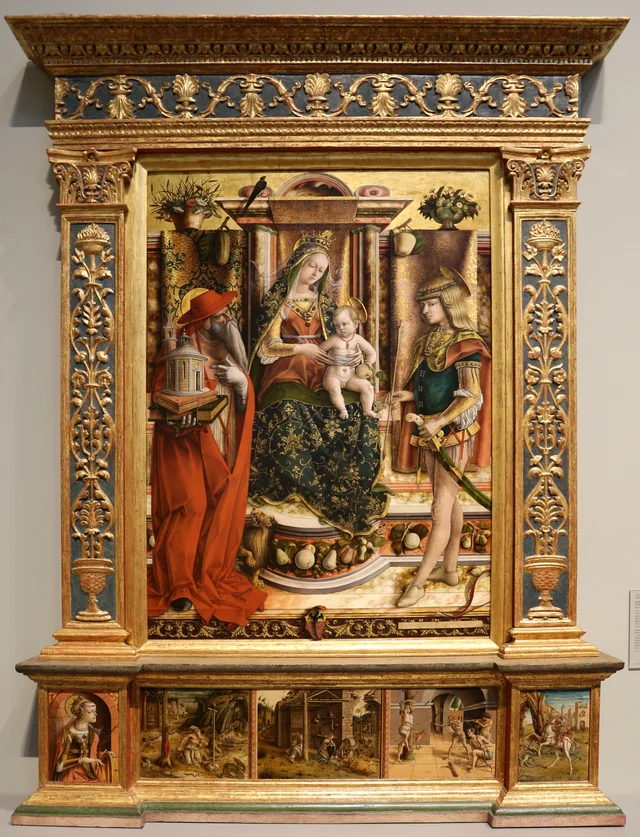 Altarbild aus San Francesco dei Zoccolanti, MatelicaCarlo Crivelli, 1490
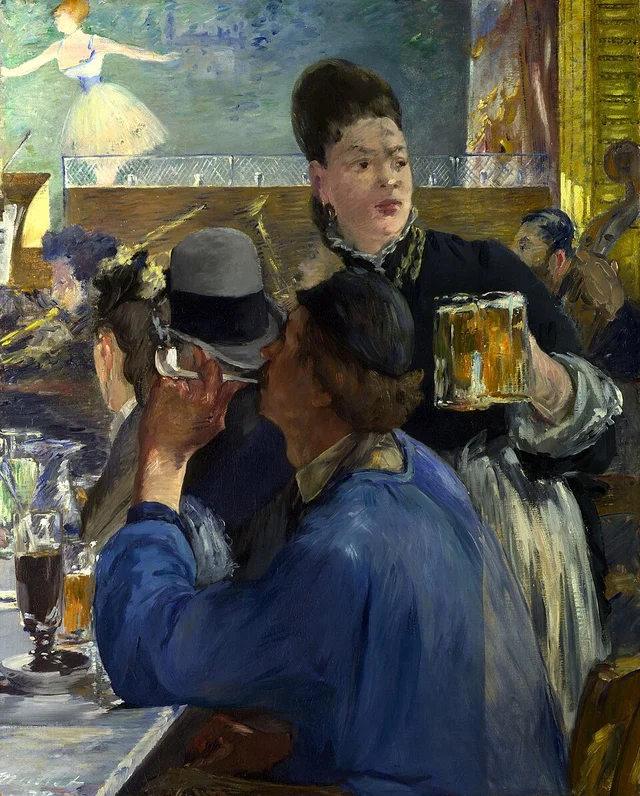 Ecke eines Café-ConcertsÉdouard Manet, 1880
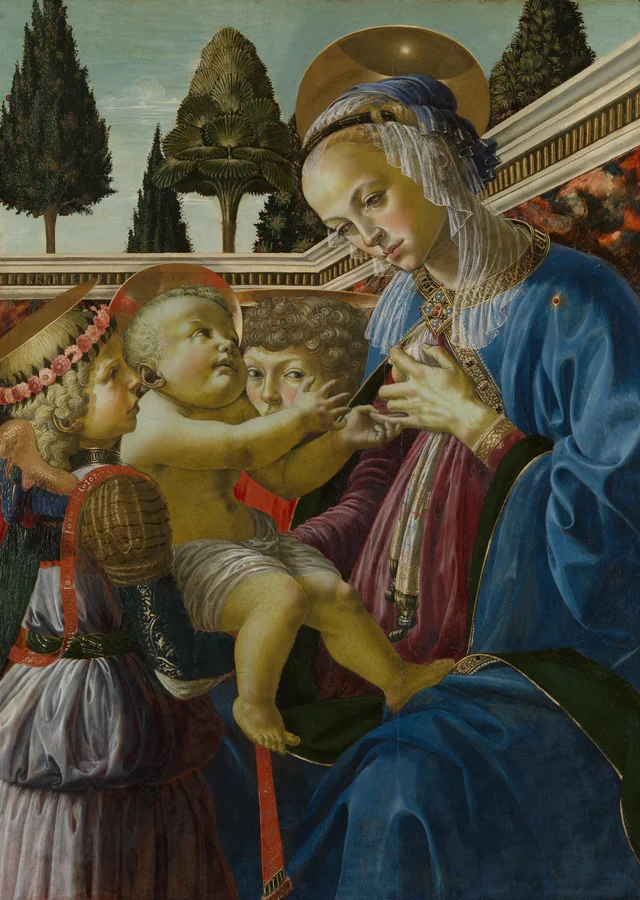 Madonna mit der MilchAndrea del Verrocchio, 1467
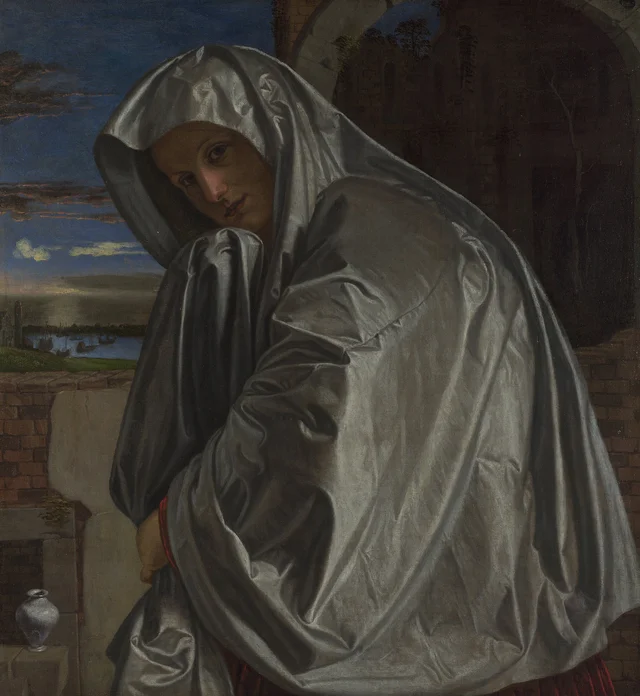 Maria MagdalenaGiovanni Girolamo Savoldo, 1535
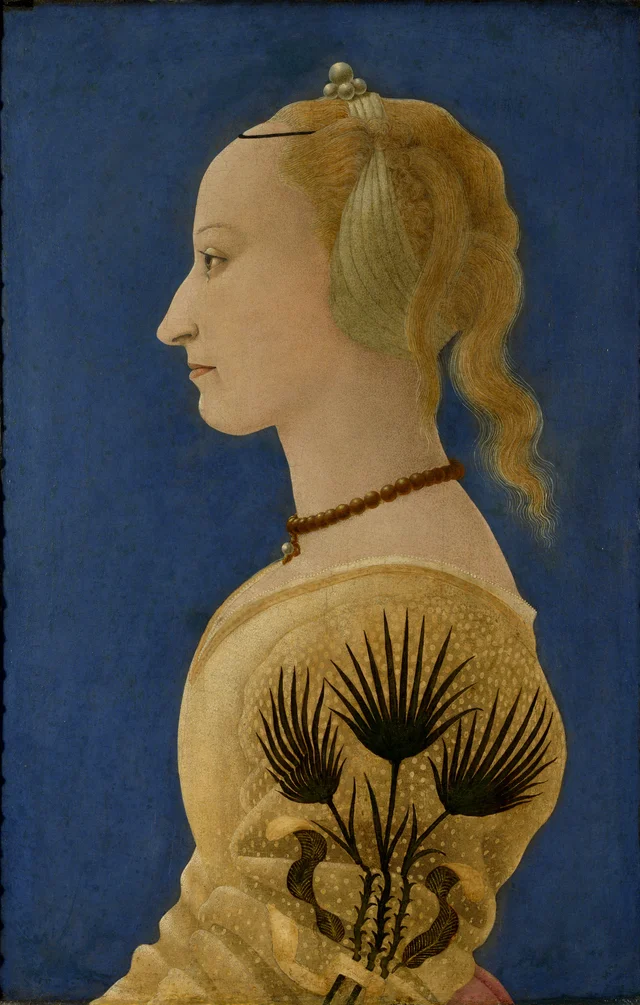 Bildnis einer DameAlesso Baldovinetti, 1465
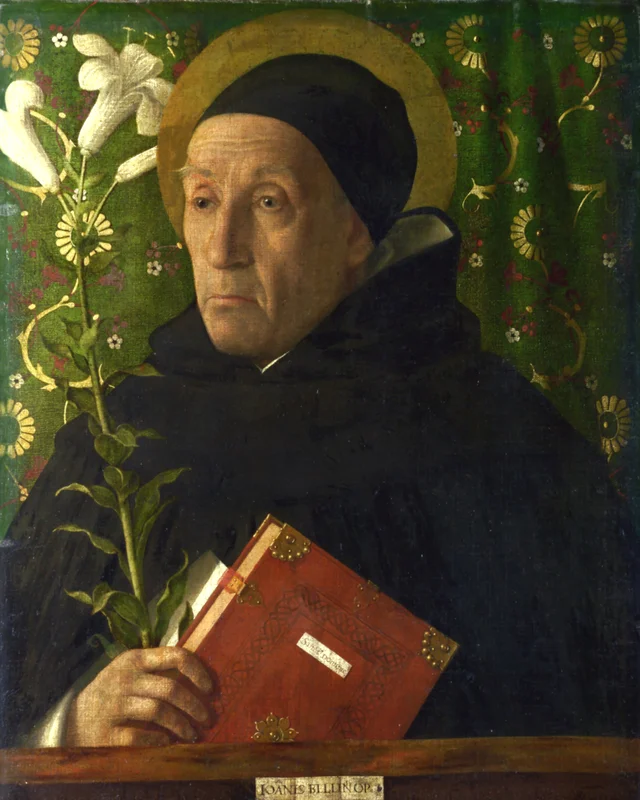 Porträt des Fra Teodoro von Urbino als Heiliger DominikusGiovanni Bellini, 1515
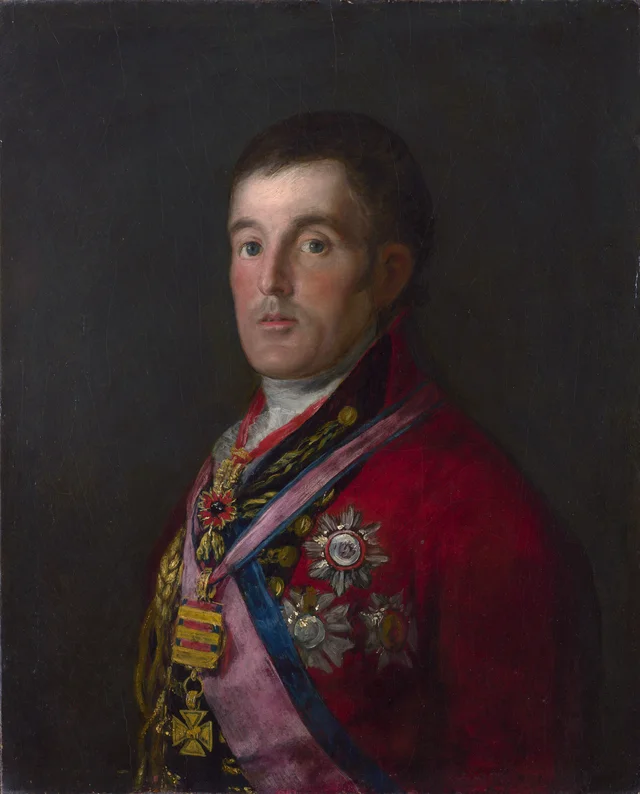 Bildnis des Herzogs von WellingtonFrancisco Goya, 1813
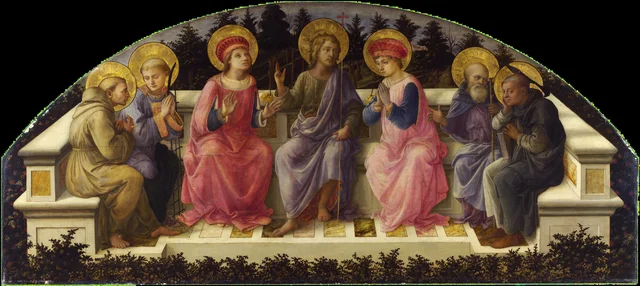 Sieben HeiligeFilippo Lippi, 1449
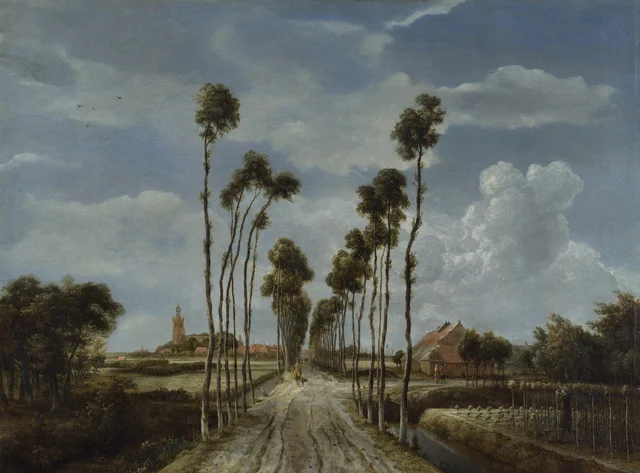 Die Allee von MiddelharnisMeindert Hobbema, 1689
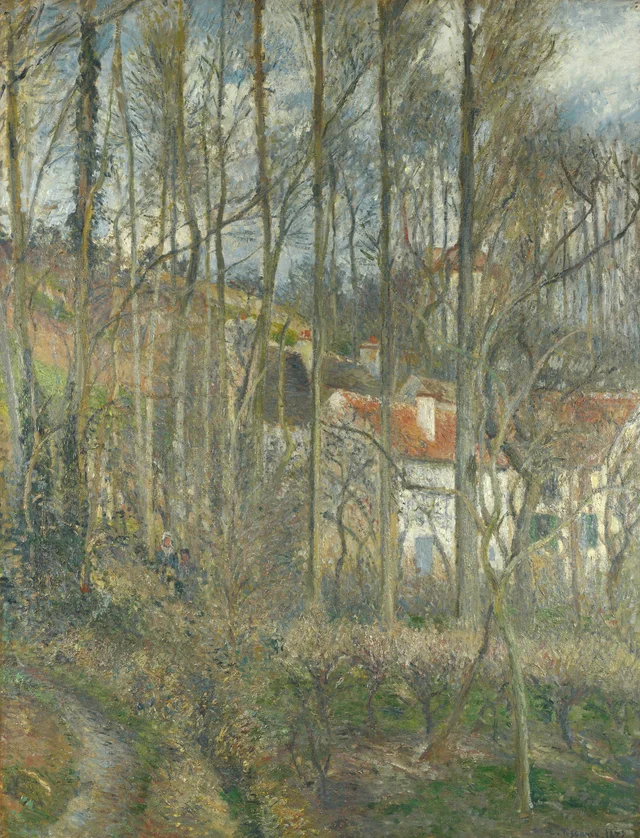 Die Côte des Bœufs bei PontoiseCamille Pissarro, 1877