Die Geschichte
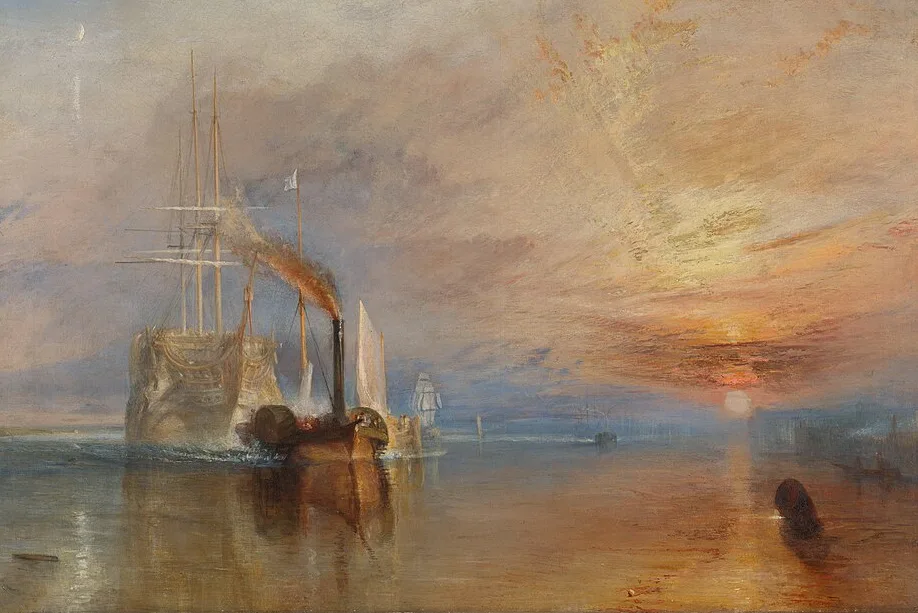
Nach Kriegsausbruch, mit einer für 1940 erwarteten Invasion, wurden die Bilder der National Gallery aus London fortgeschafft. Im Sommer 1941 waren sie in einem Schieferbergwerk in den Bergen von Nordwales verborgen. Jemand hatte vorgeschlagen, sie nach Kanada zu verschiffen, und Churchill antwortete: Versteckt sie in Höhlen und Kellern, aber kein einziges Bild soll diese Insel verlassen. Tief im Steinbruch von Manod, in Backsteinkammern, die Feuchtigkeit und Temperatur stabil halten sollten, überstanden van Eycks Arnolfini-Hochzeit und Turners Die kämpfende Téméraire den Blitz, während die Pianistin Myra Hess in den leergeräumten Sälen im fernen London Mittagskonzerte gab.
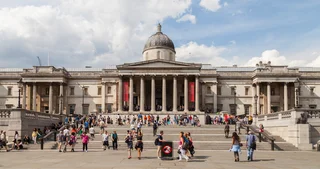
Die Galerie hatte immer der Öffentlichkeit gehört und keinem Palast. Sie begann 1824, als das Parlament dem Bankier John Julius Angerstein 38 Gemälde abkaufte, und wurde bewusst am Trafalgar Square im Zentrum Londons angesiedelt, damit ein Schreiber oder ein Fuhrmann sie ebenso leicht erreichte wie ein Lord. Ihre ständige Sammlung ist bis heute frei zugänglich.
Während des Krieges holten die Mitarbeiter immer wieder einzelne Meisterwerke aus Wales zurück, eines nach dem anderen, um sie im leeren Haus als Bild des Monats für eine bombardierte Stadt aufzuhängen. Dieselben Räume beherbergen heute das Wilton-Diptychon, Van Goghs Sonnenblumen und Constables Der Heuwagen, offen für jeden, der die Stufen vom Platz hinaufsteigt.
Weitere Artikel
Sammlung
648 Werke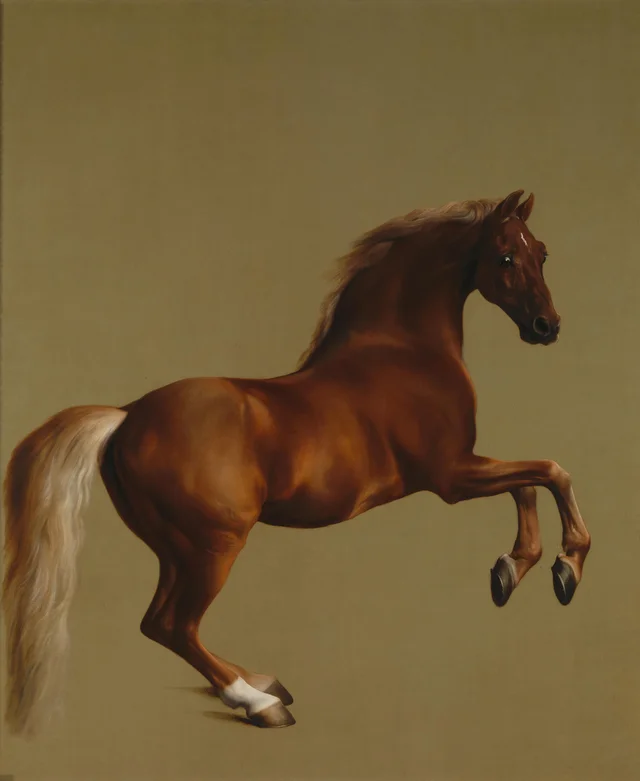 WhistlejacketGeorge Stubbs, 1762
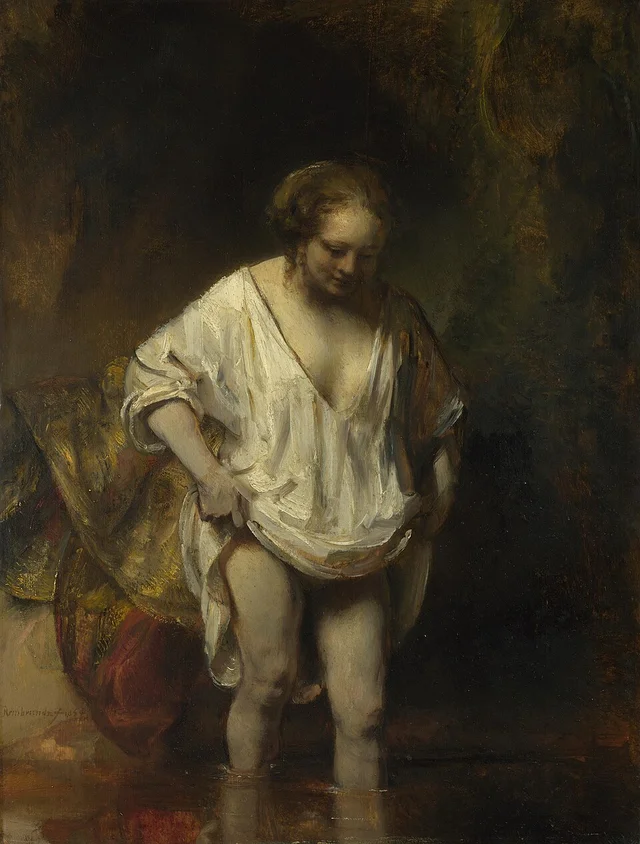 Eine im Bach badende Frau (Hendrickje Stoffels?)Rembrandt, 1654
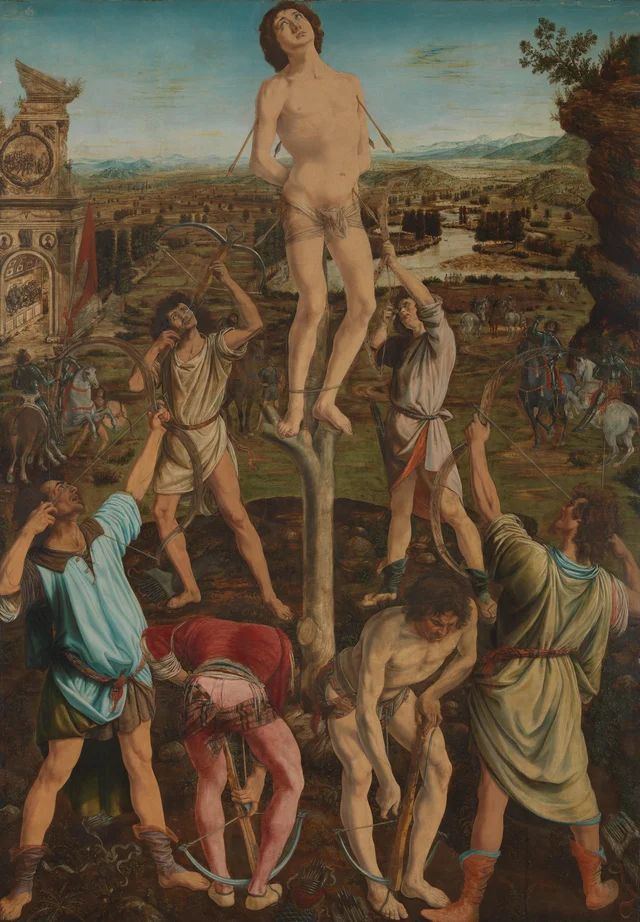 Das Martyrium des heiligen SebastianPiero del Pollaiuolo, 1475
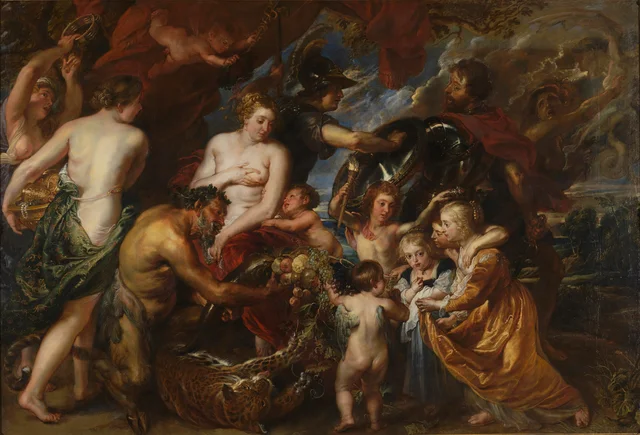 Minerva schützt den Frieden vor MarsPeter Paul Rubens, 1629
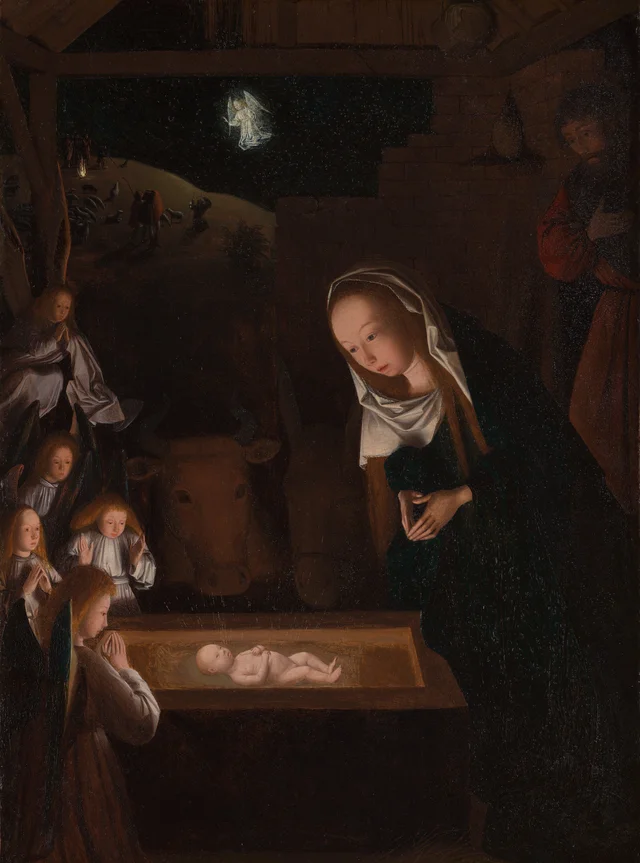 Geburt Christi bei NachtGeertgen tot Sint Jans, 1490
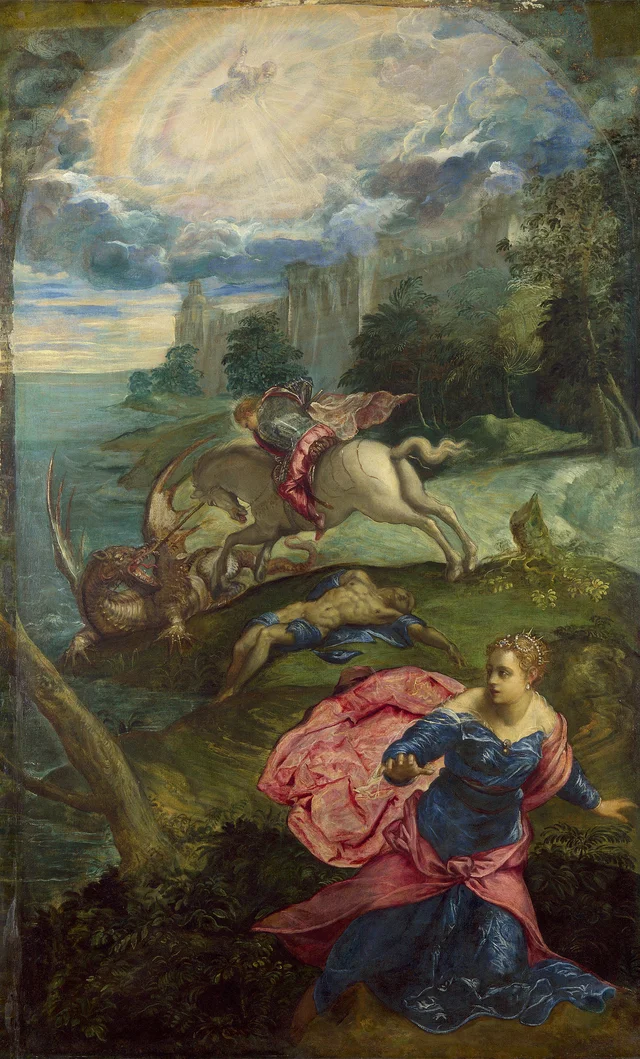 Der heilige Georg und der DracheJacopo Tintoretto, 1555
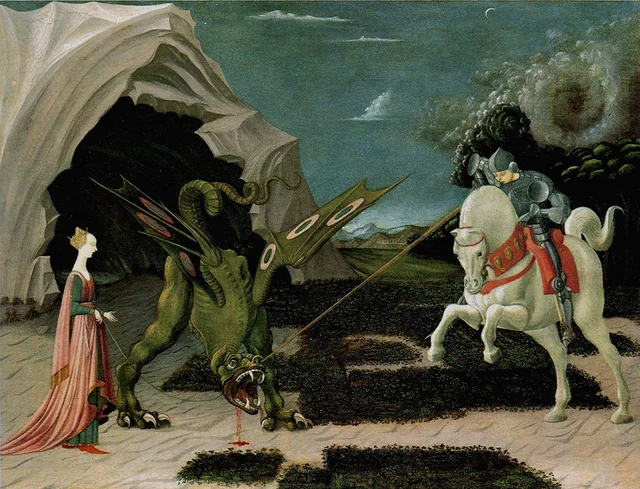 Der heilige Georg und der DrachePaolo Uccello, 1470
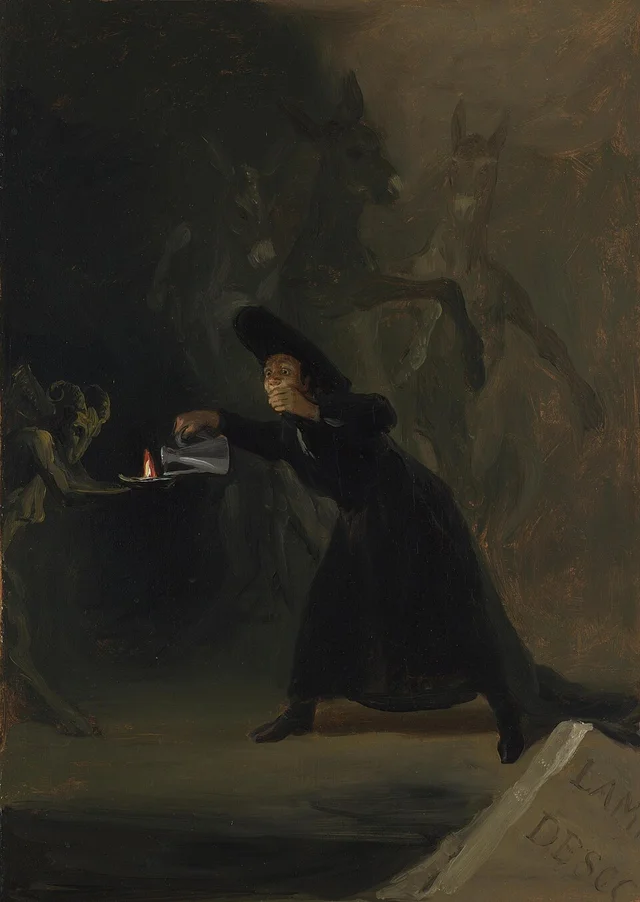 Der VerhexteFrancisco Goya, 1798
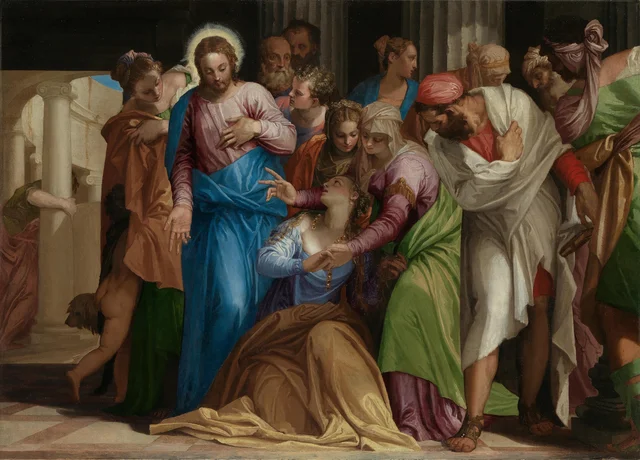 Die Bekehrung der Maria MagdalenaPaolo Veronese, 1548
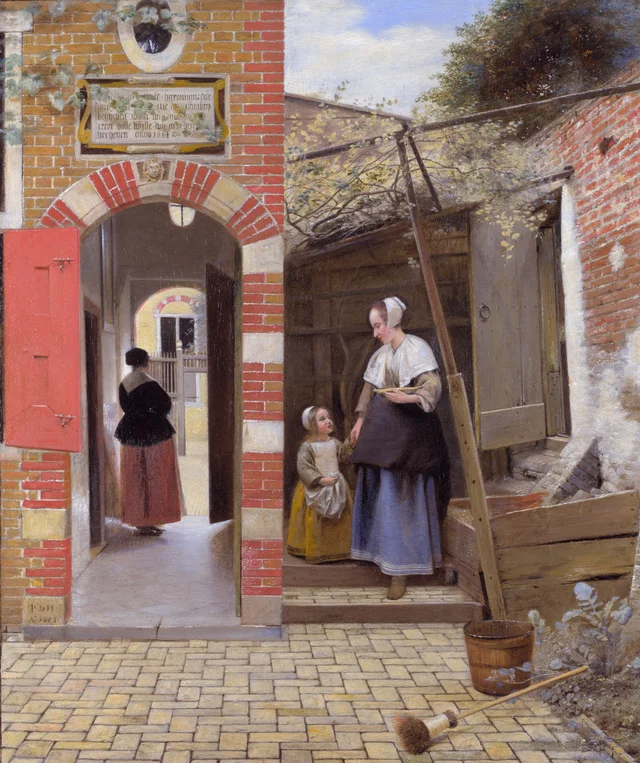 Der Hof eines Hauses in DelftPieter de Hooch, 1658
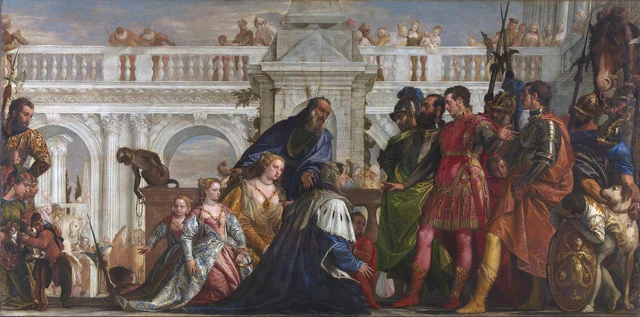 Die Familie des Darius vor AlexanderPaolo Veronese, 1565
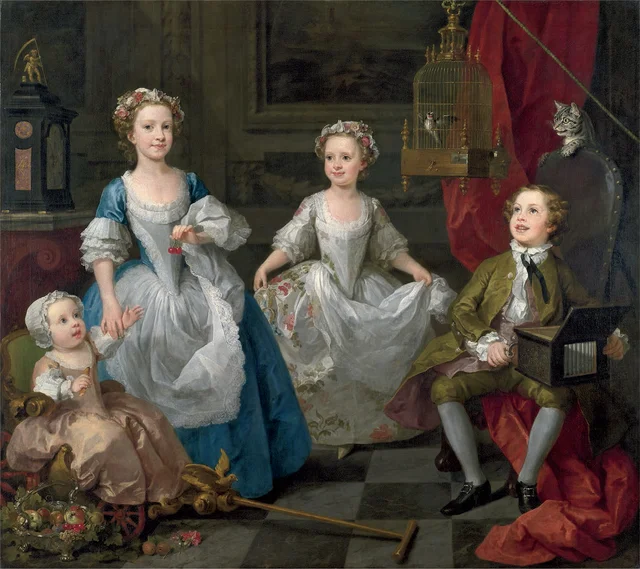 Die Graham-KinderWilliam Hogarth, 1742
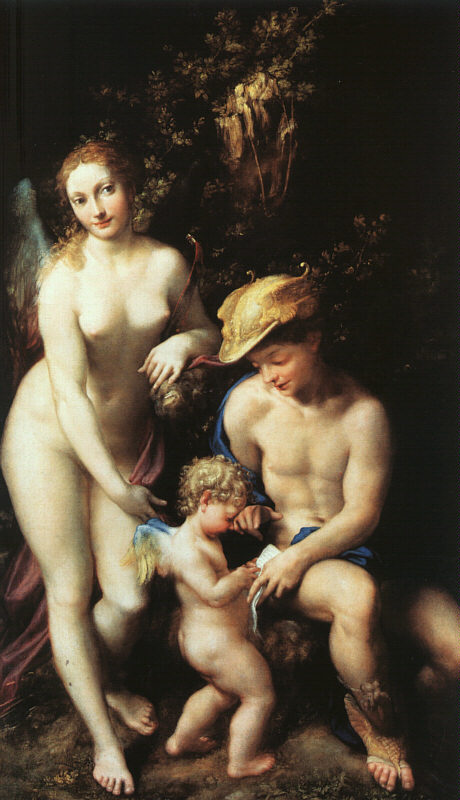 Venus mit Merkur und Amor („Die Schule der Liebe“)Correggio, 1527
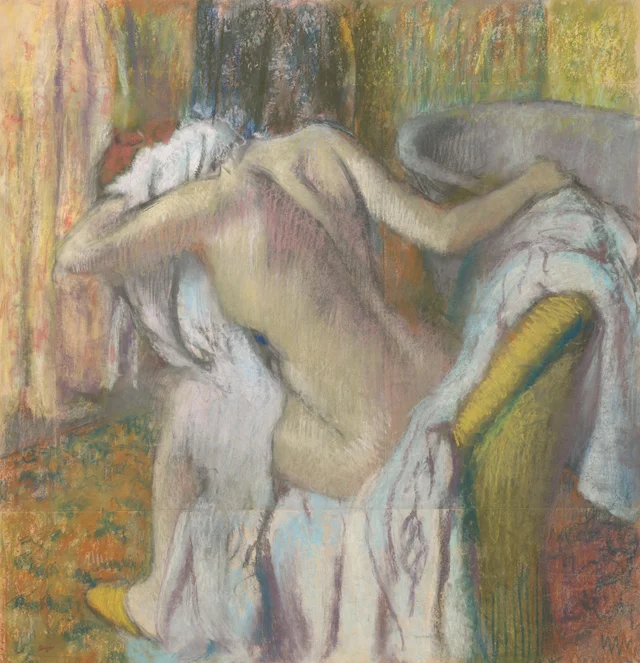 Nach dem Bade, sich abtrocknende FrauEdgar Degas, 1890
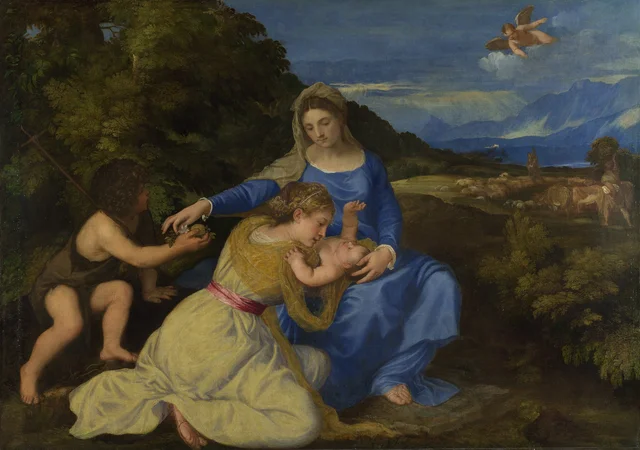 Aldobrandini-MadonnaTizian, 1532
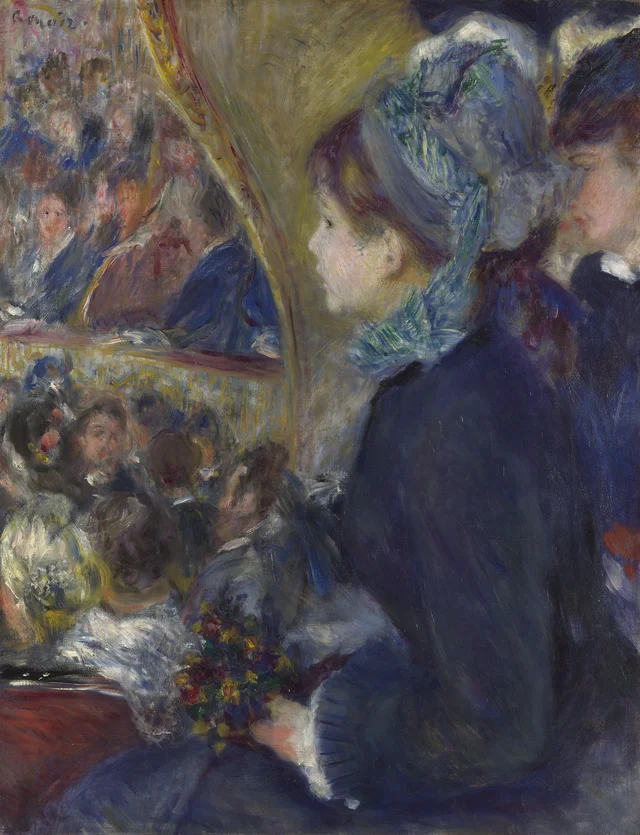 Im Theater (La Première Sortie)Pierre-Auguste Renoir, 1876
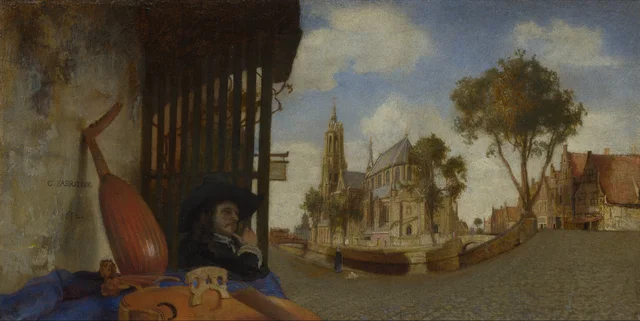 Ansicht von DelftCarel Fabritius, 1652
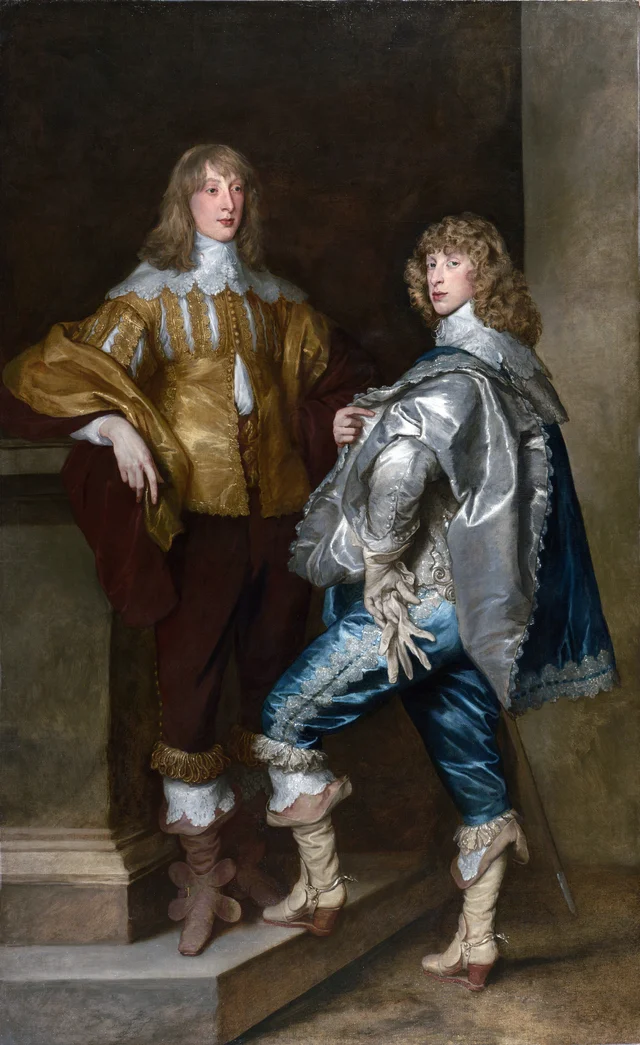 Lord John Stuart und sein Bruder Lord Bernard StuartAnthonis van Dyck, 1638
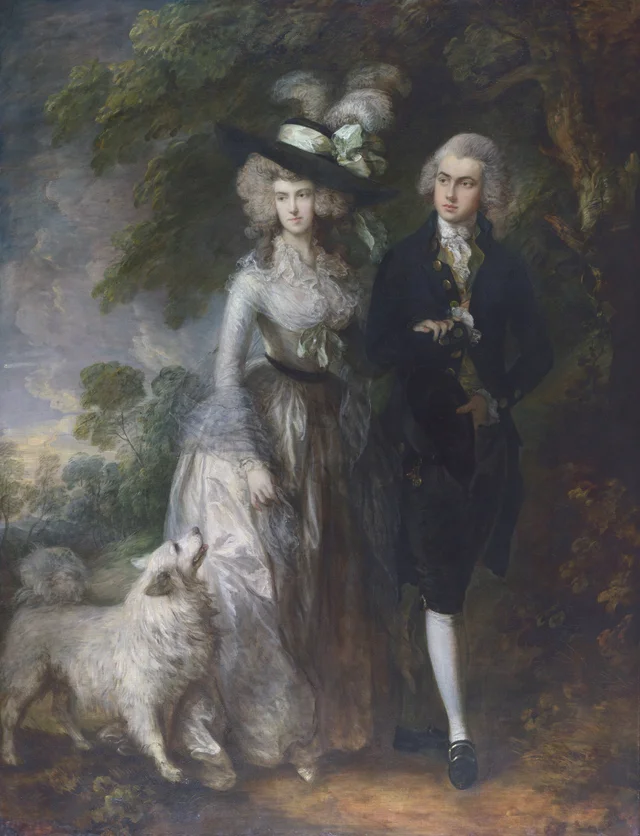 Mr. und Mrs. William Hallett („Der Morgenspaziergang“)Thomas Gainsborough, 1785
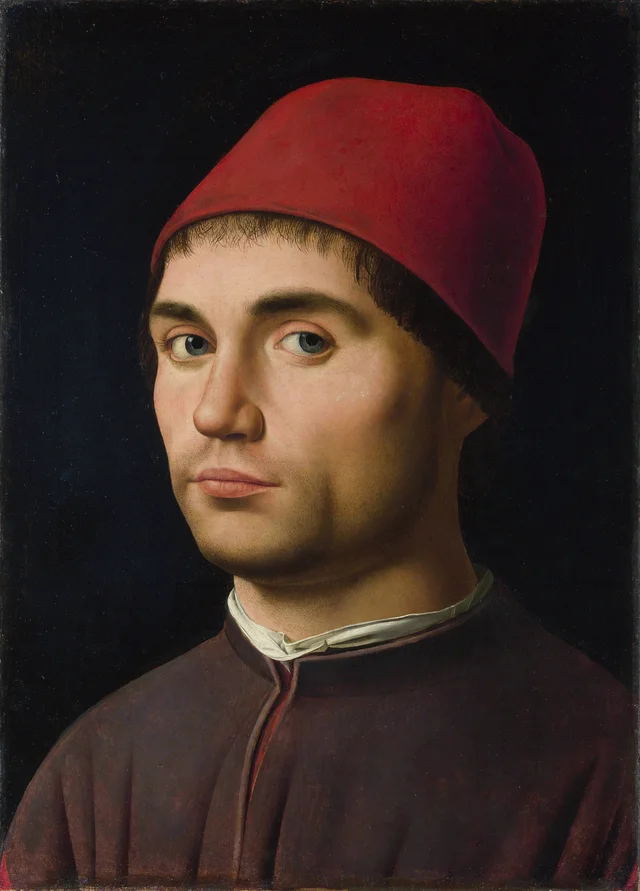 Bildnis eines MannesAntonello da Messina, 1475
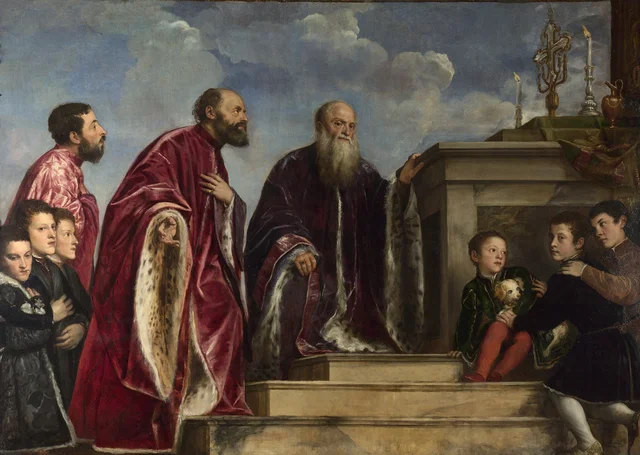 Bildnis der Familie VendraminTizian, 1540
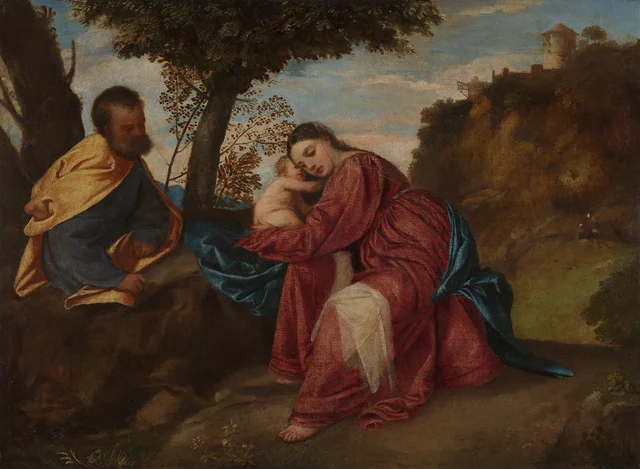 Ruhe auf der Flucht nach ÄgyptenTizian, 1512
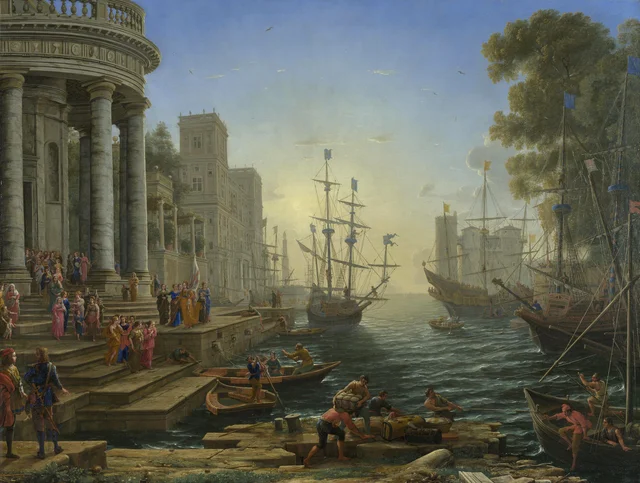 Seehafen mit der Einschiffung der heiligen UrsulaClaude Lorrain, 1641
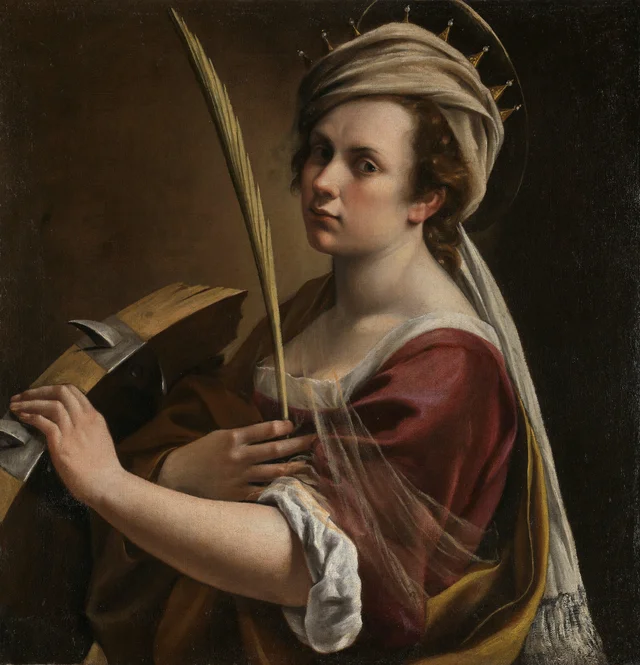 Selbstbildnis als heilige Katharina von AlexandrienArtemisia Gentileschi, 1616
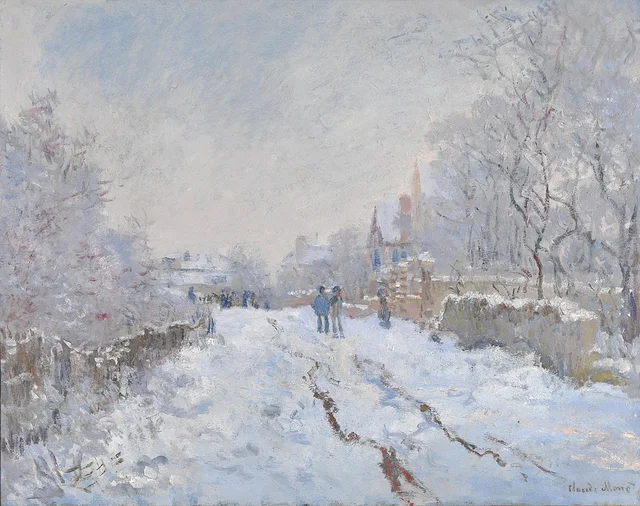 Schnee in ArgenteuilClaude Monet, 1875