The story
The Louvre began as a fortress. Philip II raised it on the right bank of the Seine around 1190 to guard medieval Paris, and over the following centuries French kings rebuilt it into a royal palace, until Louis XIV moved his court to Versailles in 1682 and left the half-finished halls to the royal collection and the artists lodged inside.
The Revolution turned it into a public museum. On 10 August 1793 the Muséum central des arts opened its doors, showing the confiscated art of the crown and the church to any citizen who wished to walk in. Napoleon filled it with the spoils of his campaigns and briefly renamed it after himself. Much was returned after Waterloo, but the idea held, a national collection arranged for study and free to the public.
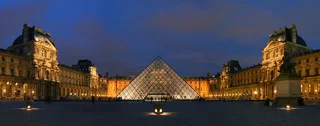
Today the Louvre holds more than 35,000 works, from the Venus de Milo to Géricault's Raft of the Medusa. The crowds, though, press toward one small portrait. In August 1911 it vanished: Vincenzo Peruggia, an Italian handyman who had worked in the museum, lifted Leonardo's Mona Lisa off the wall and carried it out under his coat. For two years the frame hung empty while visitors came to stare at the gap, and the painting returned only in 1913, after Peruggia tried to sell it to a dealer in Florence. I. M. Pei's glass pyramid, set in the courtyard in 1989, now marks the entrance.
More articles
Collection
1,174 works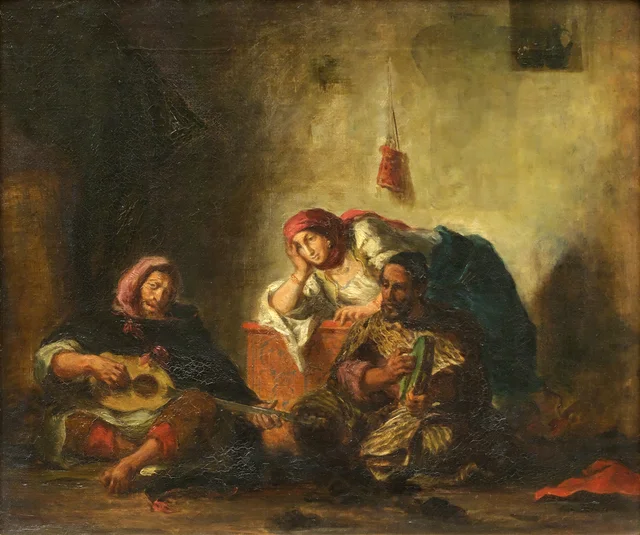 Jewish Musicians of MogadorEugène Delacroix, 1847
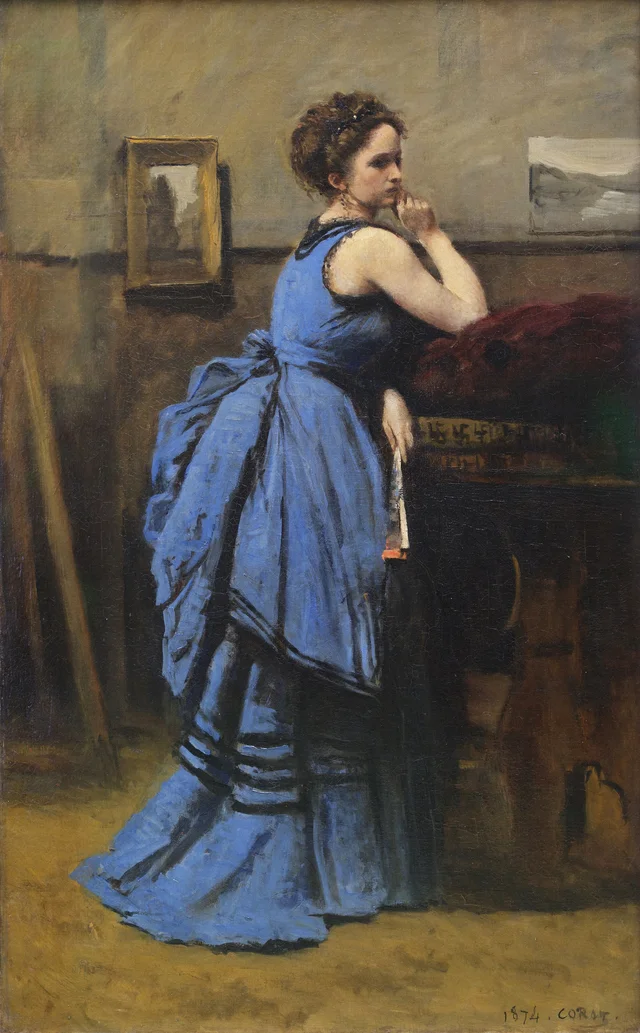 Lady in BlueJean-Baptiste Camille Corot, 1874
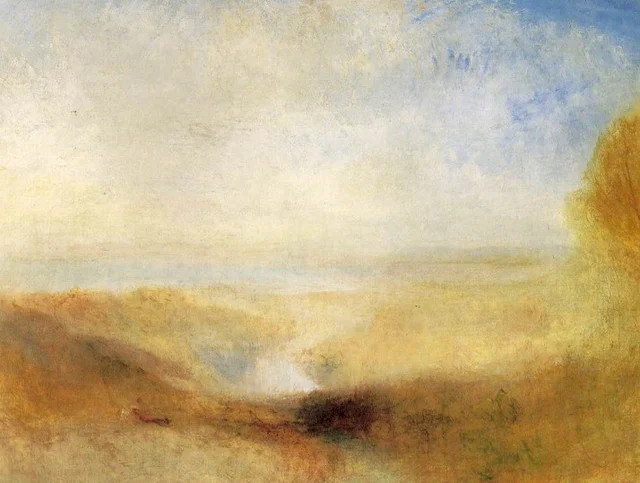 Landscape with a river and a bay in the backgroundJ. M. W. Turner, 1845
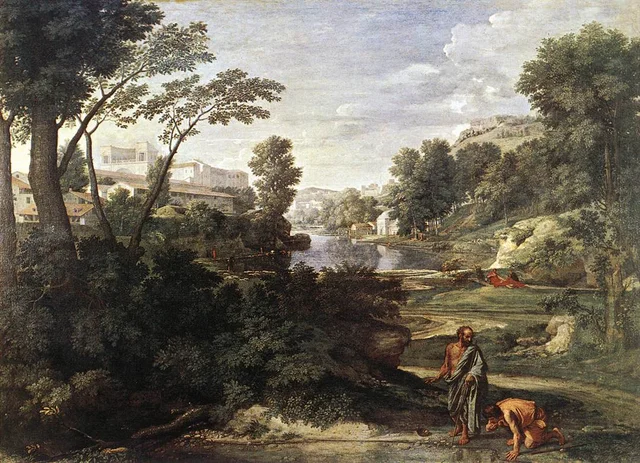 Landscape with DiogenesNicolas Poussin, 1648
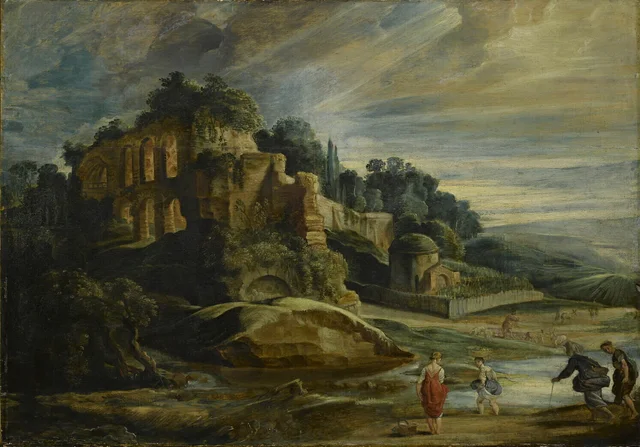 Landscape with Ruins on Palatine HillPeter Paul Rubens, 1615
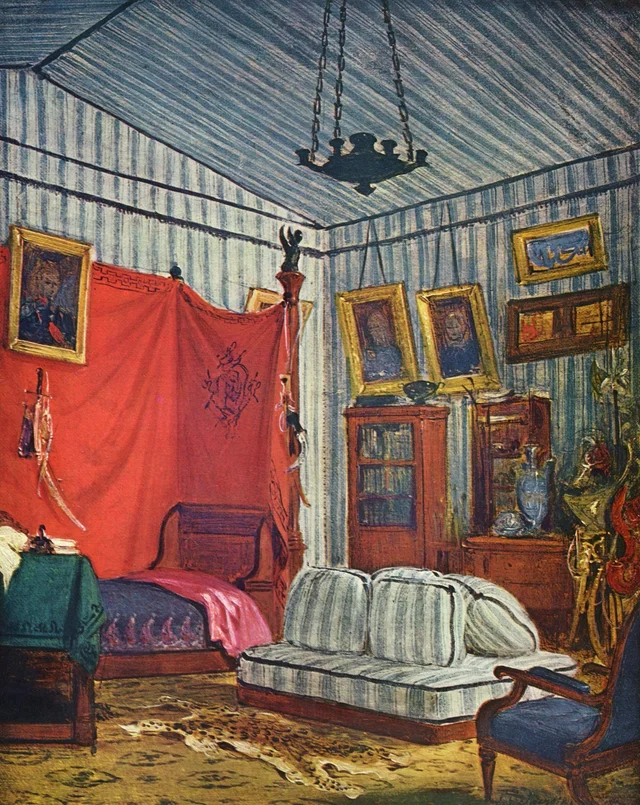 L'appartement du comte de MornayEugène Delacroix, 1833
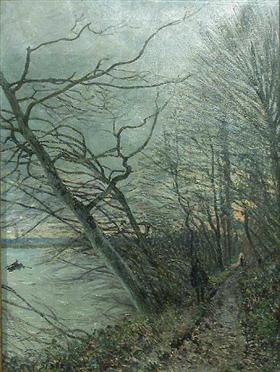 Le bois des Roches, Veneux-NadonAlfred Sisley, 1880
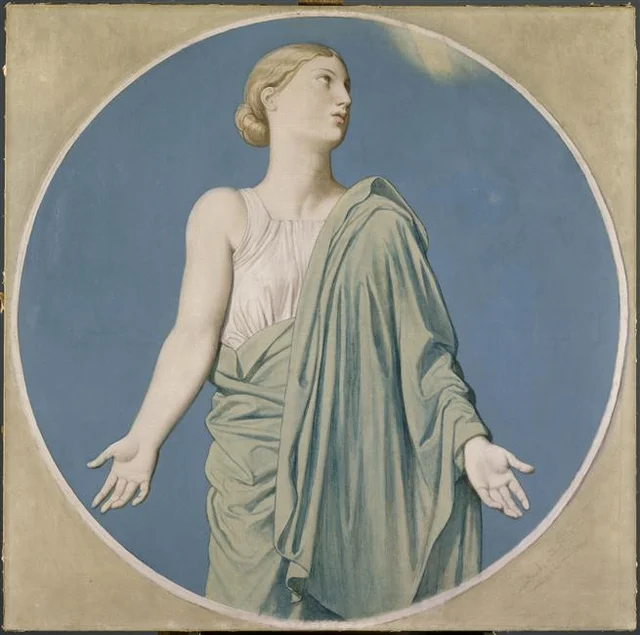 L'EspéranceJean-Auguste-Dominique Ingres, 1842
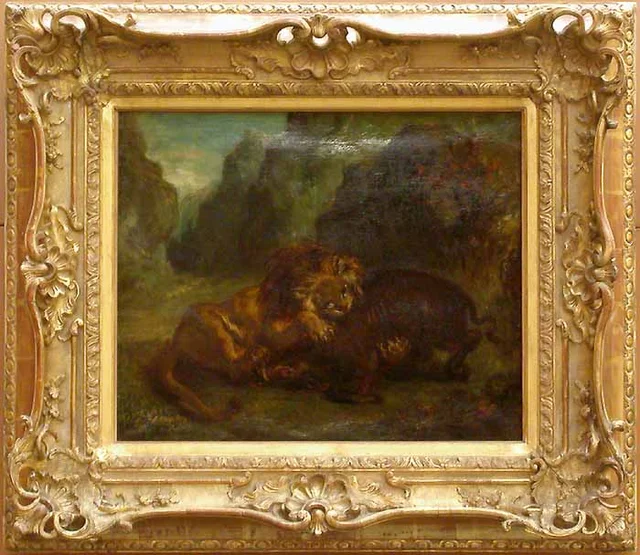 Lion and Wild BoarEugène Delacroix, 1853
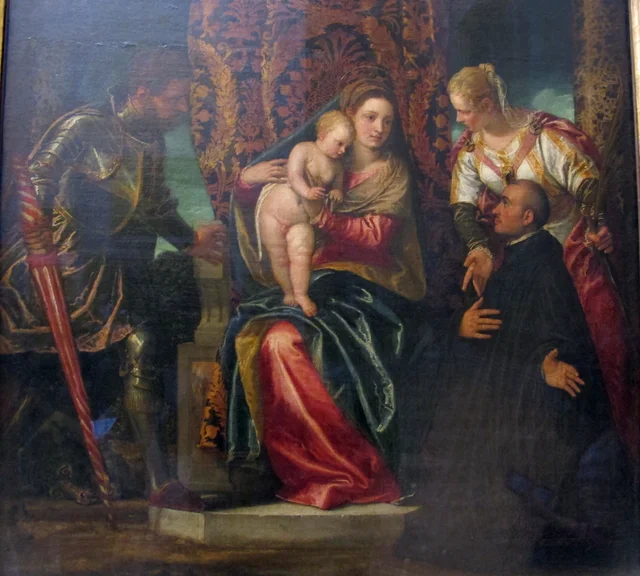 Madonna and Child between St. Justina and St. George, with a Kneeling Benedictine MonkPaolo Veronese, 1554
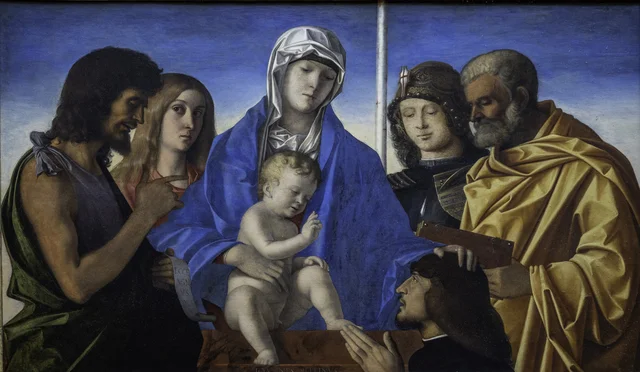 Madonna and Child with SaintsWorkshop of Giovanni Bellini
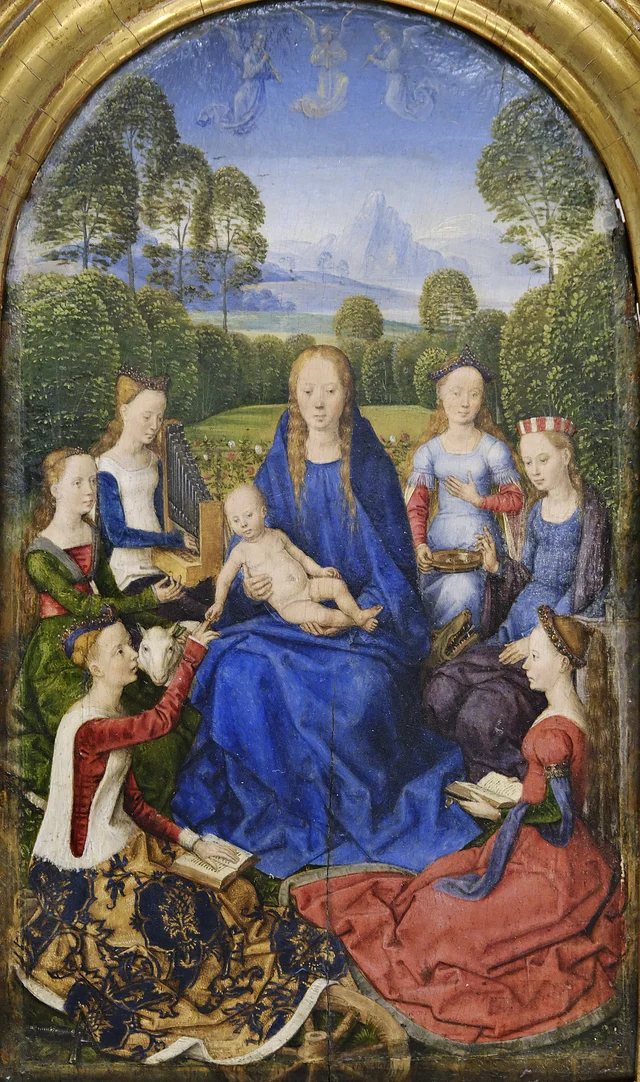 Madonna and Child with SaintsHans Memling, 1490
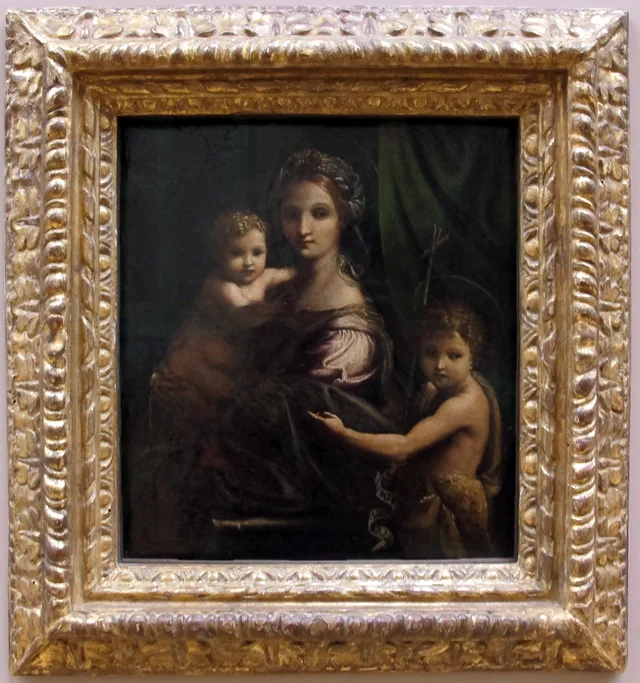 Madonna and Child with the Infant St. JohnGiulio Romano, 1516
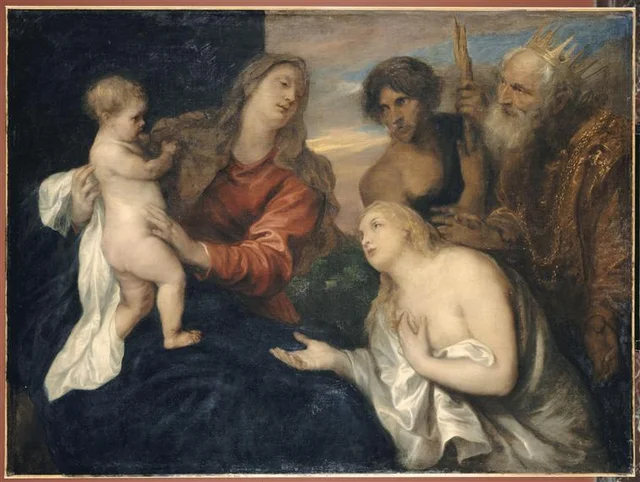 Madonna and Child with Three Repentant SinnersAnthony van Dyck, 1629
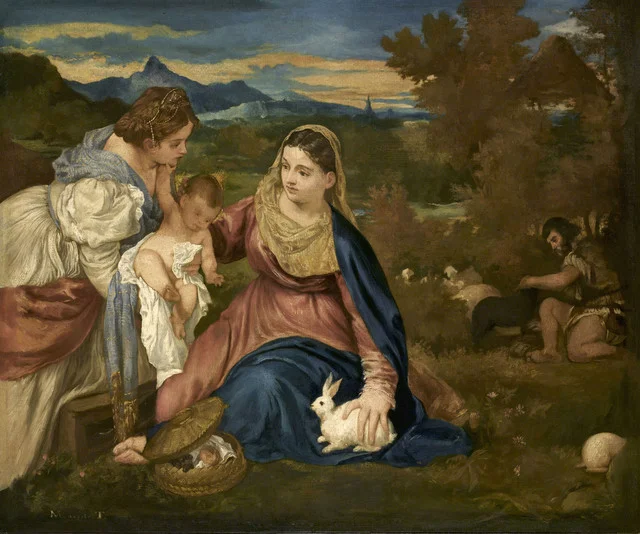 Madonna of the RabbitÉdouard Manet, 1850
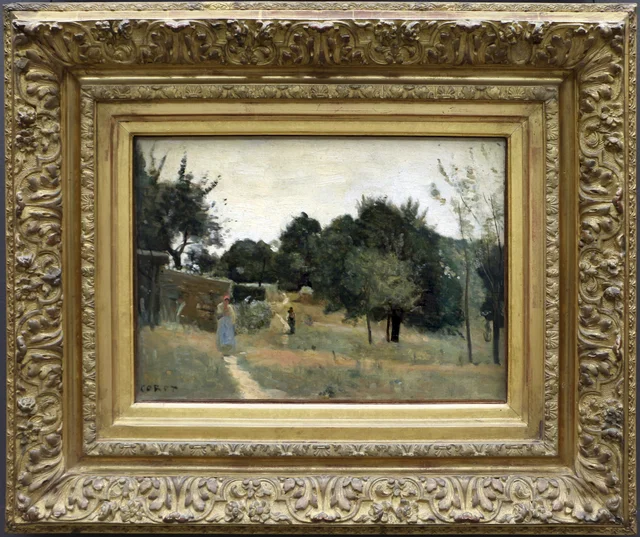 Marcoussis. An orchard in the morningJean-Baptiste Camille Corot, 1865
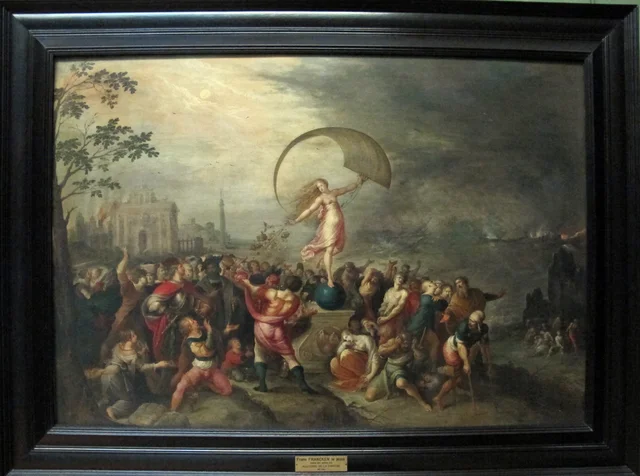 Marine FortuneFrans Francken the Younger, 1617
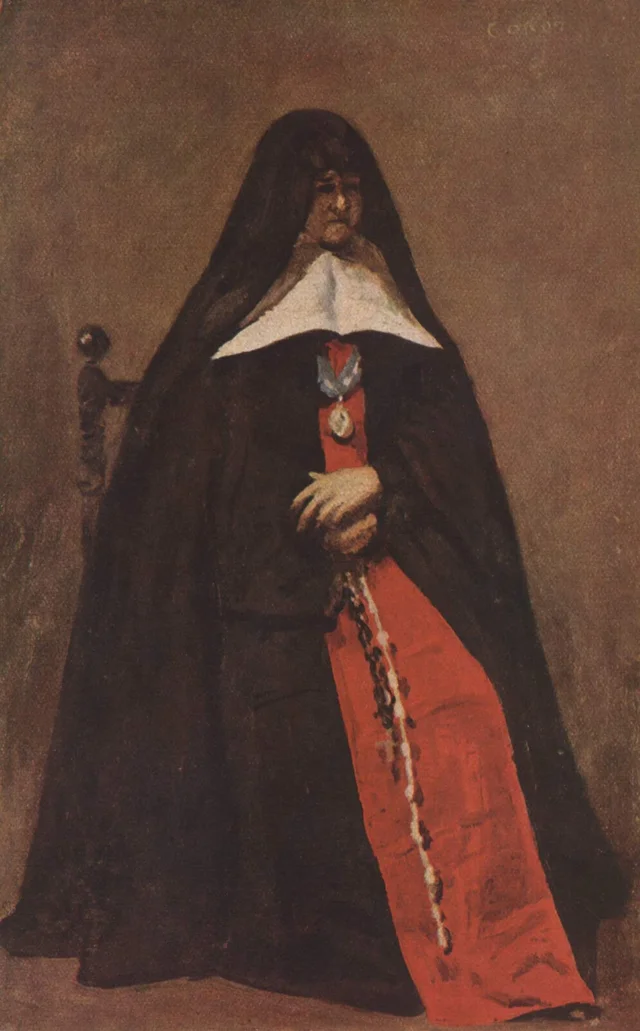 Mère Marie-Héloïse des Dix Vertus, Mother Superior of a convent in Boulogne-sur-MerJean-Baptiste Camille Corot, 1852
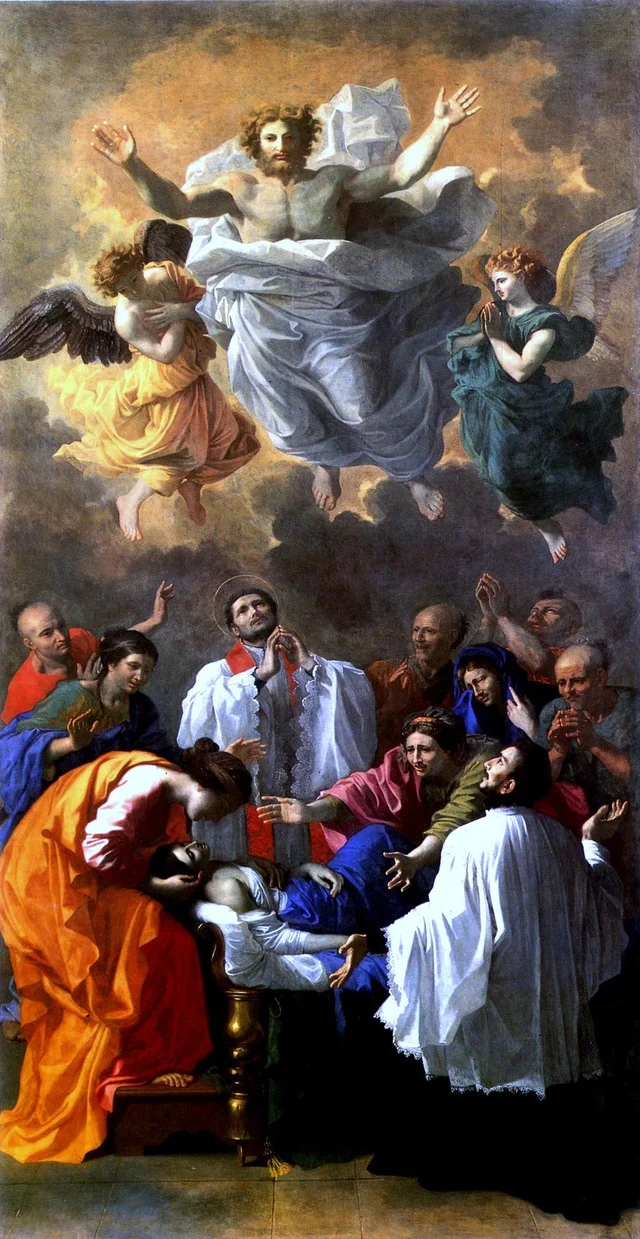 Miracle of Saint Francis XavierNicolas Poussin, 1641
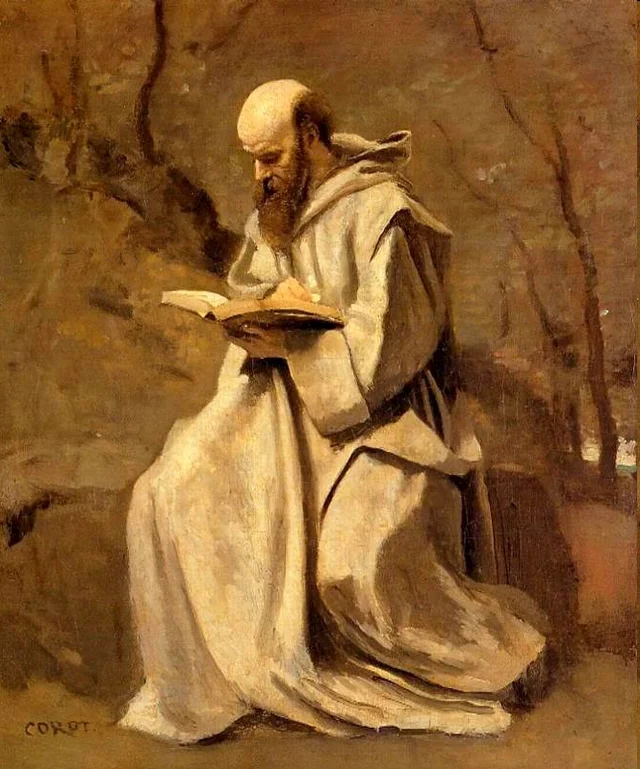 Monk in White, Seated, ReadingJean-Baptiste Camille Corot, 1850
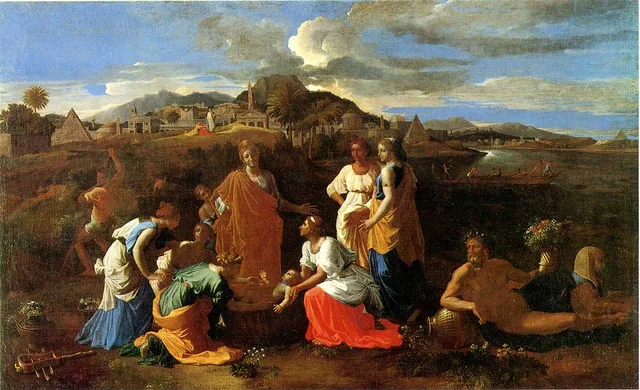 Moses Saved from the RiverNicolas Poussin, 1647
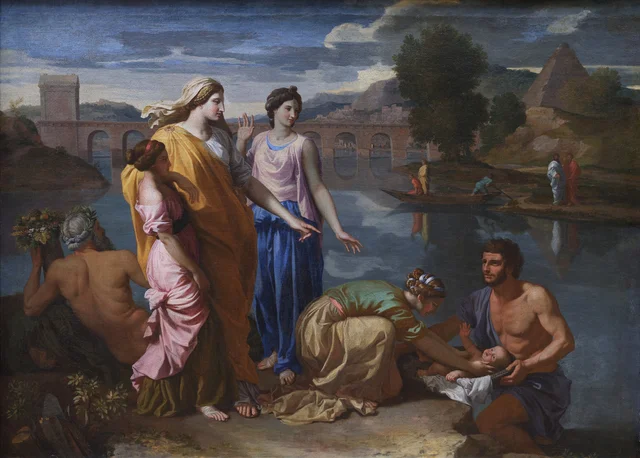 Moses Saved from the RiverNicolas Poussin, 1638
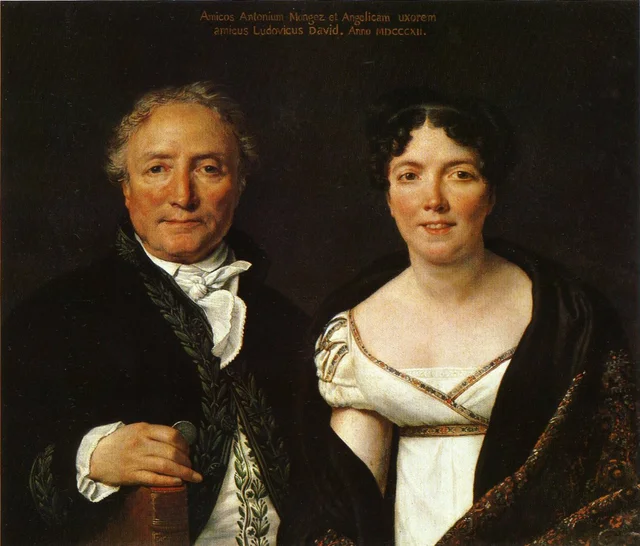 Mr. and Mrs. Antoine MongezJacques-Louis David, 1812
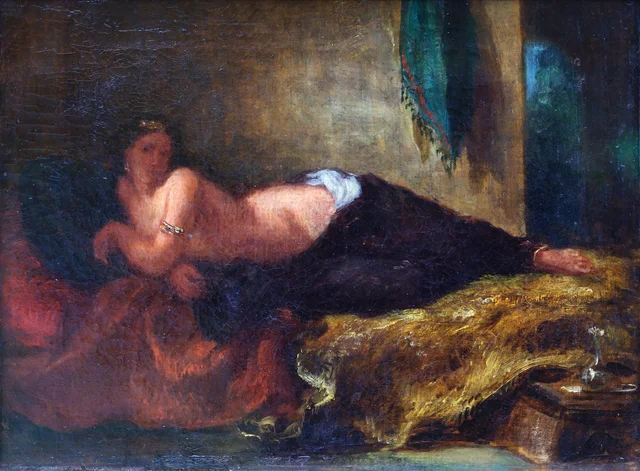 OdalisqueEugène Delacroix, 1837
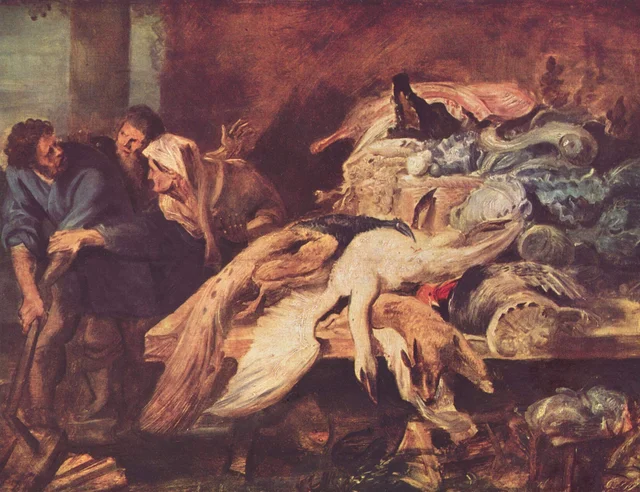 Philopoemen Recognised by an Old WomanPeter Paul Rubens, 1612