
The story
The Louvre began as a fortress. Philip II raised it on the right bank of the Seine around 1190 to guard medieval Paris, and over the following centuries French kings rebuilt it into a royal palace, until Louis XIV moved his court to Versailles in 1682 and left the half-finished halls to the royal collection and the artists lodged inside.
The Revolution turned it into a public museum. On 10 August 1793 the Muséum central des arts opened its doors, showing the confiscated art of the crown and the church to any citizen who wished to walk in. Napoleon filled it with the spoils of his campaigns and briefly renamed it after himself. Much was returned after Waterloo, but the idea held, a national collection arranged for study and free to the public.
Today the Louvre holds more than 35,000 works, from the Venus de Milo to Géricault's Raft of the Medusa. The crowds, though, press toward one small portrait. In August 1911 it vanished: Vincenzo Peruggia, an Italian handyman who had worked in the museum, lifted Leonardo's Mona Lisa off the wall and carried it out under his coat. For two years the frame hung empty while visitors came to stare at the gap, and the painting returned only in 1913, after Peruggia tried to sell it to a dealer in Florence. I. M. Pei's glass pyramid, set in the courtyard in 1989, now marks the entrance.
More articles

Collection
1,174 works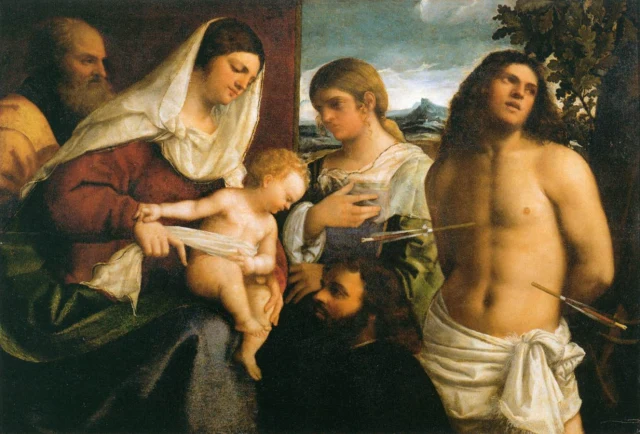 The Holy Family with Saint Catherine, Saint Sebastian and a DonorSebastiano del Piombo, 1507
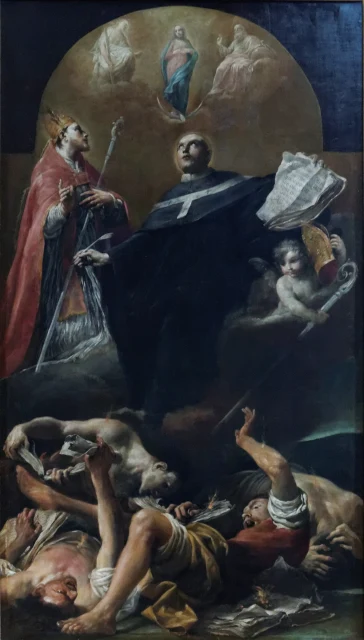 The Immaculate Conception with Saint Anselm and Saint MartinGiuseppe Maria Crespi, 1734
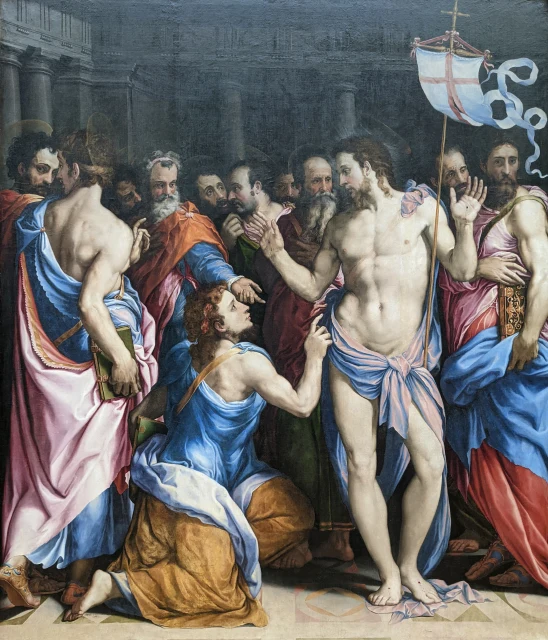 The Incredulity of Saint ThomasFrancesco Salviati, 1545
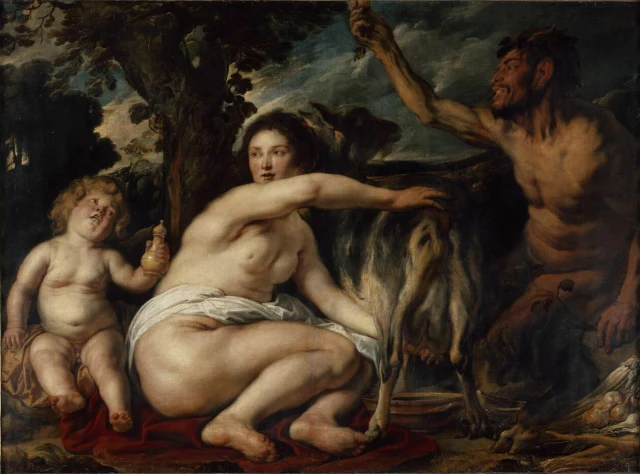 The Infant Jupiter Fed by the Goat AmaltheaJacob Jordaens, 1632
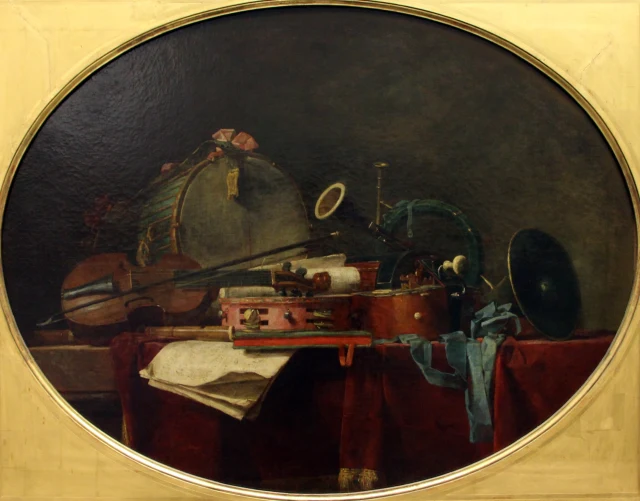 The Instruments of Civil MusicJean-Baptiste-Siméon Chardin, 1767
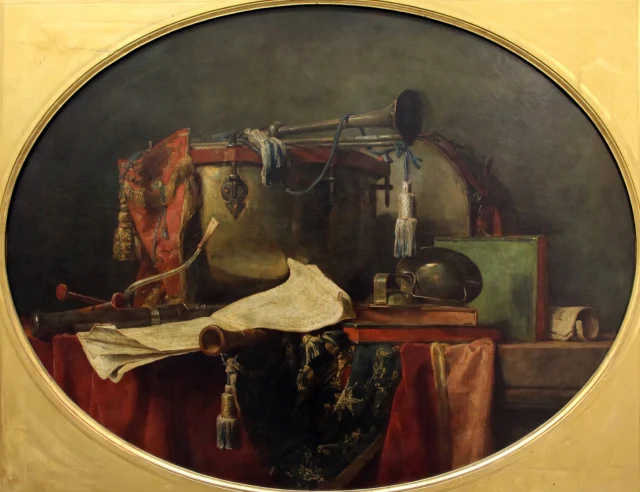 The Instruments of Military MusicJean-Baptiste-Siméon Chardin, 1767
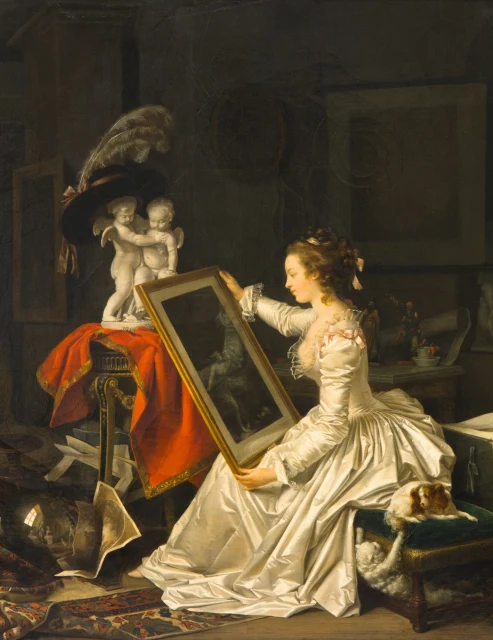 The Interesting StudentMarguerite Gérard, 1786
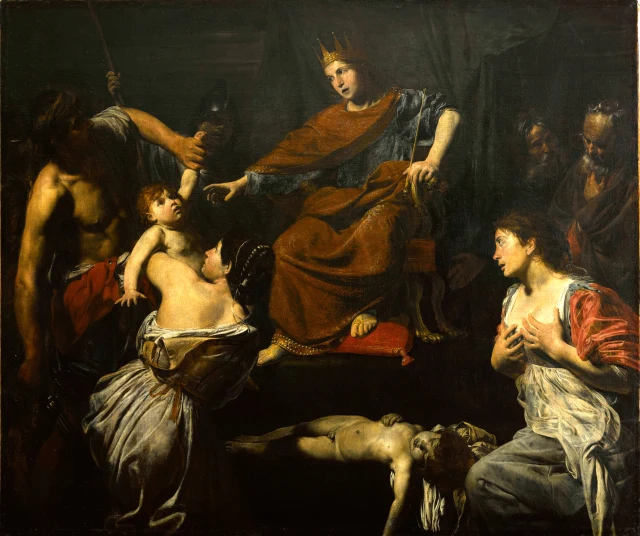 The Judgment of SolomonValentin de Boulogne, 1628
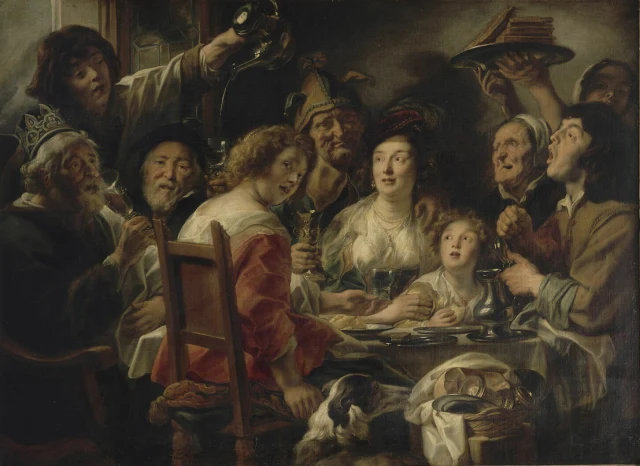 The King DrinksJacob Jordaens, 1639
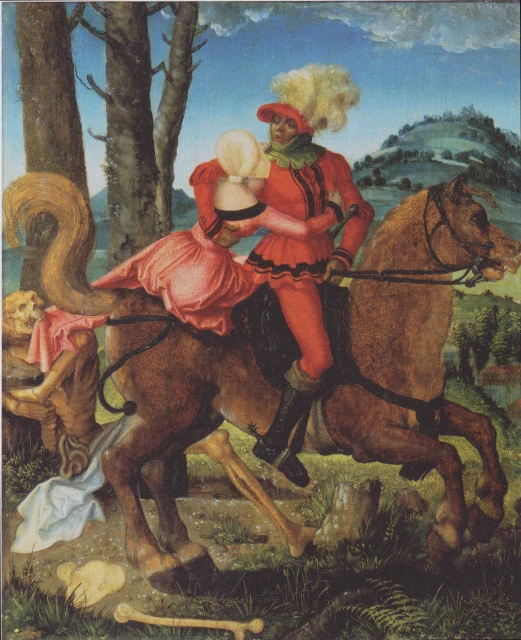 The Knight, the Young Girl, and DeathHans Baldung Grien, 1500
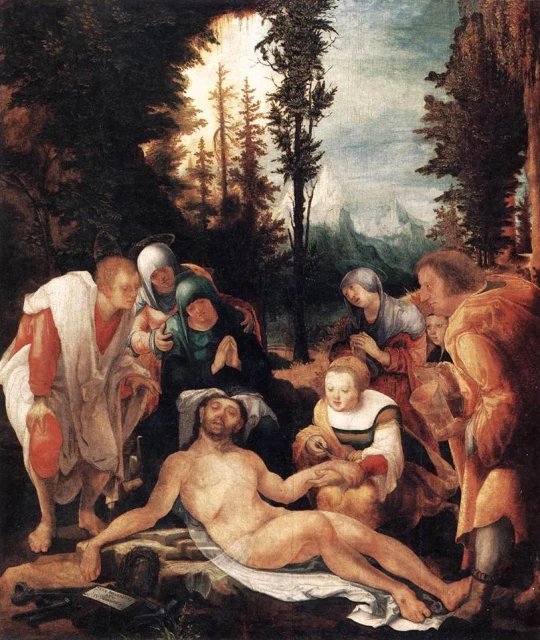 The Lamentation of ChristWolf Huber, 1524
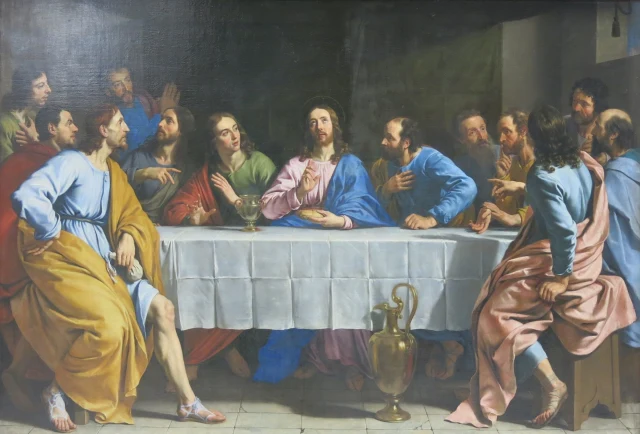 The Large Last SupperPhilippe de Champaigne, 1652
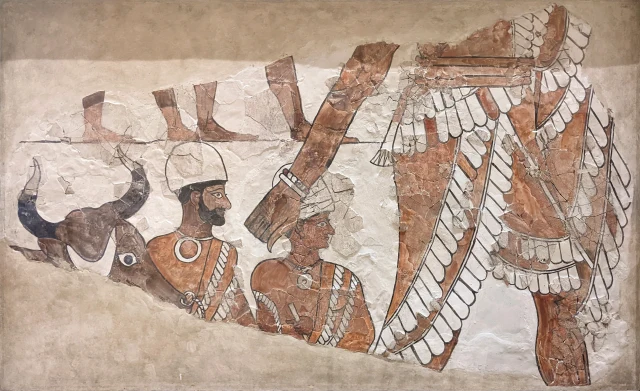 The Leader of the SacrificeUnknown Mari painter (Old Babylonian period), -1780
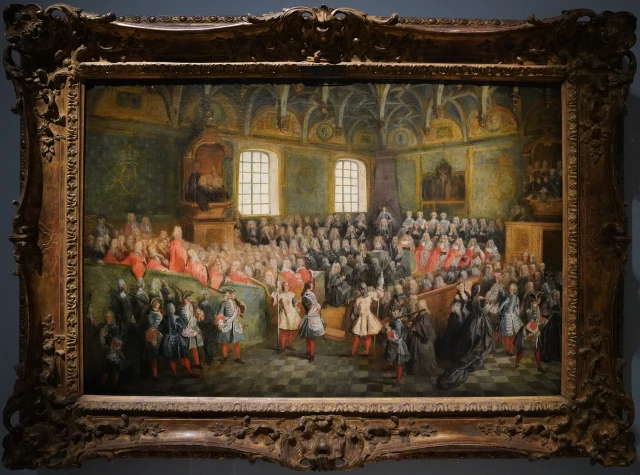 The Lit de Justice Held at the Parlement of Paris for the Majority of Louis XV (22 February 1723)Nicolas Lancret, 1723
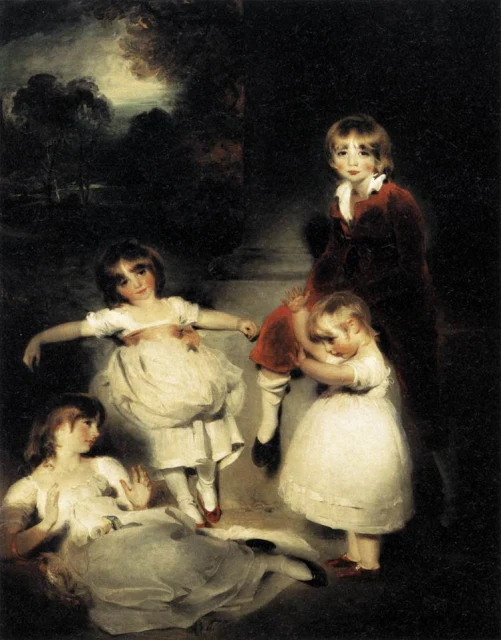 The Little Orator: The Children of Ayscoghe BoucherettThomas Lawrence, 1800
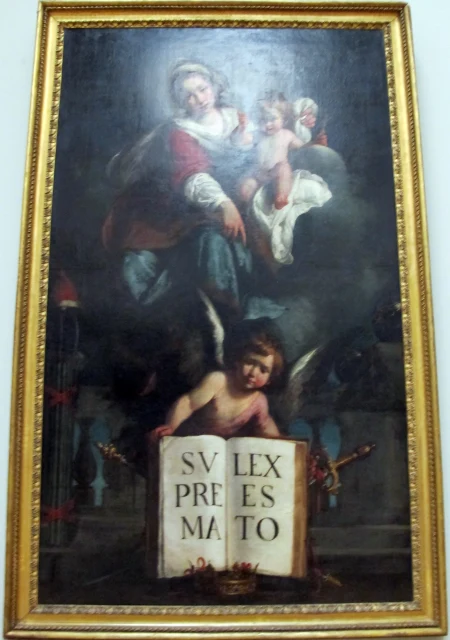 The Madonna of JusticeBernardo Strozzi, 1612
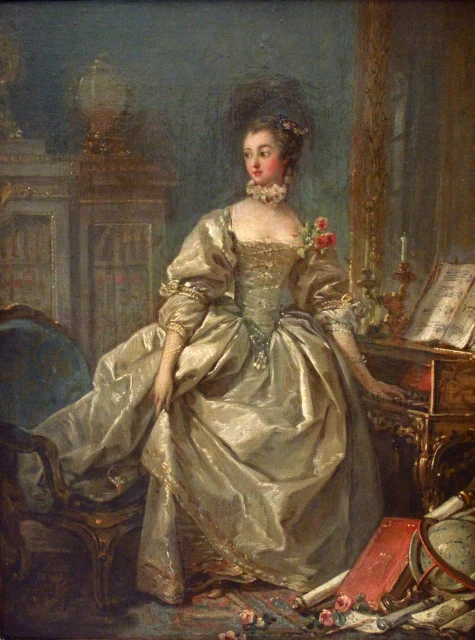 The Marquise de PompadourFrançois Boucher, 1750
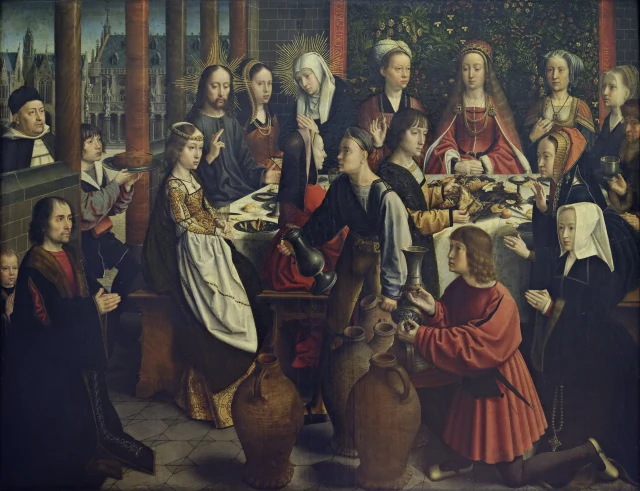 The Marriage at CanaGerard David, 1505
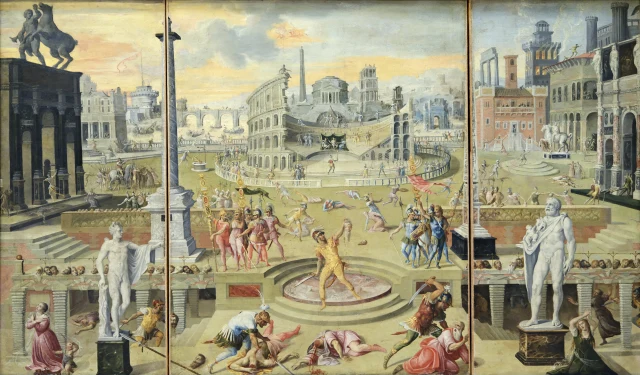 The Massacres of the TriumvirateAntoine Caron, 1566
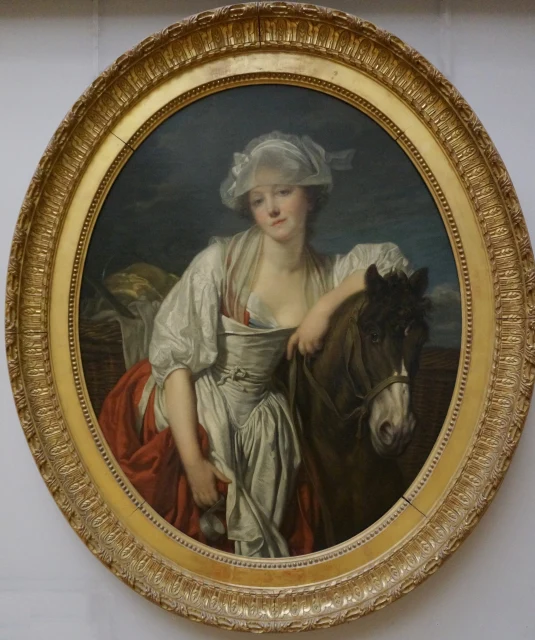 The MilkmaidJean-Baptiste Greuze, 1772
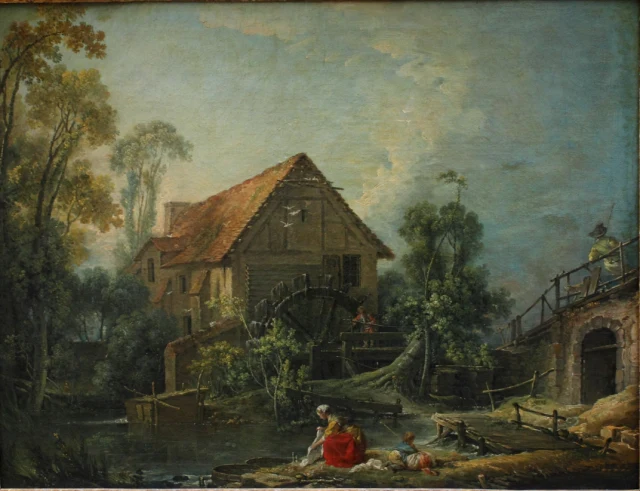 The MillFrançois Boucher, 1751
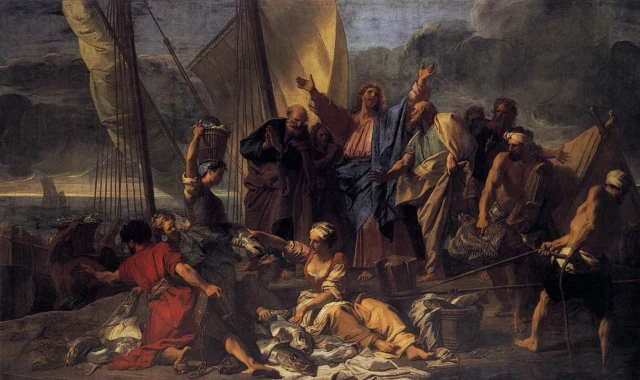 The Miraculous Draught of FishesJean Jouvenet, 1703
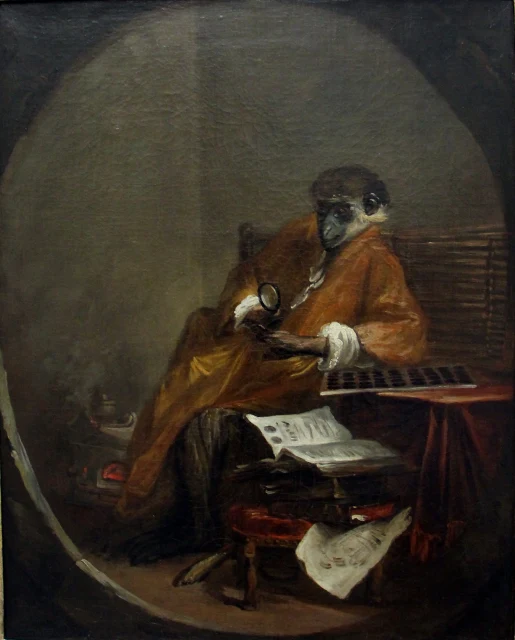 The Monkey AntiquarianJean-Baptiste-Siméon Chardin, 1740
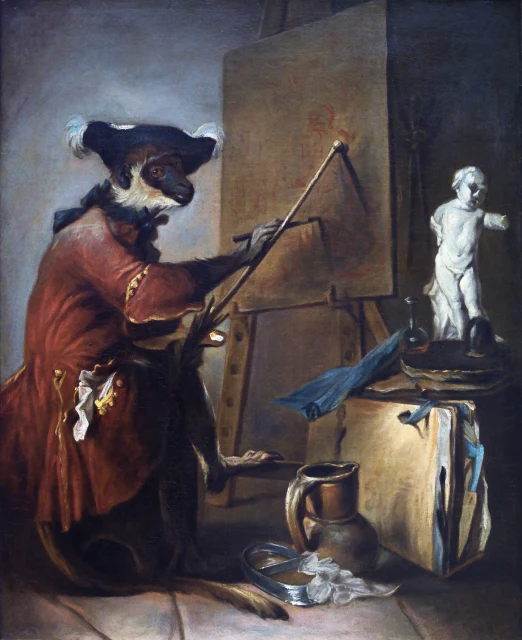 The Monkey PainterJean-Baptiste-Siméon Chardin, 1740
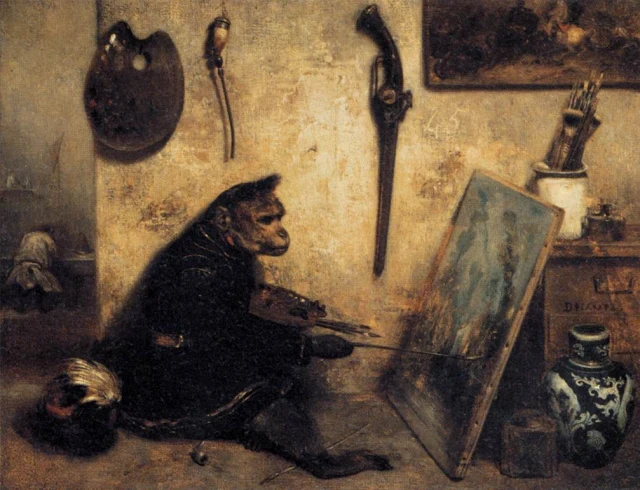 The Monkey Painter (Studio Interior)Alexandre-Gabriel Decamps, 1833