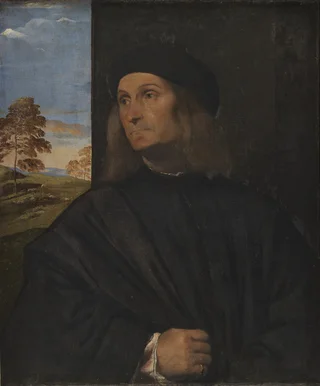
Giovanni Bellini
1430–1516 · République de Venise · Renaissance
L'histoire
Giovanni Bellini dirigea le plus important atelier de peinture de Venise pendant près de six décennies, et deux des élèves qui y passèrent, Giorgione et Titien, allaient définir la génération suivante de l'art vénitien. Tous deux surpassèrent par la suite la réputation du maître qui les avait formés, ce que Bellini semble avoir accepté sans trop de remous, à en juger par la durée pendant laquelle ils restèrent les bienvenus dans son cercle.
Ce que Bellini changea réellement, c'est la technique. Venise peignait encore largement à la détrempe pendant la majeure partie du XVe siècle, mais Bellini adopta tôt la peinture à l'huile et se servit de son long temps de séchage pour superposer de fines couches translucides de couleur, donnant l'impression que la lumière venait de l'intérieur de la matière plutôt que de sa surface. Ciels, eaux et plis d'un drapé gagnèrent tous une douceur que les peintres vénitiens antérieurs n'avaient pas su obtenir, et cette qualité atmosphérique devint la signature de toute l'école vénitienne pendant un siècle après lui.
Issu d'une famille de peintres, fils de Jacopo Bellini et frère de Gentile Bellini, il travailla jusque dans sa quatre-vingtième année, toujours actif à sa mort, survenue à Venise en décembre 1516.
Autres articles
 Article · 42 min de lectureLa National Gallery of Art de Washington : vingt tableaux venus de mains privées
 Article · 40 min de lectureLes Gallerie dell'Accademia de Venise : vingt œuvres et le chemin qui a conduit chacune jusqu'ici
 Article · 40 min de lectureLa Pinacothèque de Brera : des saisies napoléoniennes à la Grande Brera
 Article · 47 min de lectureLa Gemäldegalerie de Berlin : 20 tableaux que Berlin a achetés, perdus et divisés
Œuvres
109 œuvres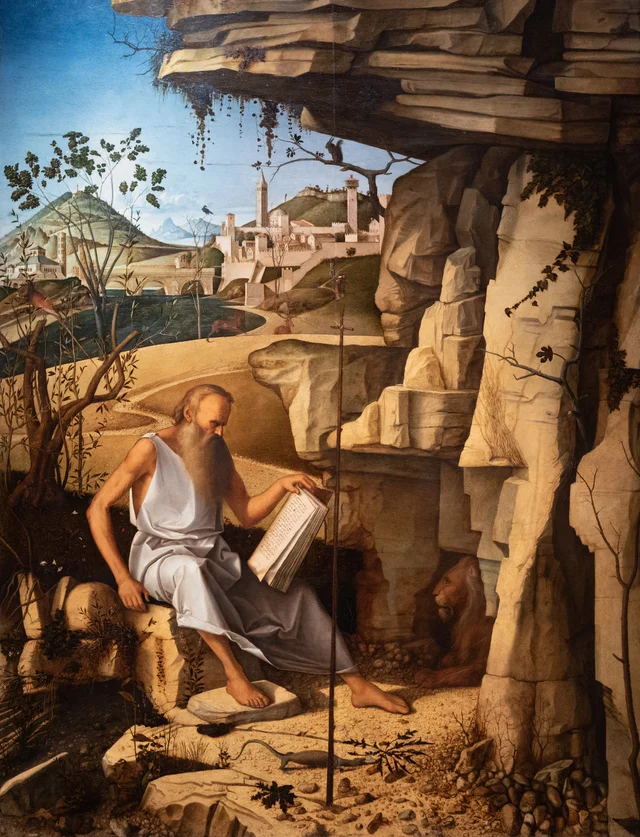 Saint Jérôme lisant dans le désertGiovanni Bellini, 1480
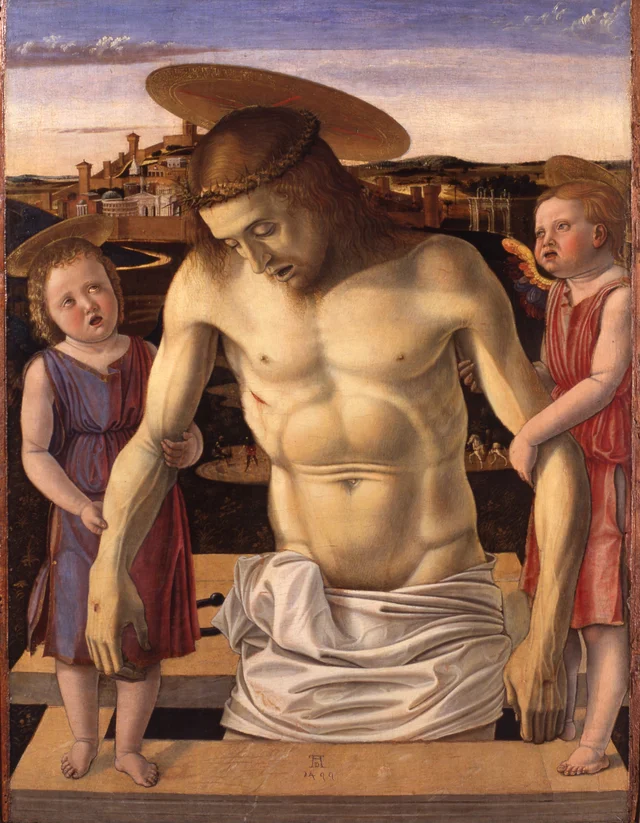 Le Christ mort soutenu par deux angesGiovanni Bellini, 1454
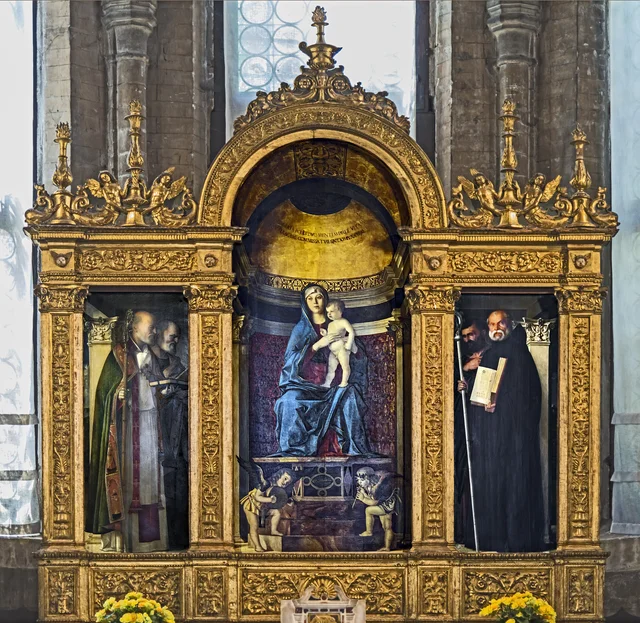 Triptyque des FrariGiovanni Bellini, 1488
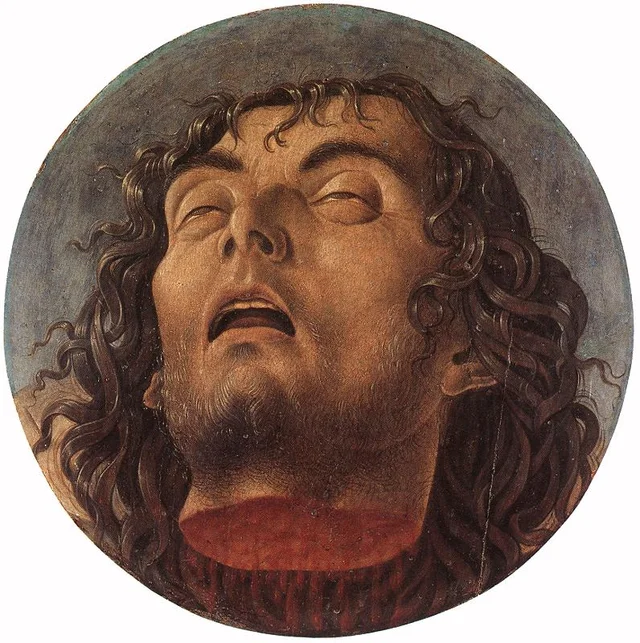 Tête de saint Jean-BaptisteGiovanni Bellini, 1465
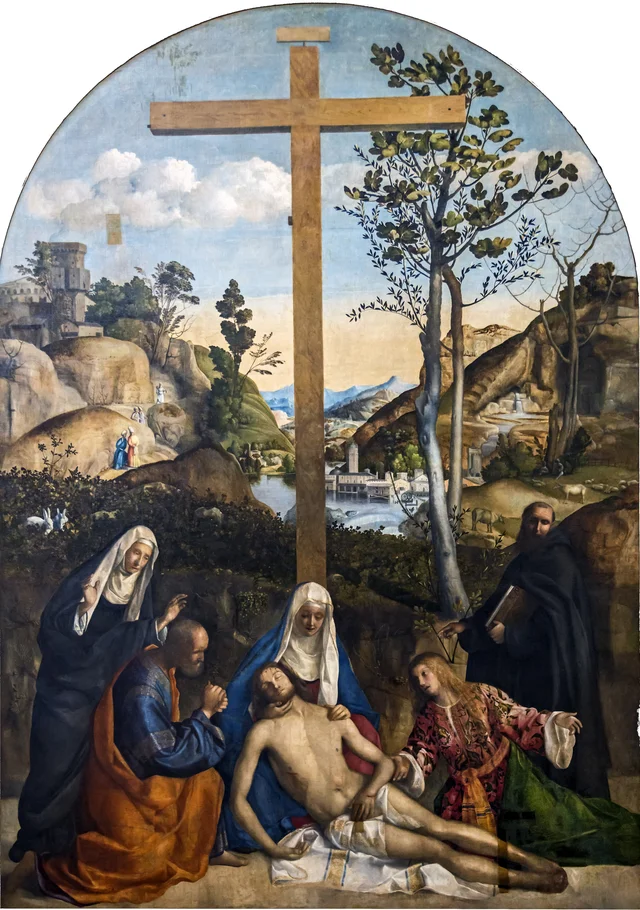 Déploration sur le Christ mort avec Joseph d'Arimathie, la Vierge et Marie-Madeleine, avec sainte Marthe et saint Philippe BeniziGiovanni Bellini, 1510
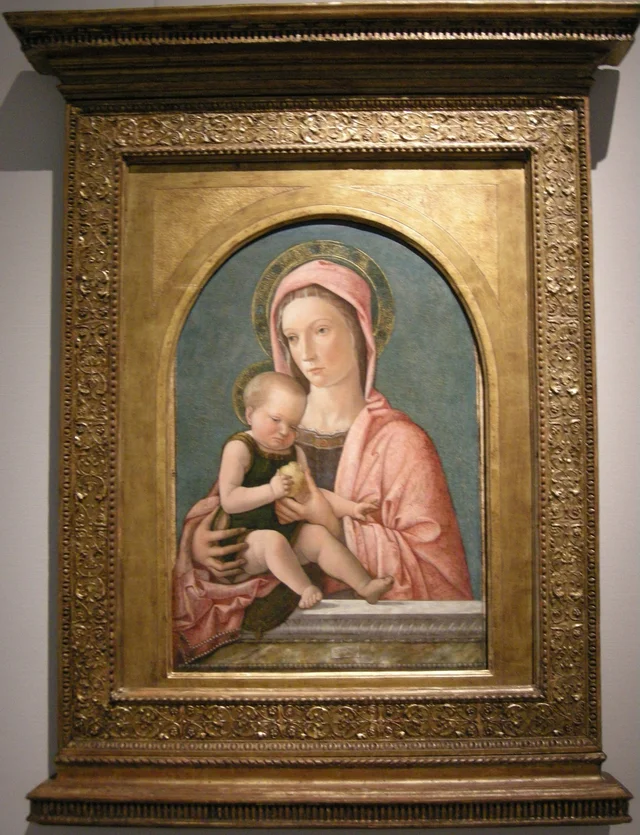 Vierge à l'EnfantGiovanni Bellini, 1460
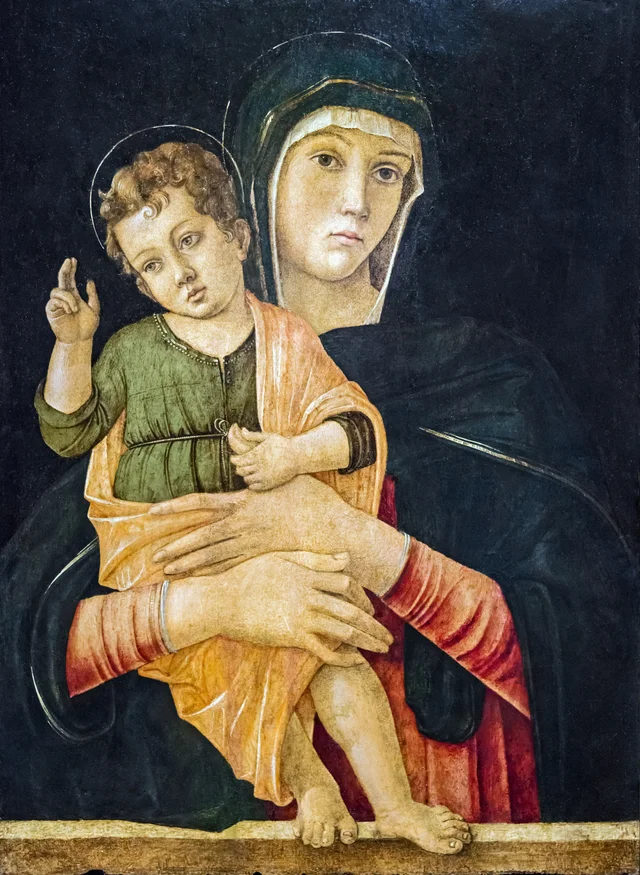 Vierge à l'Enfant bénissantGiovanni Bellini, 1464
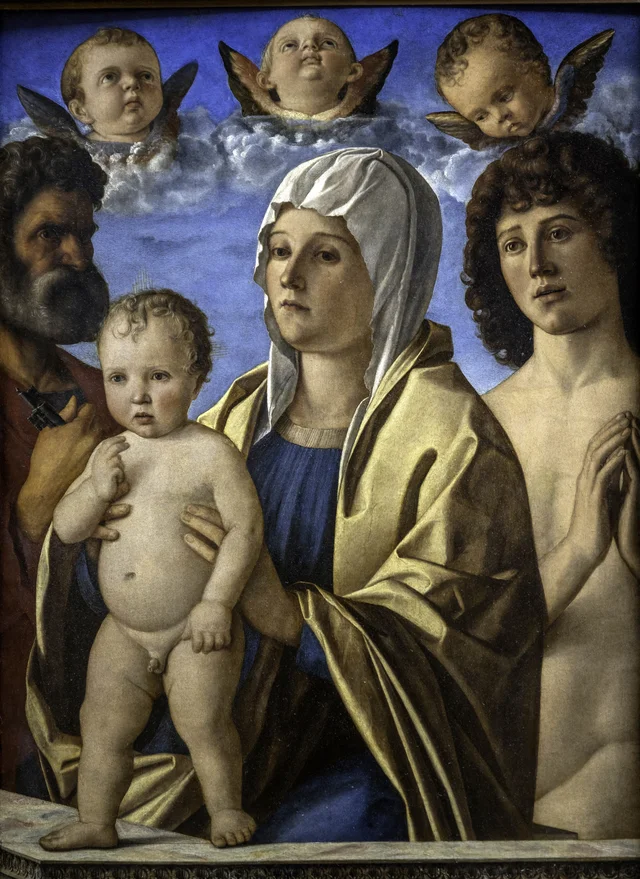 Vierge à l'Enfant avec saint Pierre et saint SébastienGiovanni Bellini, 1480
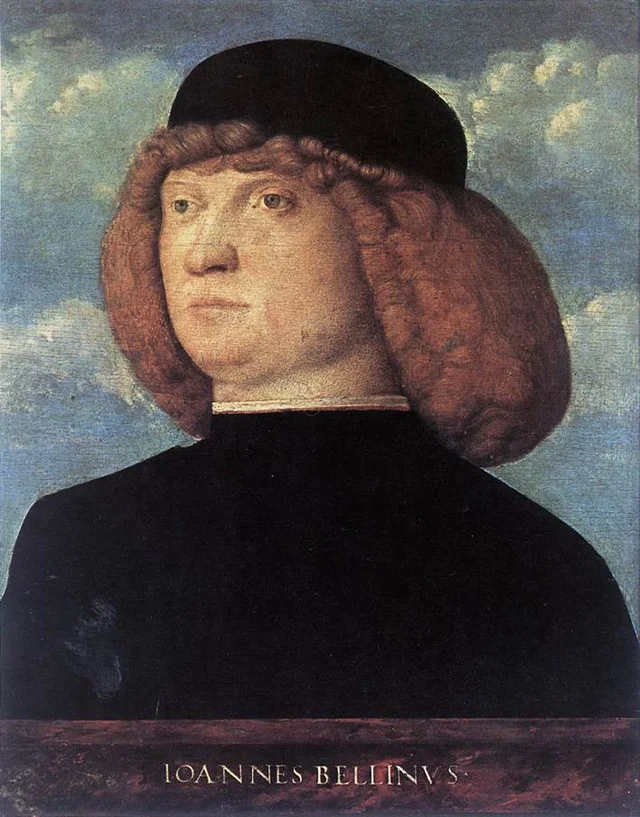 Portrait d'un hommeGiovanni Bellini, 1490
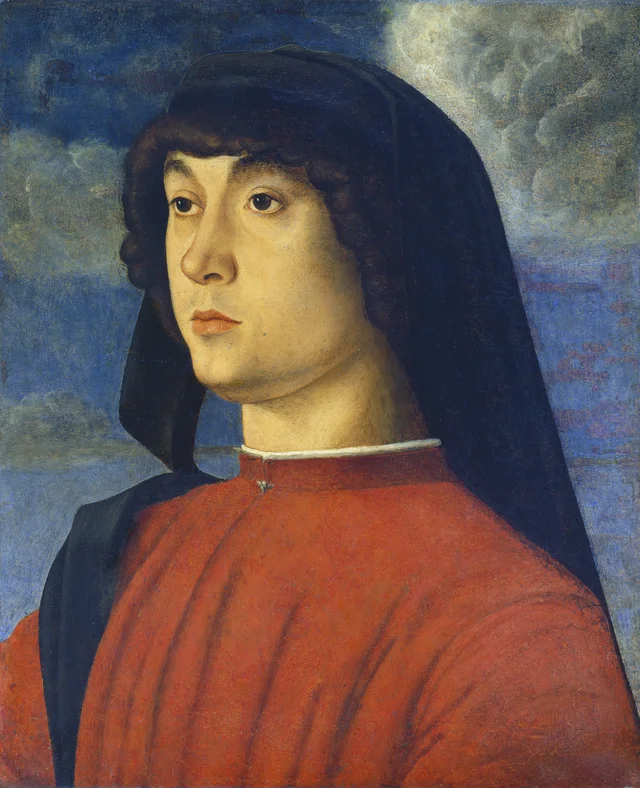 Portrait d'un jeune homme en rougeGiovanni Bellini, 1485
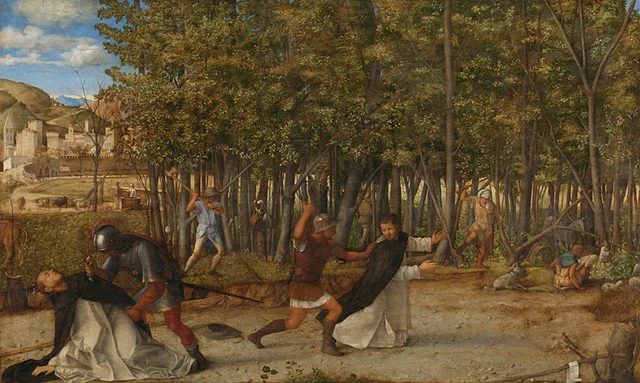 L'Assassinat de saint Pierre MartyrGiovanni Bellini, 1507
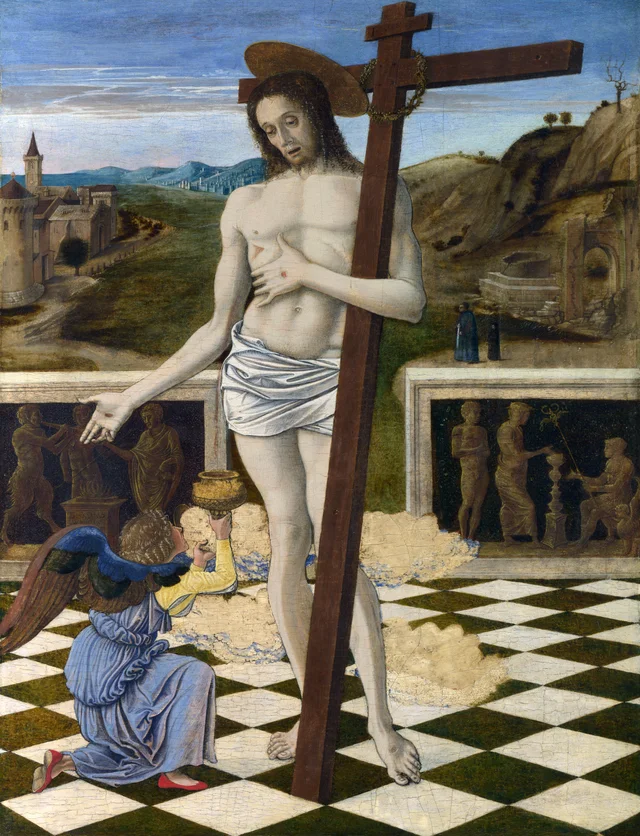 Le Sang du RédempteurGiovanni Bellini, 1462
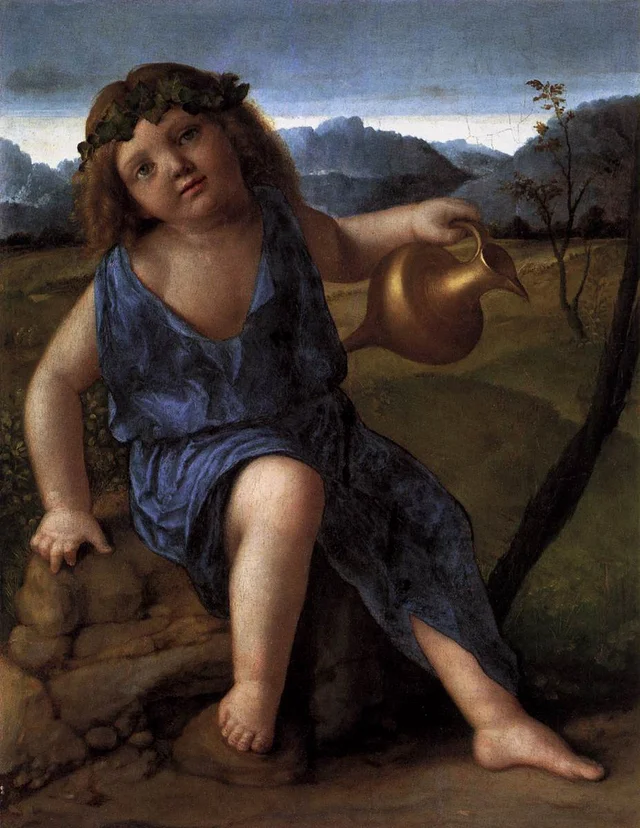 Bacchus enfantGiovanni Bellini, 1514
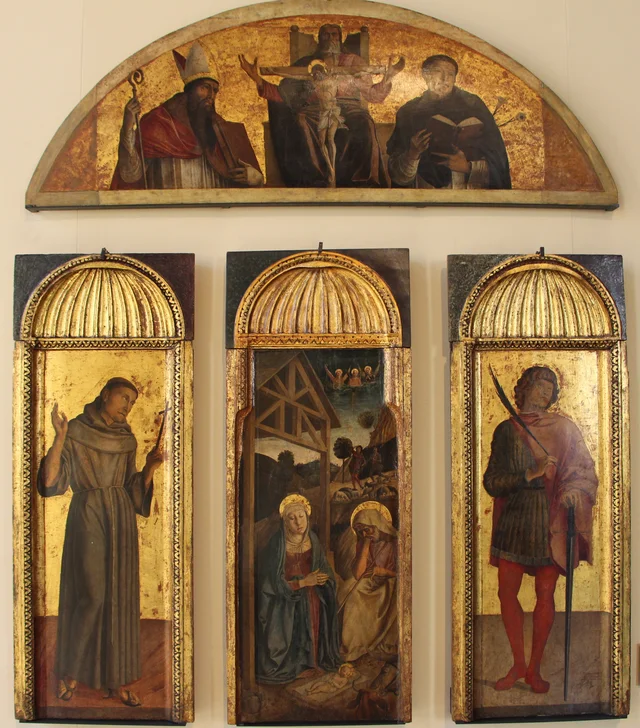 Triptyque de la naissance du ChristGiovanni Bellini, 1464
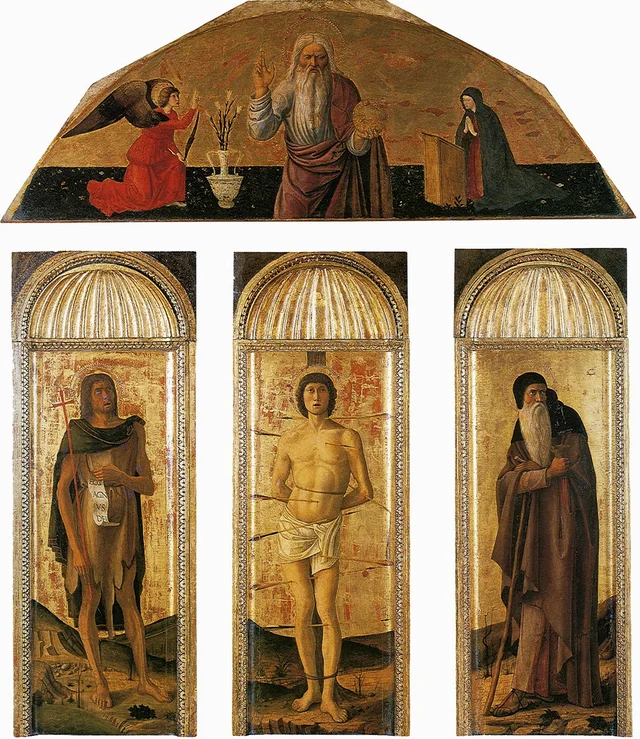 Triptyque de saint SébastienGiovanni Bellini, 1464
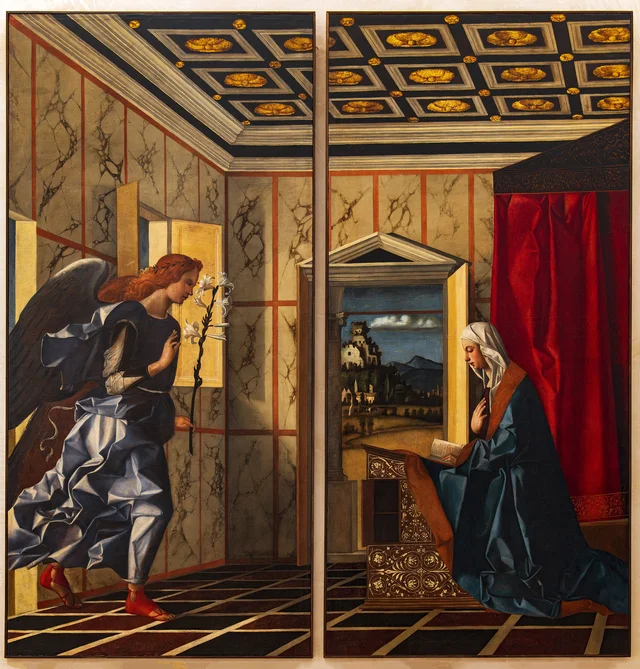 AnnonciationGiovanni Bellini, 1500
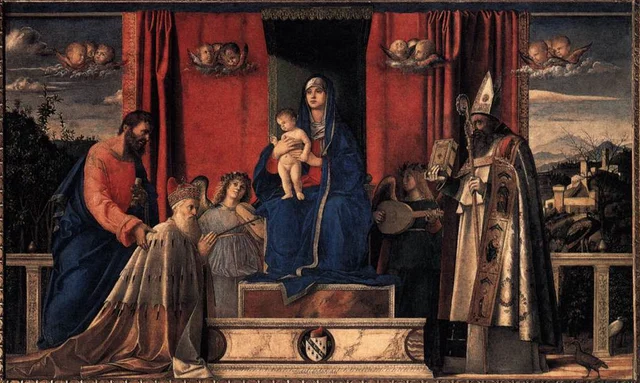 Retable BarbarigoGiovanni Bellini, 1488
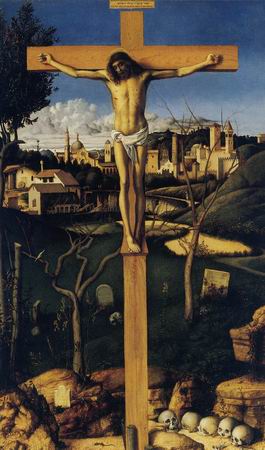 CrucifixionGiovanni Bellini, 1500
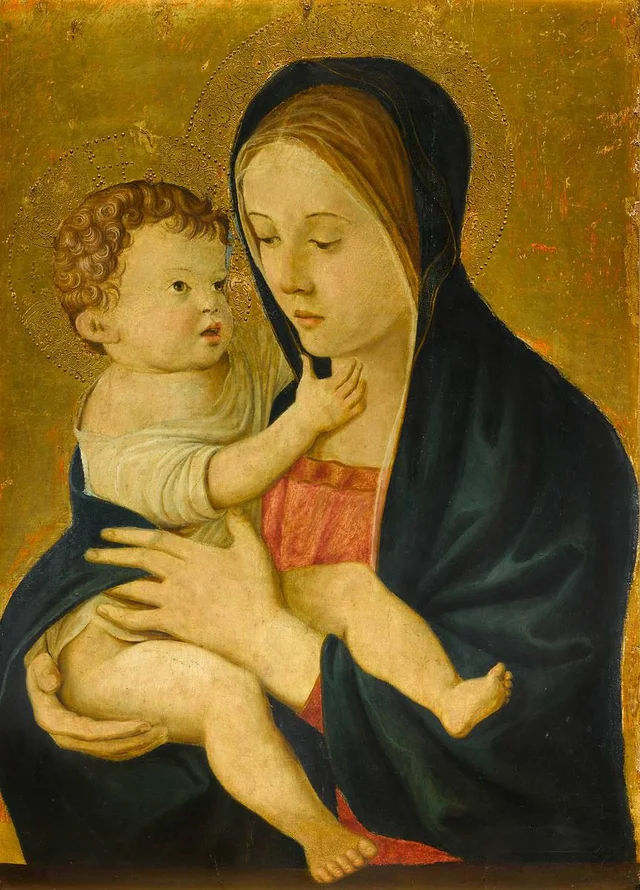 Vierge à l'EnfantGiovanni Bellini, 1470
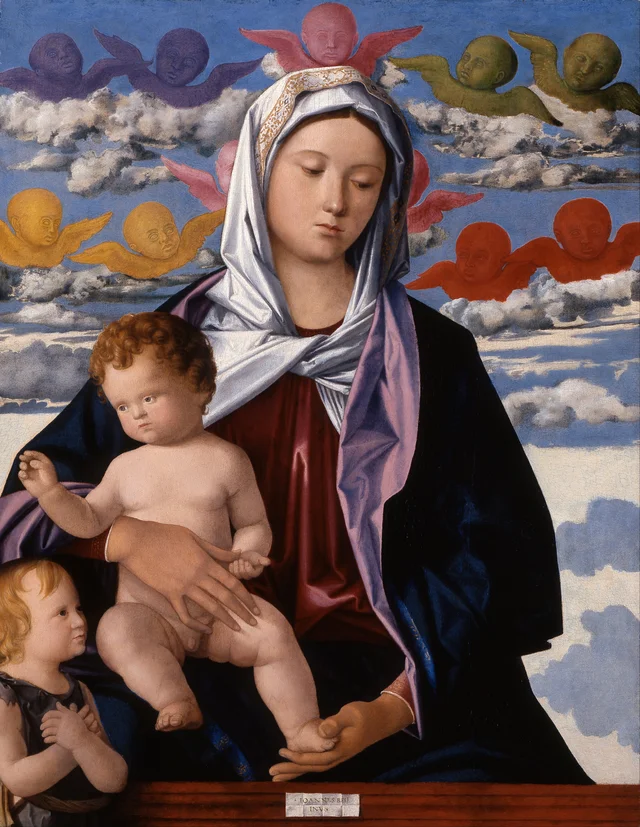 Vierge à l'Enfant avec saint Jean-BaptisteGiovanni Bellini, 1495
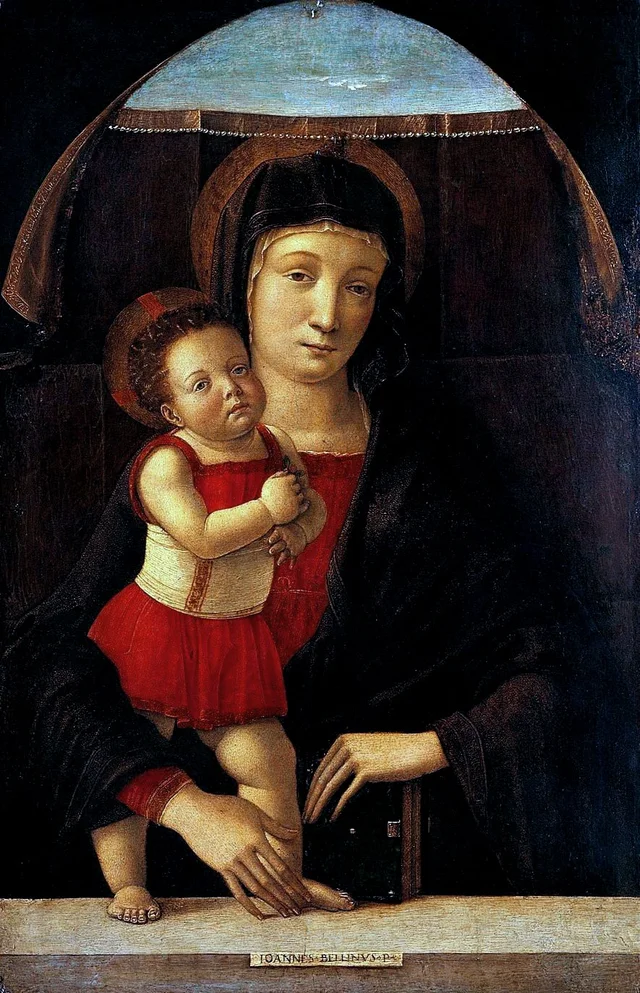 Vierge à l'EnfantGiovanni Bellini, 1450
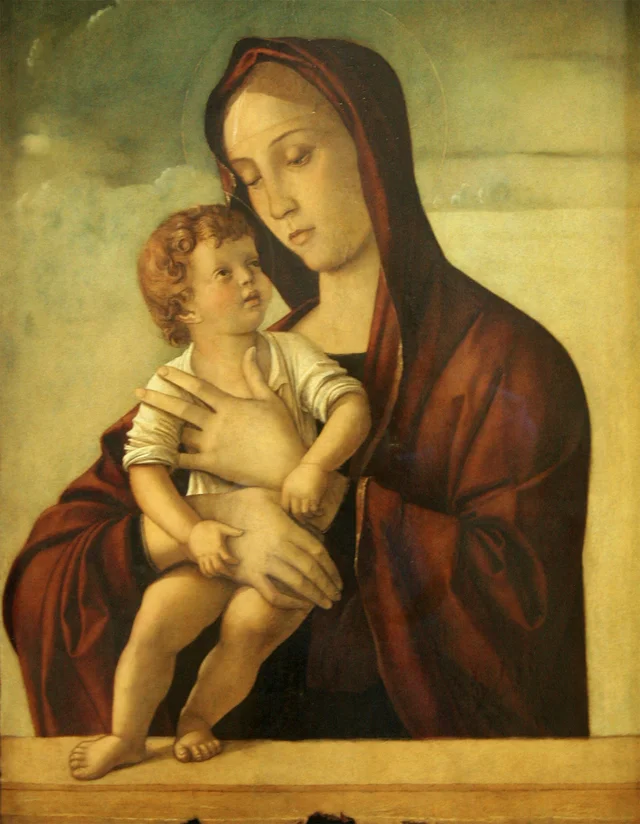 Vierge à l'EnfantGiovanni Bellini
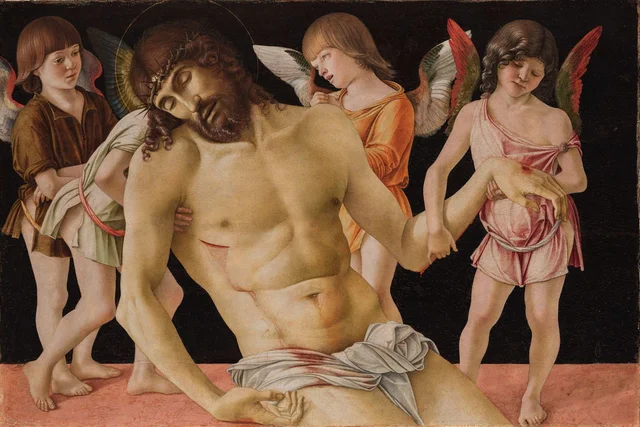 PietàGiovanni Bellini, 1470
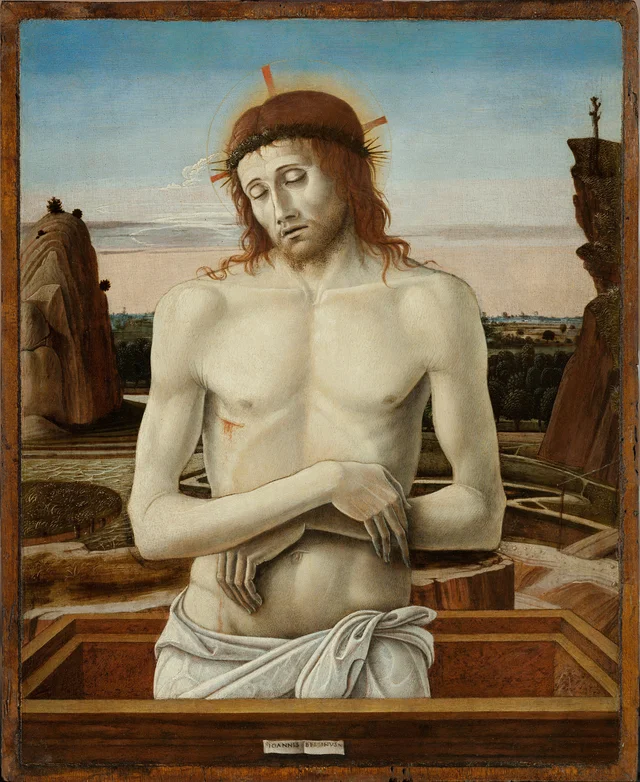 PietàGiovanni Bellini, 1455
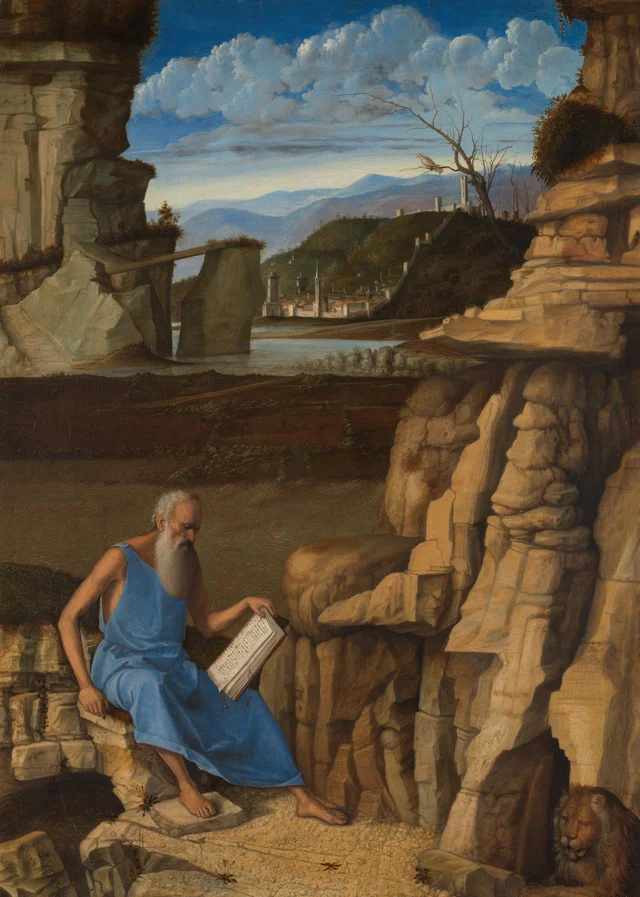 Saint Jérôme lisant dans un paysageGiovanni Bellini, 1482