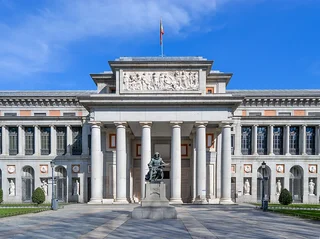
La storia
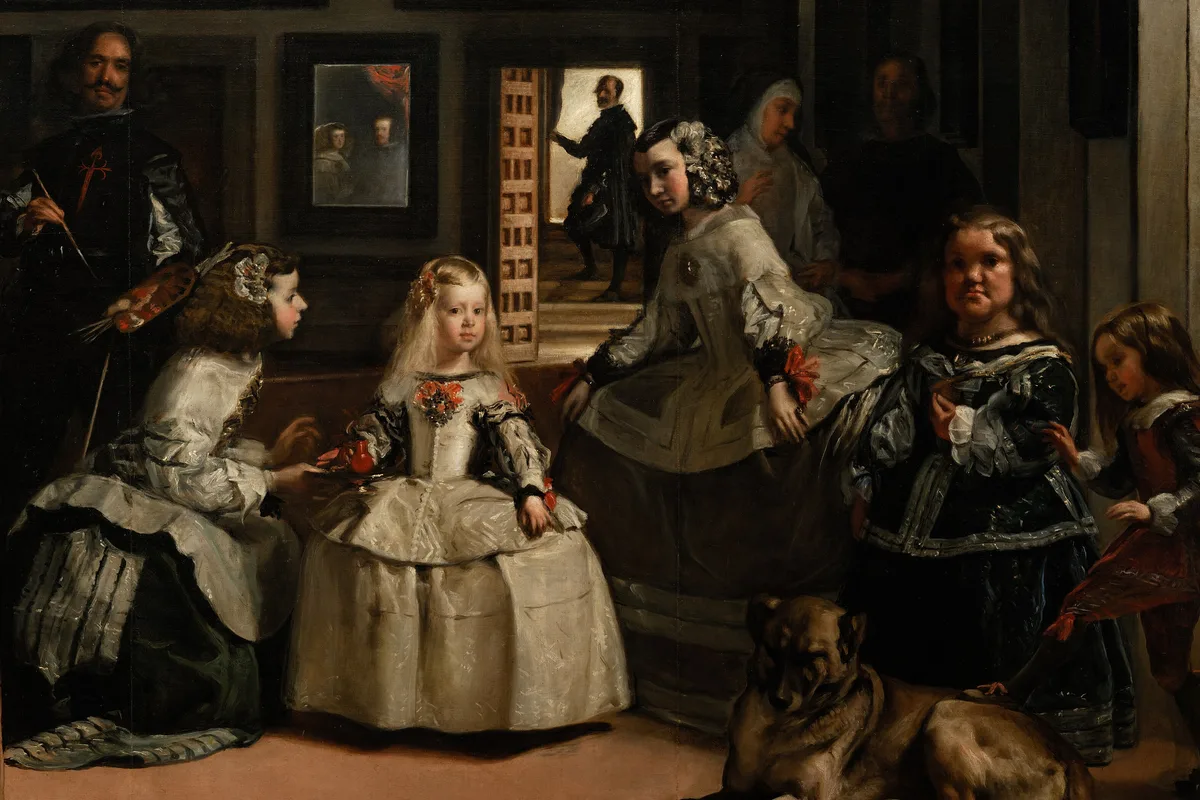
Il Prado è la collezione di un re resa pubblica. Per tre secoli gli Asburgo e i Borbone di Spagna acquistarono e commissionarono su scala regale, e il loro gusto è il museo: Tiziano e Rubens, amati dai sovrani, Velázquez, che servì la corte spagnola per gran parte della vita. Le sue Meninas sono al cuore dell'edificio, il pittore che guarda fuori da dietro la propria tela in una sala del vecchio Alcázar reale.
La galleria aprì nel 1819 in un edificio che l'architetto Juan de Villanueva aveva pensato in origine come sala di scienze naturali. Le sue pareti portano insieme lo splendore e i risvolti più cupi dell'arte spagnola, Il 3 maggio 1808 di Goya, il plotone d'esecuzione che alza le lanterne nel buio, e le Pitture nere che dipinse direttamente sui muri della propria casa in tarda età, sordo e ritirato, e mai destinate a essere mostrate.
Il più antico dei suoi grandi tesori precede quel gusto reale spagnolo, Il Giardino delle delizie di Hieronymus Bosch, la visione a tre pannelli del paradiso, del desiderio e dell'inferno, entrata più tardi nella collezione di Filippo II e inviata al suo palazzo-monastero dell'Escorial. Ora richiama folle davanti a ciò che un tempo solo la corte poteva vedere.
Altri articoli
Collezione
870 opere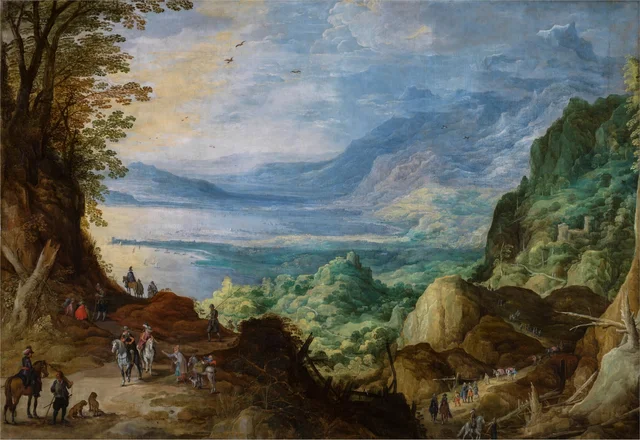 Paesaggio con mare e montagneJoos de Momper il Giovane, 1623
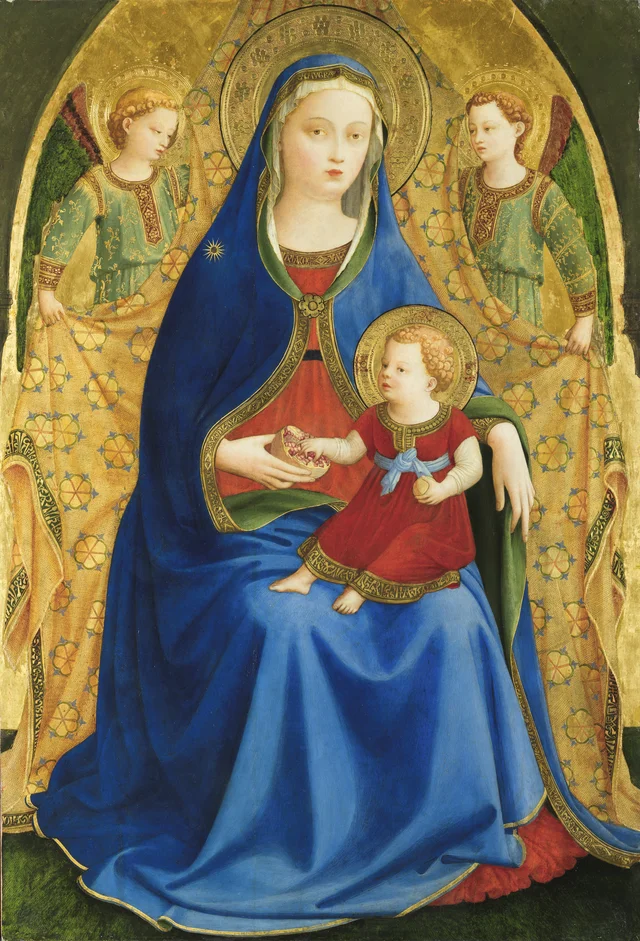 Madonna della melagranaBeato Angelico, 1426
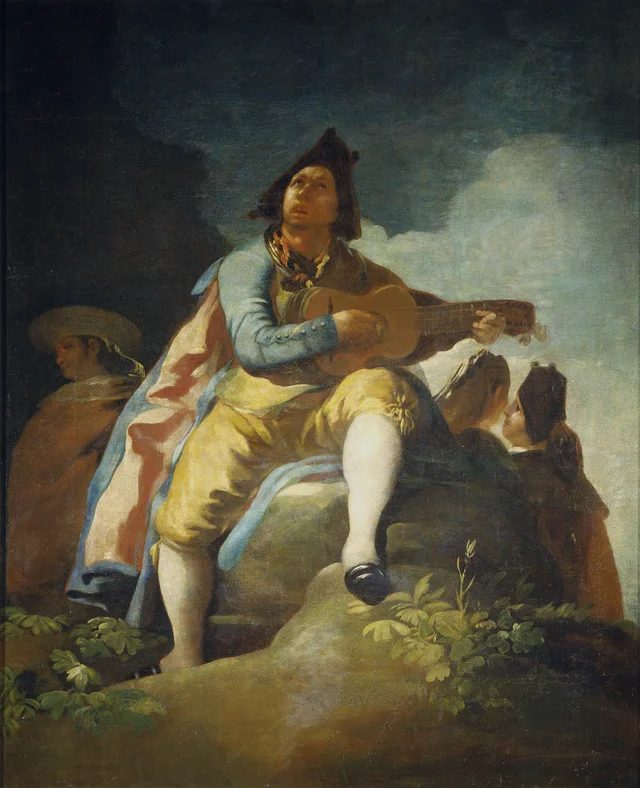 Majo con la chitarraFrancisco Goya, 1779
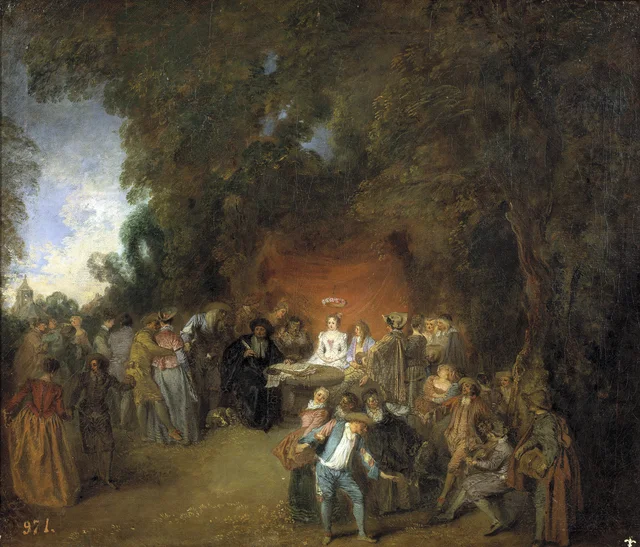 Contratto di matrimonio e danza campestreJean-Antoine Watteau, 1711
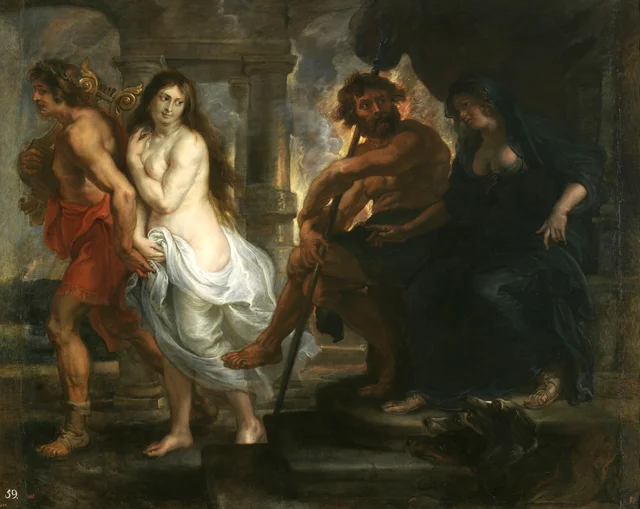 Orfeo ed EuridicePieter Paul Rubens, 1636
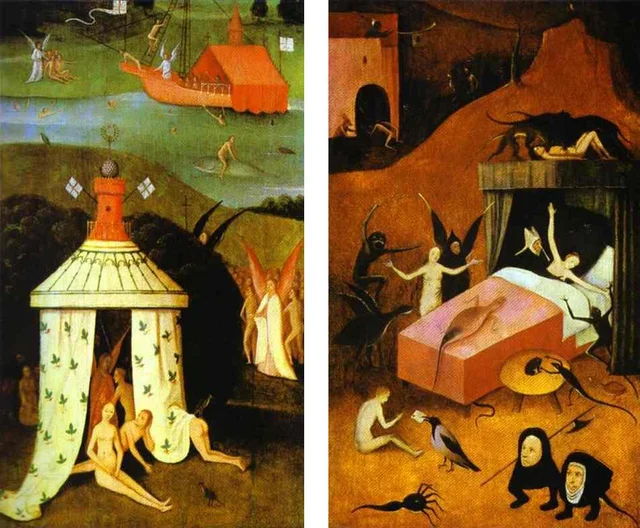 Il Paradiso e l'InfernoSeguace di Hieronymus Bosch, 1513
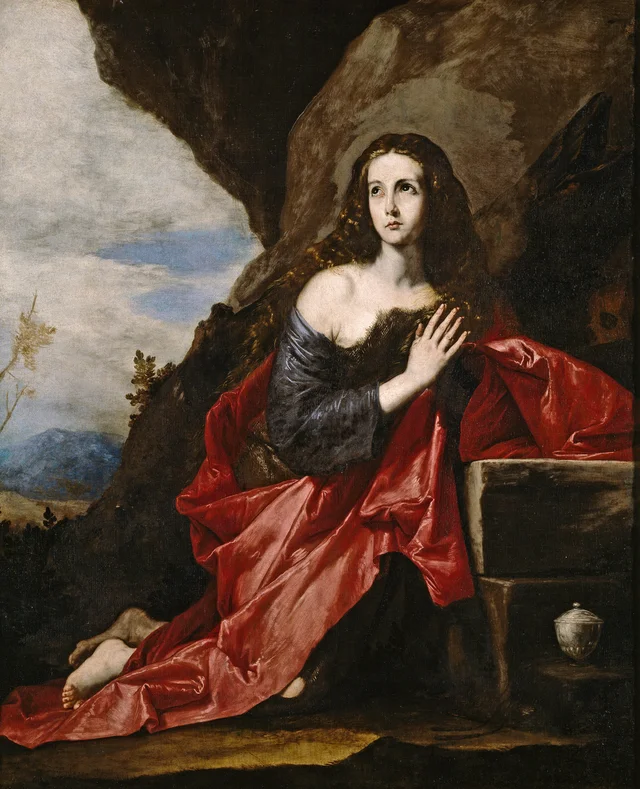 La Maddalena penitenteJusepe de Ribera, 1641
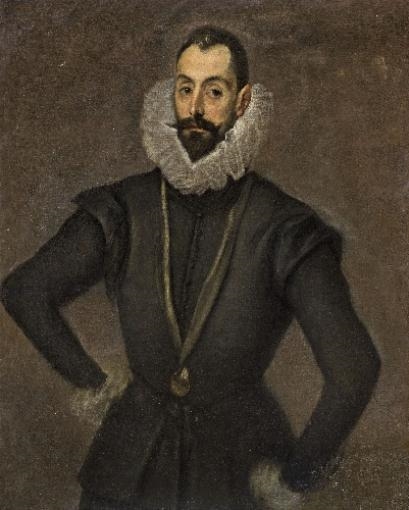 Ritratto di un gentiluomoEl Greco, 1605
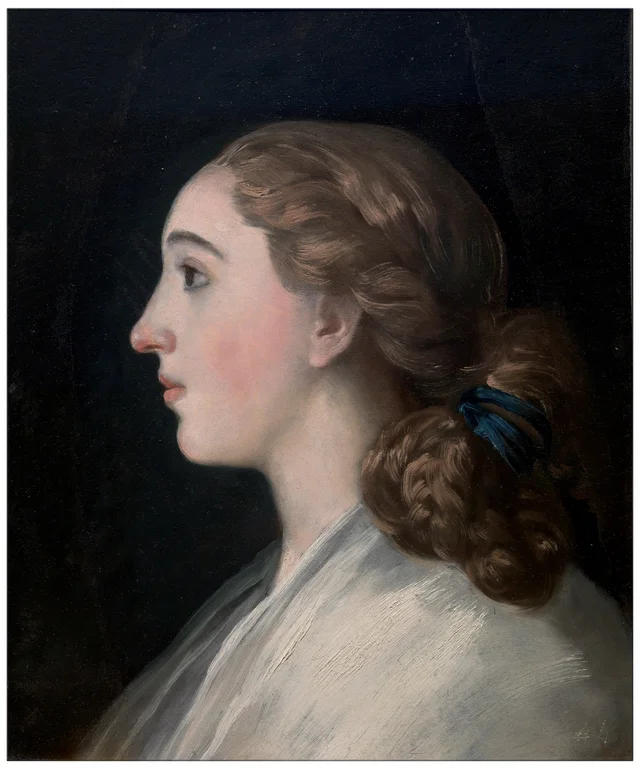 Ritratto di María Teresa de VallabrigaFrancisco Goya, 1783
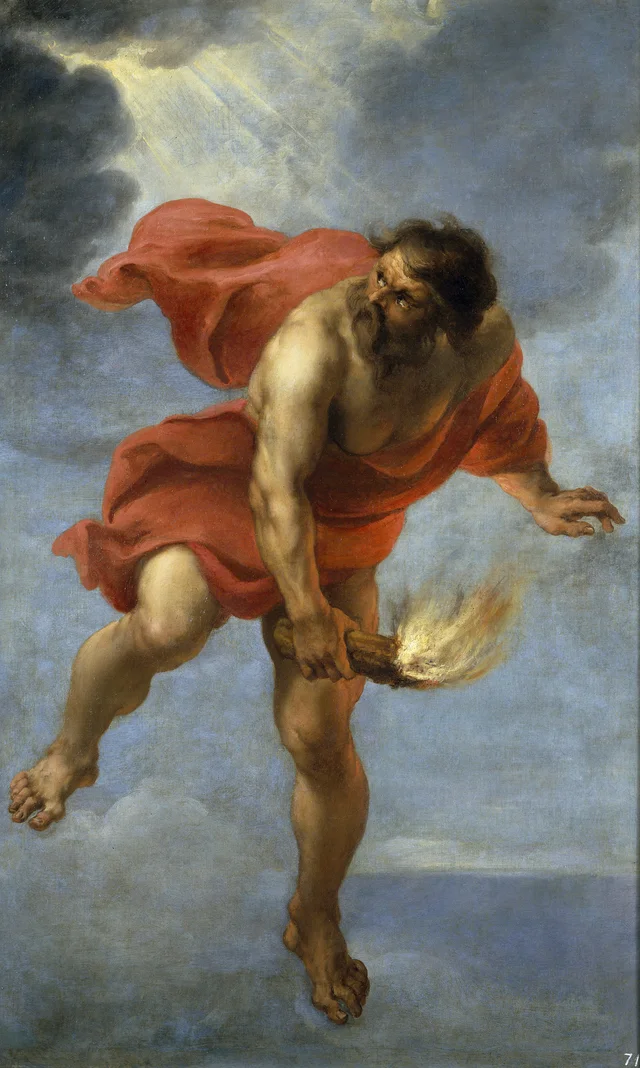 Prometeo che porta il fuocoJan Cossiers, 1637
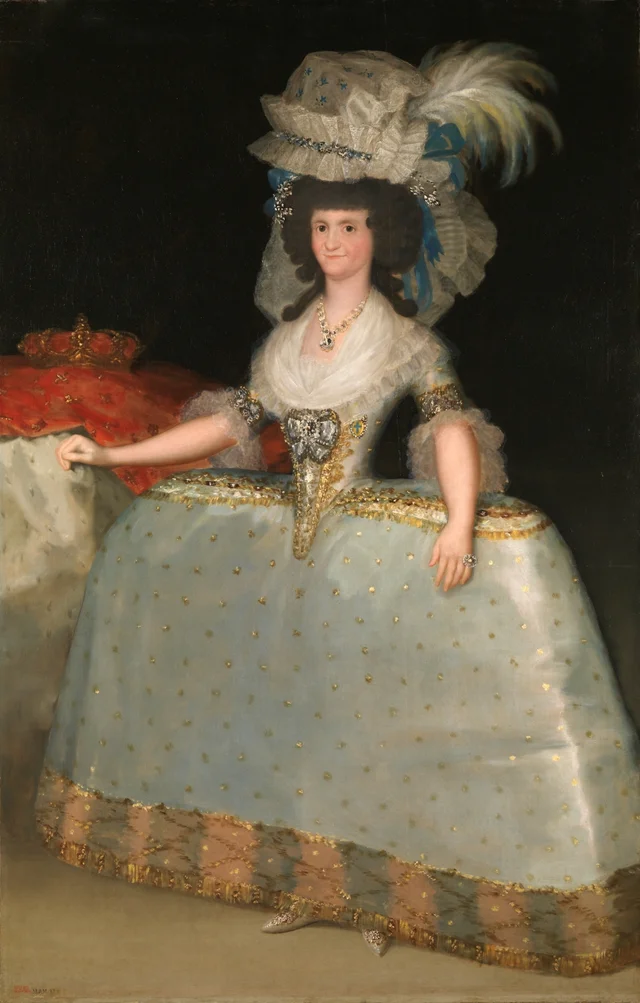 La regina Maria Luisa in abito con guardinfanteFrancisco Goya, 1789
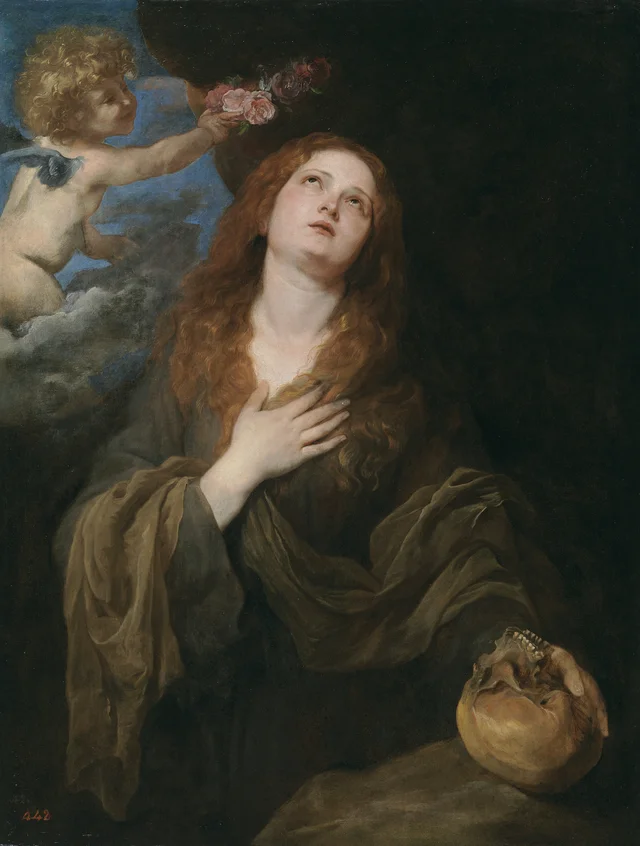 Santa RosaliaAnton van Dyck, 1625
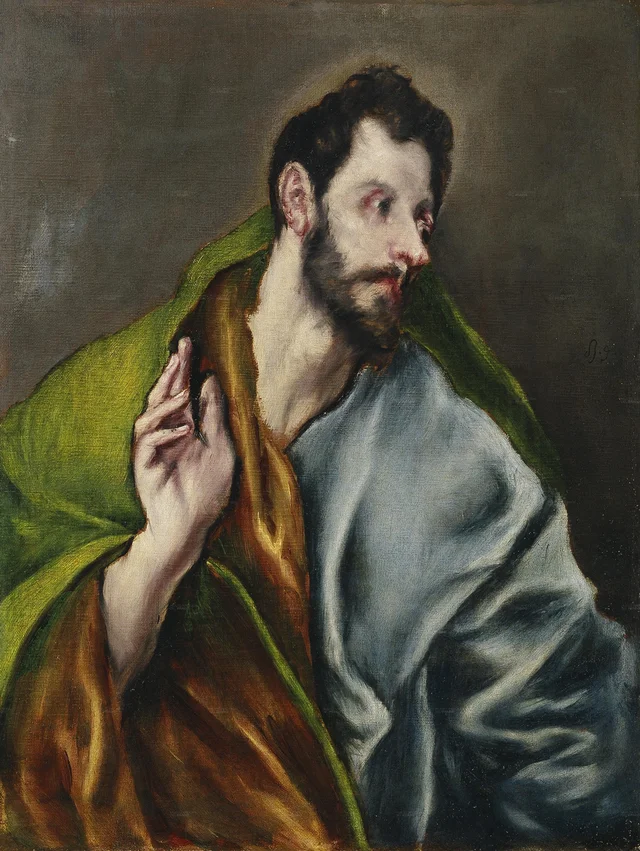 San Tommaso ApostoloEl Greco, 1608
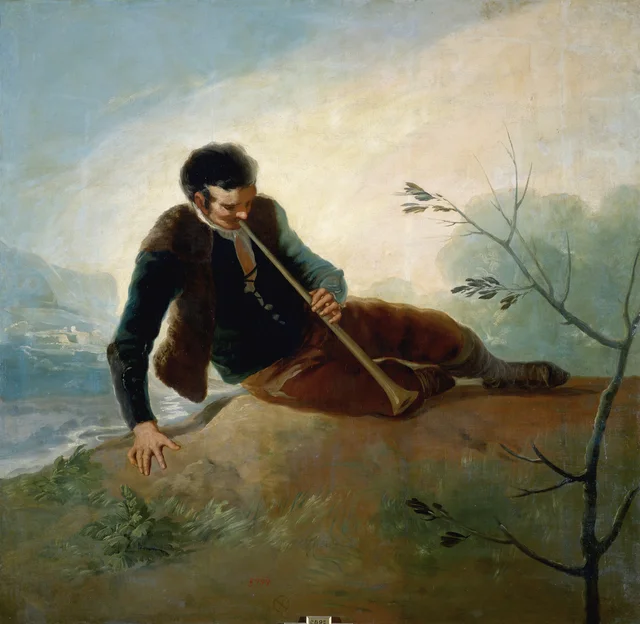 Il pastore che suona la dulzainaFrancisco Goya, 1786
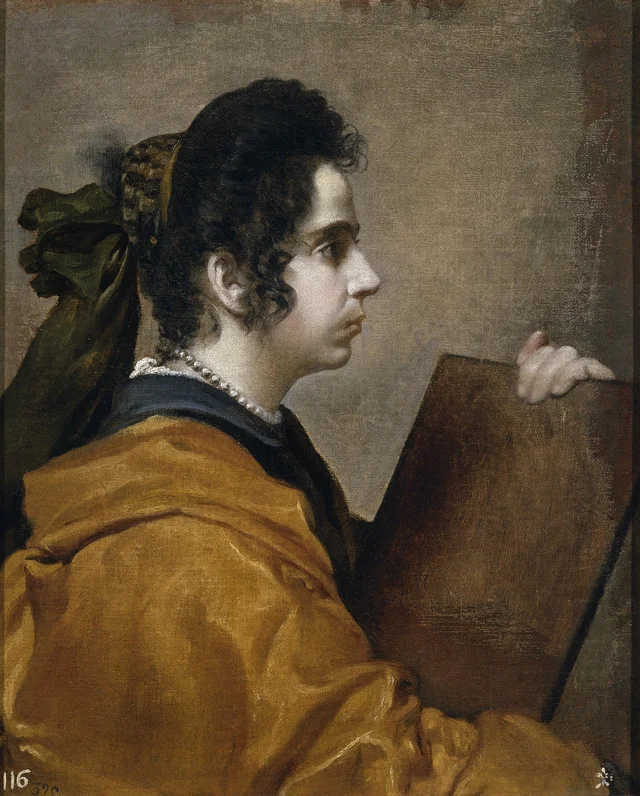 SibillaDiego Velázquez, 1632
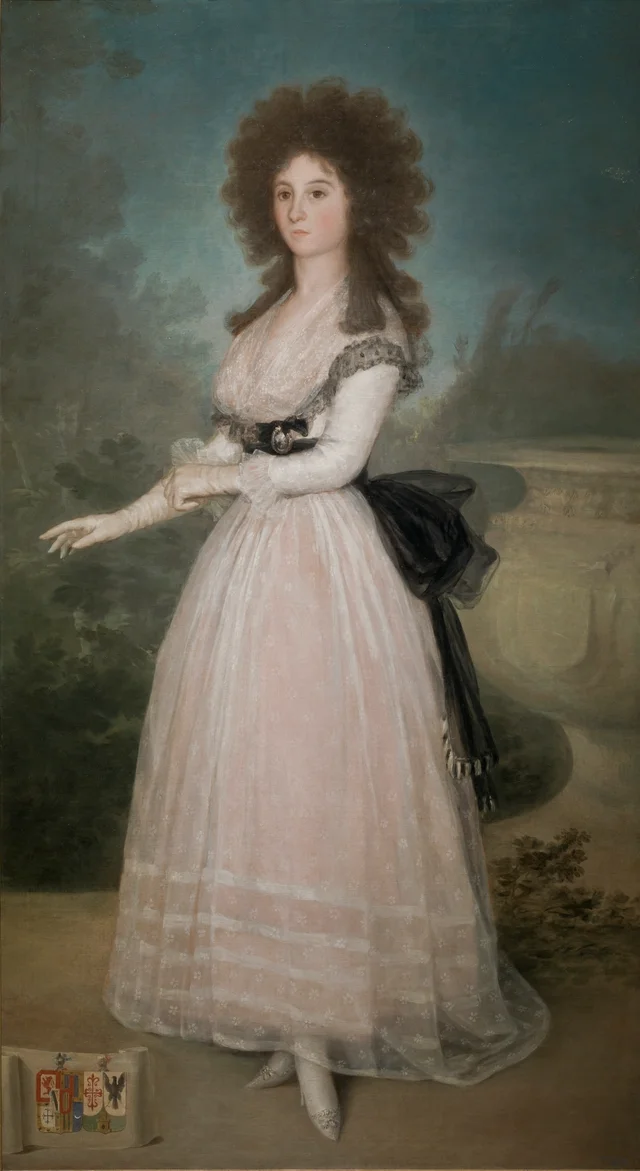 Tadea Arias de EnríquezFrancisco Goya, 1789
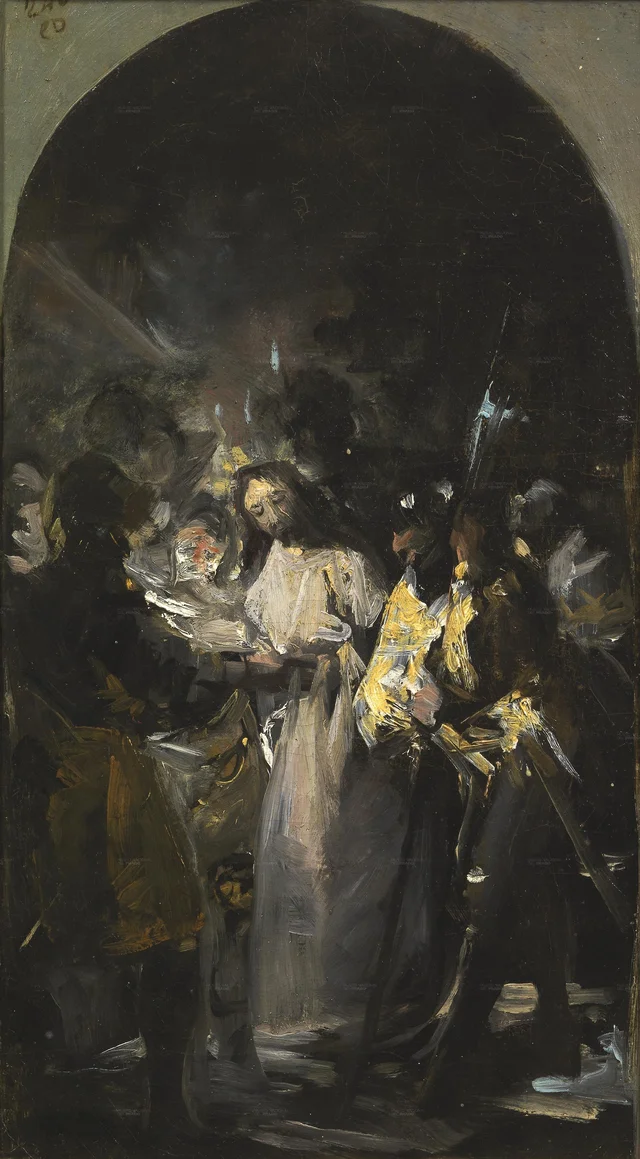 La cattura di CristoFrancisco Goya, 1798
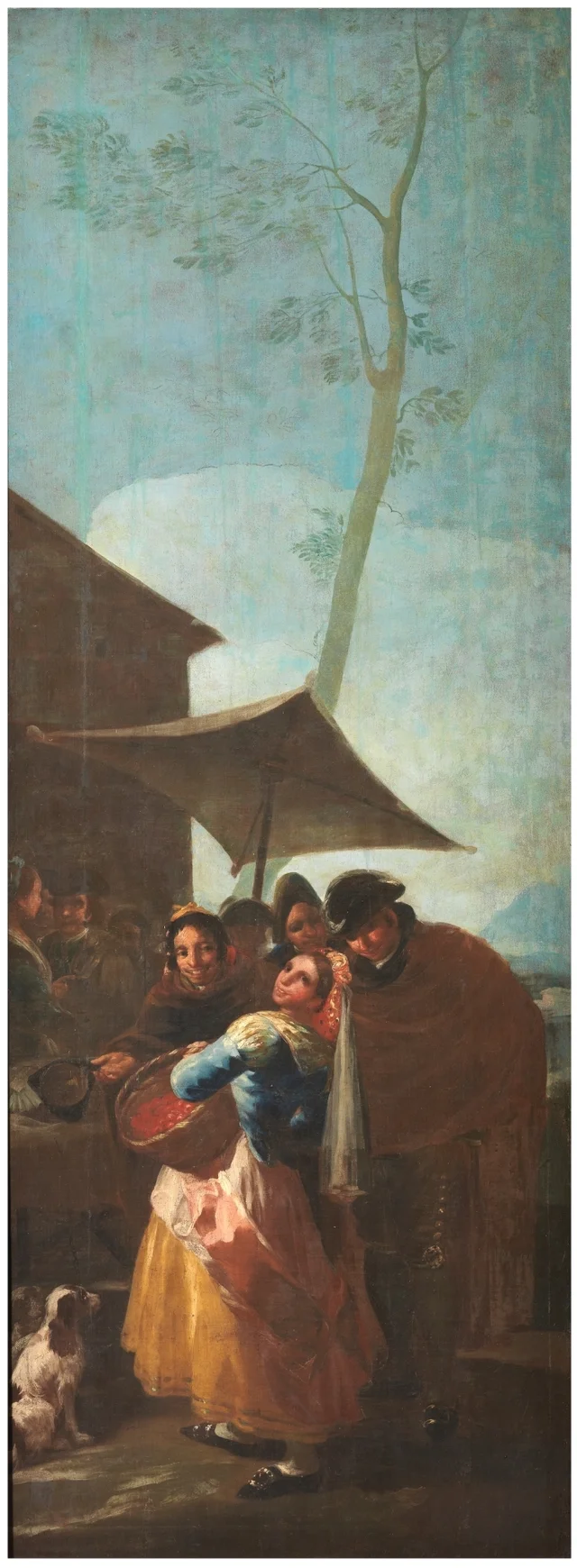 La venditrice di stoviglieFrancisco Goya, 1778
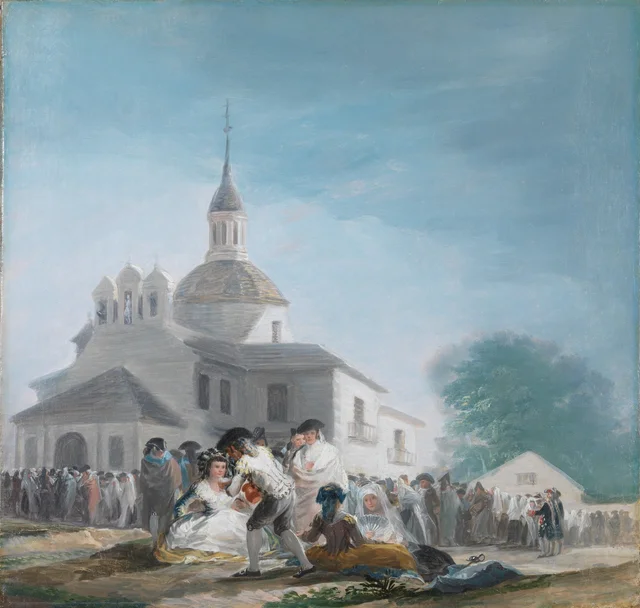 L'eremo di Sant'IsidoroFrancisco Goya, 1788
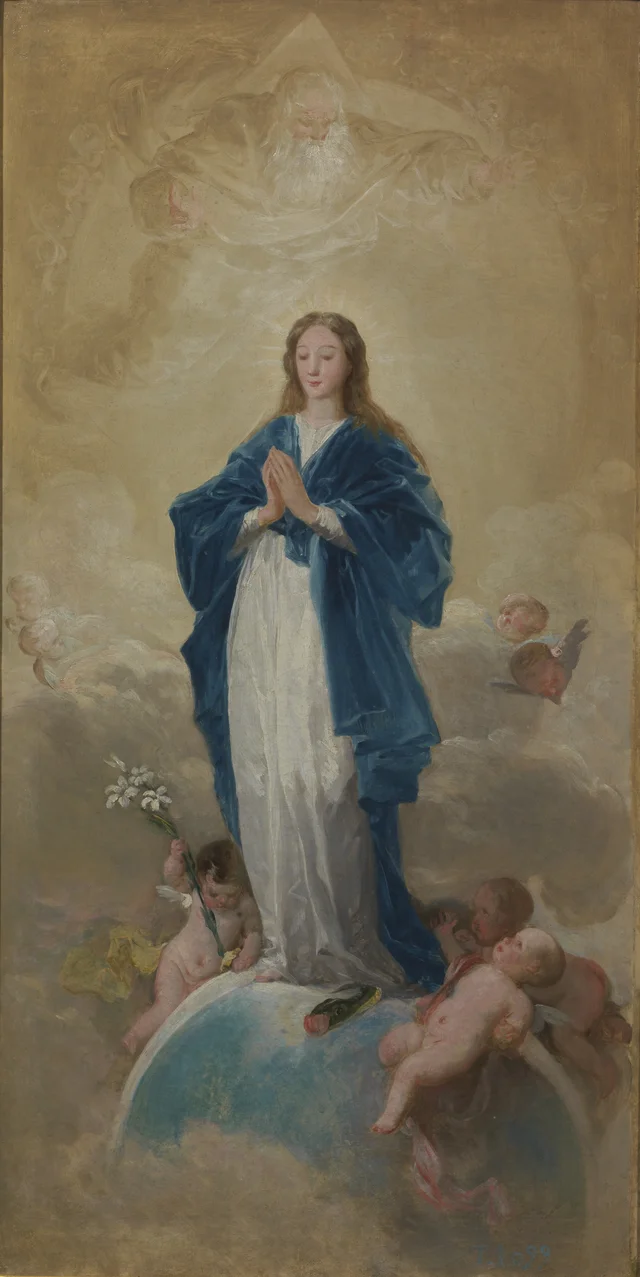 L'Immacolata ConcezioneFrancisco Goya, 1784
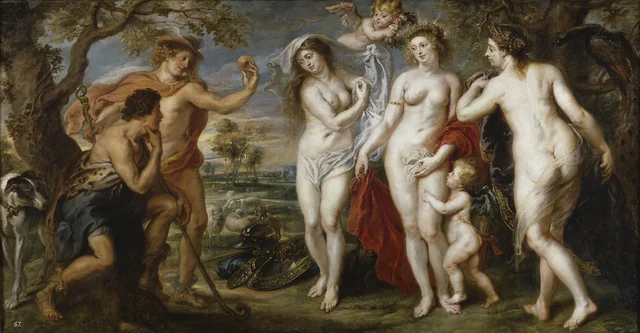 Il giudizio di ParidePieter Paul Rubens, 1638
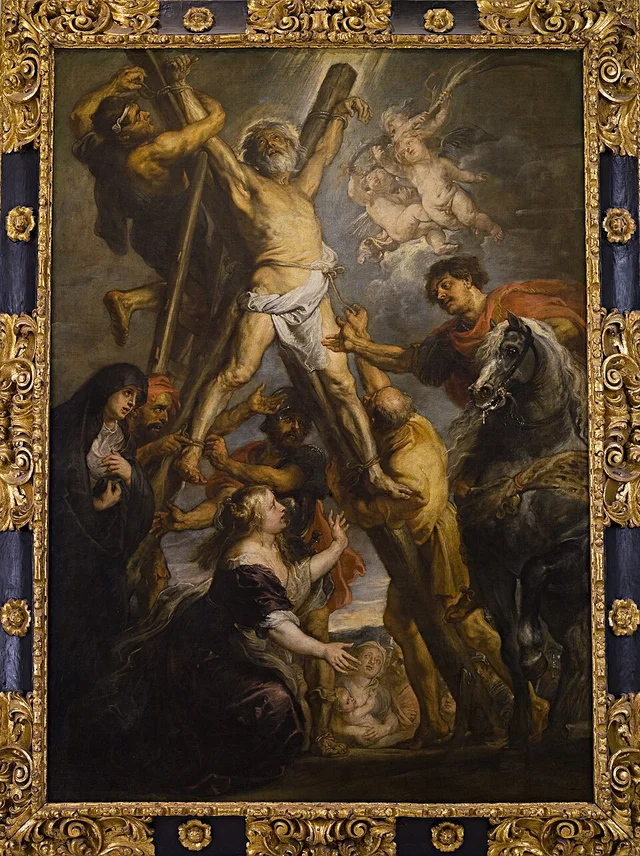 Il martirio di sant'AndreaPieter Paul Rubens, 1639
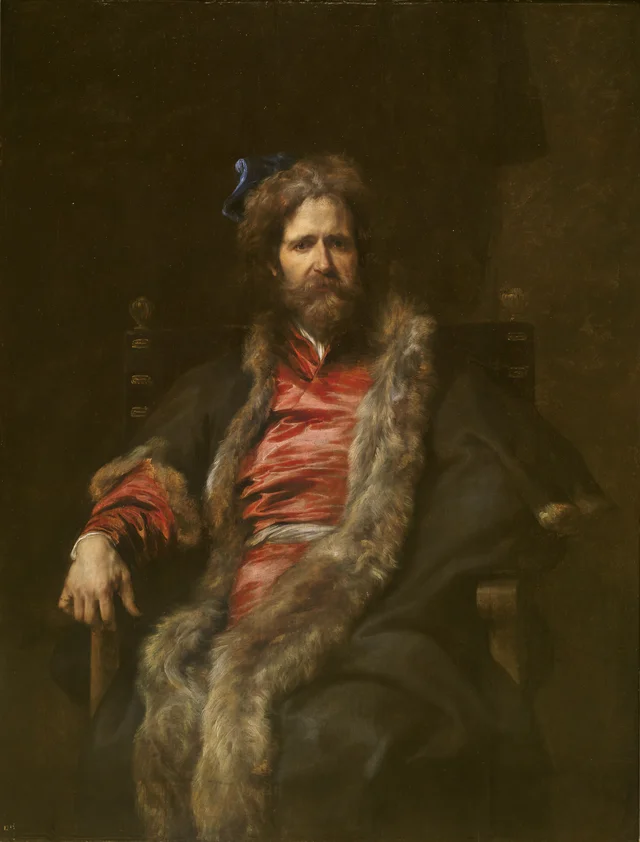 Il pittore Martin RyckaertAnton van Dyck, 1631
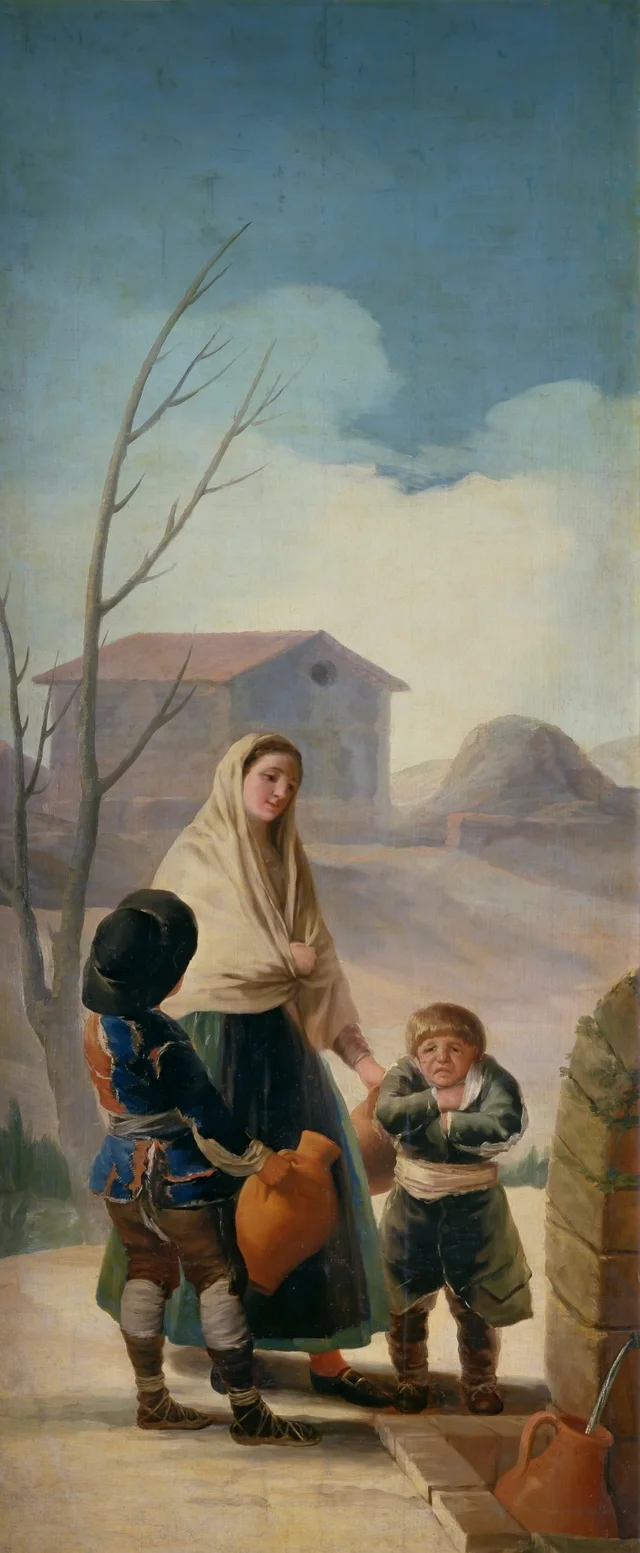 I poveri alla fontanaFrancisco Goya, 1786
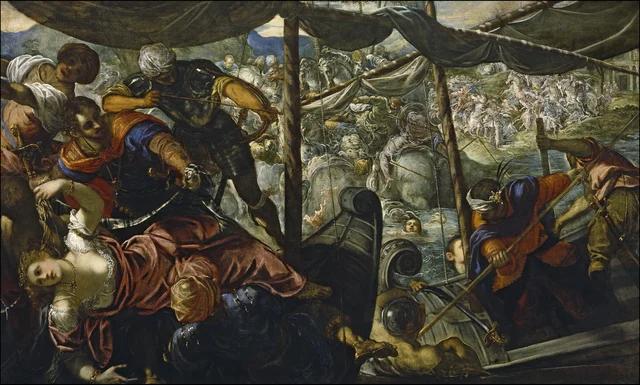 Il ratto di ElenaJacopo Tintoretto, 1578