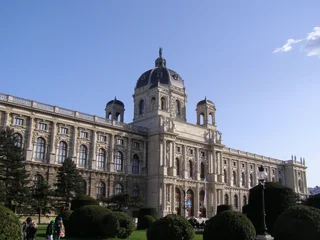
Die Geschichte
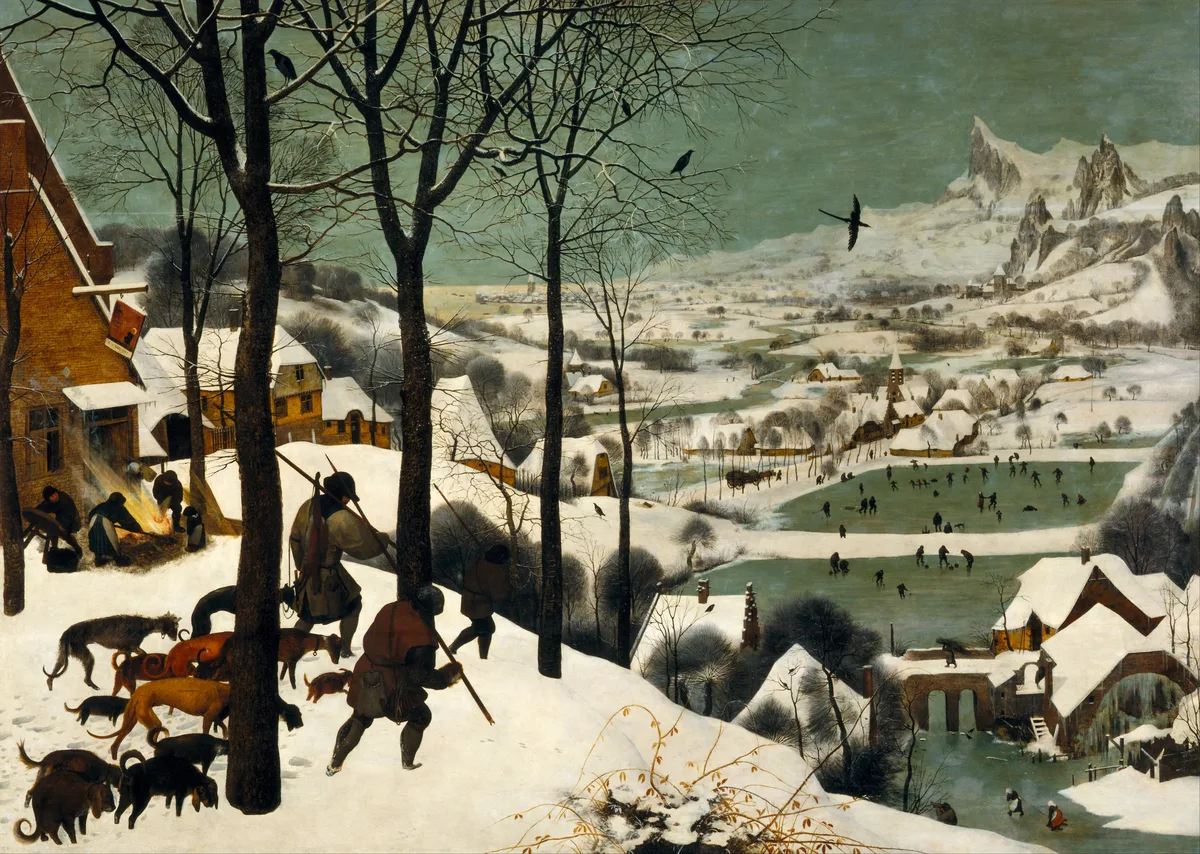
Ein Raum im ersten Stock beherbergt mehr Gemälde von Pieter Bruegel dem Älteren als jeder andere Ort der Welt, etwa ein Dutzend, darunter die Jäger im Schnee, die Reihe müder Jäger und ihrer Hunde, die 1565 über einen Hügel oberhalb eines vereisten Tals stapfen. Dass Wien sie überhaupt besitzt, verdankt sich den Habsburgern, der Dynastie, die Europa über Jahrhunderte weithin beherrschte und einen guten Teil dieser Macht in Kunst steckte.
Das Museum wurde gebaut, um genau das zur Schau zu stellen. Kaiser Franz Joseph eröffnete es 1891 an der Ringstraße, dem Prachtboulevard dort, wo Wiens alte Stadtmauern gestanden hatten, in einem palastartigen Bau von Gottfried Semper und Karl von Hasenauer, dessen Treppenhaus der junge Gustav Klimt schmückte, ehe er zum Klimt aus Gold und Skandal wurde. Es ging darum, die verstreuten kaiserlichen Sammlungen unter einem Dach zu vereinen und das Publikum hineinzulassen.
So lesen sich die Wände wie ein Inventar habsburgischer Reichweite. Vermeers Die Malkunst, der Künstler von hinten an seiner Staffelei gesehen, den die Familie als einen ihrer Schätze behielt. Säle voll Tizian, Rubens und Velázquez, dessen spanische Hofporträts kleiner ernster Prinzessinnen durch die Heiraten nach Wien kamen, die die beiden Zweige der Familie verbanden. Und unter den Gemäldegalerien liegt die Kunstkammer, ein Gewirr aus geschnitztem Elfenbein, Uhrwerkautomaten und Edelsteinschalen, zusammengetragen von Kaisern, die das Fremdartige und Erfindungsreiche ebenso wollten wie das Schöne. Ihr berühmtestes Stück ist ein goldenes Salzfass, das Benvenuto Cellini für den König von Frankreich schuf.
Weitere Artikel
Sammlung
381 Werke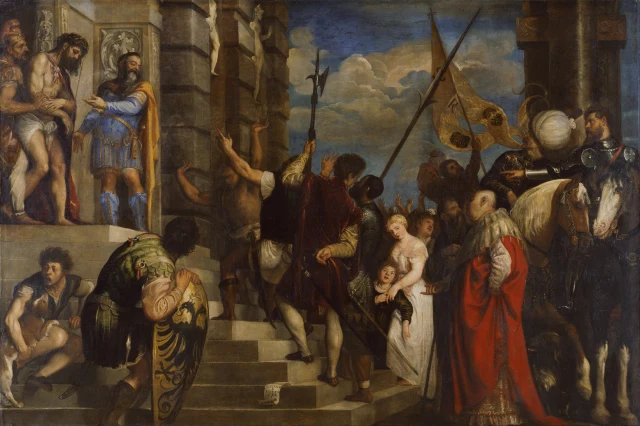 Ecce homoTizian, 1543
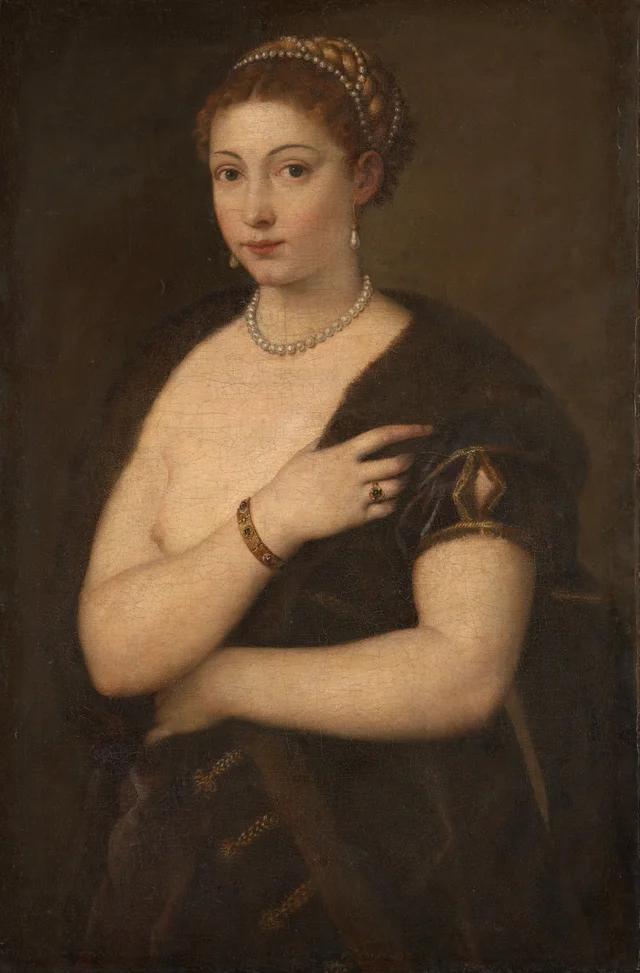 Mädchen im PelzTizian, 1535
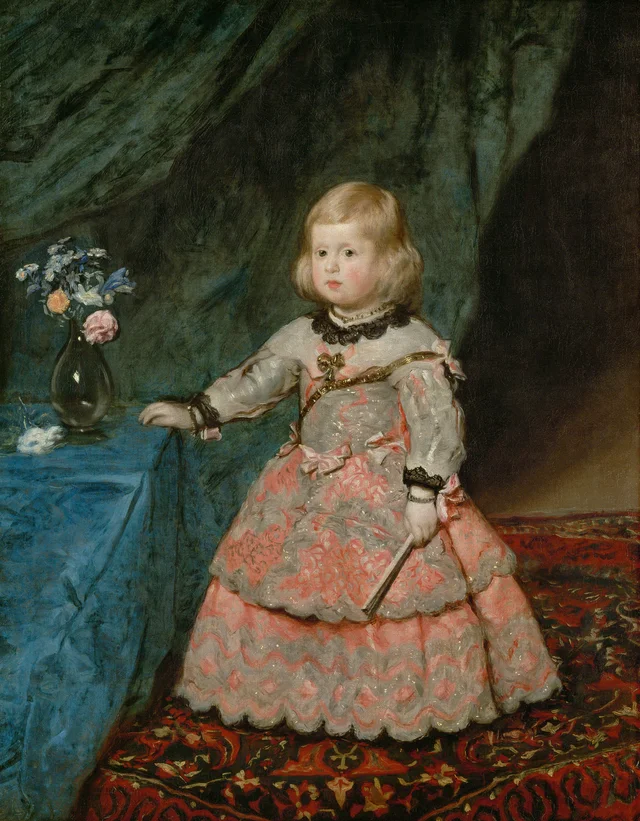 Infantin Margarita TeresaDiego Velázquez, 1653
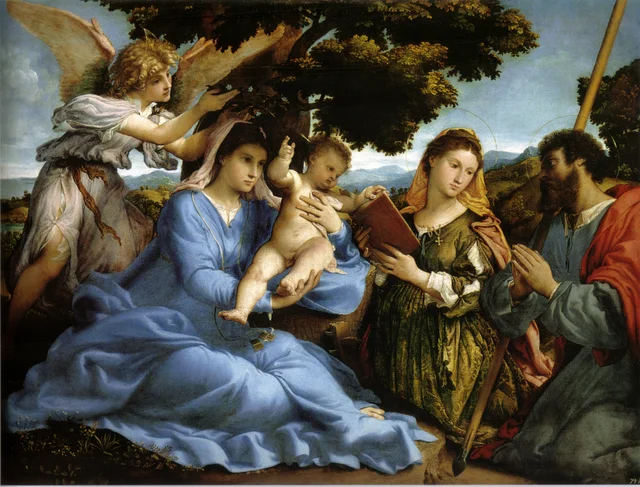 Maria mit dem Kind, der heiligen Katharina, dem heiligen Jakobus dem Älteren und einem EngelLorenzo Lotto, 1527
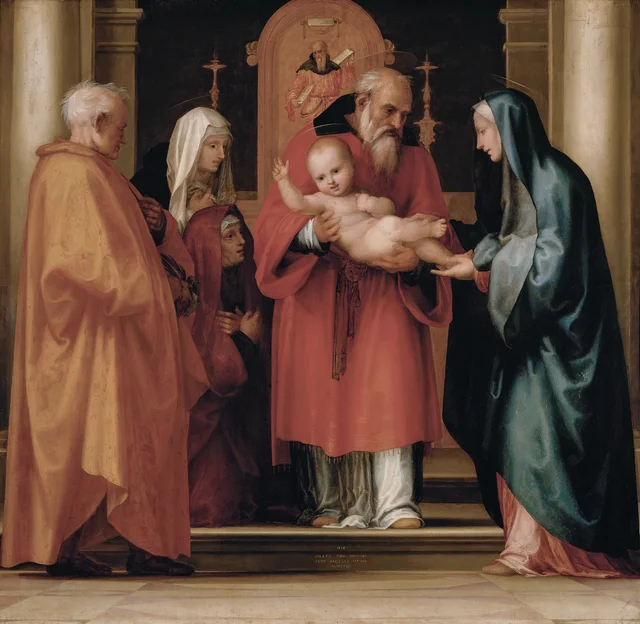 Darbringung Christi im TempelFra Bartolomeo, 1516
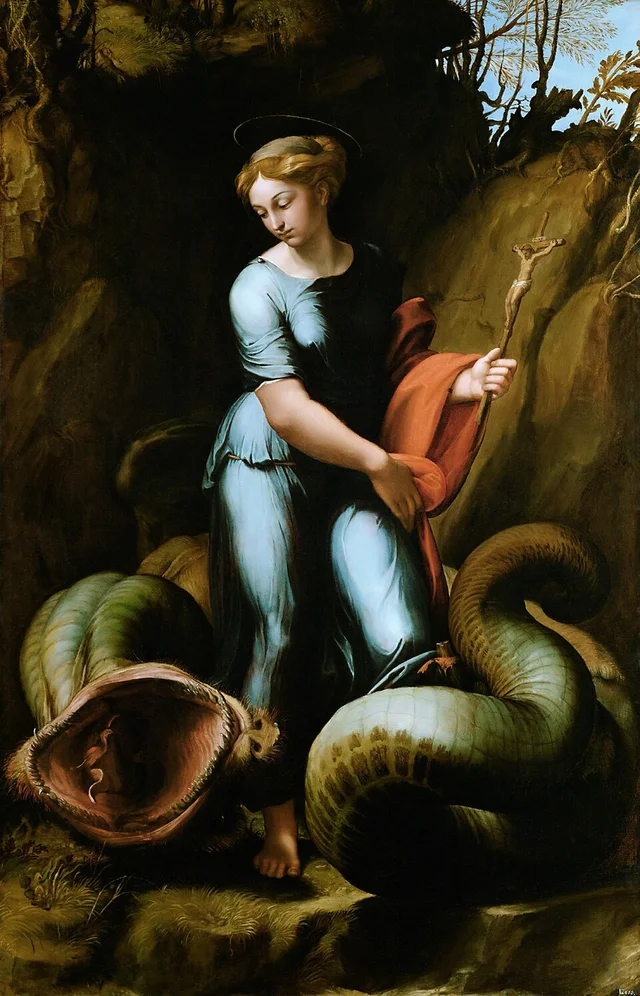 Die heilige Margareta und der DracheRaffael, 1518
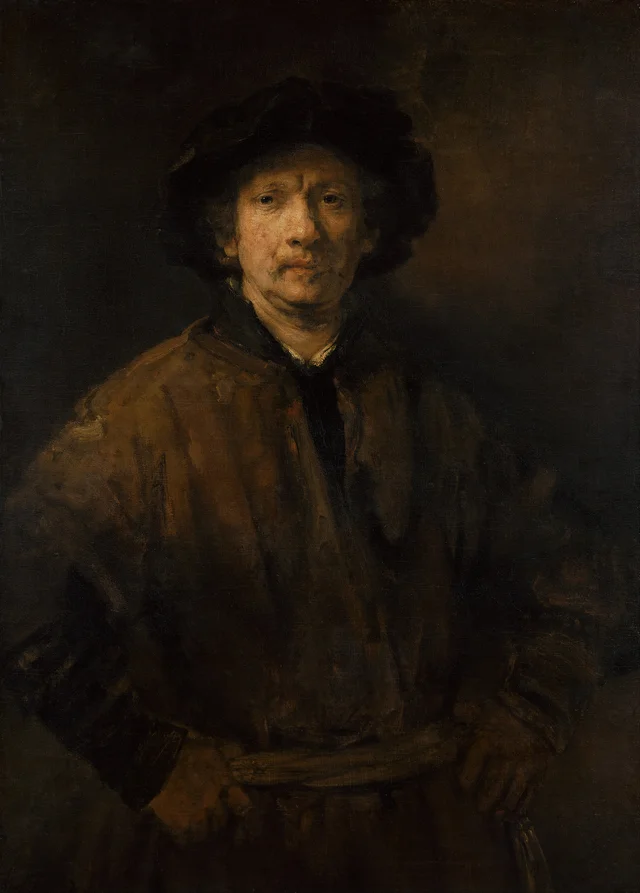 SelbstbildnisRembrandt, 1652
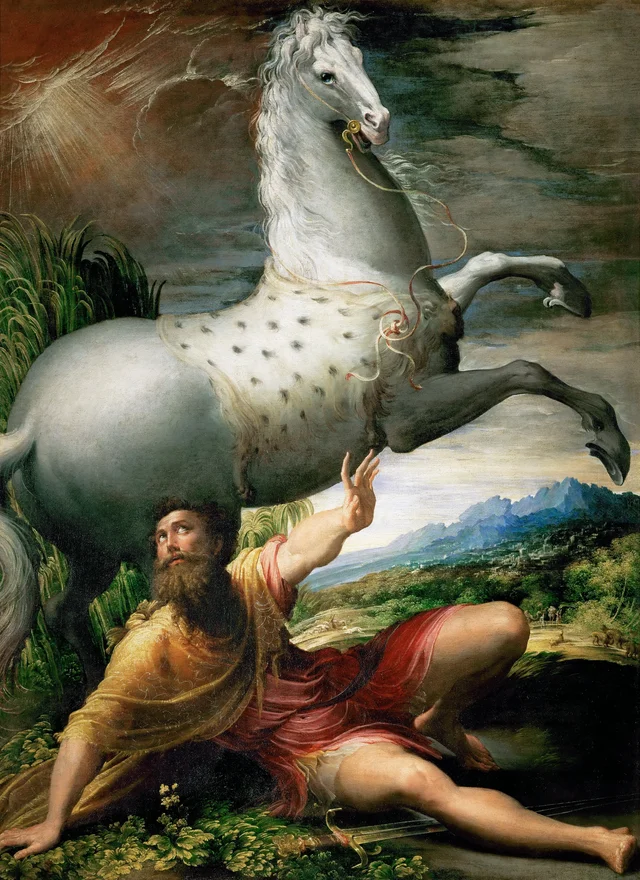 Die Bekehrung des heiligen PaulusParmigianino, 1527
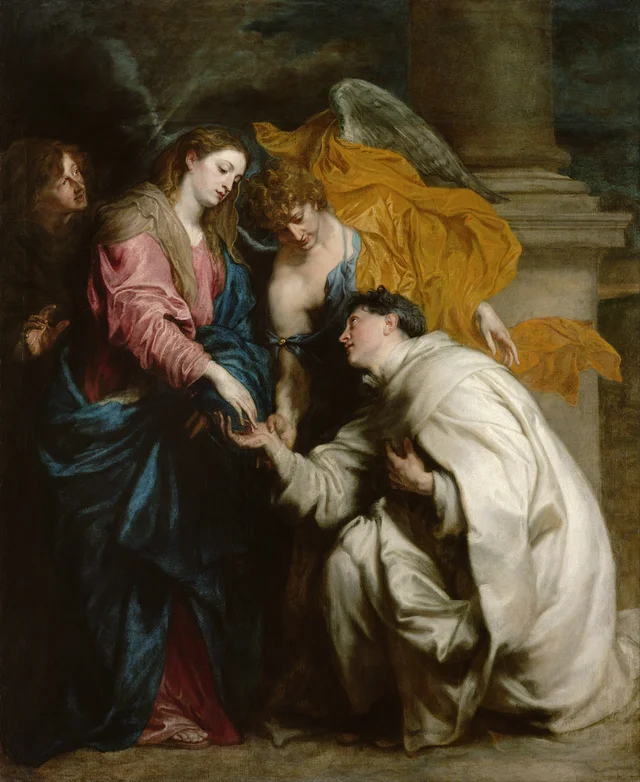 Die Vision des seligen Hermann JosephAnthonis van Dyck, 1629
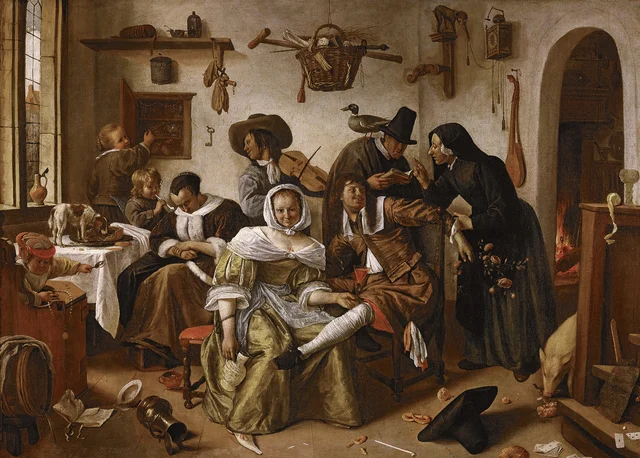 Die verkehrte WeltJan Steen, 1663
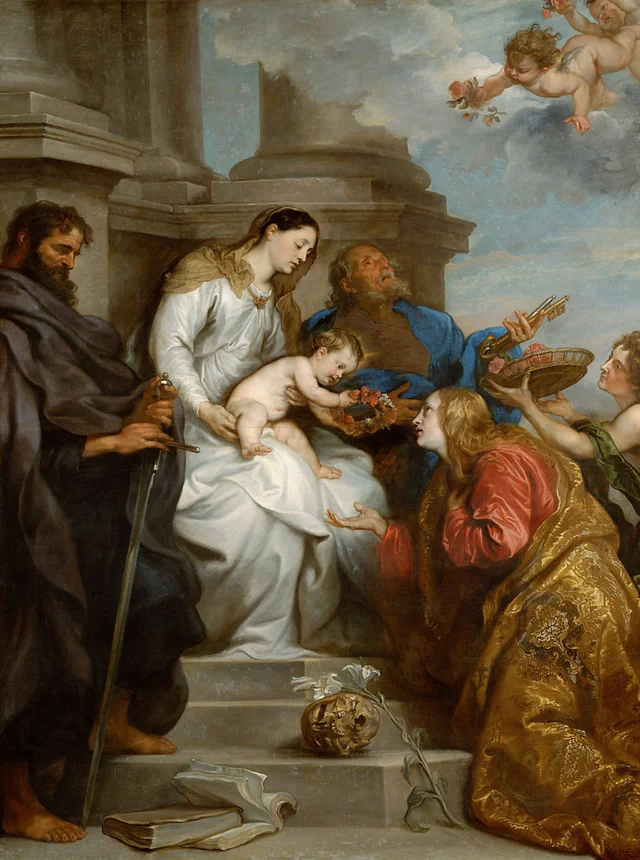 Krönung der heiligen RosaliaAnthonis van Dyck, 1629
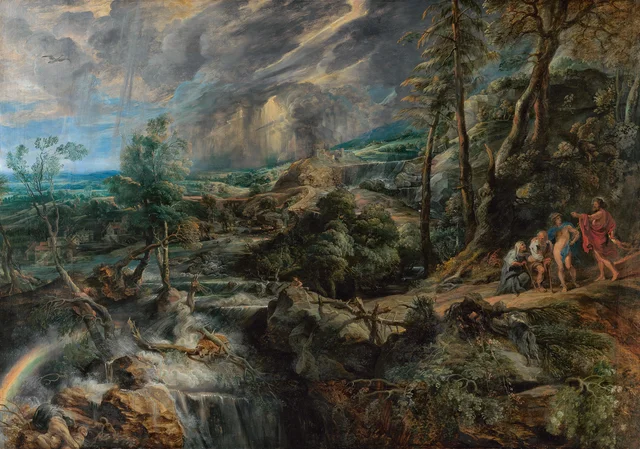 Landschaft mit Philemon und BaucisPeter Paul Rubens, 1620
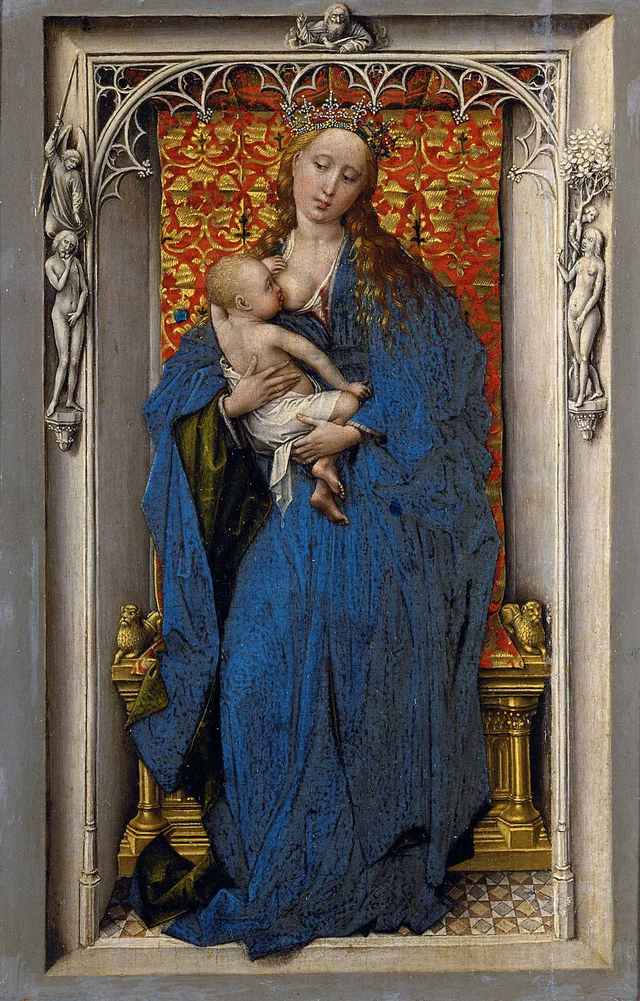 Stehende MadonnaRogier van der Weyden, 1451
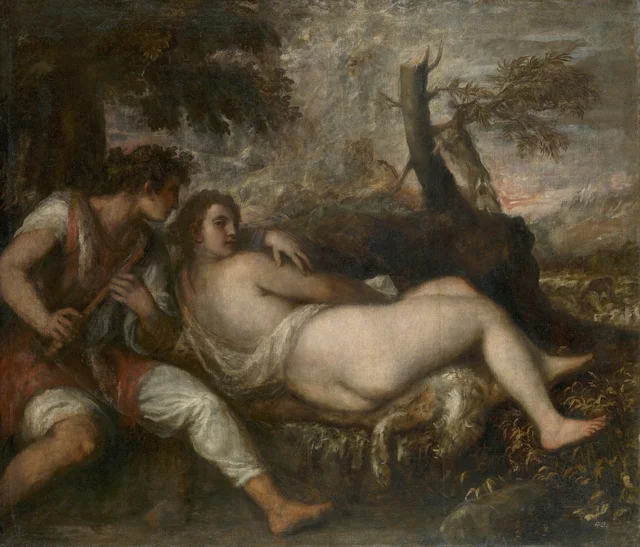 Nymphe und SchäferTizian, 1570
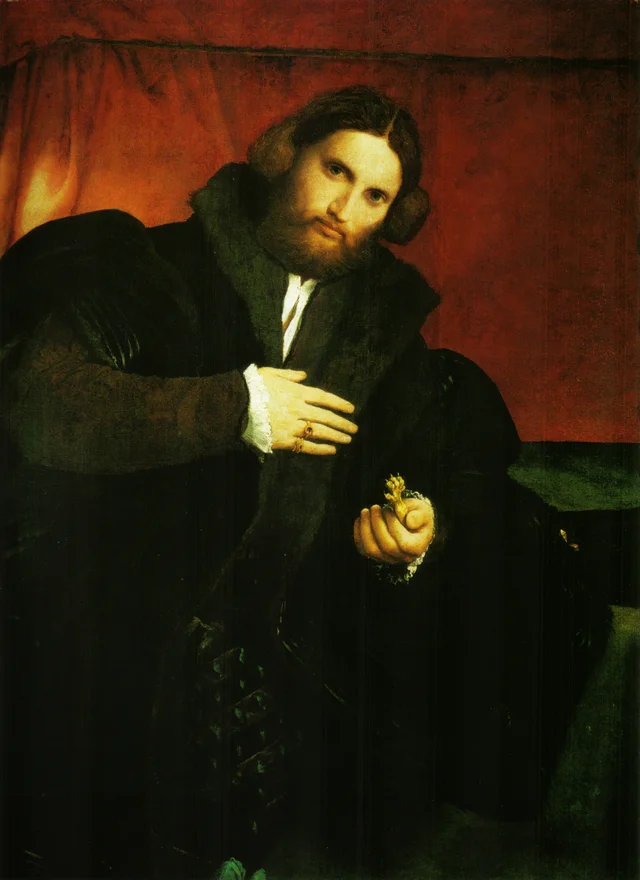 Bildnis eines Edelmanns mit LöwentatzeLorenzo Lotto, 1527
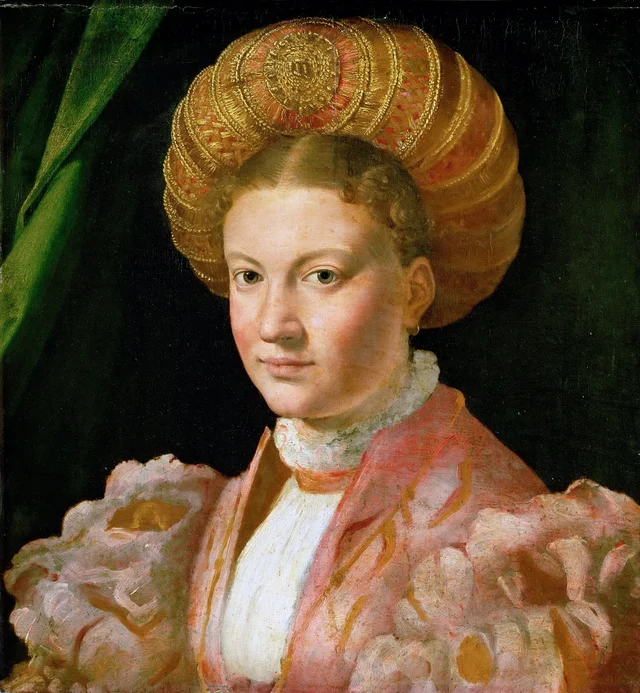 Bildnis einer jungen FrauParmigianino, 1530
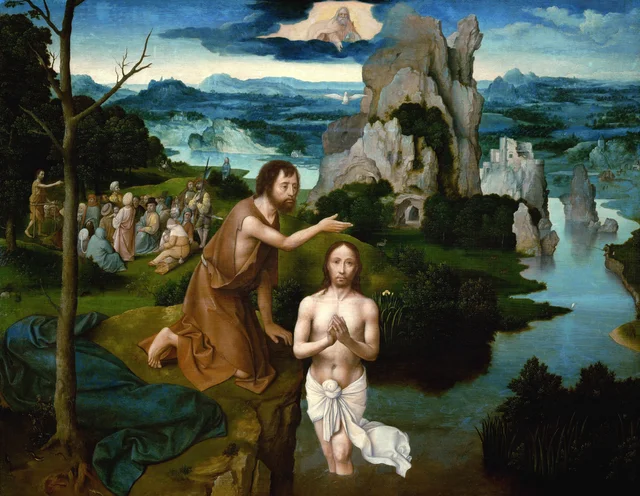 Die Taufe ChristiJoachim Patinir, 1510
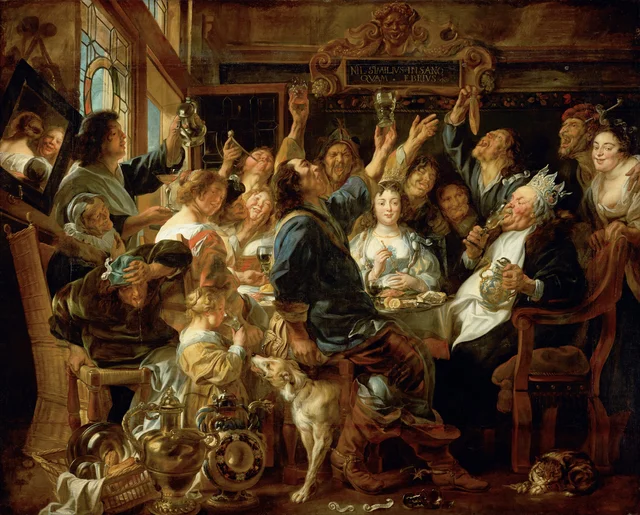 Der BohnenkönigJacob Jordaens, 1640
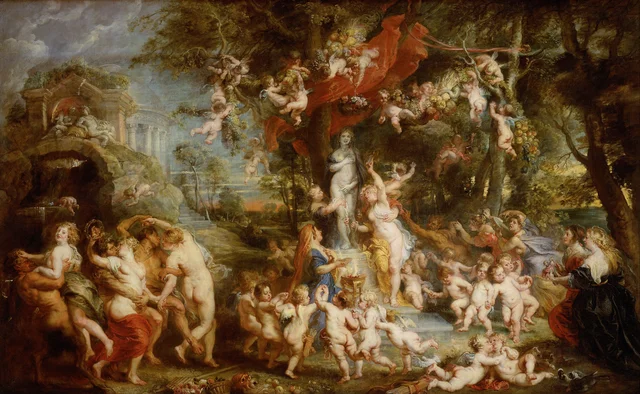 Das VenusfestPeter Paul Rubens, 1636
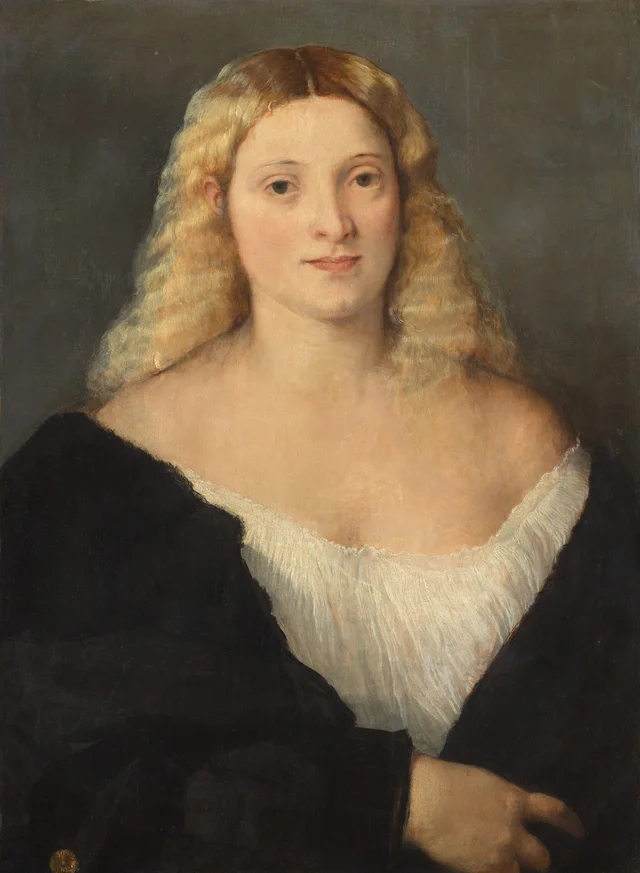 Junge Frau im schwarzen KleidTizian, 1520
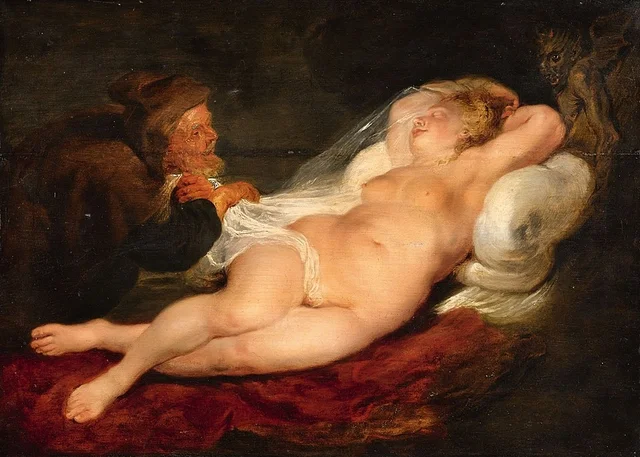 Angelica und der EremitPeter Paul Rubens, 1620
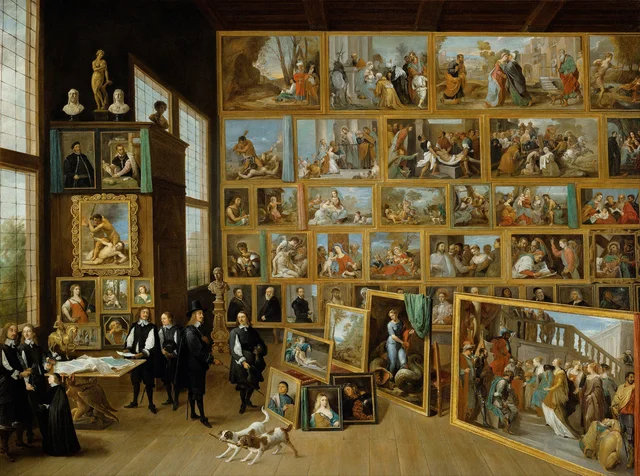 Erzherzog Leopold Wilhelm in seiner Galerie in BrüsselDavid Teniers der Jüngere, 1651
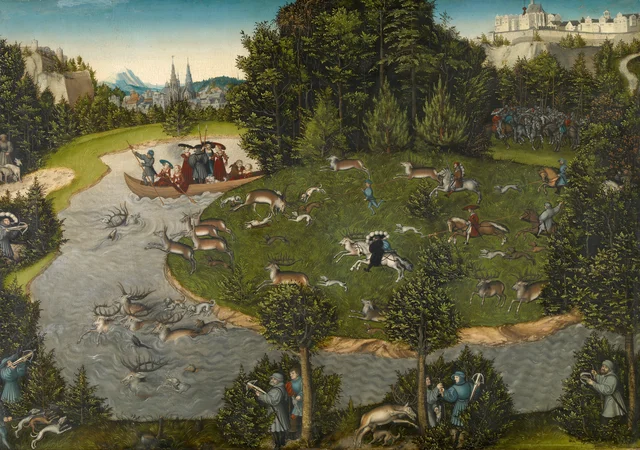 Eine Hirschjagd mit dem Kurfürsten Friedrich dem Weisen von SachsenLucas Cranach der Ältere, 1529
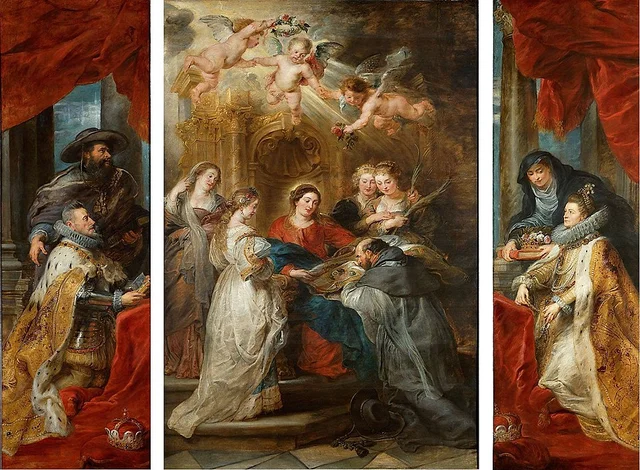 Ildefonso-AltarPeter Paul Rubens, 1630
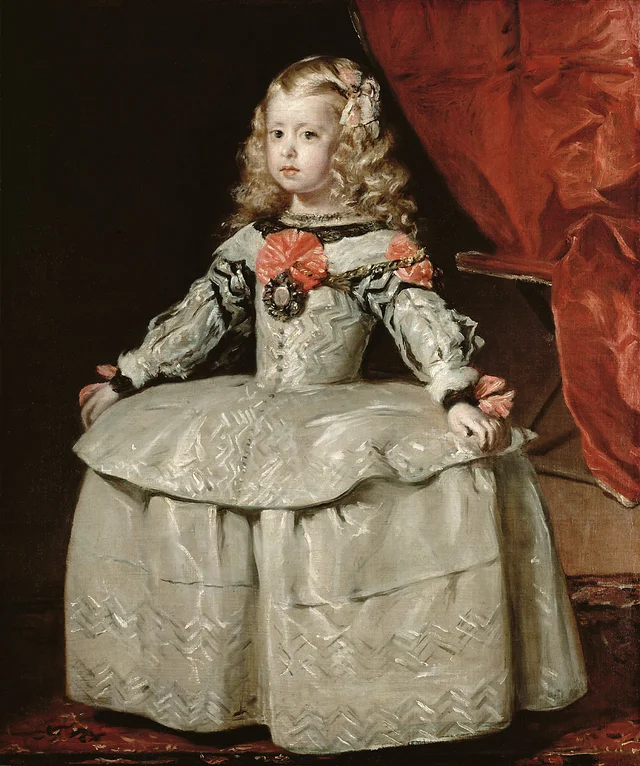 Infantin Margarita Teresa im weiß-silbernen KleidDiego Velázquez, 1656