Die Geschichte
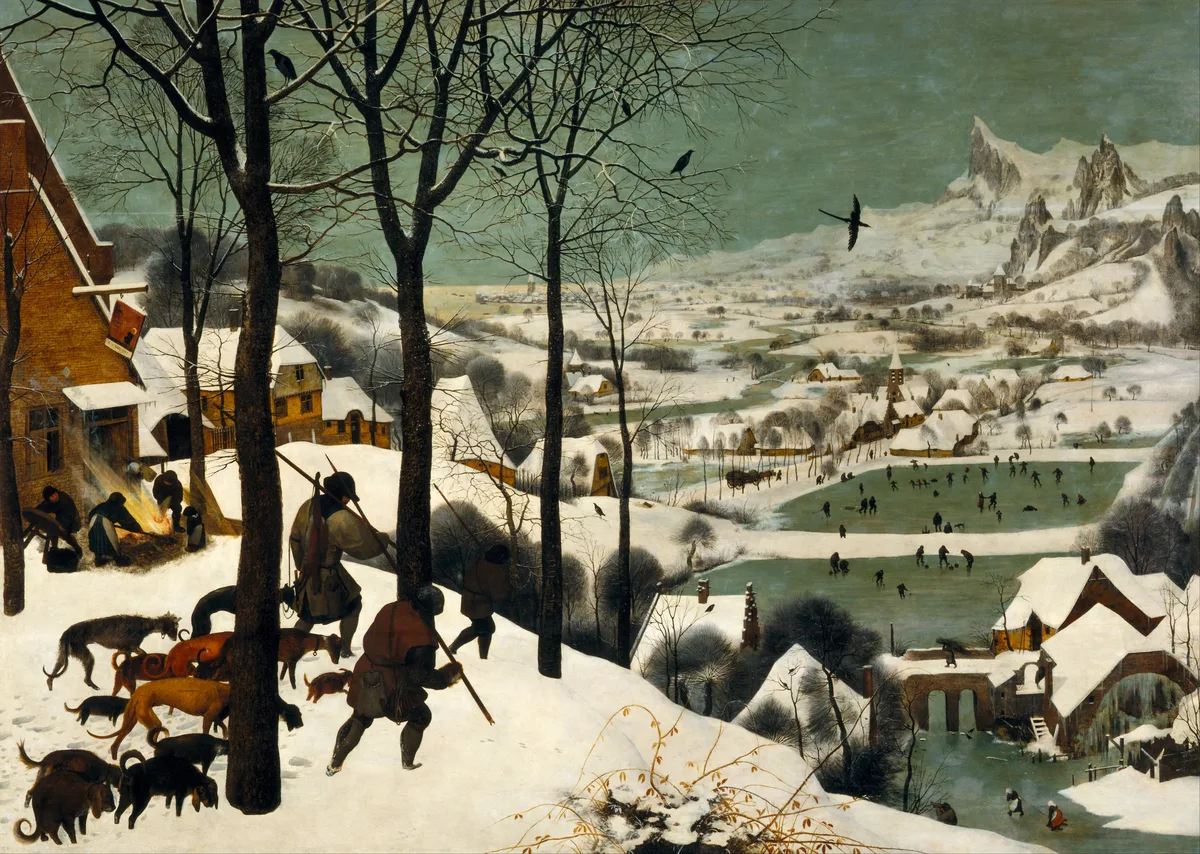
Ein Raum im ersten Stock beherbergt mehr Gemälde von Pieter Bruegel dem Älteren als jeder andere Ort der Welt, etwa ein Dutzend, darunter die Jäger im Schnee, die Reihe müder Jäger und ihrer Hunde, die 1565 über einen Hügel oberhalb eines vereisten Tals stapfen. Dass Wien sie überhaupt besitzt, verdankt sich den Habsburgern, der Dynastie, die Europa über Jahrhunderte weithin beherrschte und einen guten Teil dieser Macht in Kunst steckte.
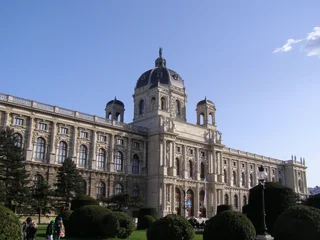
Das Museum wurde gebaut, um genau das zur Schau zu stellen. Kaiser Franz Joseph eröffnete es 1891 an der Ringstraße, dem Prachtboulevard dort, wo Wiens alte Stadtmauern gestanden hatten, in einem palastartigen Bau von Gottfried Semper und Karl von Hasenauer, dessen Treppenhaus der junge Gustav Klimt schmückte, ehe er zum Klimt aus Gold und Skandal wurde. Es ging darum, die verstreuten kaiserlichen Sammlungen unter einem Dach zu vereinen und das Publikum hineinzulassen.
So lesen sich die Wände wie ein Inventar habsburgischer Reichweite. Vermeers Die Malkunst, der Künstler von hinten an seiner Staffelei gesehen, den die Familie als einen ihrer Schätze behielt. Säle voll Tizian, Rubens und Velázquez, dessen spanische Hofporträts kleiner ernster Prinzessinnen durch die Heiraten nach Wien kamen, die die beiden Zweige der Familie verbanden. Und unter den Gemäldegalerien liegt die Kunstkammer, ein Gewirr aus geschnitztem Elfenbein, Uhrwerkautomaten und Edelsteinschalen, zusammengetragen von Kaisern, die das Fremdartige und Erfindungsreiche ebenso wollten wie das Schöne. Ihr berühmtestes Stück ist ein goldenes Salzfass, das Benvenuto Cellini für den König von Frankreich schuf.
Weitere Artikel
Sammlung
381 Werke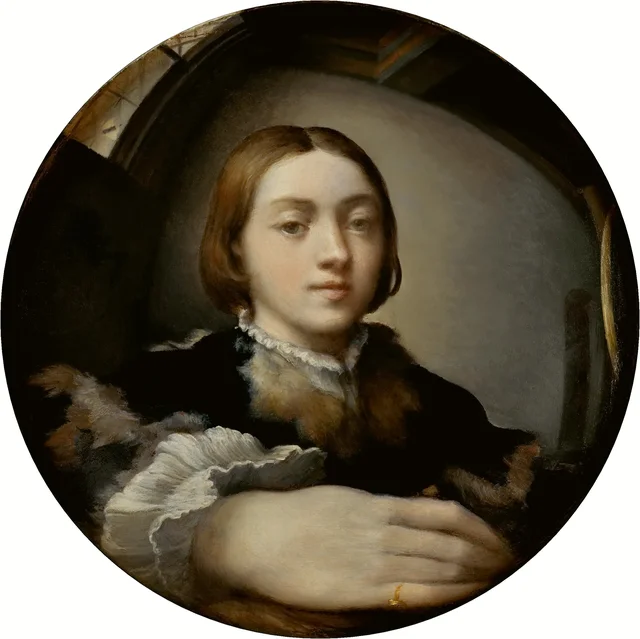 Selbstbildnis im KonvexspiegelParmigianino, 1523
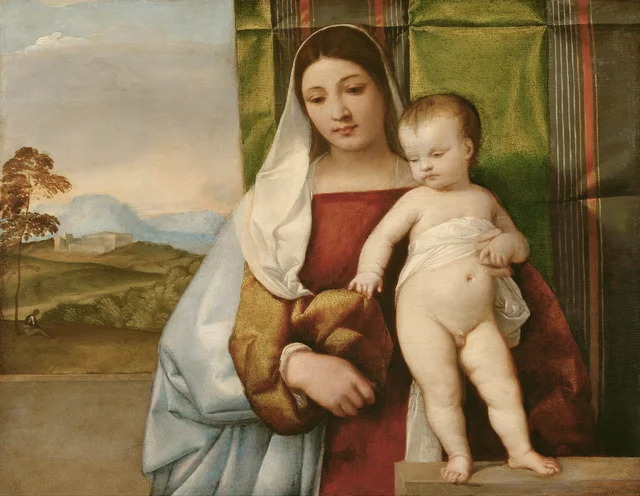 ZigeunermadonnaTizian, 1510
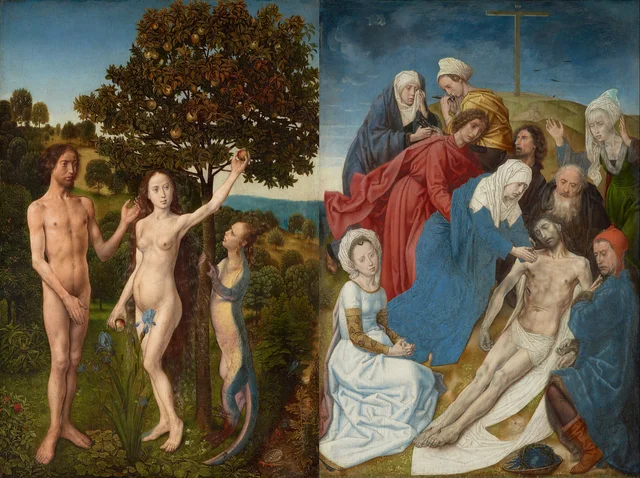 Wiener DiptychonHugo van der Goes, 1480
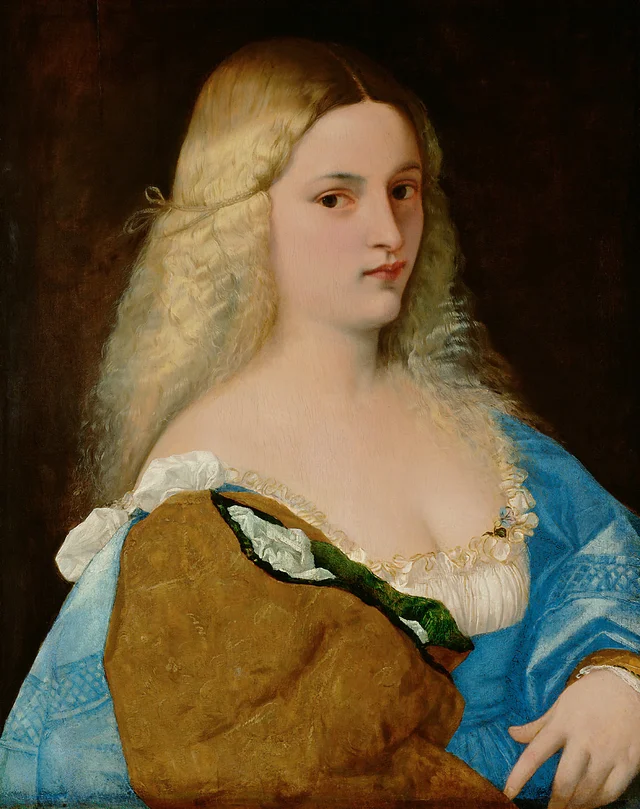 ViolanteTizian, 1515
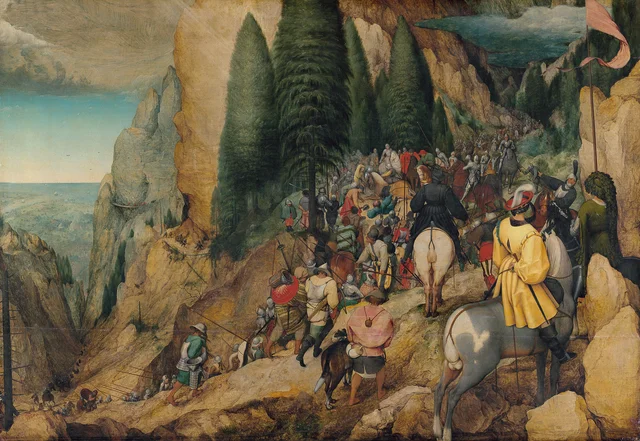 Die Bekehrung SauliPieter Brueghel der Ältere, 1567
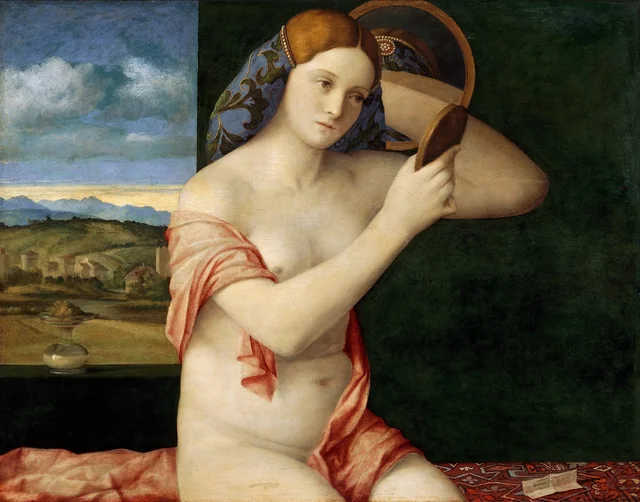 Junge nackte Frau vor dem SpiegelGiovanni Bellini, 1515
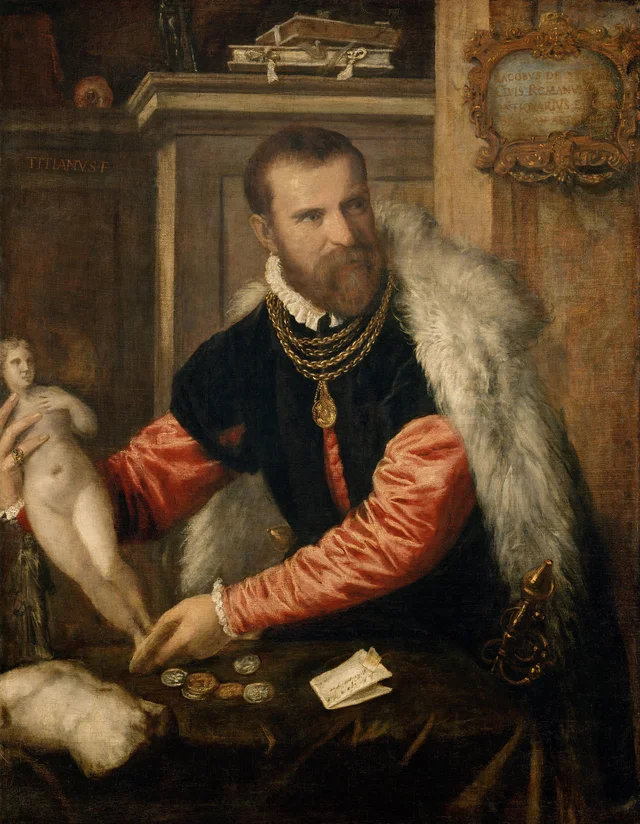 Bildnis des Jacopo StradaTizian, 1567
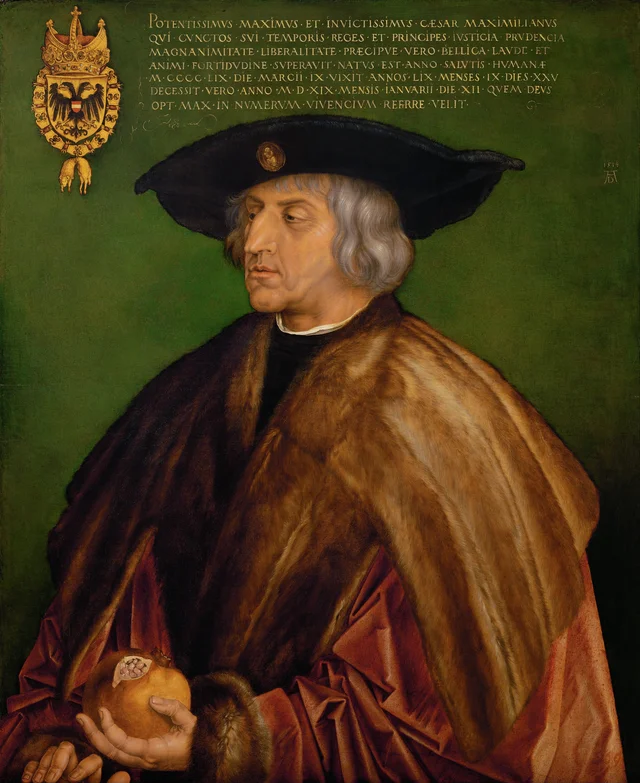 Kaiser Maximilian I.Albrecht Dürer, 1519
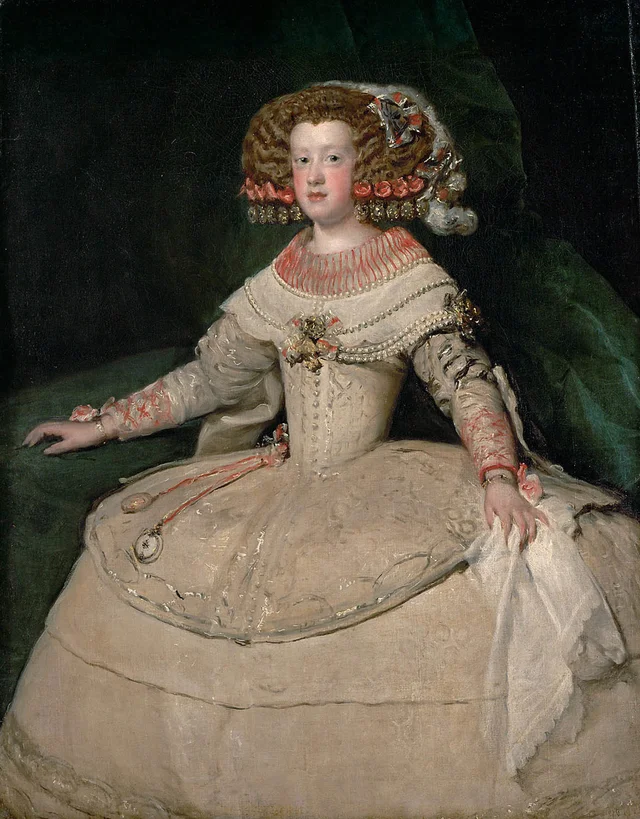 Bildnis der Infantin Maria Theresia von SpanienDiego Velázquez, 1652
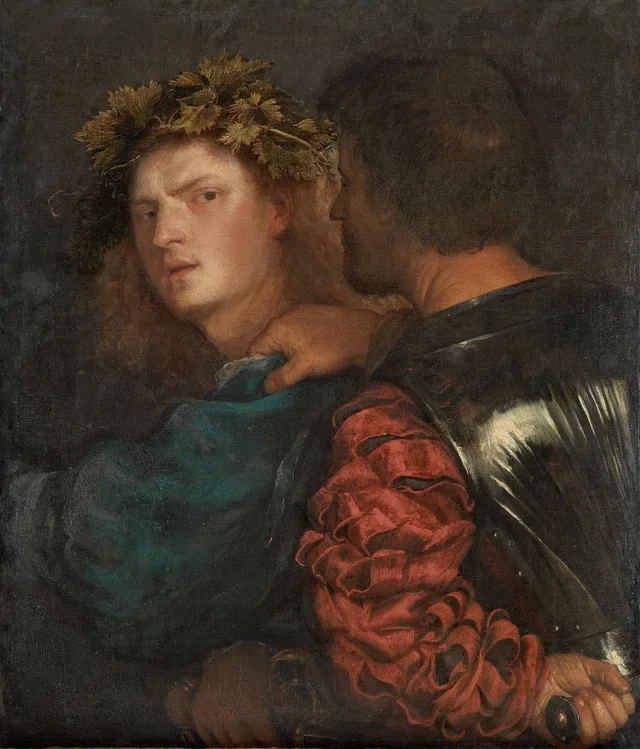 Der BravoTizian, 1520
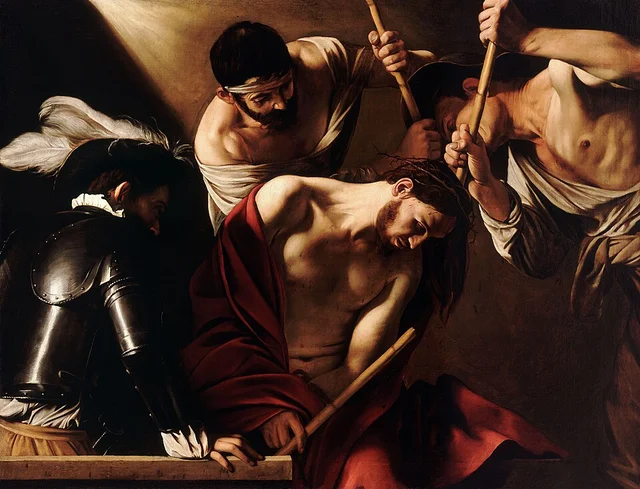 Die DornenkrönungCaravaggio, 1602
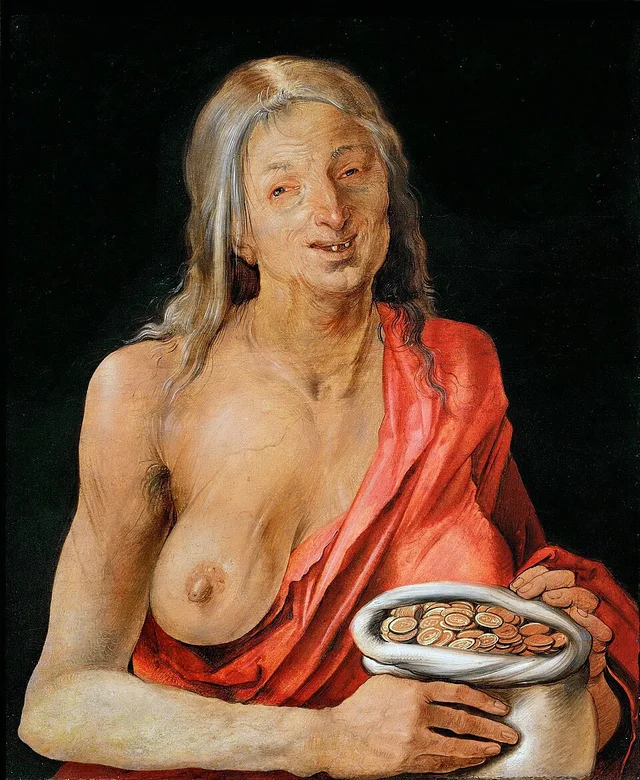 Der GeizAlbrecht Dürer, 1507
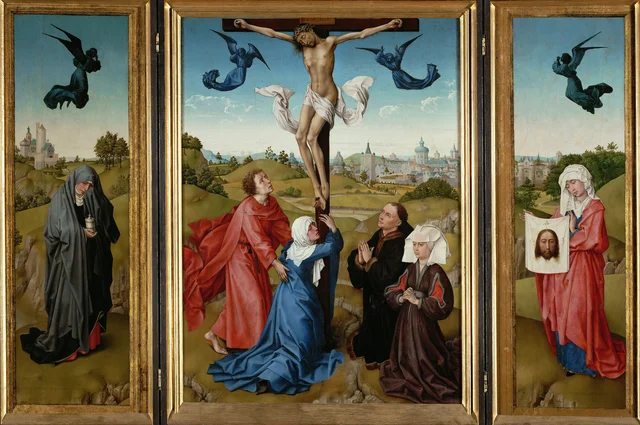 KreuzigungstriptychonRogier van der Weyden, 1440
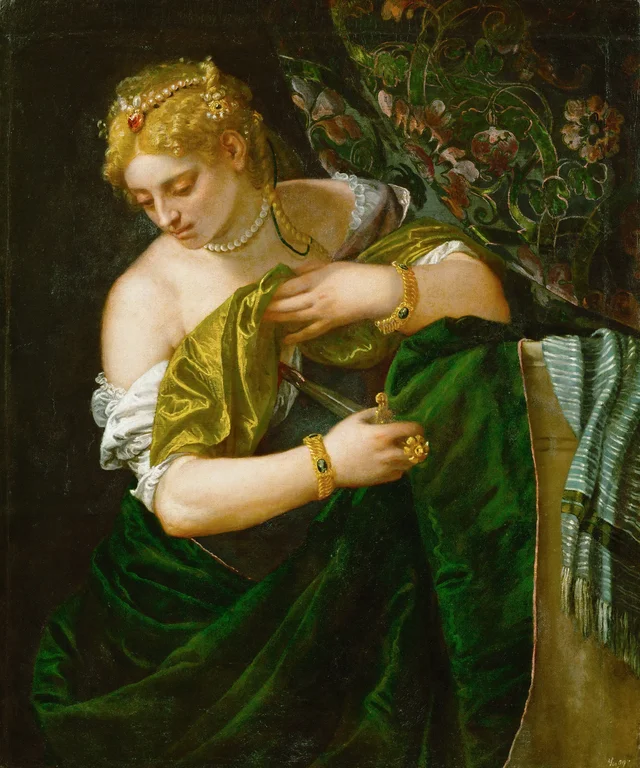 LucretiaPaolo Veronese, 1580
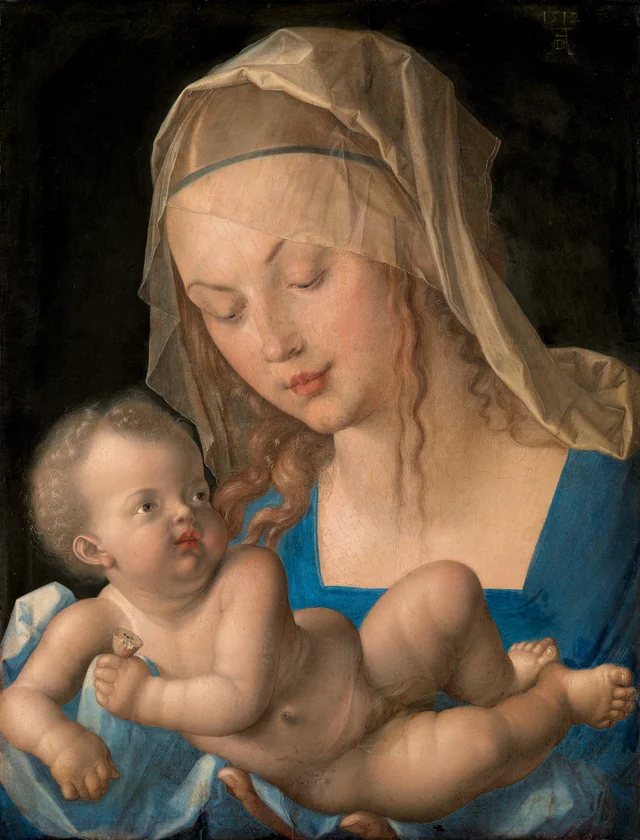 Maria mit dem KindAlbrecht Dürer, 1512
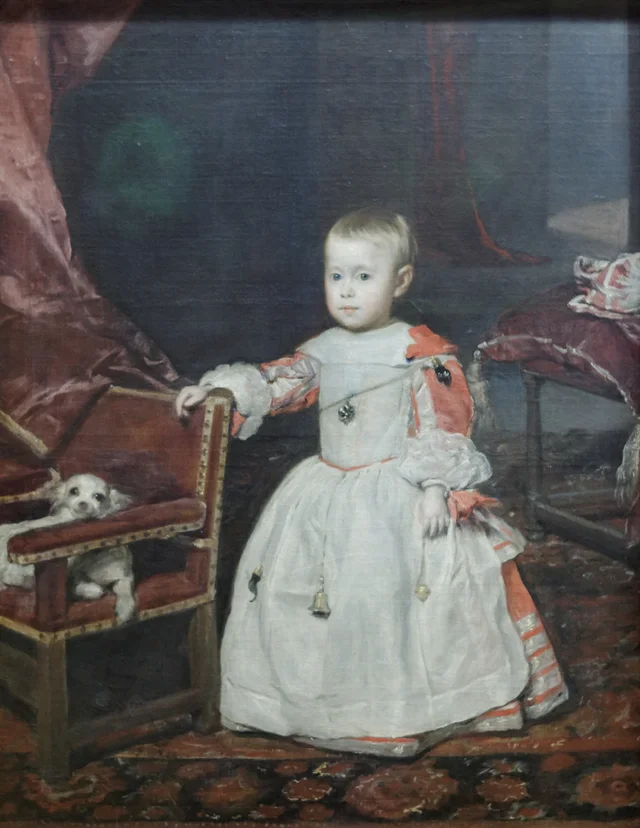 Bildnis des Prinzen Philipp ProsperDiego Velázquez, 1659
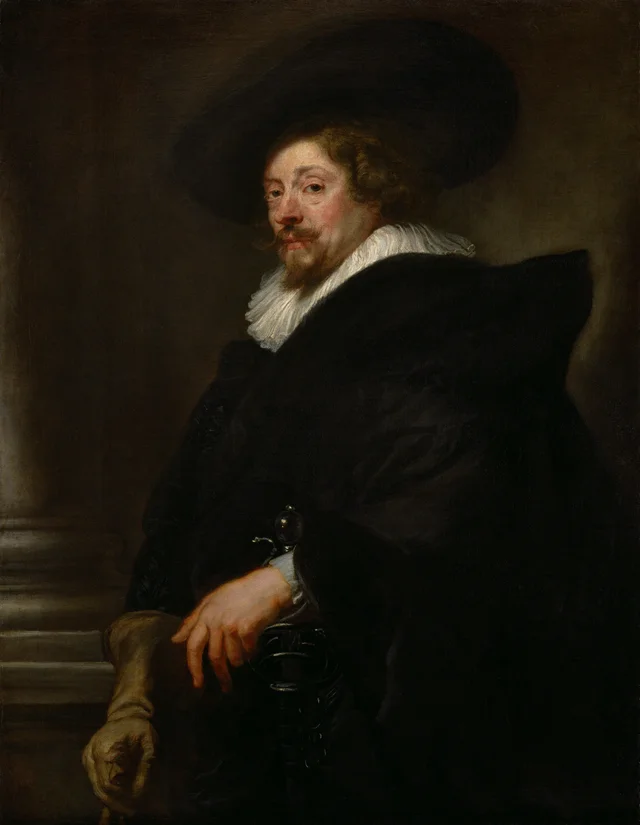 SelbstbildnisPeter Paul Rubens, 1638
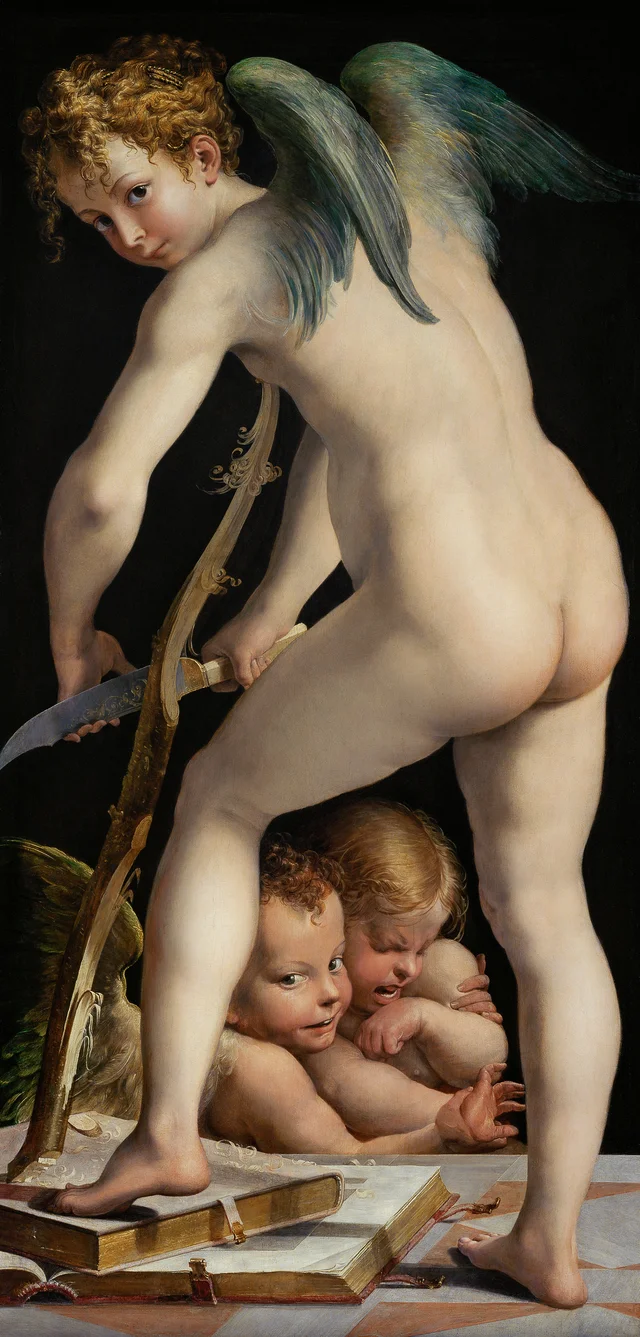 Der bogenschnitzende AmorParmigianino, 1536
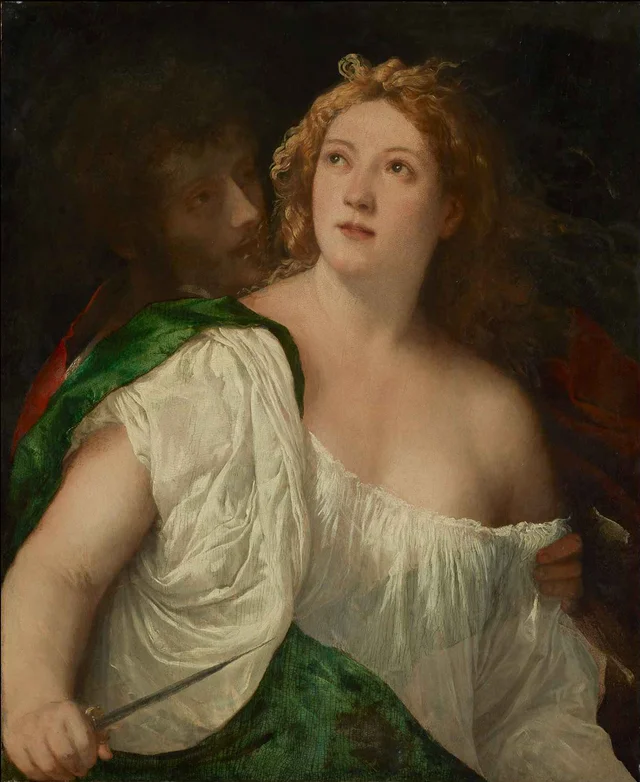 Lucretia und ihr Gatte Lucius Tarquinius CollatinusTizian, 1515
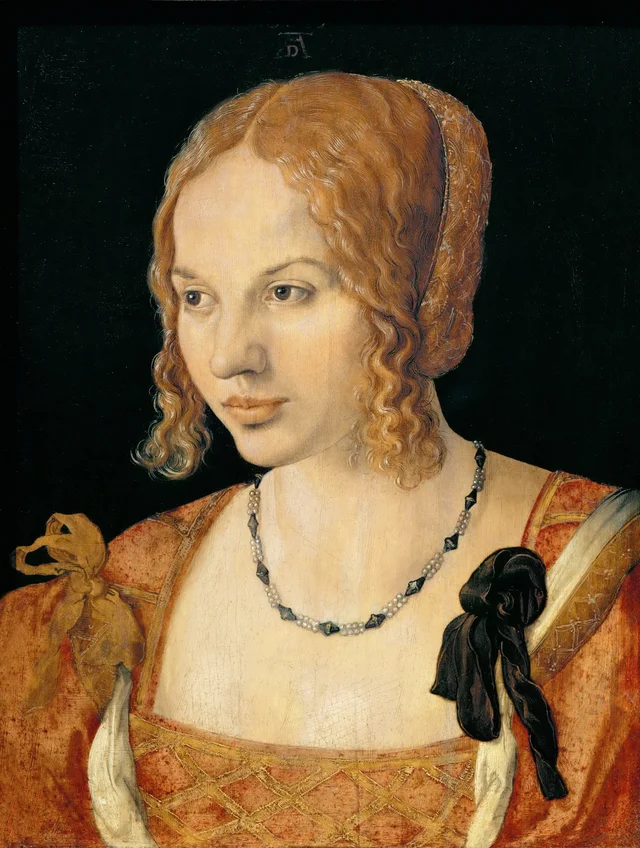 Bildnis einer VenezianerinAlbrecht Dürer, 1505
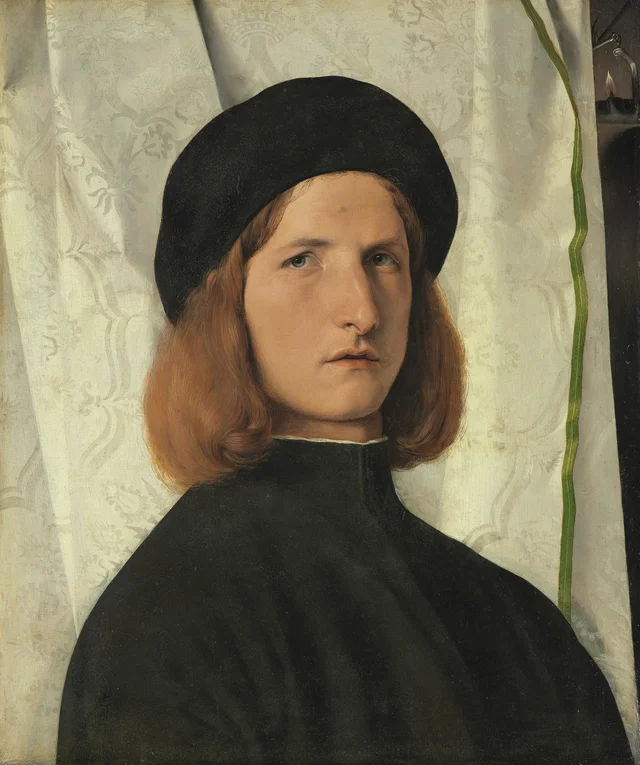 Bildnis eines jungen Mannes mit LampeLorenzo Lotto, 1508
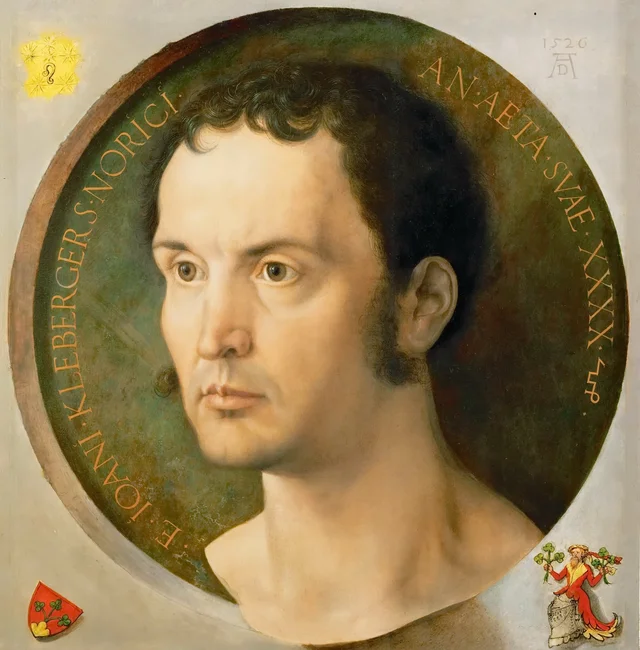 Bildnis des Johann KleebergerAlbrecht Dürer, 1526
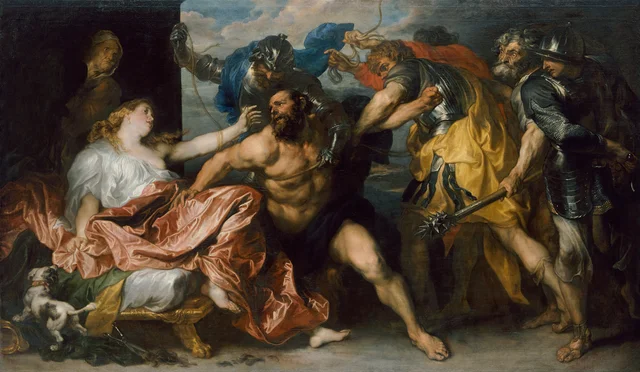 Samson und DelilaAnthonis van Dyck, 1630
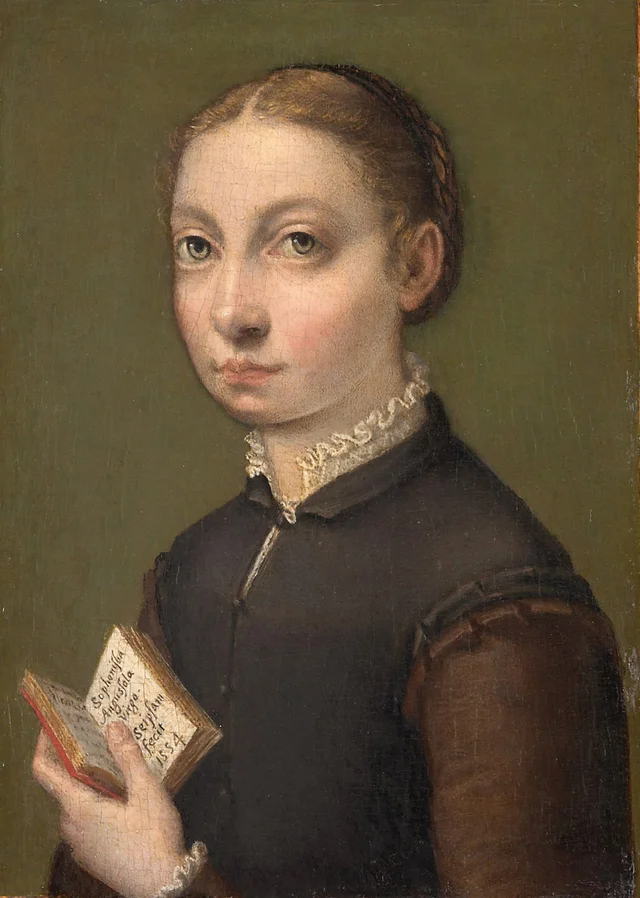 SelbstbildnisSofonisba Anguissola, 1554
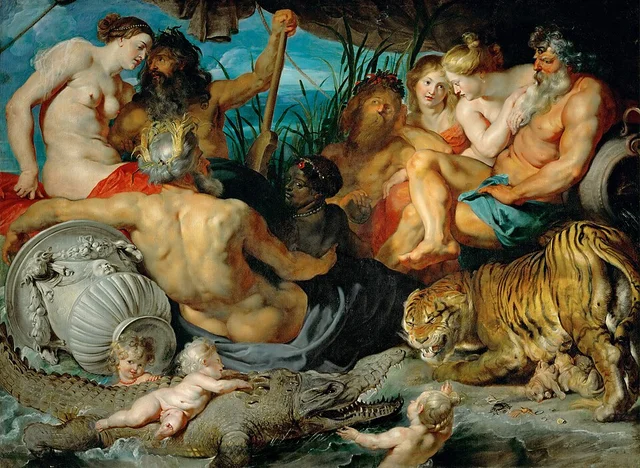 Die vier ErdteilePeter Paul Rubens, 1615