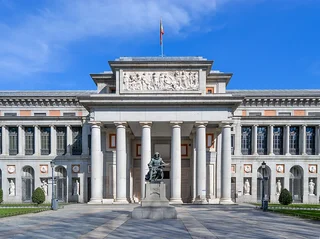
Die Geschichte
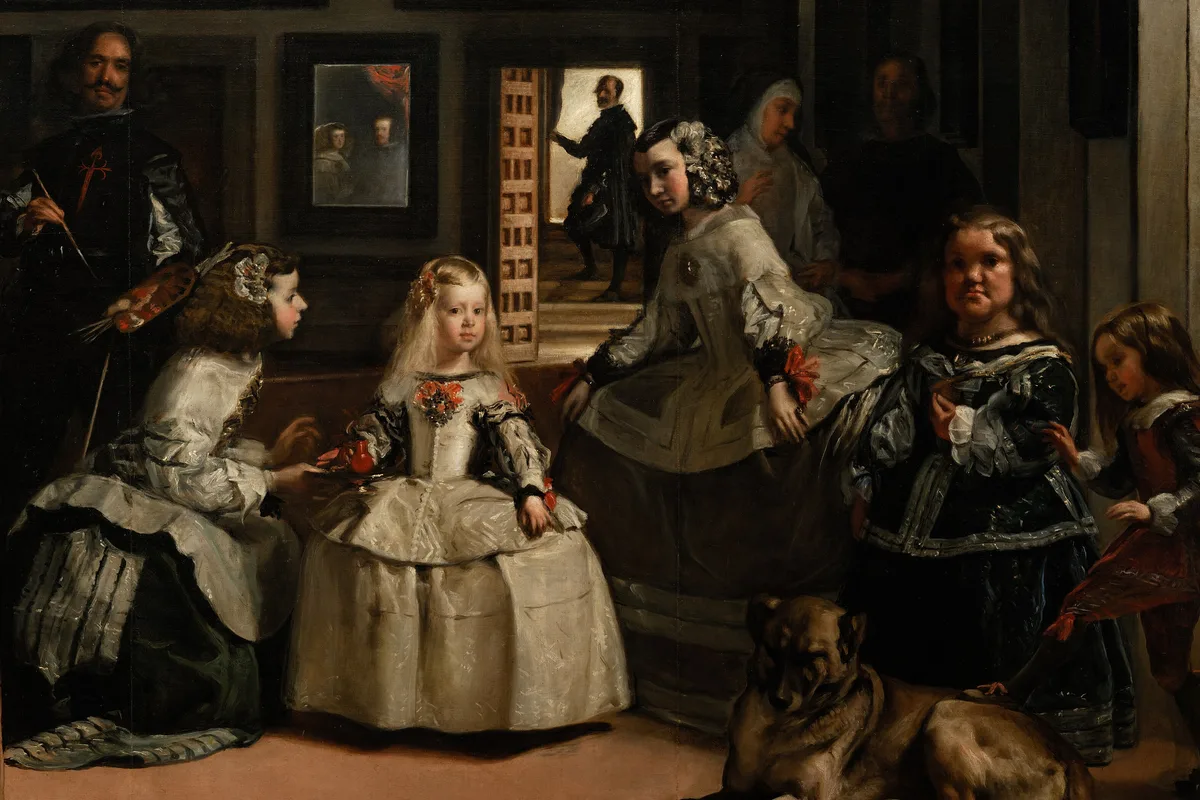
Der Prado ist die öffentlich gemachte Sammlung eines Königshauses. Drei Jahrhunderte lang kauften und beauftragten die spanischen Habsburger und Bourbonen in königlichem Maßstab, und ihr Geschmack ist das Museum: Tizian und Rubens, die die Könige liebten, Velázquez, der dem spanischen Hof fast sein ganzes Leben lang diente. Seine Las Meninas hängt im Herzen des Gebäudes, der Maler blickt hinter seiner eigenen Leinwand hervor, in einem Raum des alten königlichen Alcázar.
Die Galerie eröffnete 1819 in einem Bau, den der Architekt Juan de Villanueva zunächst als Halle der Naturwissenschaften entworfen hatte. Ihre Wände tragen die dunkleren Wendungen der spanischen Kunst neben ihrem Glanz, Goyas Der dritte Mai 1808, das Erschießungskommando, das im Dunkeln seine Laternen hebt, und die Schwarzen Bilder, die er spät im Leben, taub und zurückgezogen, direkt auf die Wände seines eigenen Hauses malte und nie zeigen wollte.
Der älteste seiner großen Schätze ist älter als dieser königlich-spanische Geschmack, Hieronymus Boschs Garten der Lüste, die dreiteilige Vision von Paradies, Begierde und Hölle, später in die Sammlung Philipps II. gelangt und in seinen Klosterpalast El Escorial geschickt. Heute zieht er die Menge zu dem, was einst nur der Hof sehen durfte.
Weitere Artikel
Sammlung
870 Werke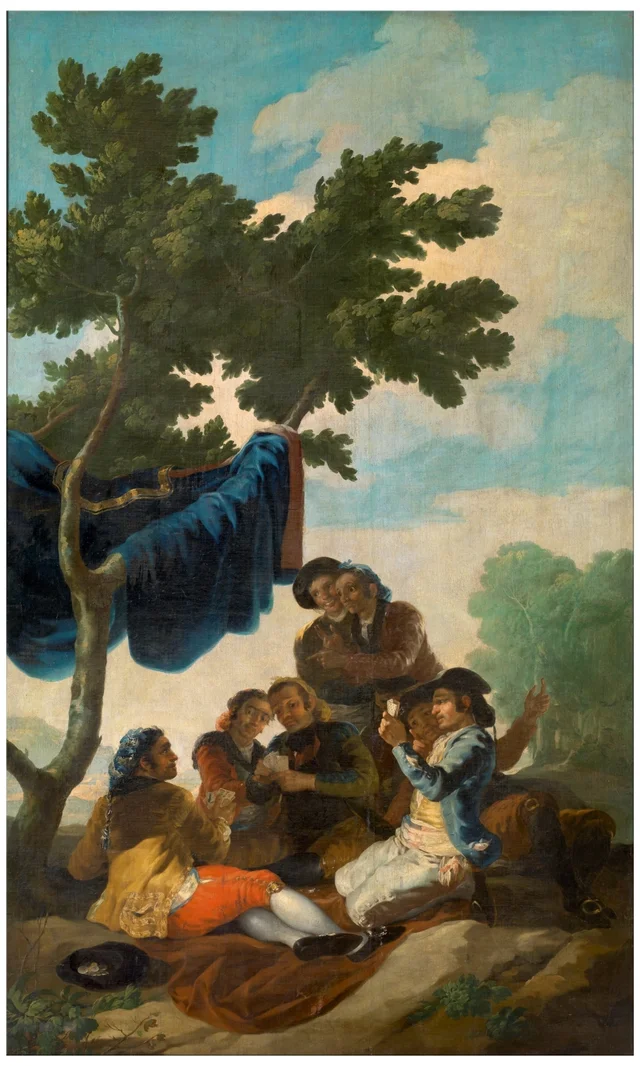 Die KartenspielerFrancisco Goya, 1777
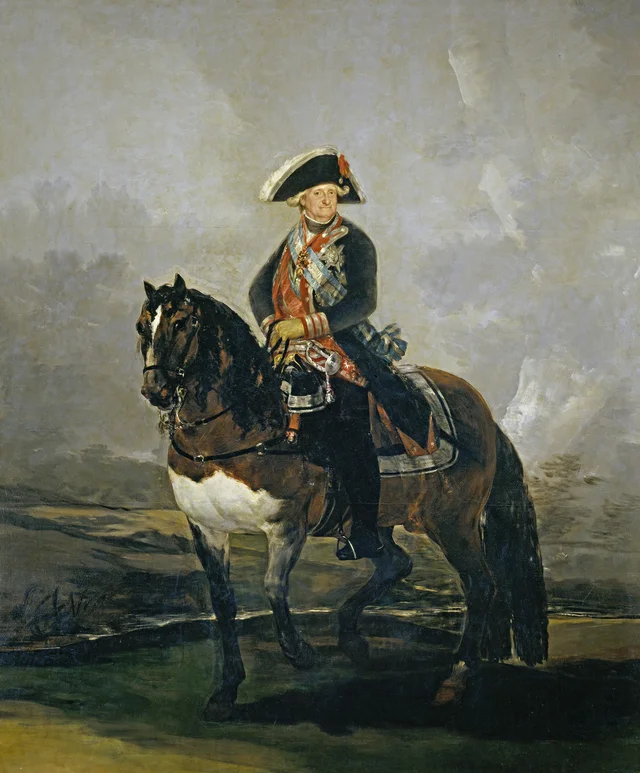 Karl IV. zu PferdeFrancisco Goya, 1800
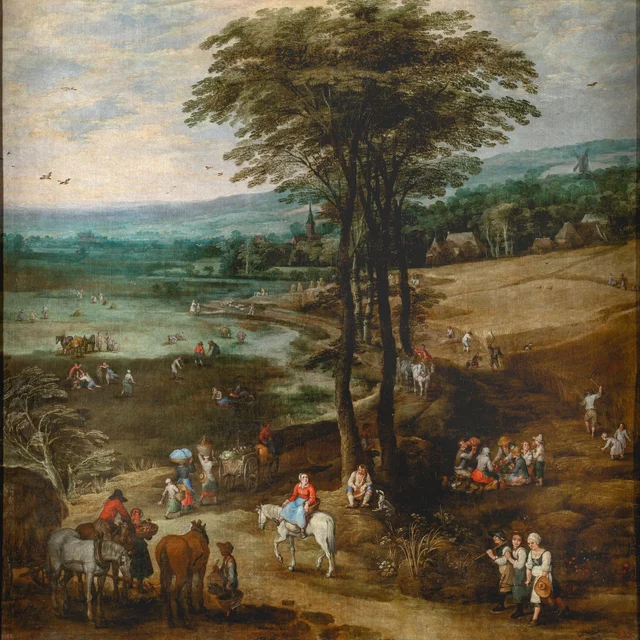 LandlebenJan Brueghel der Ältere, 1620
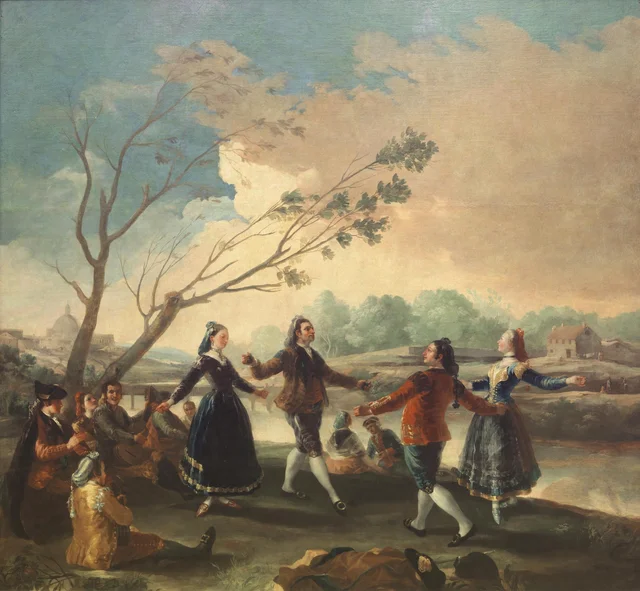 Tanz der Majos am Ufer des ManzanaresFrancisco Goya, 1776
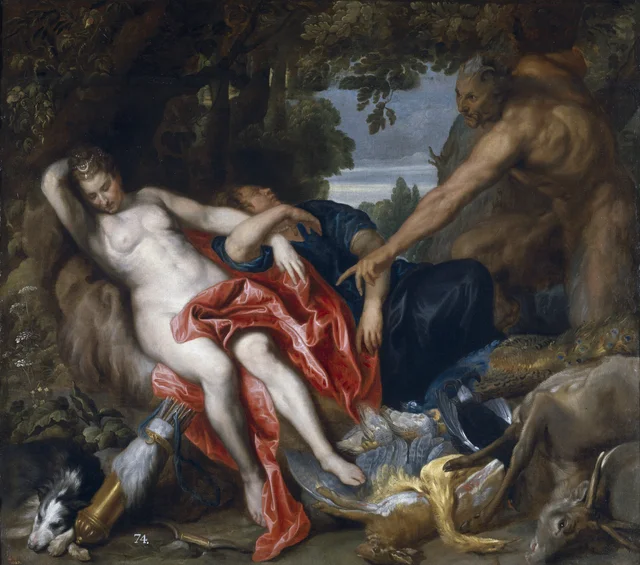 Diana und eine Nymphe von einem Satyr überraschtAnthonis van Dyck, 1622
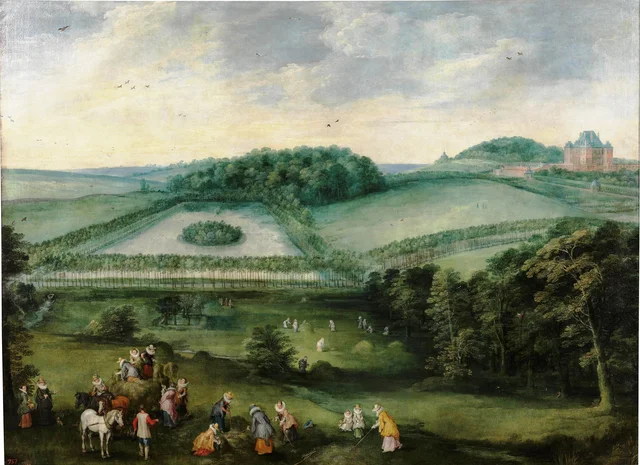 Ausflug aufs Land der Infantin Isabella Clara EugeniaJan Brueghel der Ältere, 1601
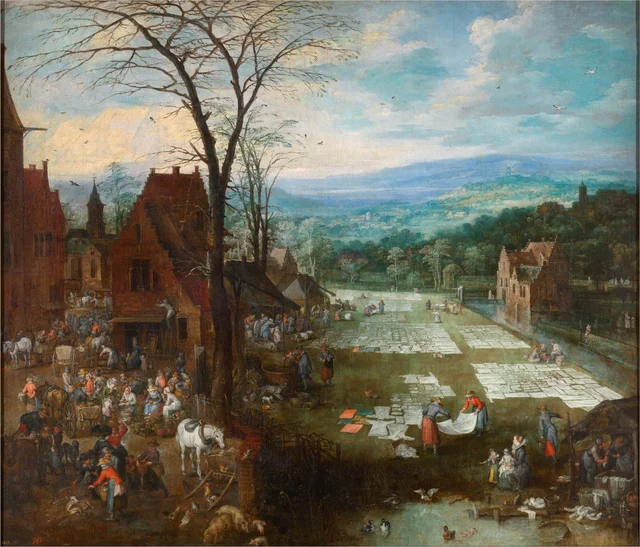 Flämischer Markt und WaschplatzJan Brueghel der Ältere und Joos de Momper, 1620
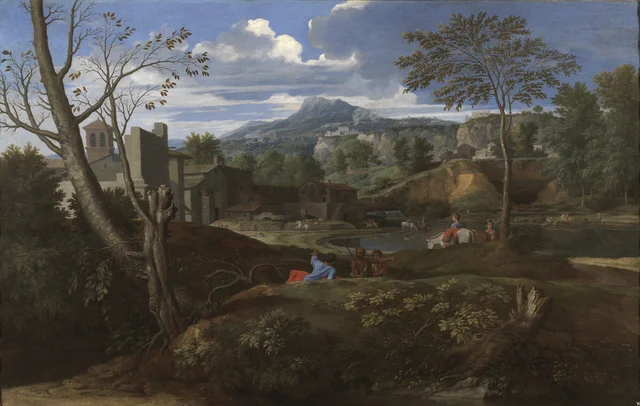 IdeallandschaftNicolas Poussin, 1648
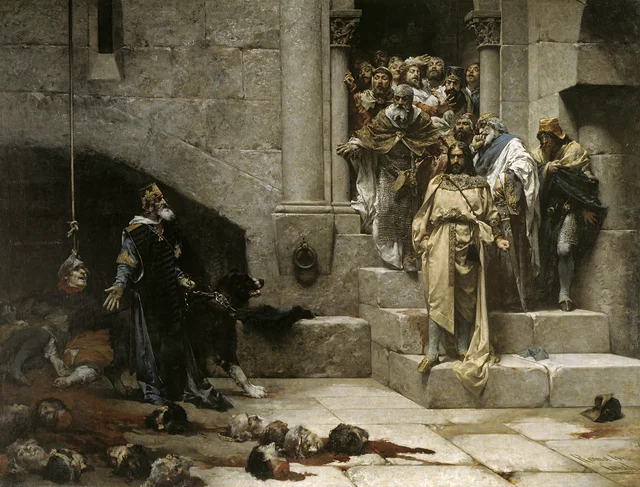 Die Glocke von HuescaJosé Casado del Alisal, 1880
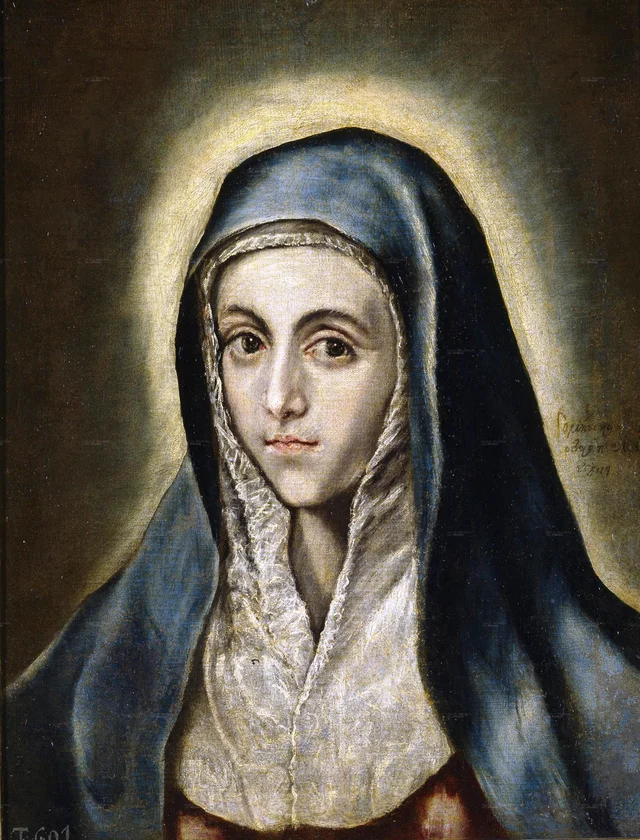 SchmerzensmutterEl Greco, 1597
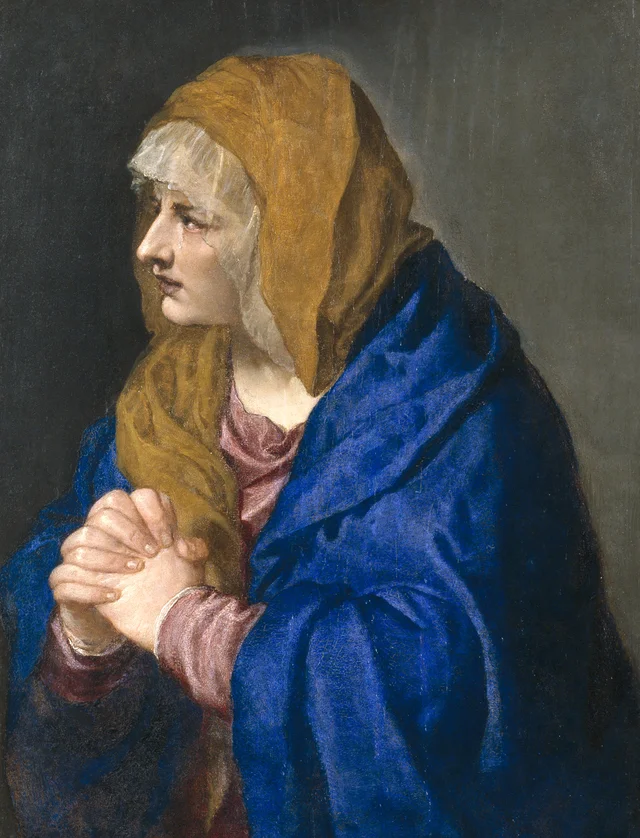 Schmerzensmutter mit gefalteten HändenTizian, 1554
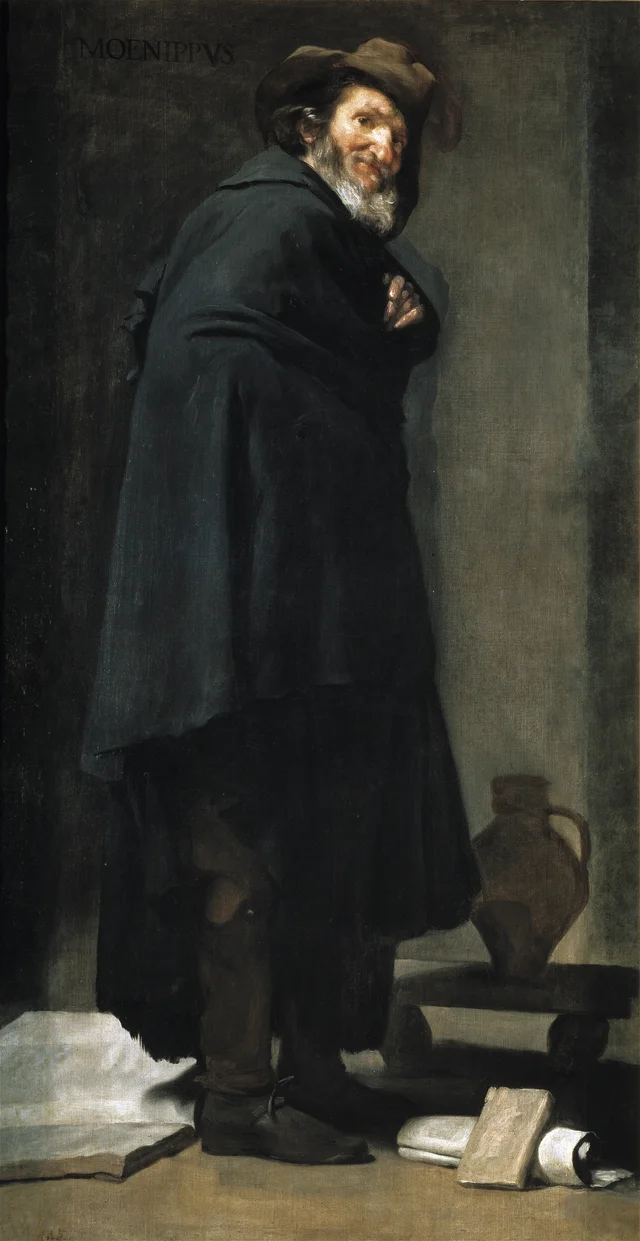 MenipposDiego Velázquez, 1639
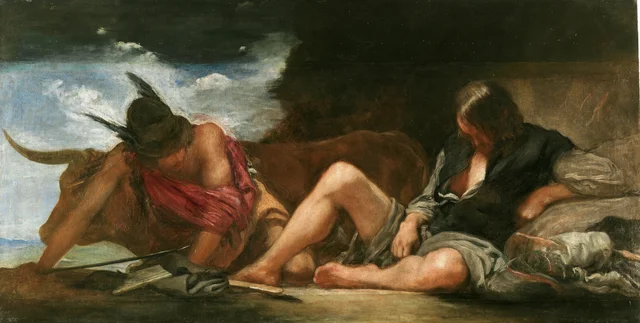 Merkur und ArgusDiego Velázquez, 1659
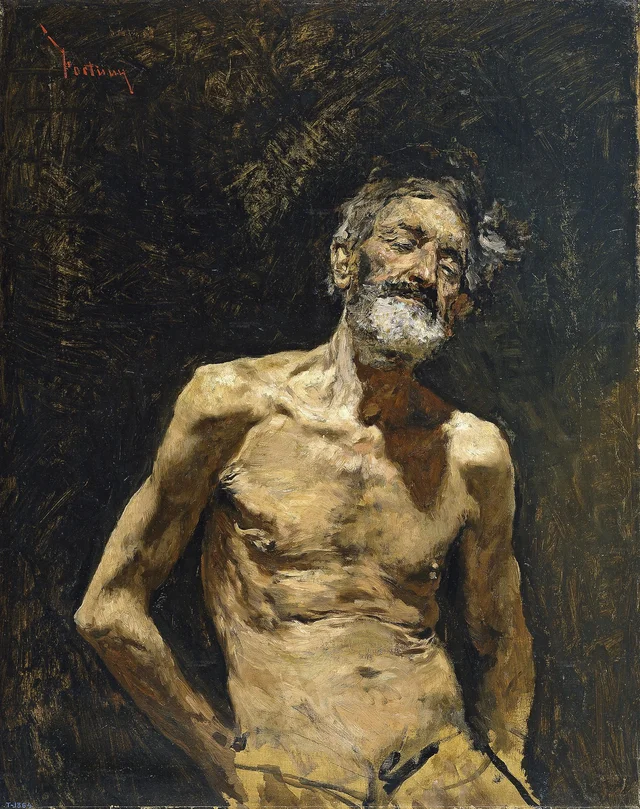 Nackter alter Mann in der SonneMariano Fortuny Marsal, 1871
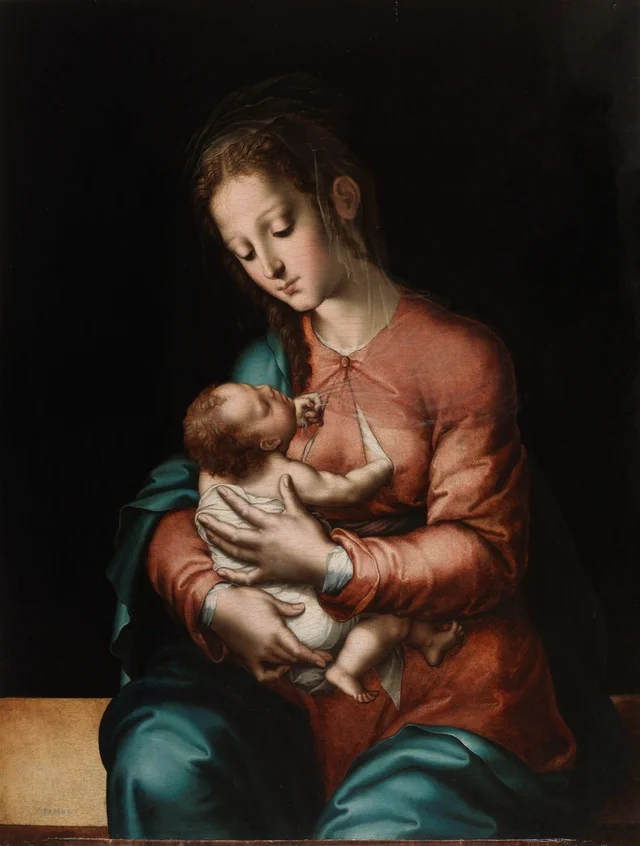 Stillende MadonnaLuis de Morales, 1570
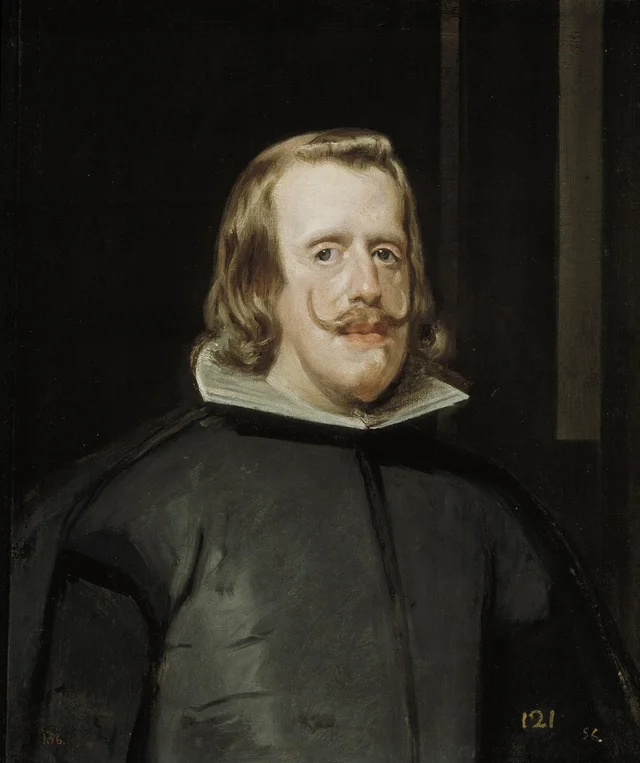 Philipp IV. im AlterDiego Velázquez, 1653
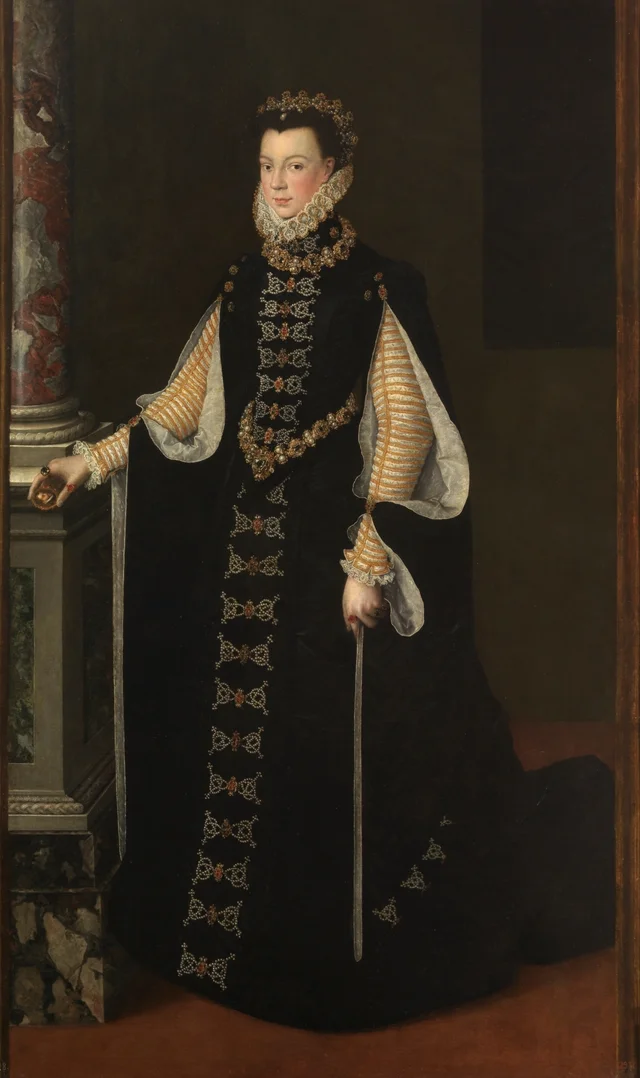 Bildnis der Elisabeth von ValoisSofonisba Anguissola, 1561
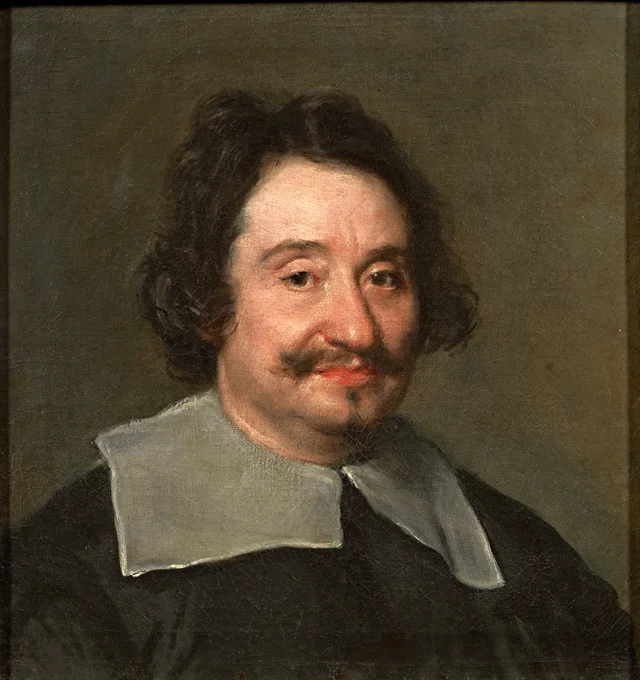 Porträt des Ferdinando BrandaniDiego Velázquez, 1650
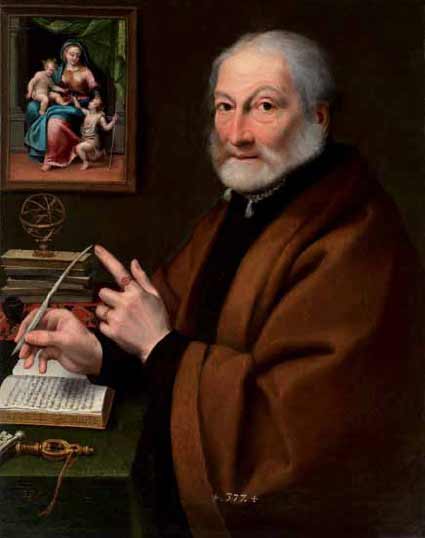 Bildnis des Giovanni Battista CaselliSofonisba Anguissola, 1557
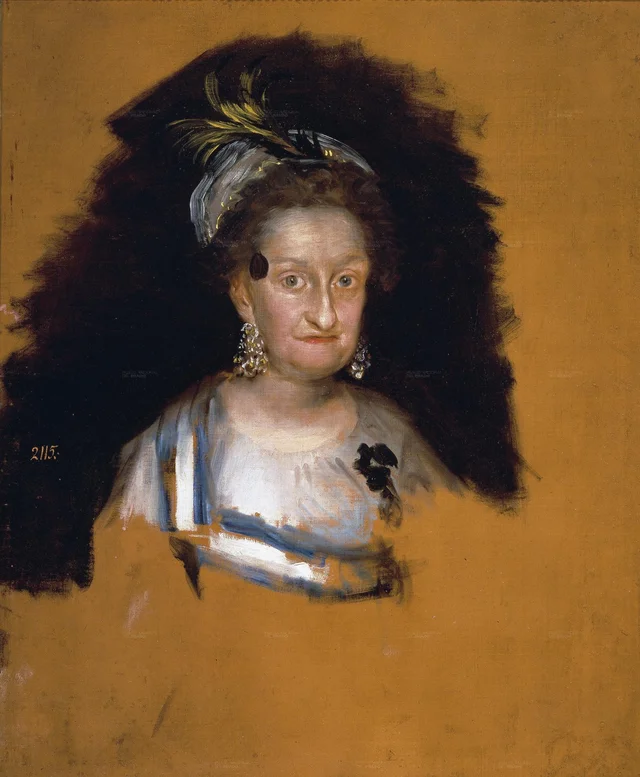 Porträt der Maria Josefa von SpanienFrancisco Goya, 1800
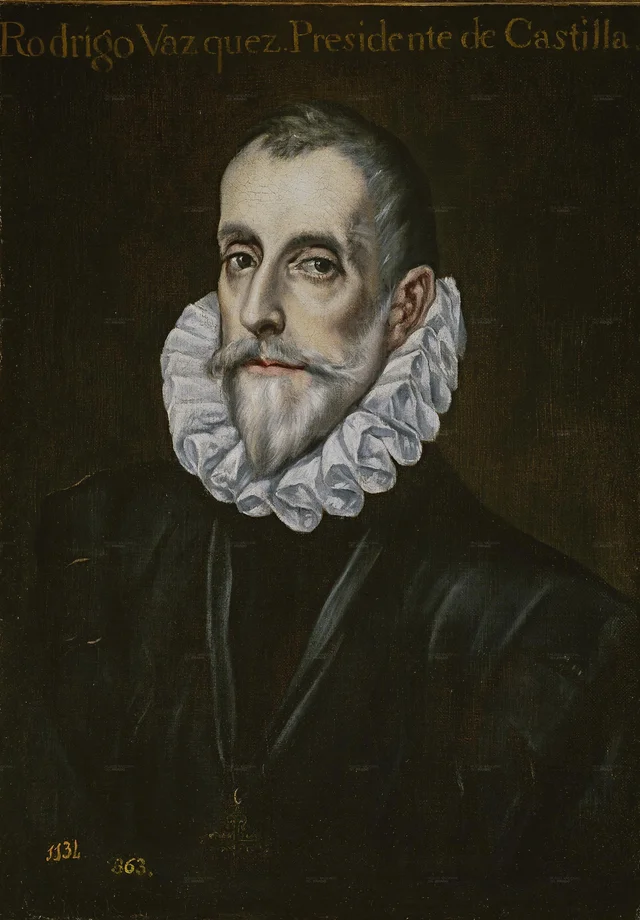 Bildnis des Rodrigo Vázquez de ArceKopie nach El Greco, 1587
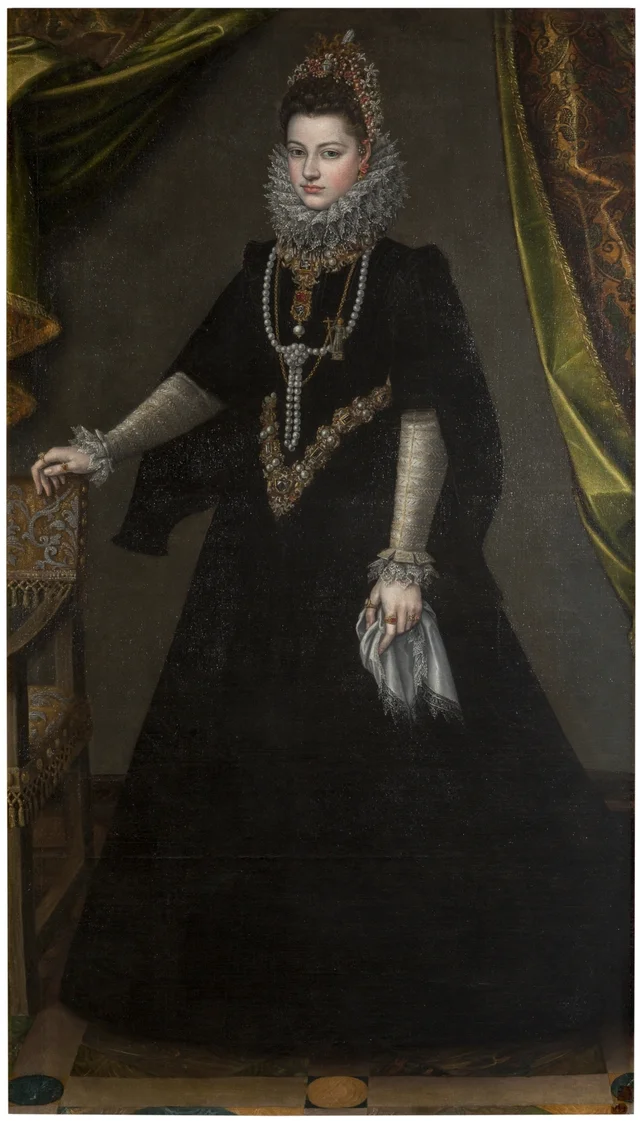 Bildnis der Infantin Isabella Clara EugeniaSofonisba Anguissola, 1599
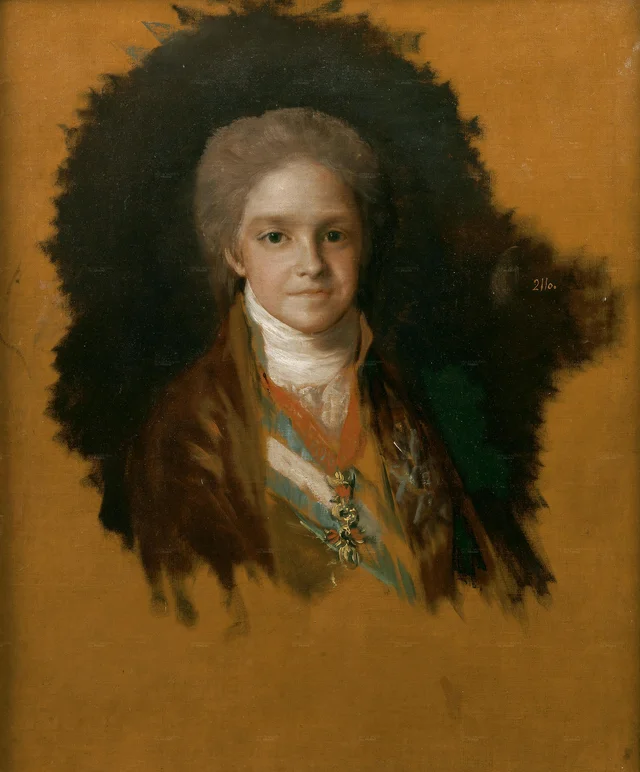 Bildnis des Infanten Carlos María Isidro von SpanienFrancisco Goya, 1800
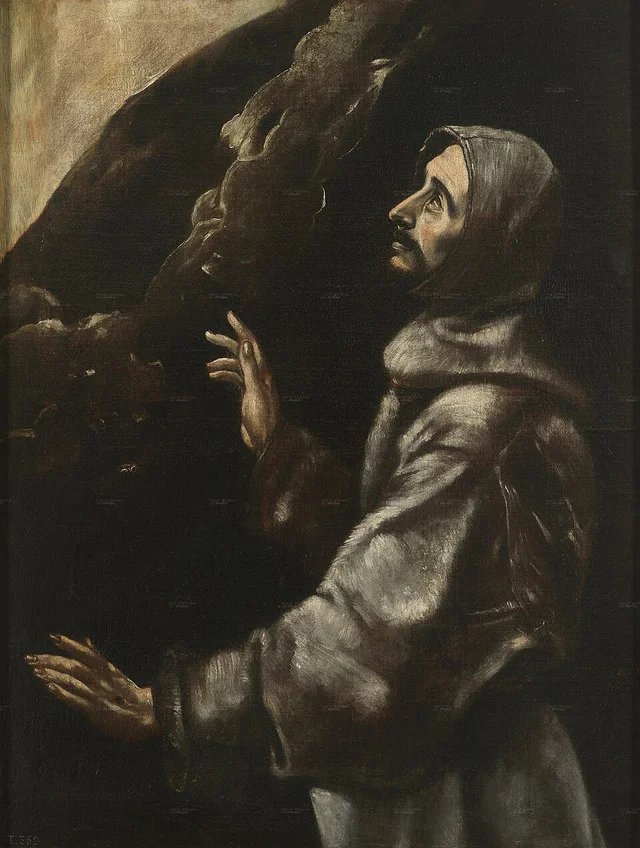 Der heilige Franziskus von Assisi in EkstaseEl Greco, 1600
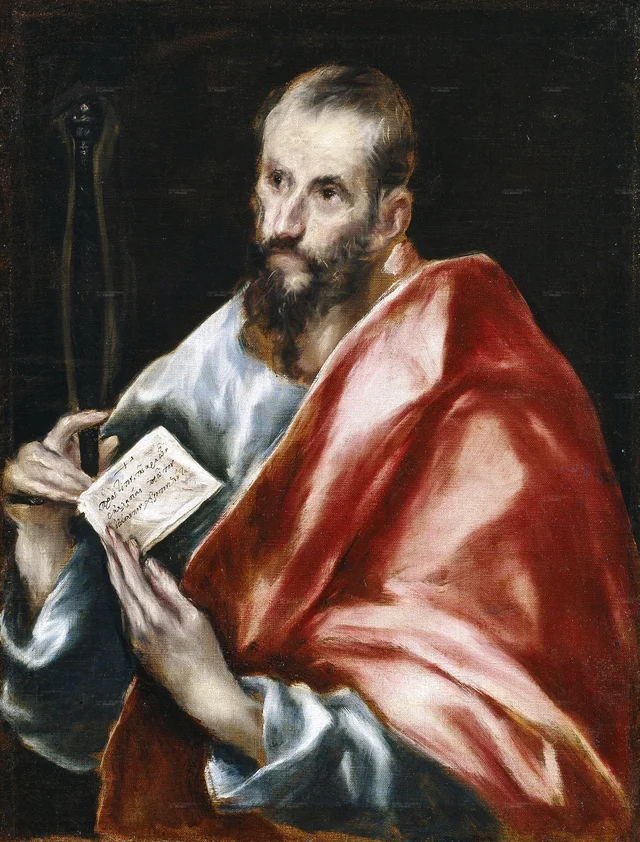 Der heilige PaulusEl Greco, 1610