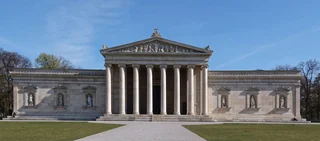
The story
Walk into the Glyptothek on Königsplatz, the King's Square in Munich, and before the marble you notice the walls. They are bare brick under a thin wash of plaster, and so are the vaults overhead. That is the look of 1972, when the museum reopened almost 30 years after bombing raids in 1944 had wrecked its interiors.
The first rooms were nothing like it. Crown Prince Ludwig of Bavaria, later King Ludwig I, had the architect Leo von Klenze build the museum between 1816 and 1830 to show the ancient sculpture he had been gathering in Italy and Greece. Its name, coined from the Greek word for carving, means a place for sculpture, and it is Munich's oldest public museum. The Latin inscription over the Ionic portico still says Ludwig founded it to display these works with dignity. Inside, the statues stood among coloured stucco, patterned floors and frescoes of the Greek gods by the painter Peter Cornelius.
During the war the sculptures were moved to safety and came through. The frescoes did not. When the architect Josef Wiedemann rebuilt the halls from 1967, the museum chose not to recreate them, and the statues now stand against the plain brick, roughly in the order they were made. You pass from the early Greek youths called kouroi to the warriors from the temple of Aphaia on the island of Aegina, then the Barberini Faun, a sleeping satyr, the Medusa Rondanini and a long line of Roman portrait heads.
A renovation from 2018 to 2021 rewired the building, made the entrance step-free and restored the façade. On the outside walls the restorers deliberately left the scars of the war visible in the stone.
Collection
63 works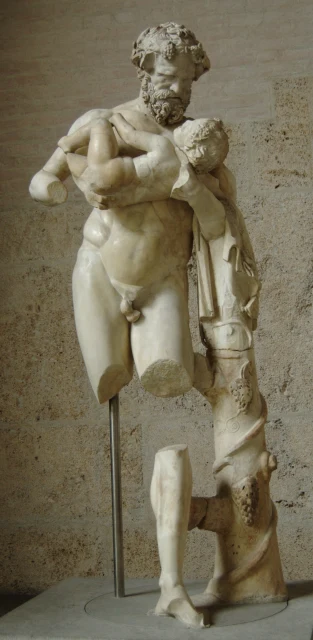 Silenus with the Infant DionysusUnknown Roman sculptor (Imperial period)
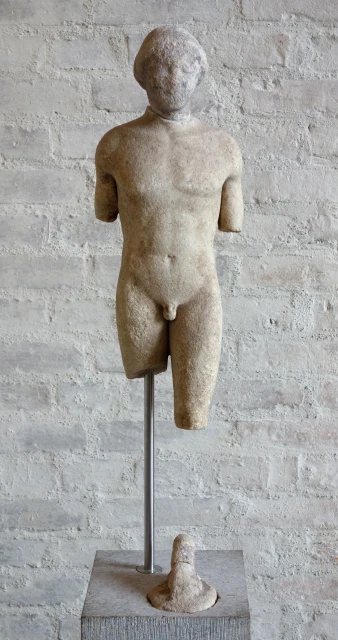 Small KourosUnknown Greek sculptor (Archaic)
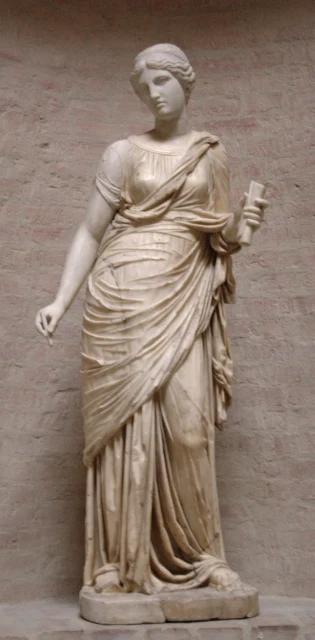 Statue of a MuseUnknown Roman sculptor (Imperial period)
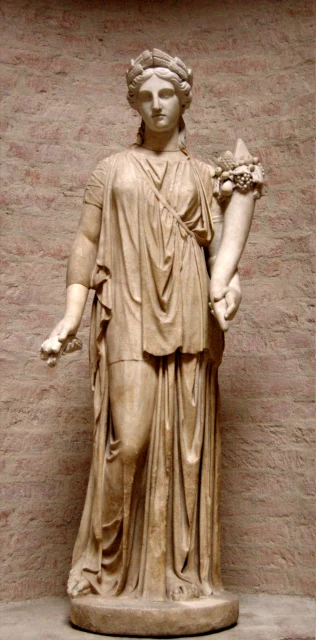 Statue of Artemis (Dresden type)Unknown Roman sculptor (Imperial period)
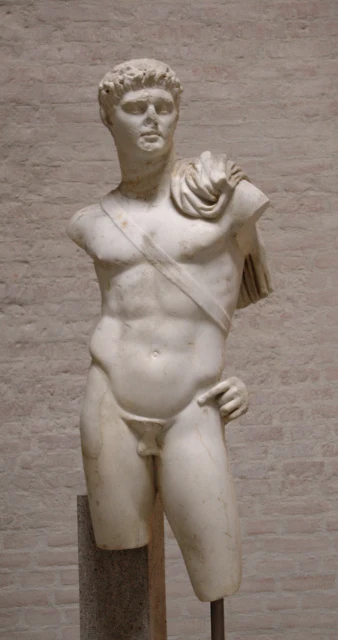 Statue of DomitianUnknown Roman sculptor (Imperial period)
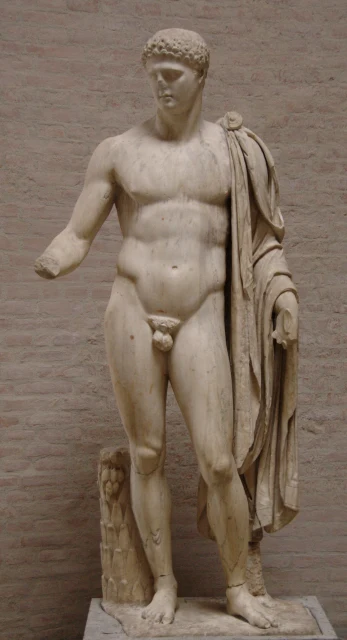 Statue of HermesUnknown Roman sculptor (Imperial period)
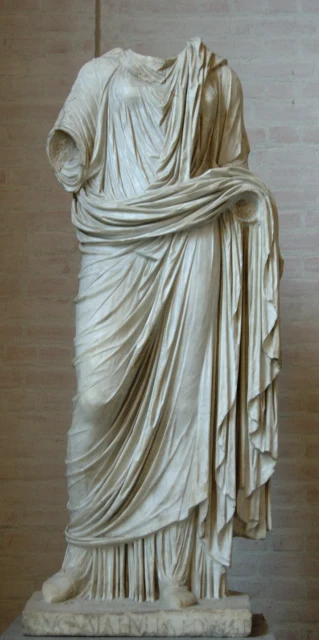 Statue of LiviaUnknown Roman sculptor (Imperial period), 28
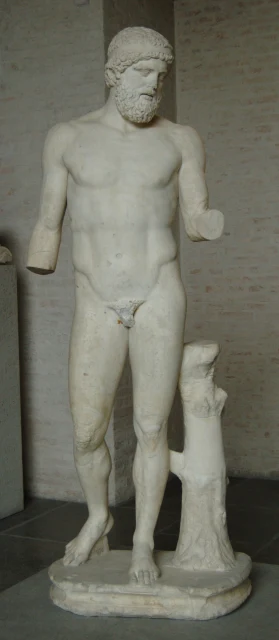 The "King of Munich"Unknown Roman sculptor (Imperial period), 150
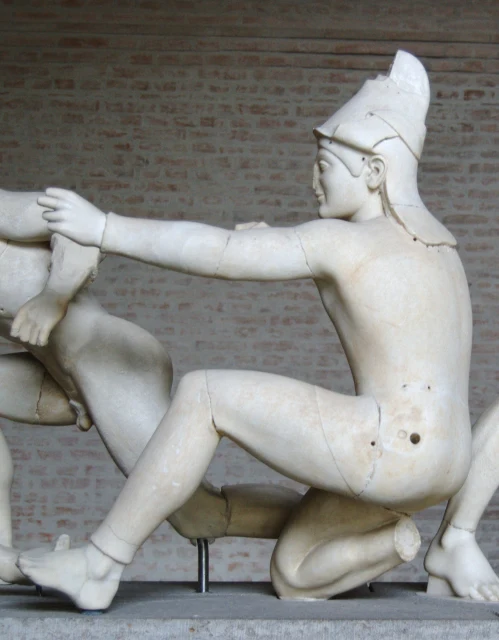 Trojan Archer ("Paris") from the West Pediment of the Temple of AphaiaUnknown Greek sculptor (Archaic), -500
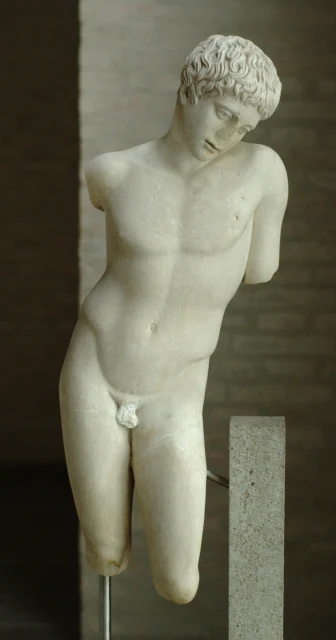 Victorious BoyUnknown Roman sculptor (Imperial period)
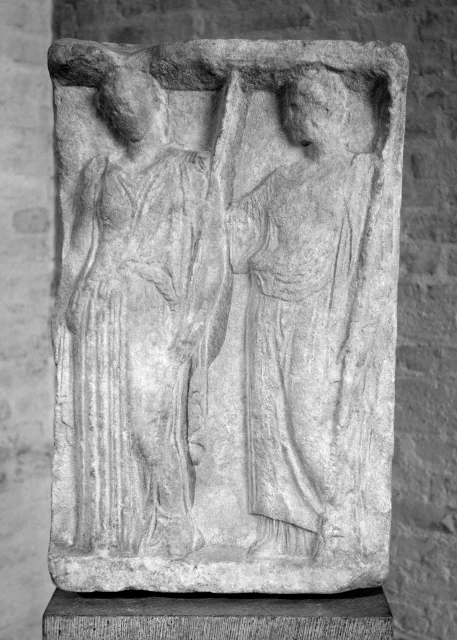 Votive Relief of Demeter and KoreUnknown Greek sculptor (Classical)
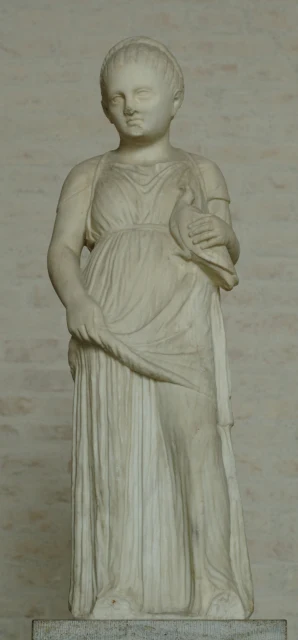 Votive Statue of a Girl with a DoveUnknown Greek sculptor (Hellenistic), -310
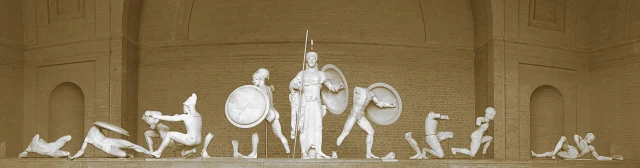 West Pediment of the Temple of Aphaia, AeginaUnknown Greek sculptor (Archaic), -500