
The story
The Louvre began as a fortress. Philip II raised it on the right bank of the Seine around 1190 to guard medieval Paris, and over the following centuries French kings rebuilt it into a royal palace, until Louis XIV moved his court to Versailles in 1682 and left the half-finished halls to the royal collection and the artists lodged inside.
The Revolution turned it into a public museum. On 10 August 1793 the Muséum central des arts opened its doors, showing the confiscated art of the crown and the church to any citizen who wished to walk in. Napoleon filled it with the spoils of his campaigns and briefly renamed it after himself. Much was returned after Waterloo, but the idea held, a national collection arranged for study and free to the public.
Today the Louvre holds more than 35,000 works, from the Venus de Milo to Géricault's Raft of the Medusa. The crowds, though, press toward one small portrait. In August 1911 it vanished: Vincenzo Peruggia, an Italian handyman who had worked in the museum, lifted Leonardo's Mona Lisa off the wall and carried it out under his coat. For two years the frame hung empty while visitors came to stare at the gap, and the painting returned only in 1913, after Peruggia tried to sell it to a dealer in Florence. I. M. Pei's glass pyramid, set in the courtyard in 1989, now marks the entrance.
More articles

Collection
1,174 works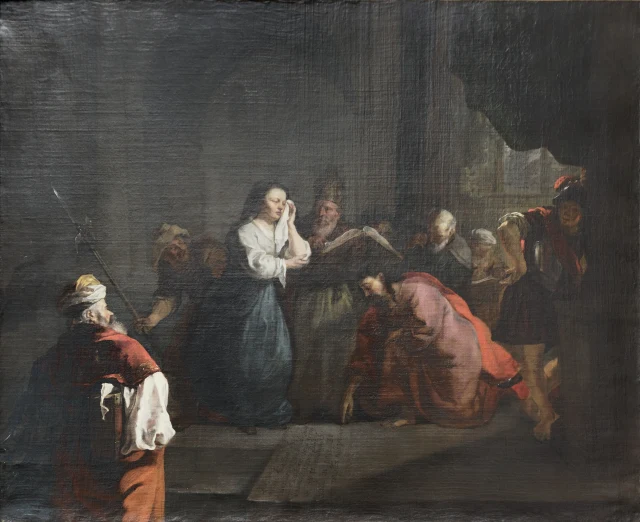 Christ and the Woman Taken in AdulteryGabriel Metsu, 1653
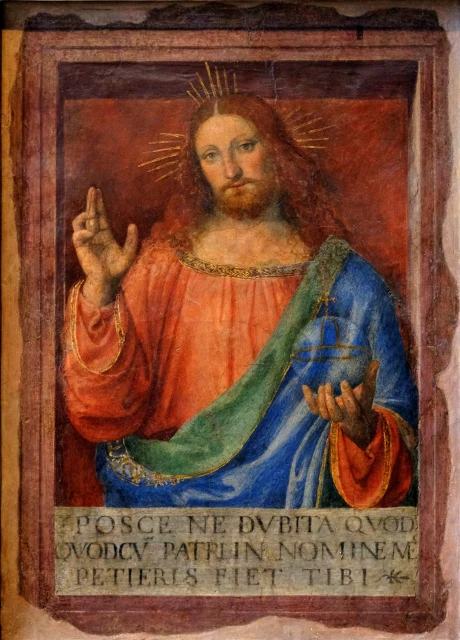 Christ Blessing, Saviour of the WorldBernardino Luini, 1522
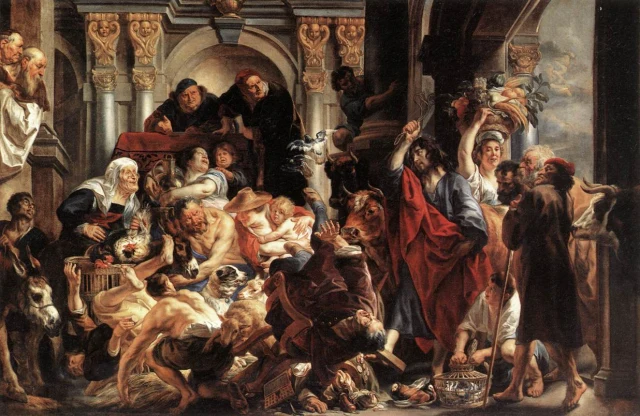 Christ Driving the Merchants from the TempleJacob Jordaens, 1647
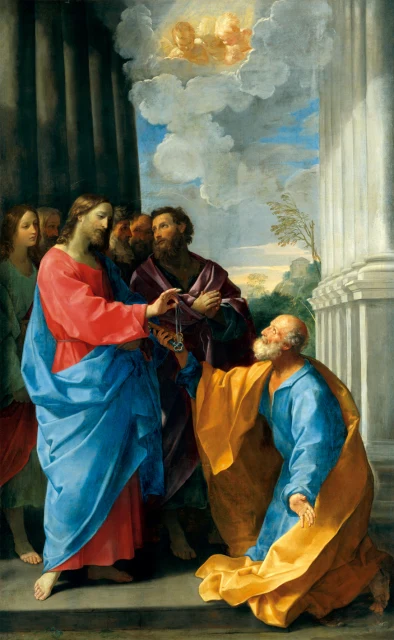 Christ Giving the Keys to Saint PeterGuido Reni, 1622
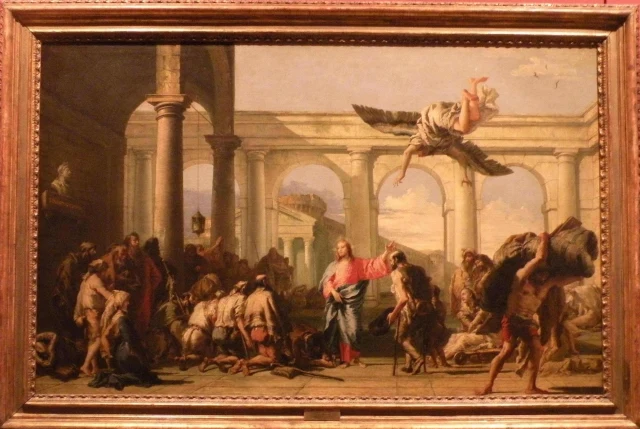 Christ Healing the Paralytic at the Pool of BethesdaGiovanni Domenico Tiepolo, 1762
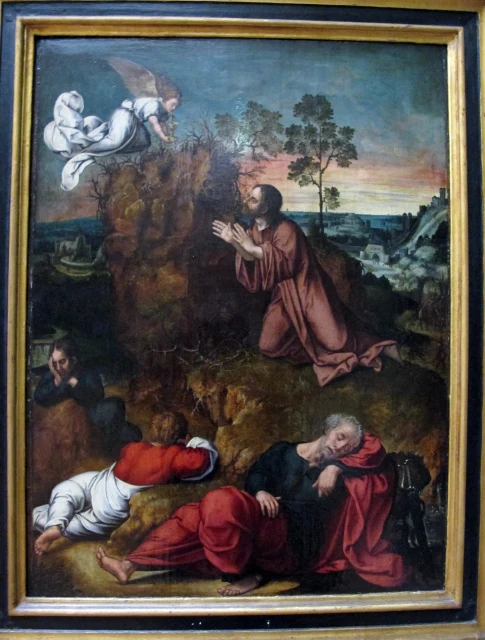 Christ in the Garden of Olives with the Sleeping ApostlesBernard van Orley, 1520
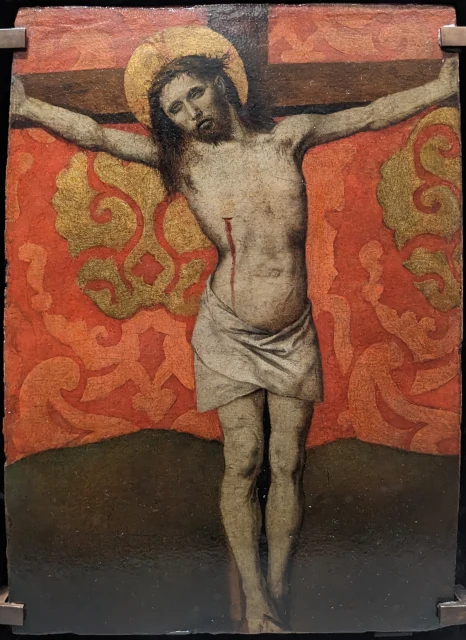 Christ on the CrossBarthélemy d'Eyck, 1450
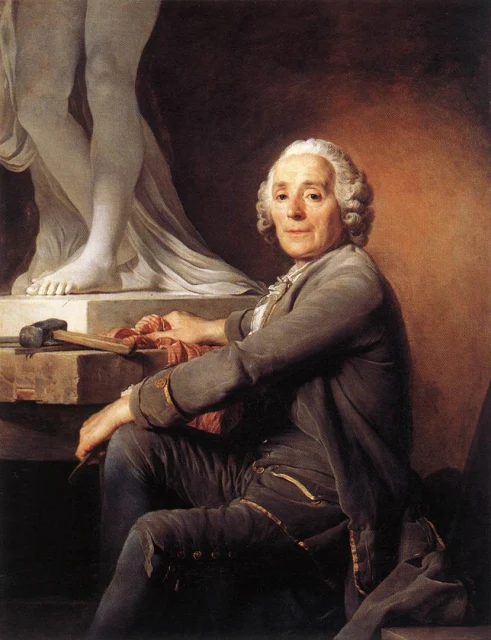 Christophe-Gabriel Allegrain, SculptorJoseph-Siffred Duplessis, 1774
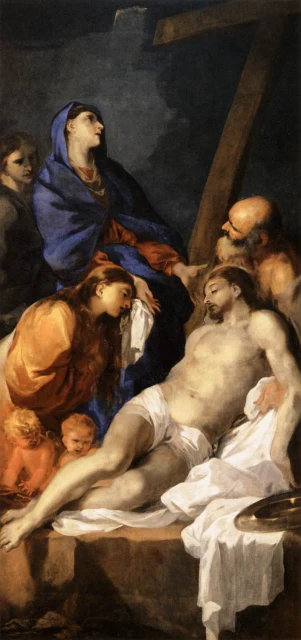 Christ Taken Down from the CrossSébastien Bourdon, 1656
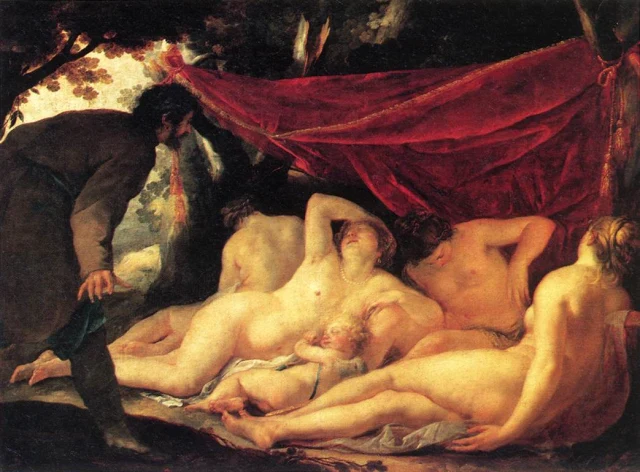 Cimon and IphigeniaJacques Blanchard, 1629
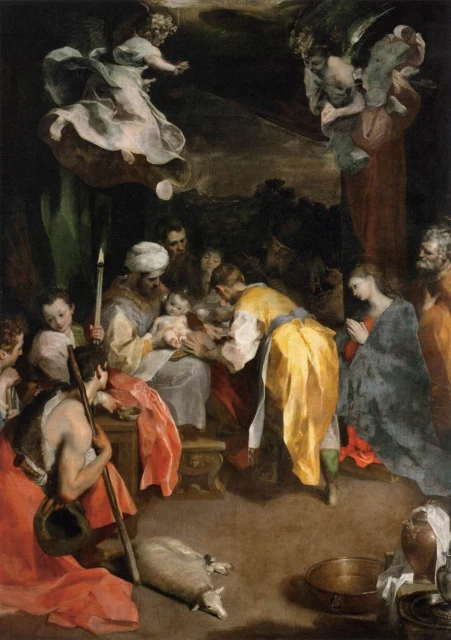 CircumcisionFederico Barocci, 1590
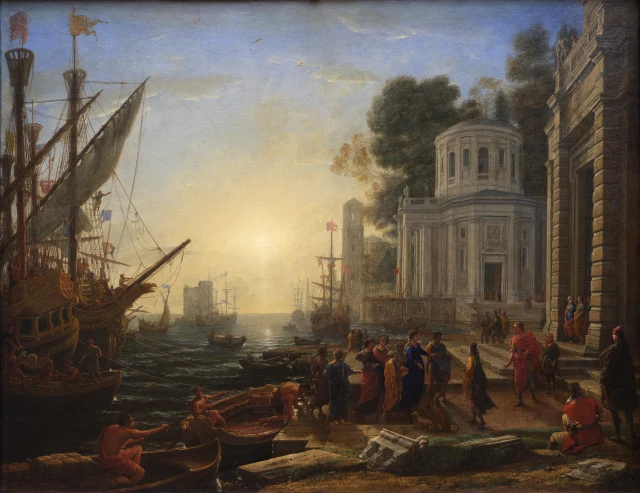 Cleopatra Disembarking at TarsusClaude Lorrain, 1642
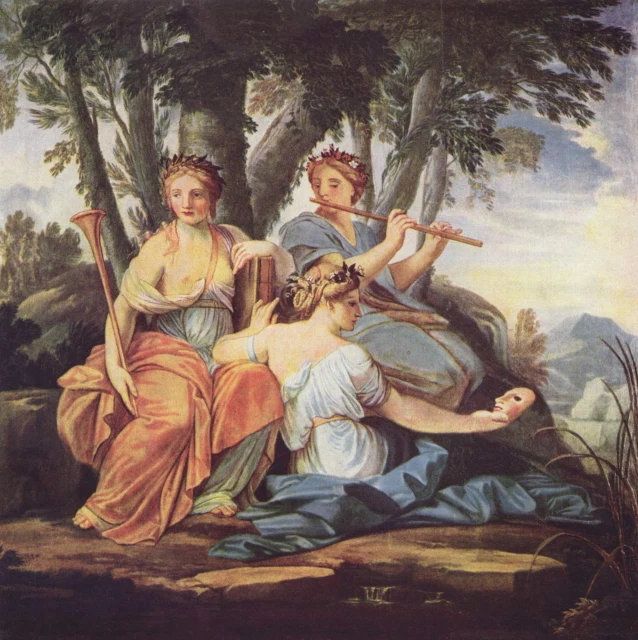 Clio, Euterpe and ThaliaEustache Le Sueur, 1653
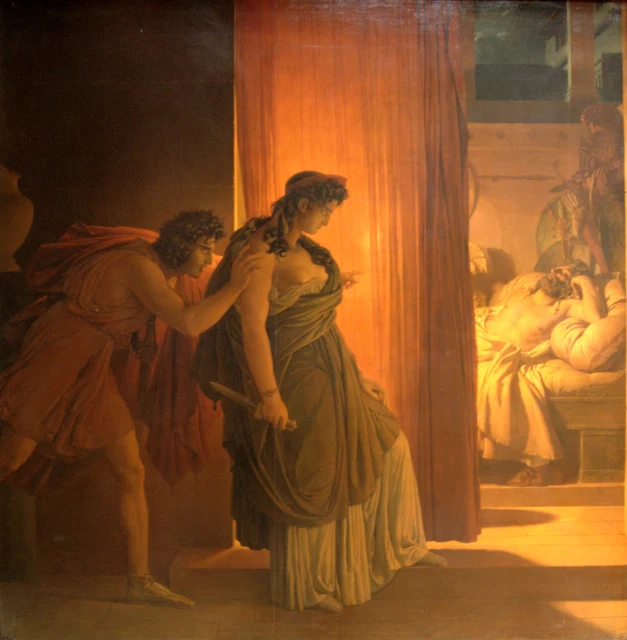 Clytemnestra Hesitates before Killing the Sleeping AgamemnonPierre-Narcisse Guérin, 1817
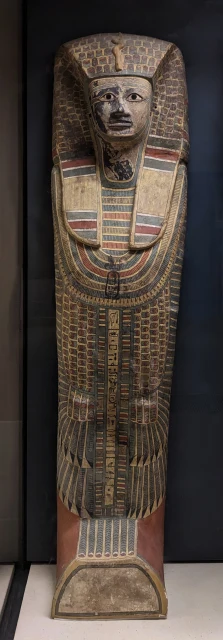 Coffin of King Sekhemre-Heruhirmaat IntefUnknown Egyptian artist (17th Dynasty), -1577
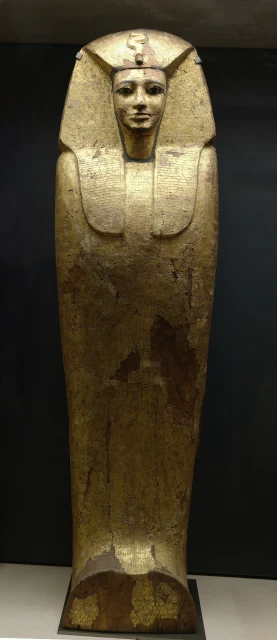 Coffin of King Sekhemre-Wepmaat IntefUnknown Egyptian artist (17th Dynasty), -1585
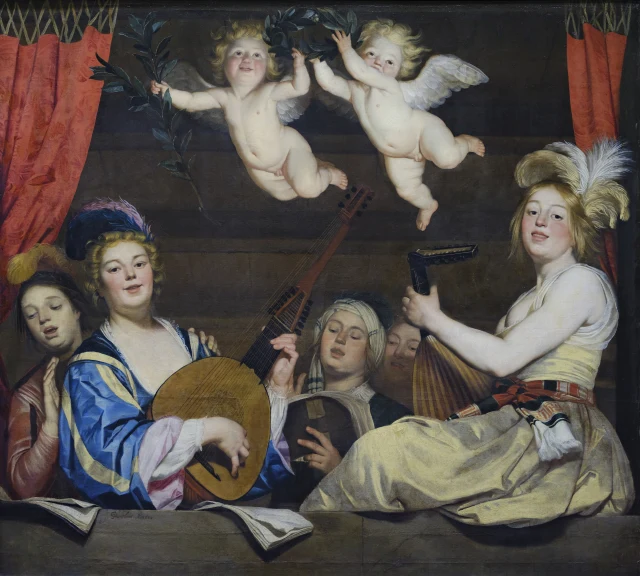 Concert on a BalconyGerard van Honthorst, 1624
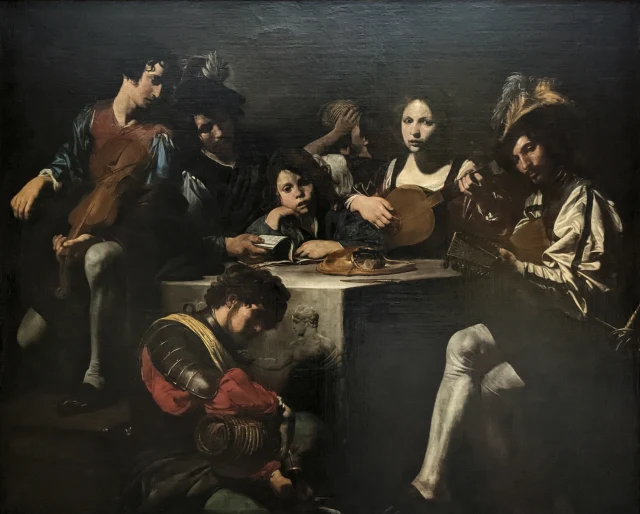 Concert with a Bas-reliefValentin de Boulogne, 1625
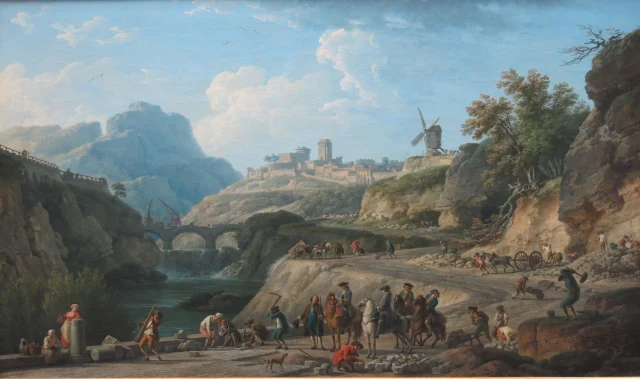 Construction of a Large RoadJoseph Vernet, 1774
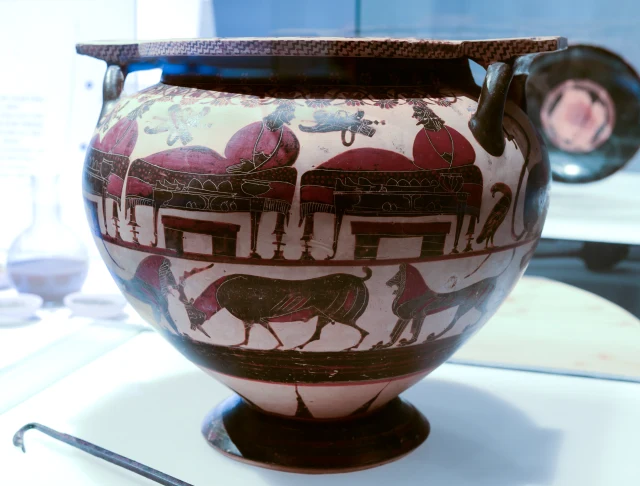 Corinthian Column-Krater with a Banquet and a ProcessionMemnon Painter, -595
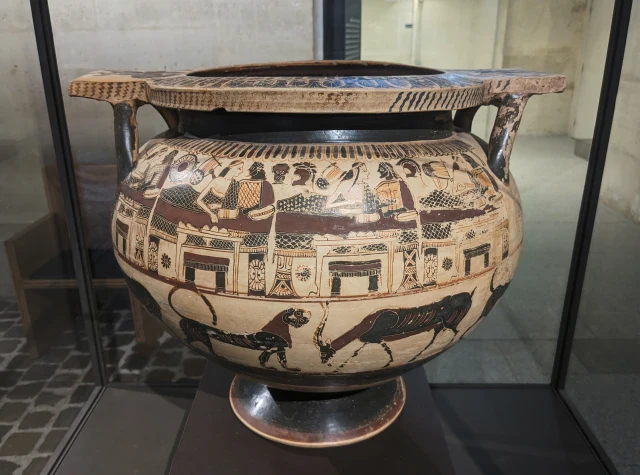 Corinthian Column-Krater with a Banquet and HorsemenAthana Painter, -583
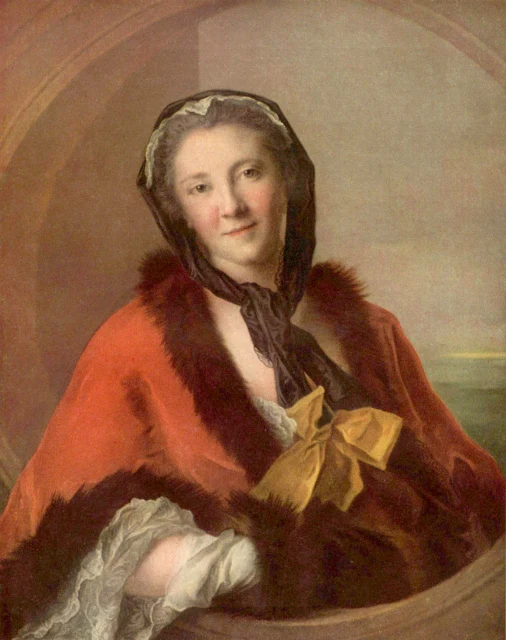 Countess Tessin, Louise Ulrika Sparre af SundbyJean-Marc Nattier, 1741
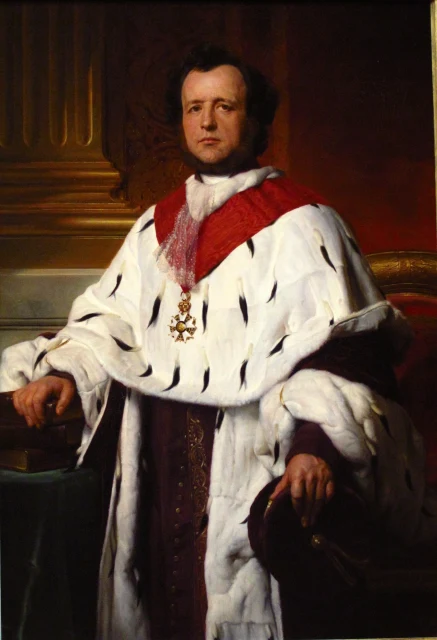 Count Narcisse-Achille de Salvandy, Grand Master of the UniversityPaul Delaroche, 1846
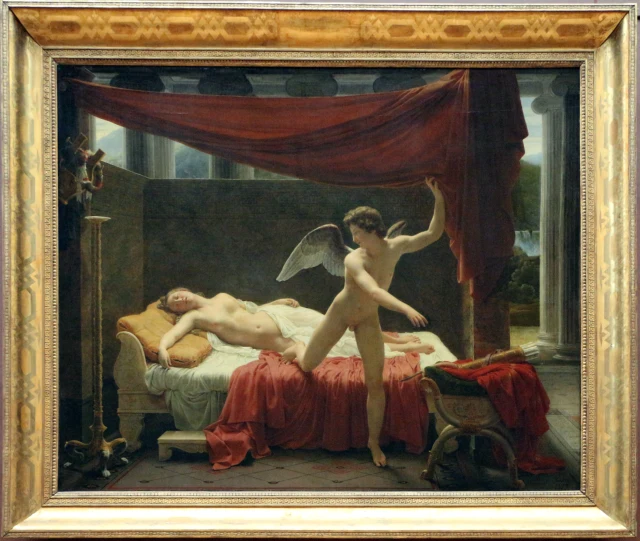 Cupid and PsycheFrançois-Édouard Picot, 1817
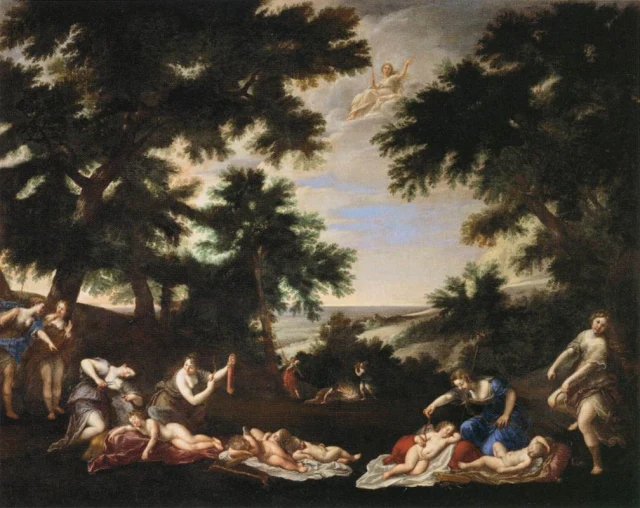 Cupids Disarmed by the Nymphs of DianaFrancesco Albani, 1627