
The story
The Louvre began as a fortress. Philip II raised it on the right bank of the Seine around 1190 to guard medieval Paris, and over the following centuries French kings rebuilt it into a royal palace, until Louis XIV moved his court to Versailles in 1682 and left the half-finished halls to the royal collection and the artists lodged inside.
The Revolution turned it into a public museum. On 10 August 1793 the Muséum central des arts opened its doors, showing the confiscated art of the crown and the church to any citizen who wished to walk in. Napoleon filled it with the spoils of his campaigns and briefly renamed it after himself. Much was returned after Waterloo, but the idea held, a national collection arranged for study and free to the public.
Today the Louvre holds more than 35,000 works, from the Venus de Milo to Géricault's Raft of the Medusa. The crowds, though, press toward one small portrait. In August 1911 it vanished: Vincenzo Peruggia, an Italian handyman who had worked in the museum, lifted Leonardo's Mona Lisa off the wall and carried it out under his coat. For two years the frame hung empty while visitors came to stare at the gap, and the painting returned only in 1913, after Peruggia tried to sell it to a dealer in Florence. I. M. Pei's glass pyramid, set in the courtyard in 1989, now marks the entrance.
More articles

Collection
1,174 works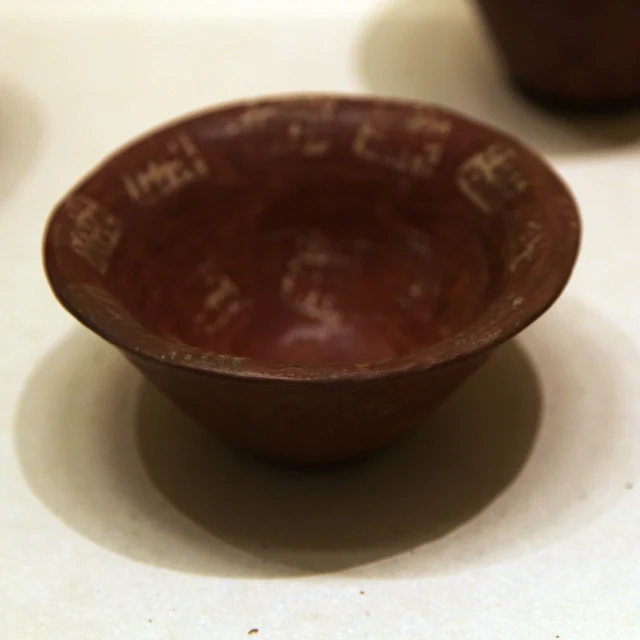 Cup with Painted Rectangles and CrosshatchingUnknown Egyptian artist (Naqada period), -3700
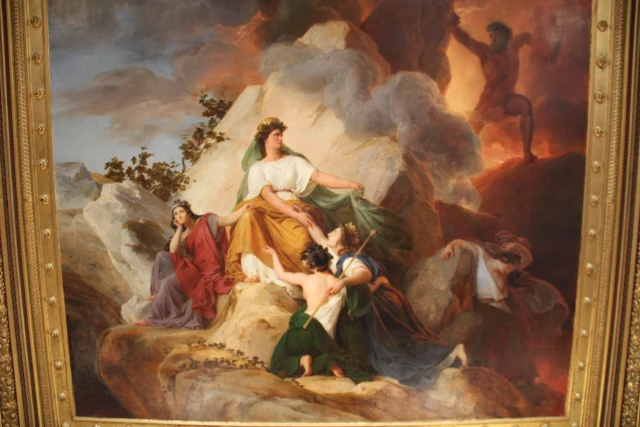 Cybele Protecting the Towns of Stabiae, Herculaneum, Pompeii and Resina from VesuviusFrançois-Édouard Picot, 1832
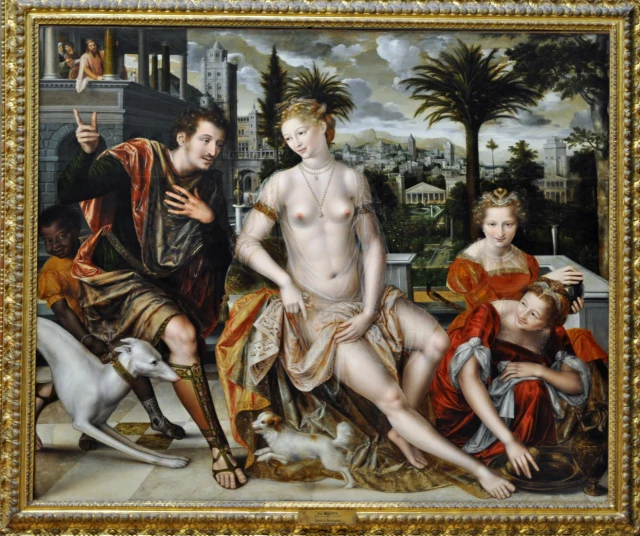 David and BathshebaJan Matsys, 1562
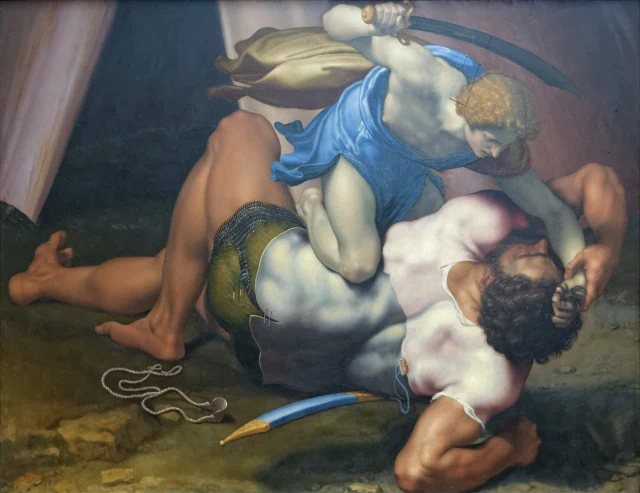 David and GoliathDaniele da Volterra, 1552
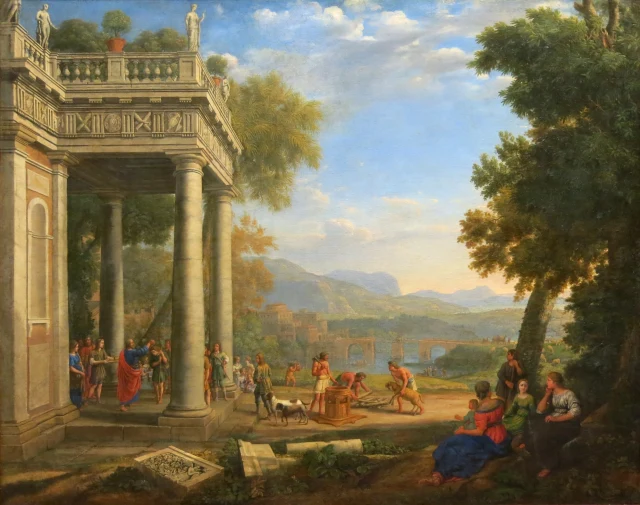 David Anointed King by SamuelClaude Lorrain, 1647
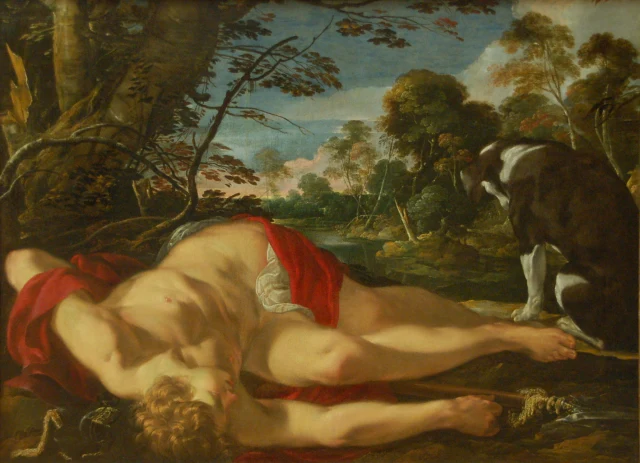 Dead AdonisLaurent de La Hyre, 1629
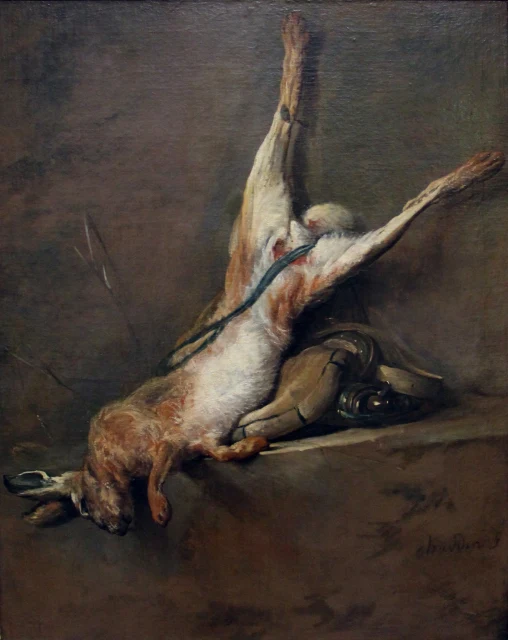 Dead Hare with Powder Flask and Game BagJean-Baptiste-Siméon Chardin, 1730
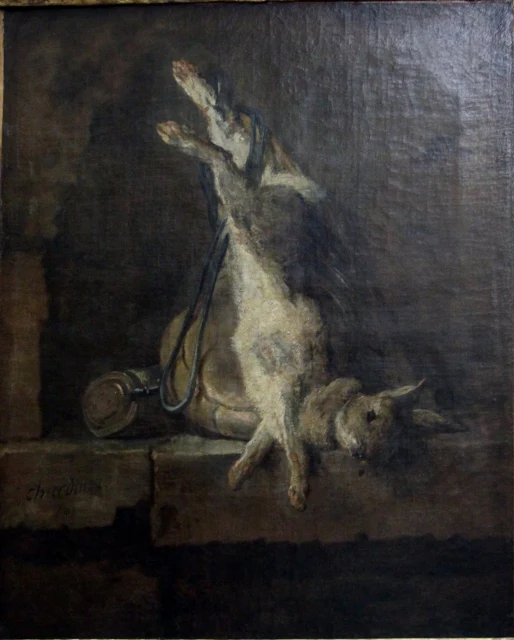 Dead Rabbit with Hunting GearJean-Baptiste-Siméon Chardin, 1729
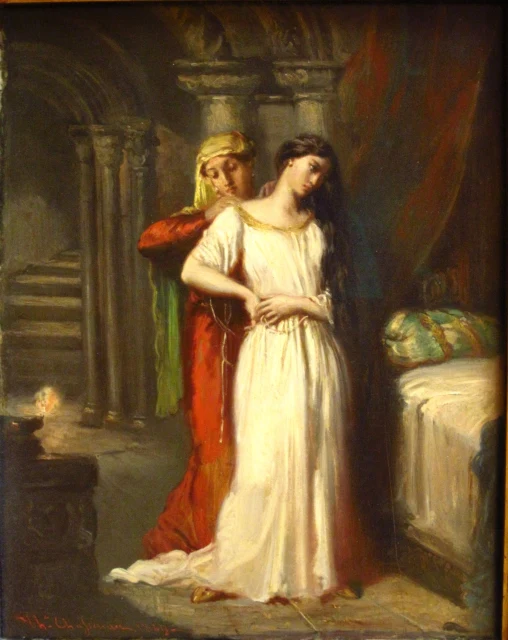 Desdemona Retiring to BedThéodore Chassériau, 1849
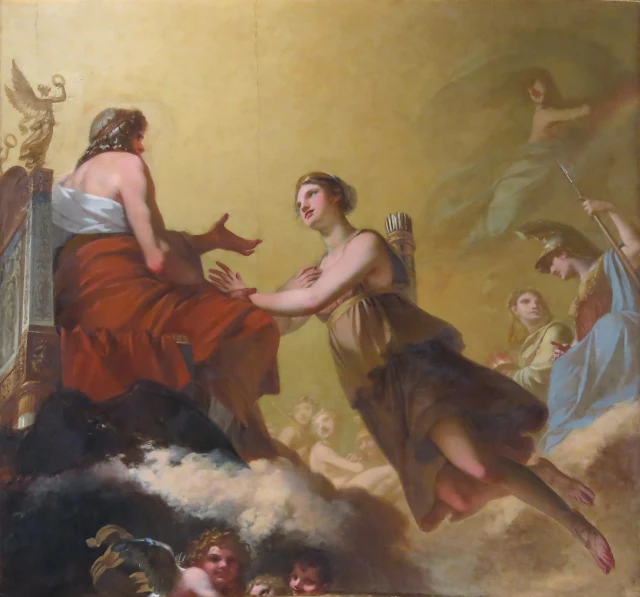 Diana Imploring Jupiter Not to Subject Her to the Laws of MarriagePierre-Paul Prud'hon, 1803
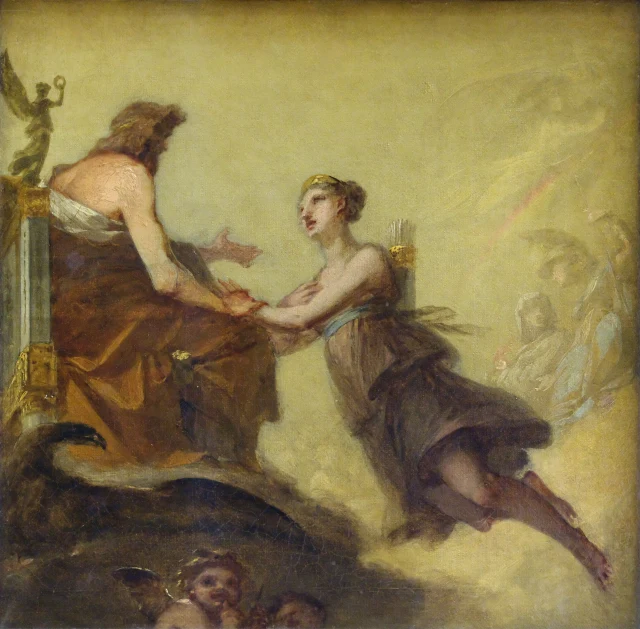 Diana Imploring Jupiter Not to Subject Her to the Laws of Marriage (Sketch)Pierre-Paul Prud'hon, 1802
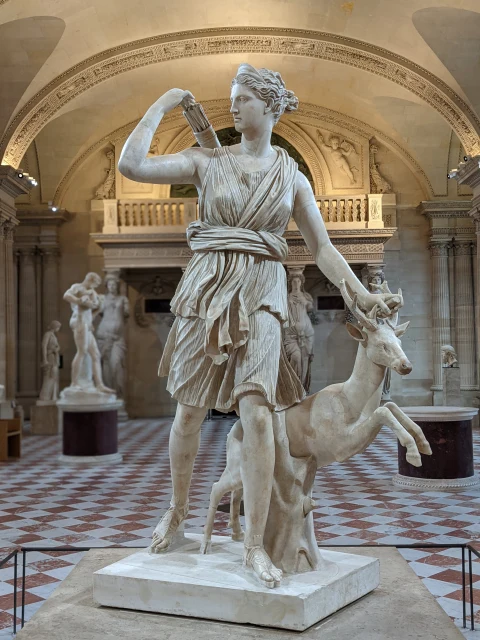 Diana of VersaillesUnknown Roman sculptor (Imperial period), 137
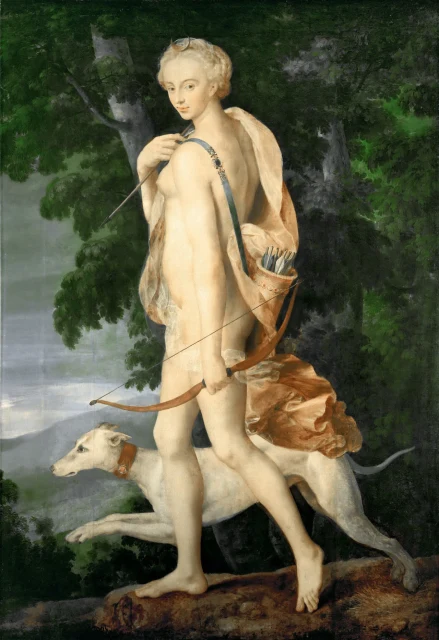 Diana the HuntressCharles Carmoy, 1550
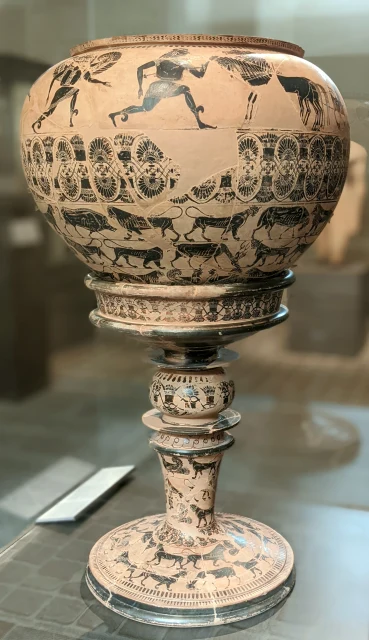 Dinos of the Gorgon PainterGorgon Painter, -580
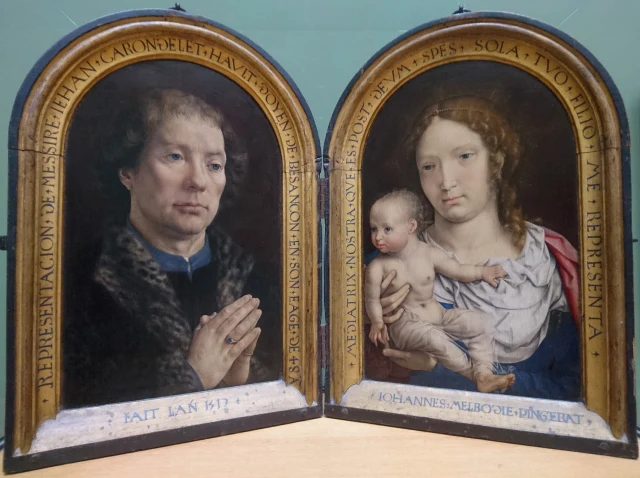 Diptych of Jean CarondeletJan Gossaert, 1517
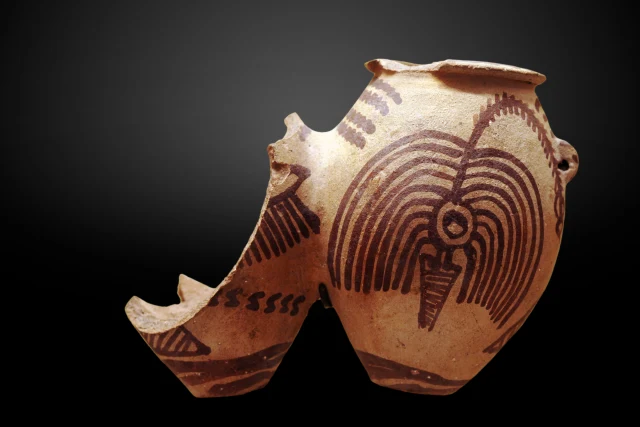 Double Vase with Boat and Plant DecorationUnknown Egyptian artist (Naqada period), -3400
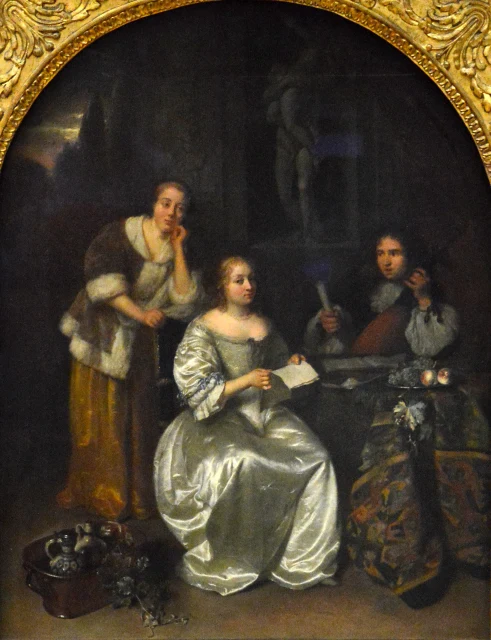 Duet between a Singer and a Theorbo PlayerCaspar Netscher, 1664
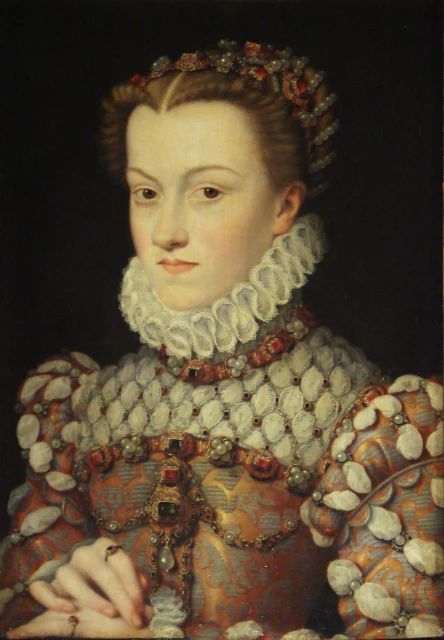 Elisabeth of Austria, Queen of FranceFrançois Clouet, 1571
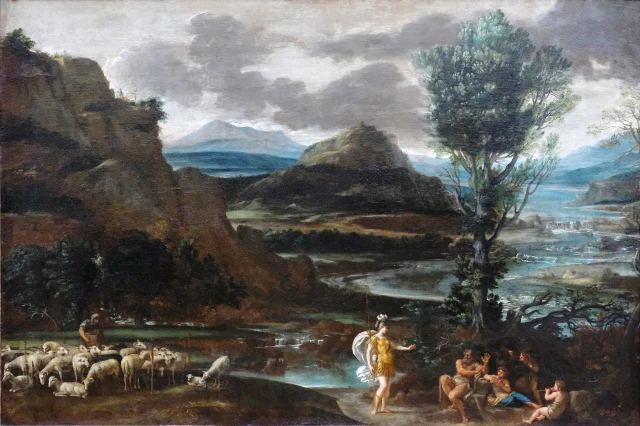 Erminia and the ShepherdsDomenichino, 1623
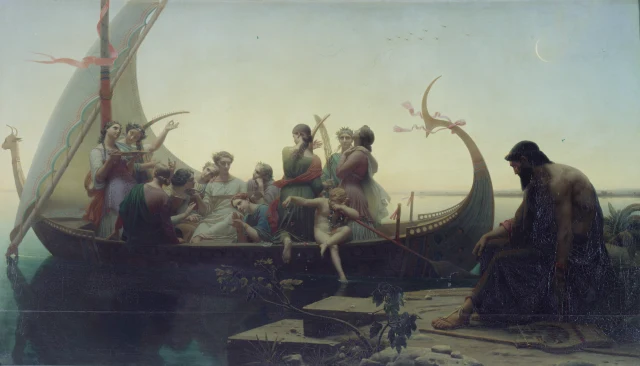 Evening, or Lost IllusionsCharles Gleyre, 1843
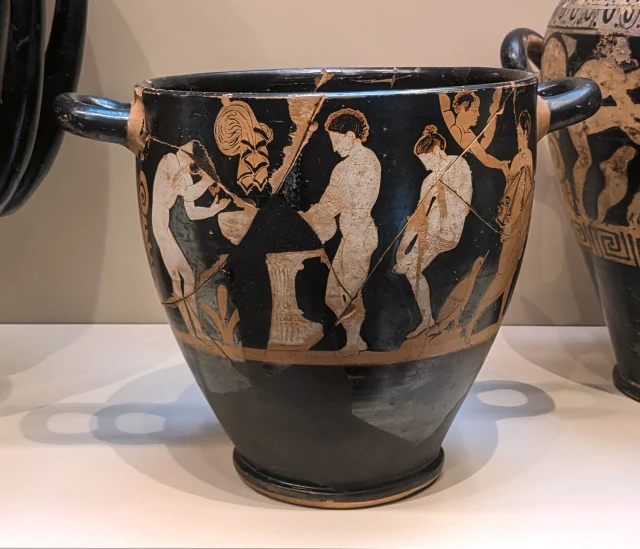 Faliscan Red-Figure Skyphos with a Toilette SceneUnknown Faliscan vase painter (Classical period), -355
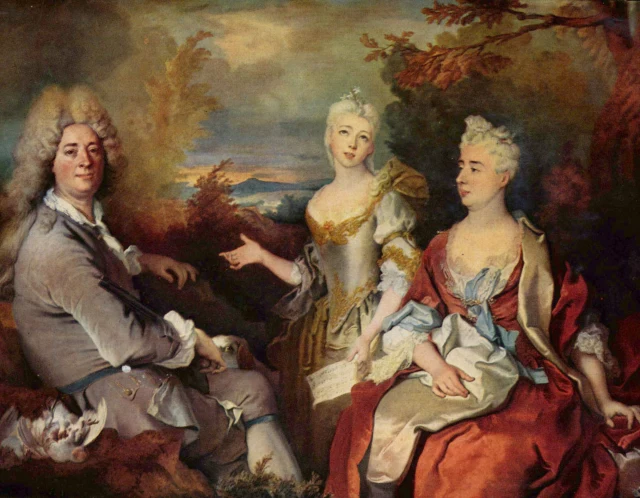 Family PortraitNicolas de Largillière, 1725
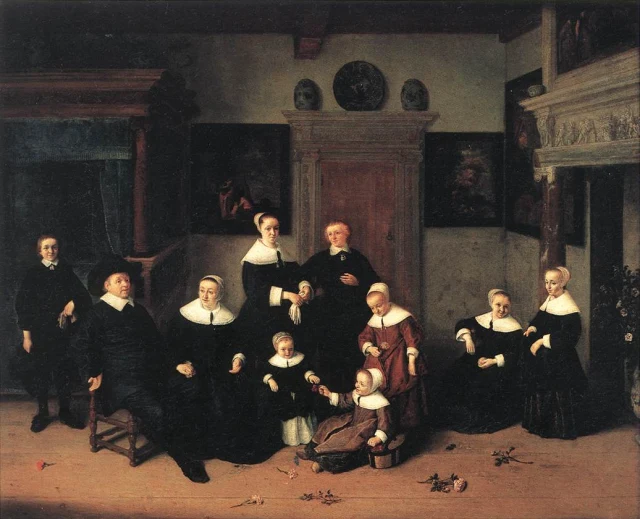 Family Portrait in an InteriorAdriaen van Ostade, 1654
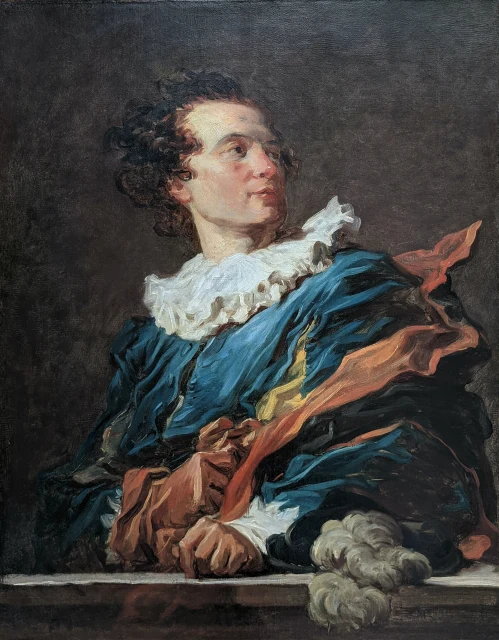 Fanciful Figure: Portrait of the Abbé de Saint-NonJean-Honoré Fragonard, 1769
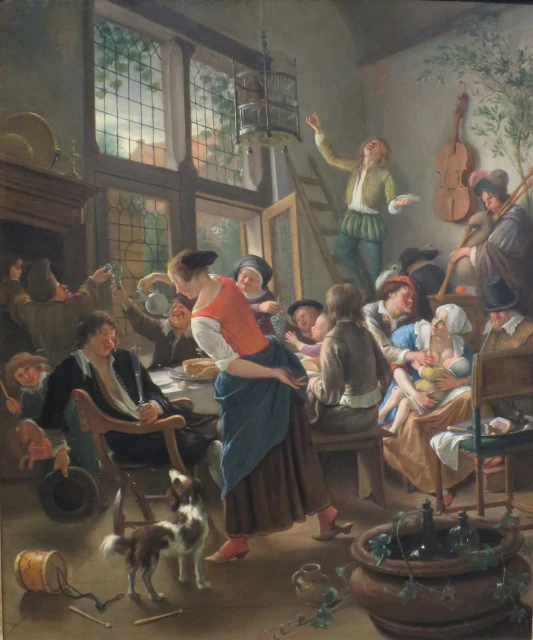 Festive Family MealJan Steen, 1674