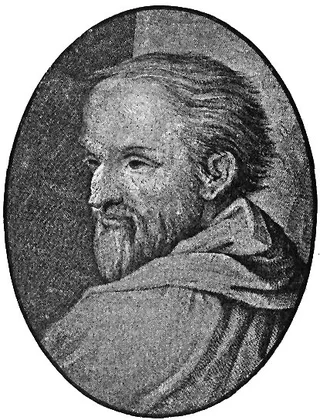
Le Corrège
1534 · Seigneurie de Corrège · Renaissance
L'histoire
On ne sait presque rien de la jeunesse d'Antonio Allegri, sinon sa naissance vers 1489 dans la petite ville de Correggio, près de Reggio d'Émilie, et ce n'est qu'une supposition que son oncle, peintre local, lui ait donné sa première formation. Il apparaît surtout dans les archives par ses contrats, et le plus important d'entre eux, signé en novembre 1522, l'engageait à peindre à fresque la coupole de la cathédrale de Parme.
Il y consacra la meilleure partie de huit années. Travaillant le plafond comme si la coupole s'était ouverte droit sur le ciel, il peignit le Christ et une spirale de figures ascendantes s'éloignant vers le haut selon une technique appelée plus tard di sotto in su, vue d'en bas. Ses contemporains la trouvèrent déroutante plutôt que dévote. Un chanoine de l'église aurait comparé les corps entassés et en raccourci à une fricassée de cuisses de grenouilles.
Correggio mourut dans sa ville natale en 1534, à 45 ans environ, et connu surtout autour de Parme. Ce furent les peintres bolonais du siècle suivant, en particulier Annibale Carracci, qui firent le voyage pour voir cette coupole et commencèrent à traiter Correggio comme un fondateur de l'illusionnisme baroque.
Autres articles
 Article · 43 min de lectureLa Galerie Borghèse : de Scipione Borghèse à l'achat par l'État
 Article · 47 min de lectureLa Gemäldegalerie de Berlin : 20 tableaux que Berlin a achetés, perdus et divisés
 Article · 40 min de lectureLa galerie des Maîtres anciens de Dresde : 15 tableaux achetés, rebaptisés et rendus
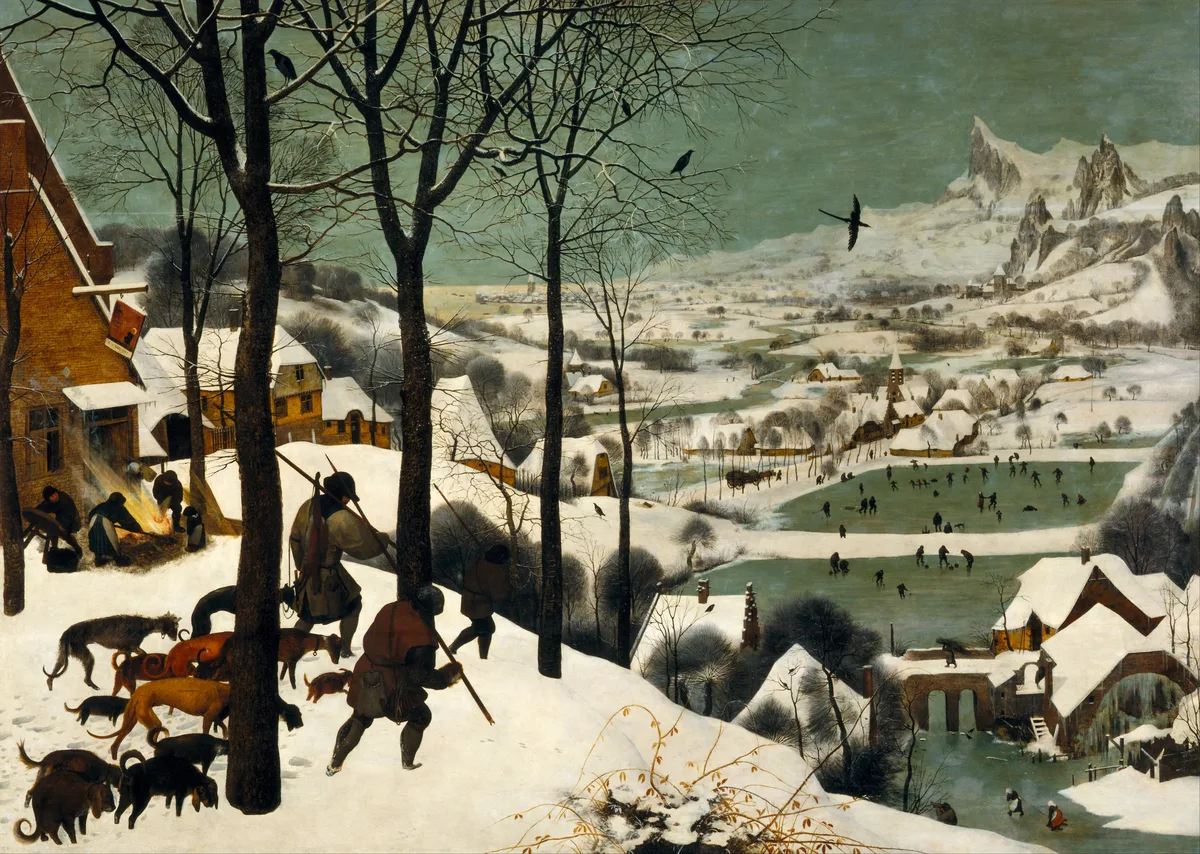 Article · 51 min de lectureLe Kunsthistorisches Museum de Vienne : 25 œuvres et comment elles sont arrivées chez les Habsbourg
Œuvres
42 œuvres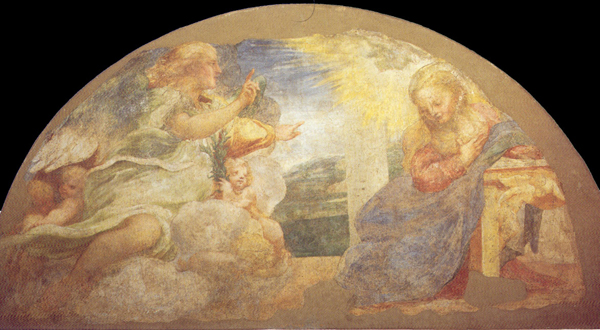 L’AnnonciationLe Corrège, 1525
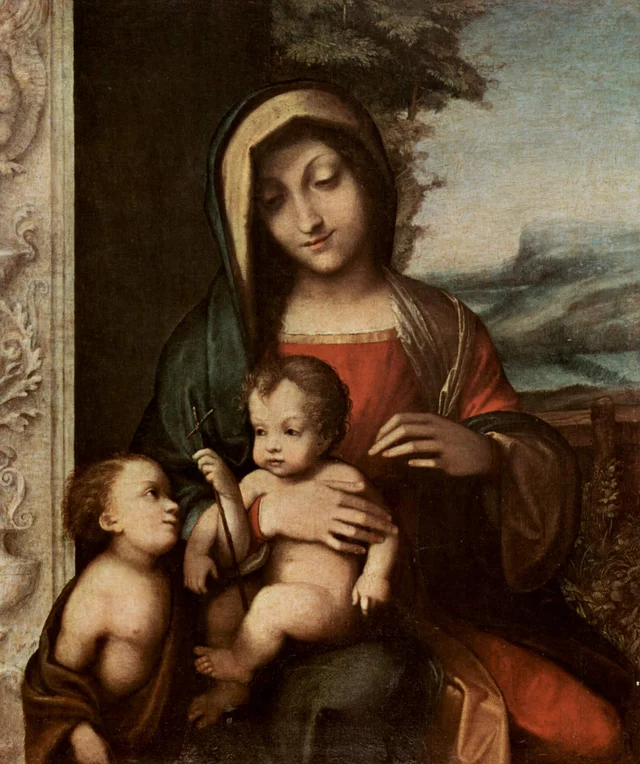 Madone BologniniLe Corrège, 1514
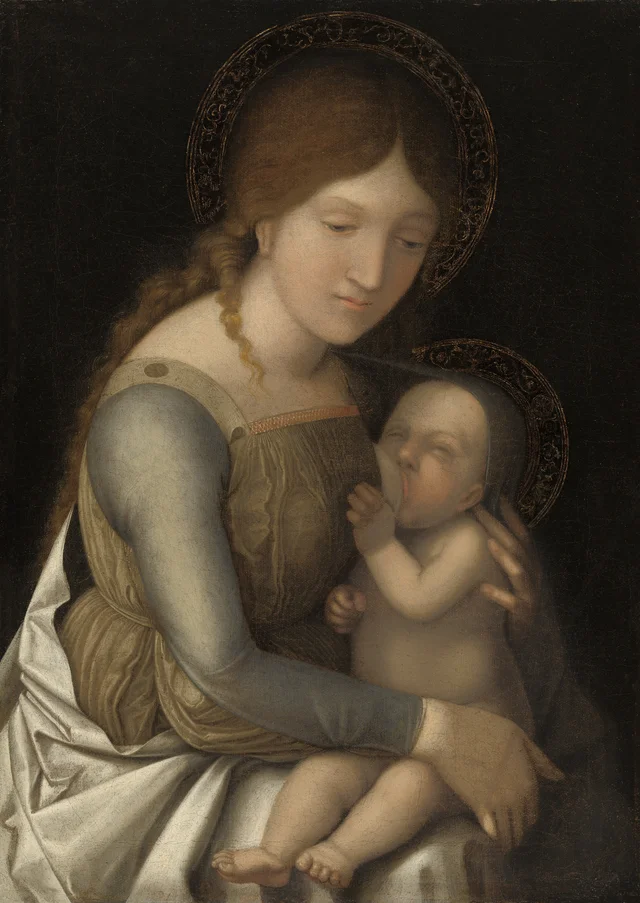 Vierge à l'EnfantLe Corrège, 1508
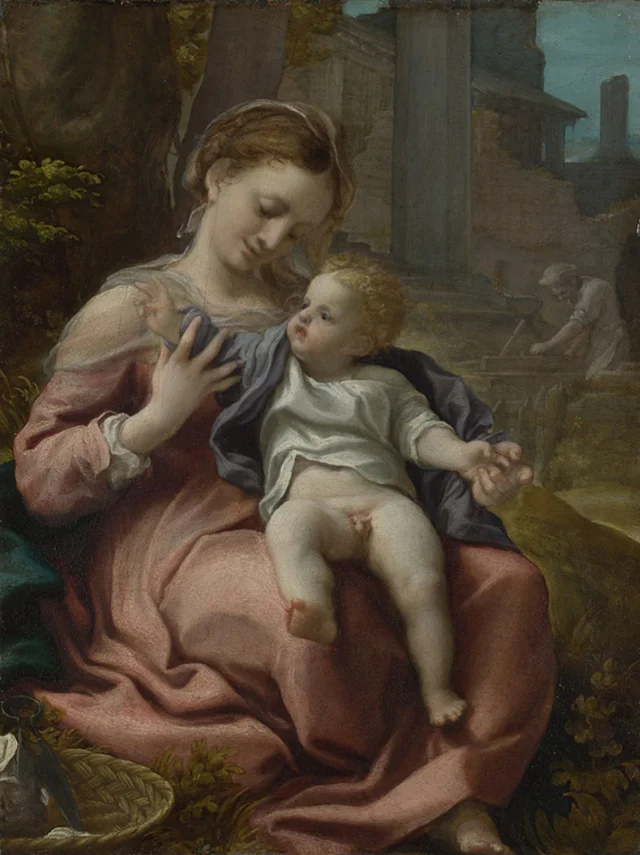 La Vierge au panierLe Corrège, 1525
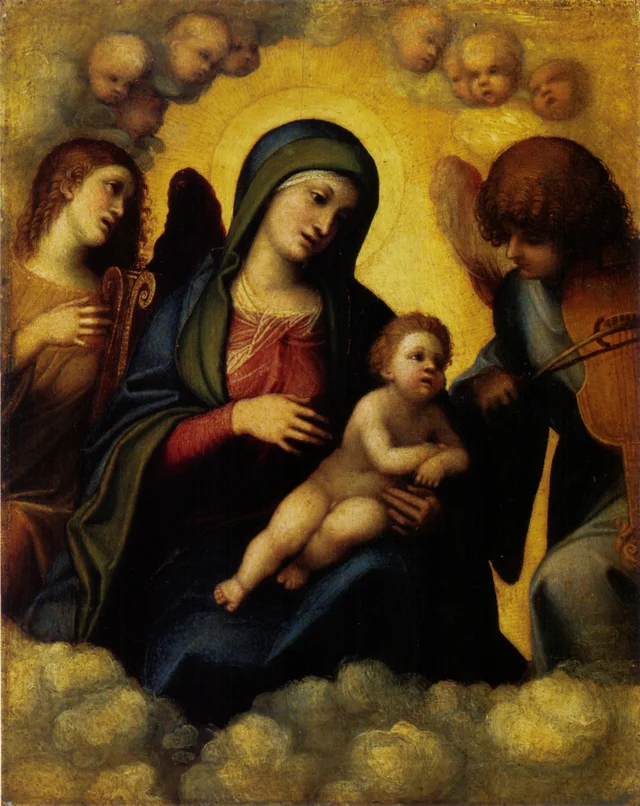 Vierge à l'Enfant avec deux anges musiciensLe Corrège, 1515
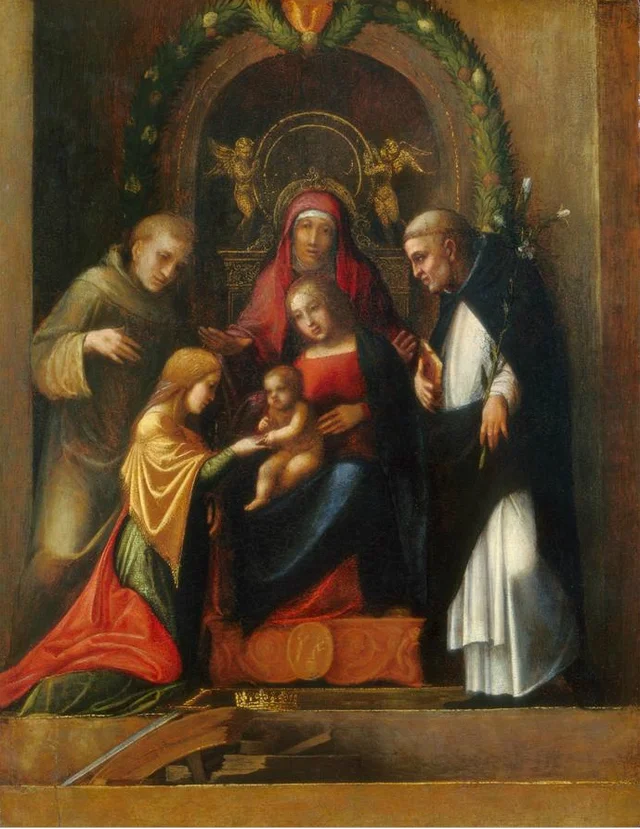 Le Mariage mystique de sainte CatherineLe Corrège, 1510
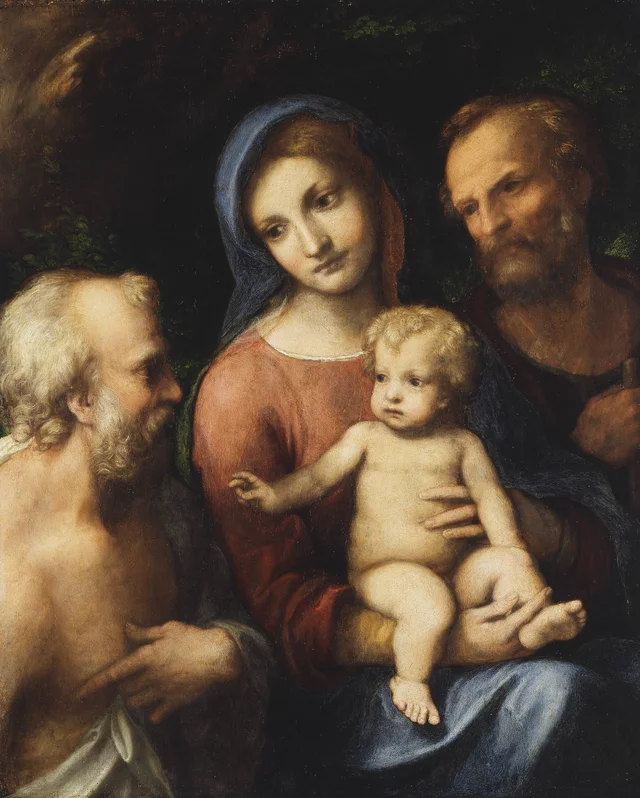 La Sainte Famille avec saint JérômeLe Corrège, 1519
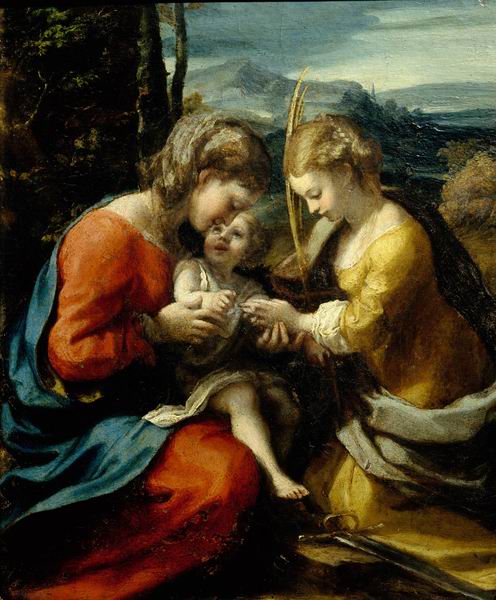 Mariage mystique de sainte CatherineLe Corrège, 1520
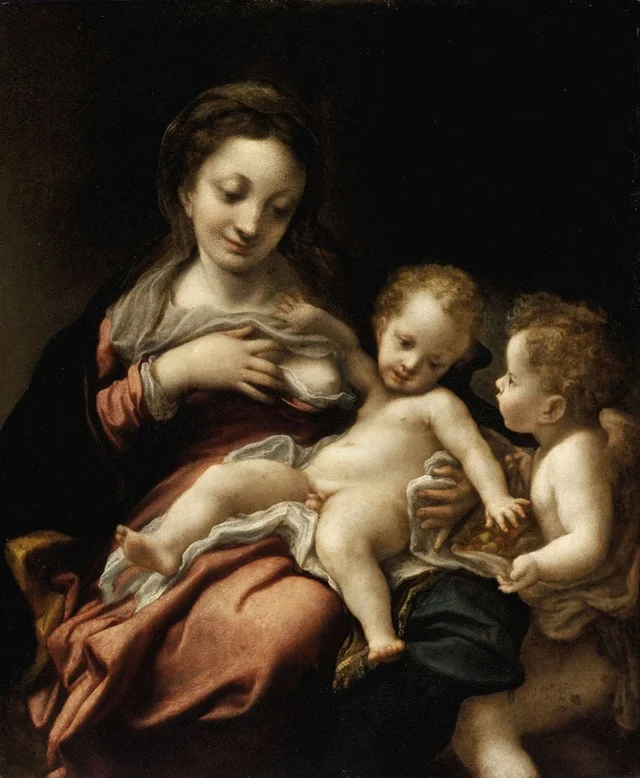 La Vierge à l'Enfant avec un ange (Madonna del Latte)Le Corrège, 1524
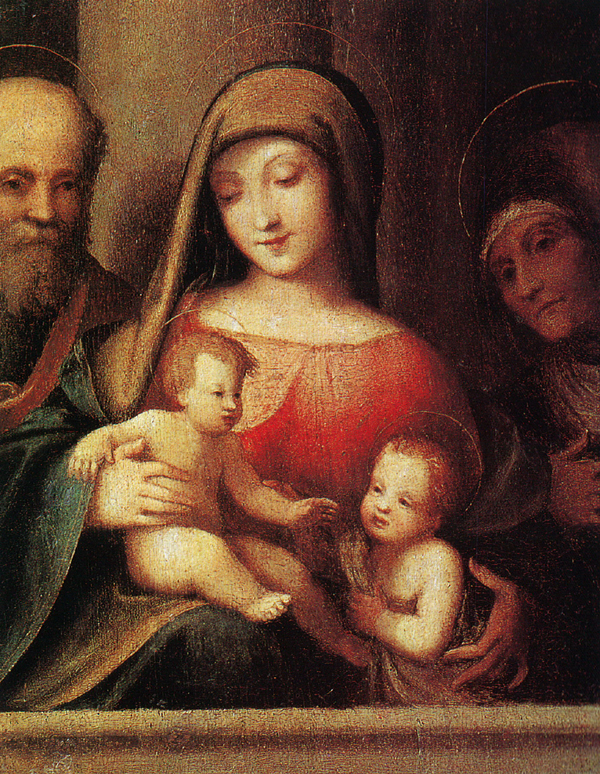 Sainte Famille avec saint Jean-Baptiste et sainte ÉlisabethLe Corrège, 1510
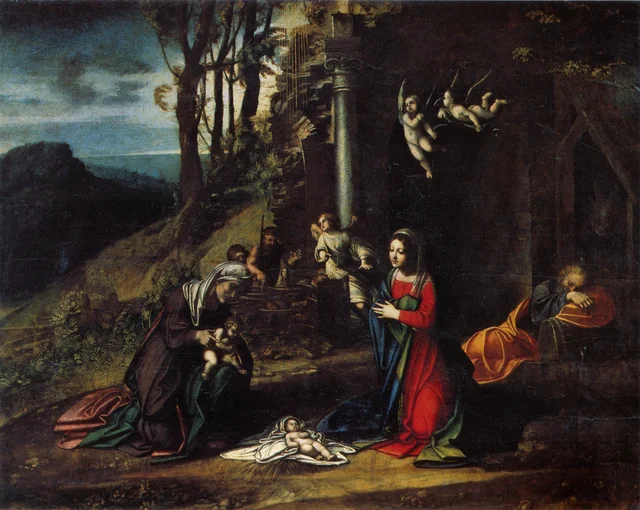 Nativité avec sainte Élisabeth et saint Jean-BaptisteLe Corrège, 1512
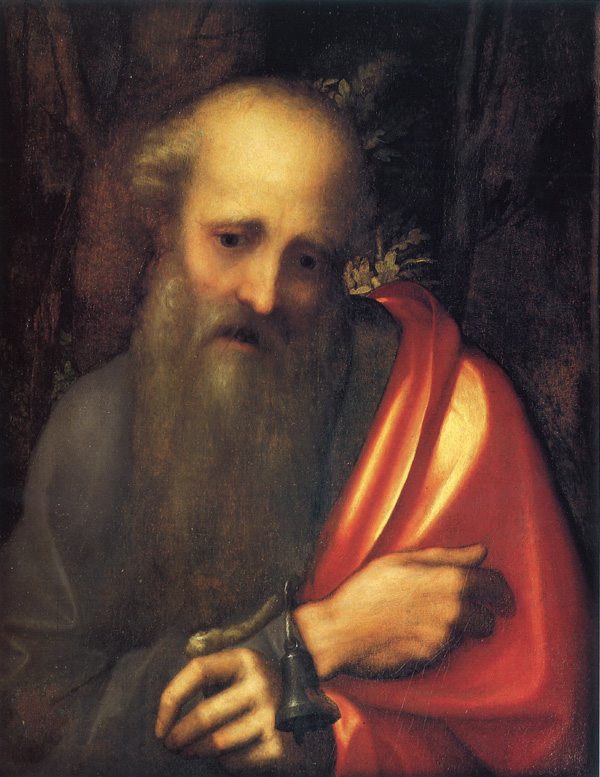 Saint Antoine abbéLe Corrège, 1517
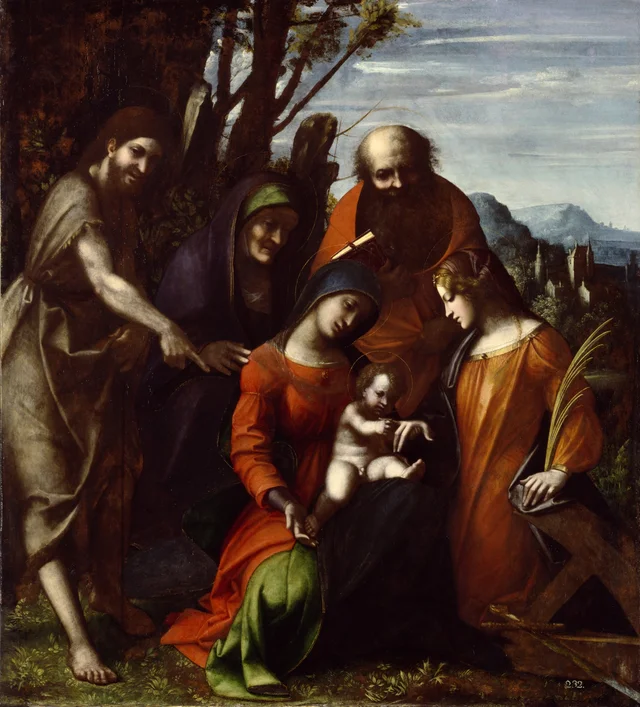 Le Mariage mystique de sainte CatherineLe Corrège, 1512
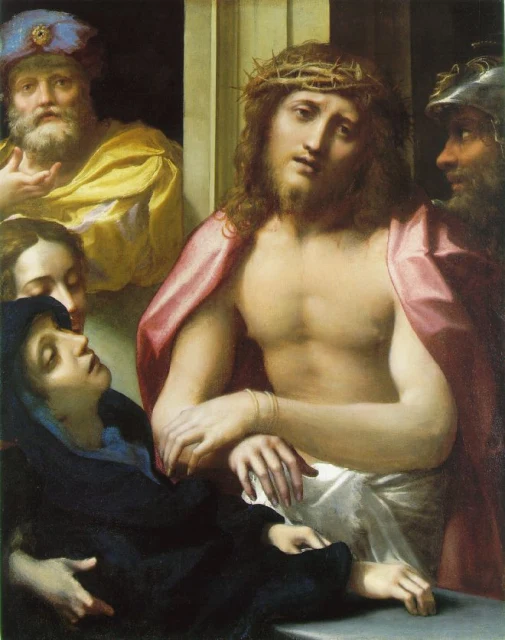 Le Christ présenté au peuple (Ecce Homo)Le Corrège, 1528
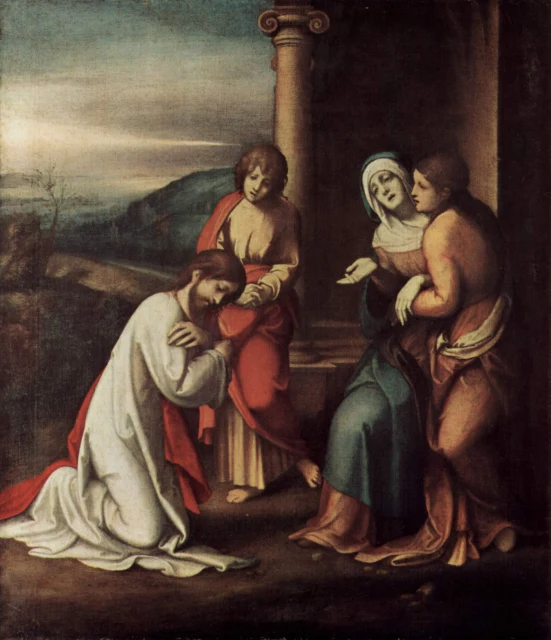 Le Christ prenant congé de sa mèreLe Corrège, 1513
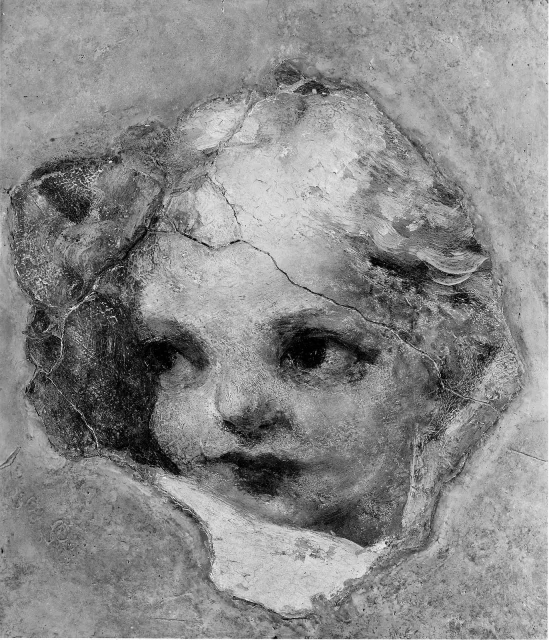 Tête de chérubinLe Corrège, 1523
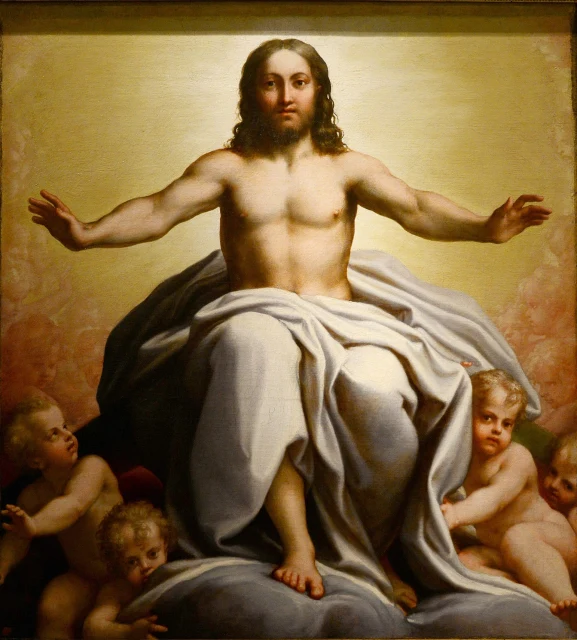 Le Rédempteur en gloireLe Corrège, 1525