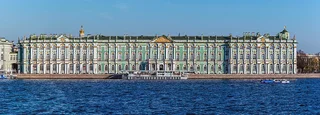
L'histoire
L'essentiel de l'Ermitage se trouve à l'intérieur du Palais d'Hiver, la résidence baroque vert et blanc des tsars de Russie, au bord de la Neva à Saint-Pétersbourg. La collection y naquit comme un plaisir privé. En 1764, l'impératrice Catherine II prit 225 tableaux hollandais et flamands qu'un marchand berlinois, Johann Gotzkowsky, avait réunis pour le roi de Prusse, lequel, ruiné après une longue guerre, ne les paya jamais. Catherine, elle, les paya, et les accrocha dans des pièces si privées qu'elle les appelait son ermitage, une retraite où presque personne n'avait le droit d'entrer.
Deux siècles et demi d'achats plus tard, c'est l'une des plus vastes collections d'art au monde. On gravit l'Escalier de Jourdain sous l'or et les miroirs et l'on s'avance vers les tableaux que l'on vient voir, Le Retour du fils prodigue de Rembrandt, les mains du vieux père posées sur le dos de son fils en haillons, et deux petites Madones de Léonard de Vinci, la Madone Benois et la Madone Litta, peintes dans sa jeunesse. Dans une salle, une Pendule au Paon grandeur nature, automate anglais du XVIIIe siècle, déploie encore sa queue dorée quand on la remonte.
Le bâtiment en a vu beaucoup. Un incendie ravagea le palais en 1837, la révolution de 1917 chassa le dernier tsar de ces pièces, et quand les forces allemandes assiégèrent Léningrad en 1941, le personnel emballa plus d'un million d'objets et les expédia vers l'est, dans l'Oural, laissant les cadres vides accrochés aux murs. Des guides firent visiter ces cadres nus durant tout le siège. Les œuvres revinrent à la fin, et les chats gardés dans les caves pour chasser les rats, une tradition qui remonte au temps de Catherine, sont toujours sur les registres.
Collection
248 œuvres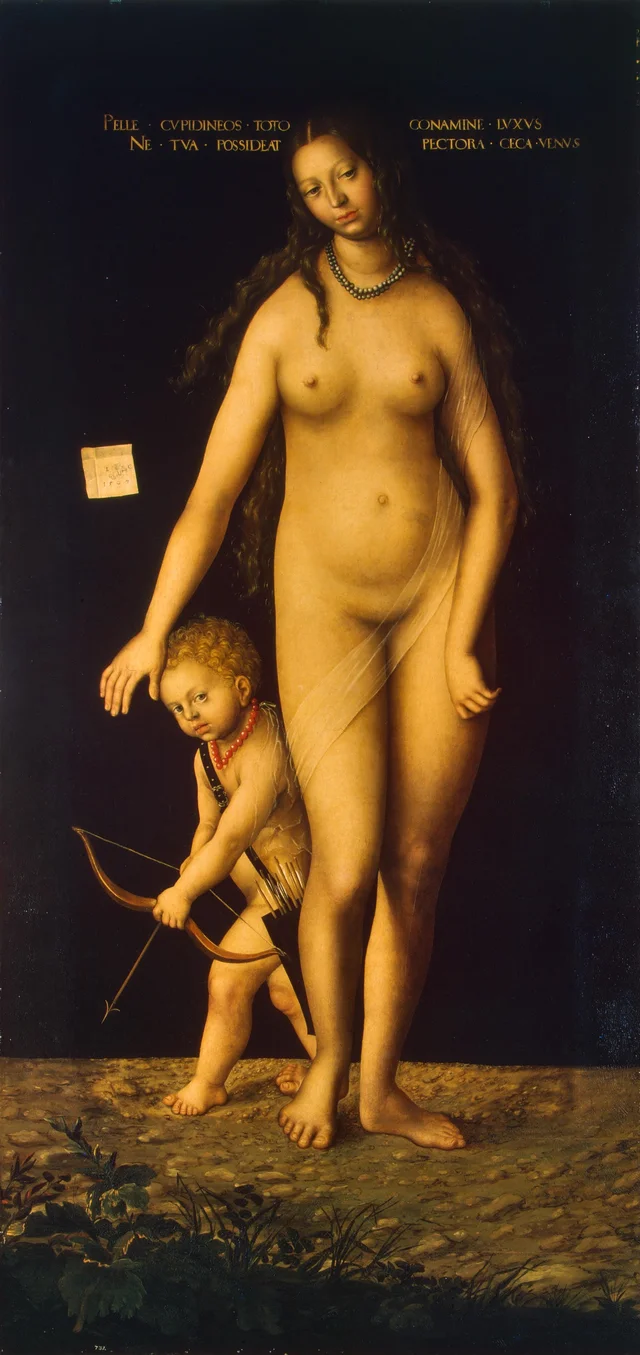 Vénus et CupidonLucas Cranach l'Ancien, 1509
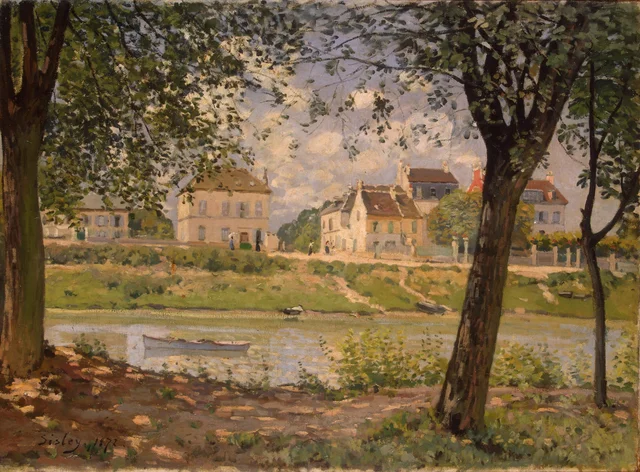 Village au bord de la SeineAlfred Sisley, 1872
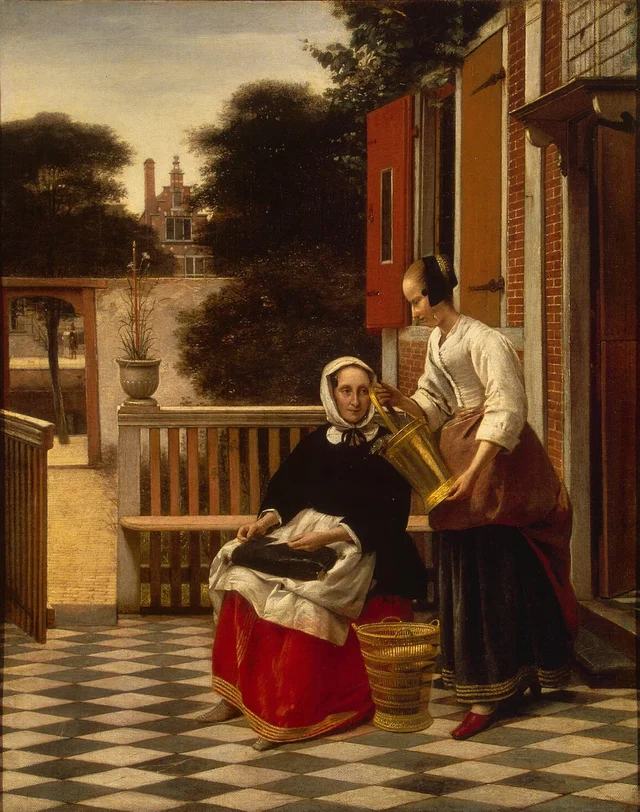 Femme et servante avec un seau de poisson dans une courPieter de Hooch, 1660
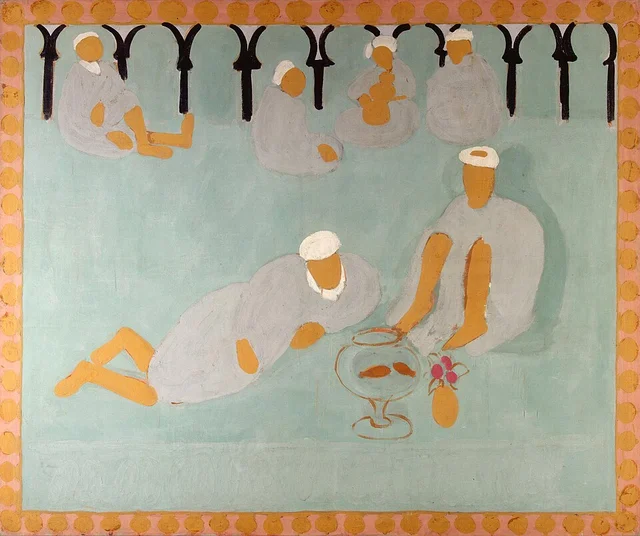 Café arabeHenri Matisse, 1913
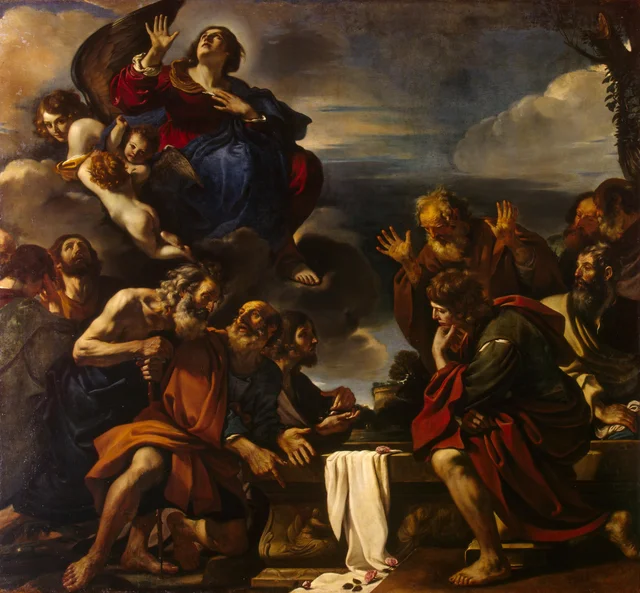 L'Assomption de la Vierge MarieLe Guerchin, 1623
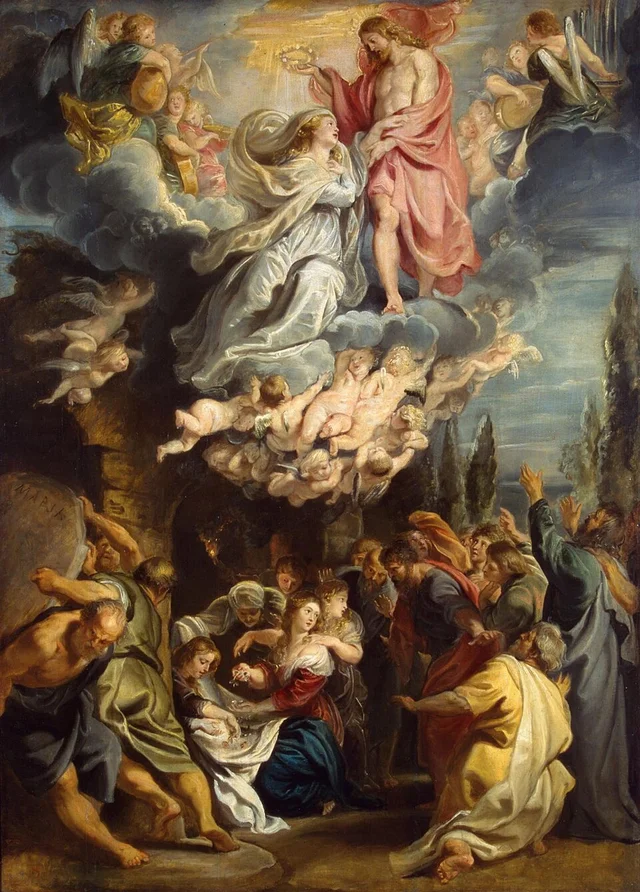 Couronnement et Assomption de la ViergePierre Paul Rubens, 1611
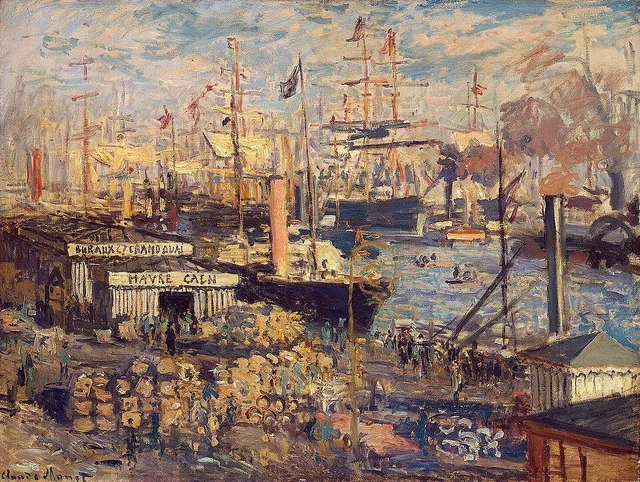 Le quai du HavreClaude Monet, 1874
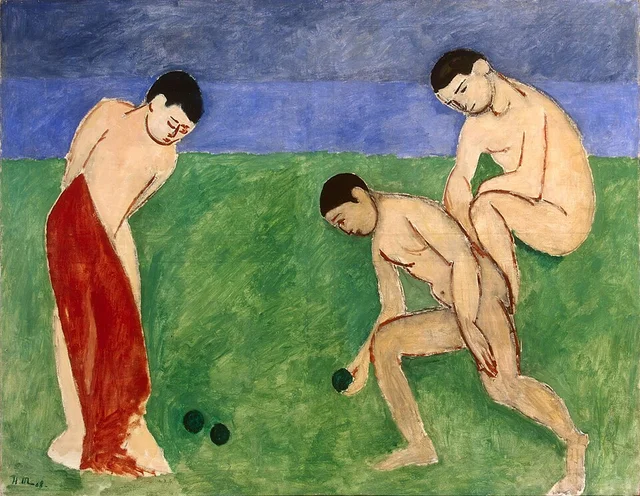 La partie de boulesHenri Matisse, 1908
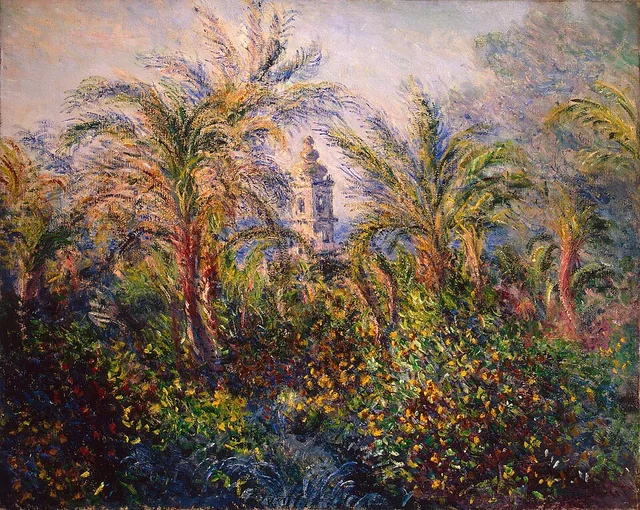 Jardin à Bordighera, impression de matinClaude Monet, 1884
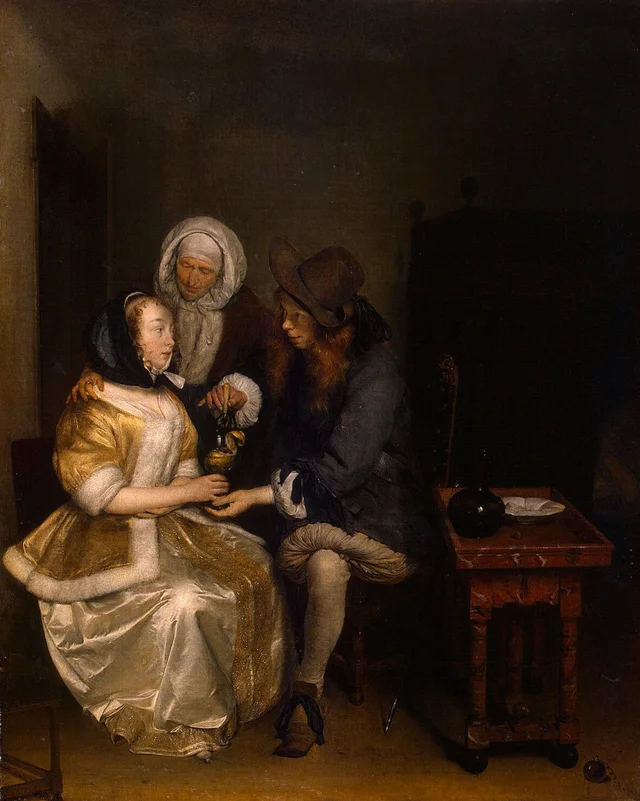 Le Verre de limonadeGerard ter Borch, 1663
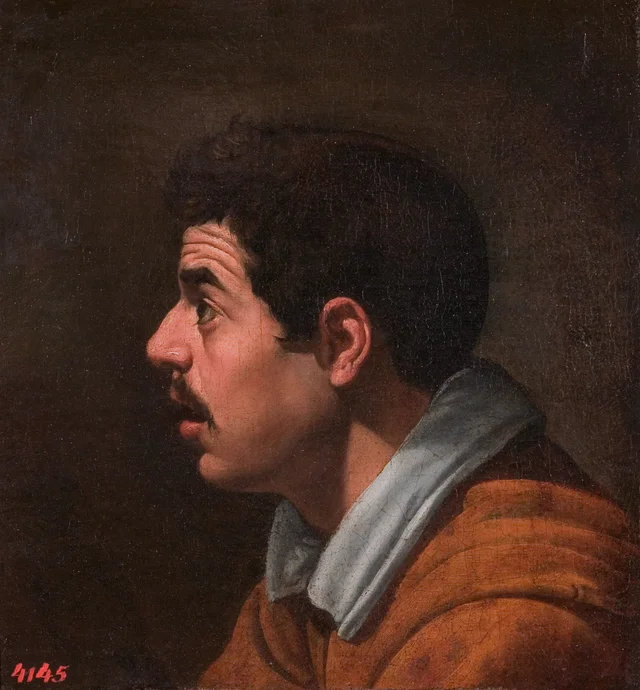 Tête d'homme de profilDiego Vélasquez, 1618
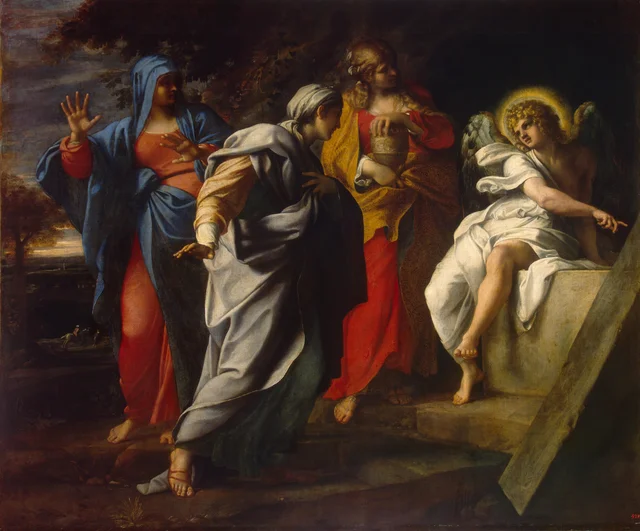 Les Saintes Femmes au tombeau du ChristAnnibal Carrache, 1590
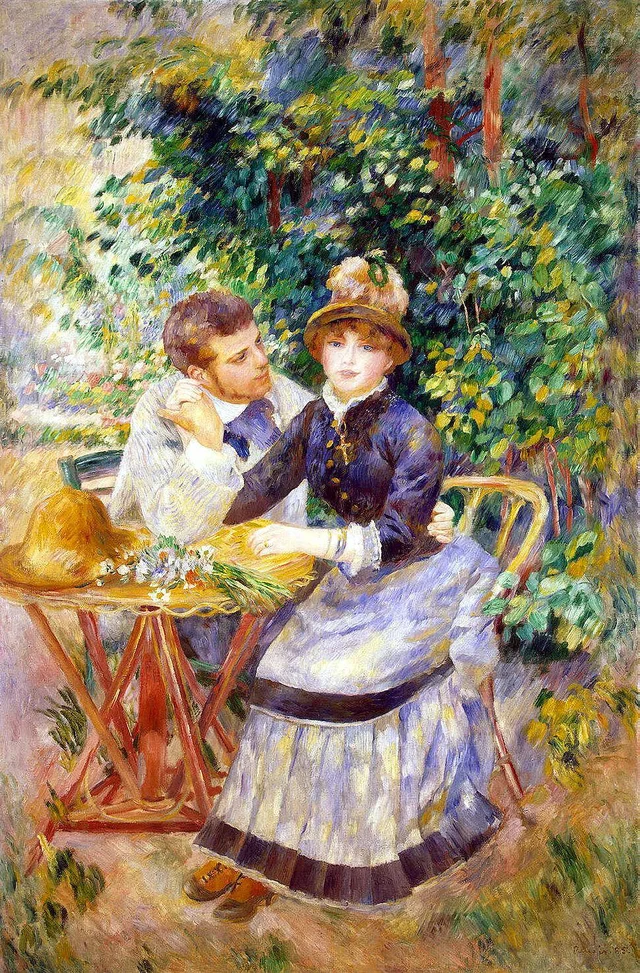 Dans le jardinPierre-Auguste Renoir, 1885
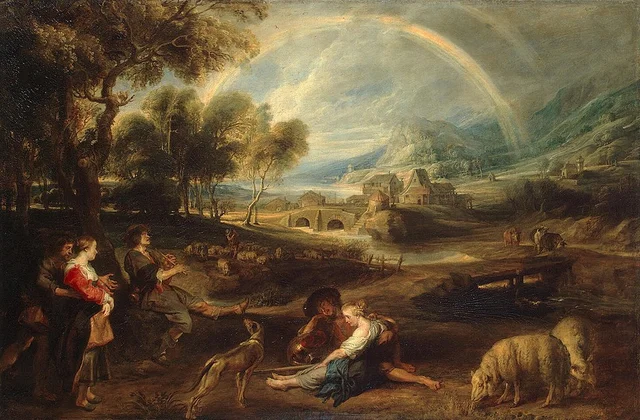 Paysage avec arc-en-cielPierre Paul Rubens, 1632
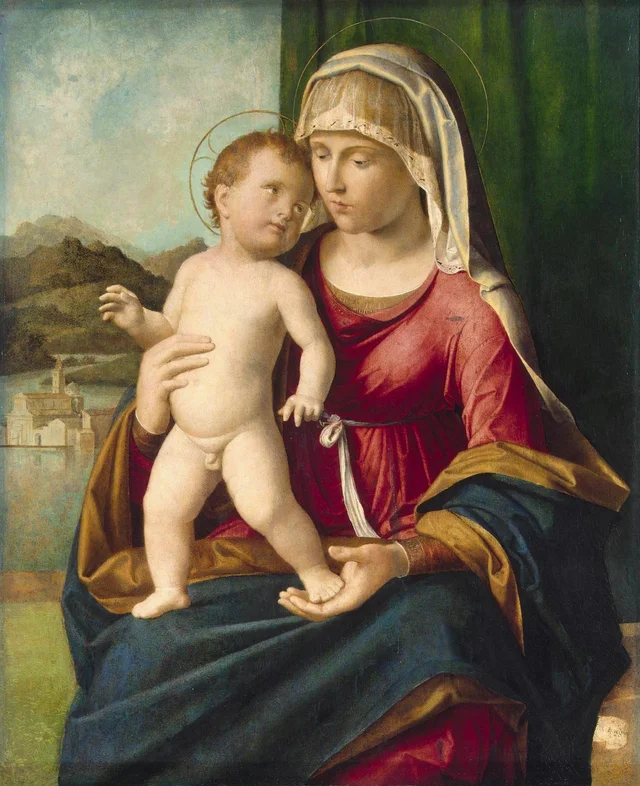 Vierge à l'EnfantGiovanni Battista Cima da Conegliano, 1496
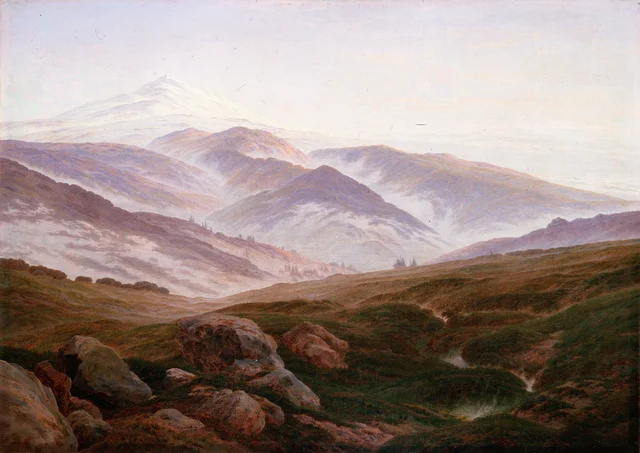 Souvenir des monts des GéantsCaspar David Friedrich, 1835
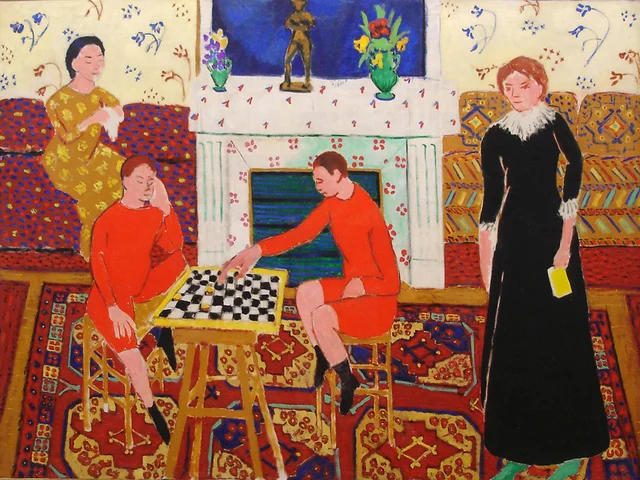 La Famille du peintreHenri Matisse, 1911
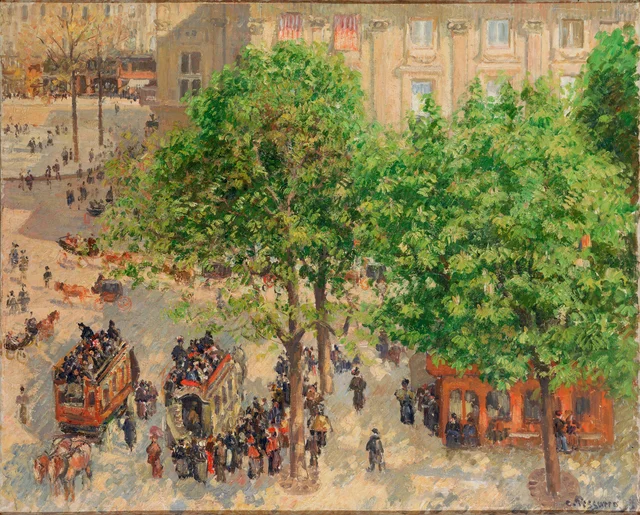 Place du Théâtre-Français, printempsCamille Pissarro, 1898
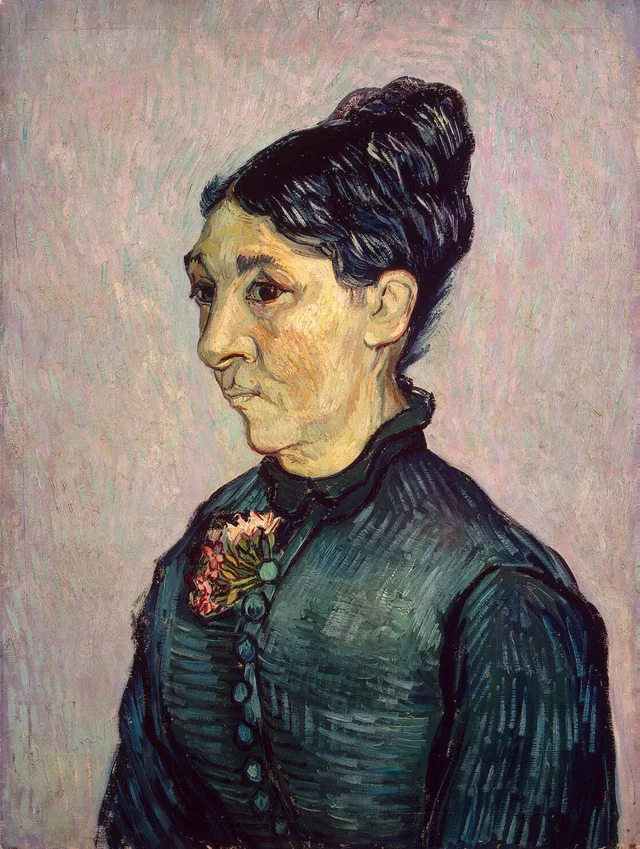 Portrait de Madame TrabucVincent van Gogh, 1889
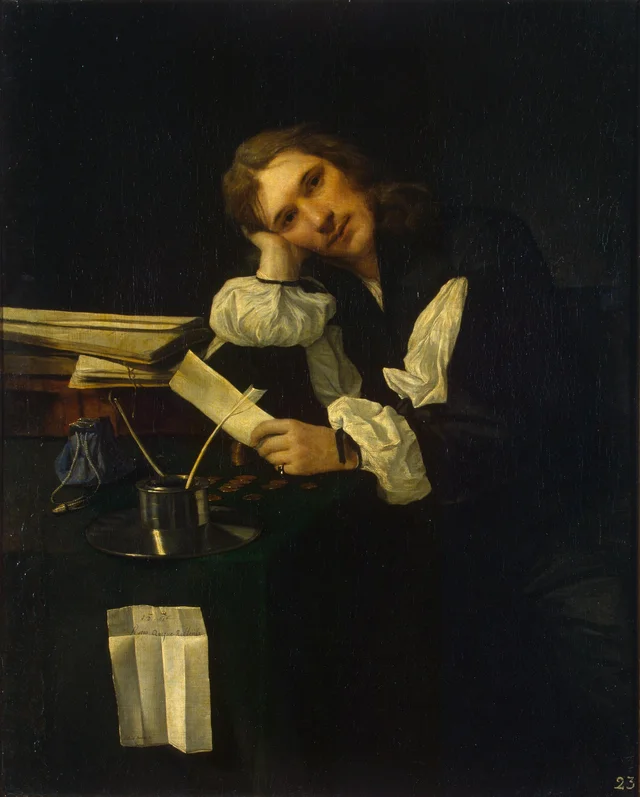 Portrait d'un jeune hommeMichiel Sweerts, 1656
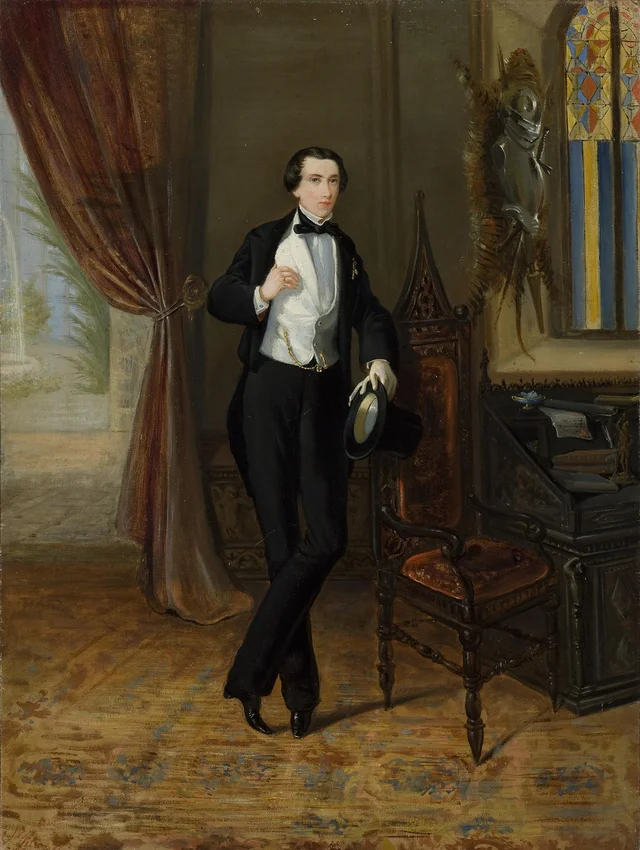 Portrait du jeune prince N. B. IoussoupovVincenzo Petrocelli, 1851
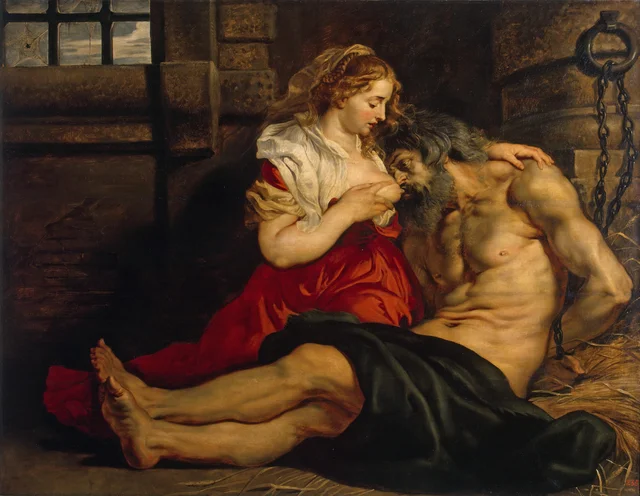 La Charité romainePierre Paul Rubens, 1612
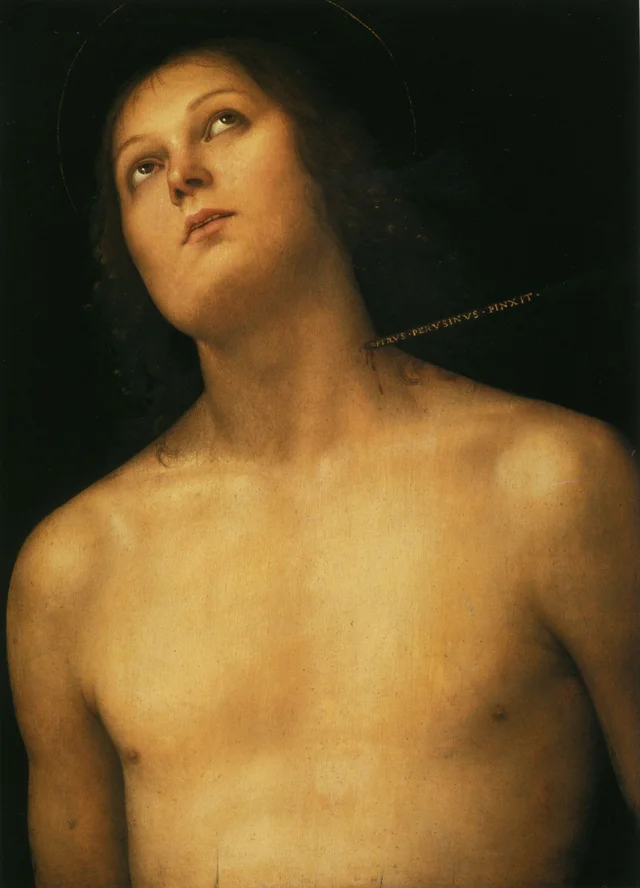 Saint SébastienPietro Pérugin, 1493
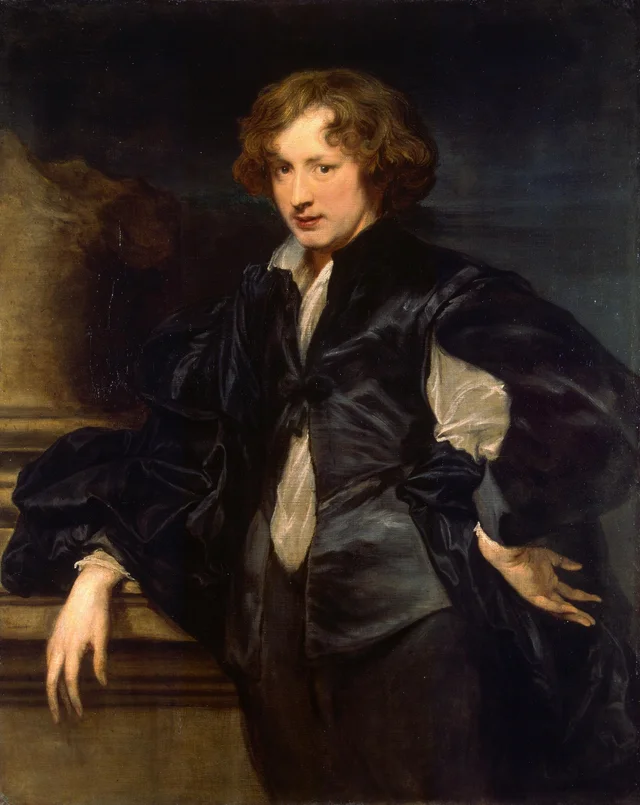 AutoportraitAntoine van Dyck, 1622
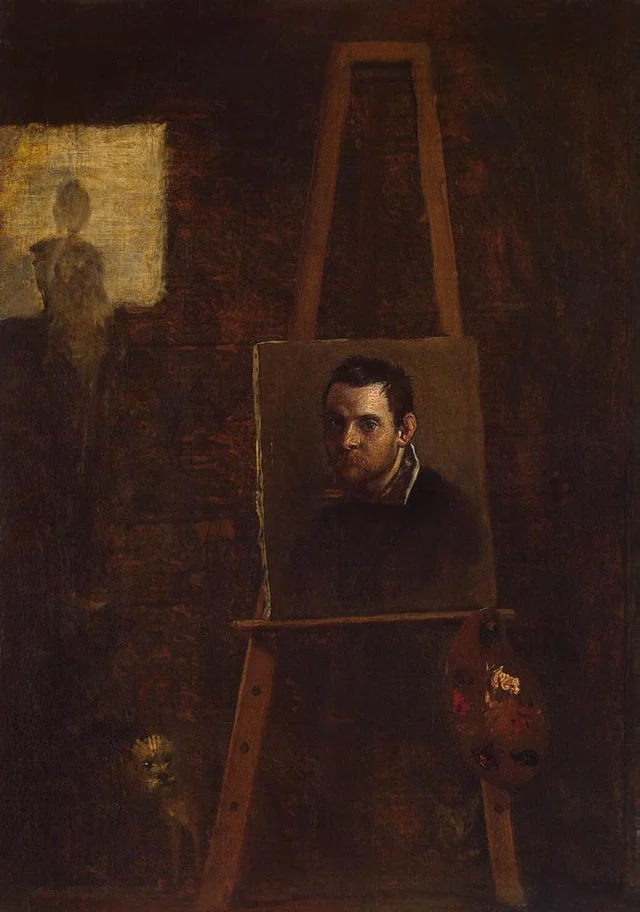 Autoportrait au chevaletAnnibal Carrache, 1604