Francisco de Zurbarán
1598–1664 · Spanien · Barock
Die Geschichte
Im Januar 1626 beauftragte das Dominikanerkloster San Pablo el Real in Sevilla den jungen Francisco de Zurbarán mit 21 Gemälden, zu liefern in acht Monaten, darunter 14 Szenen aus dem Leben des heiligen Dominikus. Er lieferte pünktlich, und der Auftrag begründete seinen Ruf. Binnen drei Jahren lud der Stadtrat von Sevilla ihn förmlich ein, sich dauerhaft dort niederzulassen, weil seine Gemälde, wie es hieß, das Ansehen der Stadt mehrten.
In den folgenden zwei Jahrzehnten malte Zurbarán fast ausschließlich für Klöster und Orden in Spanien und dessen amerikanischen Kolonien und entwickelte einen Stil aus scharfem Licht vor nahezu schwarzen Hintergründen sowie eine ungewöhnliche Begabung für die Wiedergabe weißer Stoffe – die groben Wollhabite der Kartäuser und Franziskaner, mit dem Blick eines Bildhauers für Falten und Gewicht gemalt.
Sein Markt brach nach 1640 zusammen, als sich Sevillas Geschmack der weicheren, sentimentaleren religiösen Malerei des jüngeren Bartolomé Esteban Murillo zuwandte. Zurbarán zog 1658 auf der Suche nach königlichen Aufträgen nach Madrid und starb dort 1664, weitgehend überholt von dem Maler, den er einst in den Schatten gestellt hatte.
Werke
106 Werke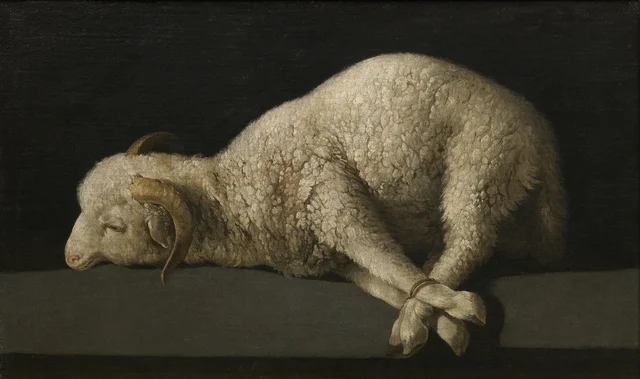 Agnus DeiFrancisco de Zurbarán, 1635
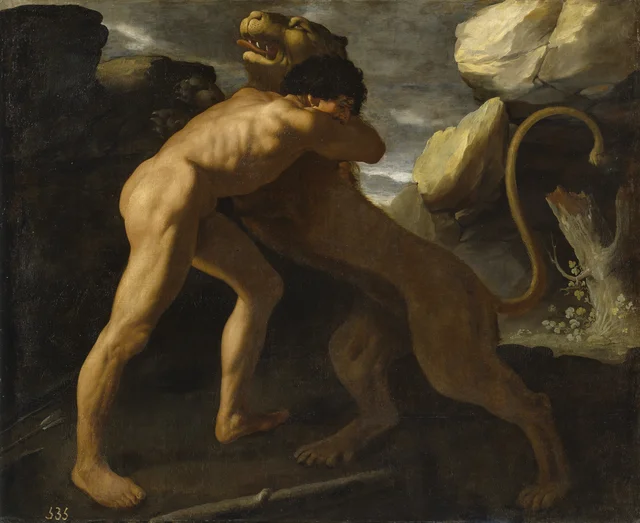 Herkules im Kampf mit dem Nemeischen LöwenFrancisco de Zurbarán, 1634
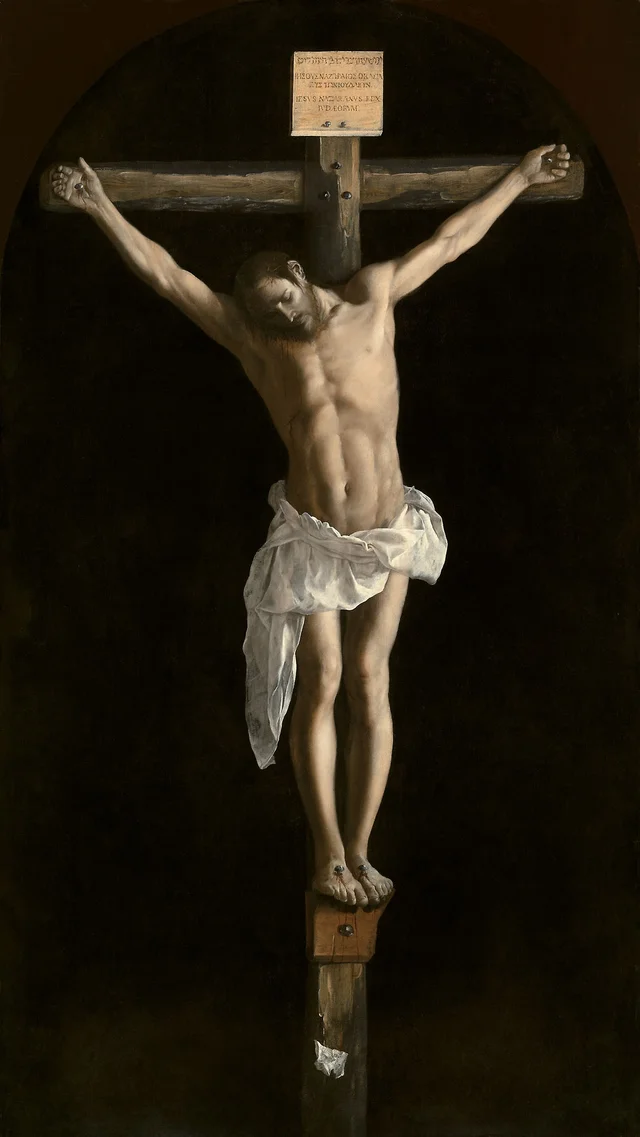 Kreuzigung ChristiFrancisco de Zurbarán, 1627
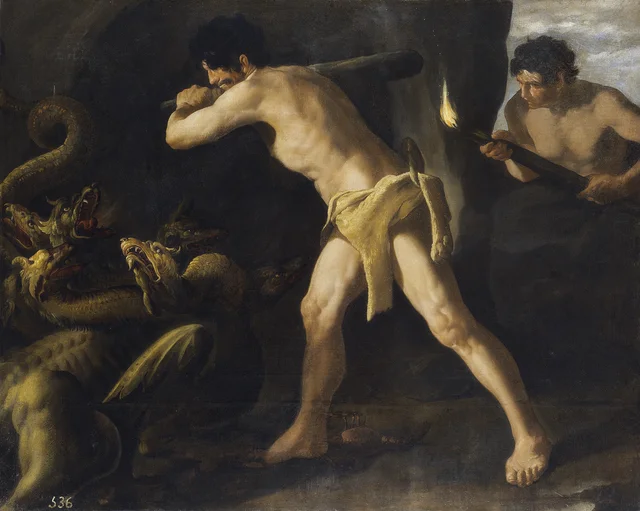 Herkules und die HydraFrancisco de Zurbarán, 1634
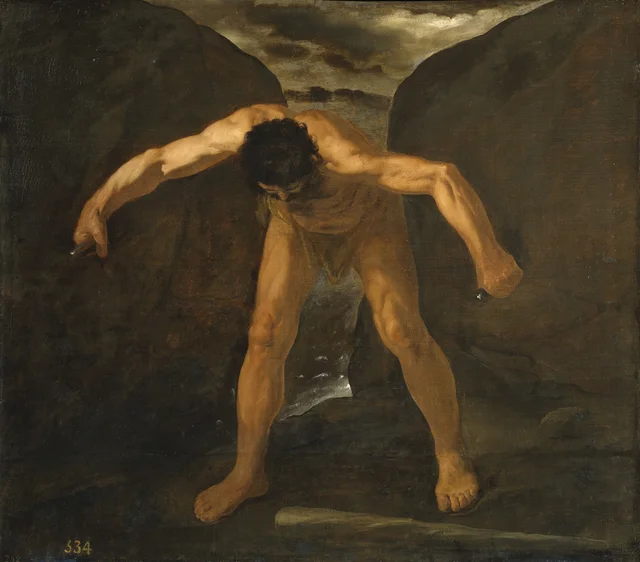 Herkules trennt die Berge Calpe und AbylaFrancisco de Zurbarán, 1634
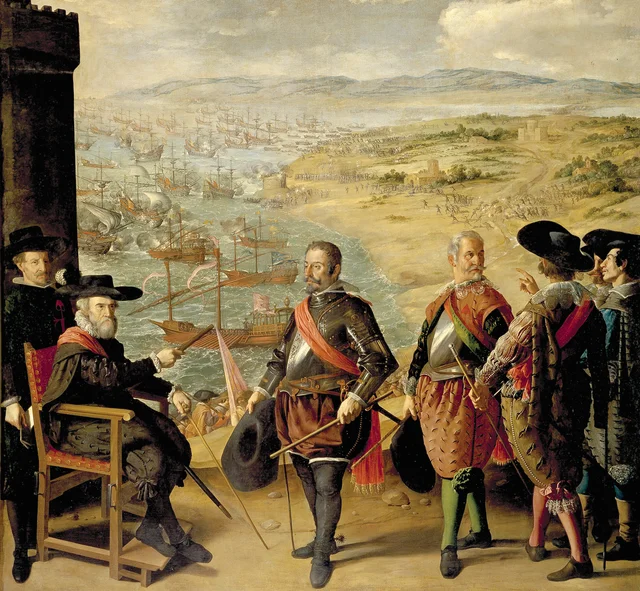 Die Verteidigung von Cádiz gegen die EngländerFrancisco de Zurbarán, 1634
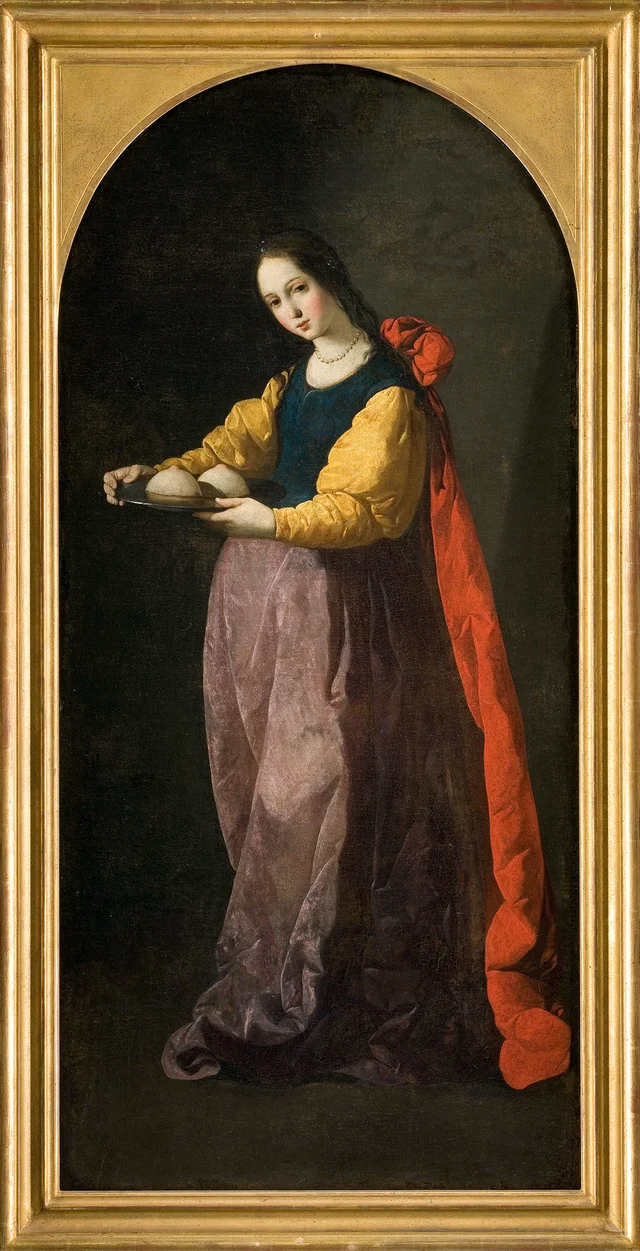 Die heilige AgathaFrancisco de Zurbarán, 1630
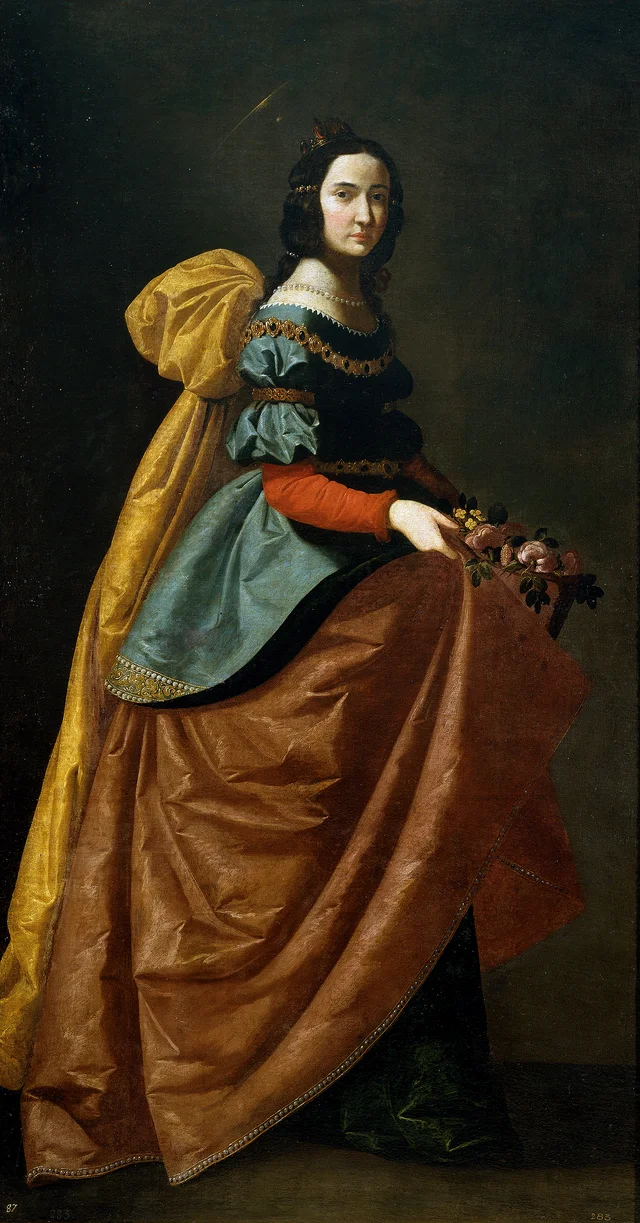 Die heilige Elisabeth von PortugalFrancisco de Zurbarán, 1635
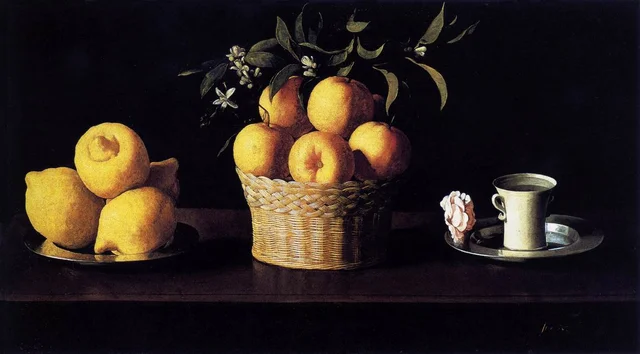 Stillleben mit Zitronen, Orangen und einer RoseFrancisco de Zurbarán, 1633
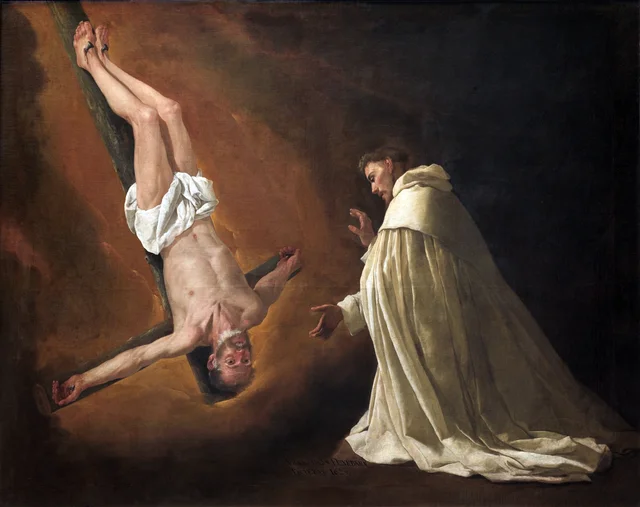 Erscheinung des Apostels Petrus vor dem heiligen Petrus NolascusFrancisco de Zurbarán, 1629
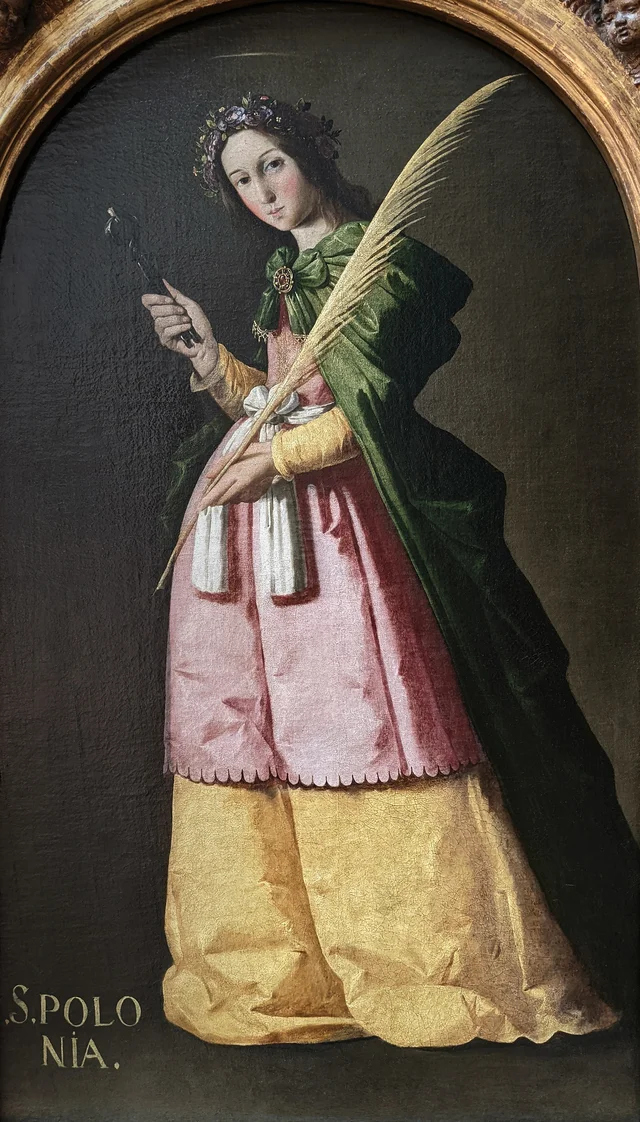 Die heilige ApolloniaFrancisco de Zurbarán, 1637
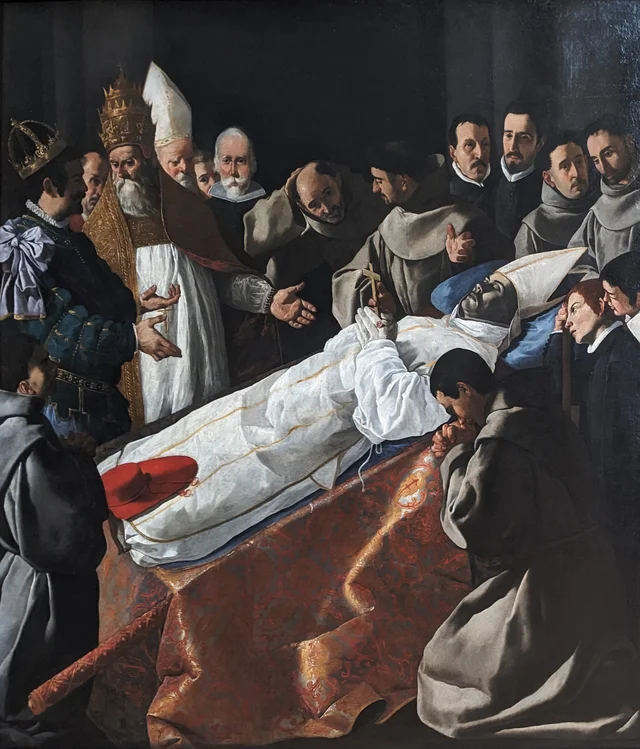 Die Aufbahrung des heiligen BonaventuraFrancisco de Zurbarán, 1629
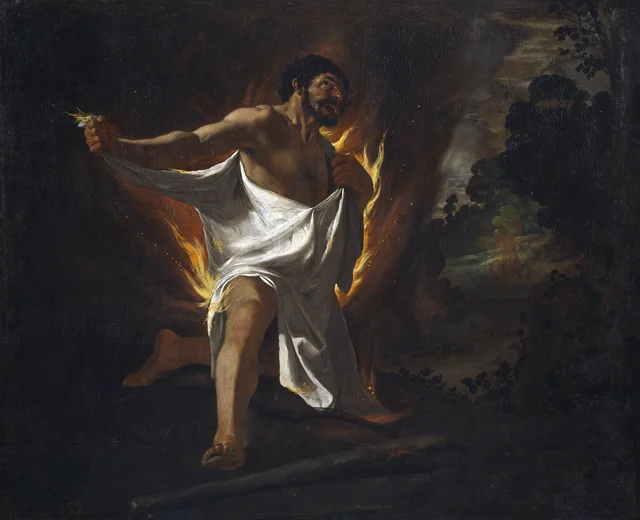 Der Tod des HerkulesFrancisco de Zurbarán, 1634
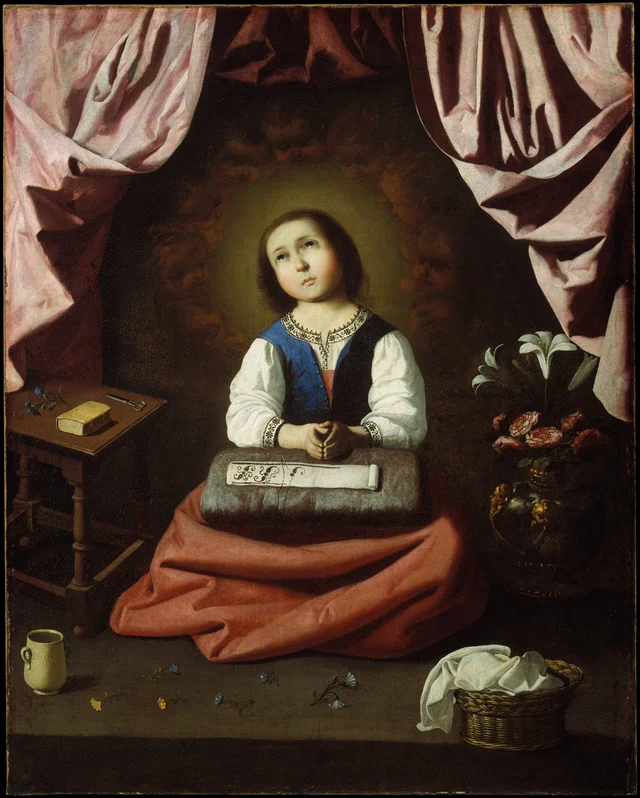 Die junge Jungfrau MariaFrancisco de Zurbarán, 1633
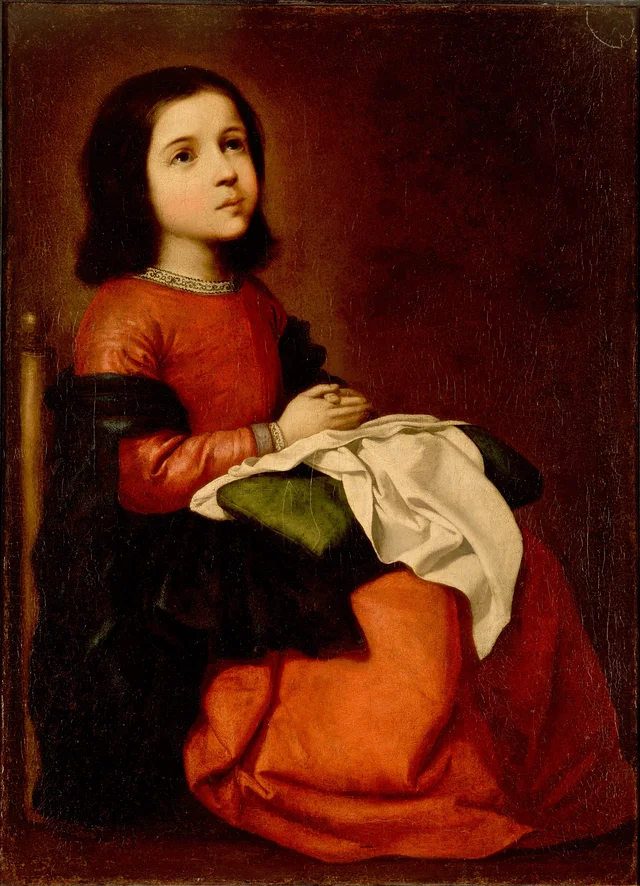 Die Kindheit der Jungfrau MariaFrancisco de Zurbarán, 1658
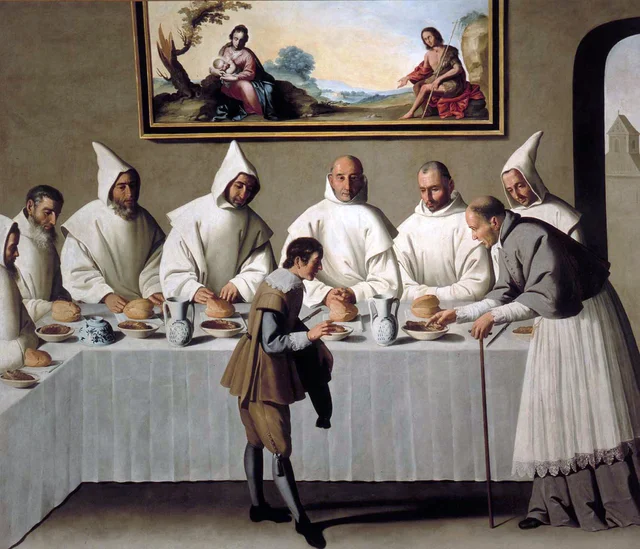 Der heilige Hugo im Refektorium der KartäuserFrancisco de Zurbarán, 1655
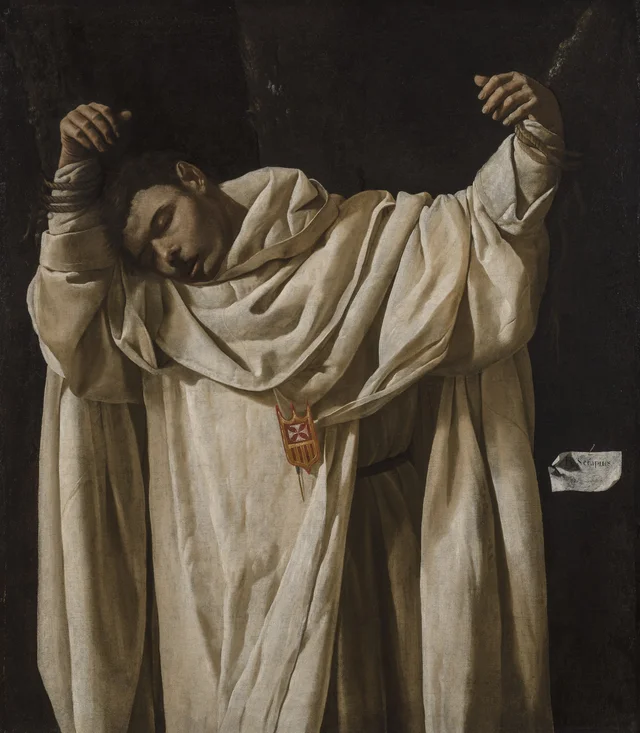 Der heilige SerapionFrancisco de Zurbarán, 1628
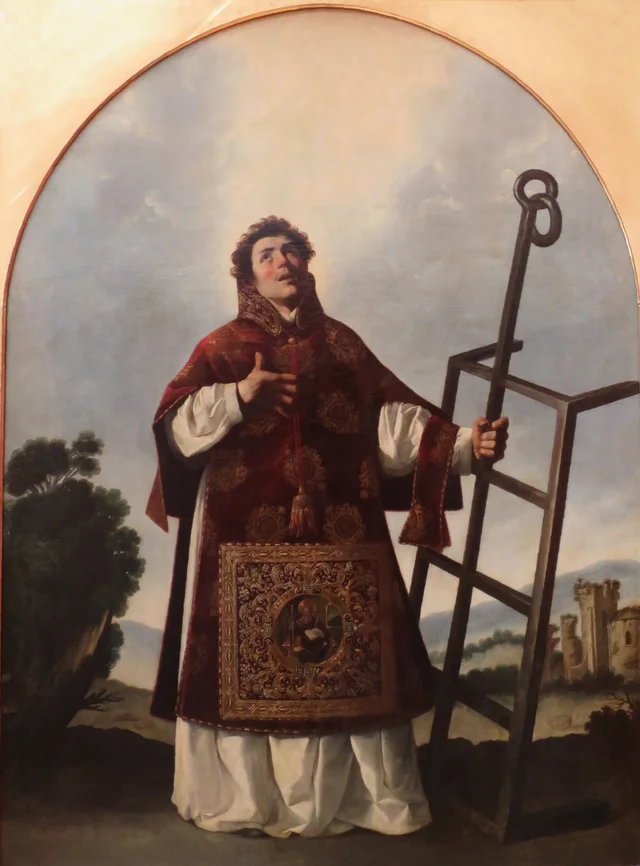 Der heilige LaurentiusFrancisco de Zurbarán, 1636
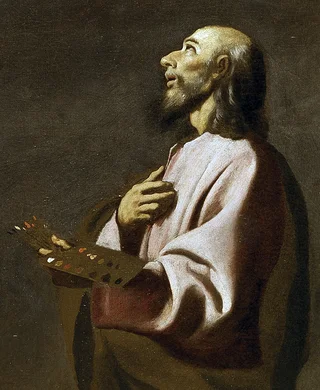
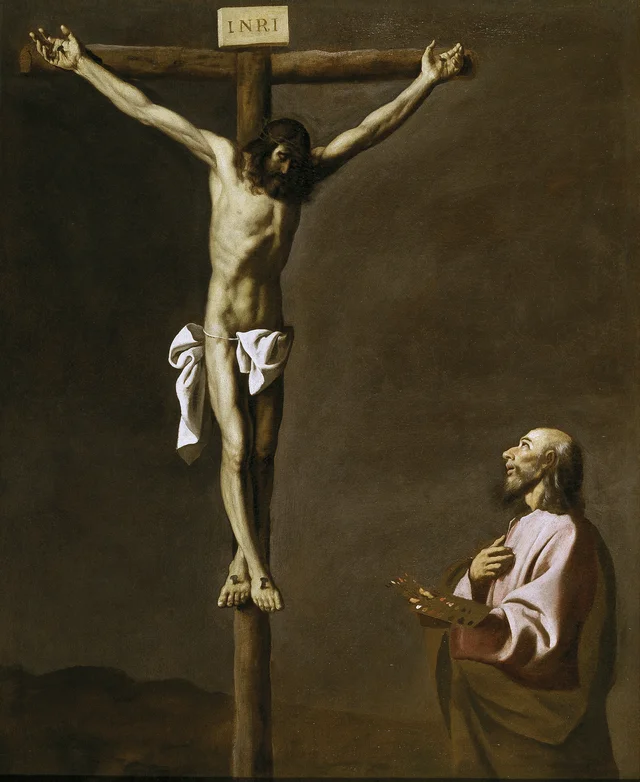 Der heilige Lukas als Maler vor dem gekreuzigten ChristusFrancisco de Zurbarán, 1650
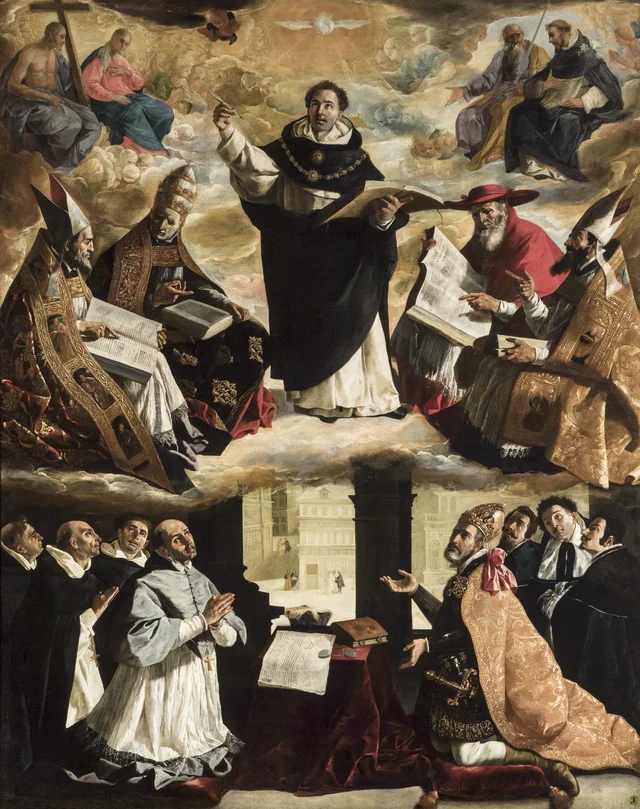 Die Apotheose des heiligen Thomas von AquinFrancisco de Zurbarán, 1631
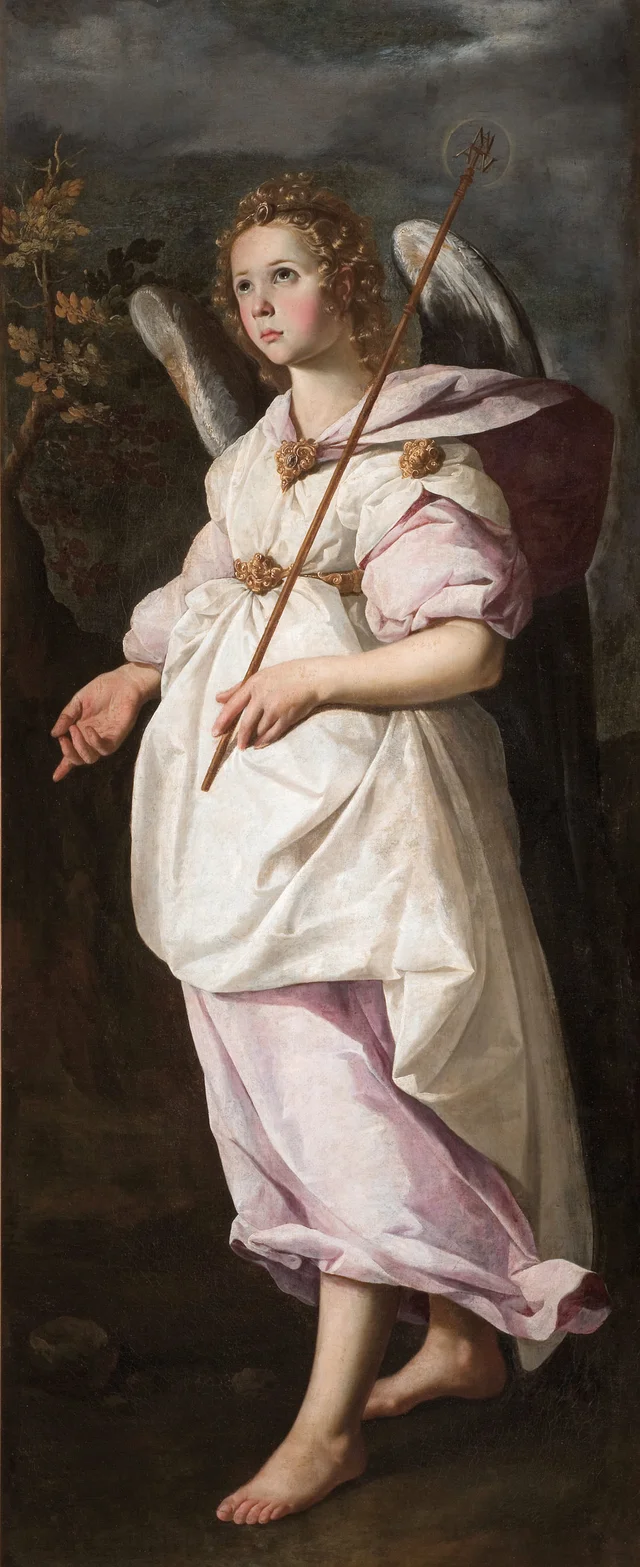 Der Erzengel GabrielFrancisco de Zurbarán, 1631
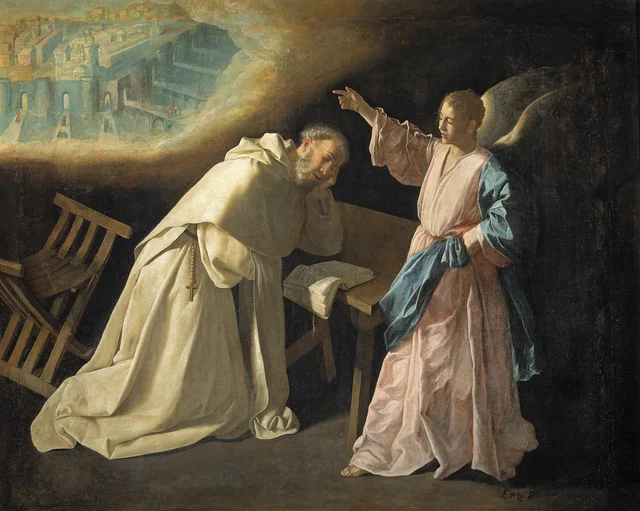 Die Vision des heiligen Petrus NolascusFrancisco de Zurbarán, 1629
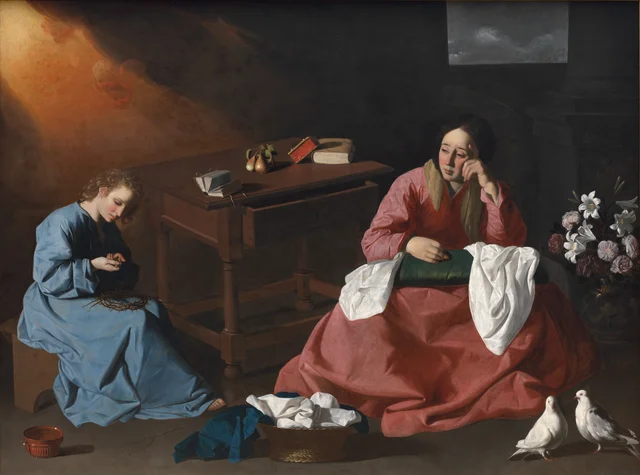 Christus und die Jungfrau im Haus zu NazaretFrancisco de Zurbarán, 1630
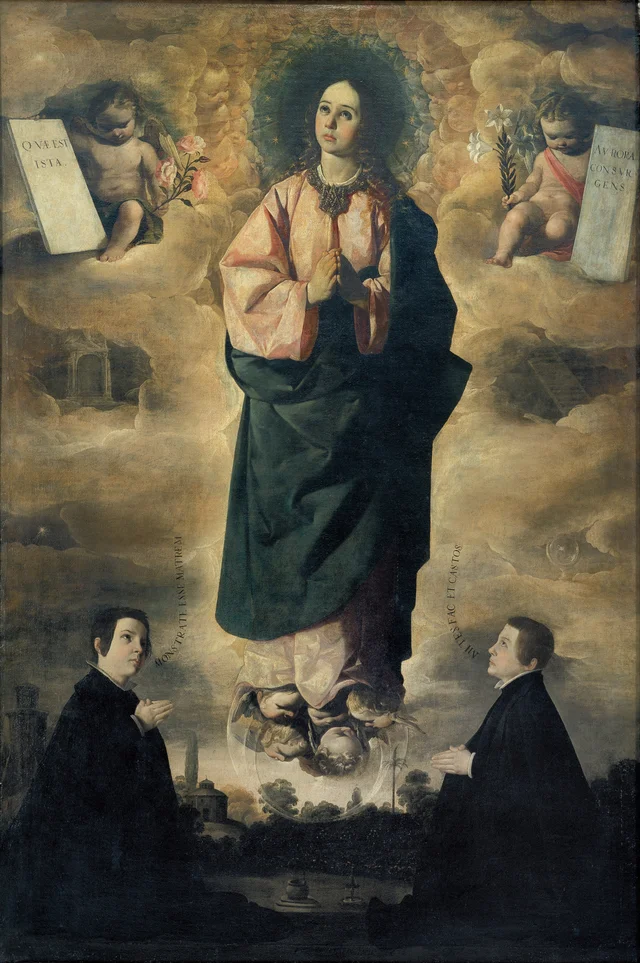 Die Unbefleckte EmpfängnisFrancisco de Zurbarán, 1632
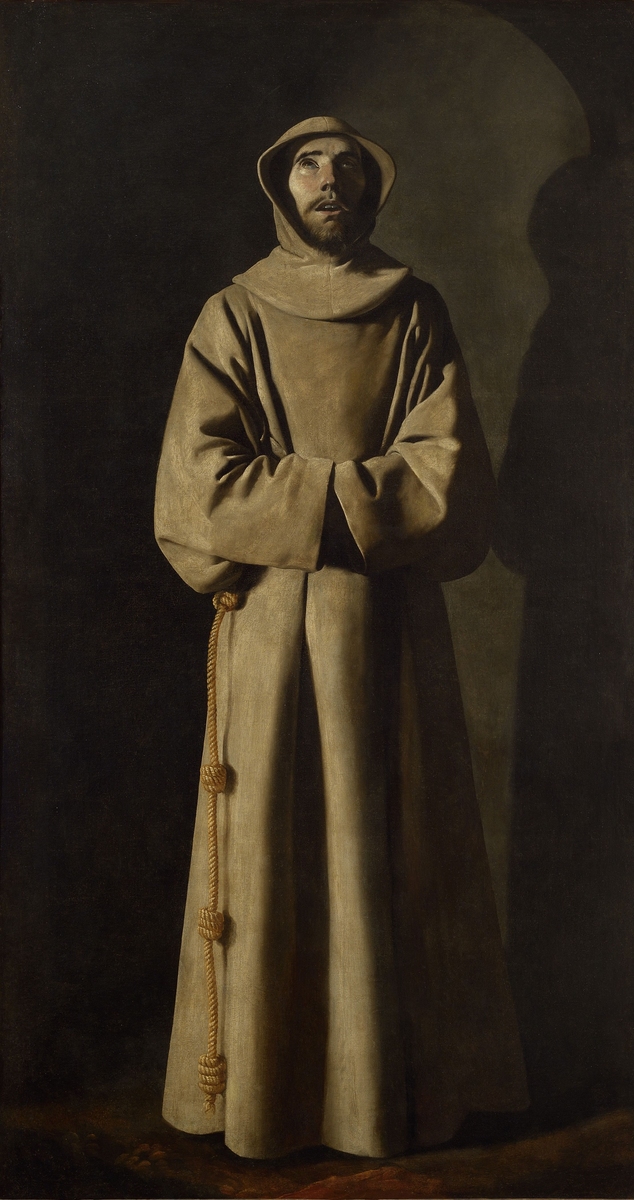 Der heilige Franziskus von AssisiFrancisco de Zurbarán, 1659