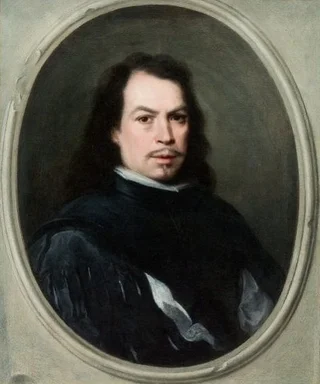
Bartolomé Esteban Murillo
1617–1682 · España · Pintura barroca
La historia
Bartolomé Esteban Murillo creció deprisa en Sevilla. Sus dos padres murieron con pocos meses de diferencia entre 1627 y 1628, dejándolo huérfano a los diez años, y a los doce ya estaba de aprendiz con el pintor local Juan del Castillo. Aquella temprana cercanía con la pobreza lo marcó: junto a las imágenes piadosas que le dieron fama, pintó una larga serie de niños de la calle, entre ellos El joven mendigo del Louvre, mostrando vendedoras de flores, pilluelos y muchachos comiendo melón y uvas con una calidez poco frecuente en una época que en general los ignoraba.
Su reputación mayor, sin embargo, se asentó en la Virgen con el Niño y, sobre todo, en la Inmaculada Concepción, tema al que volvió decenas de veces a lo largo de cuatro décadas y que resolvió con una técnica suave y luminosa que las iglesias y cofradías de Sevilla no dejaron de encargarle. En 1660 cofundó la Academia de Bellas Artes de la ciudad, compartiendo su dirección con el arquitecto Francisco Herrera el Mozo, dotando a los pintores sevillanos de una escuela formal independiente del antiguo sistema gremial.
Murillo siguió trabajando hasta bien entrada la sesentena sin bajar el ritmo. En 1682, mientras pintaba subido a un andamio un fresco para la iglesia de los Capuchinos en Cádiz, cayó y sufrió graves heridas; murió de vuelta en Sevilla unos meses después, el 3 de abril de 1682.
Más artículos
Obras
115 obras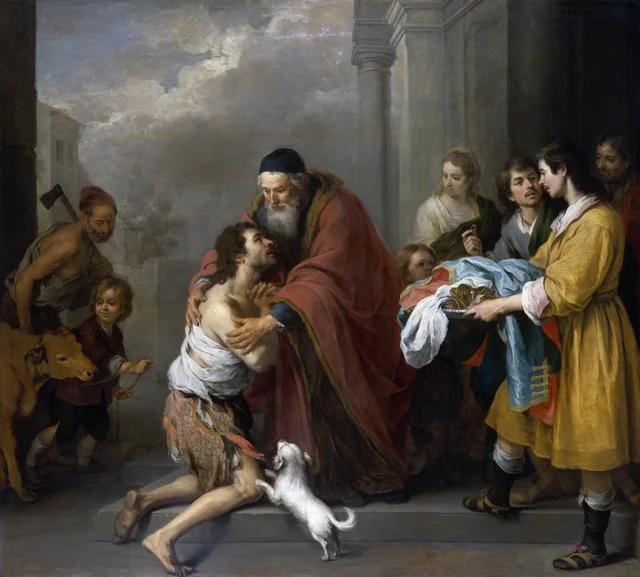 El regreso del hijo pródigoBartolomé Esteban Murillo, 1668
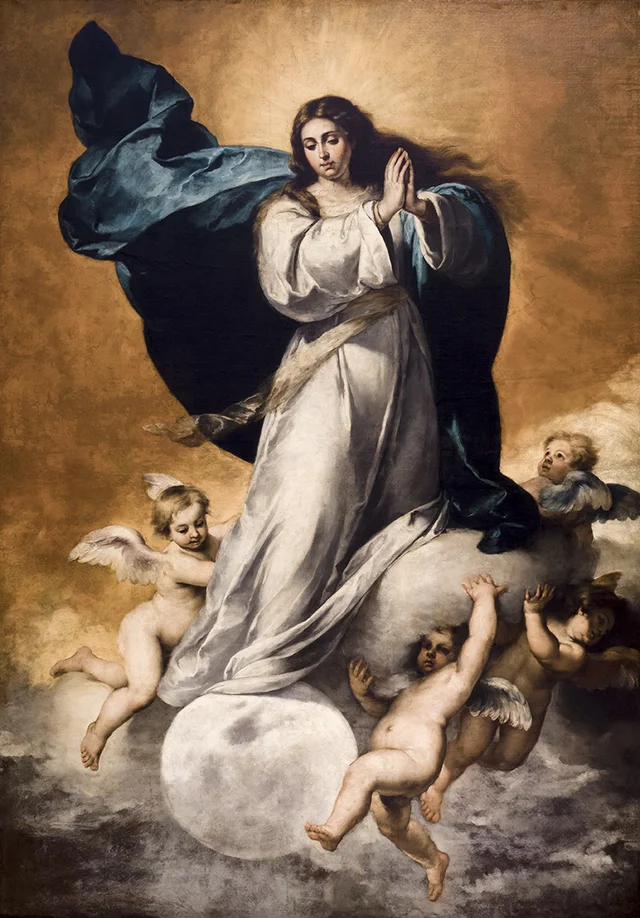 Inmaculada ConcepciónBartolomé Esteban Murillo, 1652
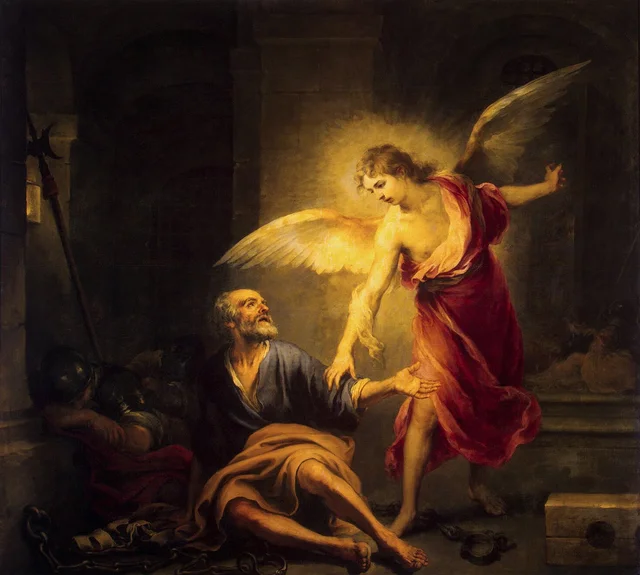 La liberación de San PedroBartolomé Esteban Murillo, 1665
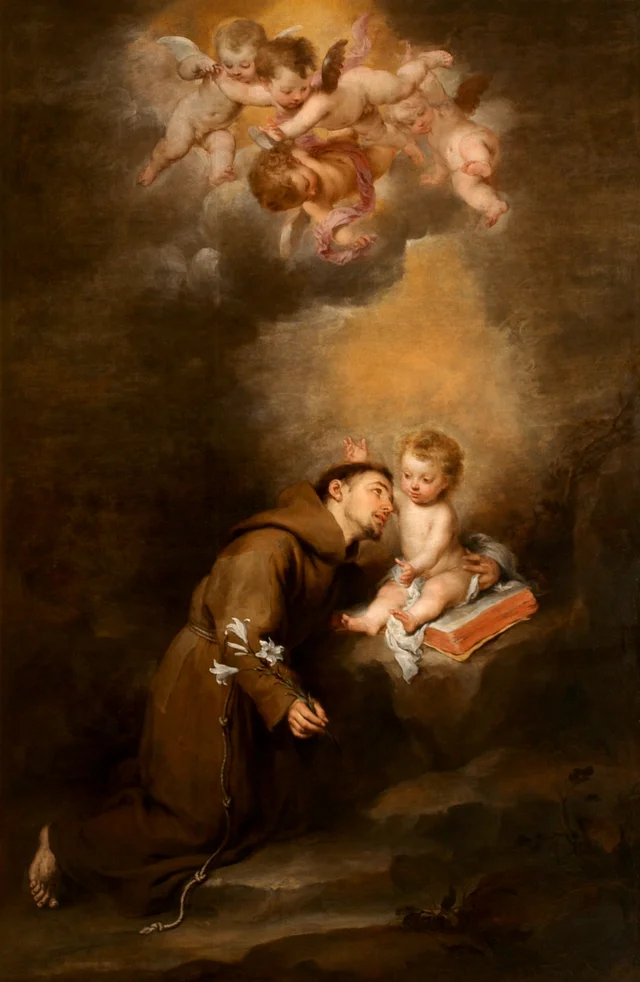 San Antonio de Padua con el NiñoBartolomé Esteban Murillo, 1668
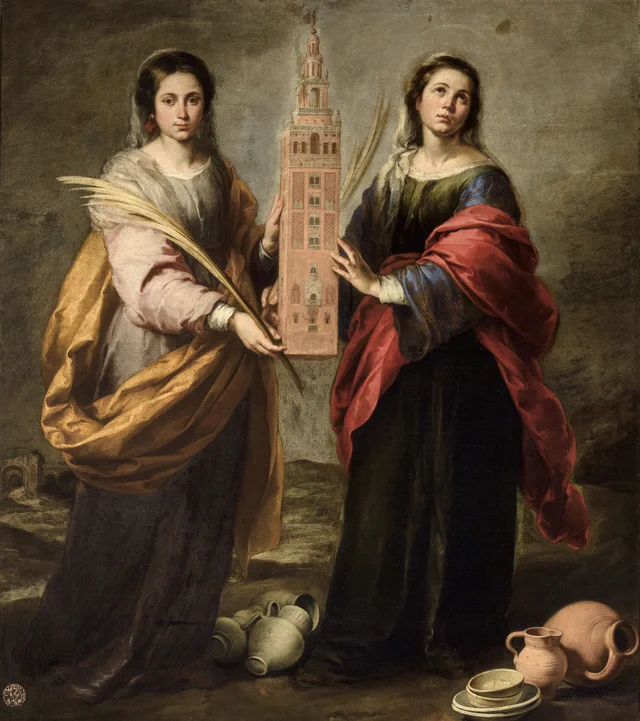 Santas Justa y RufinaBartolomé Esteban Murillo, 1666
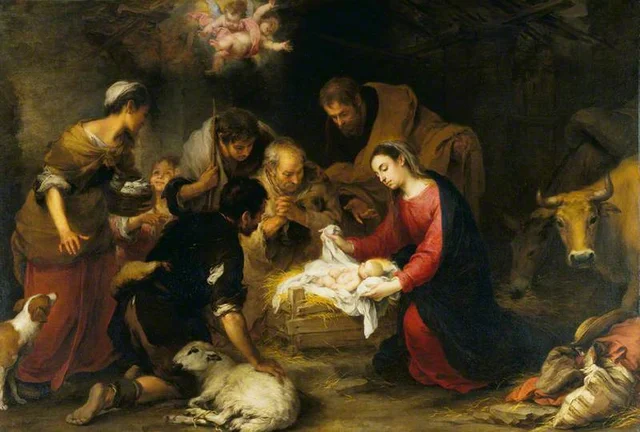 La adoración de los pastoresBartolomé Esteban Murillo, 1665
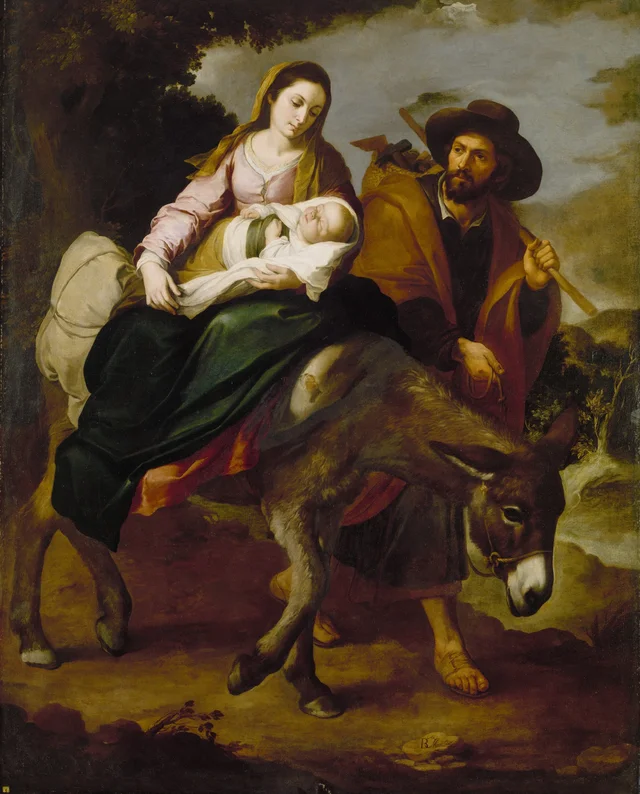 La huida a EgiptoBartolomé Esteban Murillo, 1647
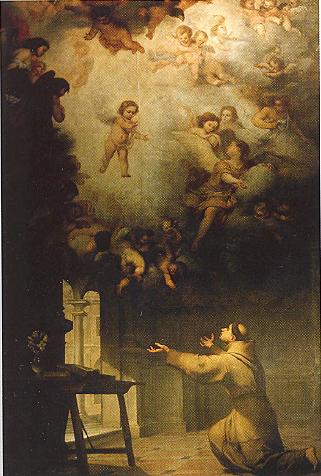 La visión de san Antonio de PaduaBartolomé Esteban Murillo, 1656
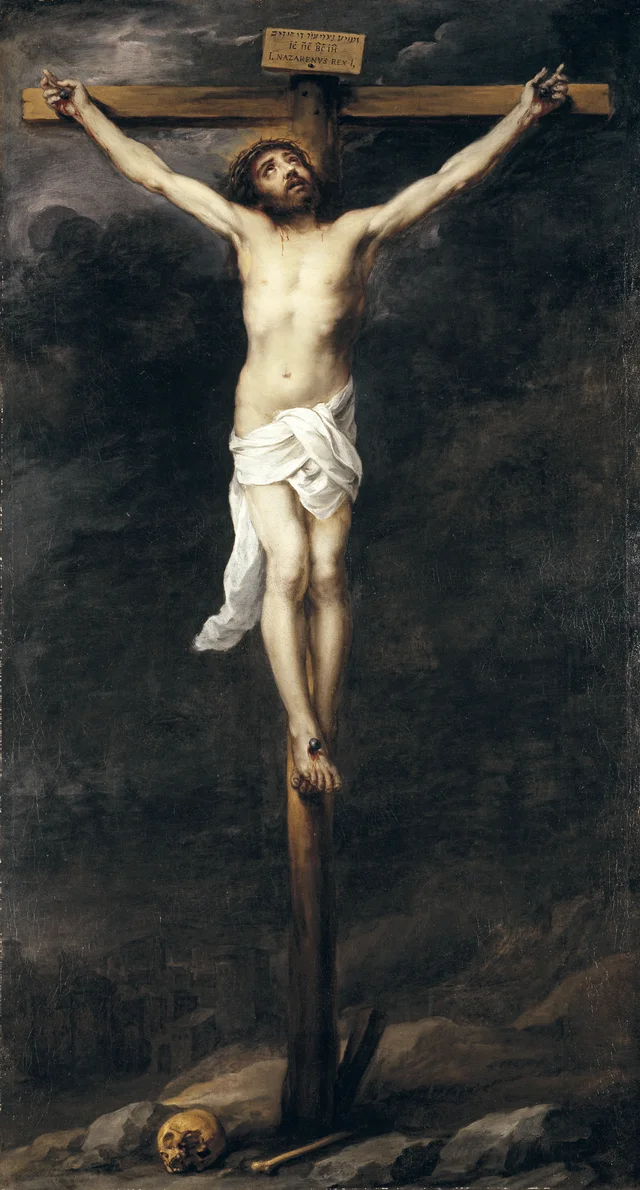 Cristo en la cruzBartolomé Esteban Murillo, 1650
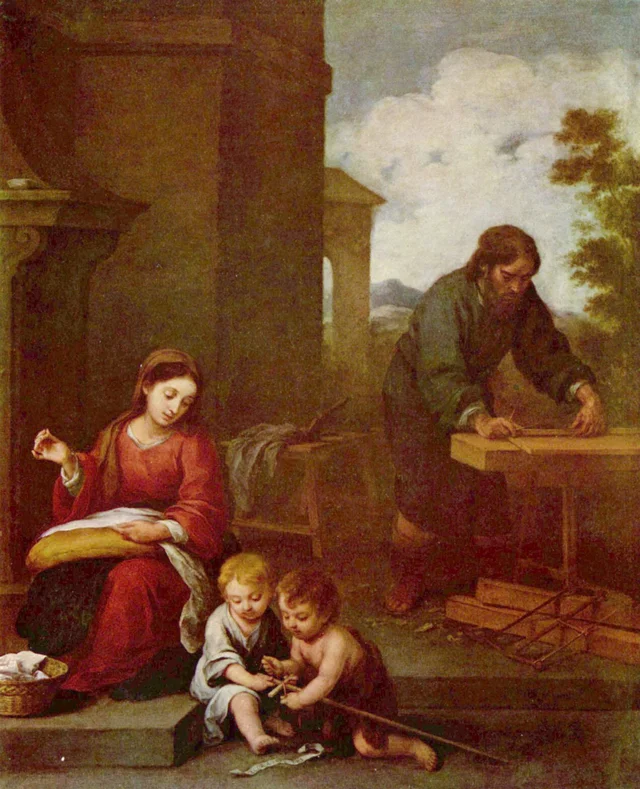 Sagrada Familia con San Juan BautistaBartolomé Esteban Murillo, 1670
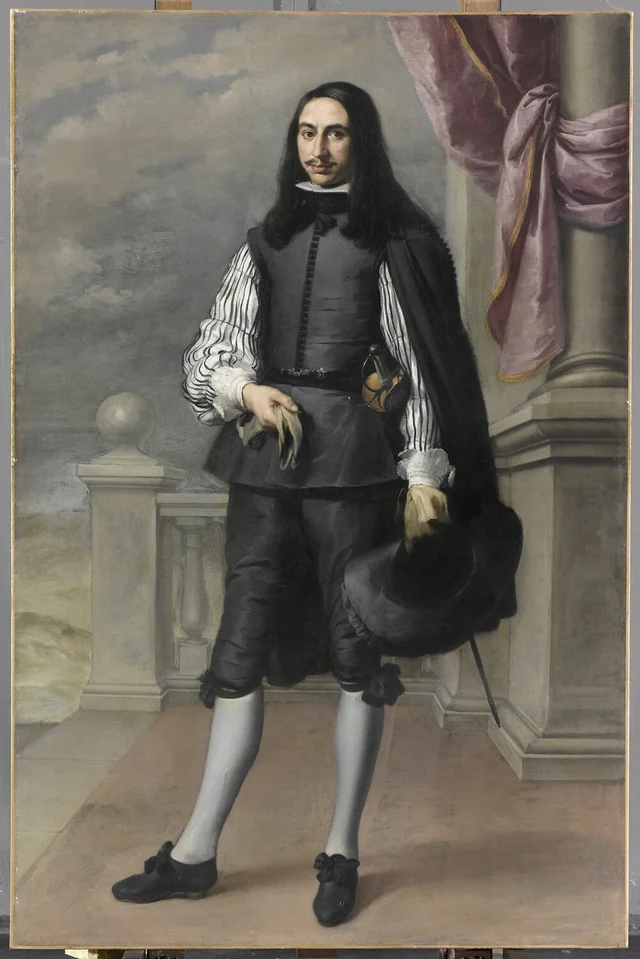 Retrato de Íñigo Fernández de VelascoBartolomé Esteban Murillo, 1659
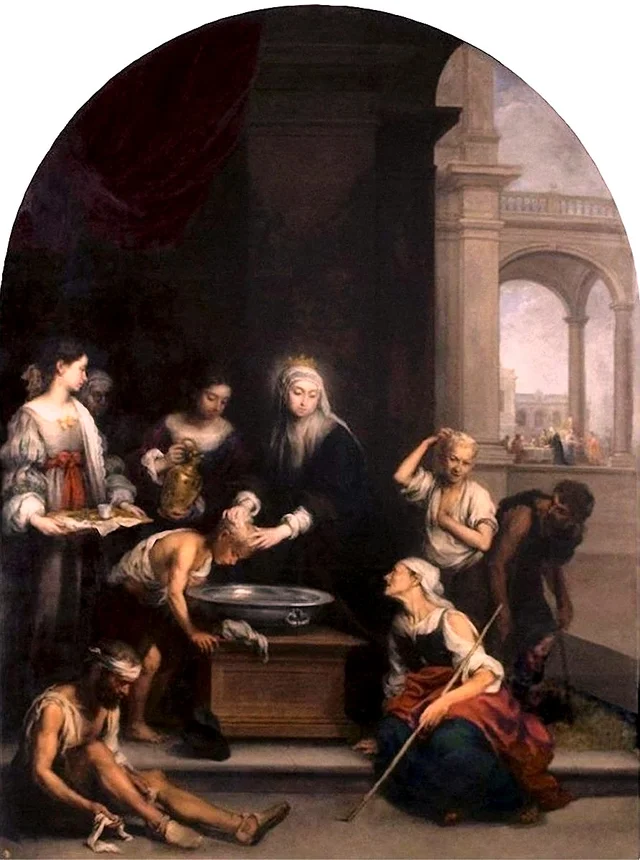 Santa Isabel de Hungría curando a los pobresBartolomé Esteban Murillo, 1672
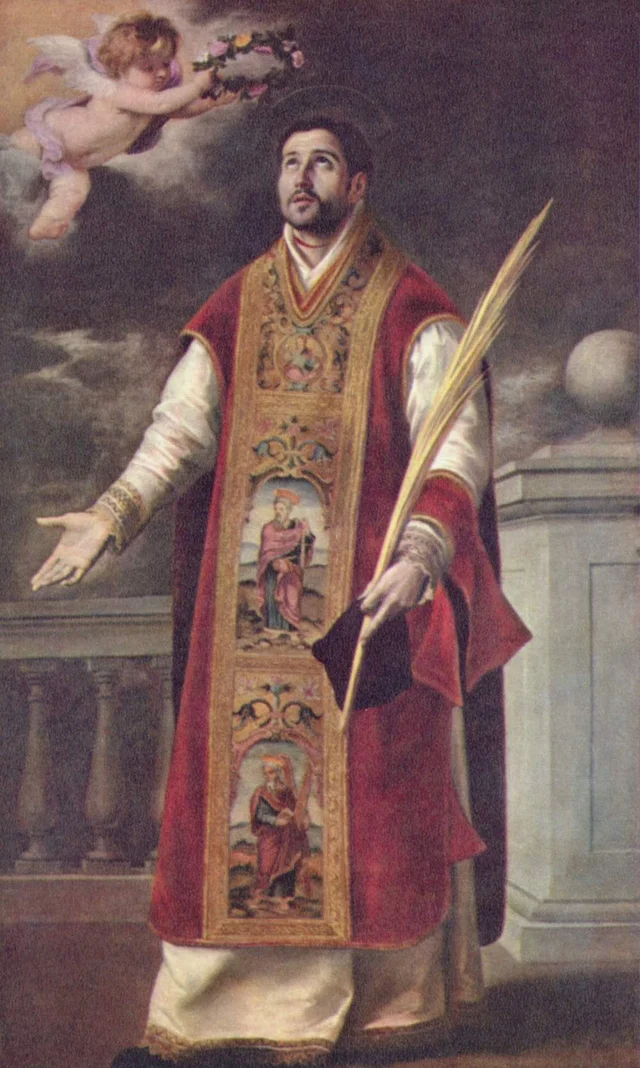 San RodrigoBartolomé Esteban Murillo, 1646
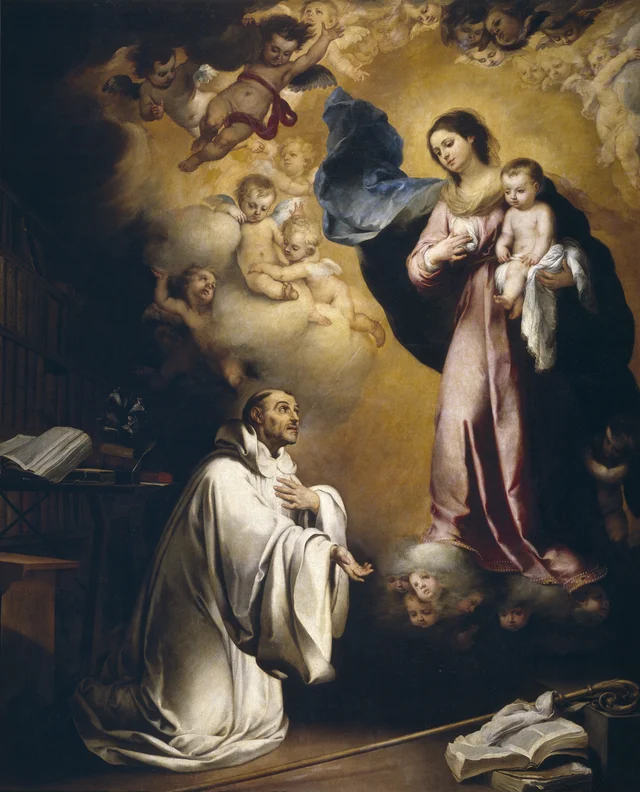 La aparición de la Virgen a san BernardoBartolomé Esteban Murillo, 1655
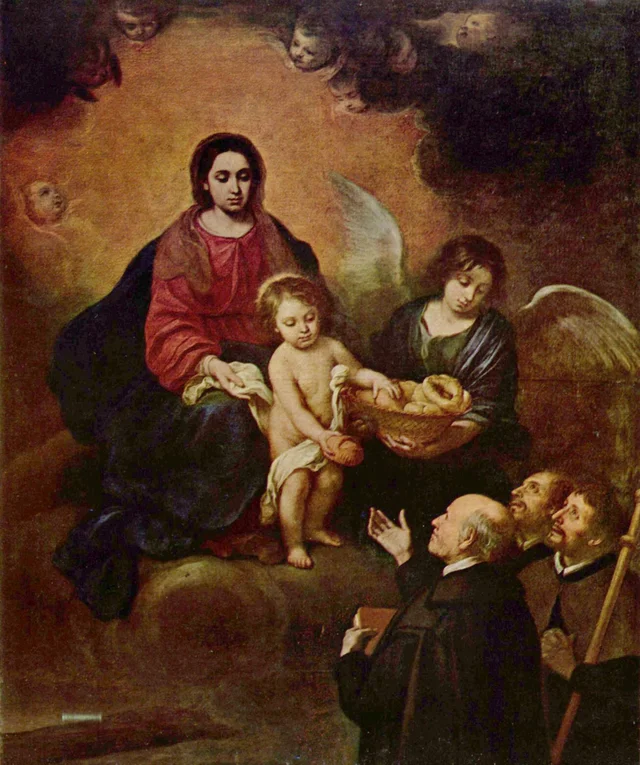 El Niño Jesús repartiendo pan a los peregrinosBartolomé Esteban Murillo, 1678
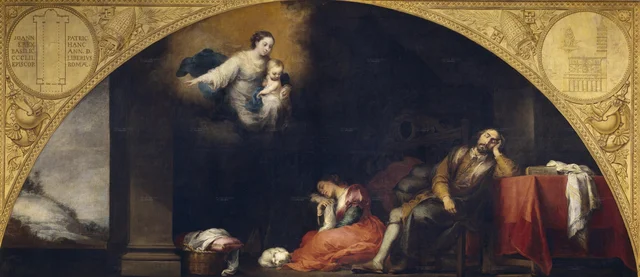 El sueño del patricioBartolomé Esteban Murillo, 1665
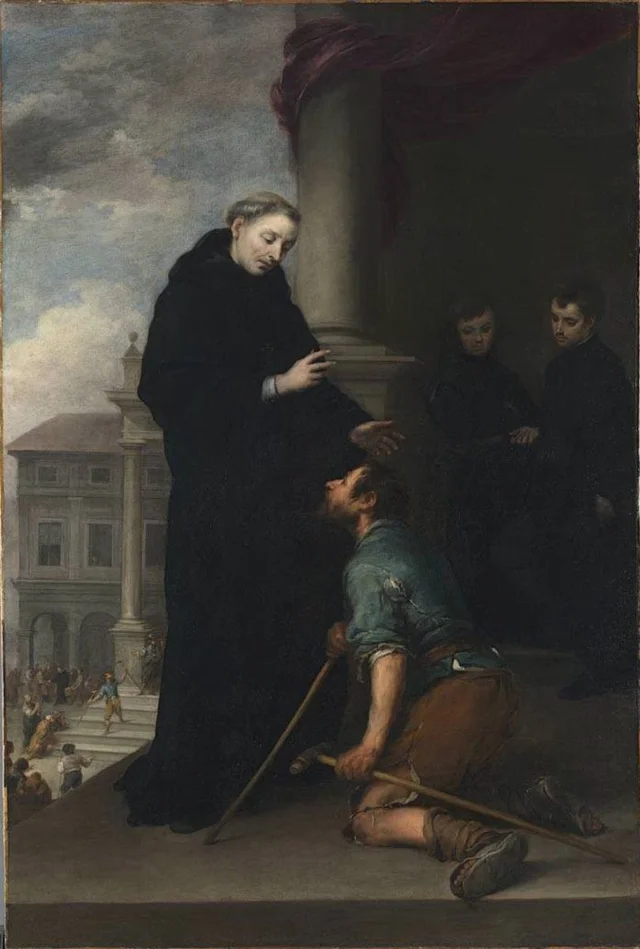 Santo Tomás de Villanueva cura a los enfermosBartolomé Esteban Murillo, 1675
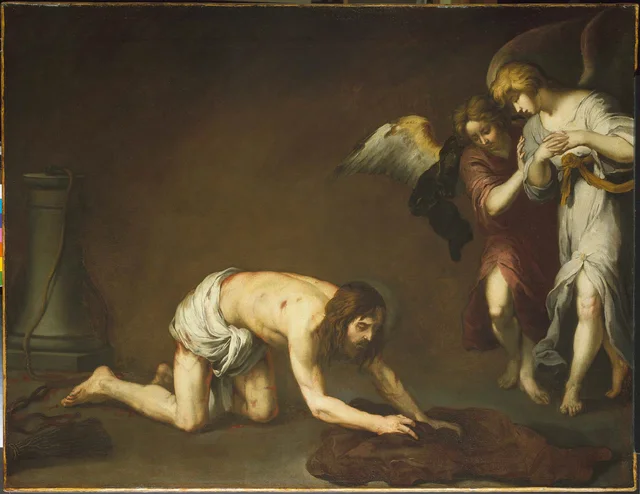 Cristo después de la flagelaciónBartolomé Esteban Murillo, 1660
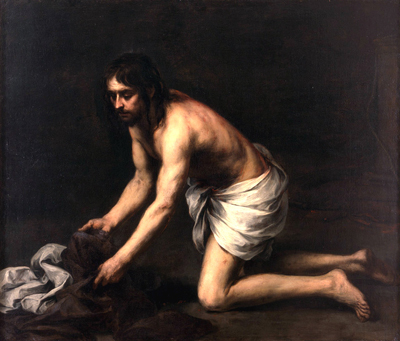 Cristo después de la flagelaciónBartolomé Esteban Murillo, 1670
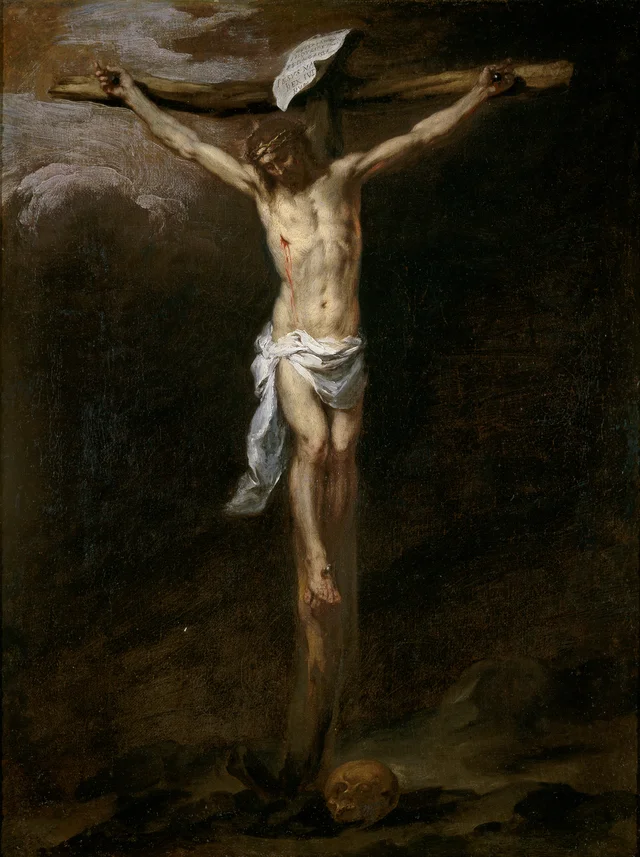 Cristo crucificadoBartolomé Esteban Murillo, 1677
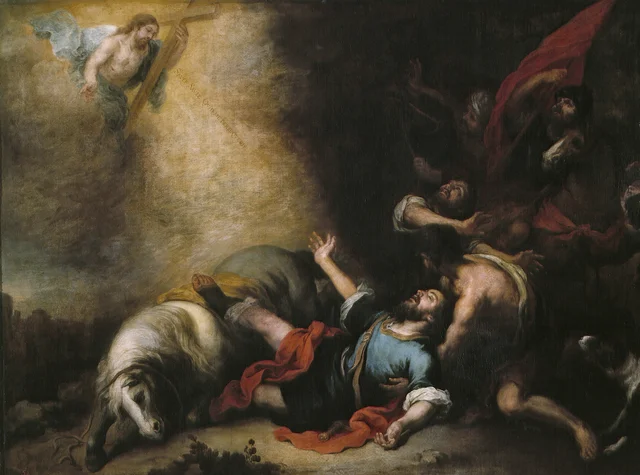 La conversión de San PabloBartolomé Esteban Murillo, 1678
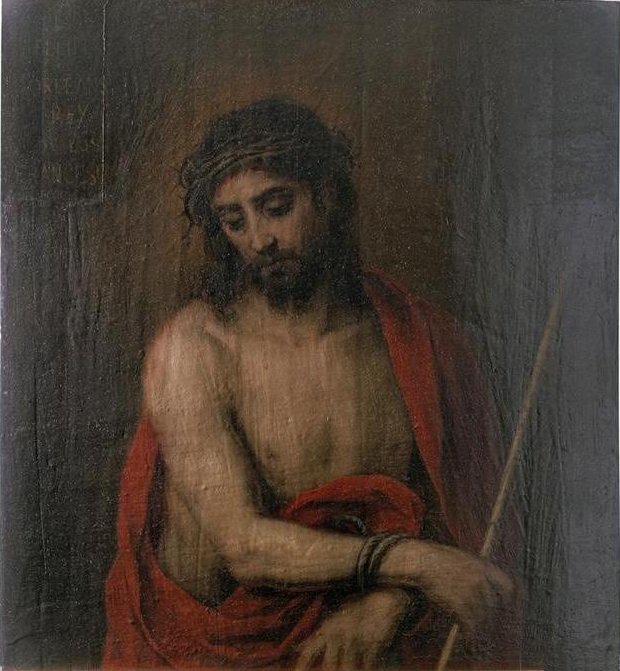 Ecce HomoBartolomé Esteban Murillo, 1650
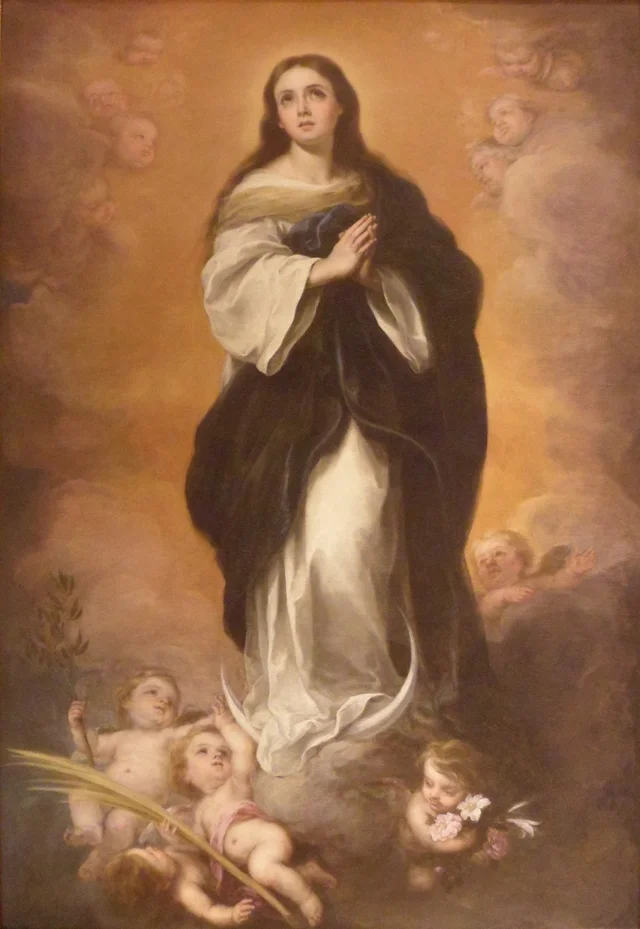 La Inmaculada ConcepciónBartolomé Esteban Murillo, 1670
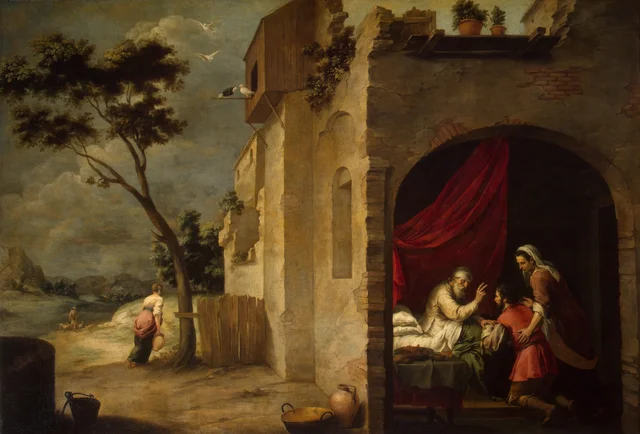 Isaac bendiciendo a JacobBartolomé Esteban Murillo, 1667
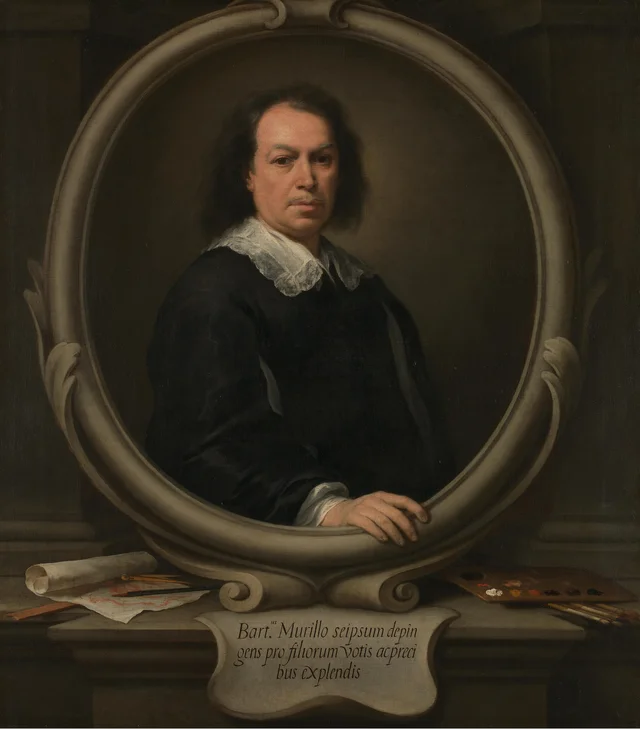 AutorretratoBartolomé Esteban Murillo, 1670