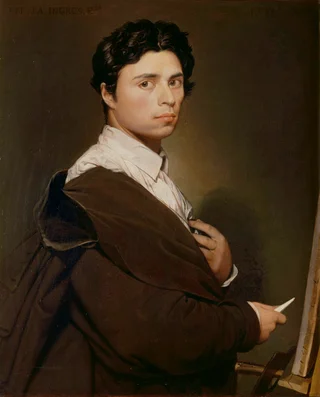
Jean-Auguste-Dominique Ingres
1780–1867 · France · Néoclassicisme
L'histoire
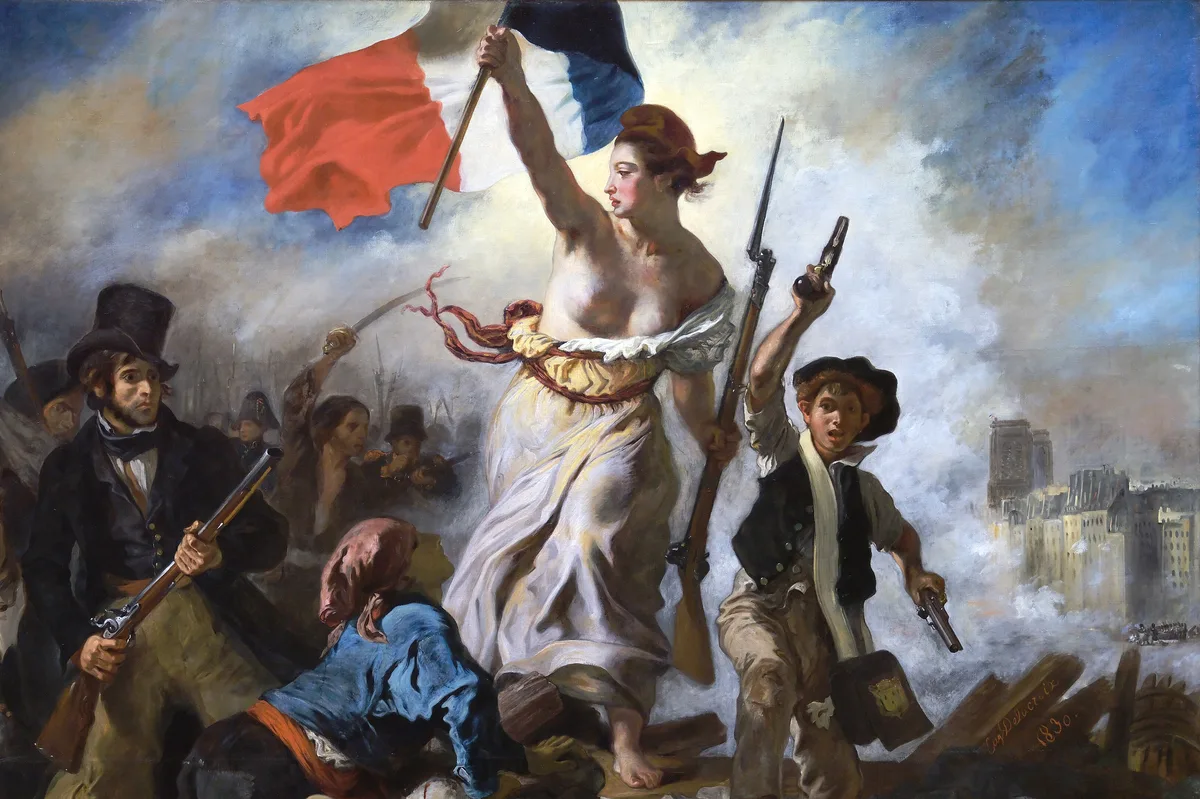
Ingres se voyait comme le dernier homme honnête de la peinture française, le gardien du dessin, du contour net et de l'exemple de Raphaël, face à une jeune génération qu'il jugeait coupable de barbouiller de couleur en appelant cela de l'art. Cette génération avait un chef, Eugène Delacroix, et pendant des décennies le monde artistique parisien se scinda en deux camps : le parti de la ligne derrière Ingres, le parti de la couleur derrière Delacroix. Ingres appelait son rival l'apôtre de la laideur, et à l'Exposition universelle de 1855 à Paris, les organisateurs auraient dû accrocher les deux hommes dans des salles séparées.
Il avait gagné le droit d'être dogmatique. Formé dans l'atelier de Jacques-Louis David, le grand peintre de la Révolution et de Napoléon, Ingres dessinait avec une précision que presque personne ne pouvait égaler. Et pourtant son tableau le plus célèbre transgresse toutes les règles qu'il prêchait. La Grande Odalisque de 1814, une femme de harem allongée peinte pour la sœur de Napoléon, a un dos allongé de deux ou trois vertèbres de trop et un bassin qui ne pourrait physiquement exister. Les critiques crièrent qu'il avait oublié son anatomie ; il l'avait fait exprès, allongeant le corps pour cette ligne longue, froide et ininterrompue qu'il aimait plus que l'exactitude.
On se souvient aussi d'un détail plus modeste. Dès l'enfance, Ingres jouait du violon, assez bien à l'adolescence pour tenir sa place dans l'orchestre de l'Opéra de Toulouse, et il garda un violon près de son chevalet toute sa vie. Cette habitude a donné à la langue française l'expression « un violon d'Ingres », pour désigner le loisir sérieux qu'une personne cultive à côté de son vrai métier. En 1924, le photographe Man Ray reprit l'expression pour une image bien à lui, peignant les deux ouïes recourbées d'un violon sur le dos nu d'un modèle.
Autres articles
Œuvres
120 œuvres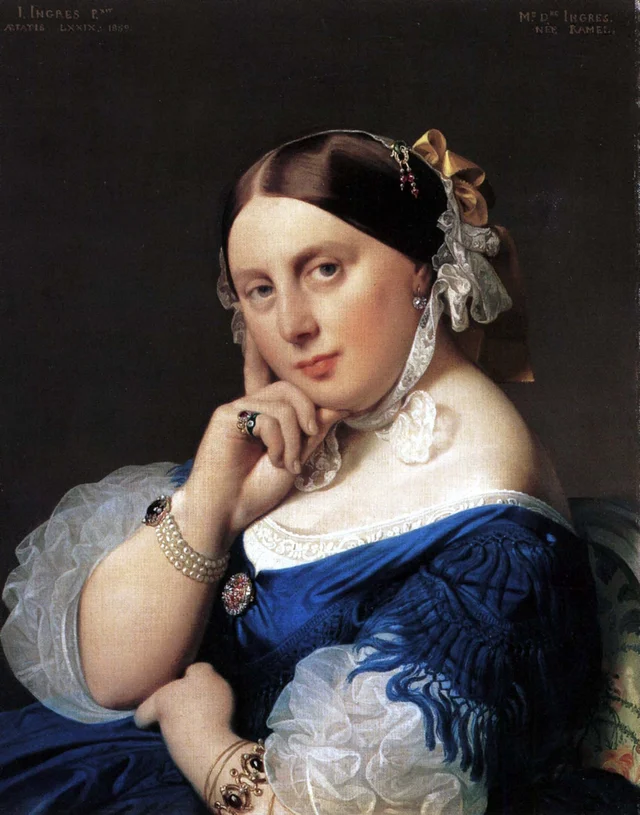 Portrait de Delphine RamelJean-Auguste-Dominique Ingres, 1859
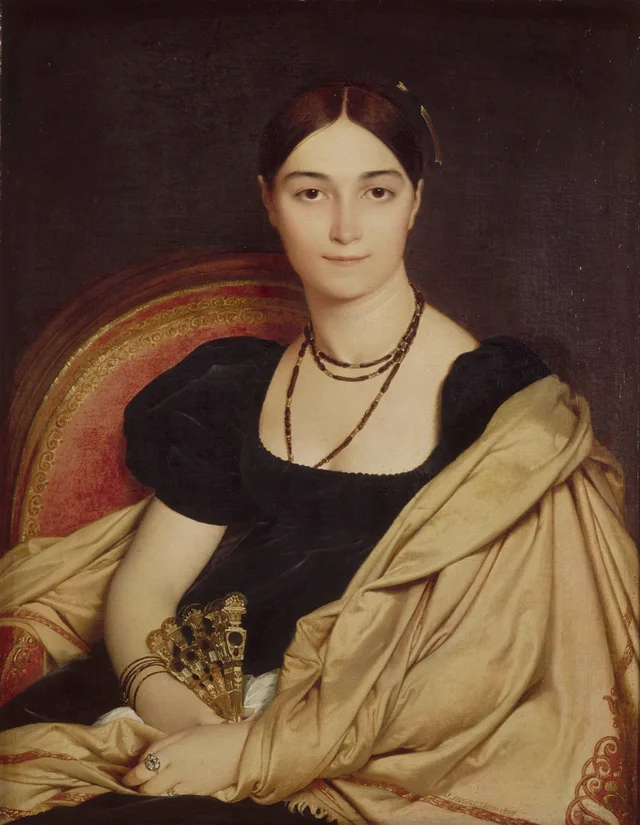 Portrait de Madame DevauçayJean-Auguste-Dominique Ingres, 1807
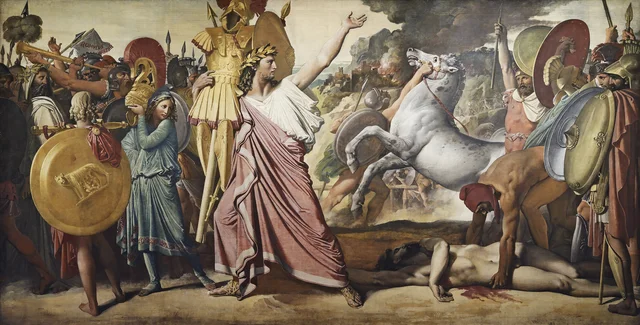 RomulusJean-Auguste-Dominique Ingres, 1812
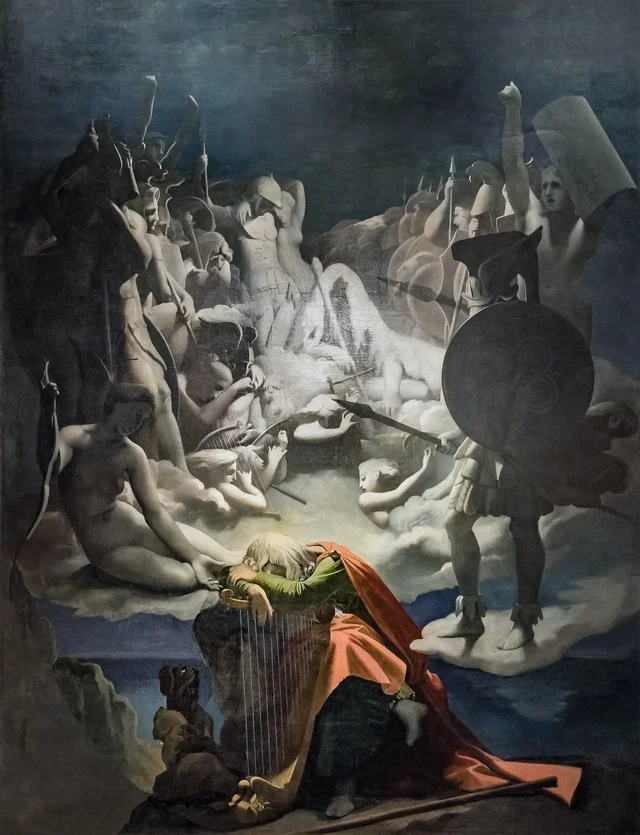 Le Songe d'OssianJean-Auguste-Dominique Ingres, 1813
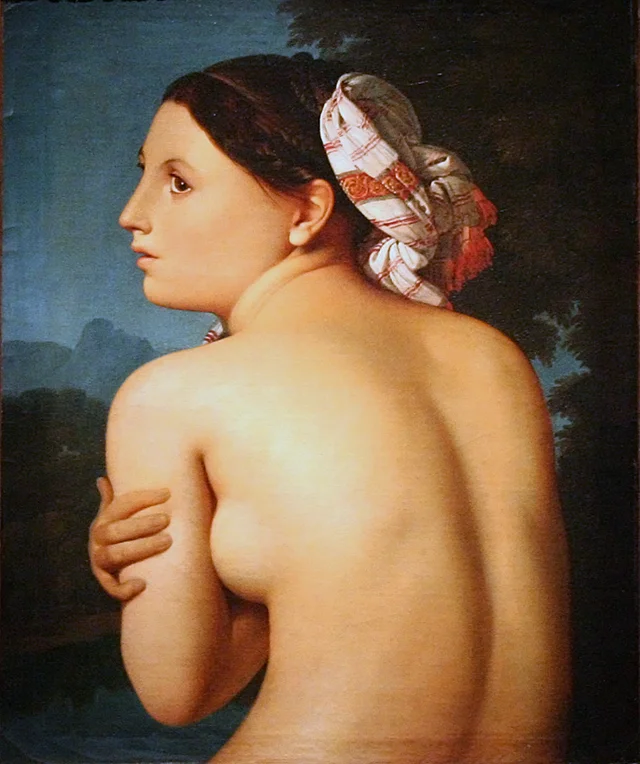 La Baigneuse, dite à mi-corpsJean-Auguste-Dominique Ingres, 1807
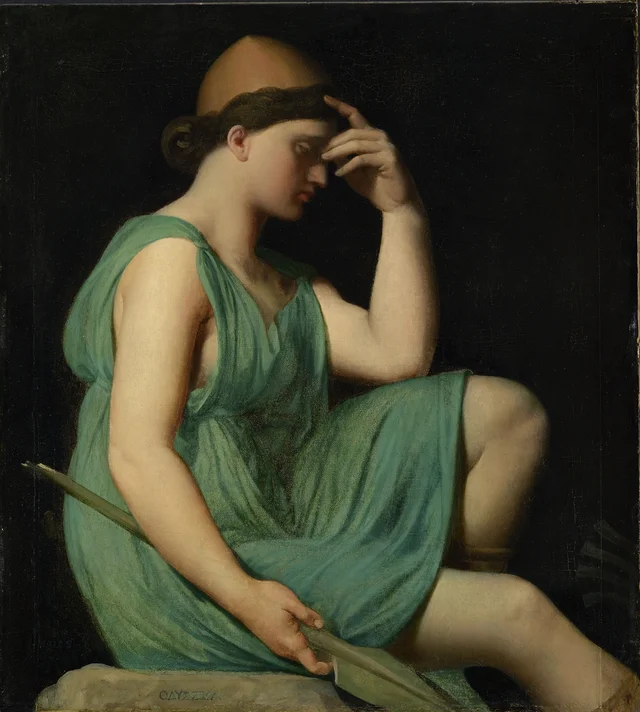 L'OdysséeJean-Auguste-Dominique Ingres, 1850
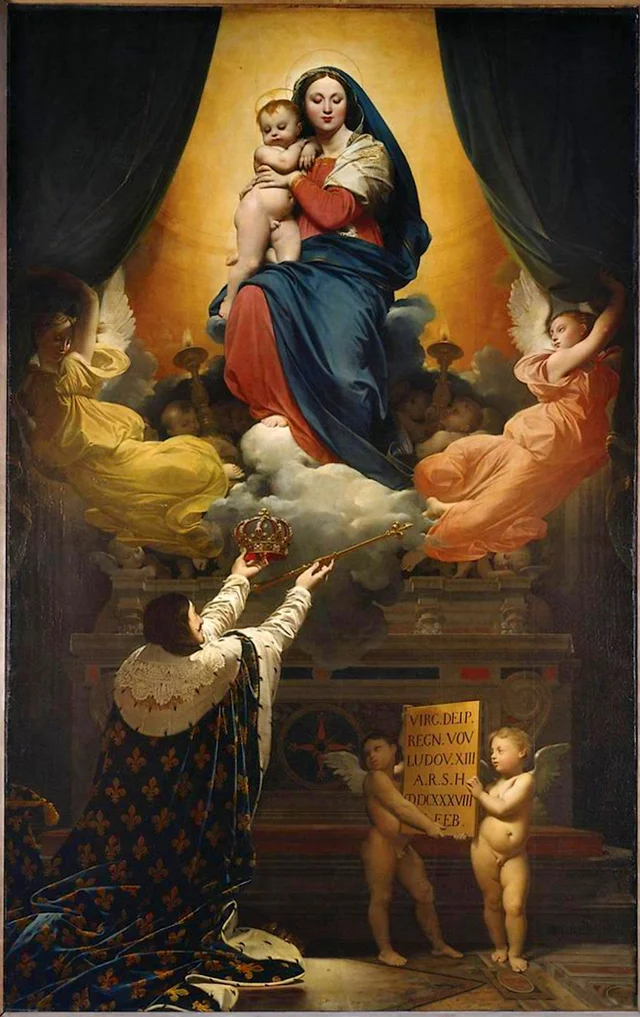 Le Vœu de Louis XIIIJean-Auguste-Dominique Ingres, 1824
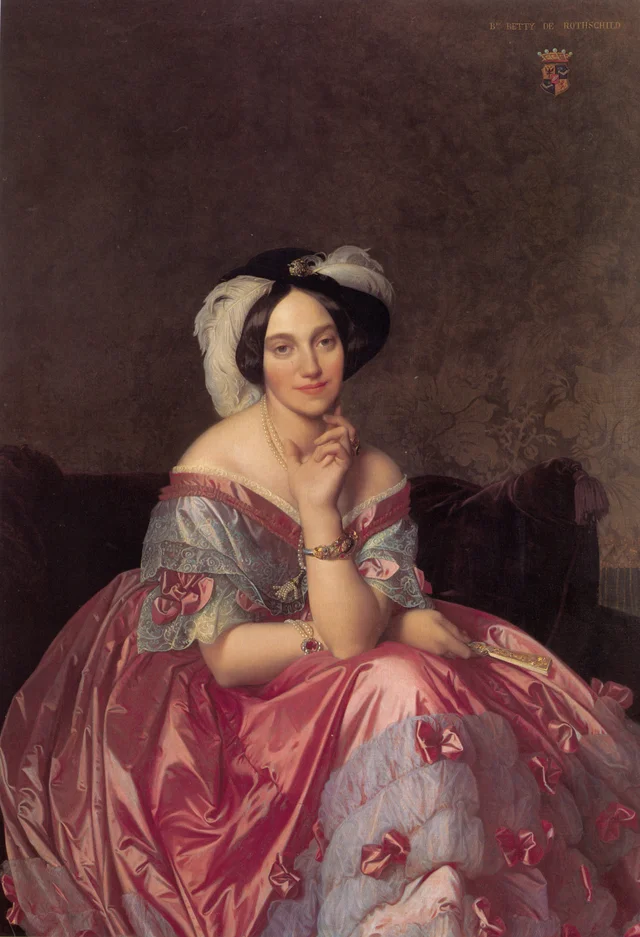 La Baronne de RothschildJean-Auguste-Dominique Ingres, 1848
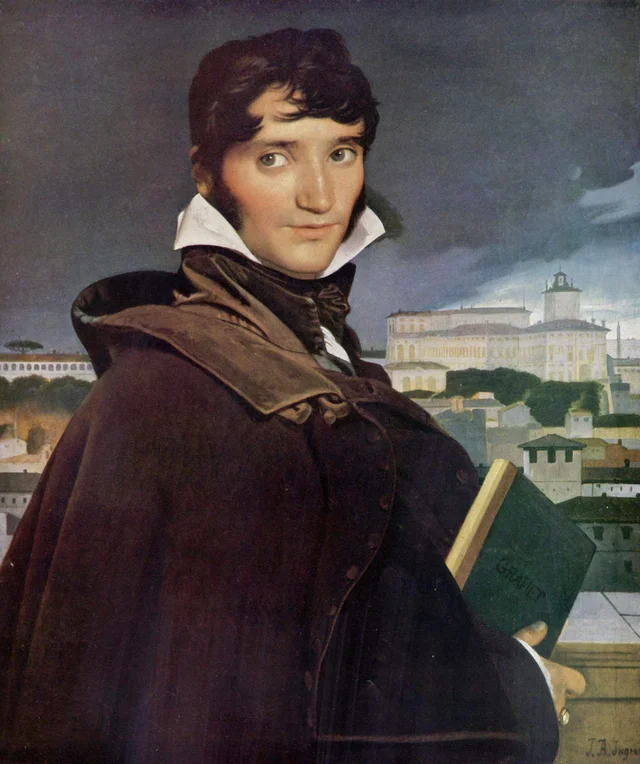 François-Marius GranetJean-Auguste-Dominique Ingres, 1807
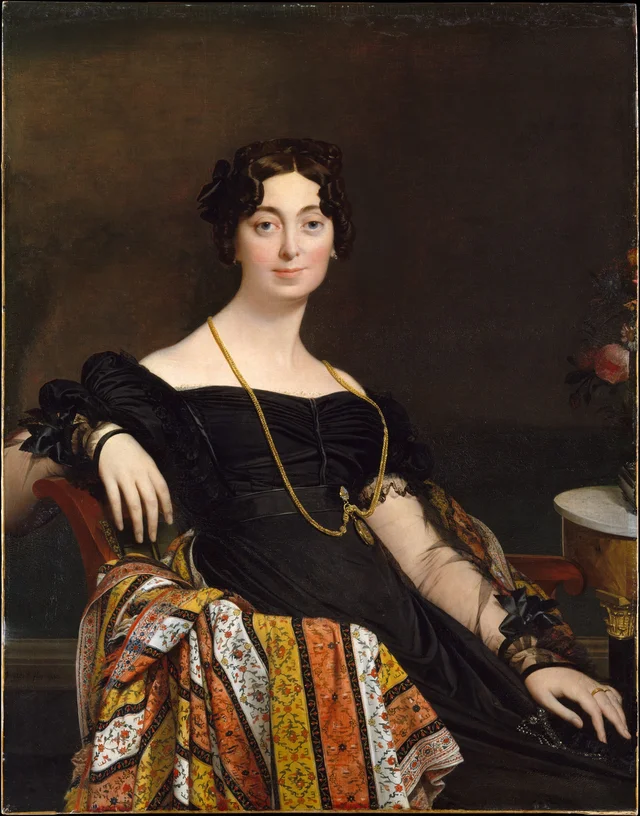 Madame Jacques-Louis Leblanc (Françoise Poncelle, 1788–1839)Jean-Auguste-Dominique Ingres, 1823
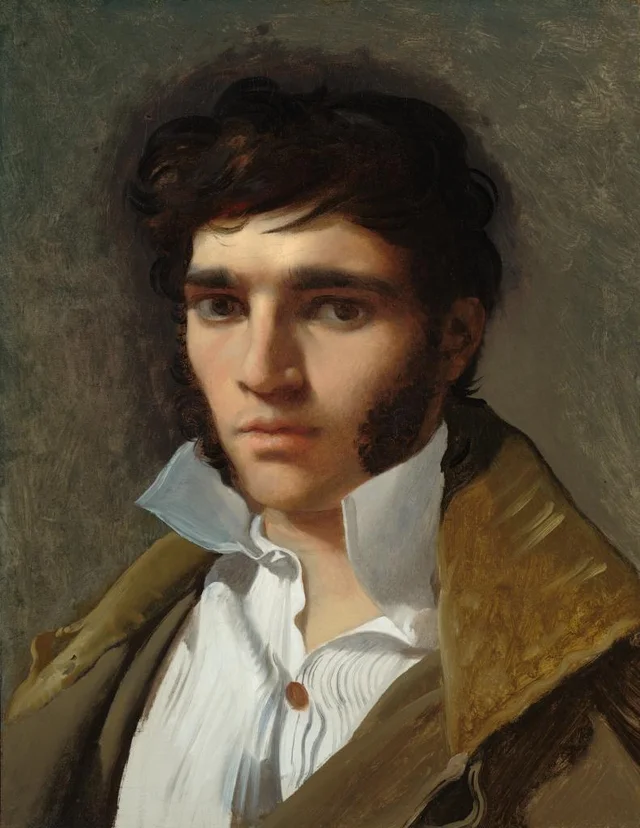 Portrait de Paul LemoyneJean-Auguste-Dominique Ingres, 1810
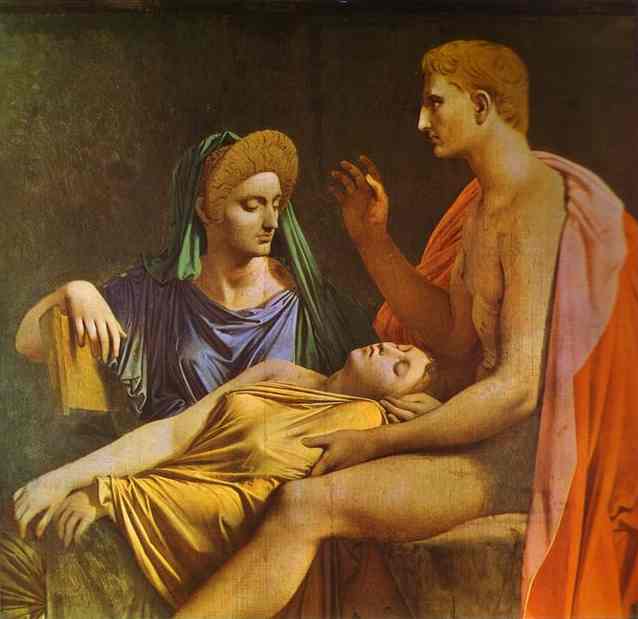 Auguste écoutant la lecture de l'ÉnéideJean-Auguste-Dominique Ingres, 1812
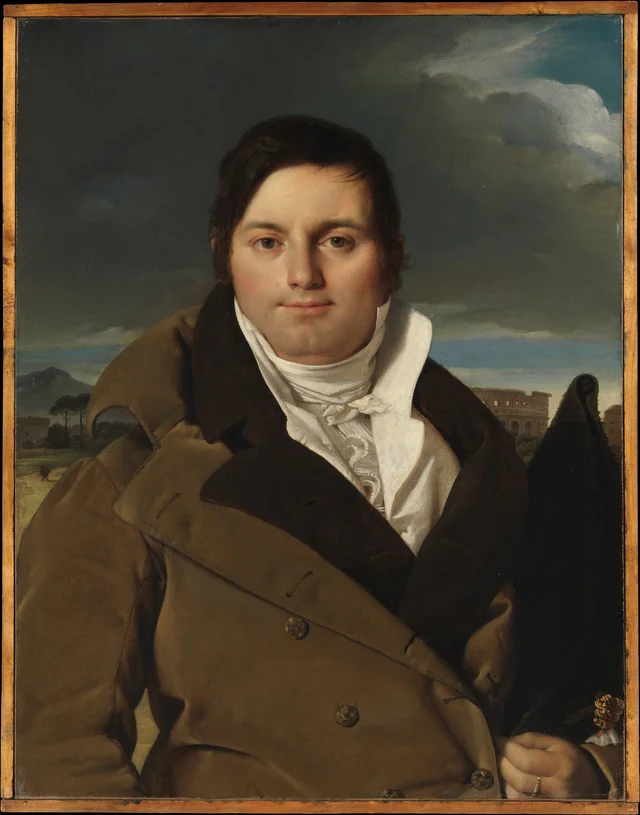 Joseph-Antoine MoltedoJean-Auguste-Dominique Ingres, 1810
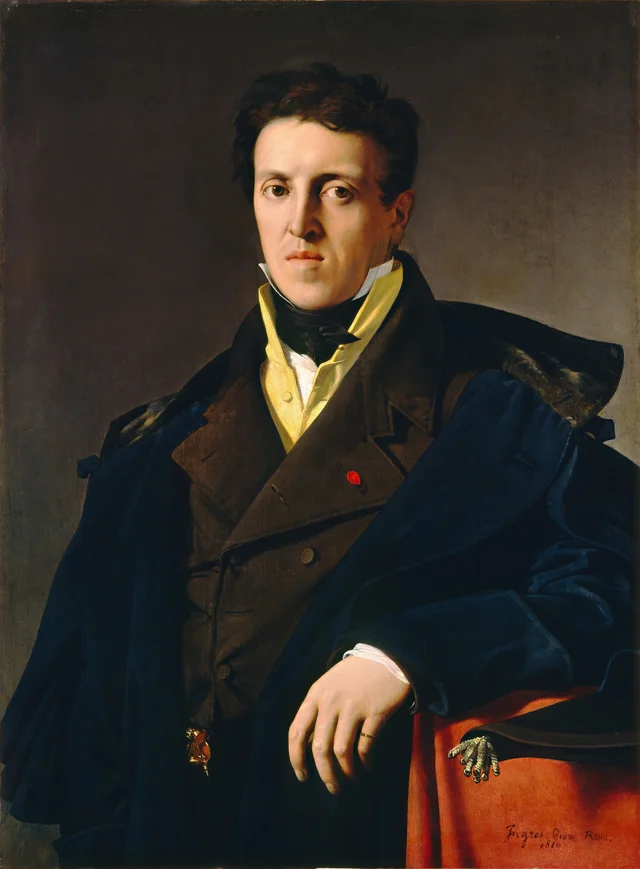 Marcotte d’ArgenteuilJean-Auguste-Dominique Ingres, 1810
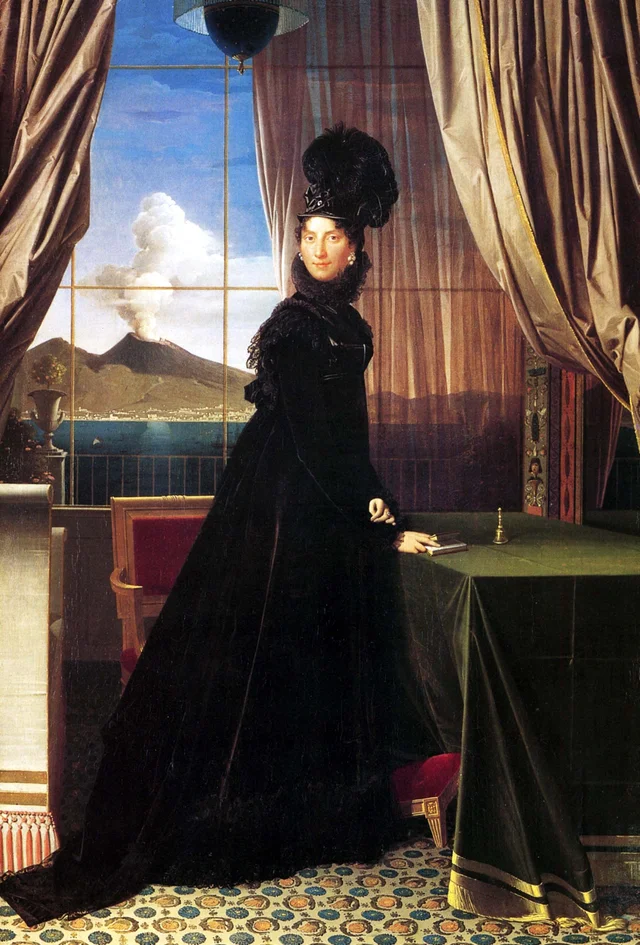 Portrait de Caroline Murat, reine de NaplesJean-Auguste-Dominique Ingres, 1814
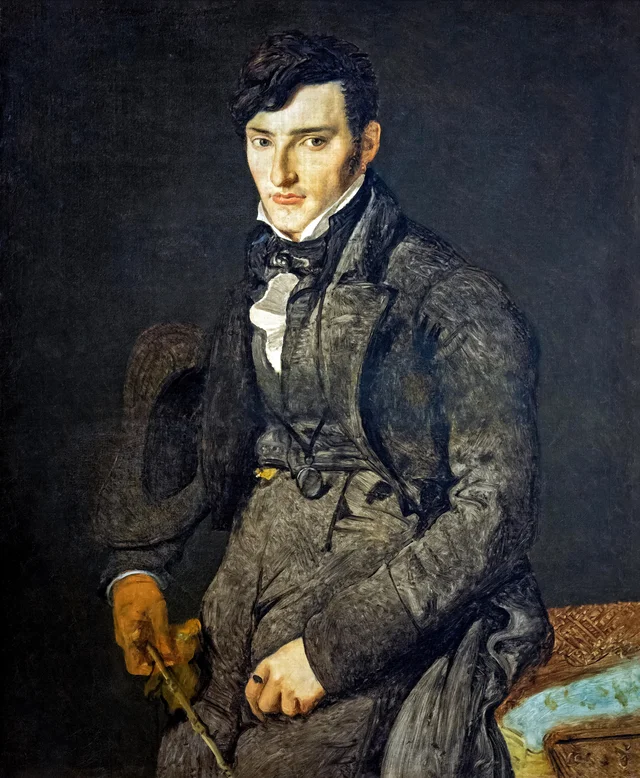 Portrait de Jean-Pierre-François GilibertJean-Auguste-Dominique Ingres, 1805
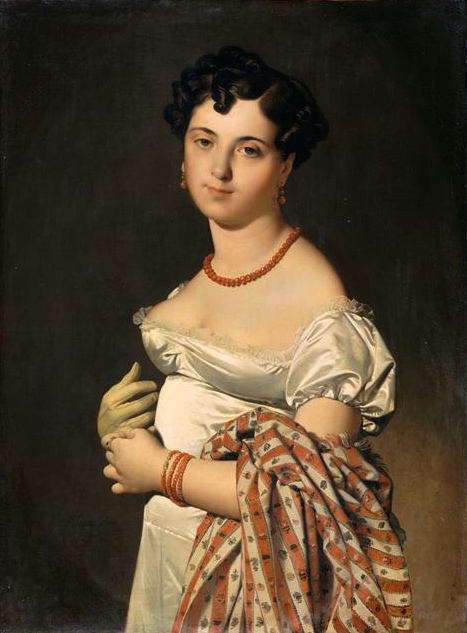 Portrait de Madame PanckouckeJean-Auguste-Dominique Ingres, 1811
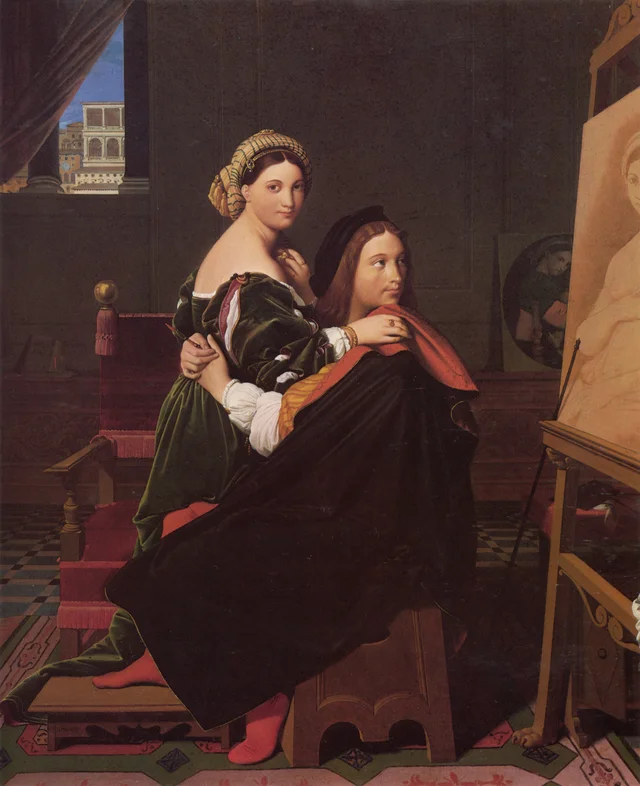 Raphaël et la FornarinaJean-Auguste-Dominique Ingres, 1814
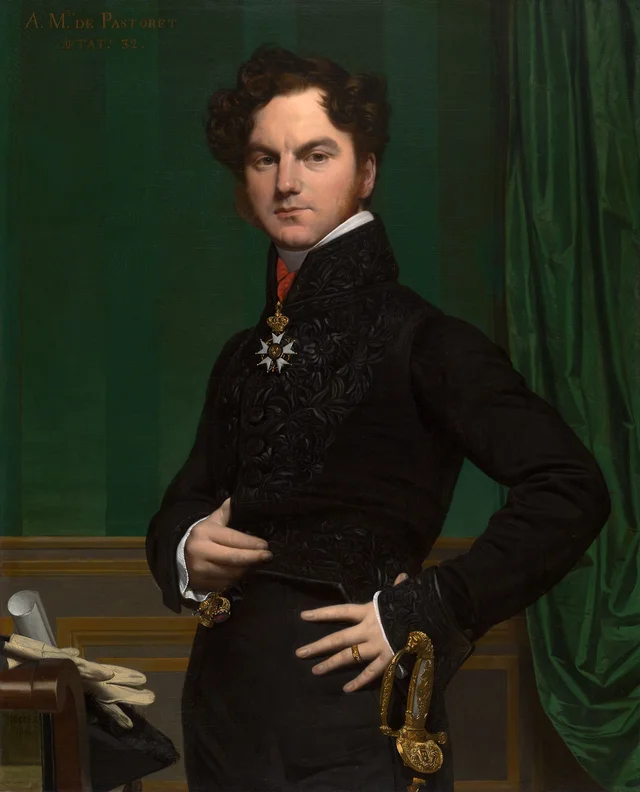 Amédée-David, comte de PastoretJean-Auguste-Dominique Ingres, 1823
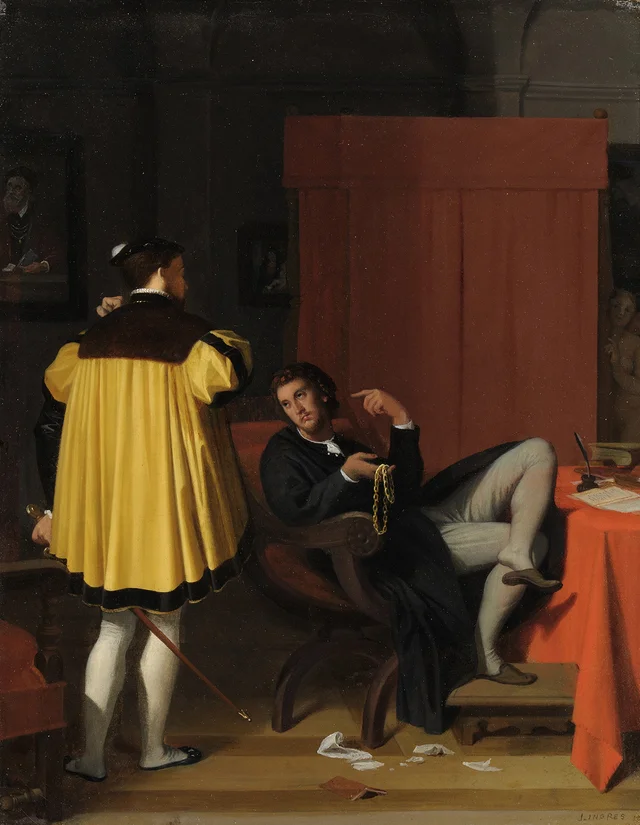 L'Arétin et l'ambassadeur de Charles QuintJean-Auguste-Dominique Ingres, 1848
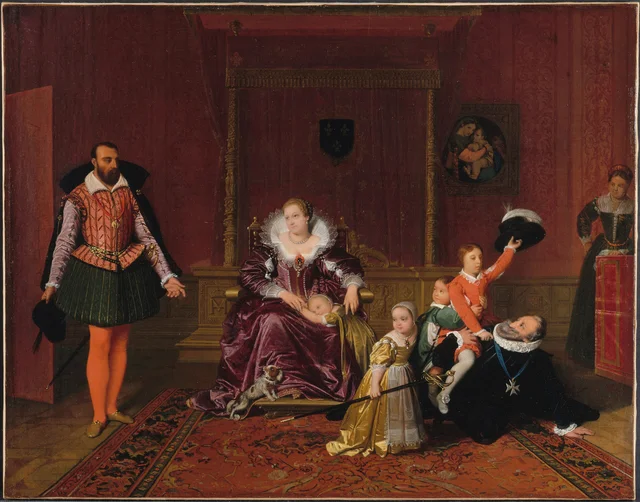 Henri IV recevant l'ambassadeur d'EspagneJean-Auguste-Dominique Ingres, 1817
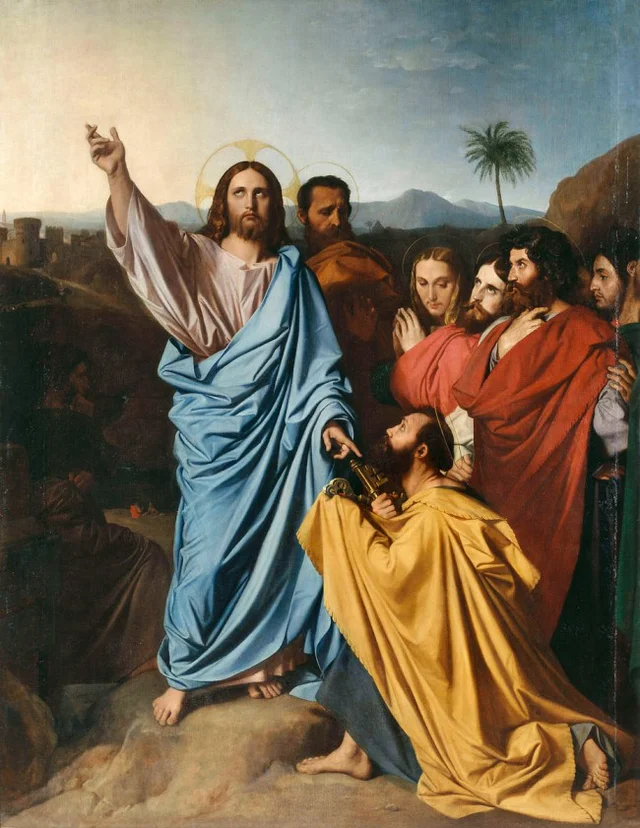 Jésus remettant les clefs à saint PierreJean-Auguste-Dominique Ingres, 1820
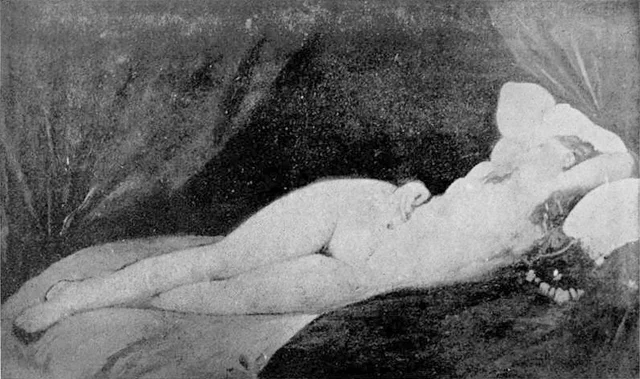 La Dormeuse de NaplesJean-Auguste-Dominique Ingres, 1809
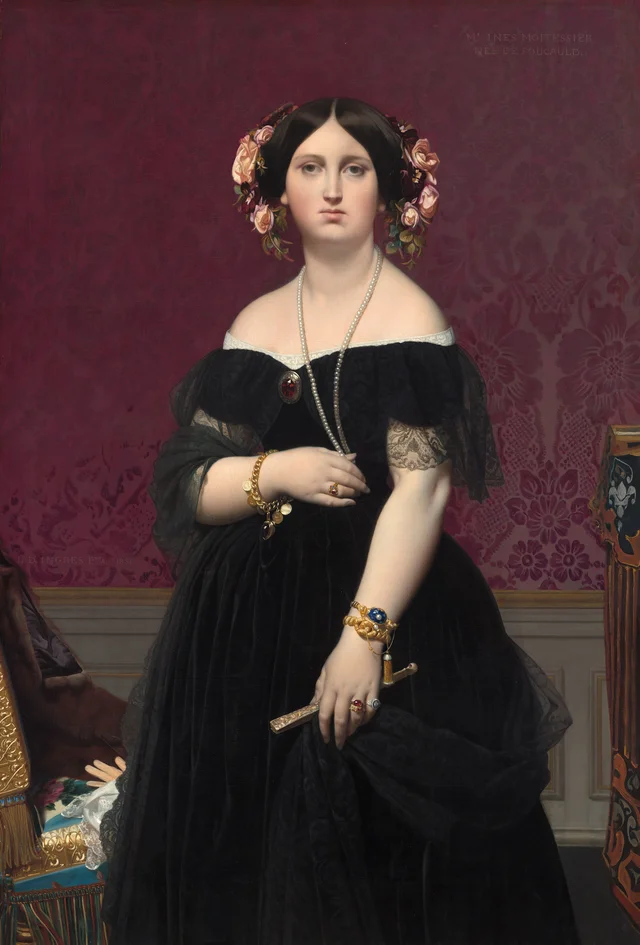 Madame MoitessierJean-Auguste-Dominique Ingres, 1851
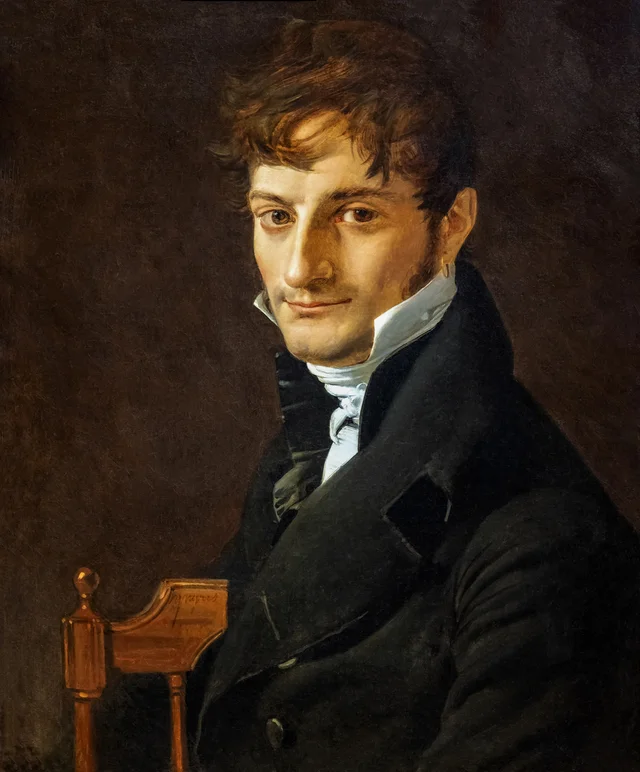 Portrait de Belvèze-FoulonJean-Auguste-Dominique Ingres, 1805