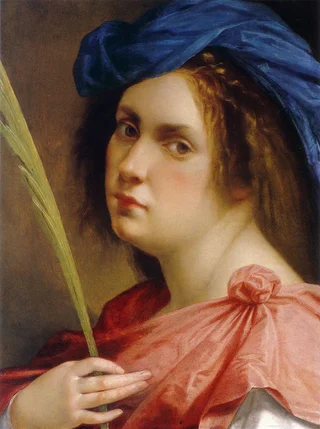
Artemisia Gentileschi
1593 · Stato Pontificio · Caravaggisti
La storia
Nel 1610, a diciassette anni, Artemisia Gentileschi aveva già dipinto Susanna e i vecchioni, una grande scena biblica firmata con il proprio nome, formata fin da bambina nella bottega romana del padre Orazio. Due anni dopo trascorse sette mesi a testimoniare in un processo per stupro. L'imputato era Agostino Tassi, un pittore che il padre aveva assunto per farle da maestro. Poiché il tribunale non si fidava della sola parola di una donna, fu costretta a deporre con dei lacci stretti intorno alle dita, un metodo consueto pensato per verificare se il dolore l'avrebbe indotta a cambiare versione. Non lo fece. Tassi fu condannato, sebbene la pena non venne mai realmente eseguita.
Nello stesso periodo dipinse la propria versione di Giuditta che decapita Oloferne, la vedova dell'Antico Testamento che salva la sua città uccidendo un generale invasore nella sua tenda. I pittori precedenti che avevano affrontato quella scena, incluso Caravaggio, amico del padre, avevano tenuto Giuditta a debita distanza dalla violenza. La Giuditta di Gentileschi e la sua ancella vi si gettano con tutto il peso del corpo, il sangue che schizza sulle lenzuola, e gli storici dell'arte hanno da tempo notato la somiglianza tra il volto del generale morente e quello di Tassi.
Costruì in seguito una carriera che poche donne della sua epoca avrebbero potuto eguagliare, lavorando per la corte medicea a Firenze, poi a Roma, Venezia, Napoli e brevemente per Carlo I a Londra, e nel 1616 divenne la prima donna ammessa all'Accademia delle Arti del Disegno di Firenze.
Altri articoli
 Articolo · 42 min di letturaGallerie degli Uffizi: il museo che è sopravvissuto ai Medici
 Articolo · 44 min di letturaCapodimonte: come venti opere arrivarono sulla collina di Napoli
 Articolo · 35 min di letturaPalazzo Pitti: dal dono dell'Aretino alla sala del trono dei Savoia
 Articolo · 39 min di letturaCome si è formata la National Gallery: da Angerstein ad Artemisia
Opere
76 opere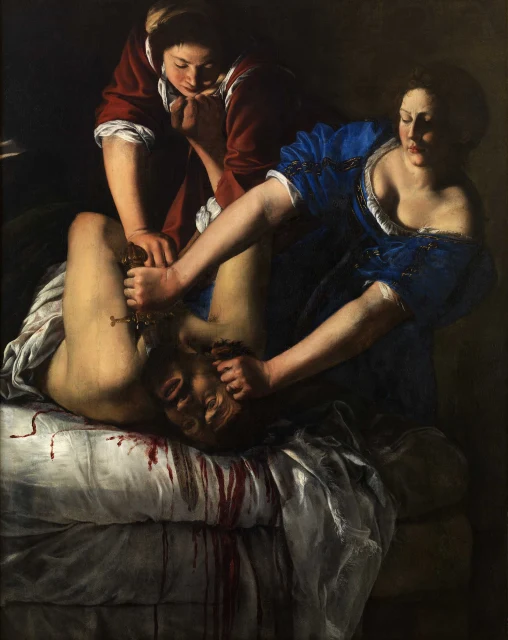 Giuditta che decapita OloferneArtemisia Gentileschi, 1613
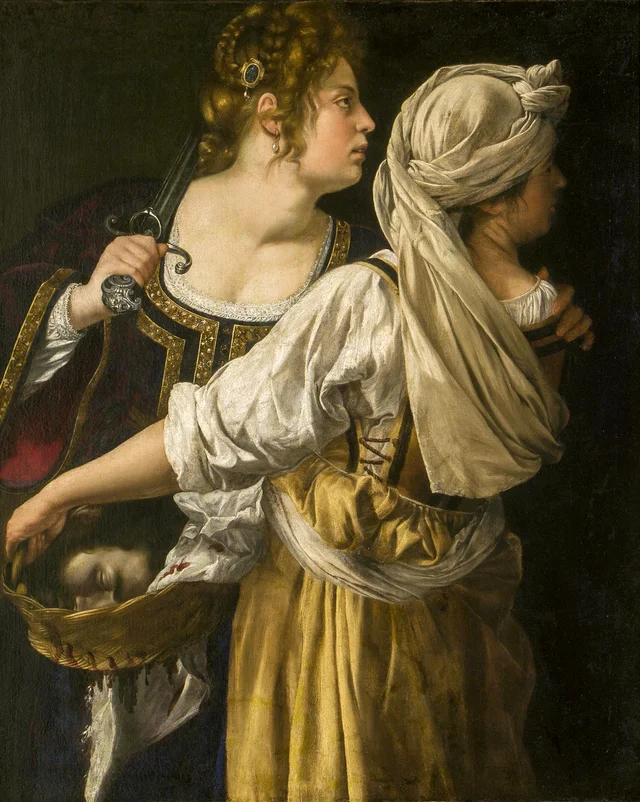 Giuditta e la sua ancellaArtemisia Gentileschi, 1618
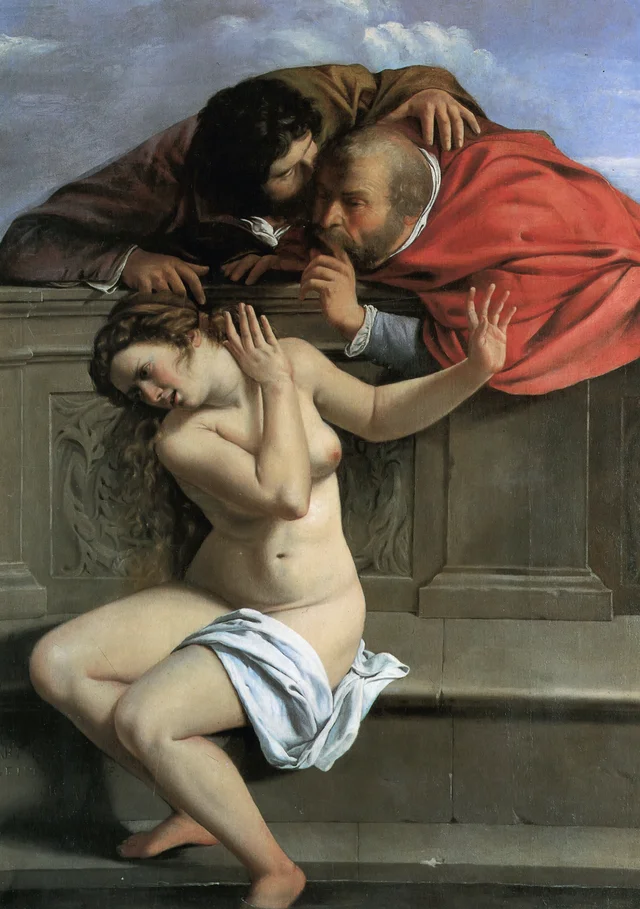 Susanna e i vecchioniArtemisia Gentileschi, 1610
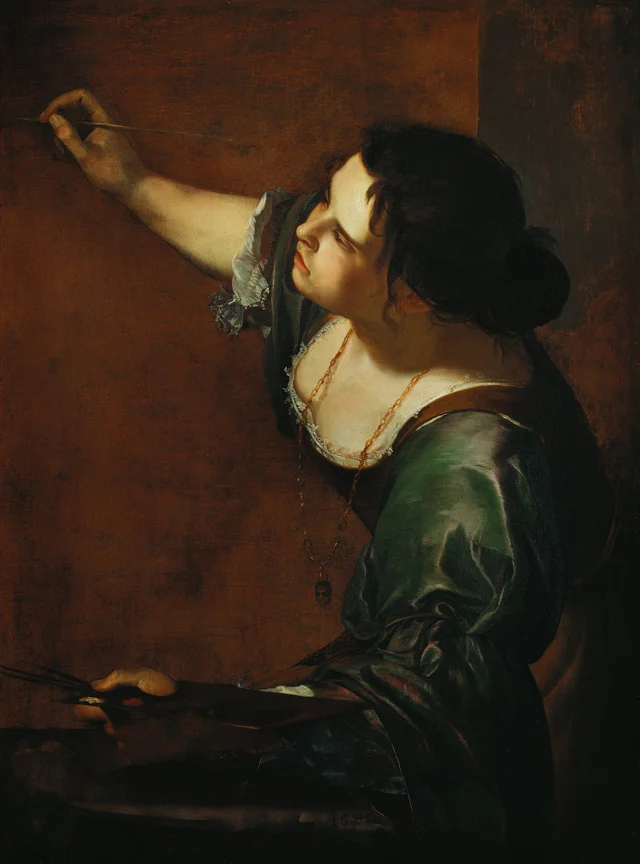 Autoritratto come allegoria della PitturaArtemisia Gentileschi, 1638
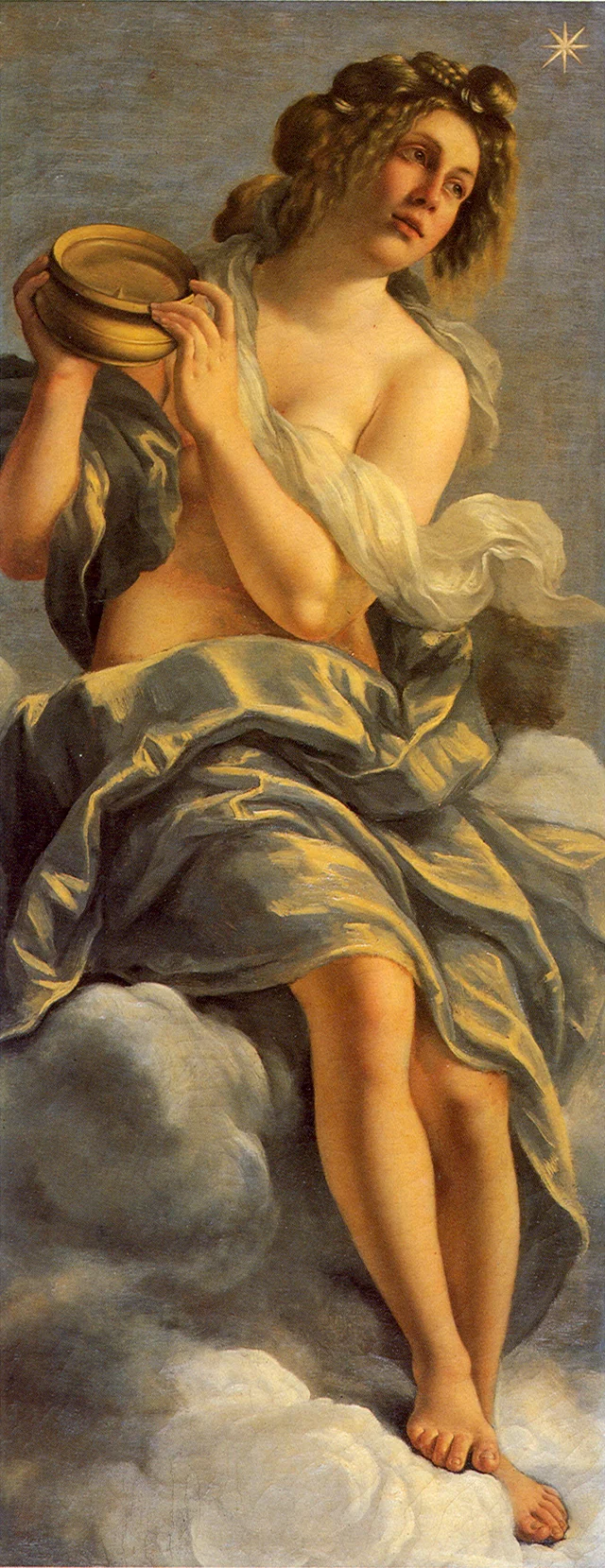 Allegoria dell'InclinazioneArtemisia Gentileschi, 1615
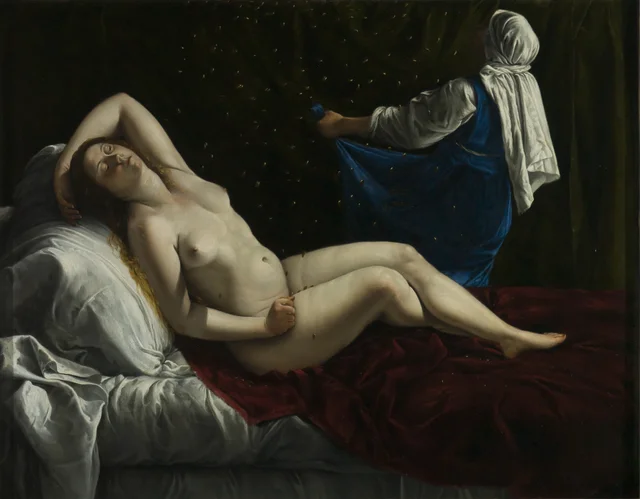 DanaeArtemisia Gentileschi, 1612
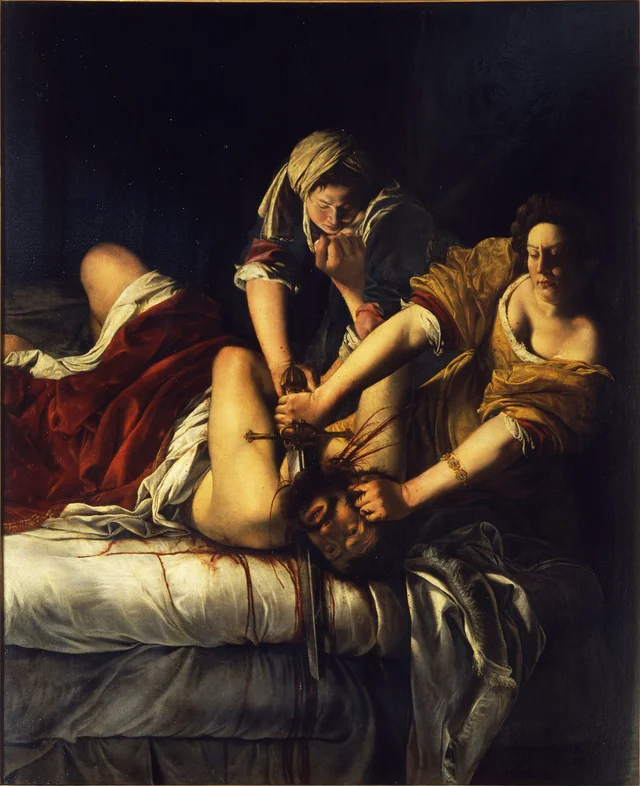 Giuditta che decapita OloferneArtemisia Gentileschi, 1620
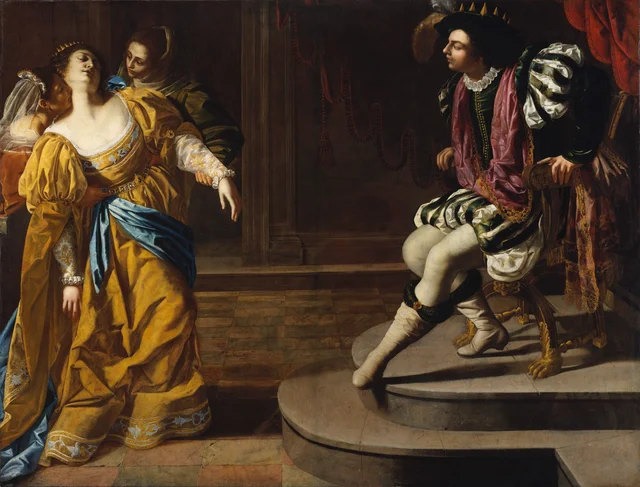 Ester davanti ad AssueroArtemisia Gentileschi, 1629
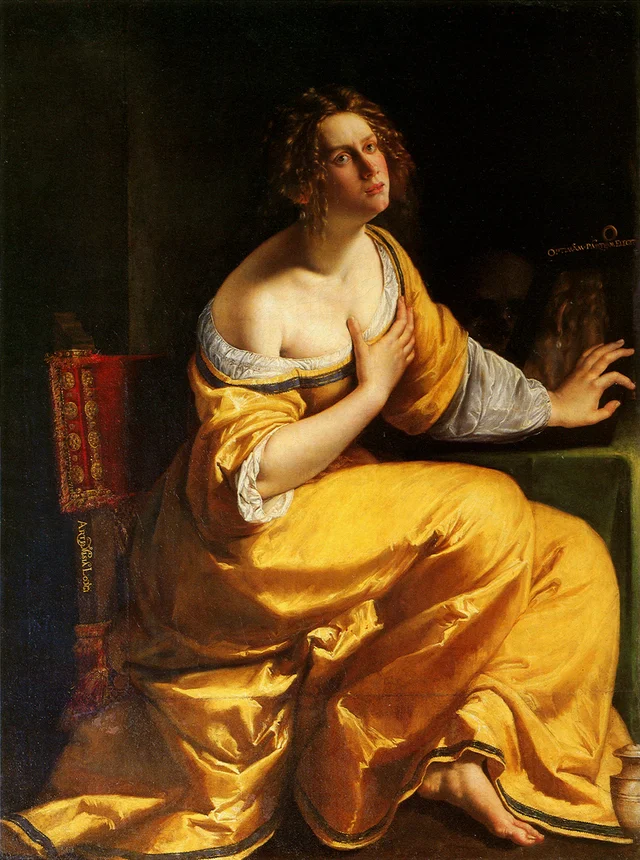 La conversione della MaddalenaArtemisia Gentileschi, 1616
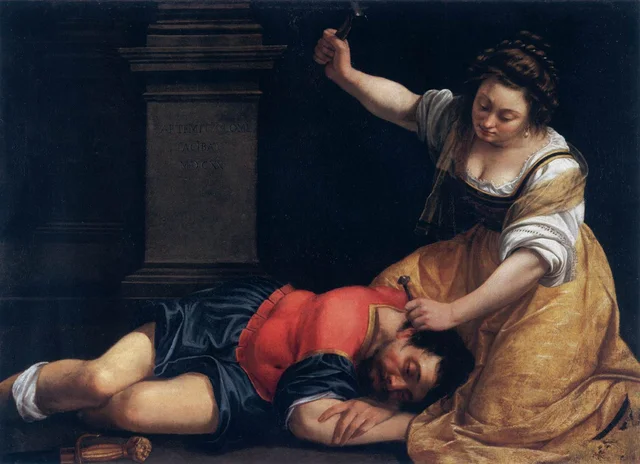 Giaele e SisaraArtemisia Gentileschi, 1620
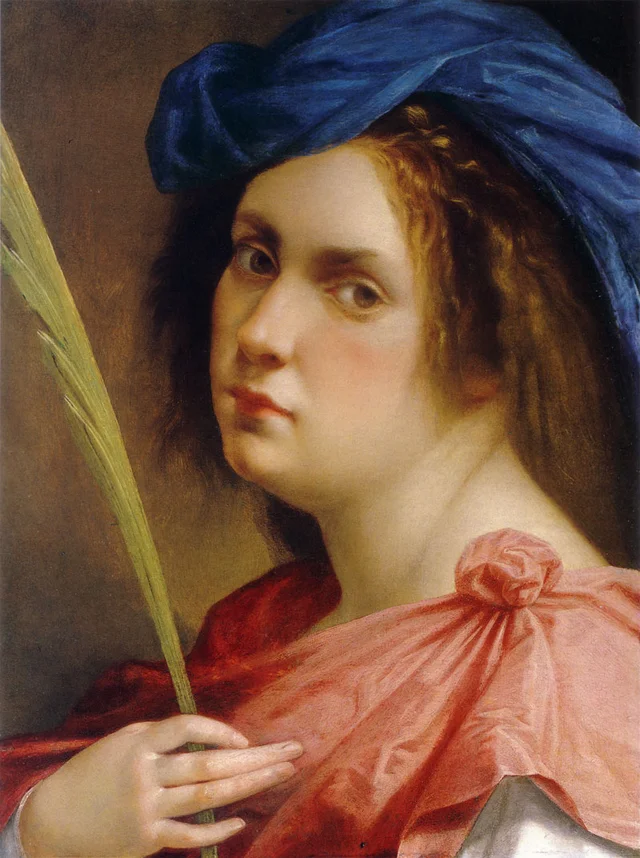 Autoritratto come martireArtemisia Gentileschi, 1615
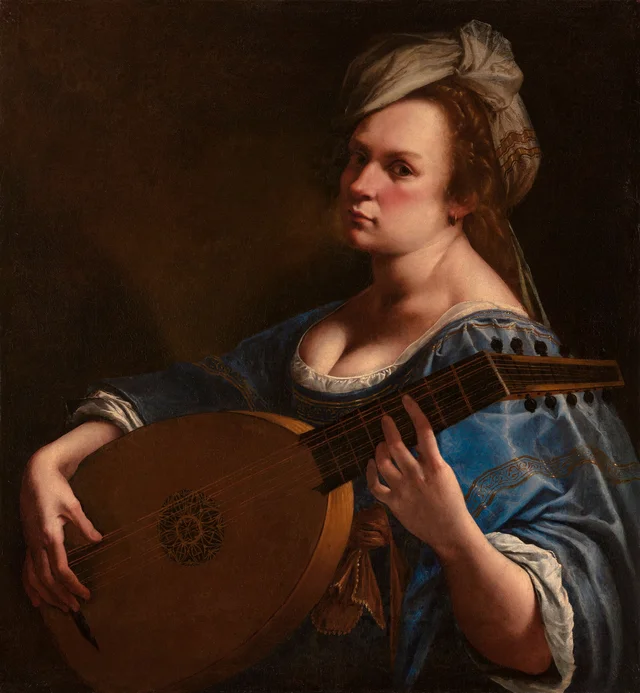 Autoritratto come suonatrice di liutoArtemisia Gentileschi, 1616
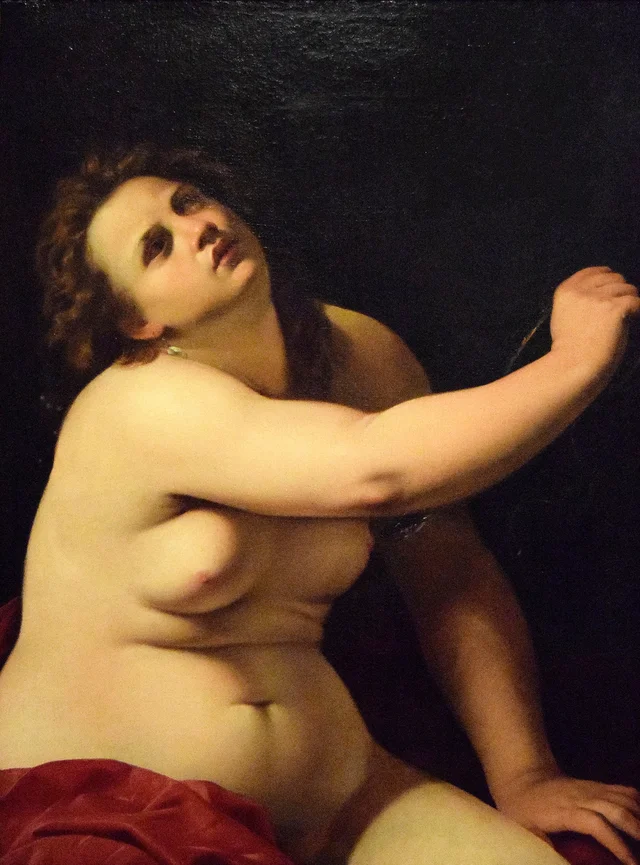 CleopatraArtemisia Gentileschi, 1620
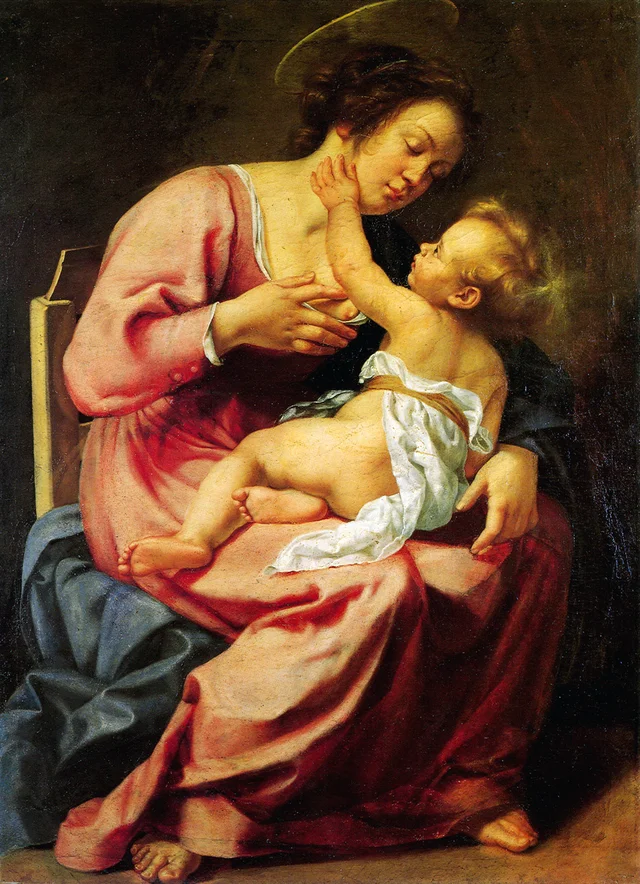 Madonna col BambinoArtemisia Gentileschi, 1612
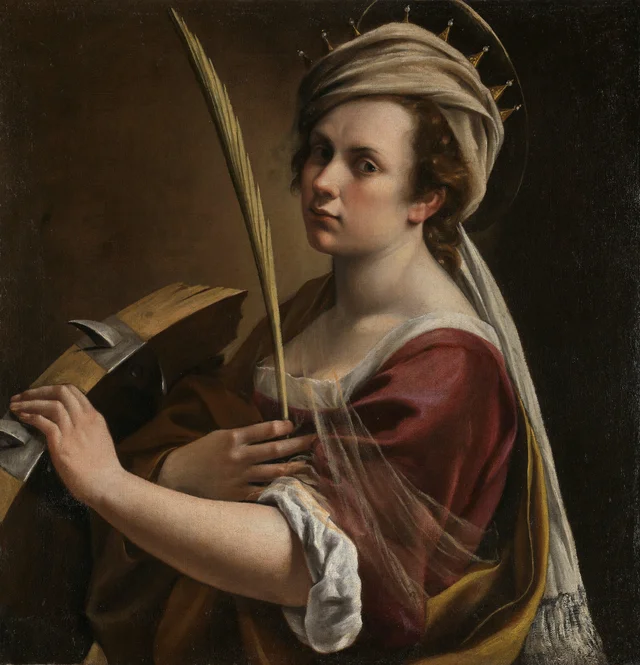 Autoritratto come santa Caterina d'AlessandriaArtemisia Gentileschi, 1616
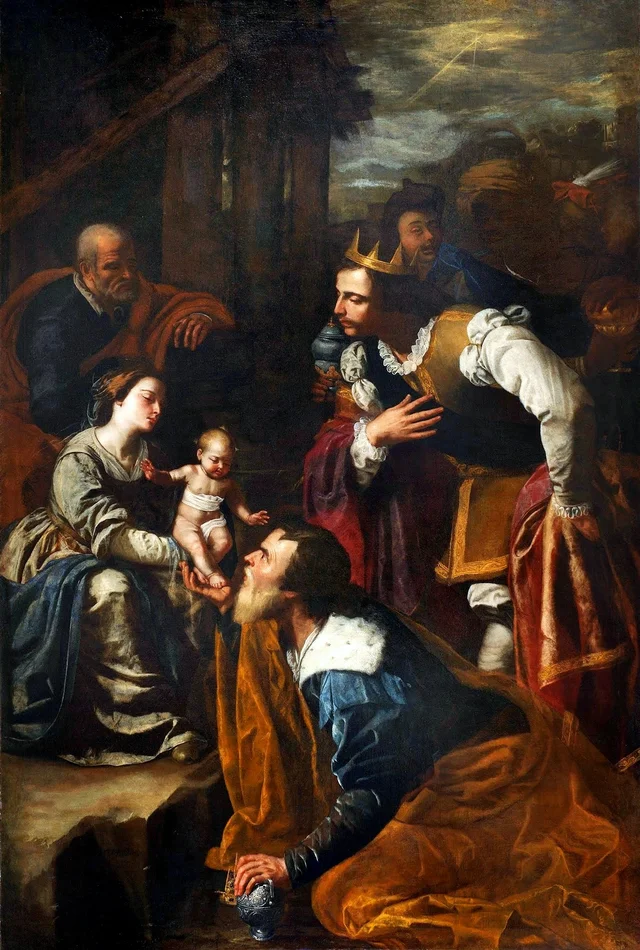 Adorazione dei MagiArtemisia Gentileschi, 1636
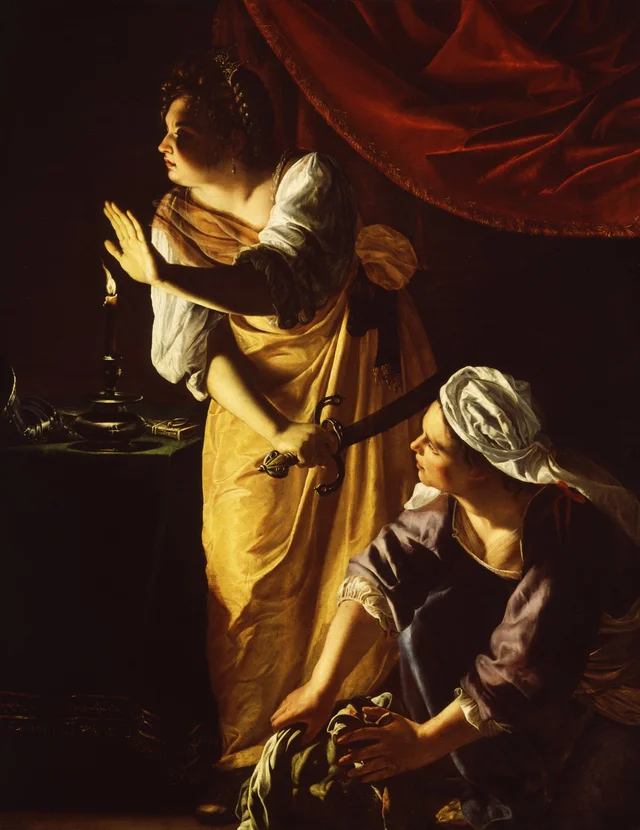 Giuditta e la sua ancella con la testa di OloferneArtemisia Gentileschi, 1623
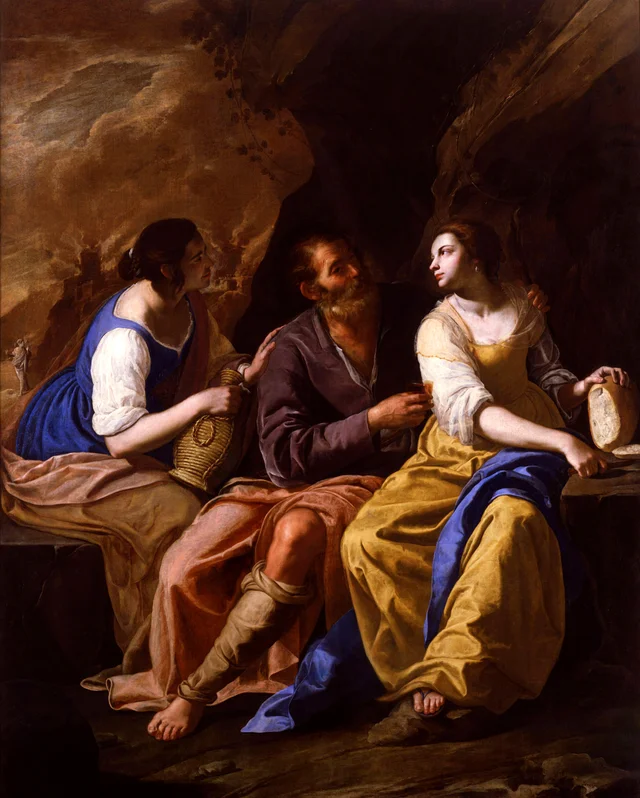 Lot e le sue figlieArtemisia Gentileschi, 1636
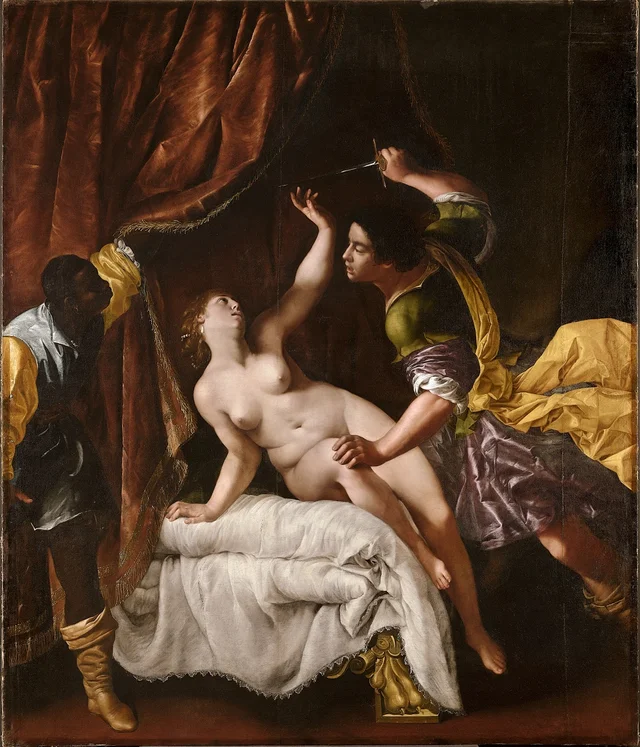 LucreziaArtemisia Gentileschi, 1626
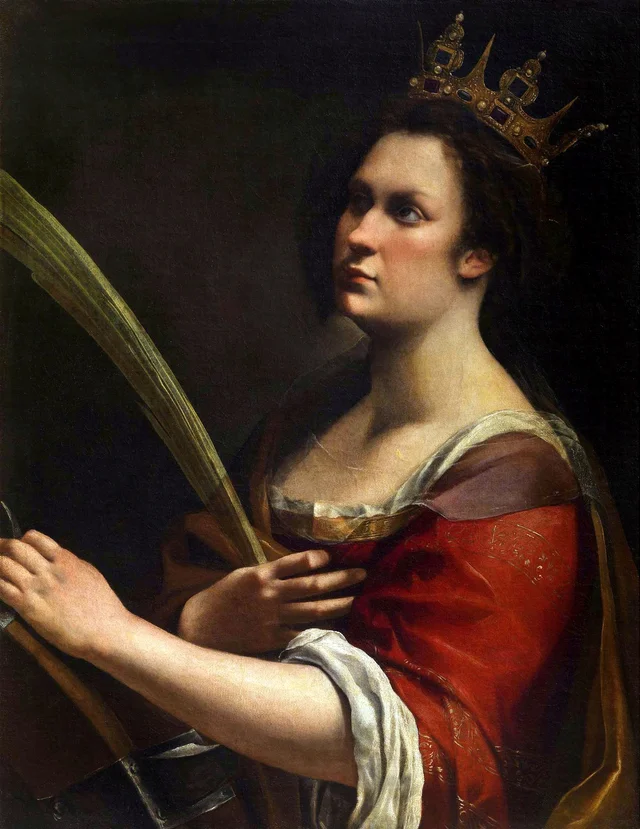 Santa Caterina d'AlessandriaArtemisia Gentileschi, 1615
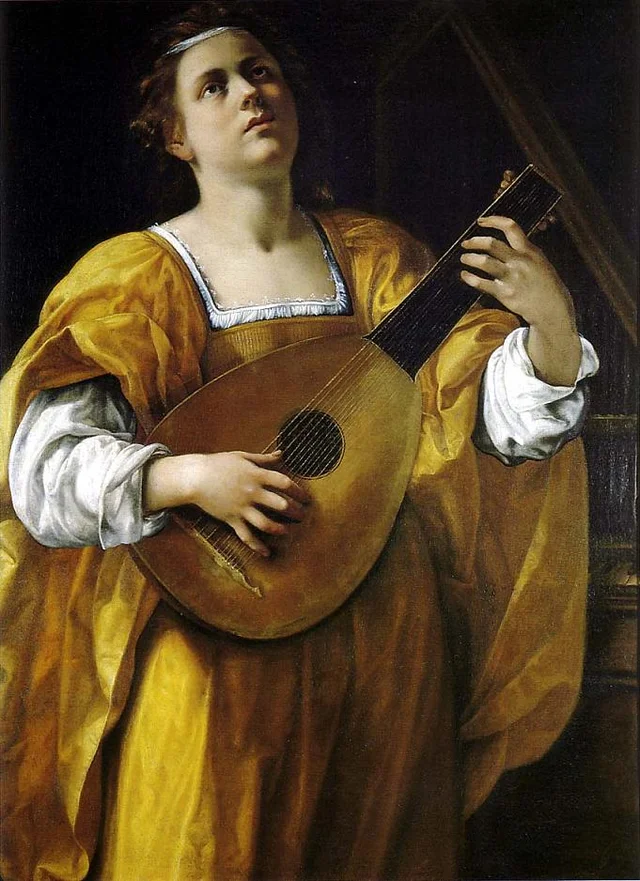 Santa CeciliaArtemisia Gentileschi
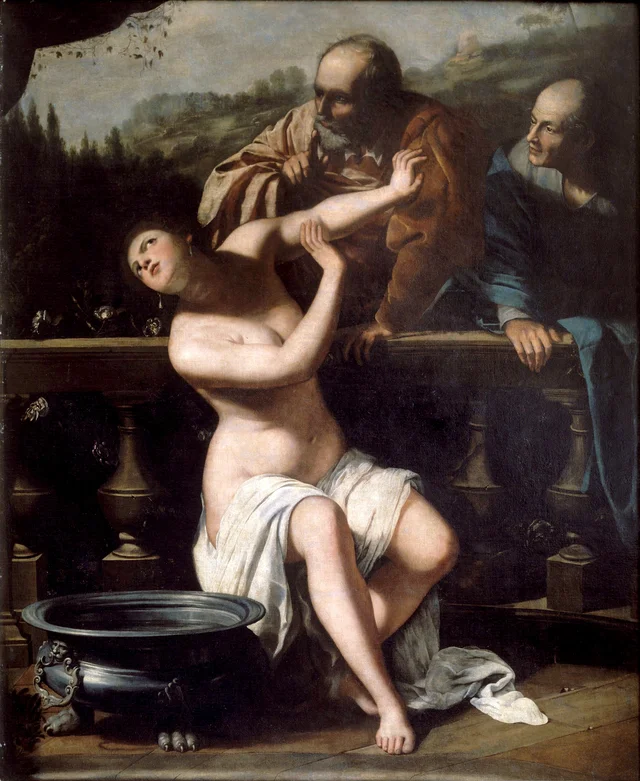 Susanna e i vecchioniArtemisia Gentileschi, 1649
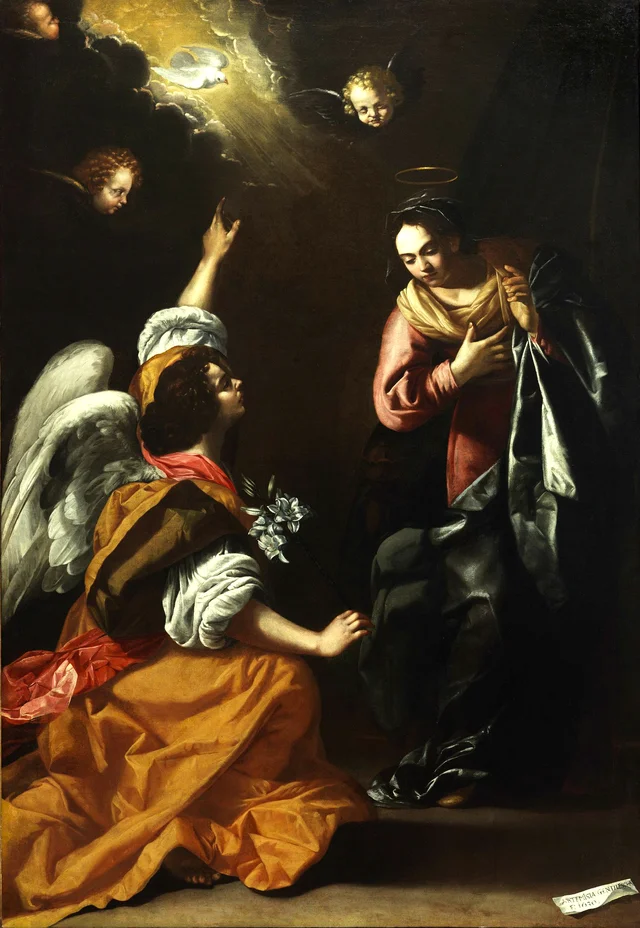 AnnunciazioneArtemisia Gentileschi, 1630
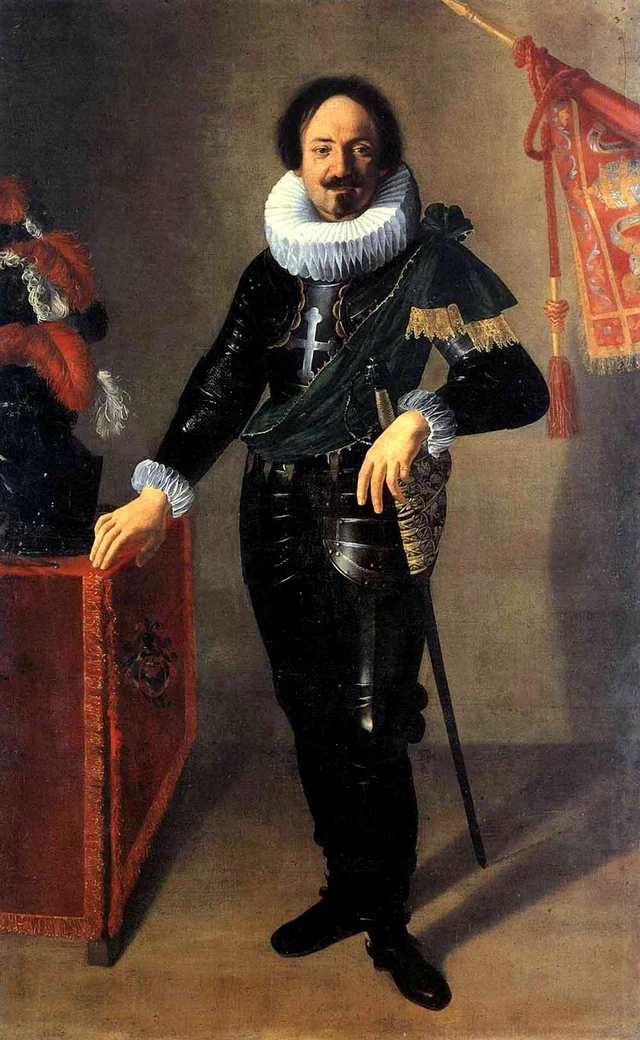 Ritratto di un gonfaloniereArtemisia Gentileschi, 1622
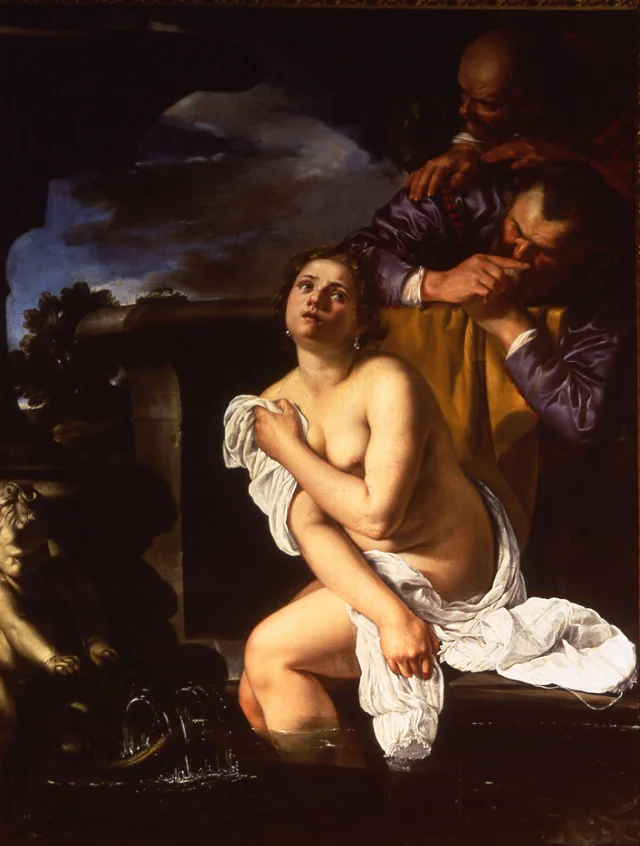 Susanna e i vecchioniArtemisia Gentileschi, 1622