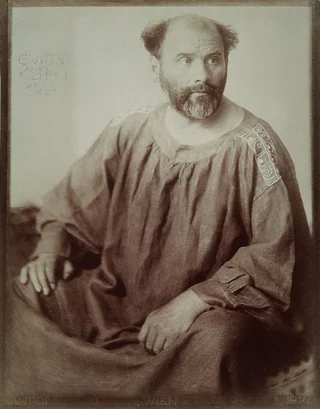
Gustav Klimt
1862–1918 · Kaisertum Österreich · Symbolismus, Jugendstil
Die Geschichte
Gustav Klimts Vater war Goldgraveur in Wien, und dieses Handwerk ließ den Sohn nie ganz los. In den Jahren um 1908 arbeitete Klimt in dem, was man heute seine "goldene Periode" nennt, und presste dünne Blätter echten Blattgolds in seine Gemälde, wie es ein mittelalterlicher Ikonenmaler getan hätte, sodass eine Leinwand wie "Der Kuss" aufleuchtet, wenn das Licht über sie hinwegwandert. Zwei Liebende knien, in einen einzigen goldenen Mantel gehüllt, das Gewand des Mannes in harten Rechtecken gemustert, das der Frau in weichen Kreisen, das Ganze balanciert am Rand einer blumenübersäten Klippe.
Zu jener Zeit war Klimt der berühmteste und umstrittenste Künstler der Stadt. 1897 verließ er zusammen mit einer Gruppe jüngerer Künstler das konservative Wiener Kunstestablishment, um die Secession zu gründen, eine Abspaltung mit eigenem Gebäude und dem Motto, jeder Zeit solle ihre eigene Kunst gehören. Klimt war ihr erster Präsident. Als er beauftragt wurde, Deckengemälde für die Universität Wien zu malen, waren die Professoren von den rohen, sexuell aufgeladenen, pessimistischen Bildern, die er lieferte, so entsetzt, dass sie sich weigerten, sie aufzuhängen – woraufhin er die Werke zurückkaufte, statt sie zu verändern.
Er wurde 1862 geboren, als zweites von sieben Kindern in einem Haushalt, dem oft das Geld knapp war. Er erklärte seine Bilder selten, gab kaum Interviews und hinterließ eine große Zahl erotischer Zeichnungen. Er starb Anfang 1918 in Wien an den Folgen eines Schlaganfalls und ließ mehrere Leinwände unvollendet auf seiner Staffelei zurück.
Weitere Artikel
Werke
120 Werke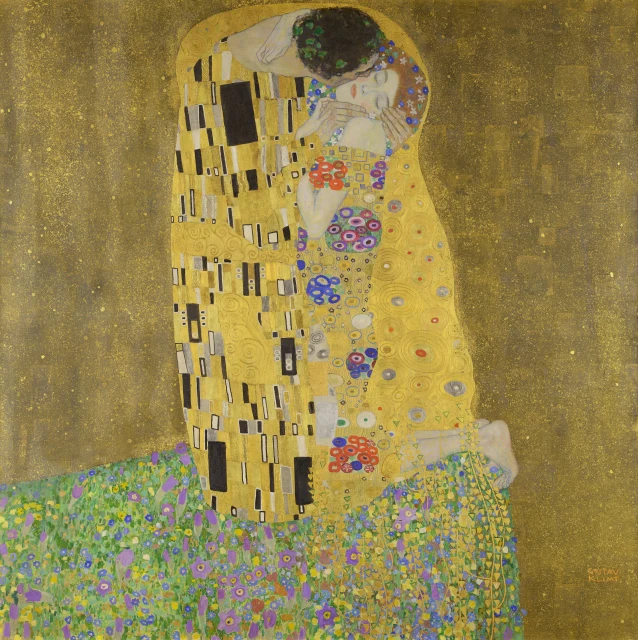 Der KussGustav Klimt, 1907
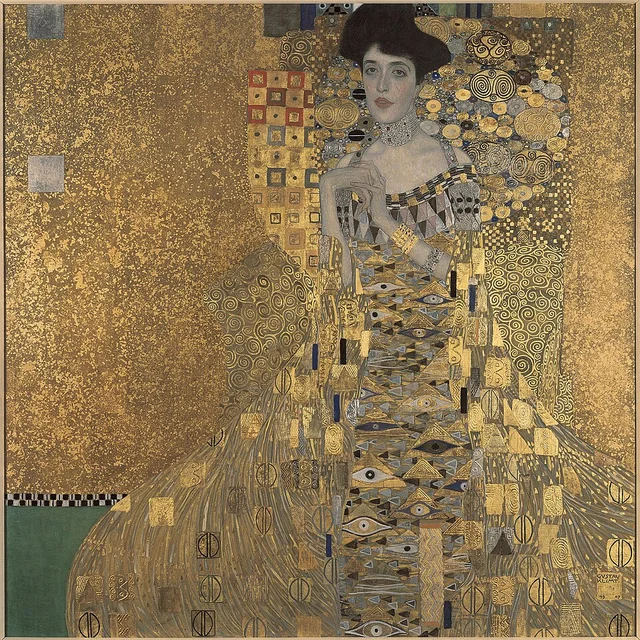 Bildnis Adele Bloch-Bauer IGustav Klimt, 1907
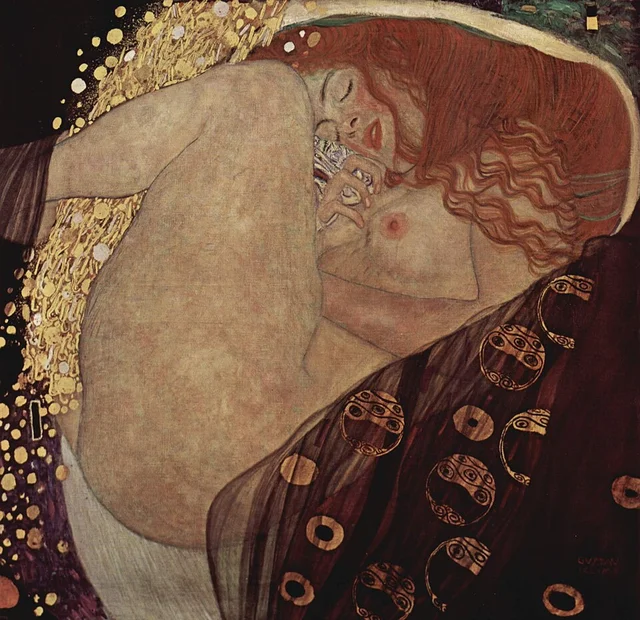 DanaëGustav Klimt, 1907
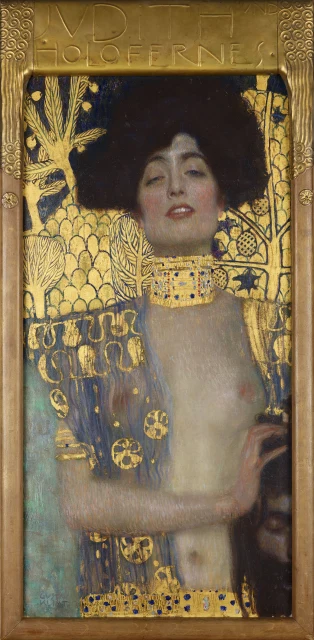 Judith mit dem Haupt des HolofernesGustav Klimt, 1901
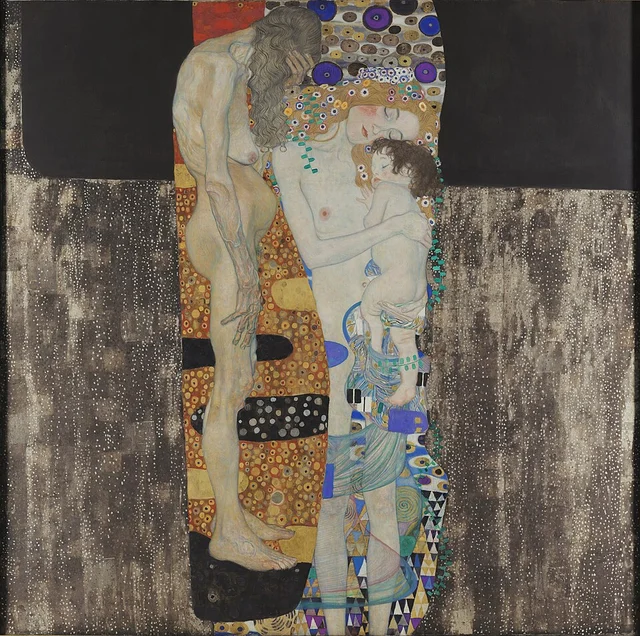 Die drei Lebensalter der FrauGustav Klimt, 1905
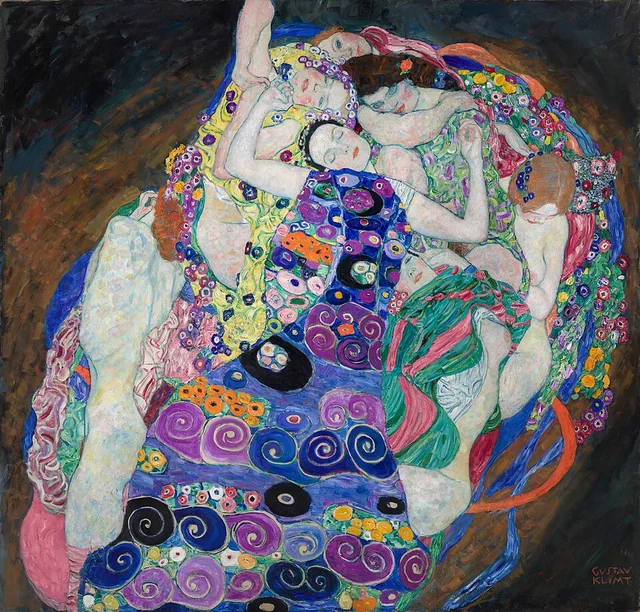 Die JungfrauGustav Klimt, 1913
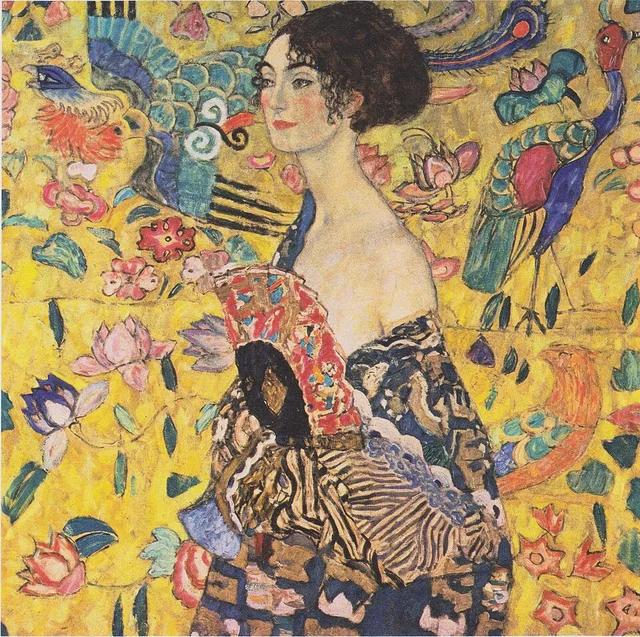 Dame mit FächerGustav Klimt, 1917
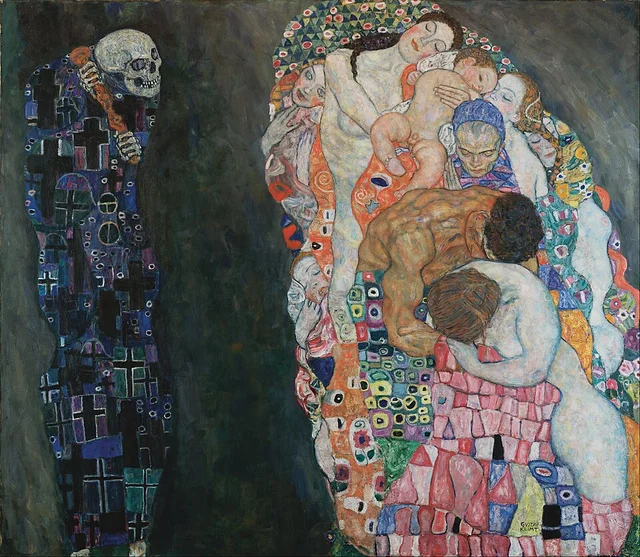 Tod und LebenGustav Klimt, 1910
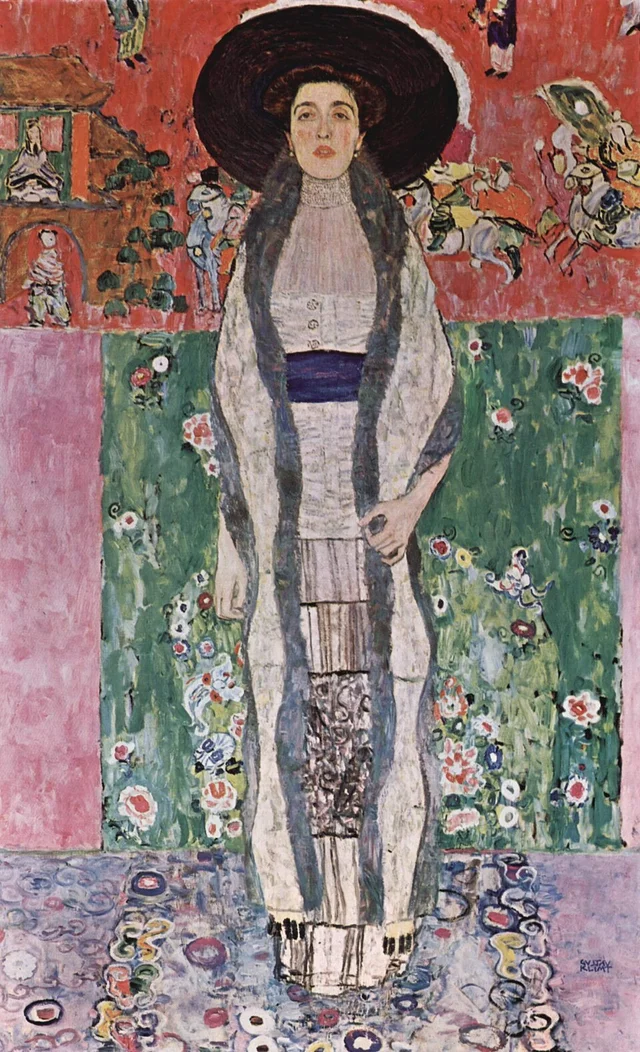 Adele Bloch-Bauer IIGustav Klimt, 1912
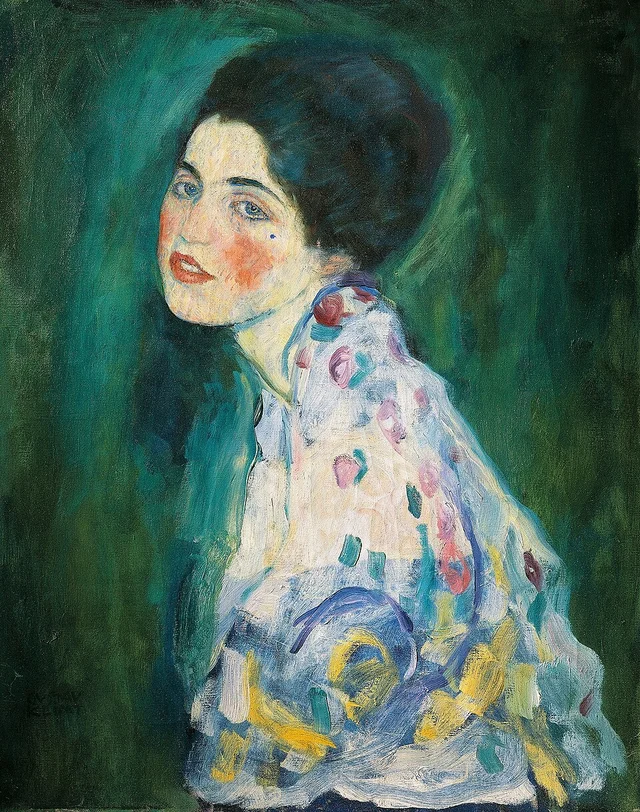 Bildnis einer DameGustav Klimt, 1916
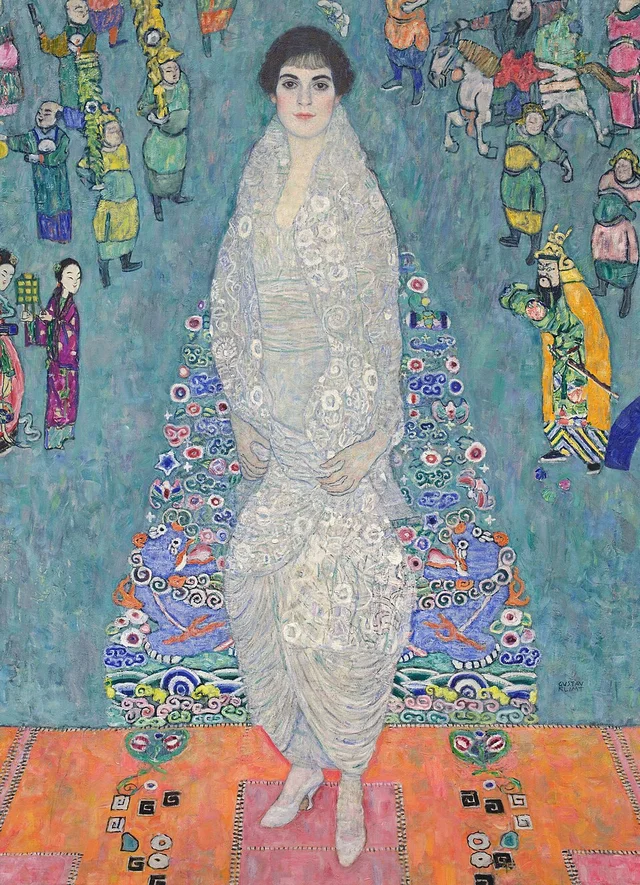 Bildnis der Elisabeth LedererGustav Klimt, 1914
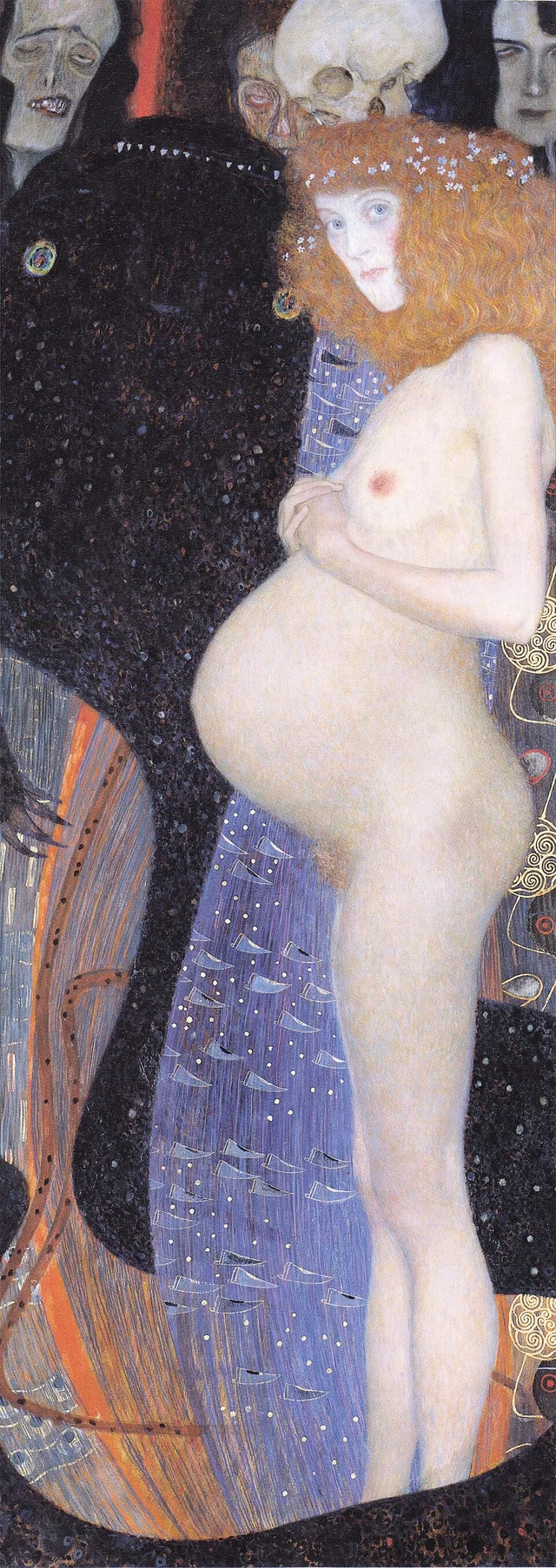 Die Hoffnung IGustav Klimt, 1903
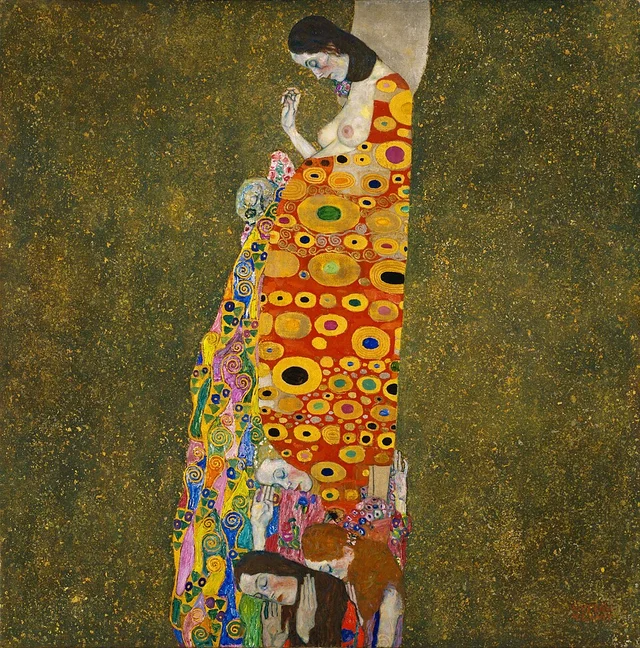 Die Hoffnung IIGustav Klimt, 1907
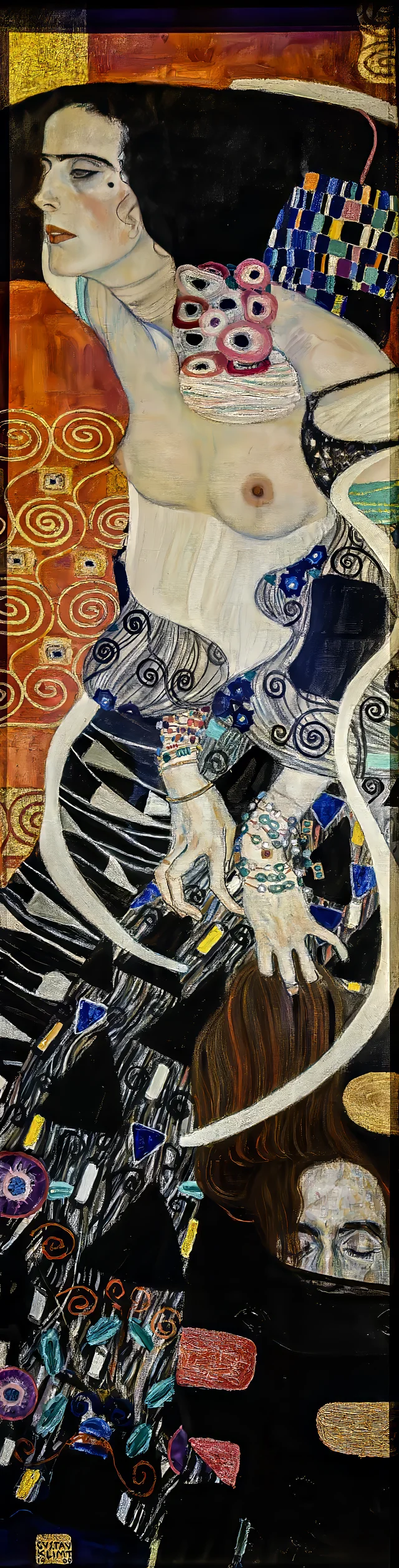 Judith IIGustav Klimt, 1909
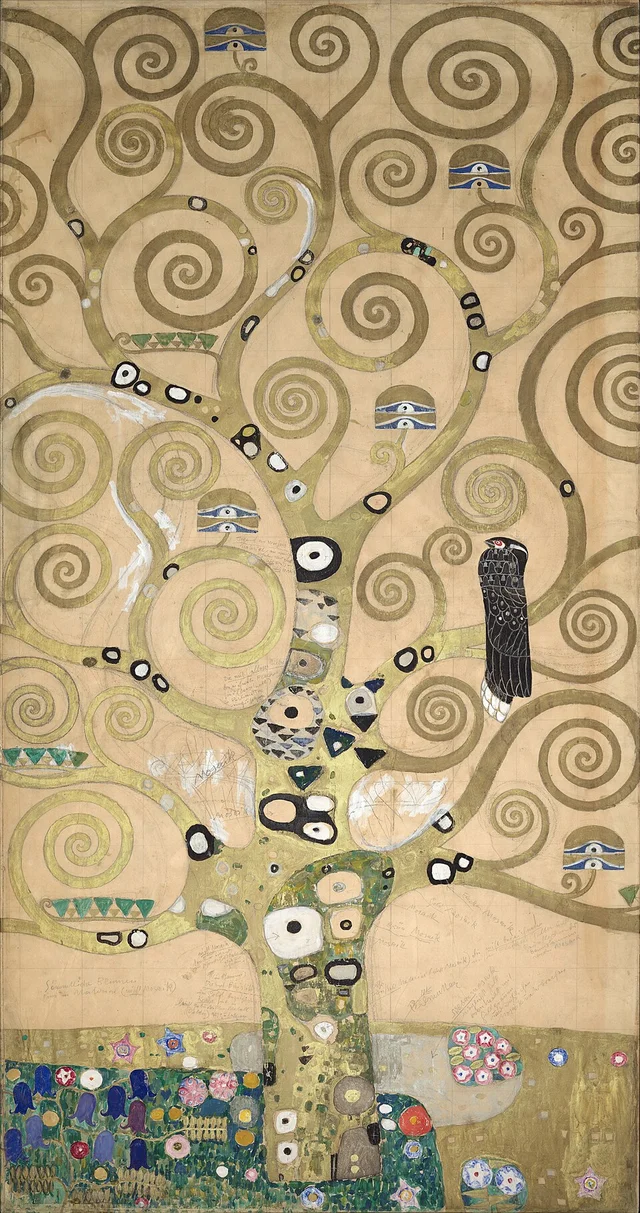 Der LebensbaumGustav Klimt, 1909
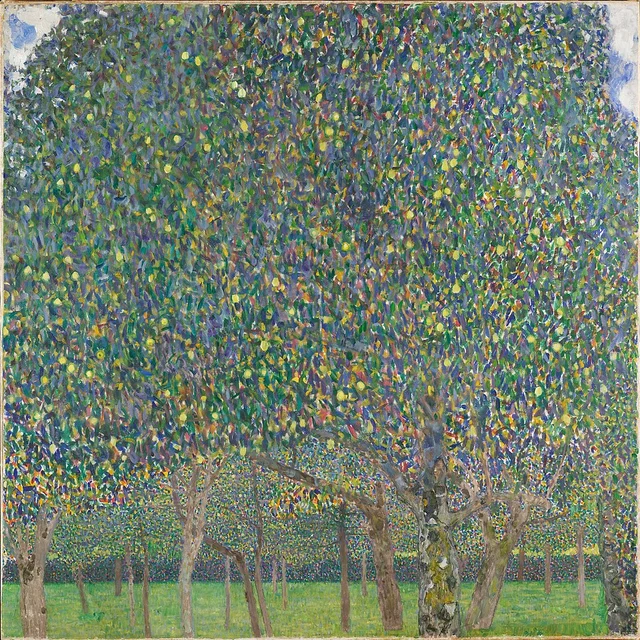 BirnbaumGustav Klimt, 1903
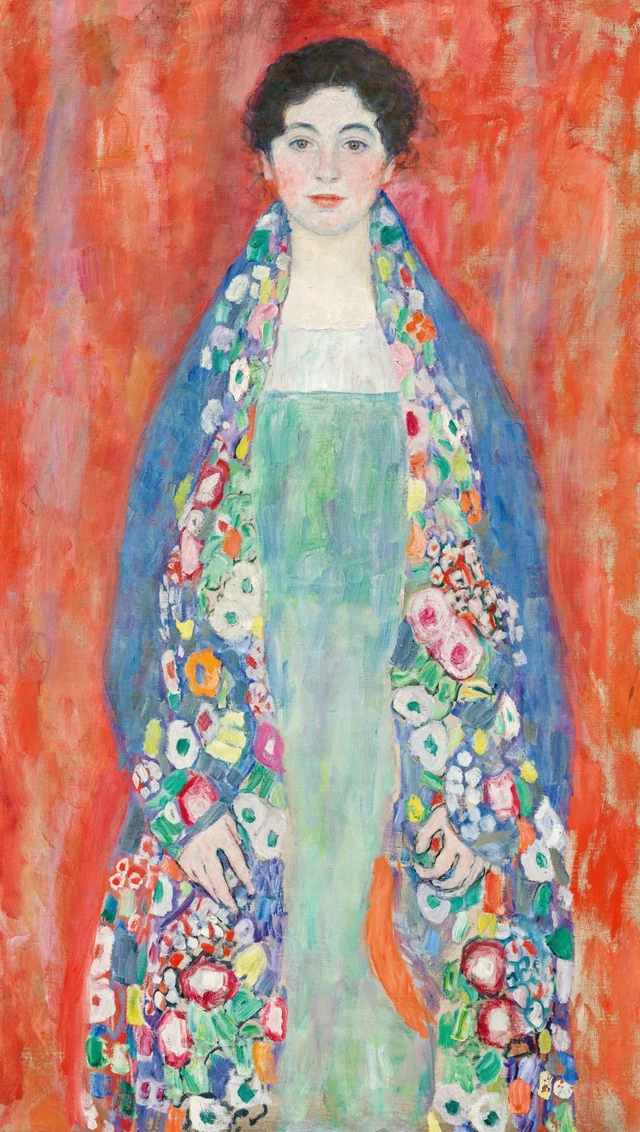 Bildnis Fräulein LieserGustav Klimt, 1917
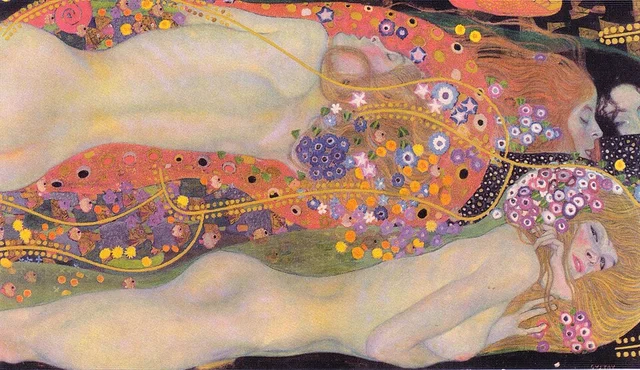 Wasserschlangen IIGustav Klimt, 1904
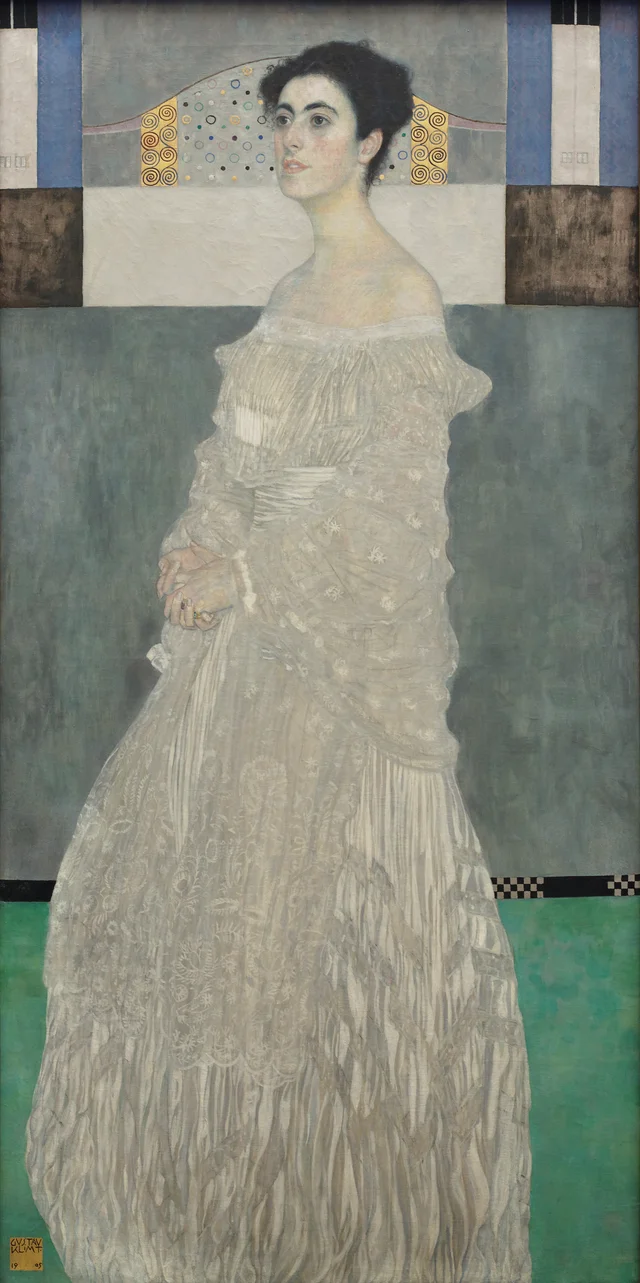 Bildnis Margaret Stonborough-WittgensteinGustav Klimt, 1905
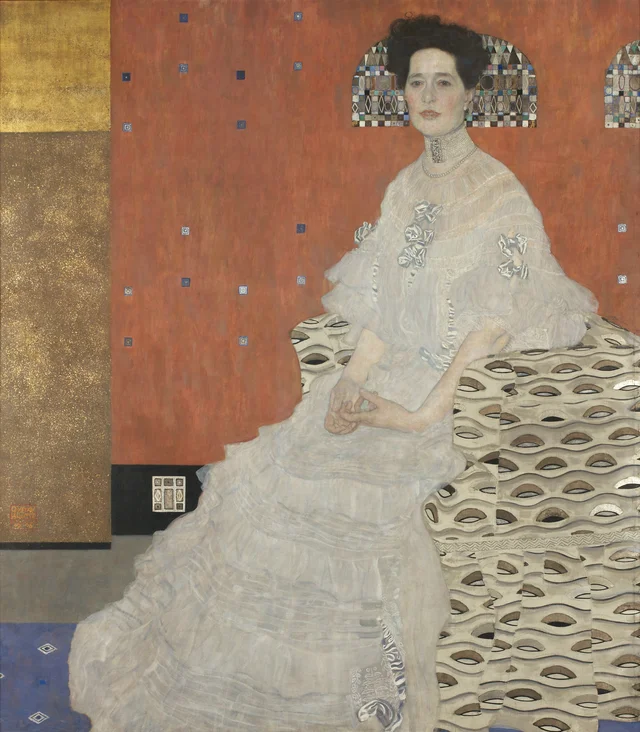 Fritza RiedlerGustav Klimt, 1906
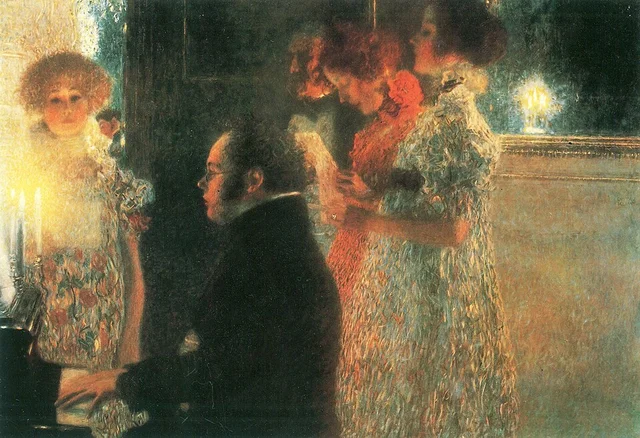 Schubert am Klavier IIGustav Klimt, 1899
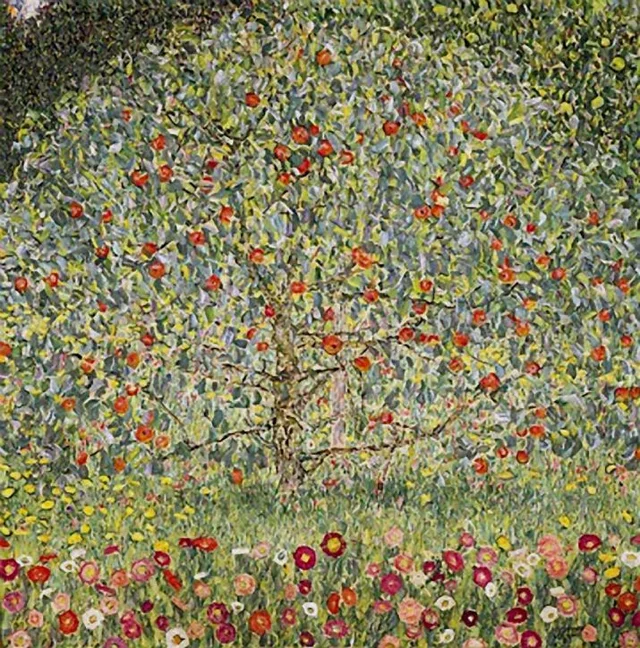 Apfelbaum IGustav Klimt, 1912
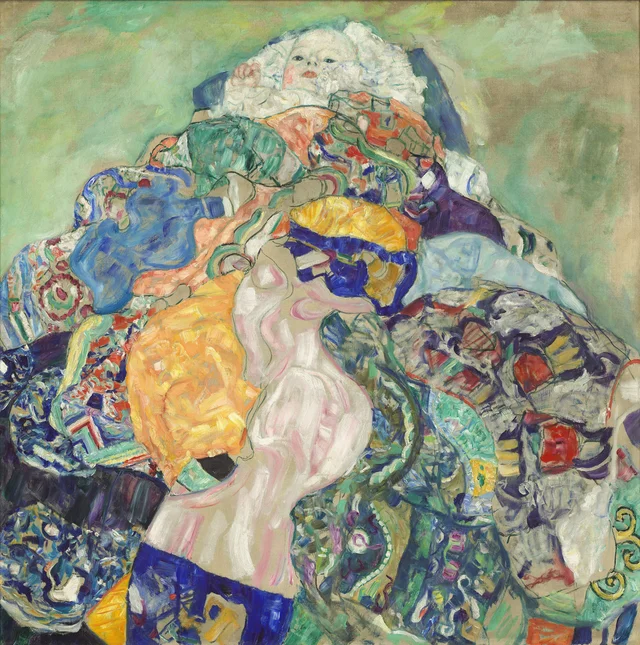 Baby (Wiege)Gustav Klimt, 1917
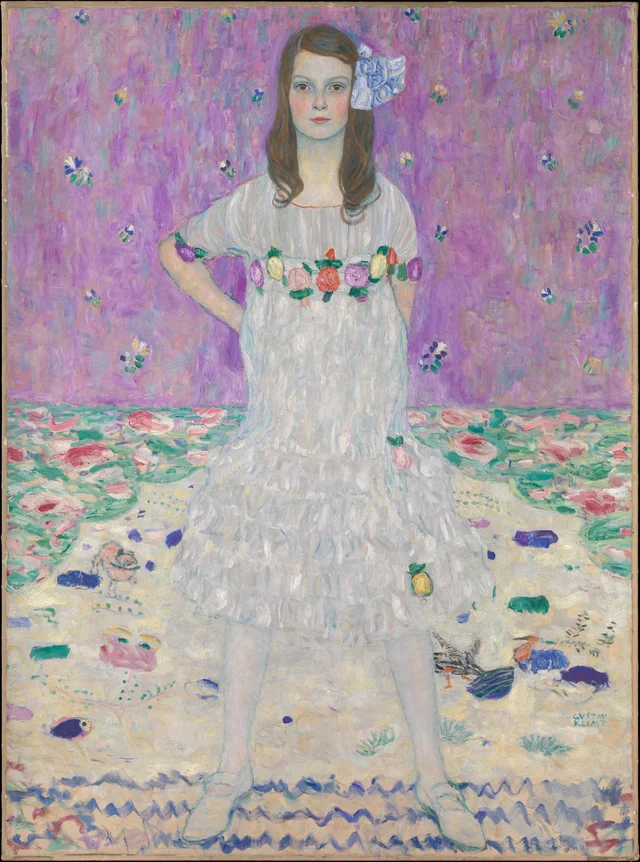 Mäda Primavesi (1903–2000)Gustav Klimt, 1912
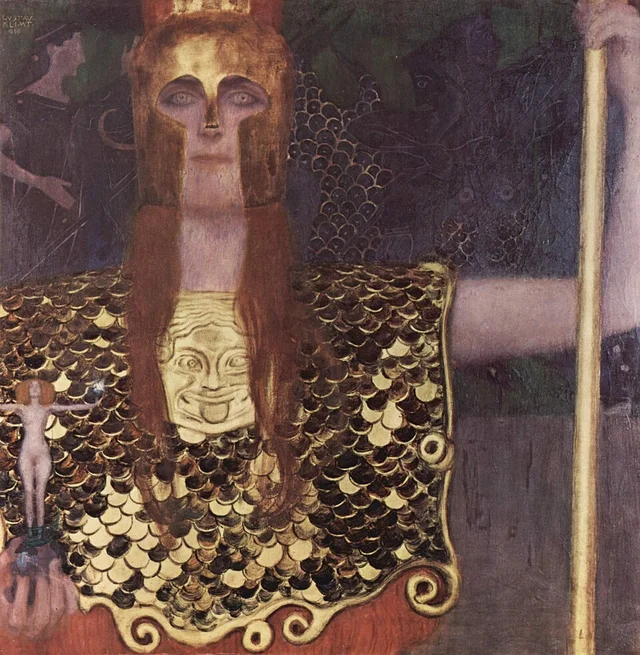 Pallas AtheneGustav Klimt, 1898