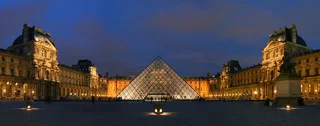
L'histoire
Le Louvre a commencé comme une forteresse. Philippe Auguste l'éleva sur la rive droite de la Seine vers 1190 pour garder le Paris médiéval, et au fil des siècles les rois de France le transformèrent en palais royal, jusqu'à ce que Louis XIV installe sa cour à Versailles en 1682 et laisse les salles inachevées à la collection royale et aux artistes logés à l'intérieur.
La Révolution en fit un musée public. Le 10 août 1793, le Muséum central des arts ouvrit ses portes, montrant l'art confisqué de la couronne et de l'Église à tout citoyen qui souhaitait entrer. Napoléon le remplit du butin de ses campagnes et le rebaptisa brièvement de son nom. Beaucoup fut rendu après Waterloo, mais l'idée demeura, une collection nationale ordonnée pour l'étude et gratuite pour le public.
Aujourd'hui le Louvre conserve plus de 35 000 œuvres, de la Vénus de Milo au Radeau de la Méduse de Géricault. La foule, pourtant, se presse vers un petit portrait. En août 1911, il disparut : Vincenzo Peruggia, un homme à tout faire italien qui avait travaillé au musée, décrocha La Joconde de Léonard et la sortit sous son manteau. Pendant deux ans le cadre resta vide tandis que les visiteurs venaient contempler l'absence, et le tableau ne revint qu'en 1913, après que Peruggia eut tenté de le vendre à un marchand de Florence. La pyramide de verre de I. M. Pei, posée dans la cour en 1989, marque désormais l'entrée.
Autres articles
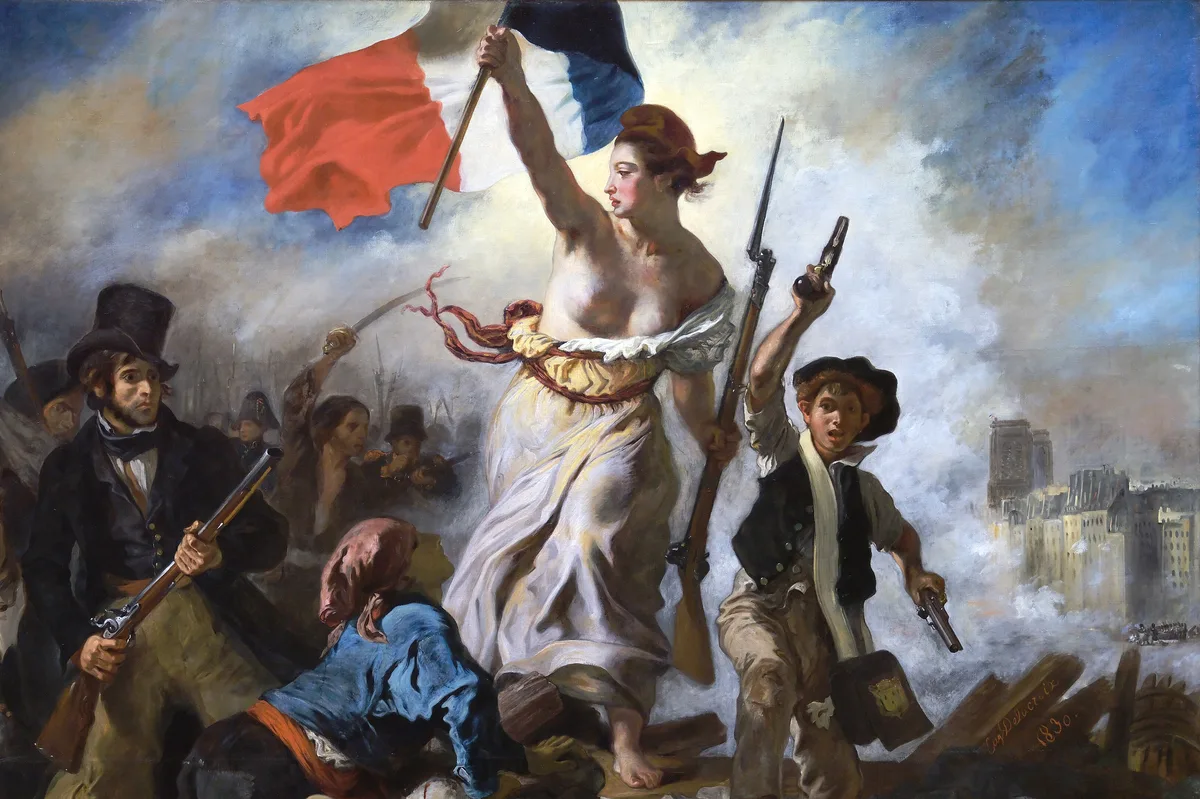
Collection
1 174 œuvres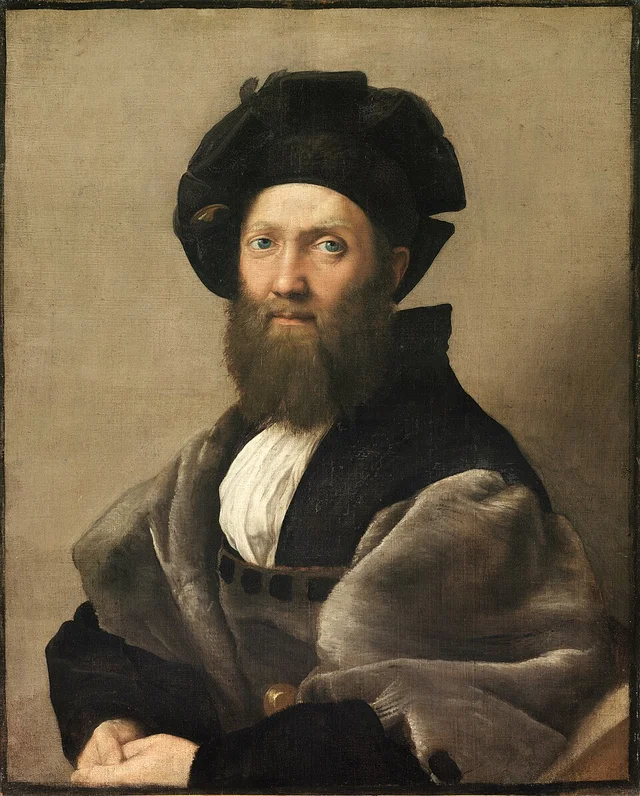 Portrait de Baldassare CastiglioneRaphaël, 1515
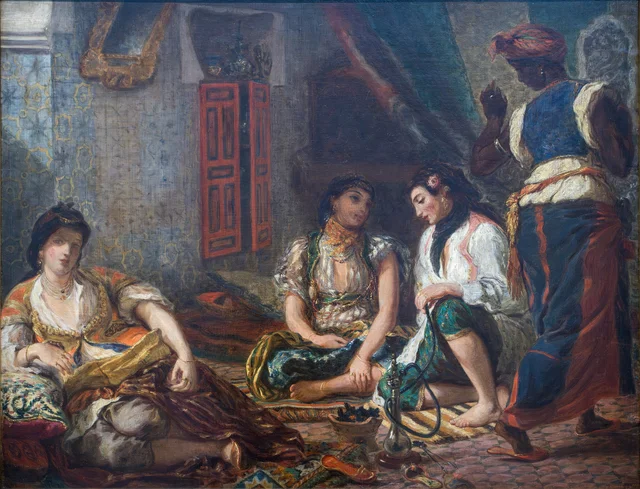 Femmes d'Alger dans leur appartementEugène Delacroix, 1834
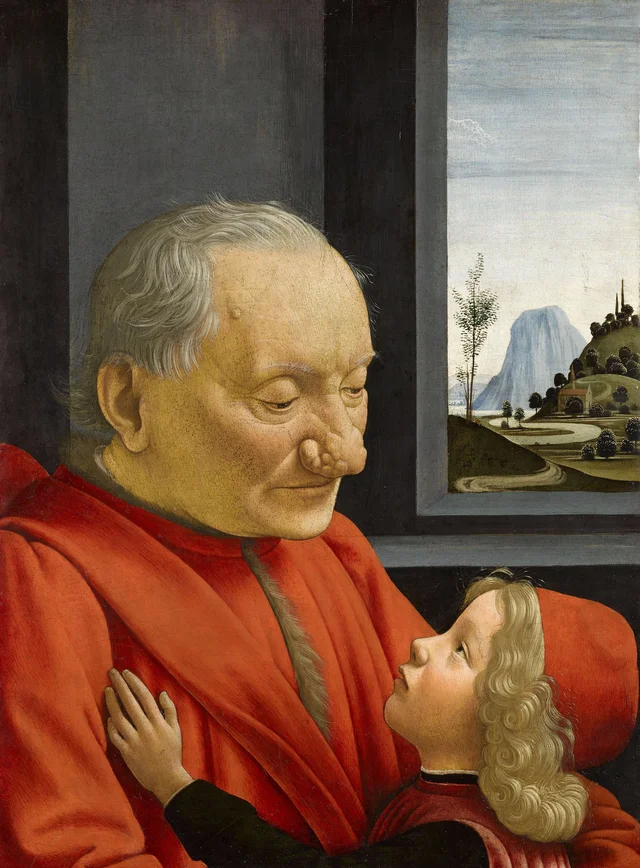 Un vieillard et son petit-filsDomenico Ghirlandaio, 1490
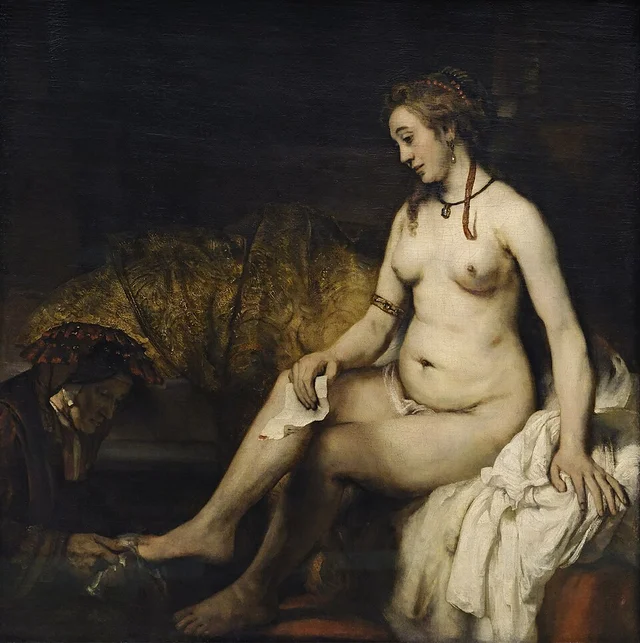 Bethsabée au bainRembrandt, 1654
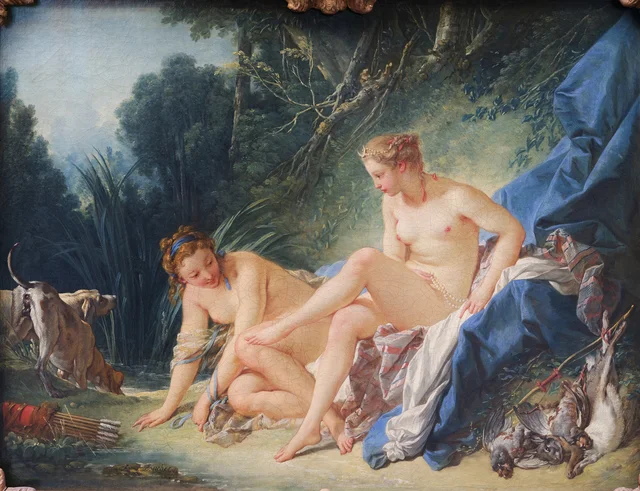 Diane sortant du bainFrançois Boucher, 1742
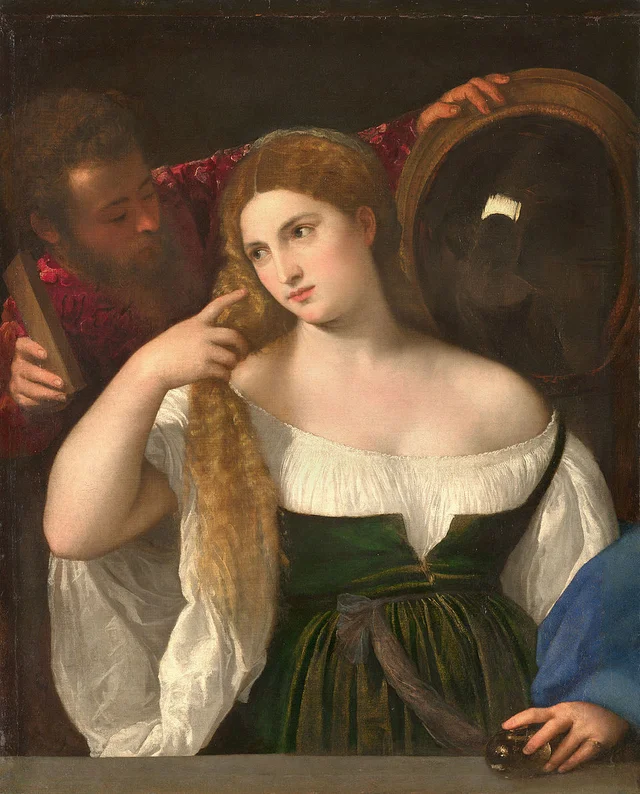 Femme au miroirTitien, 1515
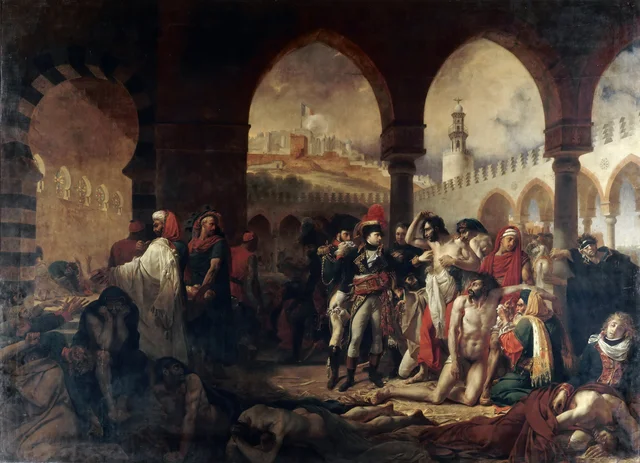 Bonaparte visitant les pestiférés de JaffaAntoine-Jean Gros, 1804
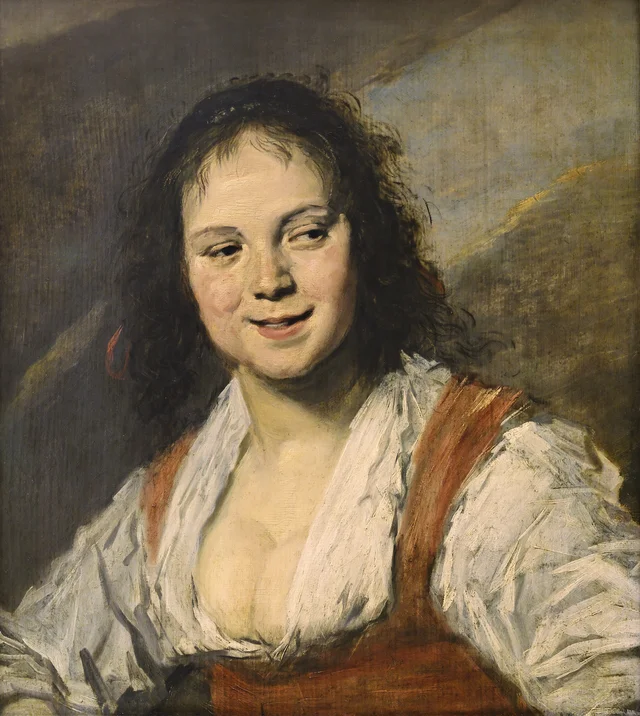 La BohémienneFrans Hals, 1628
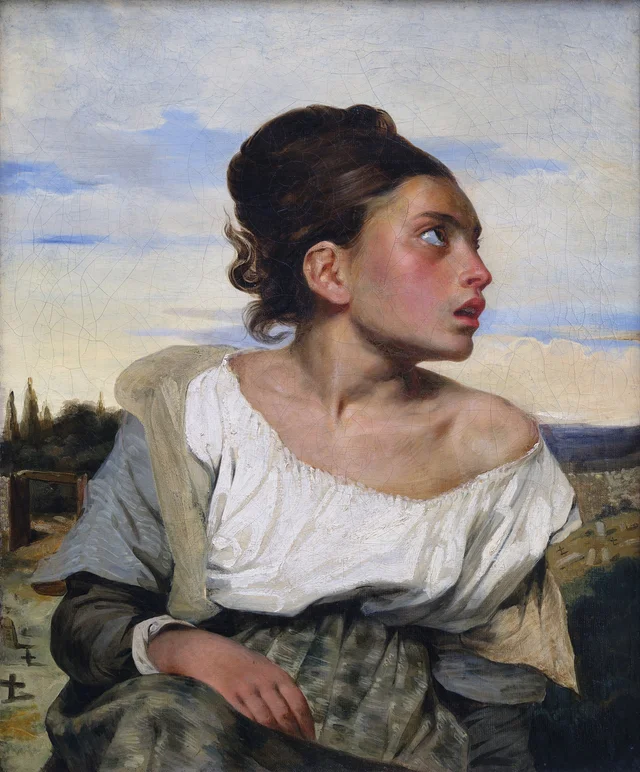 Jeune Orpheline au cimetièreEugène Delacroix, 1824
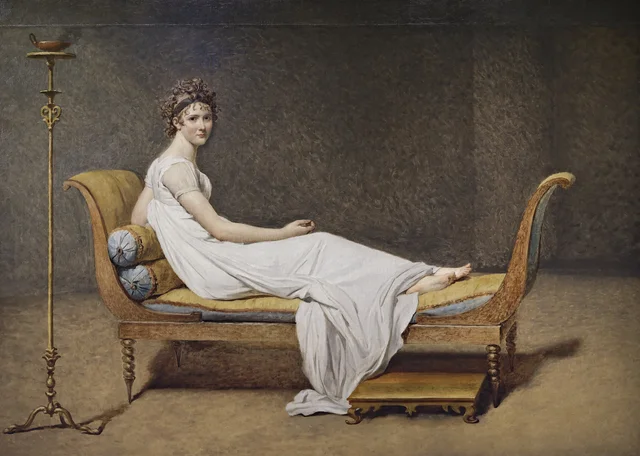 Portrait de Madame RécamierJacques-Louis David, 1800
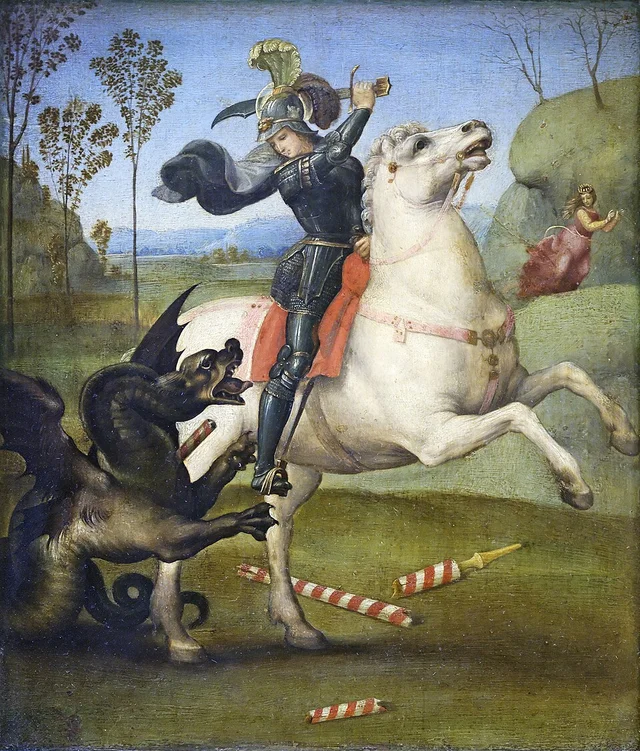 Saint Georges et le DragonRaphaël, 1500
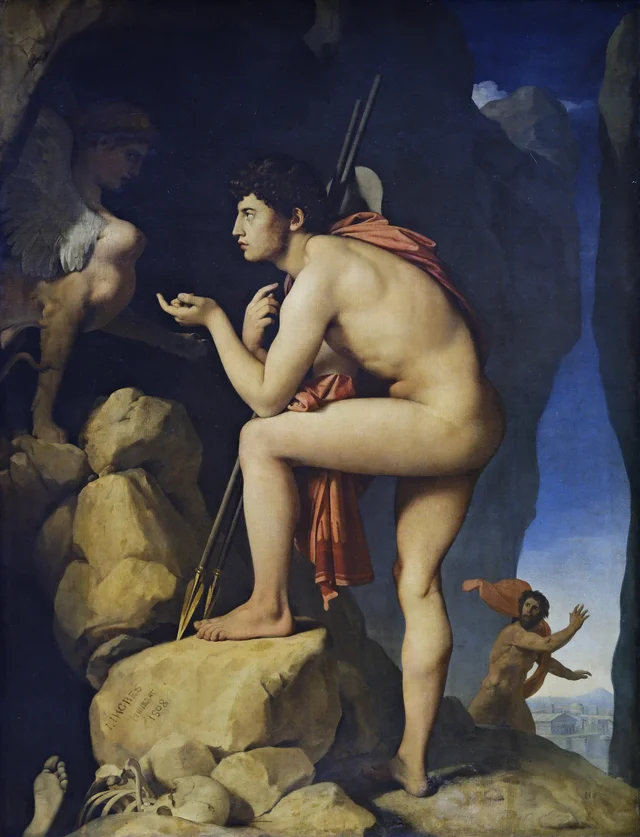 Œdipe et le SphinxJean-Auguste-Dominique Ingres, 1808
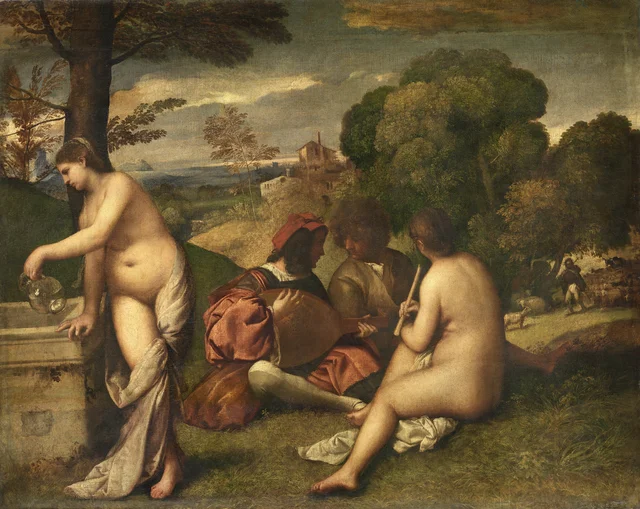 Le Concert champêtreTitien, 1510
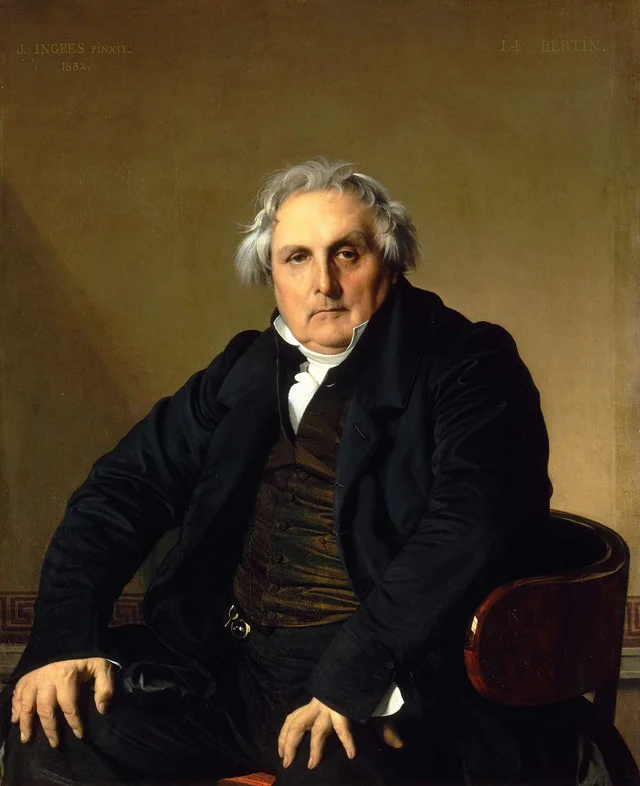 Portrait de Monsieur BertinJean-Auguste-Dominique Ingres, 1832
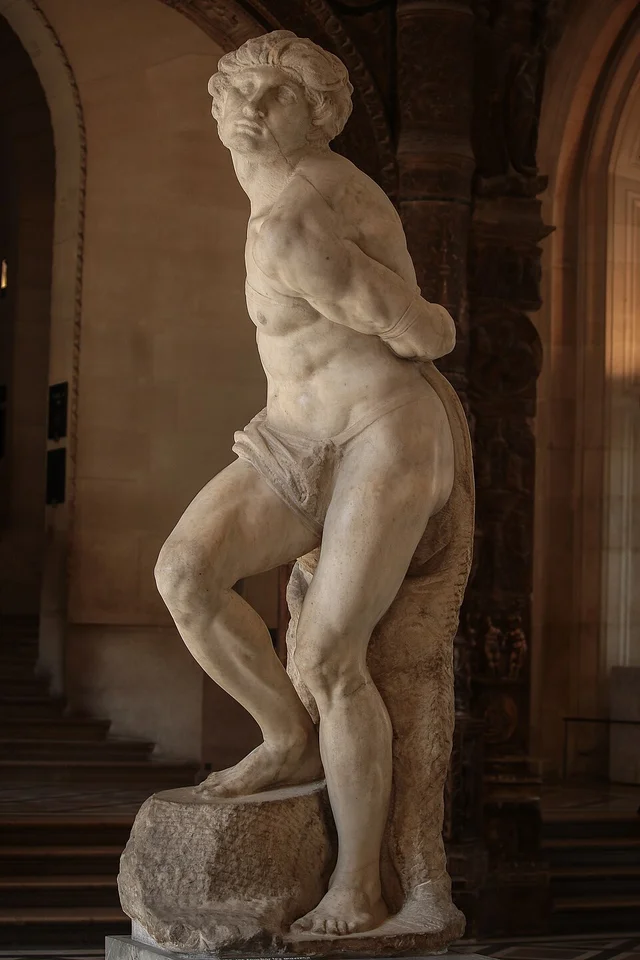 L'Esclave rebelleMichel-Ange, 1514
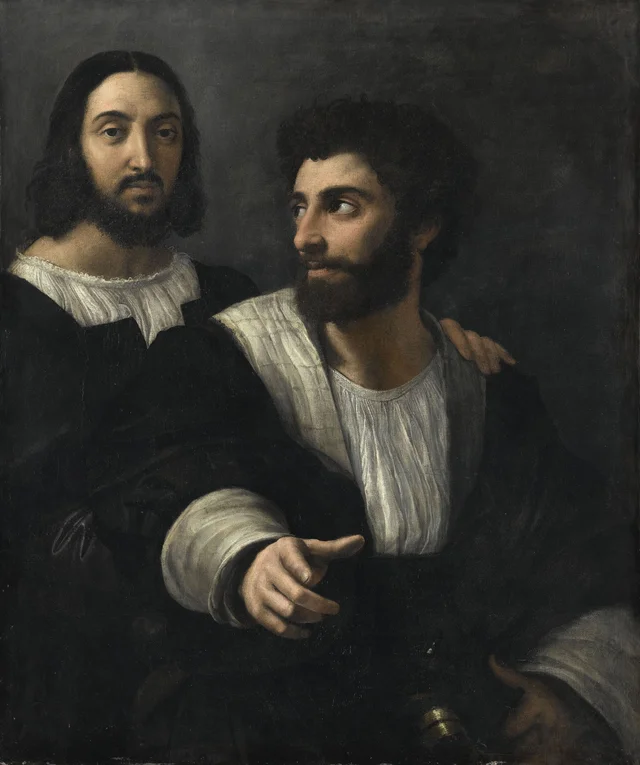 Autoportrait avec un amiRaphaël, 1519
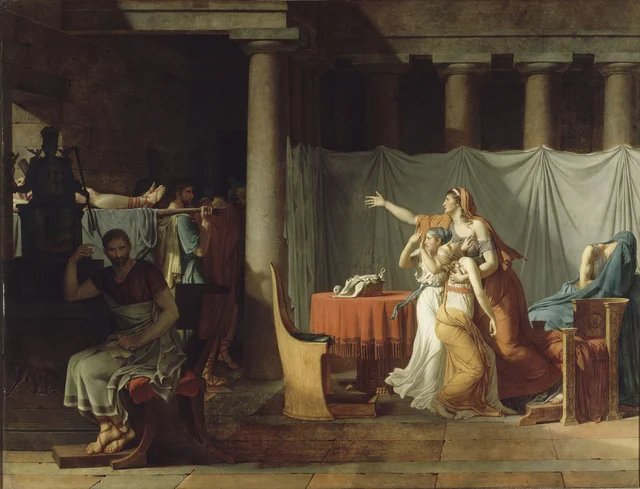 Les licteurs rapportent à Brutus les corps de ses filsJacques-Louis David, 1789
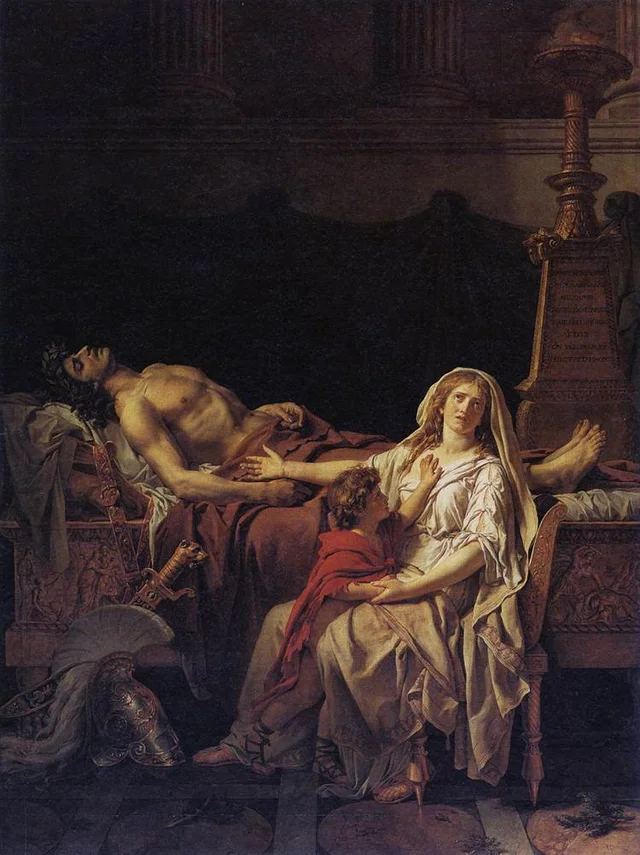 Andromaque pleurant HectorJacques-Louis David, 1783
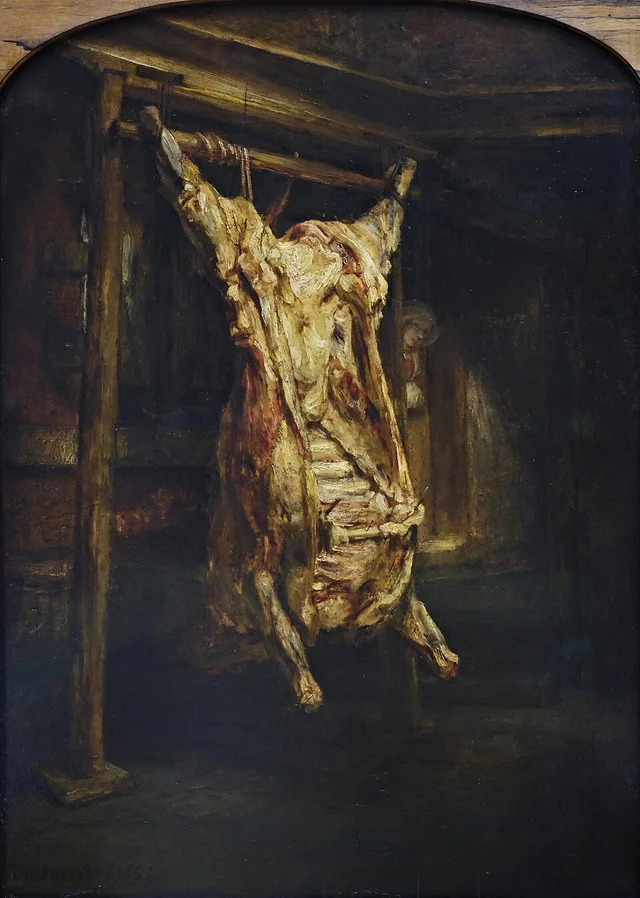 Le Bœuf écorchéRembrandt, 1655
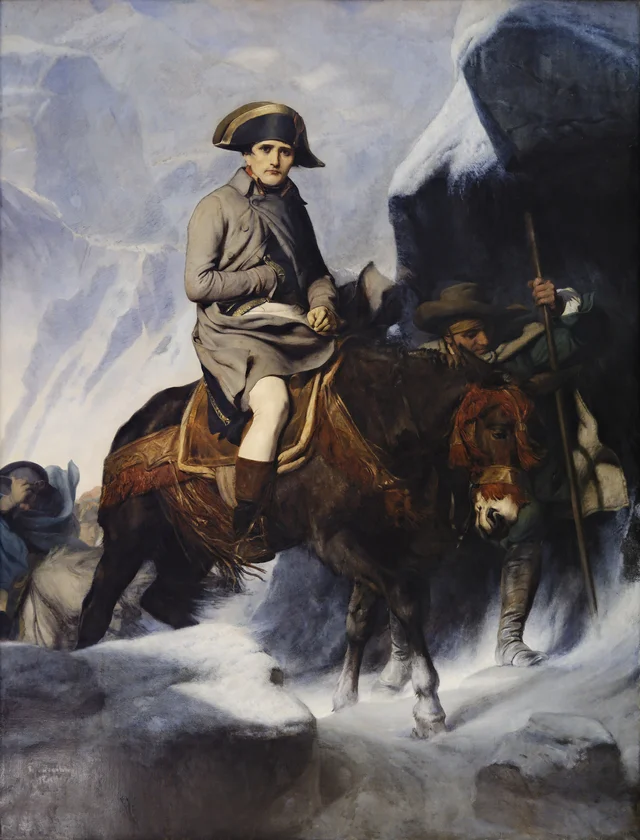 Bonaparte franchissant les AlpesPaul Delaroche, 1848
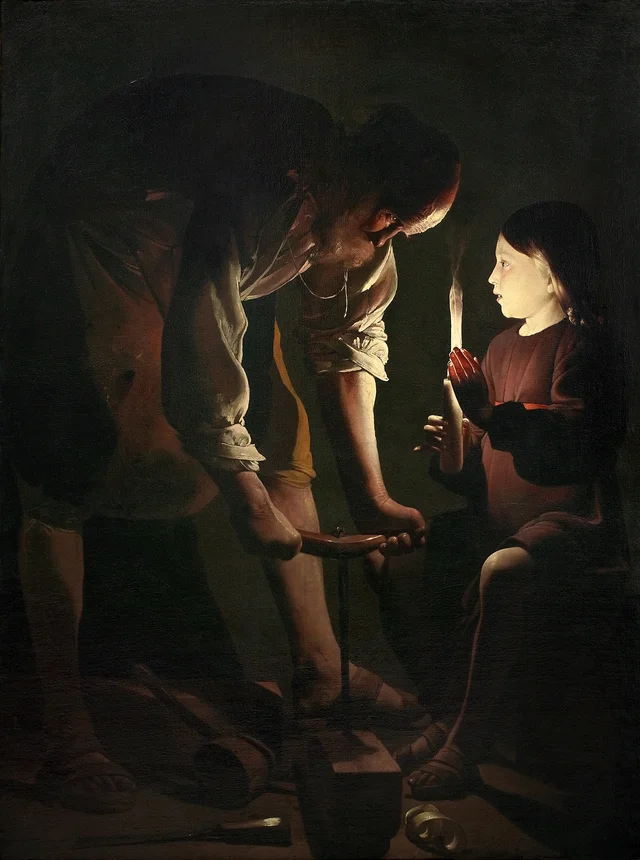 Saint Joseph charpentierGeorges de La Tour, 1642
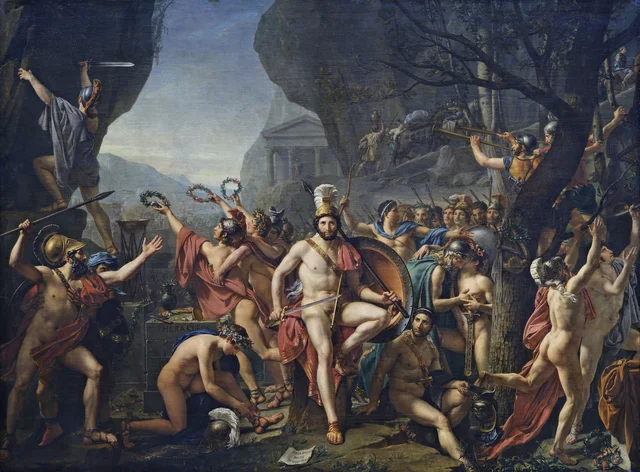 Léonidas aux ThermopylesJacques-Louis David, 1814
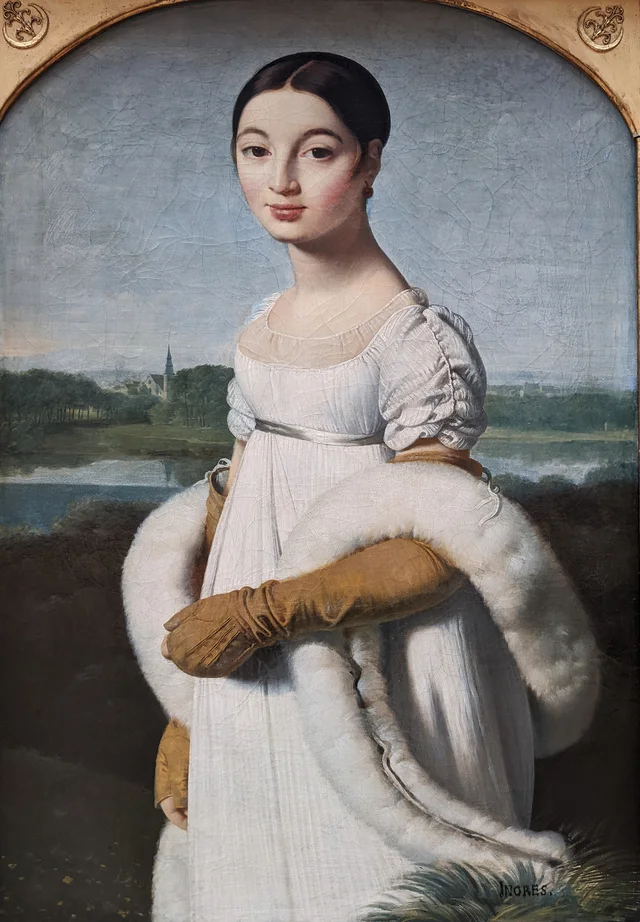 Mademoiselle Caroline RivièreJean-Auguste-Dominique Ingres, 1806
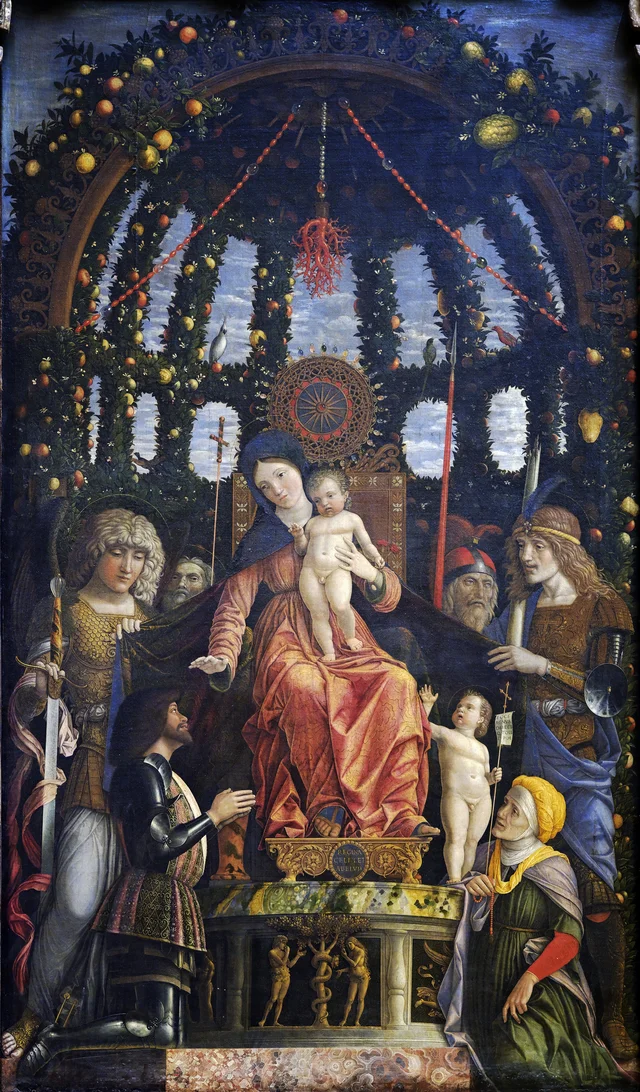 La Madone de la VictoireAndrea Mantegna, 1495
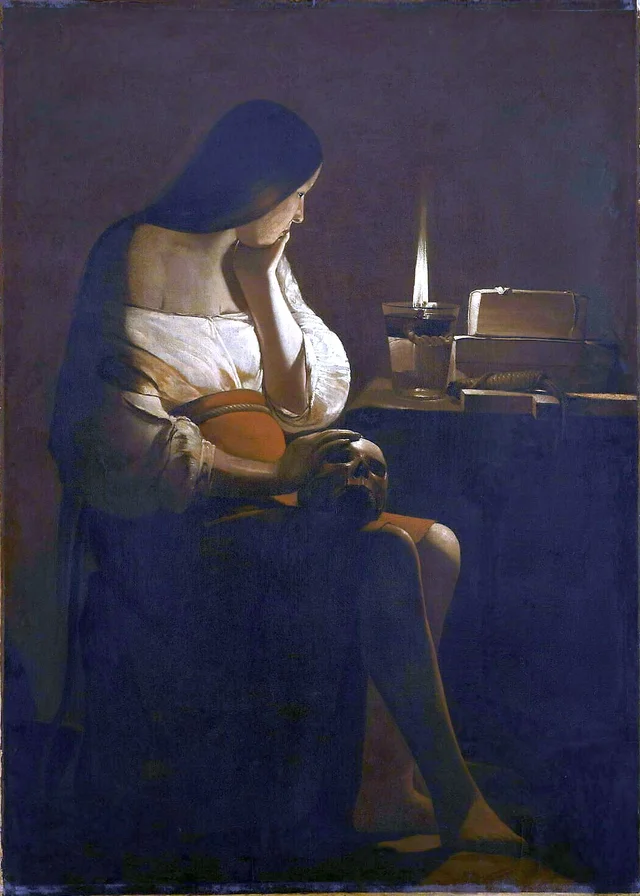 La Madeleine à la flamme filanteGeorges de La Tour, 1642