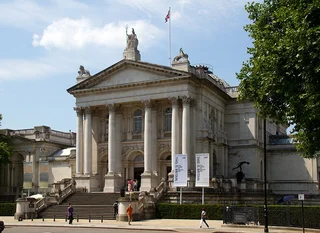
La storia
La Tate è in realtà quattro gallerie, e quella più visitata un tempo produceva elettricità. La Tate Modern occupa la vecchia centrale elettrica di Bankside, sulla riva sud del Tamigi a Londra, un mastodonte di mattoni con un'unica alta ciminiera, progettato da Giles Gilbert Scott, l'uomo dietro la cabina telefonica rossa. Dopo la chiusura, la sala delle turbine che un tempo ospitava i generatori rimase come un enorme spazio vuoto alto cinque piani, e dal 2000 accoglie opere colossali su commissione, una crepa che corre per tutta la lunghezza del pavimento, un gigantesco sole al chiuso fatto di foschia e luce.
L'istituzione cominciò con lo zucchero. Henry Tate fece la sua fortuna con la zolletta, e nel 1897 pagò per costruire una galleria d'arte britannica a Millbank, più a monte, sul sito di una prigione demolita. Quell'edificio è oggi la Tate Britain, e custodisce il Lascito Turner, le migliaia di oli e acquerelli che J.M.W. Turner lasciò alla nazione alla sua morte, nel 1851.
Le due sedi londinesi si dividono la collezione per epoca, con la Tate Britain che copre l'arte britannica fino al Cinquecento e la Tate Modern l'arte moderna e contemporanea internazionale. Altre due gallerie portano il nome fuori dalla capitale, la Tate Liverpool e la Tate St Ives sulla costa della Cornovaglia, quest'ultima costruita sopra una spiaggia dove alcuni dei pittori che espone un tempo lavoravano.
Collezione
118 opere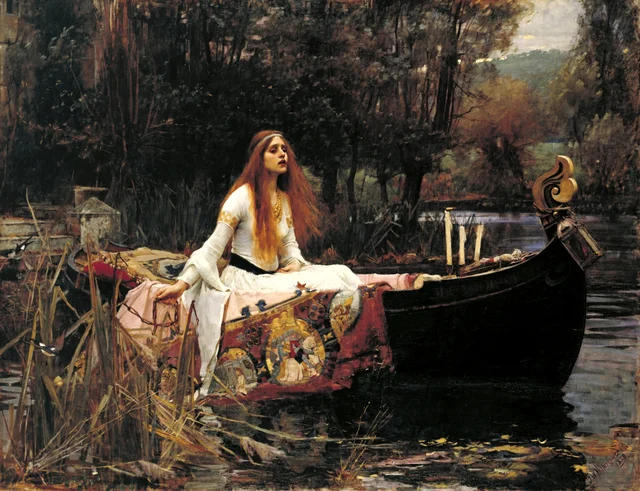 La signora di ShalottJohn William Waterhouse, 1888
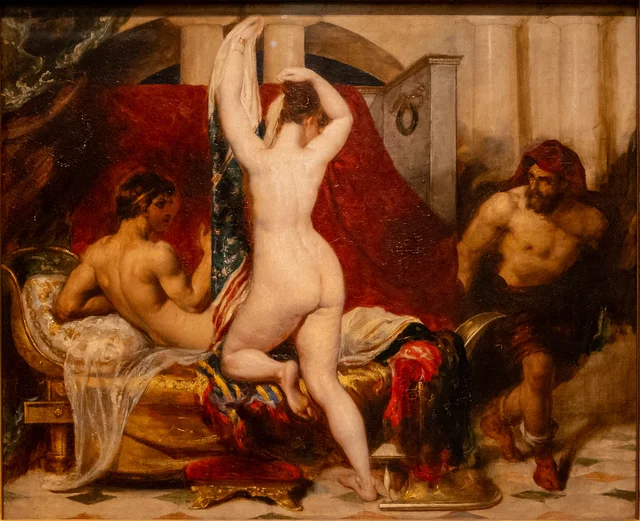 Candaule, re di Lidia, mostra di nascosto la moglie a Gige, uno dei suoi ministri, mentre ella va a lettoWilliam Etty, 1830
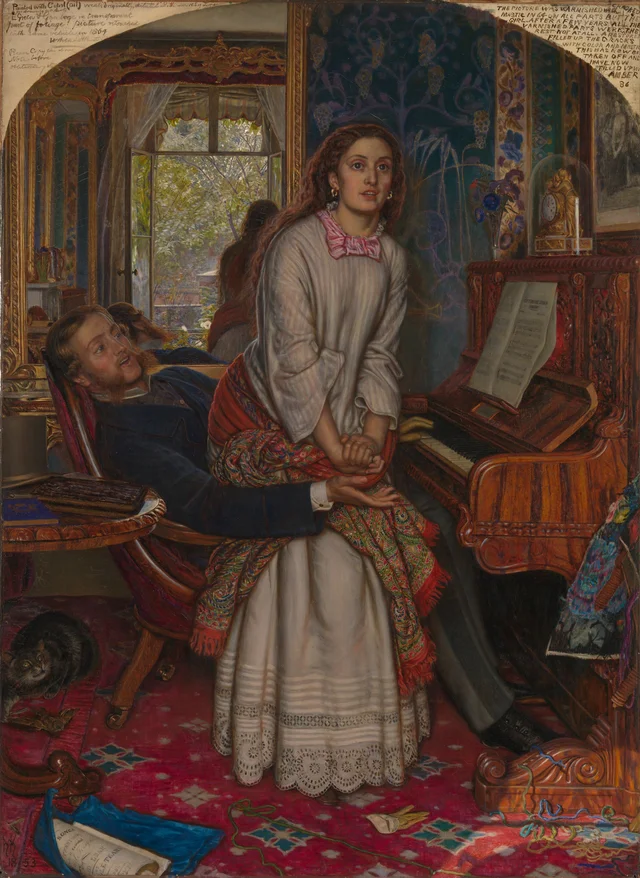 Il risveglio della coscienzaWilliam Holman Hunt, 1853
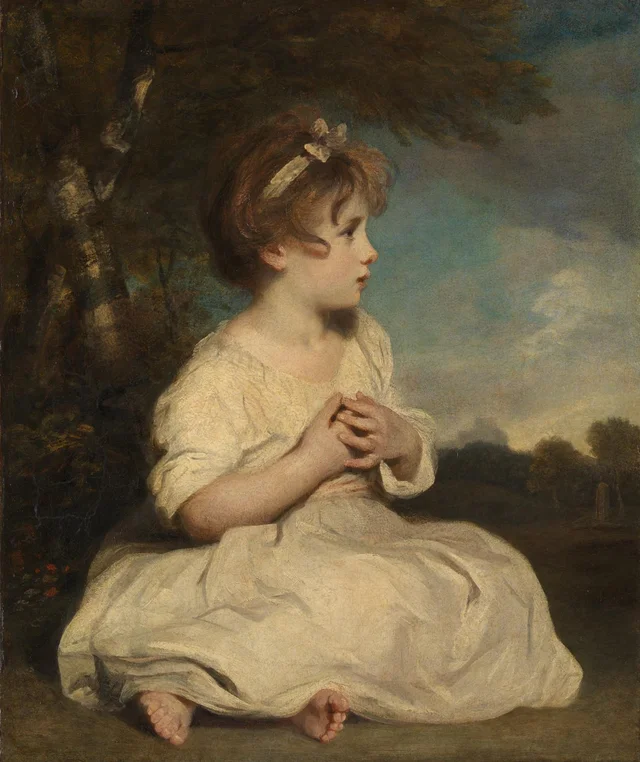 L'età dell'innocenzaJoshua Reynolds, 1788
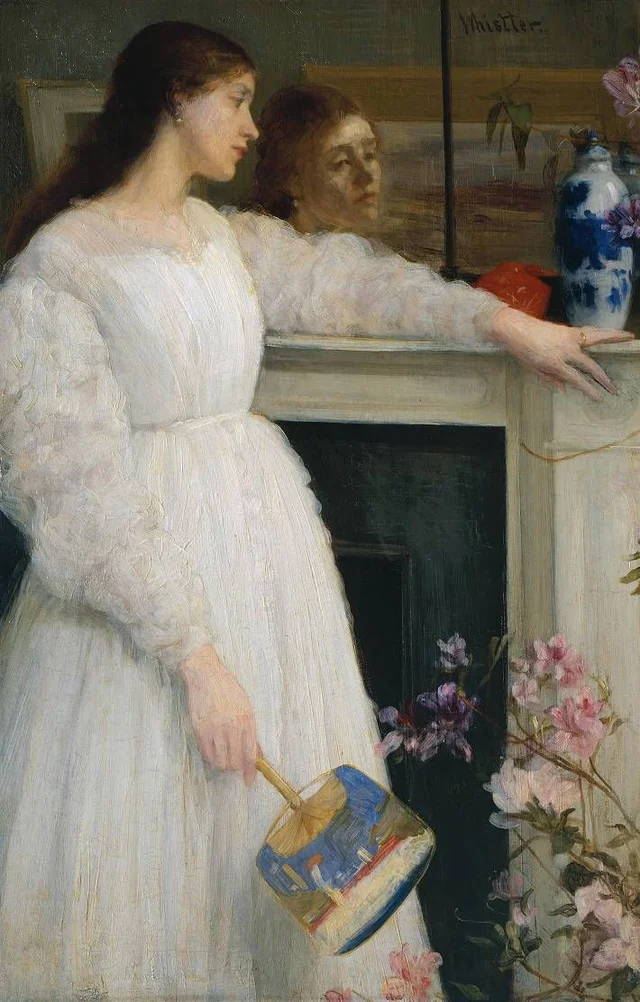 Sinfonia in bianco n. 2: La piccola ragazza biancaJames McNeill Whistler, 1864
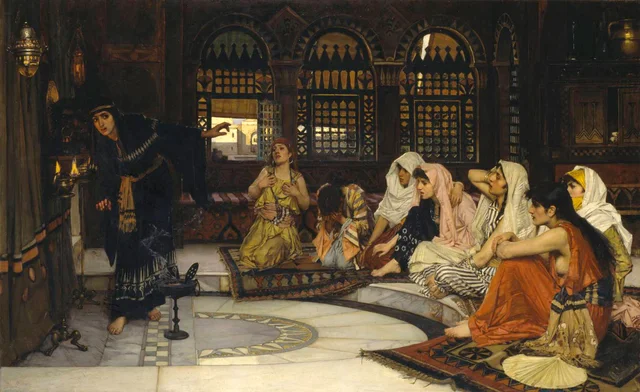 Il consulto dell'oracoloJohn William Waterhouse, 1884
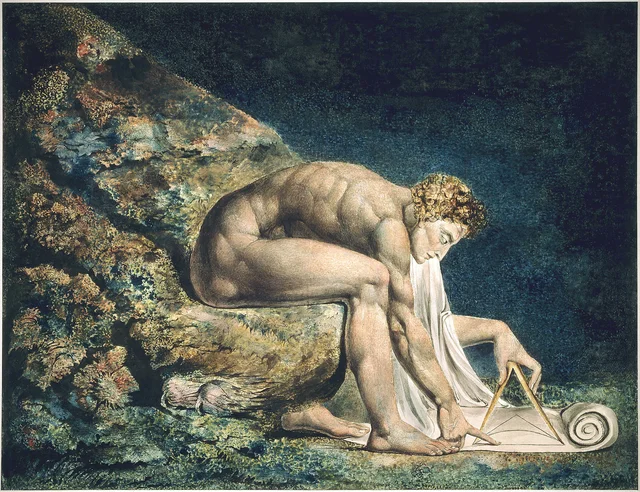 NewtonWilliam Blake, 1795
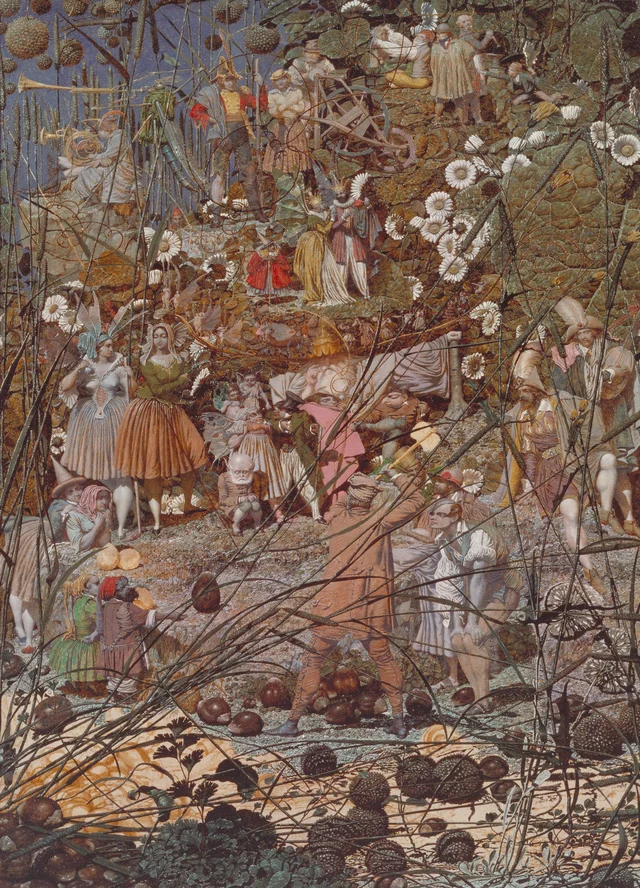 Il colpo da maestro del taglialegna fatatoRichard Dadd, 1855
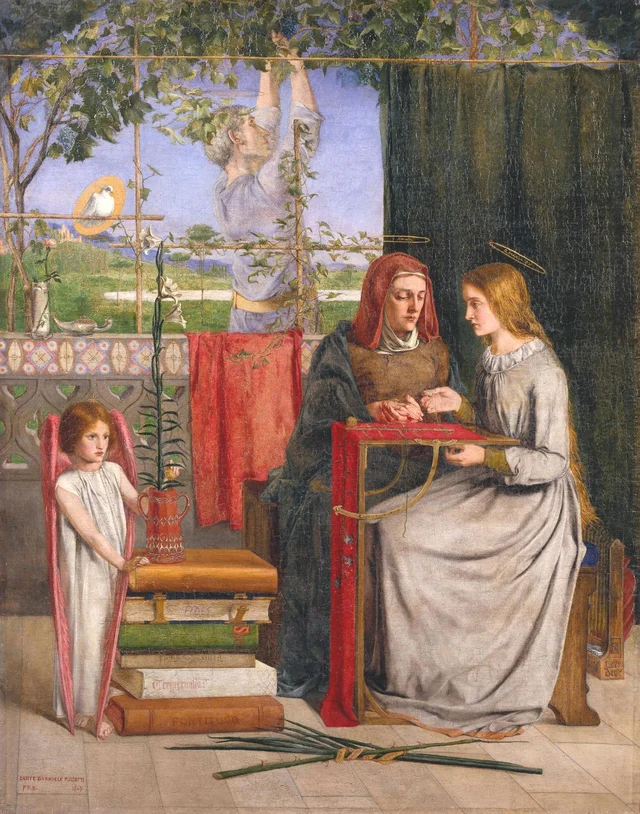 L’infanzia della Vergine MariaDante Gabriel Rossetti, 1849
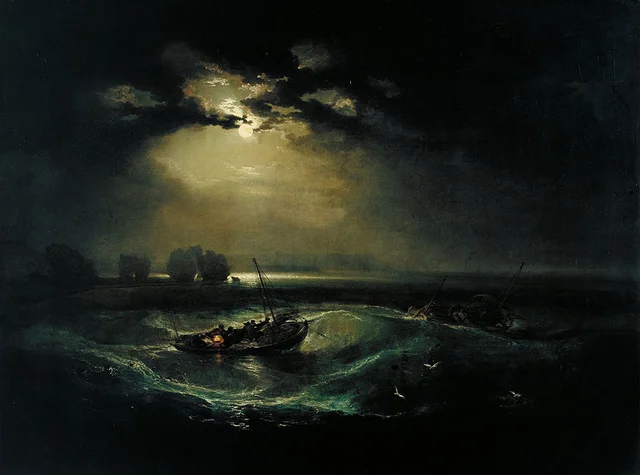 Pescatori in mareJ. M. W. Turner, 1796
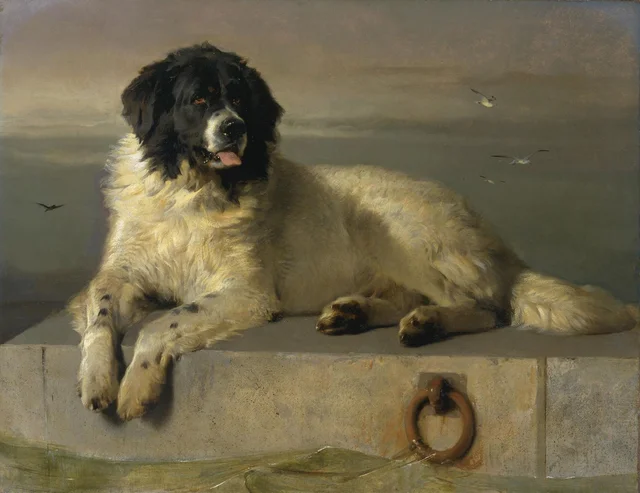 Un membro distinto della Società UmanitariaEdwin Landseer, 1831
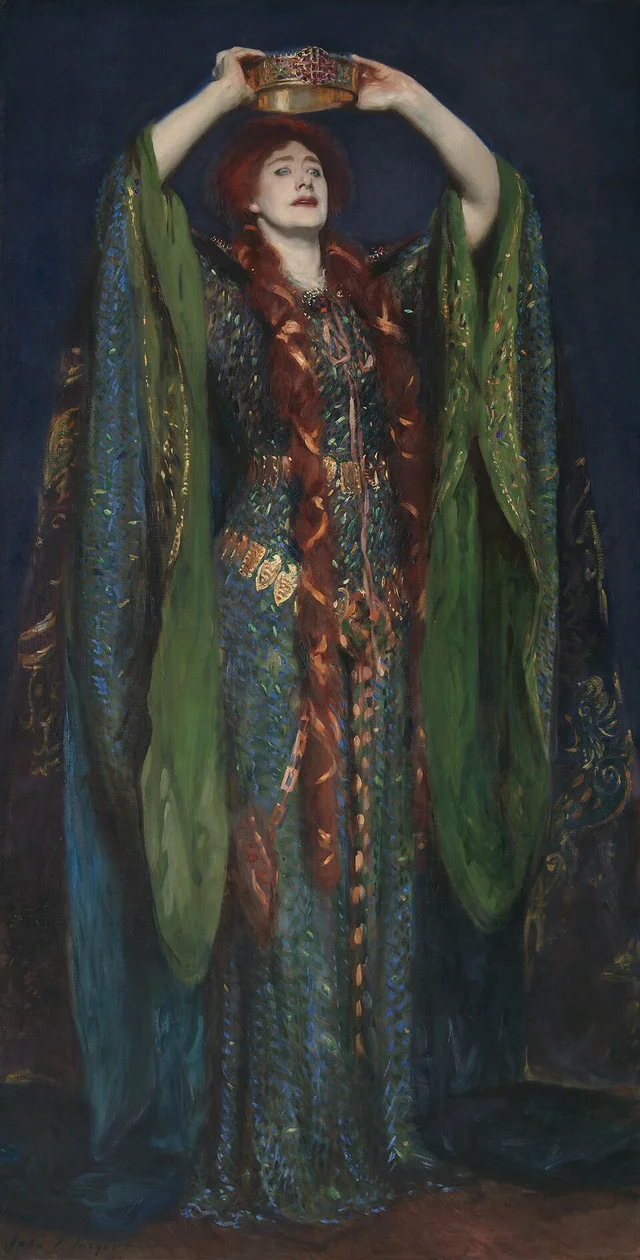 Ellen Terry nei panni di Lady MacbethJohn Singer Sargent, 1889
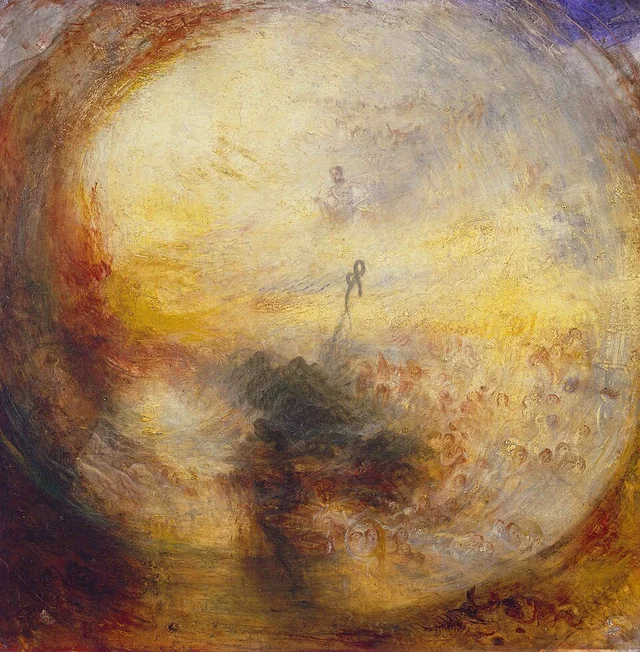 Luce e colore (la teoria di Goethe) – Il mattino dopo il Diluvio – Mosè scrive la GenesiJ. M. W. Turner, 1843
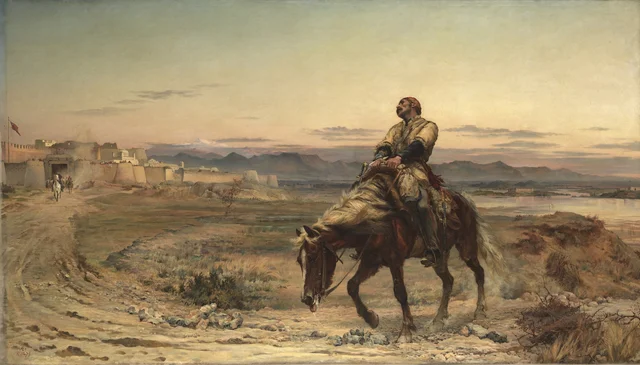 I resti di un esercitoElizabeth Thompson, 1879
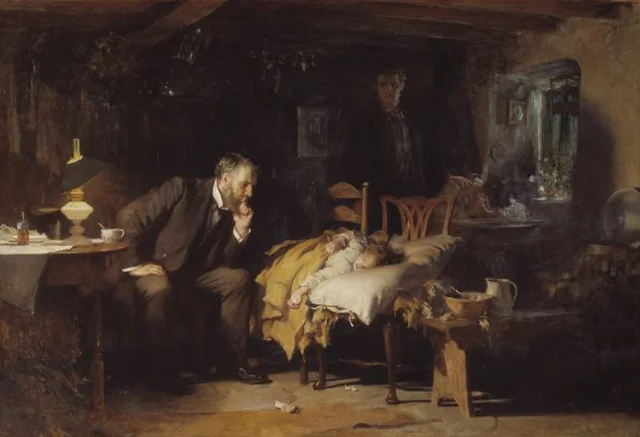 Il medicoLuke Fildes, 1891
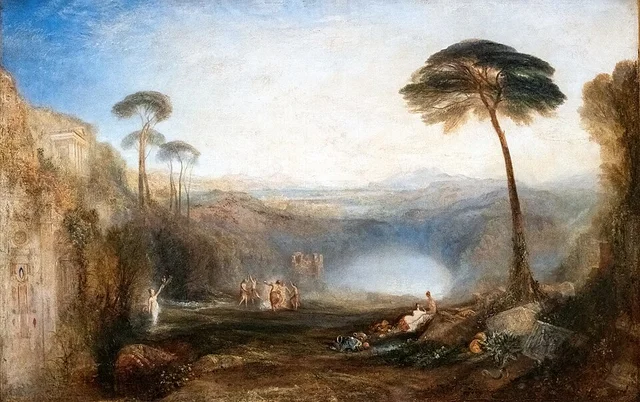 Il ramo d'oroJ. M. W. Turner, 1834
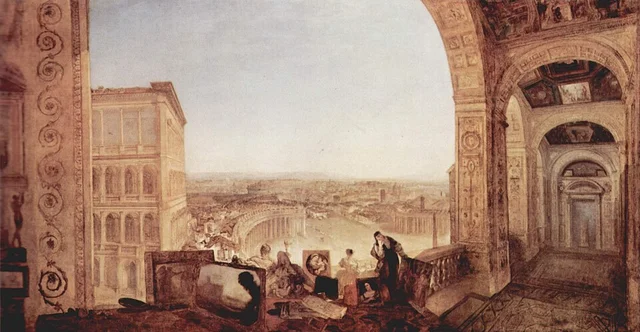 Roma, dal Vaticano. Raffaello, accompagnato dalla Fornarina, prepara i suoi dipinti per la decorazione delle LoggeJ. M. W. Turner, 1820
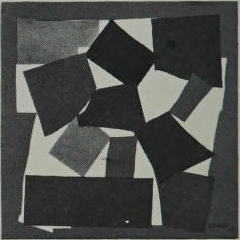 La lumacaHenri Matisse, 1953
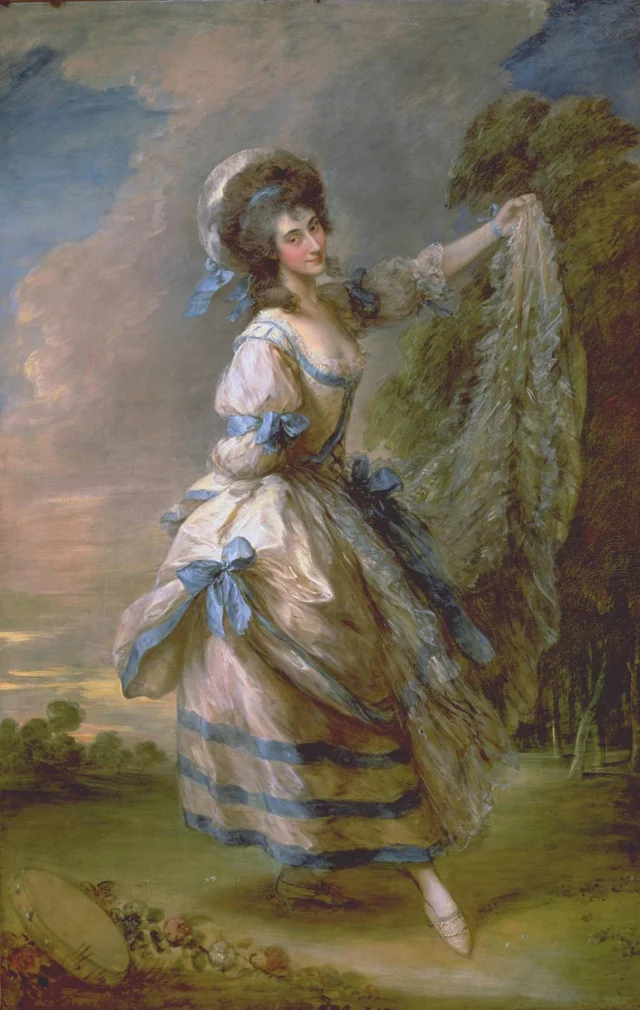 Giovanna BaccelliThomas Gainsborough, 1782
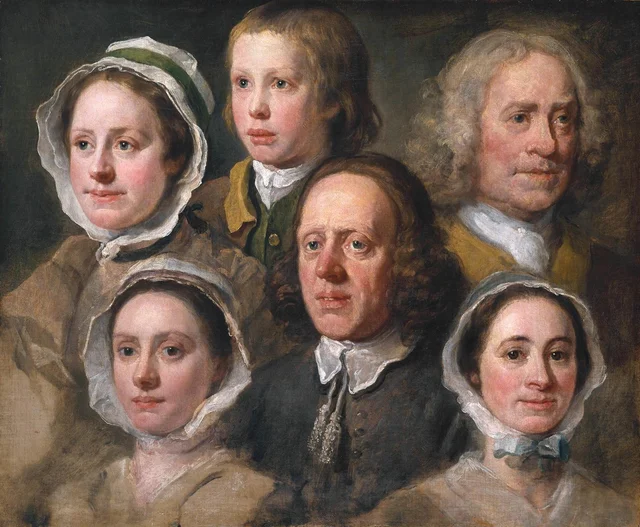 I servitori di HogarthWilliam Hogarth, 1752
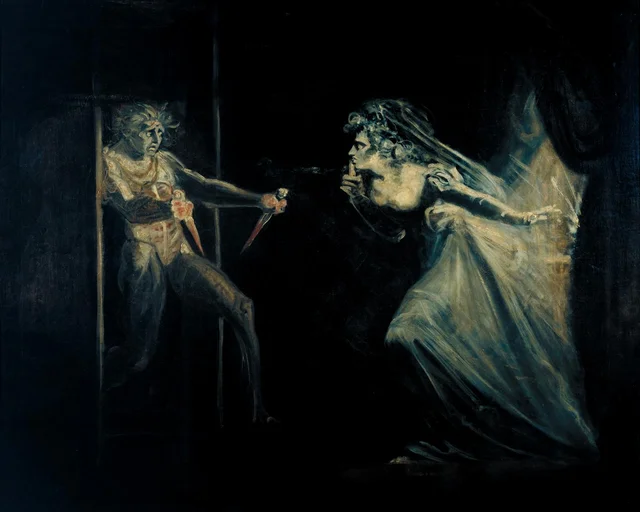 Lady Macbeth si impossessa dei pugnaliJohann Heinrich Füssli, 1812
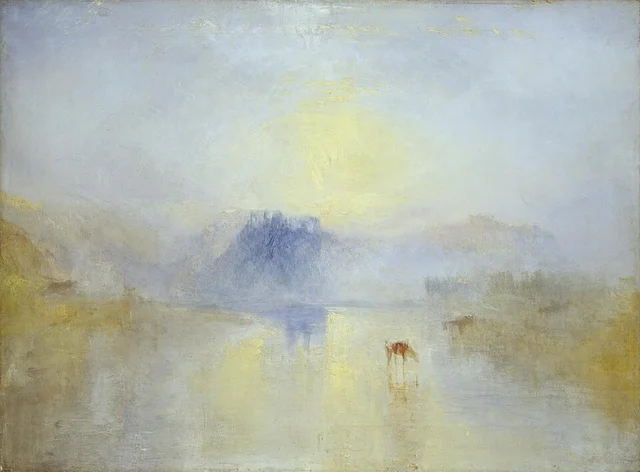 Castello di Norham, albaJ. M. W. Turner, 1845
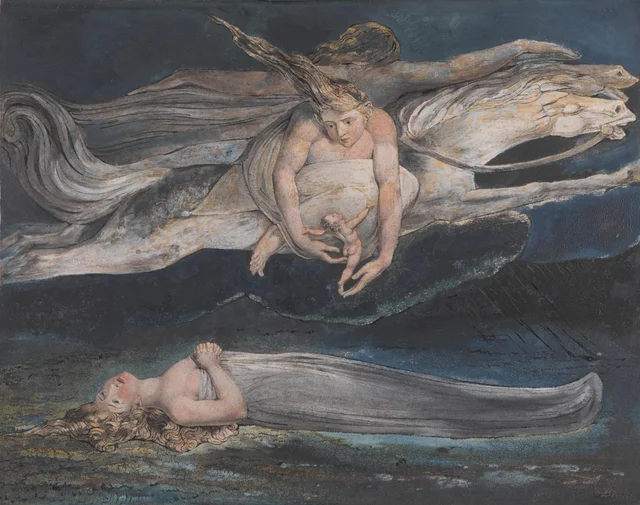 PietàWilliam Blake, 1795
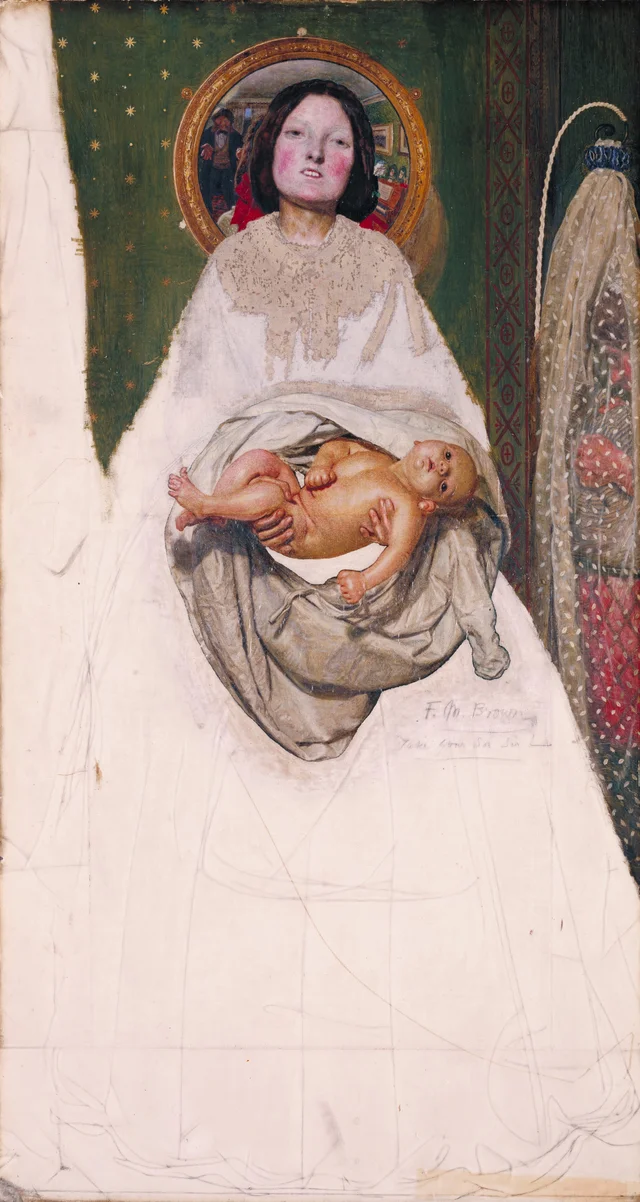 Prendete vostro figlio, signore!Ford Madox Brown, 1851
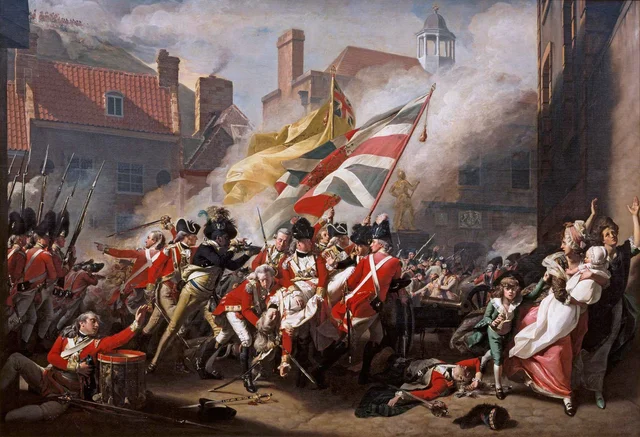 La morte del maggiore Peirson, 6 gennaio 1781John Singleton Copley, 1783