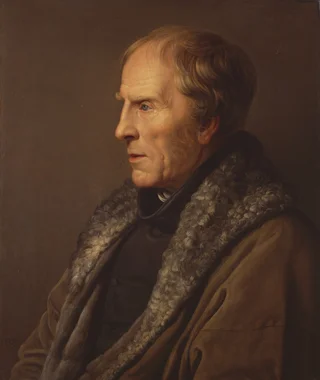
카스파르 다비트 프리드리히
1774–1840 · 스웨덴령 포메라니아, 작센 왕국 · 낭만주의, 독일 낭만주의
오디오 가이드
이야기
카스파르 다비트 프리드리히는 유럽 미술사에서 가장 고독한 풍경을 그린 화가였다. 뒷모습만 보이는 한 인물이 안개나 바다, 혹은 그를 압도하는 산 앞에 작게 서 있는 구도다. 뒷모습으로 그려진 이 인물, 즉 뤼켄피구어는 그의 트레이드마크였으며, 보는 이를 바로 그 자리에 세워 놓고 도무지 다 담아낼 수 없는 무언가를 함께 응시하게 만든다.
그는 나폴레옹이 독일 지역을 점령하던 1800년대 초 드레스덴에서 활동했고, 그가 그린 안개 낀 폐허와 홀로 선 십자가에는 당대 사람들이 예민하게 느꼈던 은근한 애국적, 종교적 함의가 담겨 있었다. 그의 가장 유명한 작품인, 구름바다 위 벼랑에 초록 코트를 입고 선 남자의 그림은 1818년경에 그려졌다. 한동안 그는 인정받았고 러시아와 프로이센 왕실의 소장품이 되기도 했다.
그러나 취향은 바뀌었다. 낭만주의는 유행에서 밀려났고, 1835년 뇌졸중으로 반신마비를 겪은 그는 1840년 가난 속에 거의 잊힌 채로 세상을 떠났다. 그의 작품은 수십 년간 방치되어 있다가, 1900년경 상징주의 화가들과 노르웨이 학자 안드레아스 아우베르트에 의해 다시 조명받았다. 1906년 베를린에서 열린 전시회는 그의 작품 90여 점을 모았는데, 이는 그때까지 그의 작품을 가장 대규모로 선보인 자리였다.
작품
작품 105점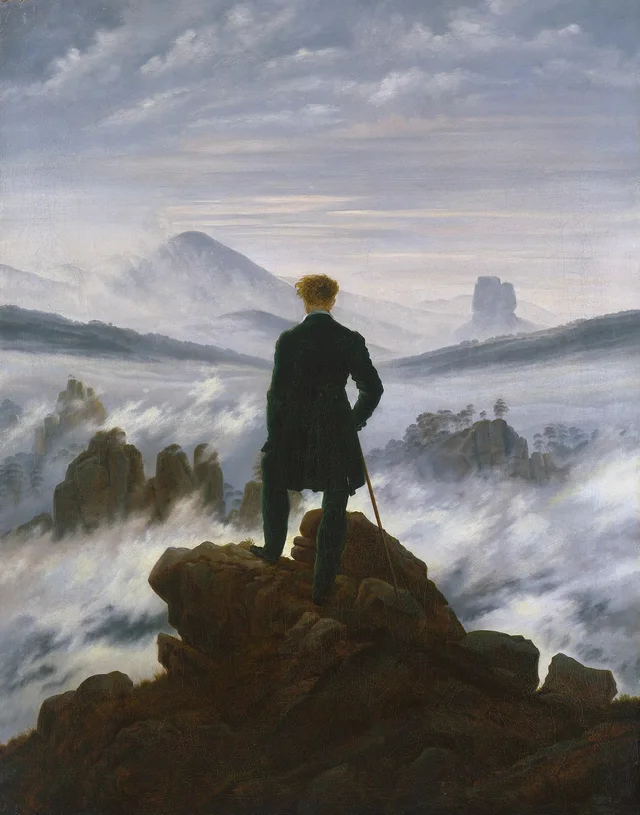 안개 바다 위의 방랑자카스파르 다비트 프리드리히, 1818
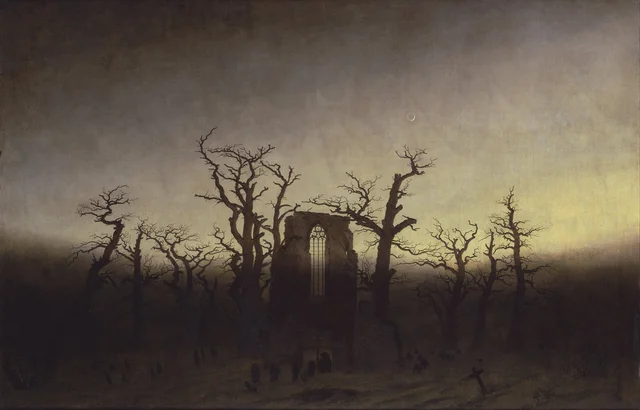 참나무숲의 수도원카스파르 다비트 프리드리히, 1809
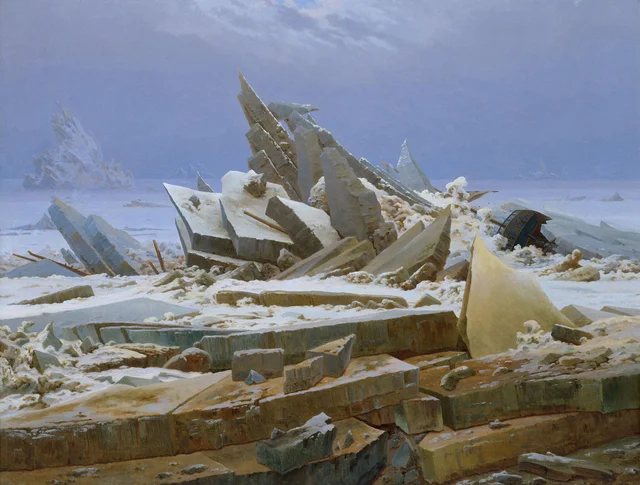 빙해카스파르 다비트 프리드리히, 1823
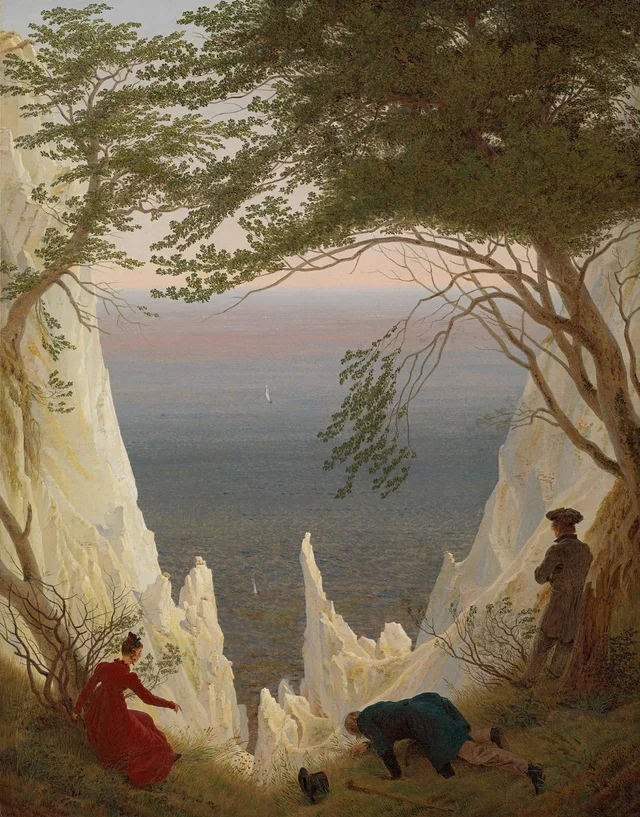 뤼겐 섬의 백악 절벽카스파르 다비트 프리드리히, 1818
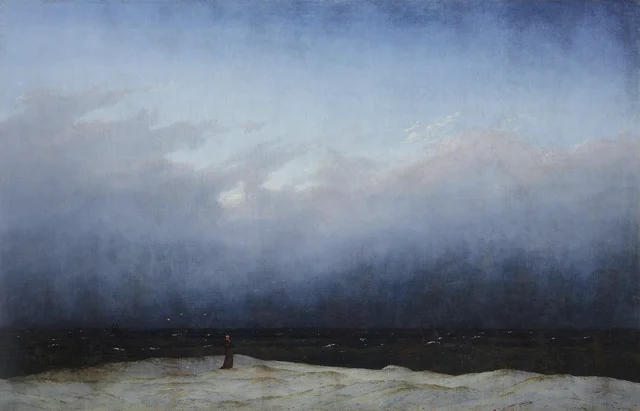 바닷가의 수도사카스파르 다비트 프리드리히, 1808
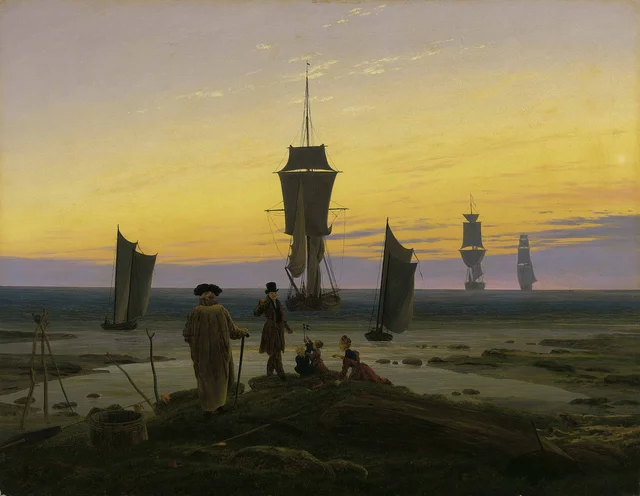 인생의 단계카스파르 다비트 프리드리히, 1834
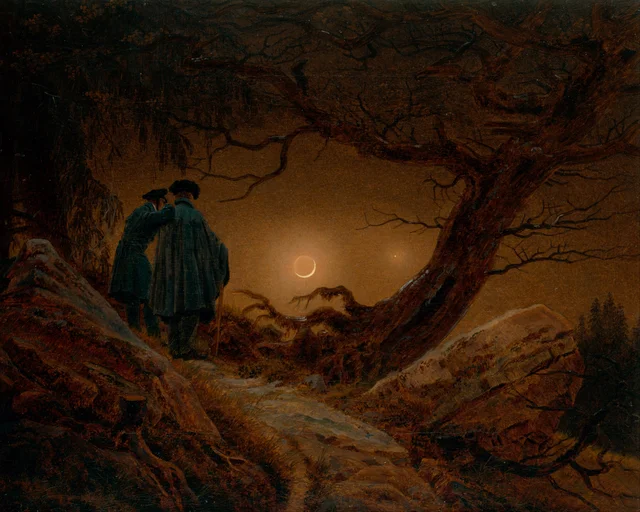 달을 바라보는 두 남자카스파르 다비트 프리드리히, 1819
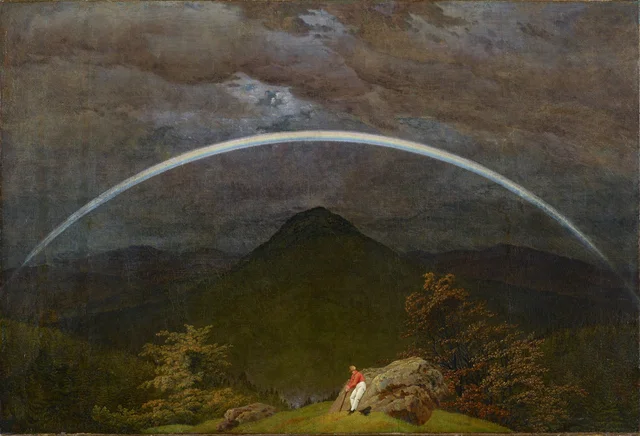 무지개가 있는 산 풍경카스파르 다비트 프리드리히, 1809
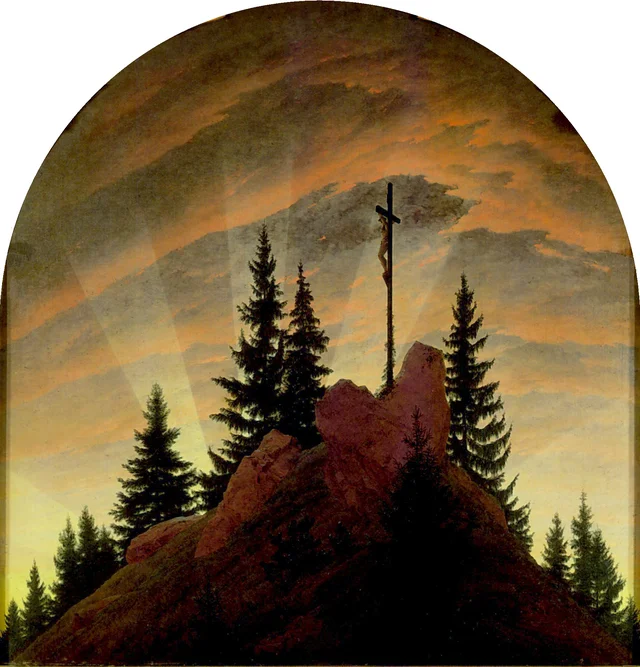 테첸 제단화 (산속의 십자가)카스파르 다비트 프리드리히, 1807
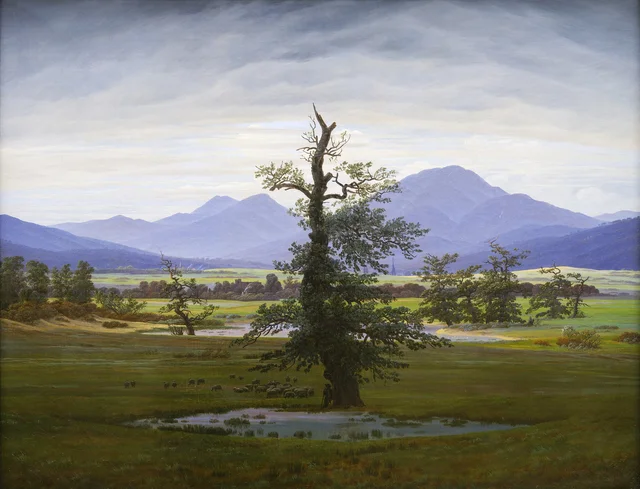 외로운 나무카스파르 다비트 프리드리히, 1822
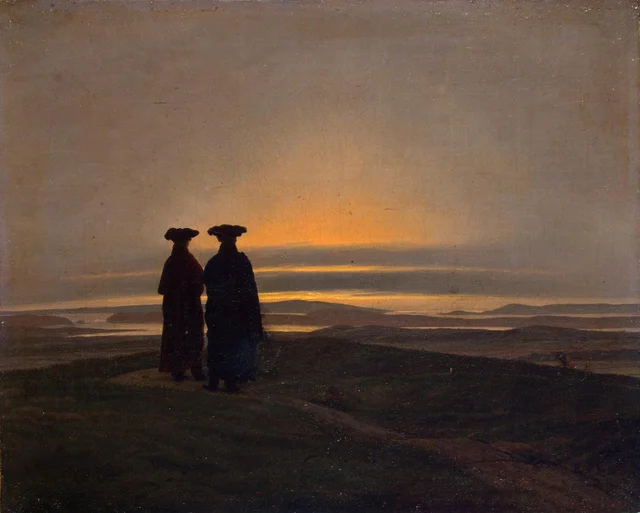 일몰카스파르 다비트 프리드리히, 1837
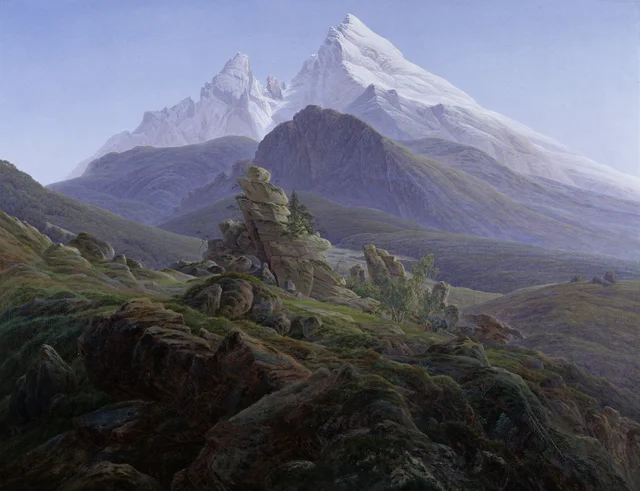 바츠만산카스파르 다비트 프리드리히, 1824
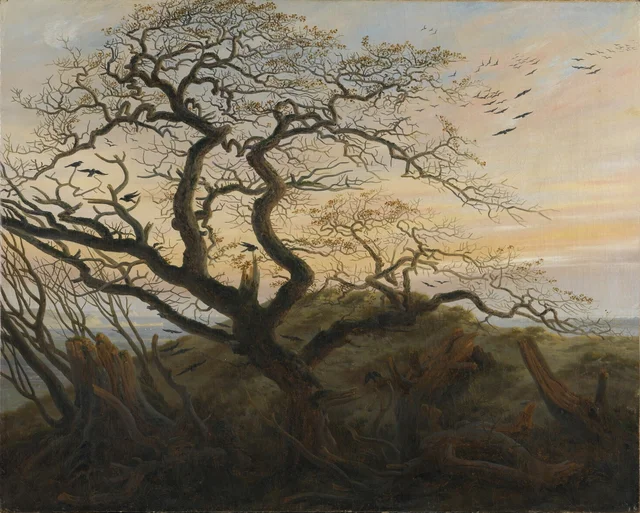 까마귀가 있는 나무카스파르 다비트 프리드리히, 1822
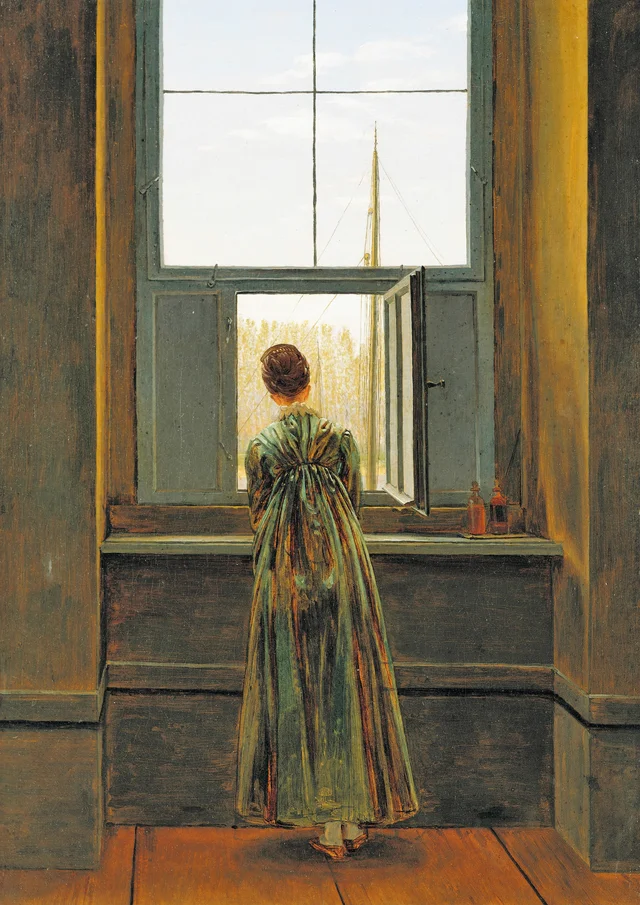 창가의 여인카스파르 다비트 프리드리히, 1822
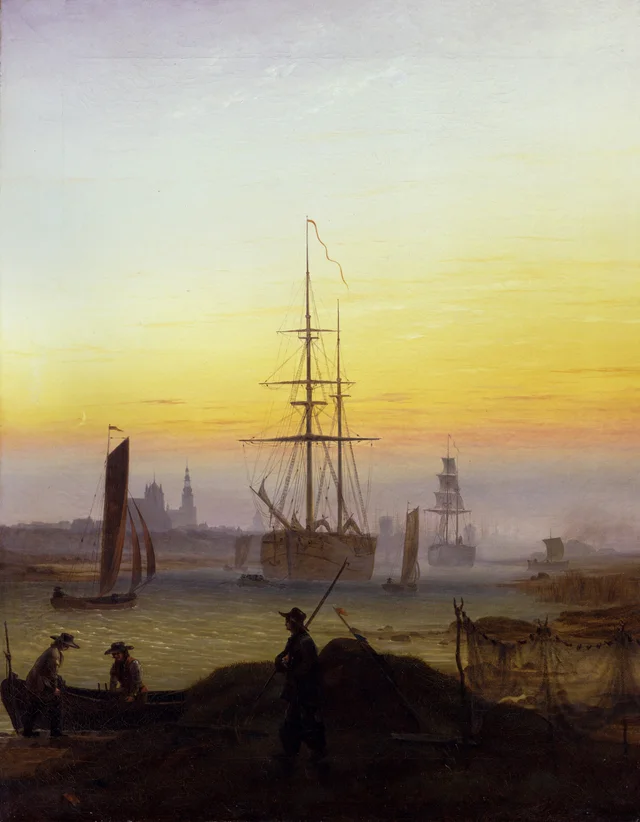 그라이프스발트 항구카스파르 다비트 프리드리히, 1819
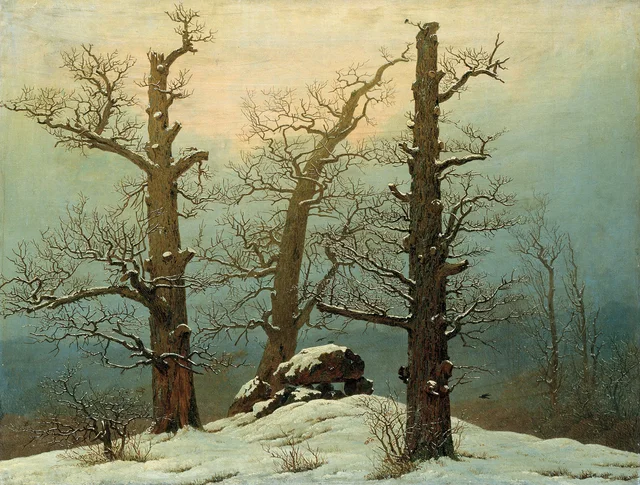 눈 속의 돌무덤카스파르 다비트 프리드리히, 1807
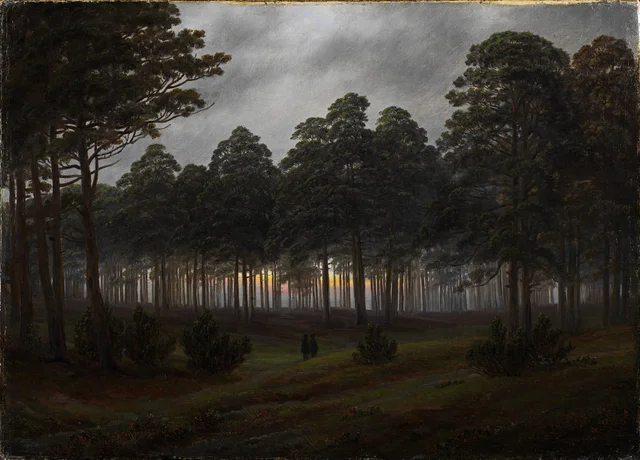 하루의 연작: 저녁카스파르 다비트 프리드리히, 1821
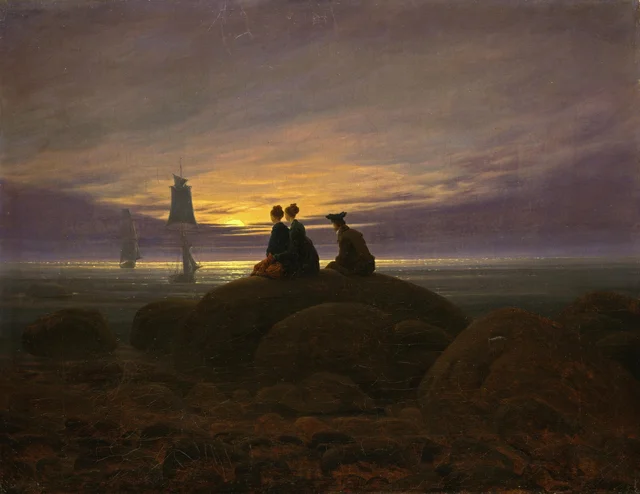 바다 위로 떠오르는 달카스파르 다비트 프리드리히, 1822
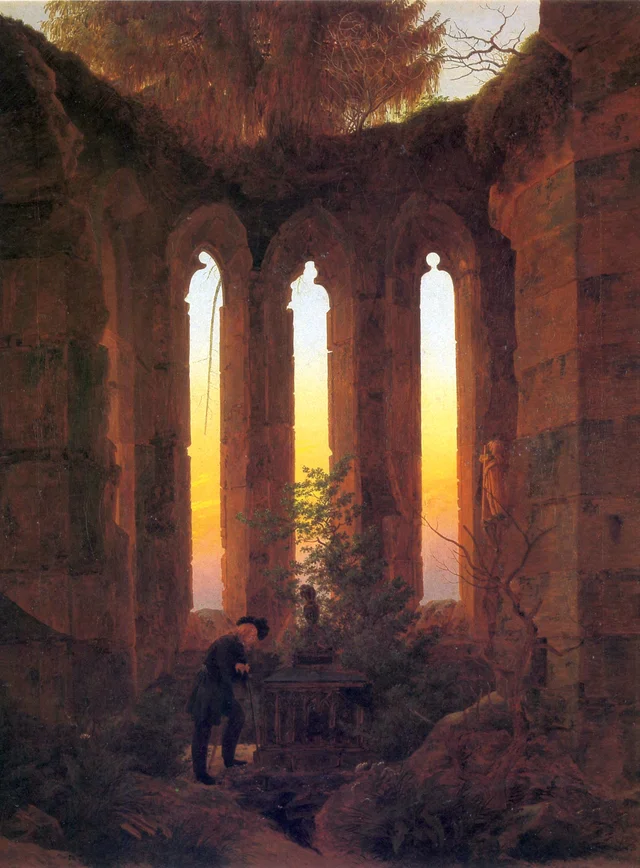 후텐의 무덤카스파르 다비트 프리드리히, 1823
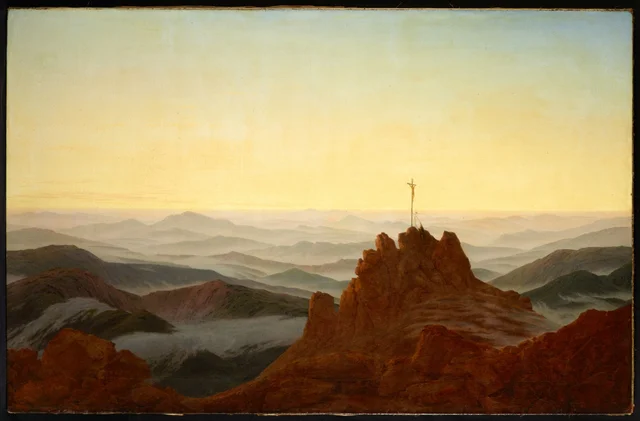 리젠게비르게의 아침카스파르 다비트 프리드리히, 1810
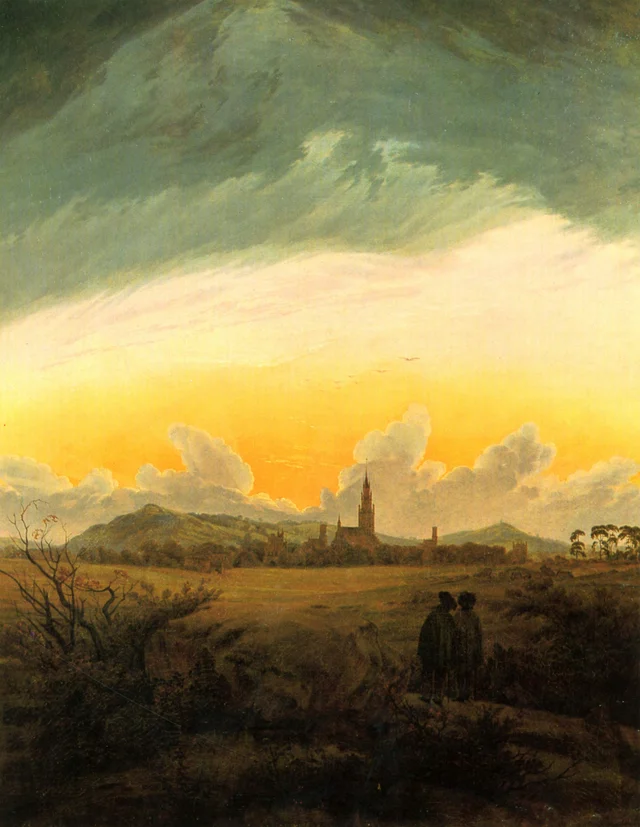 노이브란덴부르크카스파르 다비트 프리드리히, 1816
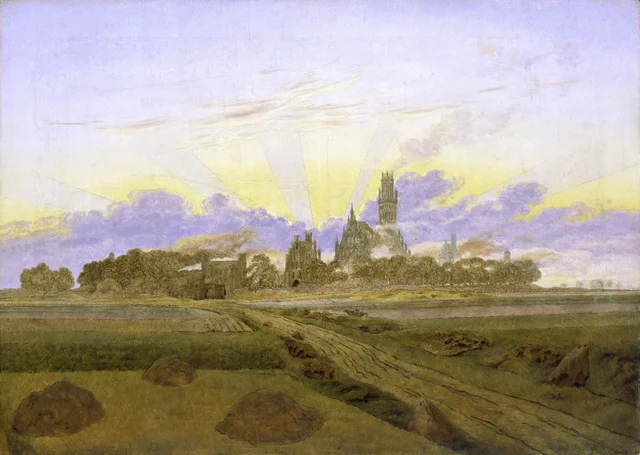 불타는 노이브란덴부르크카스파르 다비트 프리드리히, 1835
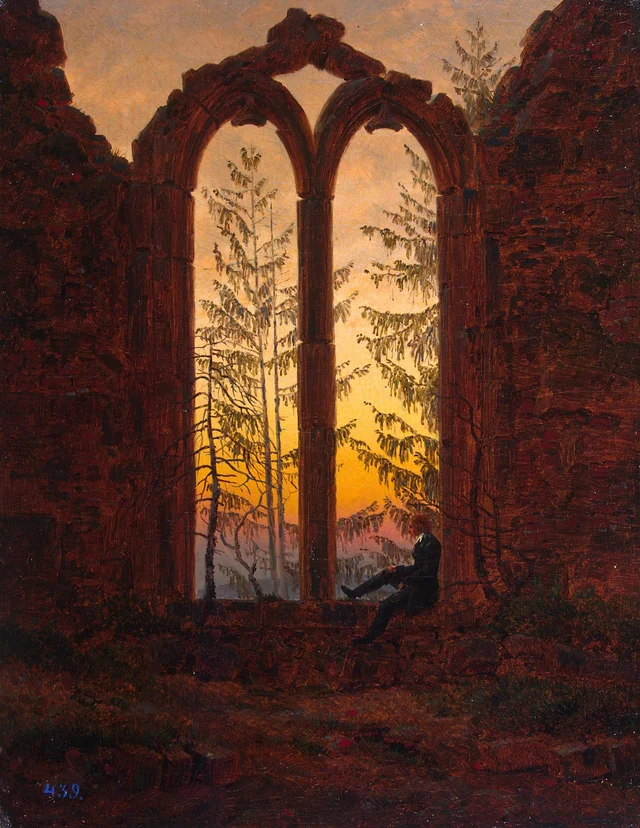 오이빈의 폐허카스파르 다비트 프리드리히, 1835
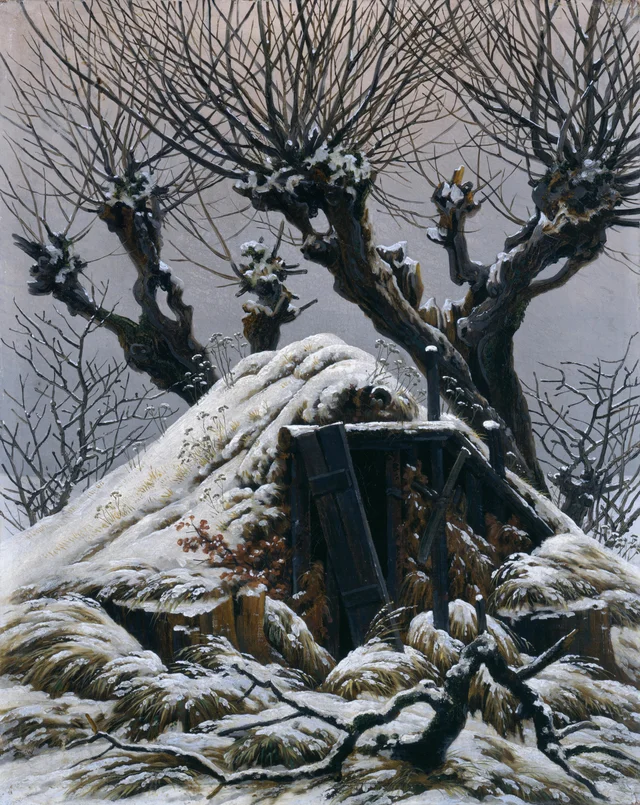 눈 덮인 오두막카스파르 다비트 프리드리히, 1827
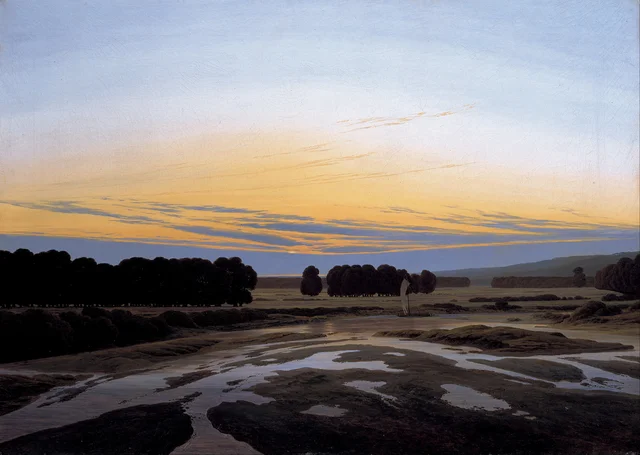 큰 울타리카스파르 다비트 프리드리히, 1832