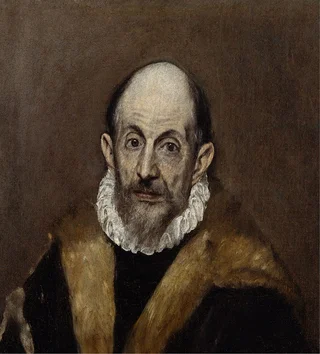
엘 그레코
1541–1614 · 카스티야 왕국 · 스페인 르네상스
오디오 가이드
이야기
그는 스페인 사람들이 "그리스인"이라는 뜻의 엘 그레코라는 별명을 붙인 뒤에도 평생 도메니코스 테오토코풀로스라는 그리스 문자 서명을 고수했다. 그는 1541년 크레타섬에서 태어나 금빛 배경의 평면적인 비잔틴 성화 양식을 배운 뒤, 베네치아와 로마로 건너가 이탈리아 르네상스의 유화 기법을 익혔다. 1577년 무렵 그는 스페인의 오랜 종교적 중심지 톨레도에 정착했고, 두 번 다시 그곳을 떠나지 않았다.
그는 왕실의 일을 기대하며 스페인에 왔다. 펠리페 2세는 엘 에스코리알 궁전 겸 수도원을 위해 순교 장면 한 점을 그에게 의뢰했고, 1582년경 완성되었지만 왕은 이를 마음에 들어 하지 않아 눈에 잘 띄지 않는 곳에 걸어두고 다른 화가를 고용했다. 이로써 궁정의 문은 그에게 닫혔다. 그러나 그것은 동시에 그를 자유롭게 했다. 톨레도의 성당과 성직자들은 이후 평생 그에게 일감을 맡겼고, 개신교에 맞선 가톨릭 교회의 반격이었던 반종교개혁의 중심지였던 이 도시에는 타오르는 듯한, 길게 늘어난, 촛불에 비친 성인들의 모습이 잘 어울렸다.
1614년 세상을 떠난 뒤 약 300년 동안 그는 괴짜로 취급받았고, 그의 길게 늘어난 인물들은 시력이나 취향의 결함으로 치부되었다. 그러다 20세기 초의 화가들, 세잔과 젊은 피카소를 포함해, 그러한 왜곡 속에서 의도적이고 현대적인 무언가를 발견했다. 피카소는 큐비즘을 고안해가던 시기에 엘 그레코의 작품을 면밀히 연구했다.
다른 아티클
작품
작품 254점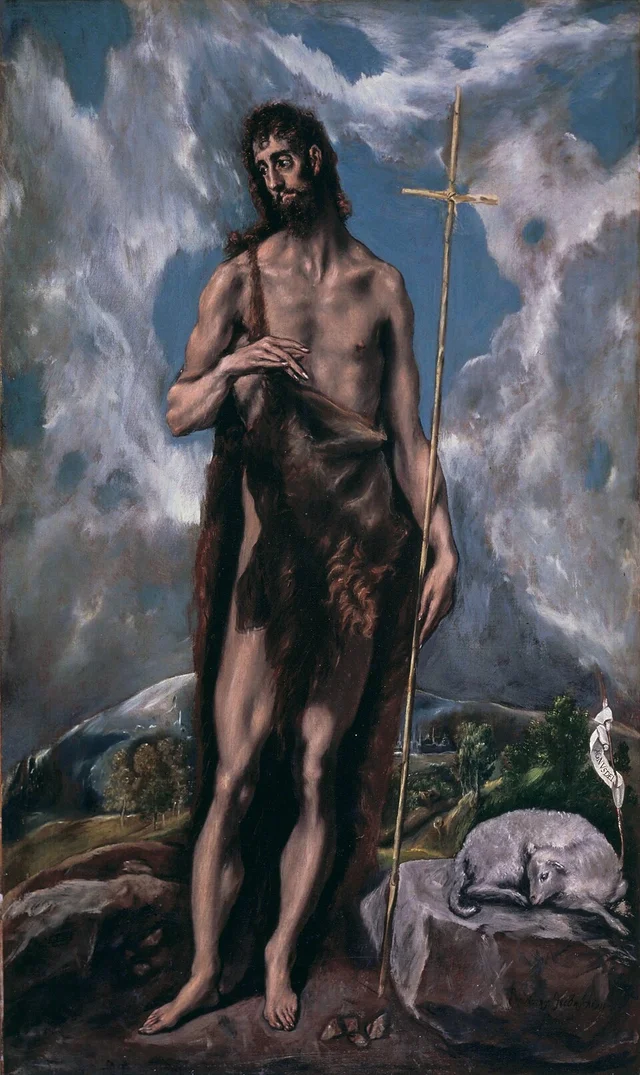 세례자 성 요한엘 그레코, 1600
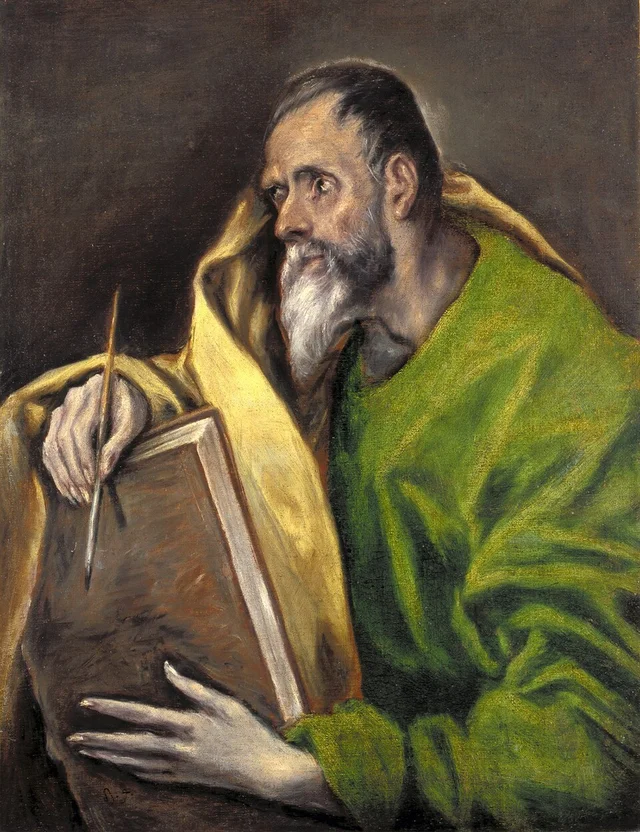 성 루카엘 그레코, 1610
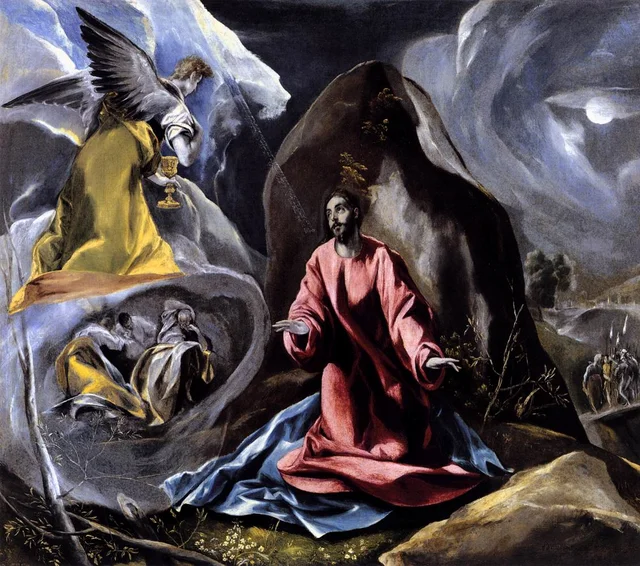 겟세마네 동산의 기도엘 그레코, 1590
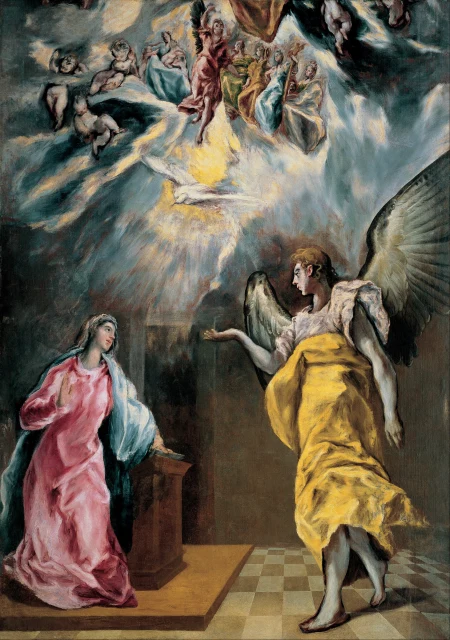 수태고지엘 그레코, 1614
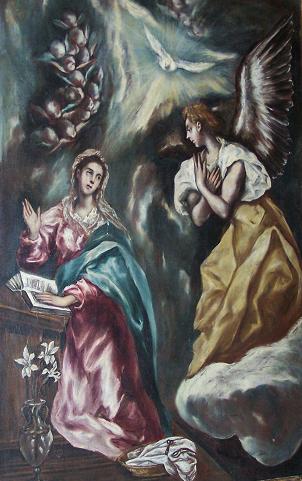 수태고지엘 그레코, 1610
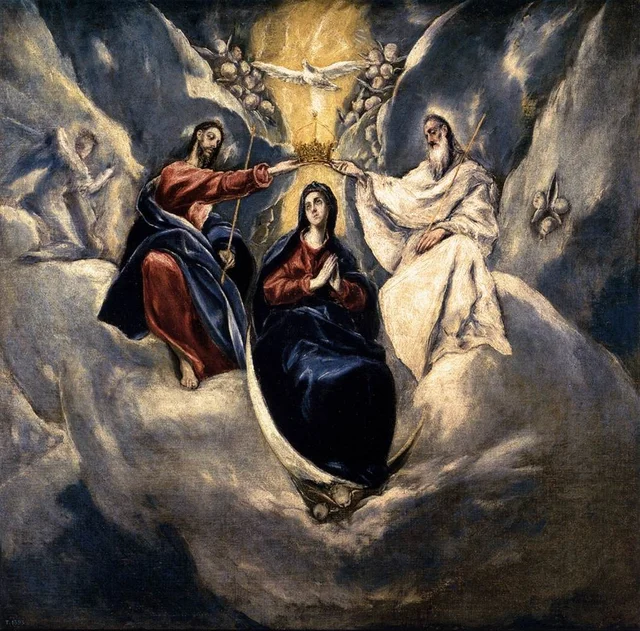 성모의 대관엘 그레코, 1591
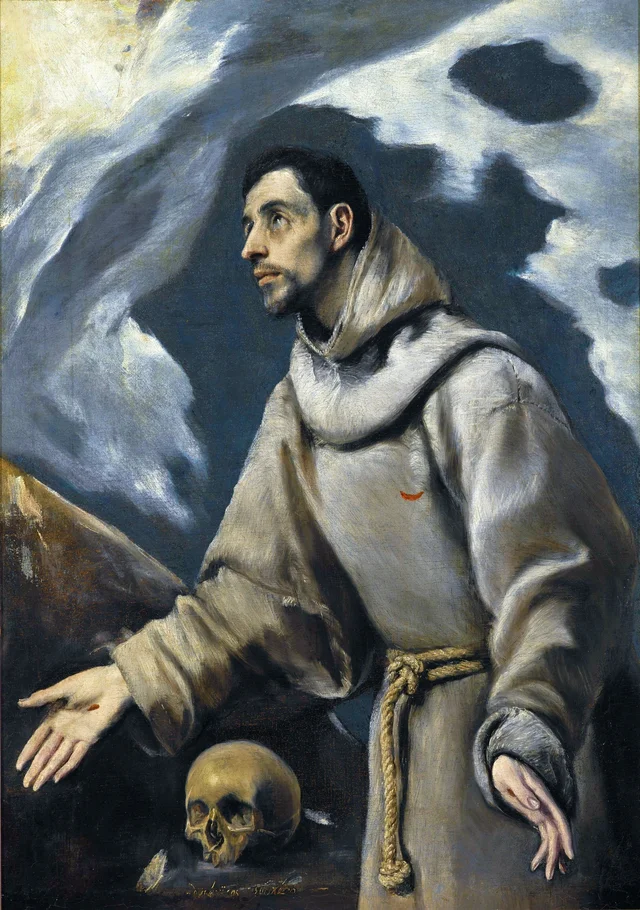 아시시의 성 프란치스코의 환희엘 그레코, 1575
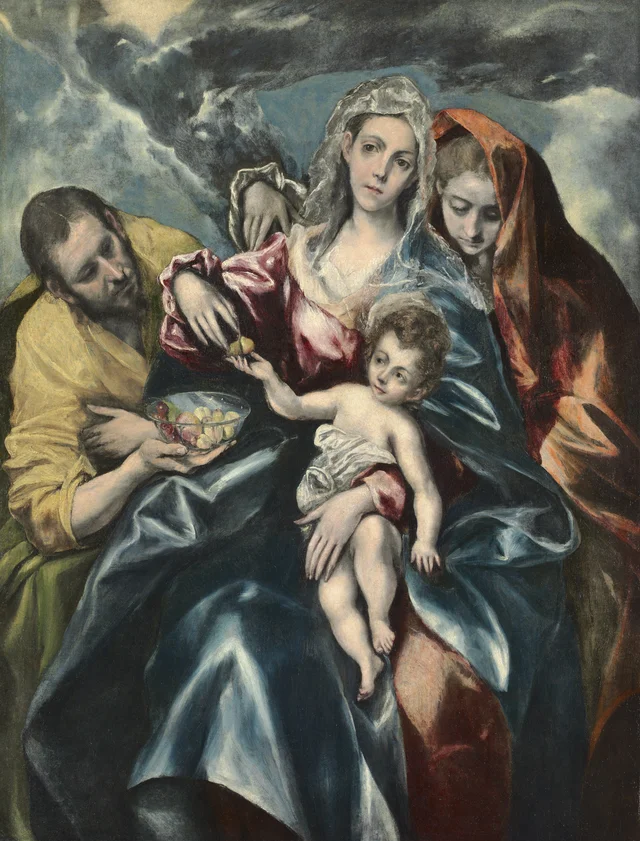 막달라 마리아와 함께 있는 성가족엘 그레코, 1597
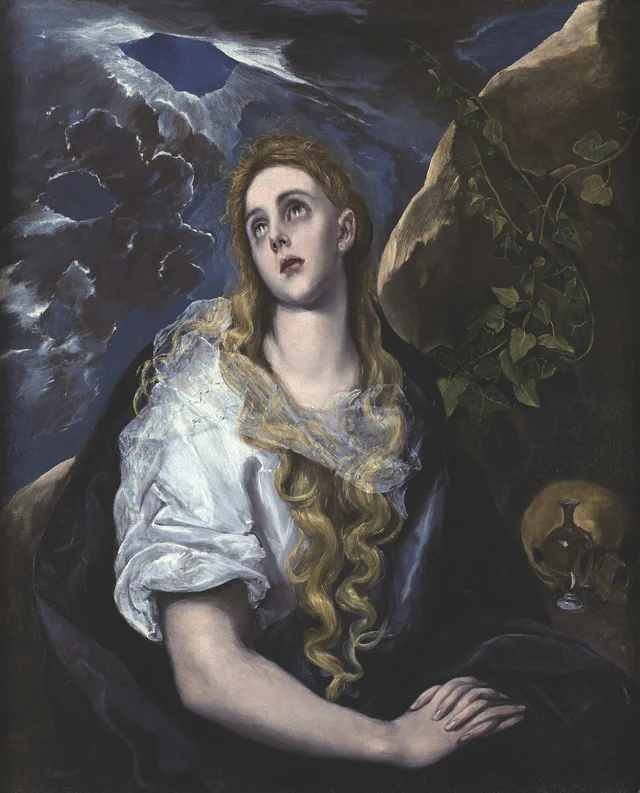 참회하는 막달라 마리아엘 그레코, 1580
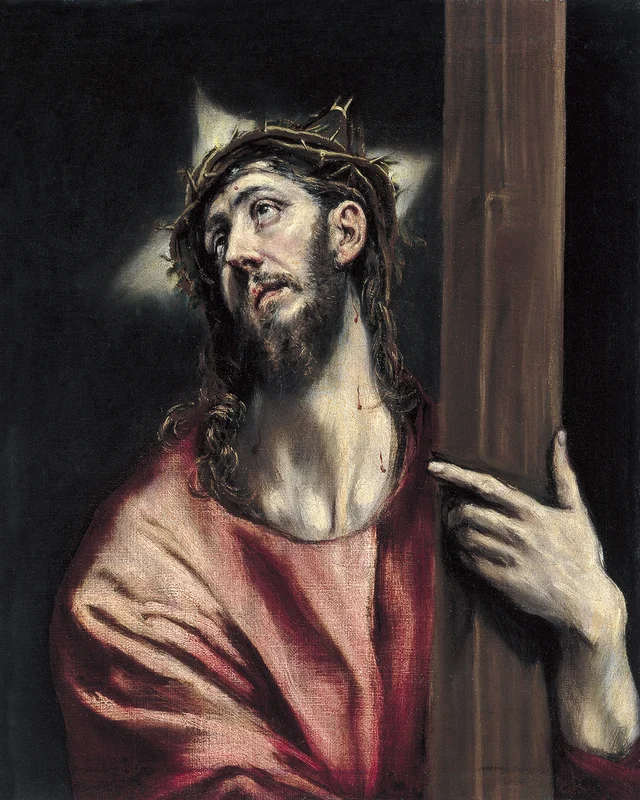 십자가를 진 그리스도엘 그레코, 1590
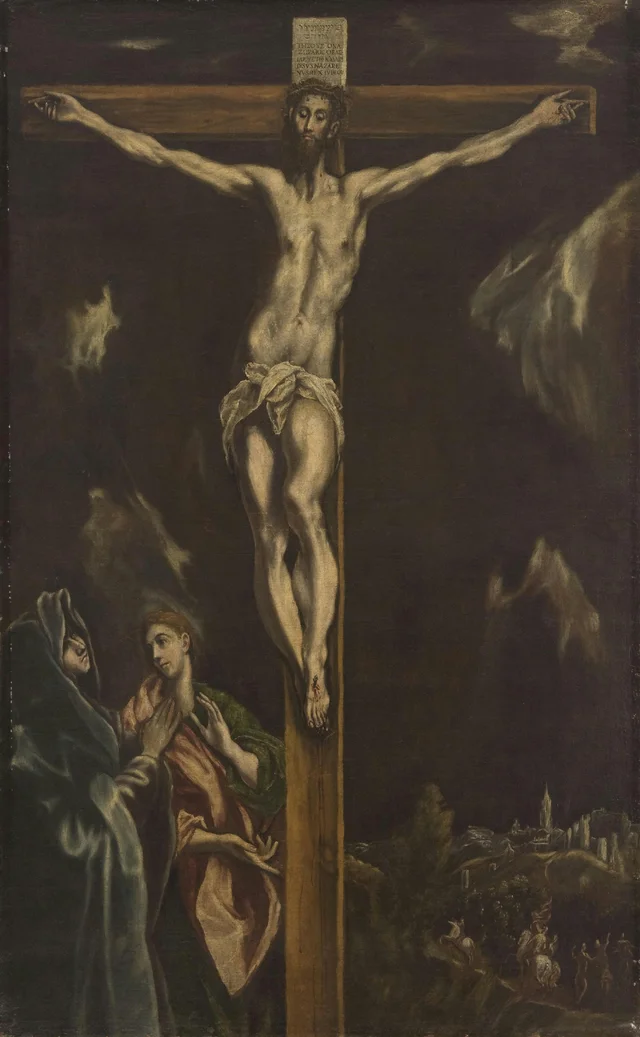 성모 마리아와 복음사가 성 요한이 함께한 십자가 처형엘 그레코, 1600
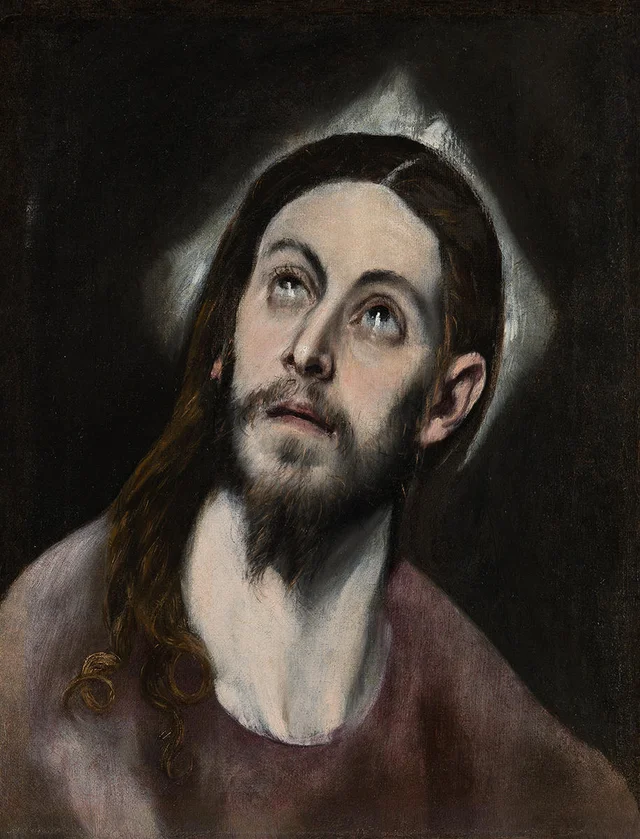 그리스도의 머리엘 그레코, 1579
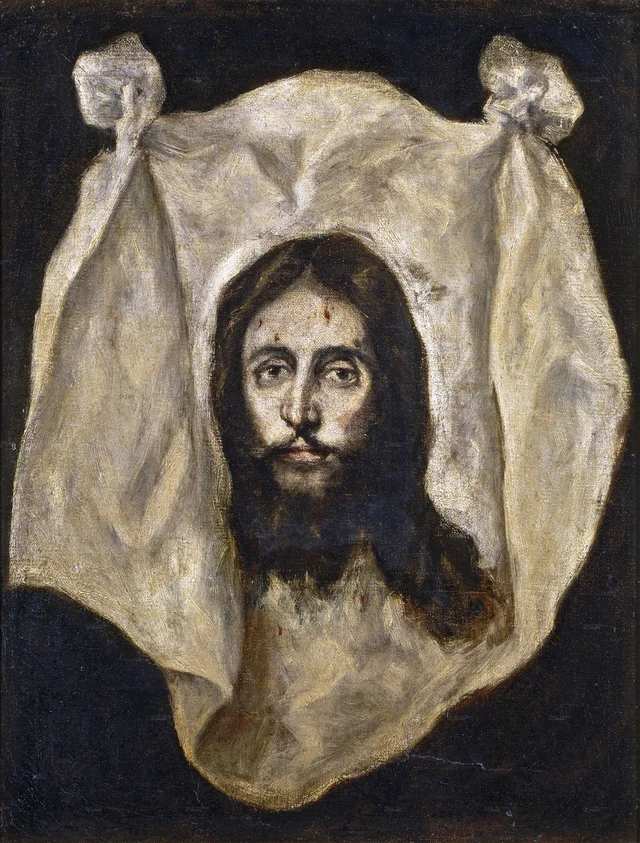 성안엘 그레코, 1586
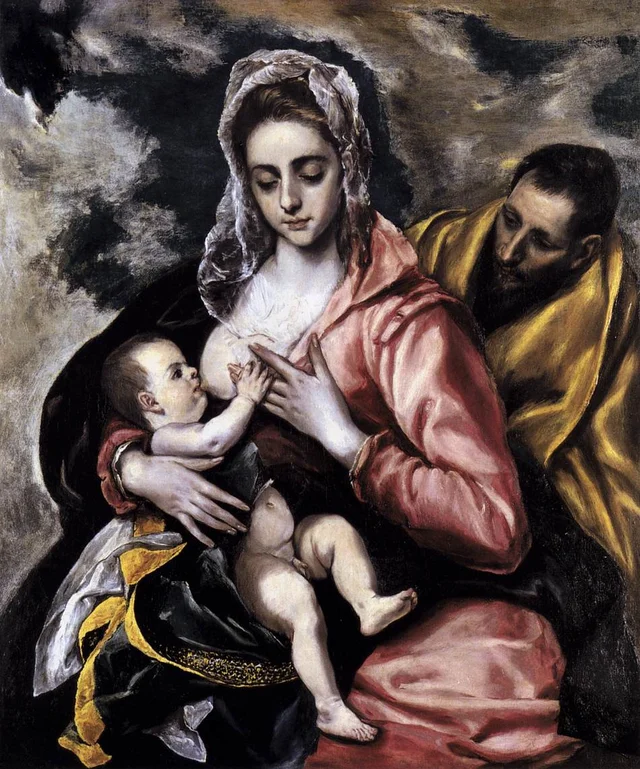 성가족엘 그레코, 1582
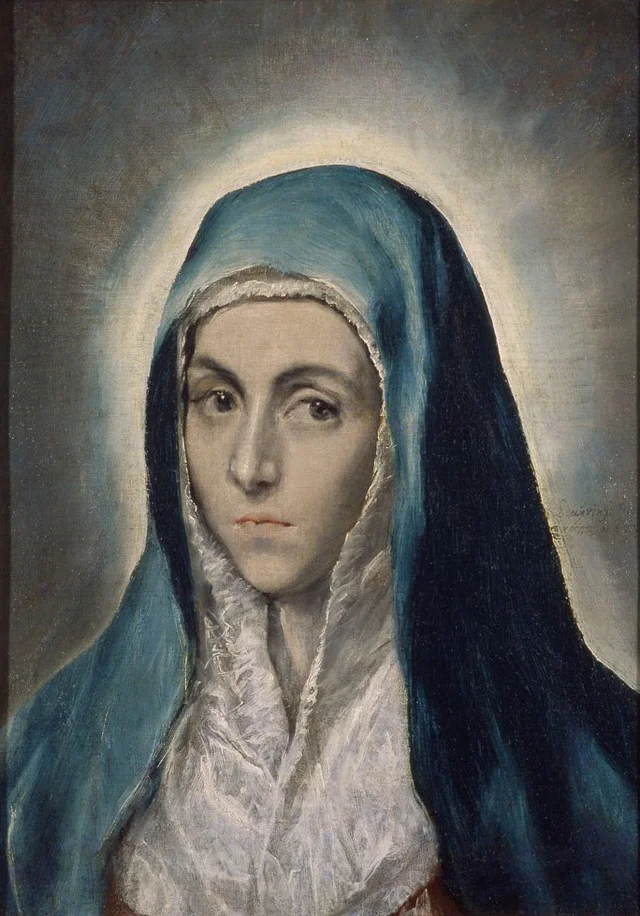 슬픔의 성모엘 그레코, 1590
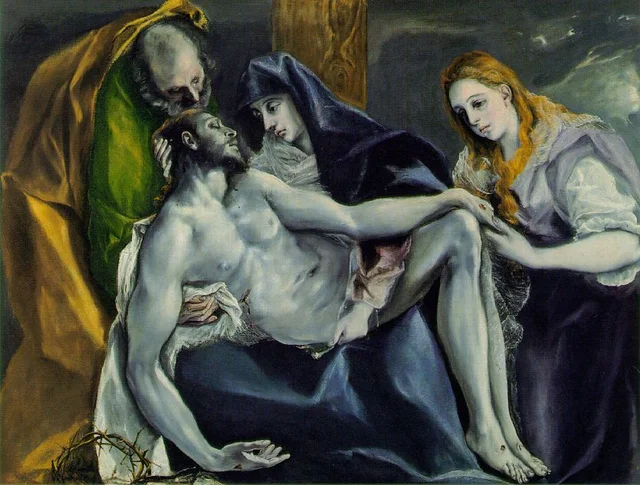 피에타엘 그레코, 1580
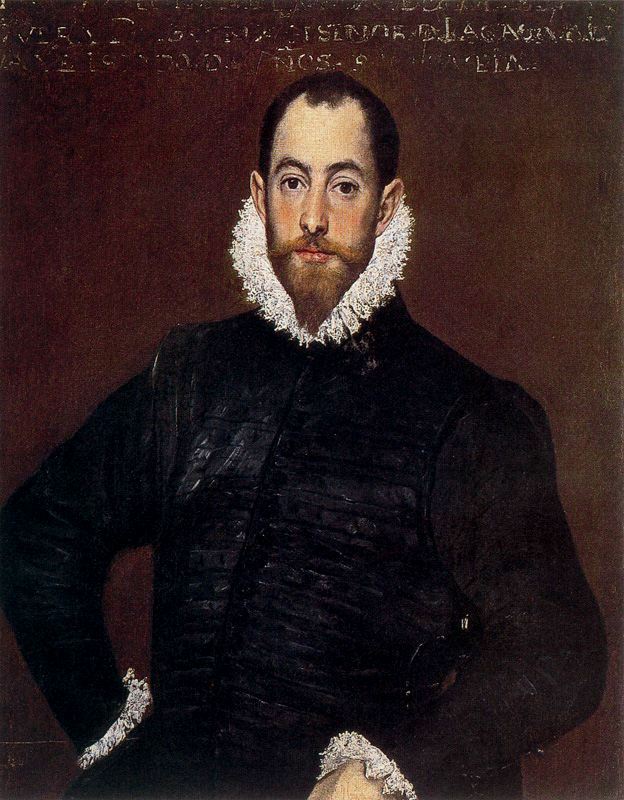 레이바 가문 신사의 초상엘 그레코, 1580
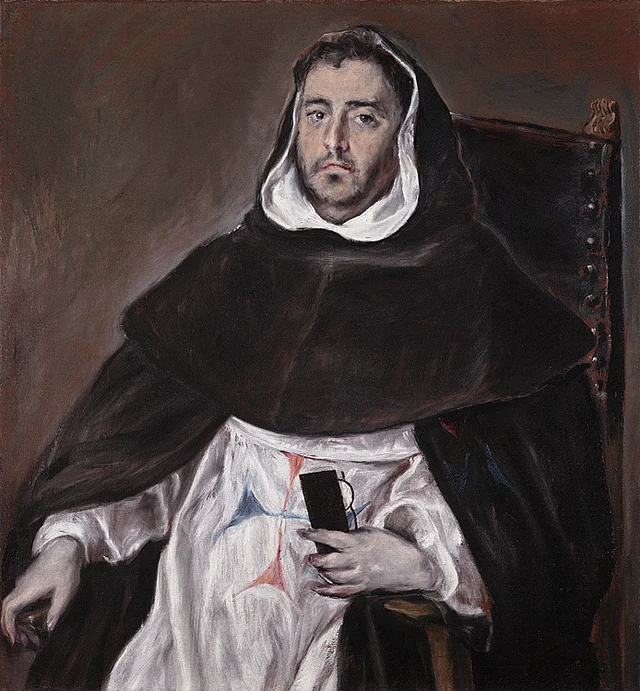 삼위일체회 수도사의 초상엘 그레코, 1609
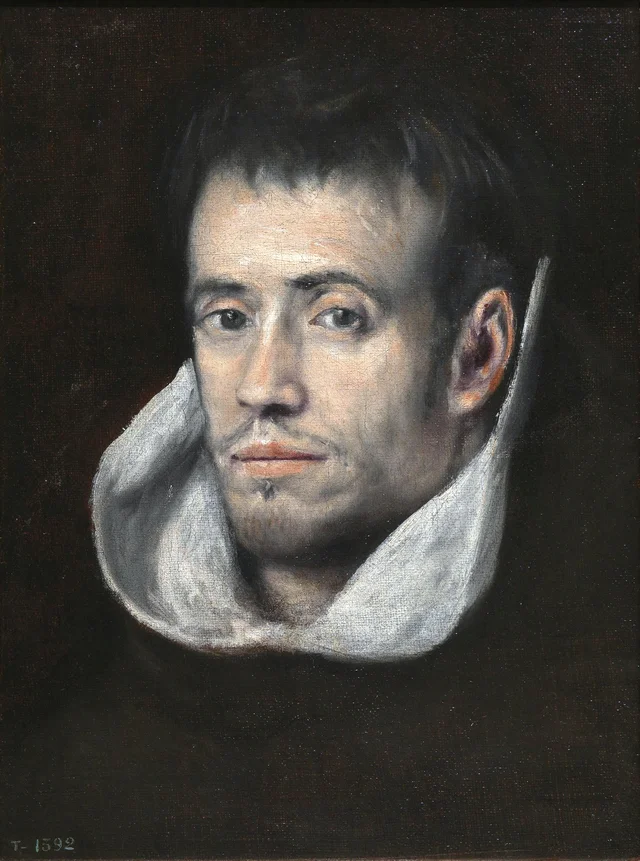 도미니코회(또는 삼위일체회) 수도사의 초상엘 그레코, 1597
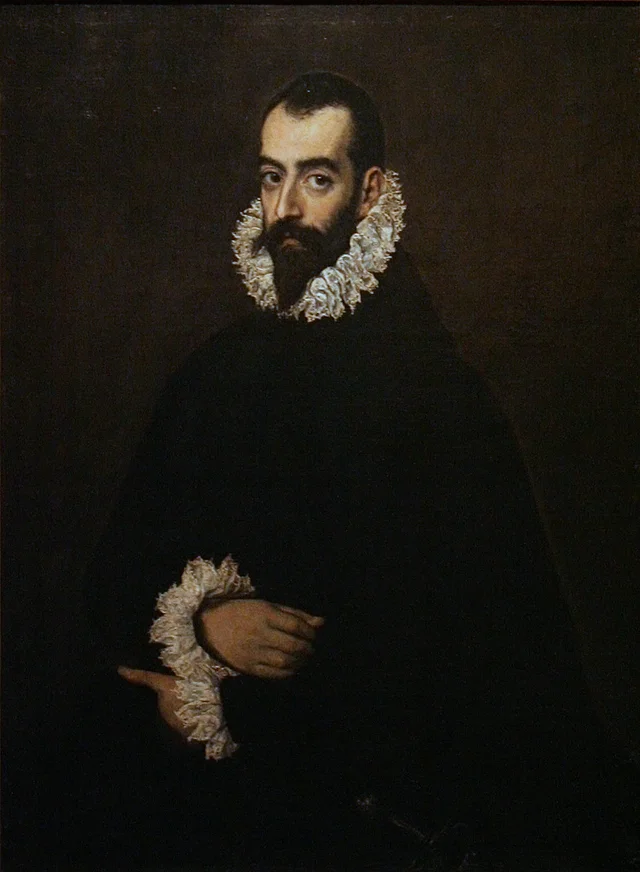 베나벤테 공작의 초상엘 그레코, 1590
 성 베르나르도엘 그레코, 1577
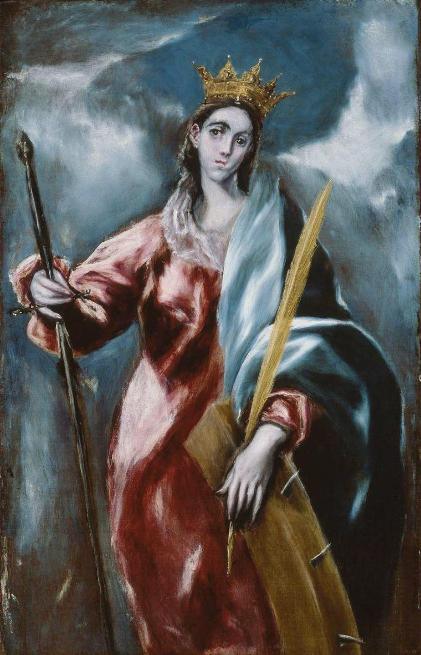 성 카타리나엘 그레코, 1610
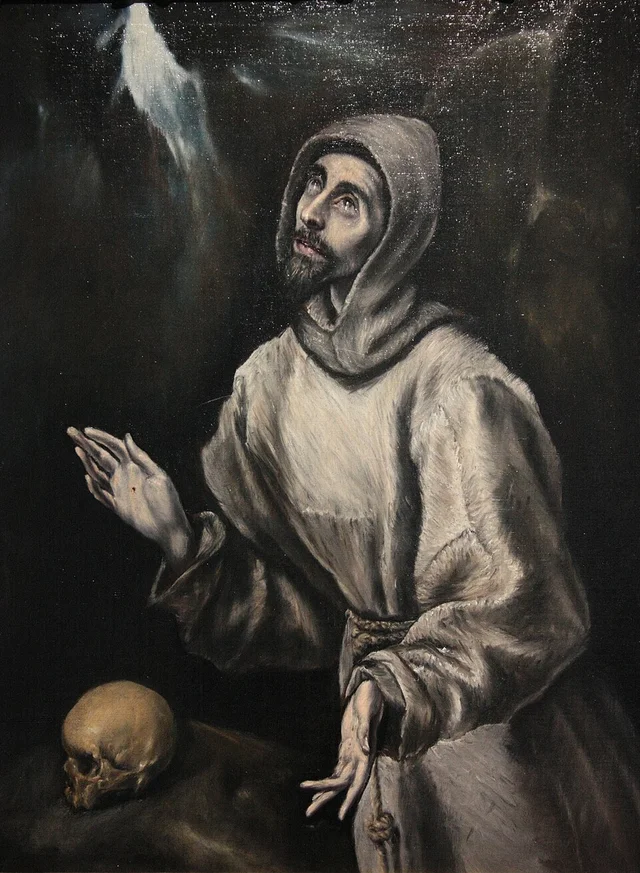 성흔을 받는 성 프란치스코엘 그레코, 1590
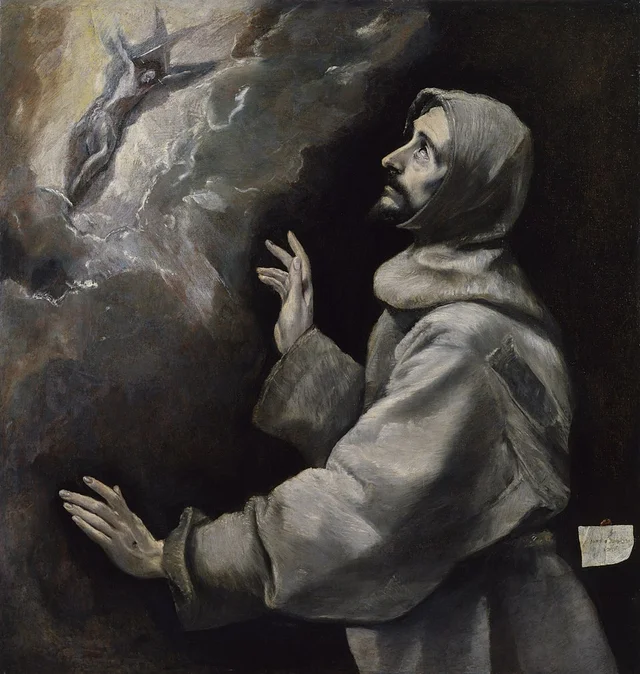 성흔을 받는 성 프란치스코엘 그레코, 1587
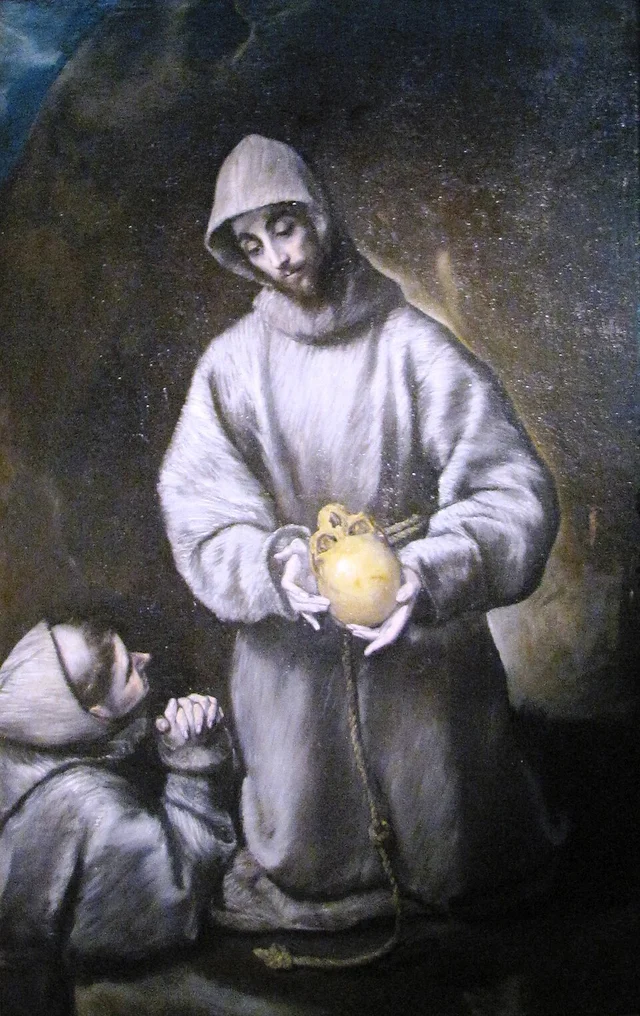 성 프란치스코와 레오 수사엘 그레코, 1595