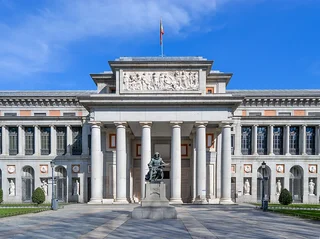
La historia
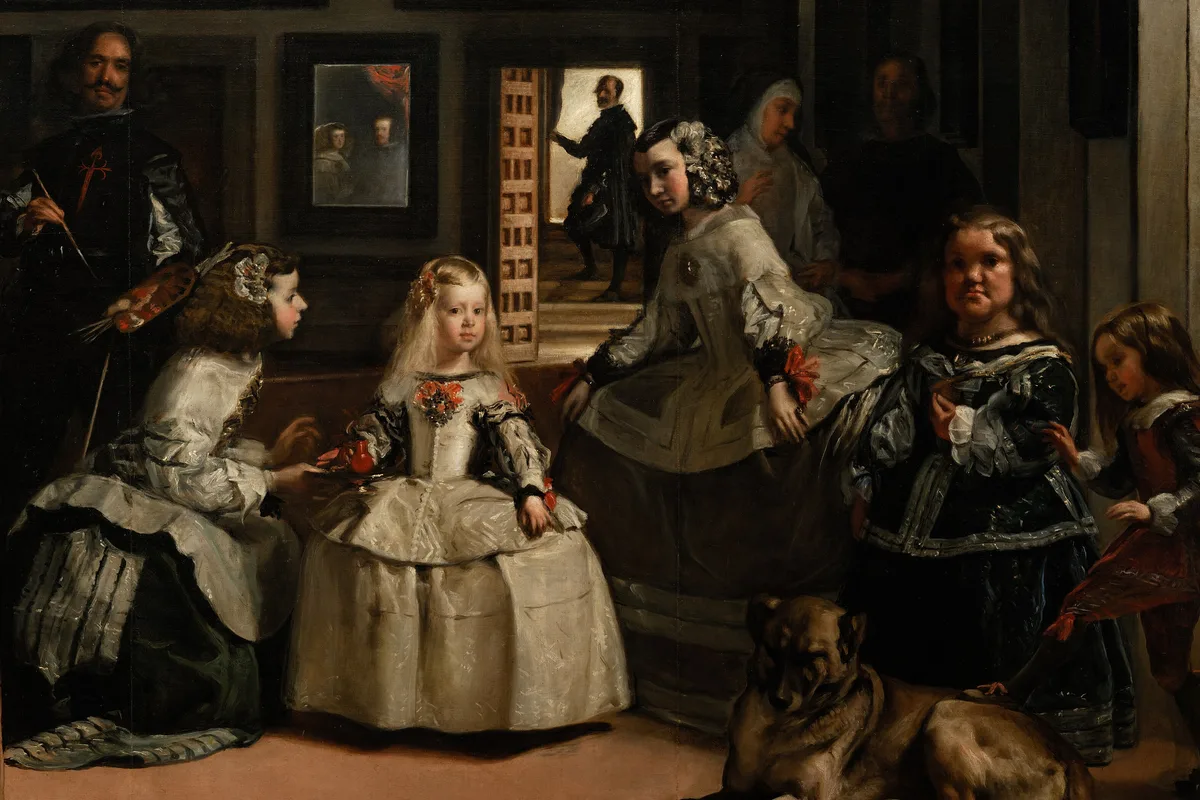
El Prado es la colección de un rey hecha pública. Durante tres siglos los Habsburgo y los Borbones españoles compraron y encargaron a escala regia, y su gusto es el museo. Tiziano y Rubens, a quienes los reyes amaban, y Velázquez, que sirvió a la corte española casi toda su vida. Sus Meninas cuelgan en el corazón del edificio, con el pintor asomándose por detrás de su propio lienzo en una sala del antiguo Alcázar real.
La galería abrió en 1819 en un edificio que el arquitecto Juan de Villanueva había proyectado en origen como gabinete de ciencias naturales. Sus paredes muestran las vertientes más oscuras del arte español junto a su esplendor: El 3 de mayo de 1808 de Goya, con el pelotón de fusilamiento alzando sus faroles en la oscuridad, y las Pinturas negras que aplicó directamente sobre los muros de su propia casa ya al final de su vida, sordo y retirado, sin intención de mostrarlas nunca.
El más antiguo de sus grandes tesoros es anterior a ese gusto regio español. Se trata de El jardín de las delicias de Hieronymus Bosch, el Bosco, la visión en tres tablas del paraíso, el deseo y el infierno, que más tarde entró en la colección de Felipe II y fue enviada a su palacio-monasterio de El Escorial. Hoy atrae multitudes a lo que en su día solo a la corte le estaba permitido ver.
Más artículos
Colección
870 obras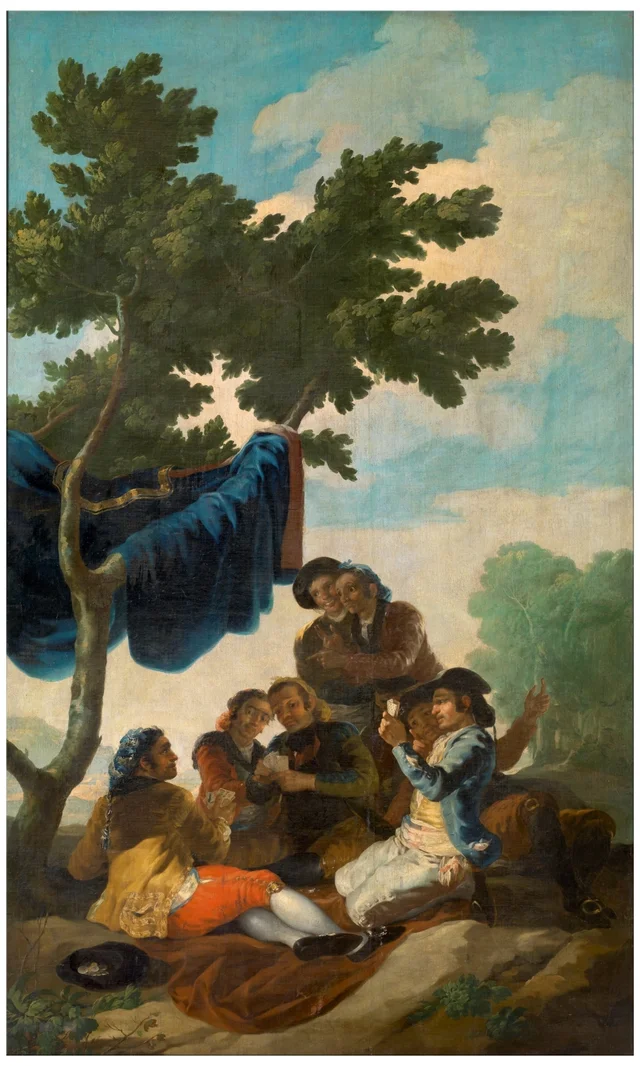 Jugadores de naipesFrancisco Goya, 1777
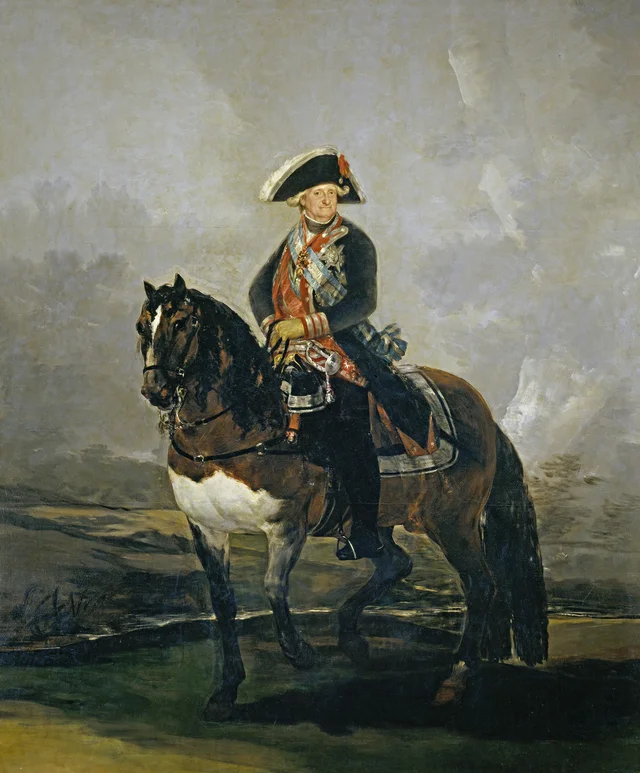 Carlos IV a caballoFrancisco Goya, 1800
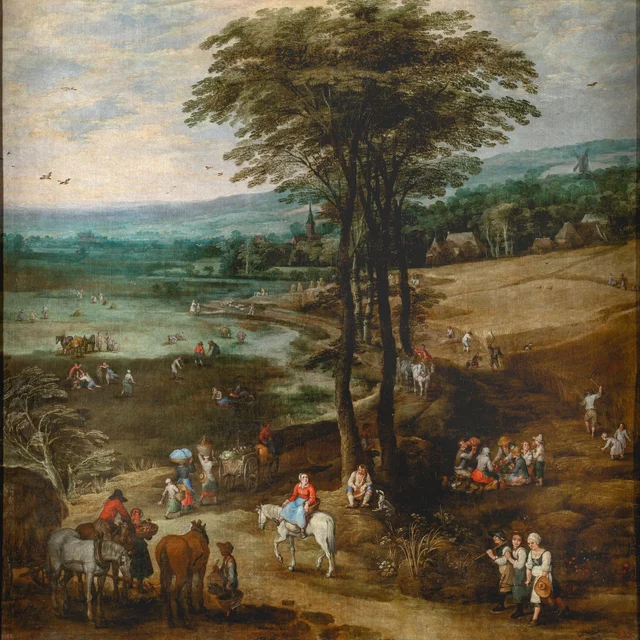 Vida campestreJan Brueghel el Viejo, 1620
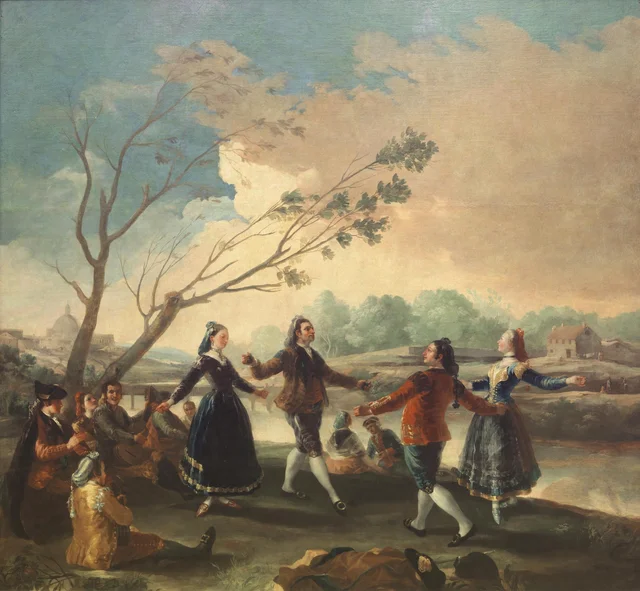 Baile a orillas del ManzanaresFrancisco Goya, 1776
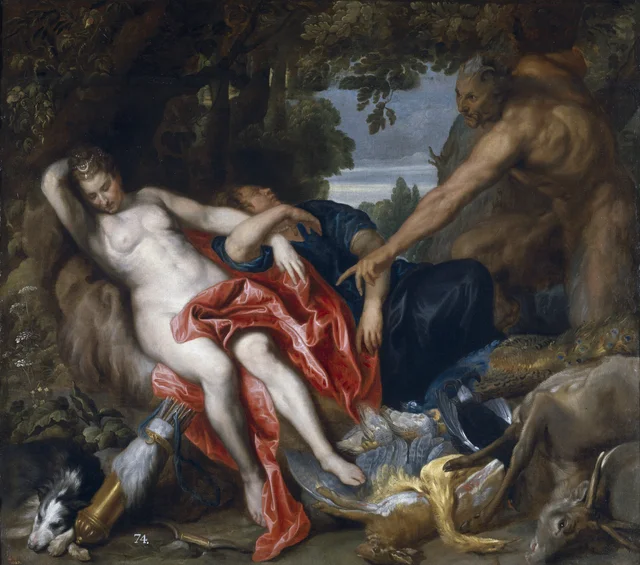 Diana y una ninfa sorprendidas por un sátiroAnton van Dyck, 1622
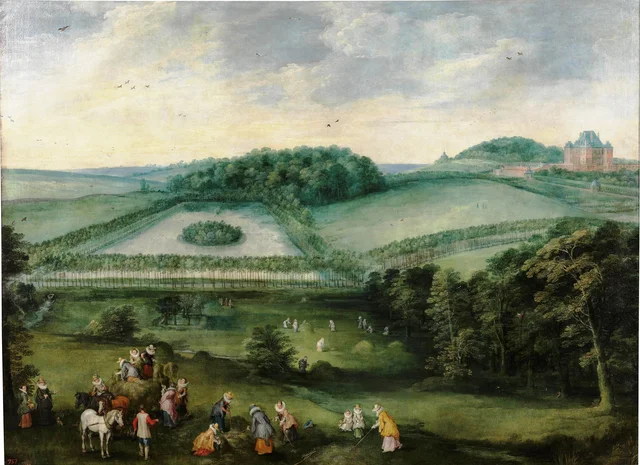 Excursión por el campo de la infanta Isabel Clara EugeniaJan Brueghel el Viejo, 1601
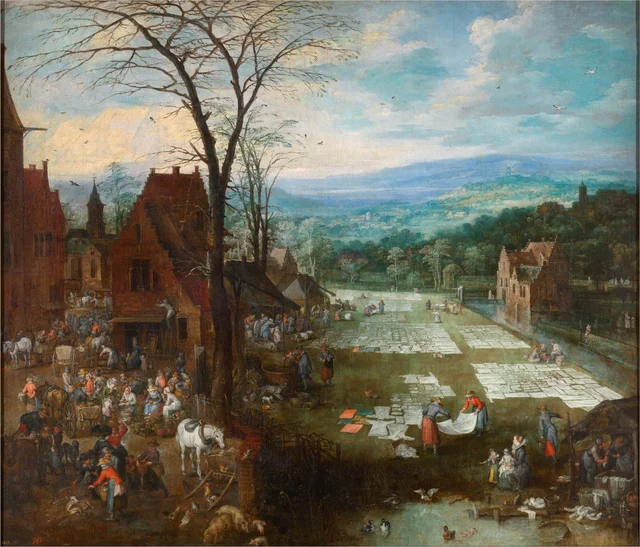 Mercado y lavadero flamencosJan Brueghel el Viejo y Joos de Momper, 1620
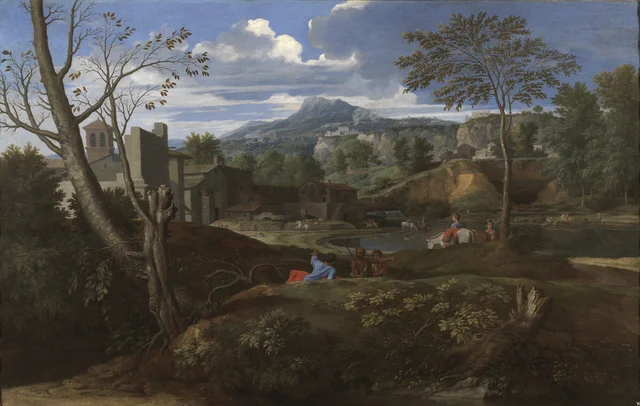 Paisaje con edificiosNicolas Poussin, 1648
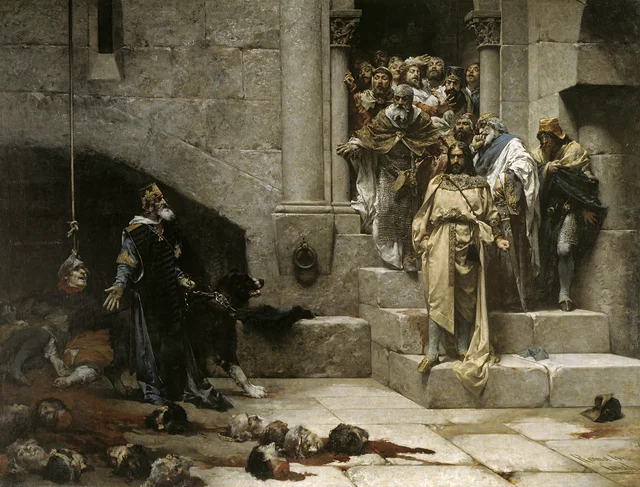 La campana de HuescaJosé Casado del Alisal, 1880
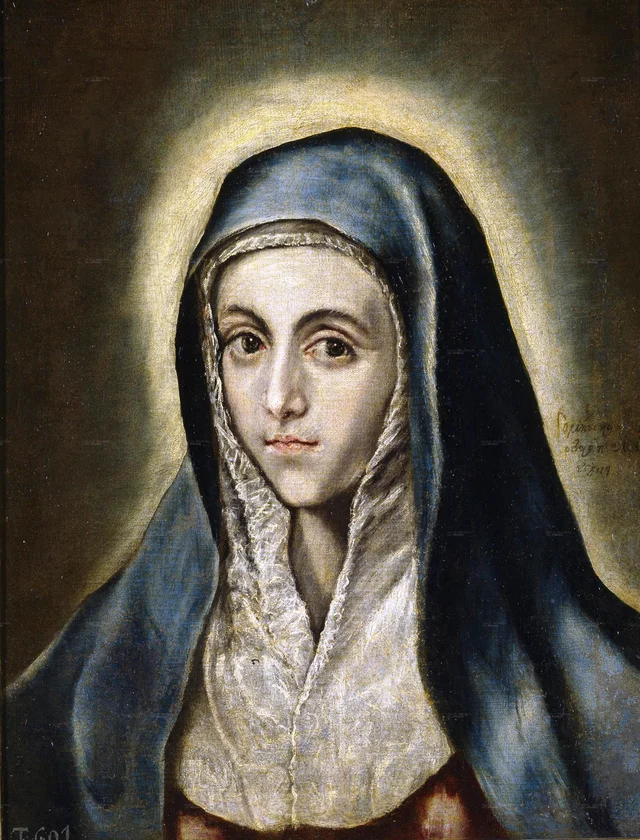 La Virgen MaríaEl Greco, 1597
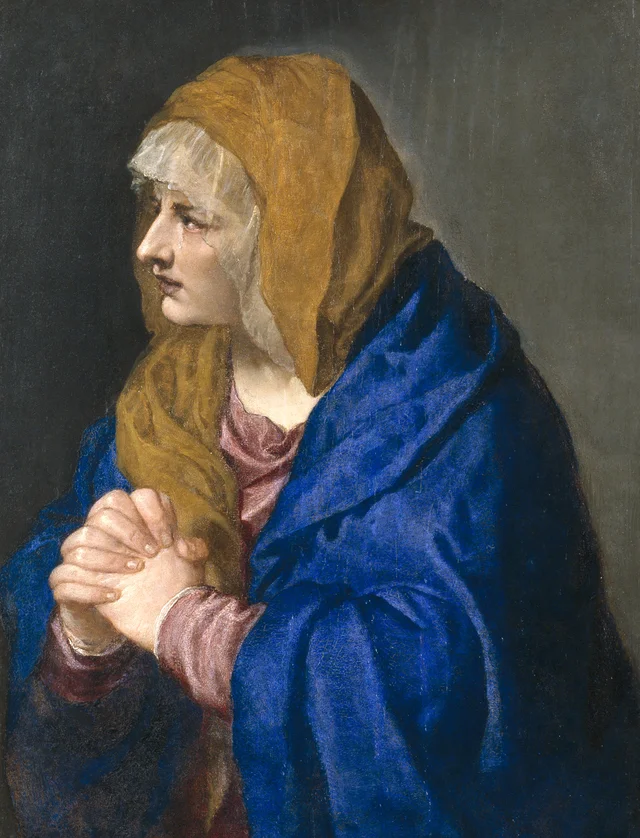 Dolorosa con las manos juntasTiziano, 1554
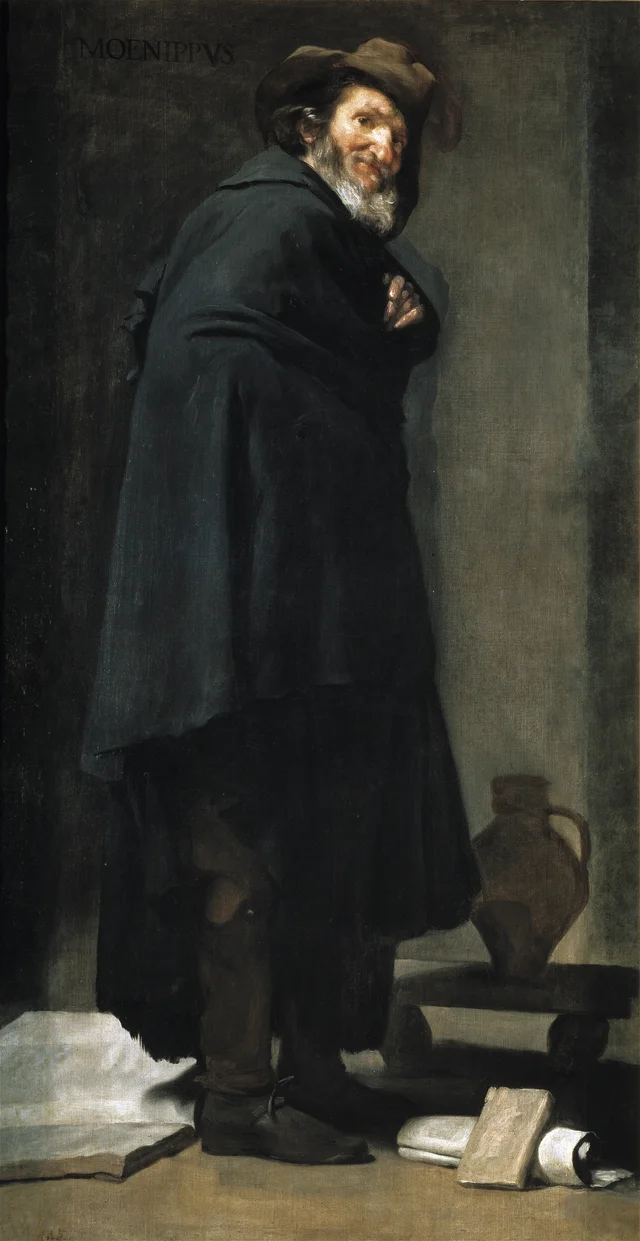 MenipoDiego Velázquez, 1639
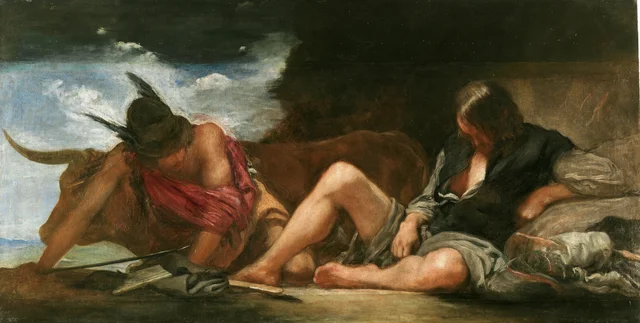 Mercurio y ArgosDiego Velázquez, 1659
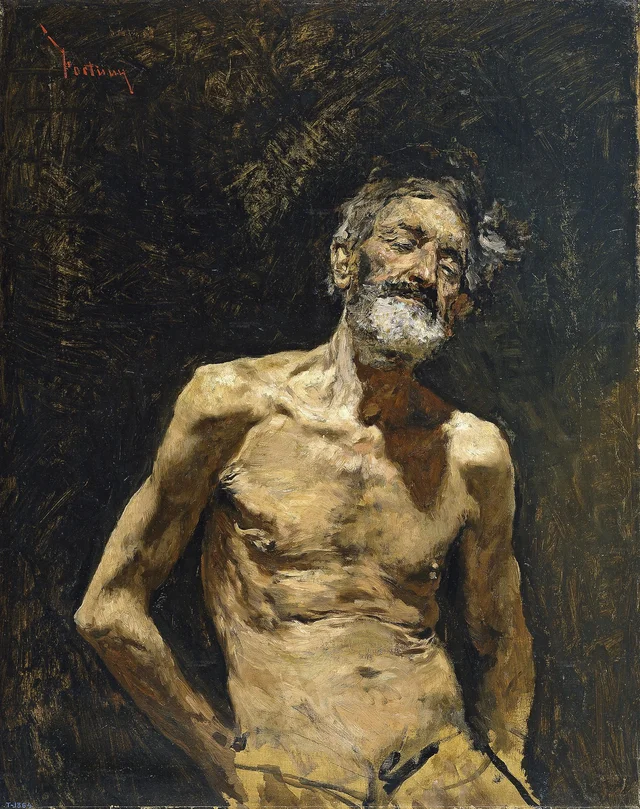 Viejo desnudo al solMariano Fortuny Marsal, 1871
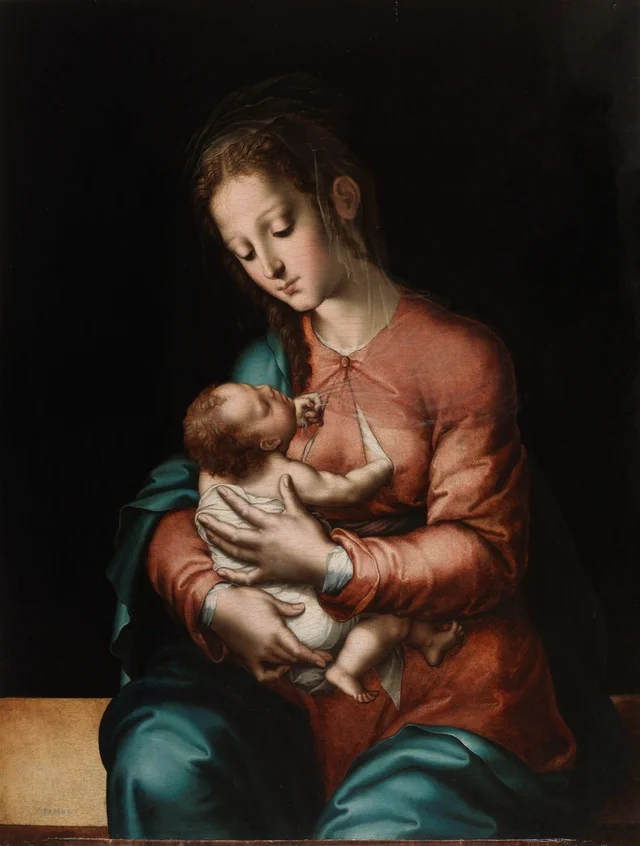 La Virgen de la lecheLuis de Morales, 1570
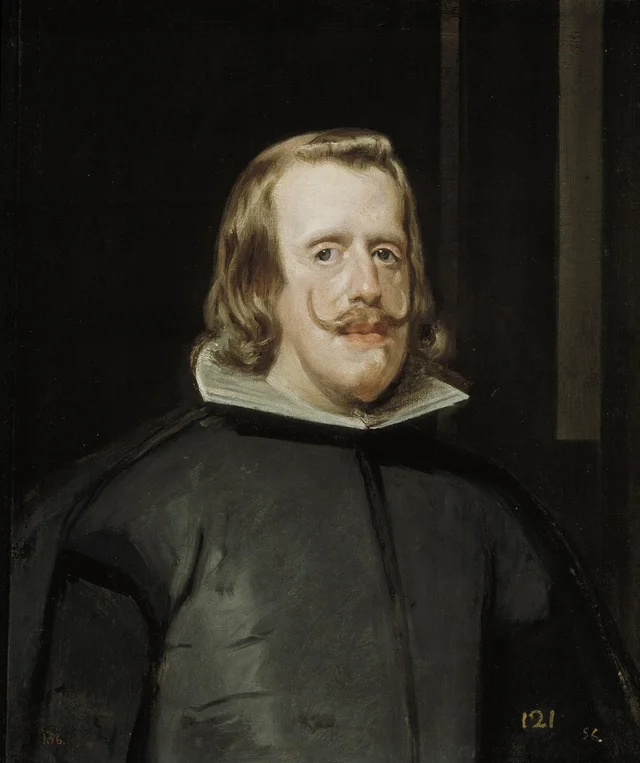 Felipe IV en su vejezDiego Velázquez, 1653
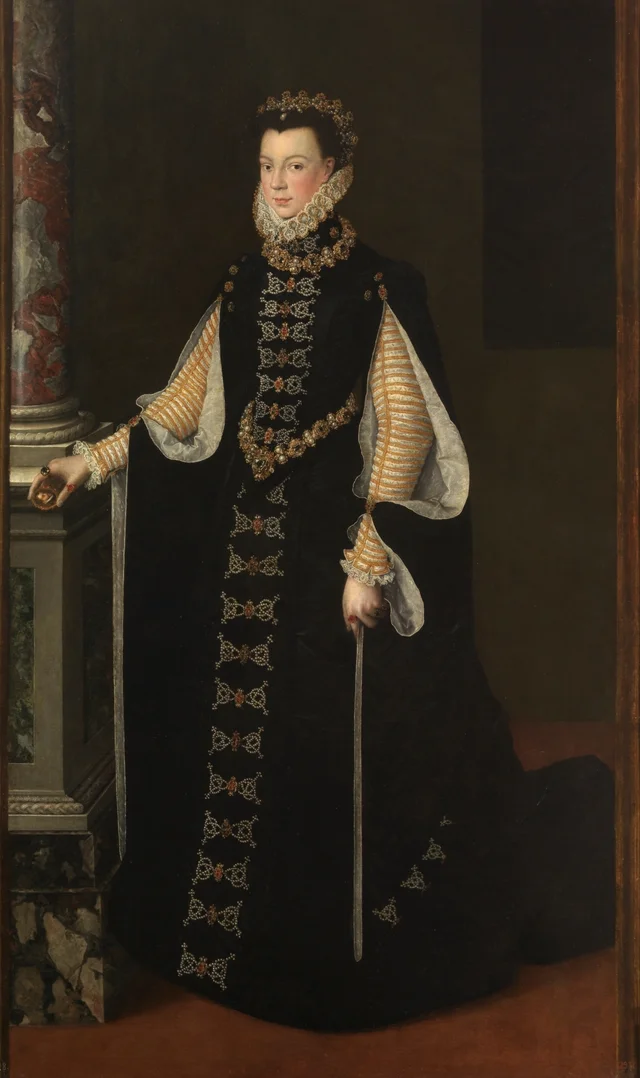 Retrato de Isabel de ValoisSofonisba Anguissola, 1561
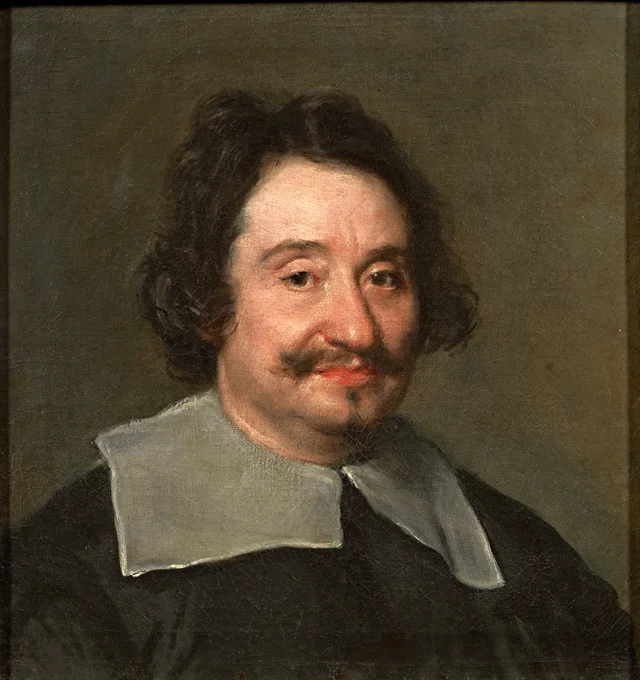 Retrato de Ferdinando BrandaniDiego Velázquez, 1650
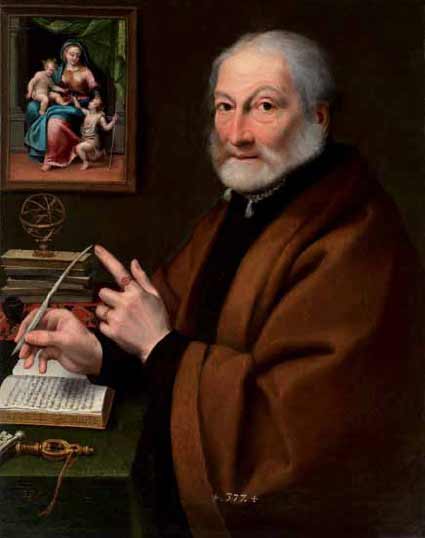 Retrato de Giovanni Battista CaselliSofonisba Anguissola, 1557
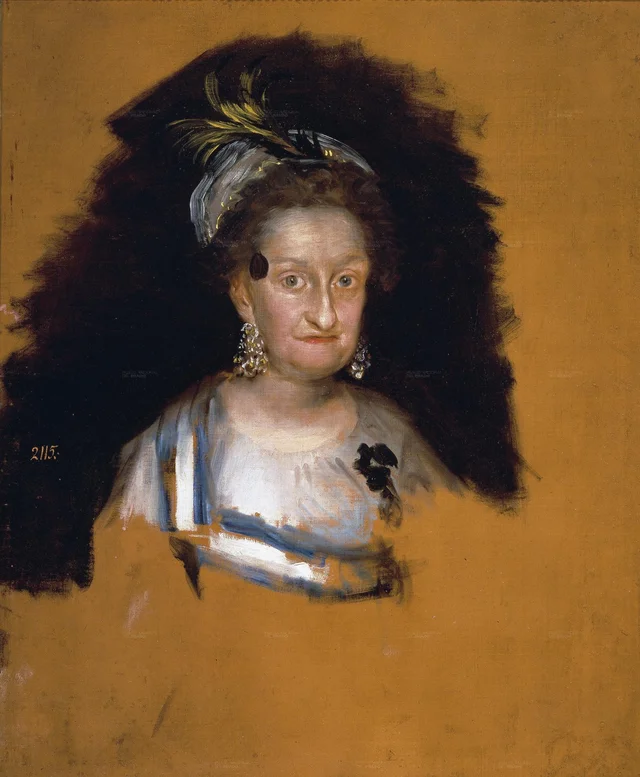 Retrato de María Josefa de EspañaFrancisco Goya, 1800
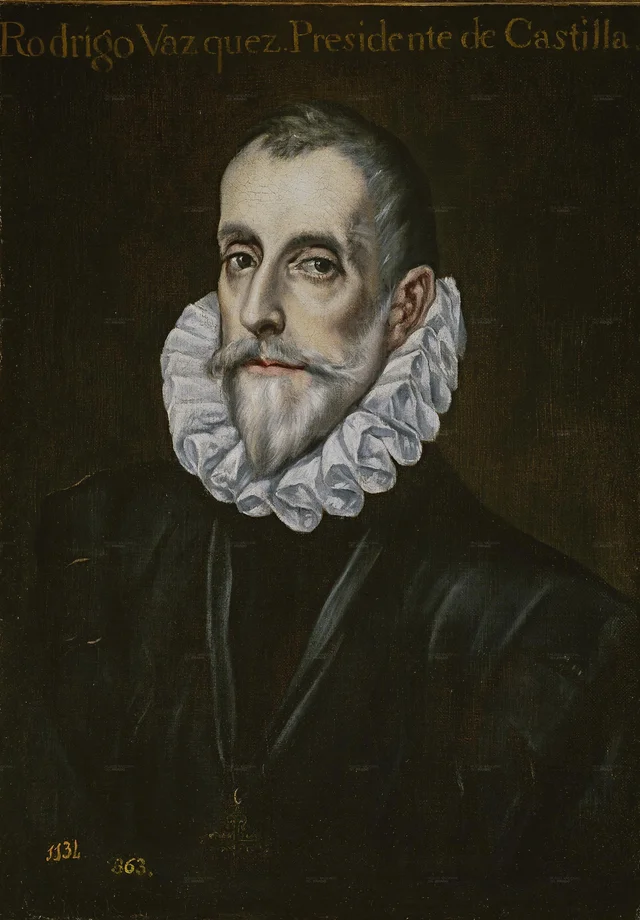 Retrato de Rodrigo Vázquez de ArceCopia de El Greco, 1587
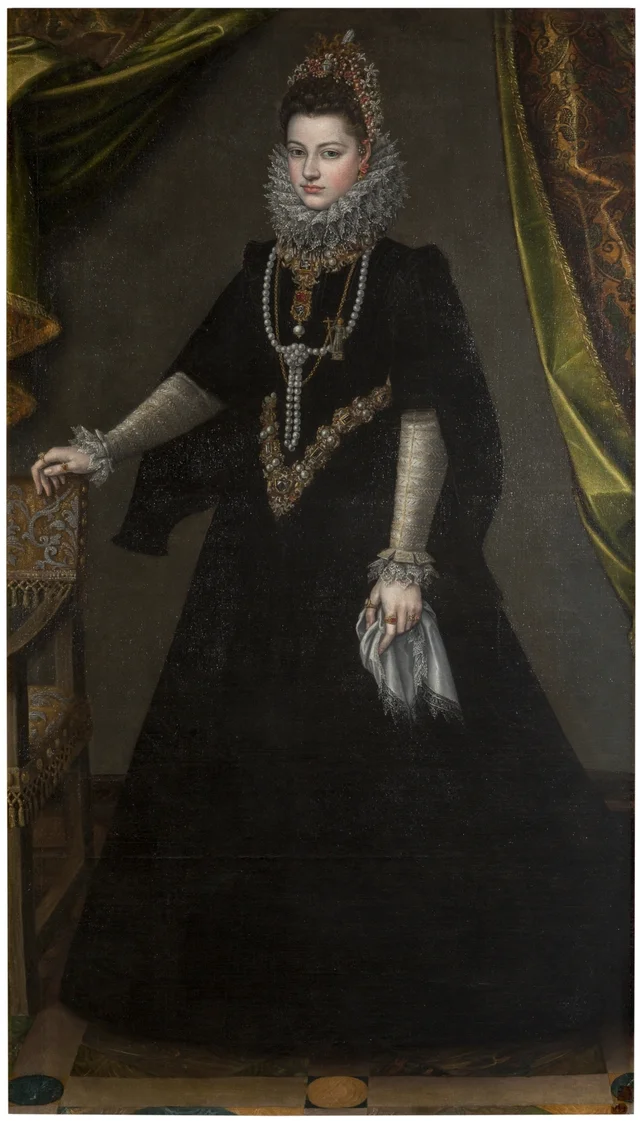 Retrato de la infanta Isabel Clara EugeniaSofonisba Anguissola, 1599
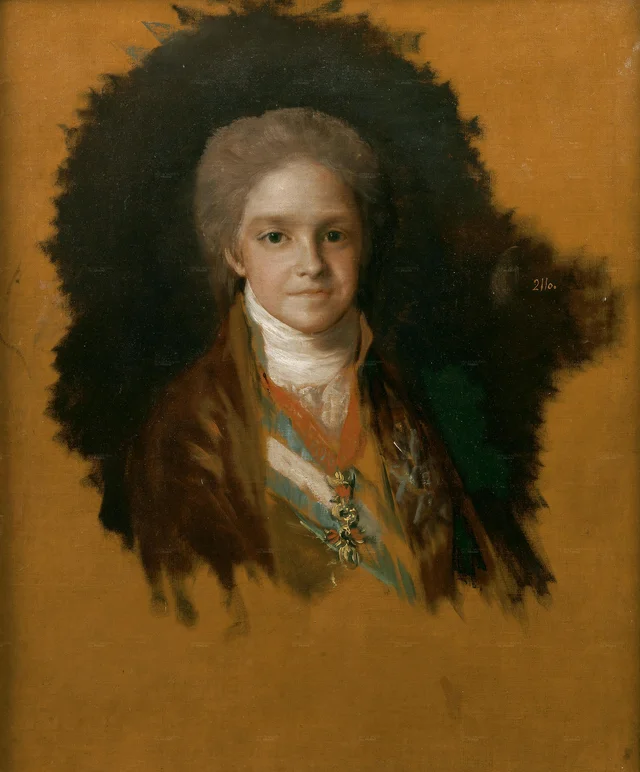 Retrato del infante Carlos María Isidro de EspañaFrancisco Goya, 1800
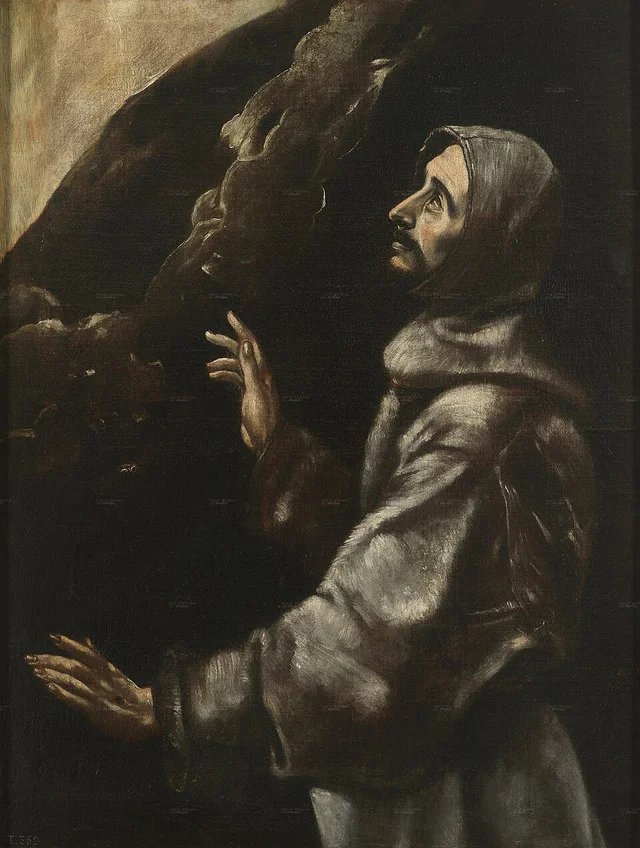 San Francisco en éxtasisEl Greco, 1600
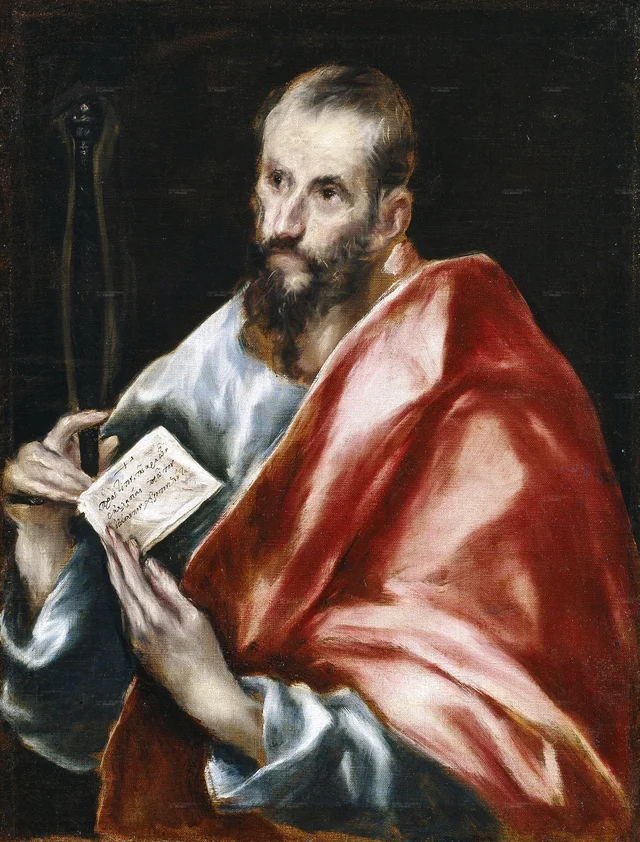 San PabloEl Greco, 1610