La historia
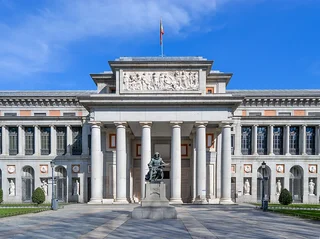
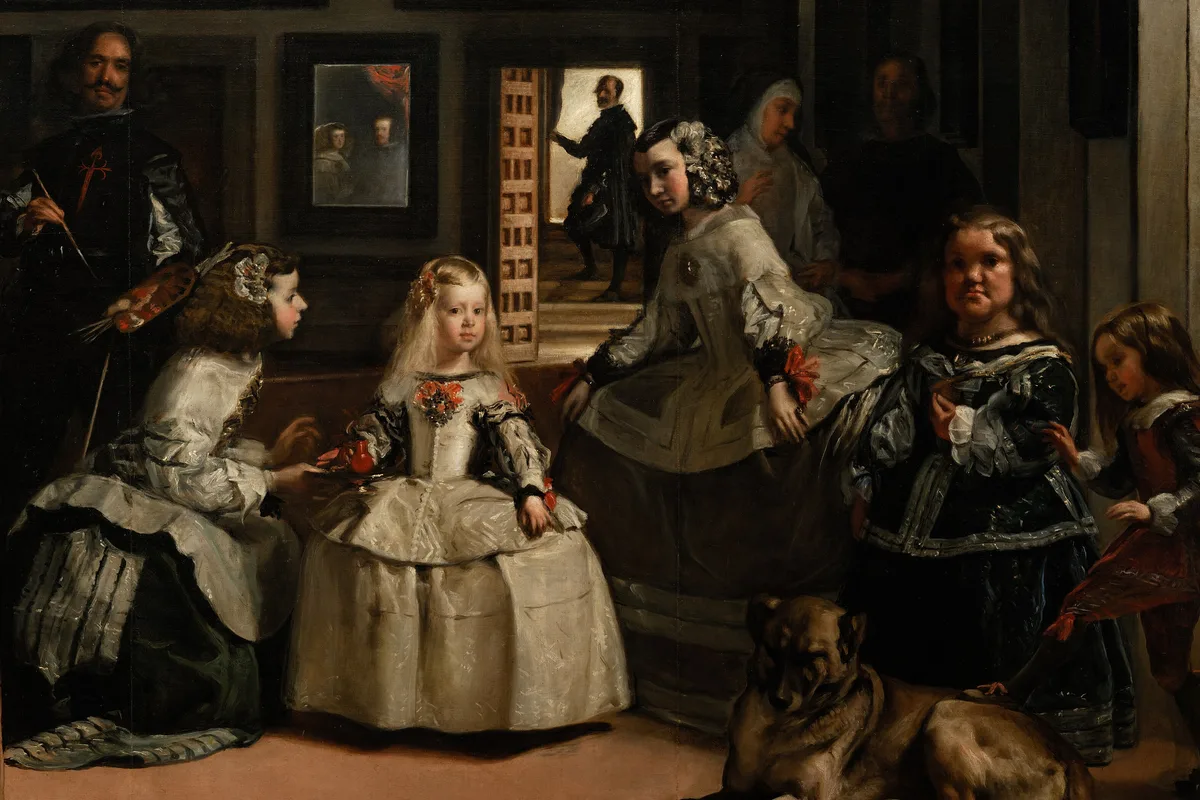
El Prado es la colección de un rey hecha pública. Durante tres siglos los Habsburgo y los Borbones españoles compraron y encargaron a escala regia, y su gusto es el museo. Tiziano y Rubens, a quienes los reyes amaban, y Velázquez, que sirvió a la corte española casi toda su vida. Sus Meninas cuelgan en el corazón del edificio, con el pintor asomándose por detrás de su propio lienzo en una sala del antiguo Alcázar real.
La galería abrió en 1819 en un edificio que el arquitecto Juan de Villanueva había proyectado en origen como gabinete de ciencias naturales. Sus paredes muestran las vertientes más oscuras del arte español junto a su esplendor: El 3 de mayo de 1808 de Goya, con el pelotón de fusilamiento alzando sus faroles en la oscuridad, y las Pinturas negras que aplicó directamente sobre los muros de su propia casa ya al final de su vida, sordo y retirado, sin intención de mostrarlas nunca.
El más antiguo de sus grandes tesoros es anterior a ese gusto regio español. Se trata de El jardín de las delicias de Hieronymus Bosch, el Bosco, la visión en tres tablas del paraíso, el deseo y el infierno, que más tarde entró en la colección de Felipe II y fue enviada a su palacio-monasterio de El Escorial. Hoy atrae multitudes a lo que en su día solo a la corte le estaba permitido ver.
Más artículos
Colección
870 obras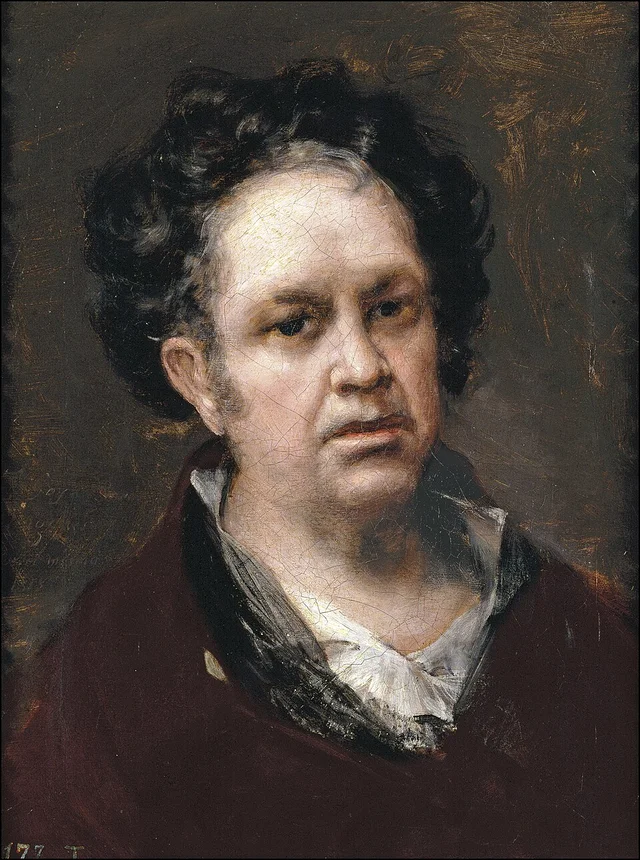 AutorretratoFrancisco Goya, 1815
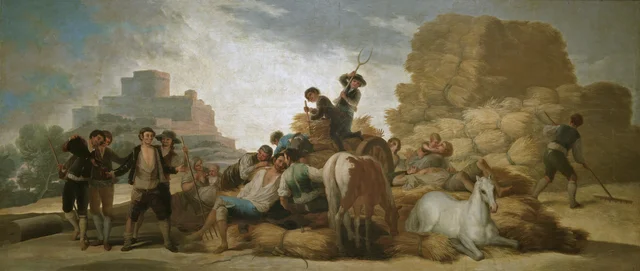 El veranoFrancisco Goya, 1787
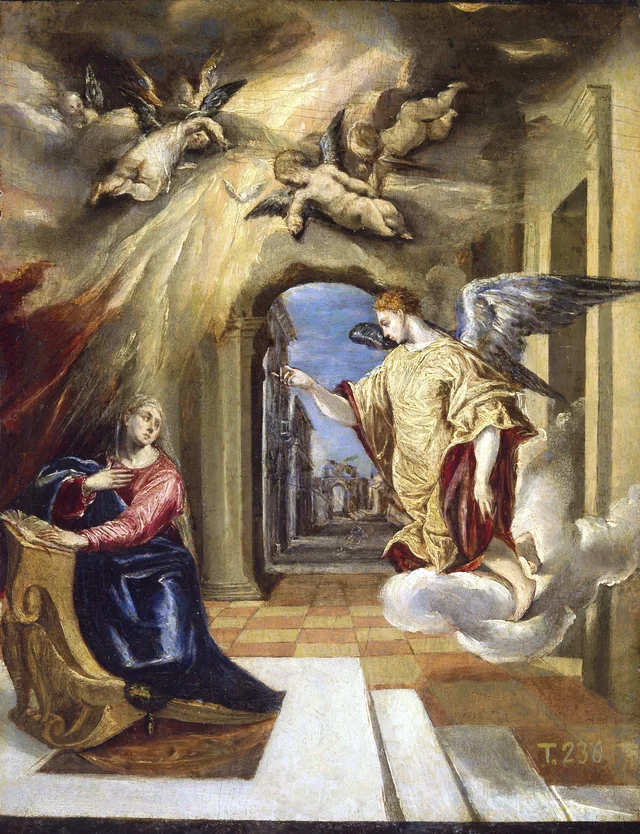 La AnunciaciónEl Greco, 1570
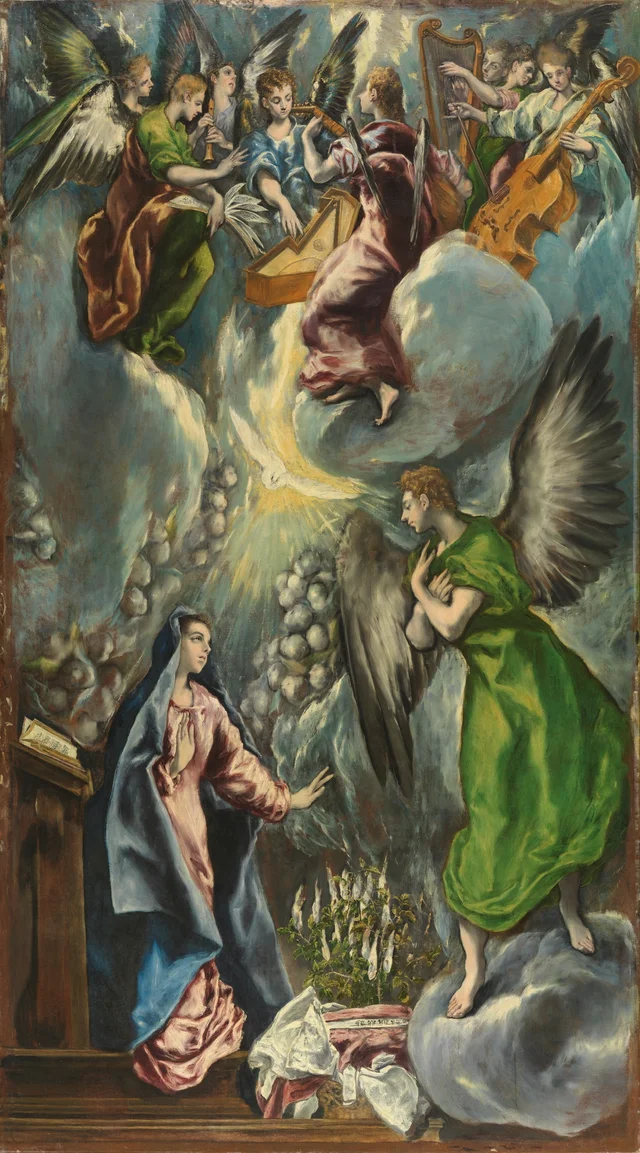 La AnunciaciónEl Greco, 1597
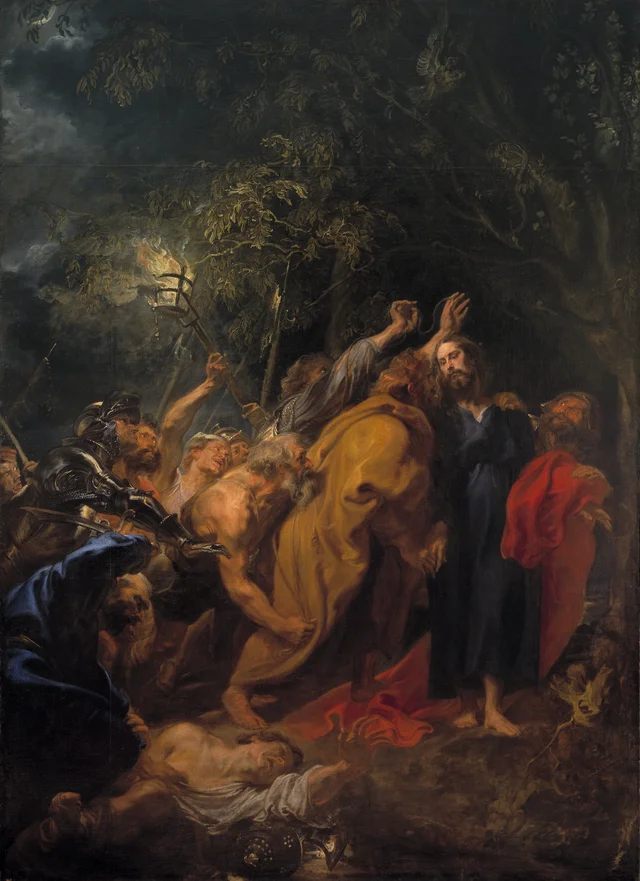 El prendimiento de CristoAnton van Dyck, 1618
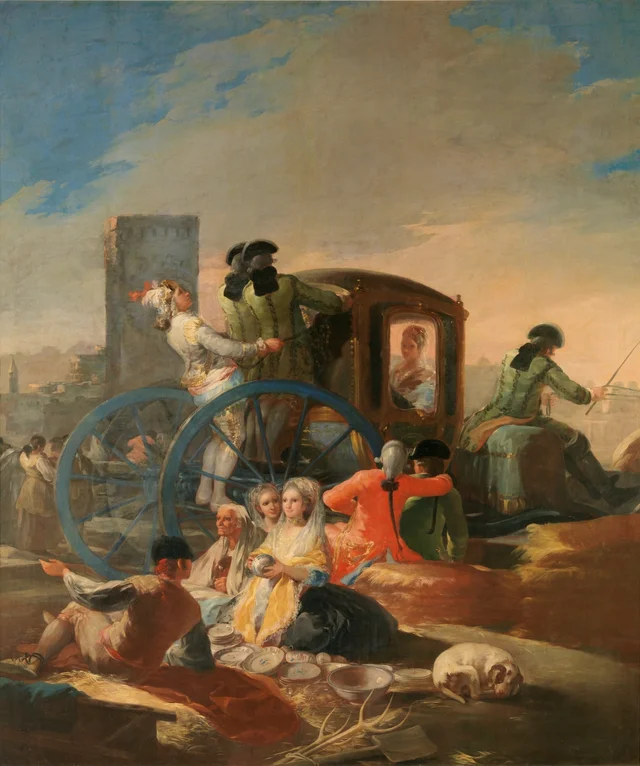 El cacharreroFrancisco Goya, 1779
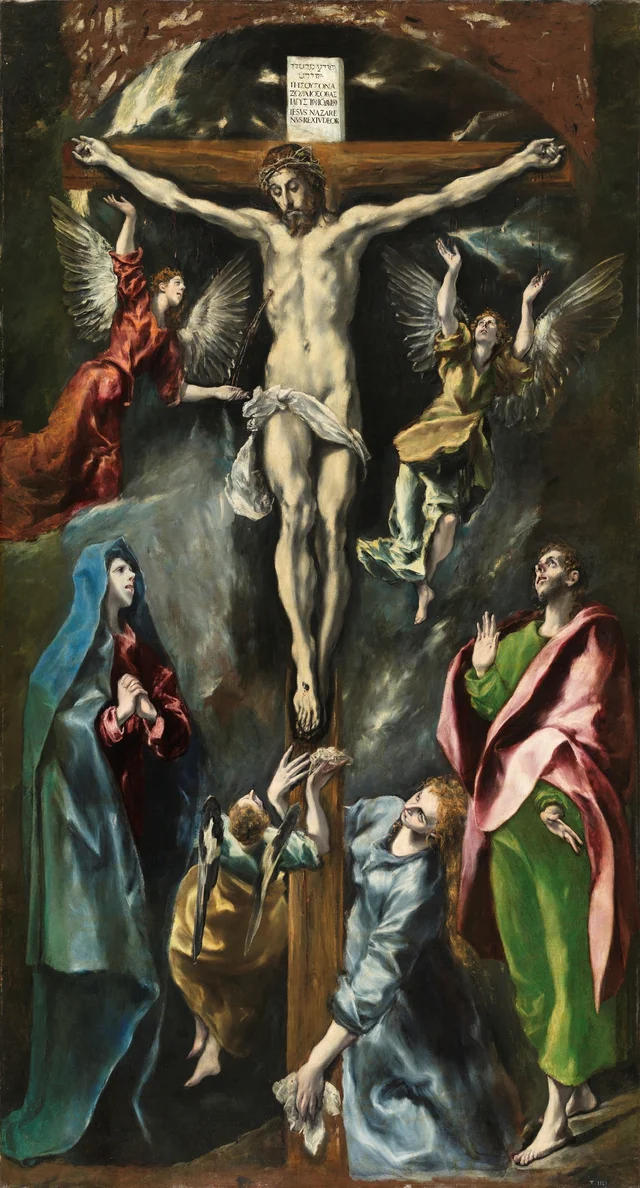 La crucifixiónEl Greco, 1598
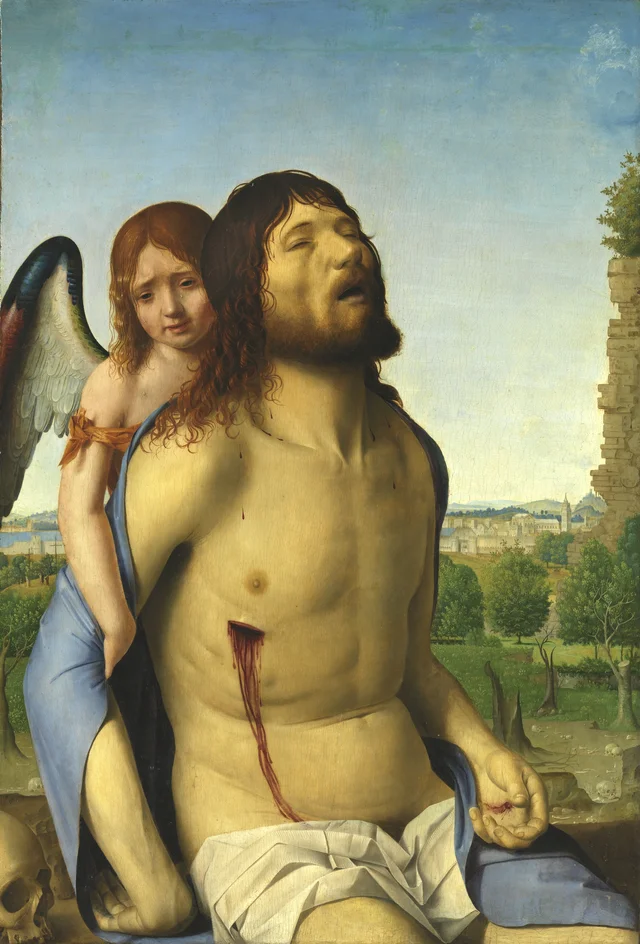 Cristo muerto sostenido por un ángelAntonello da Messina, 1475
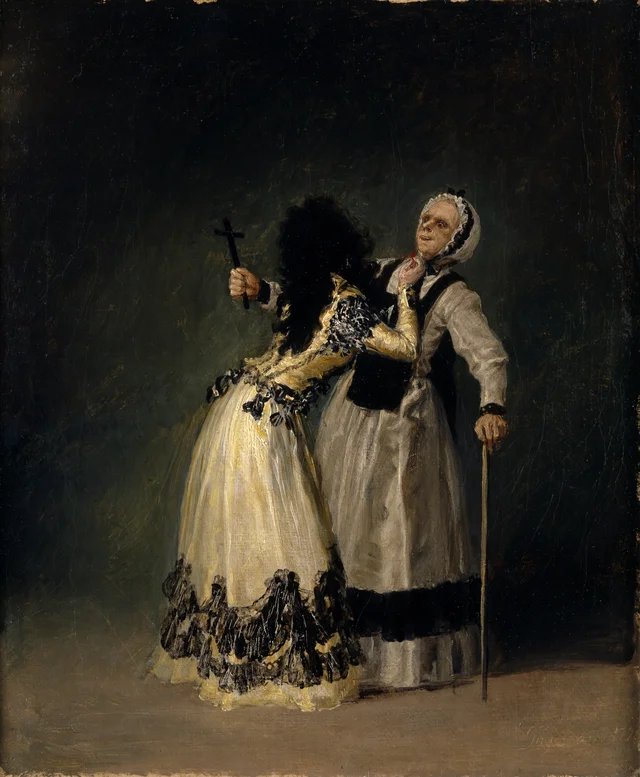 La duquesa de Alba y la beataFrancisco Goya, 1795
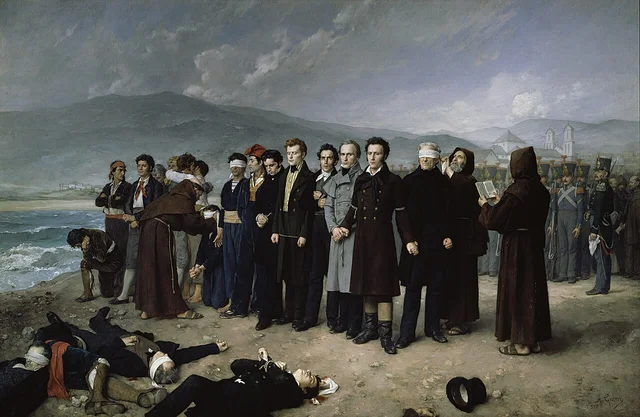 Fusilamiento de Torrijos y sus compañeros en las playas de MálagaAntonio Gisbert, 1888
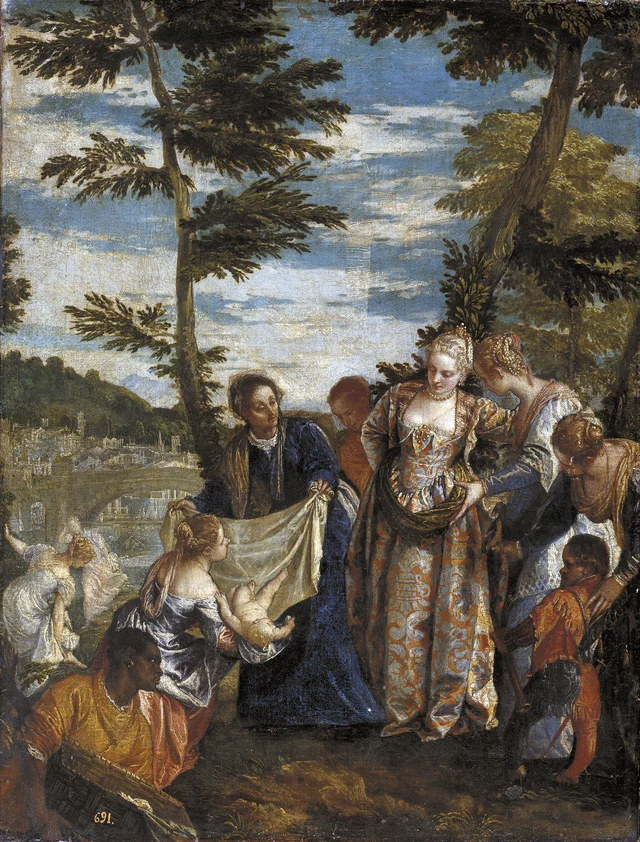 El hallazgo de MoisésPaolo Veronese, 1580
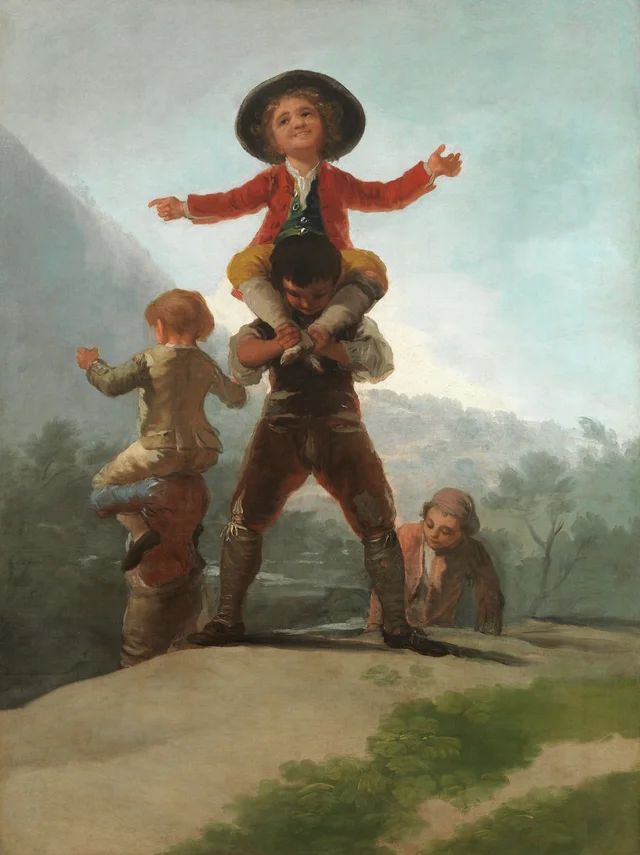 El juego del caballo y el jineteFrancisco Goya, 1791
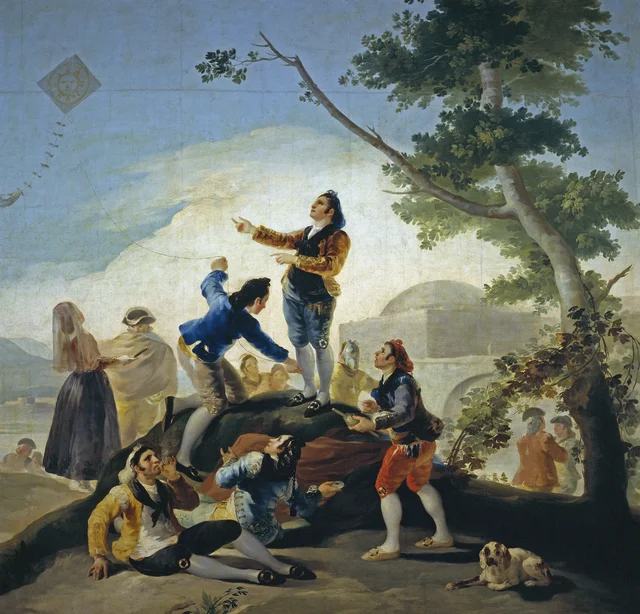 La cometaFrancisco Goya, 1778
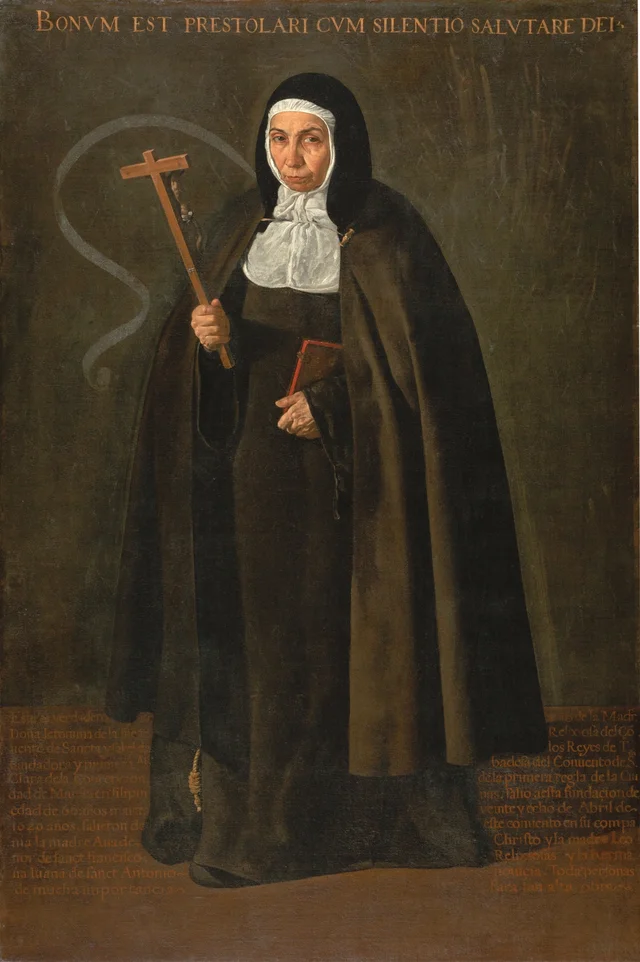 La monja Jerónima de la FuenteDiego Velázquez, 1620
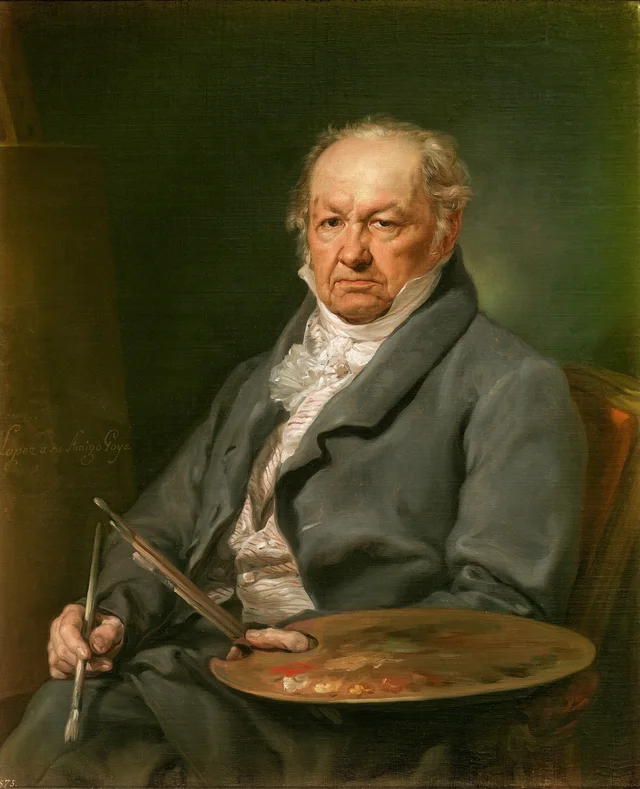 El pintor Francisco de GoyaVicente López Portaña, 1826
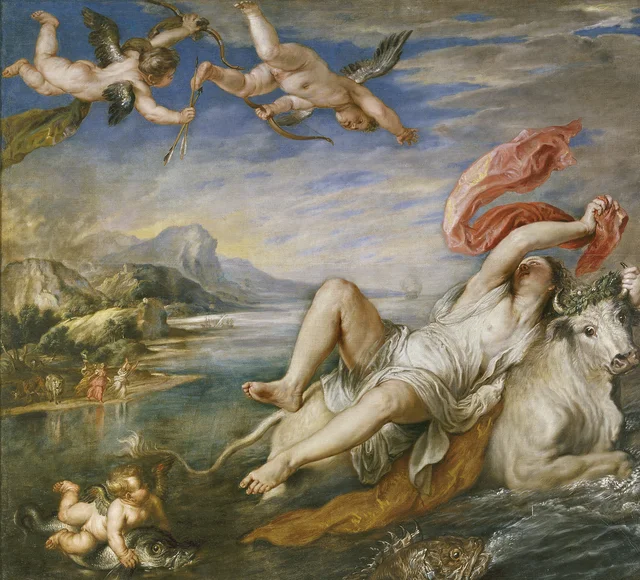 El rapto de EuropaPedro Pablo Rubens, 1628
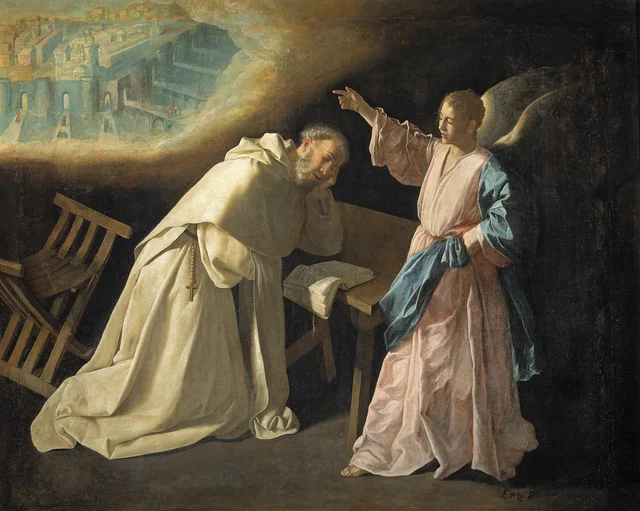 La visión de san Pedro NolascoFrancisco de Zurbarán, 1629
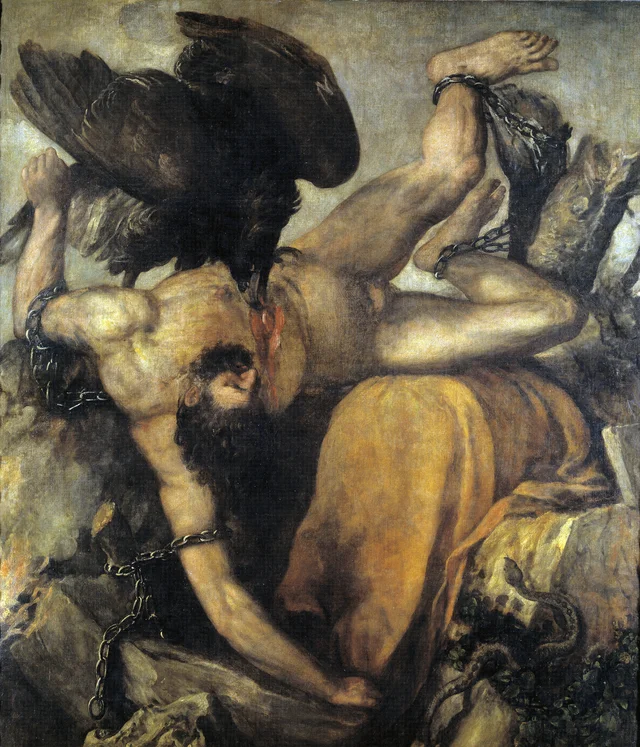 TicioTiziano, 1565
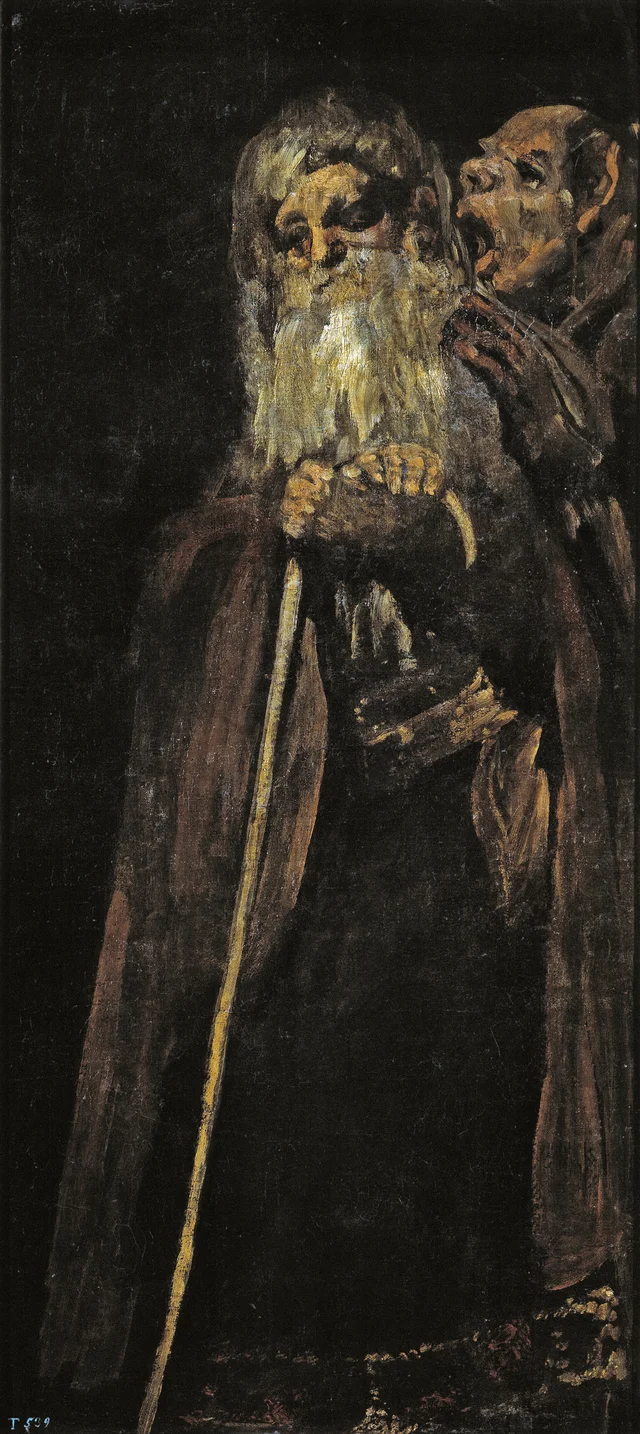 Dos viejosFrancisco Goya, 1819
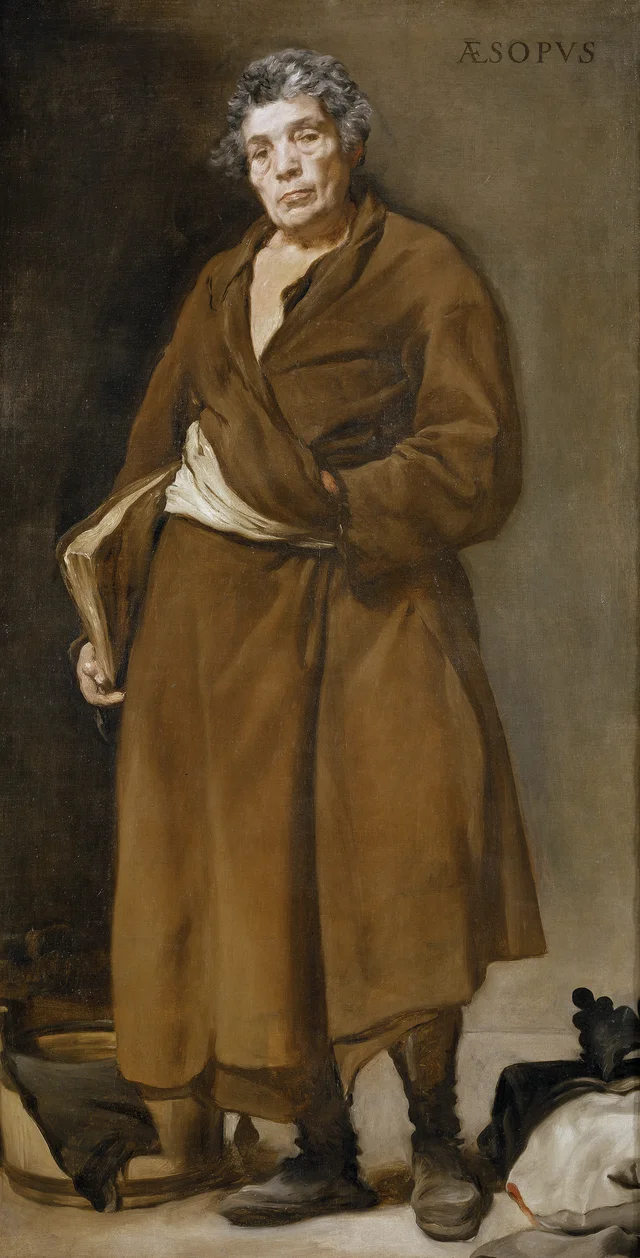 EsopoDiego Velázquez, 1639
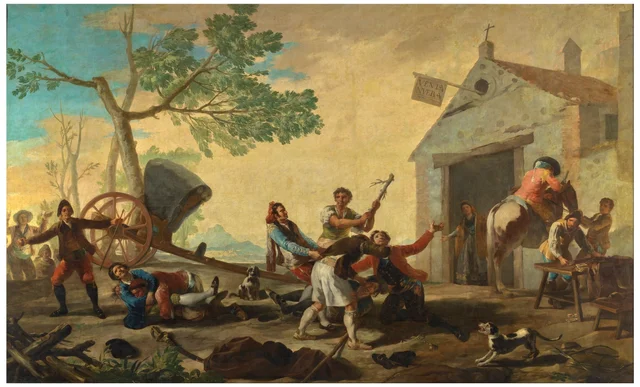 Riña en la Venta NuevaFrancisco Goya, 1777
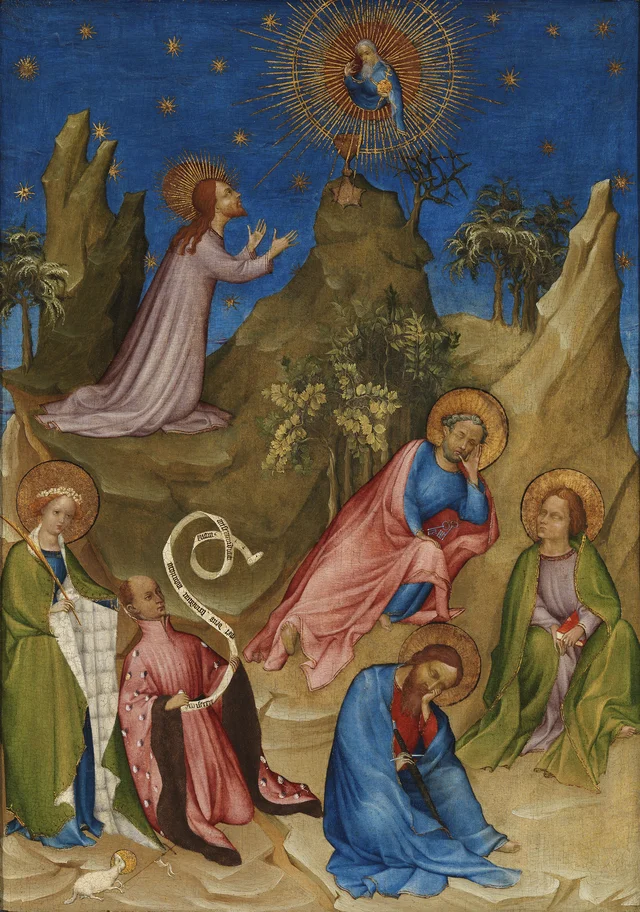 La oración en el huerto con el donante Luis I de OrleansColart de Laon, 1405
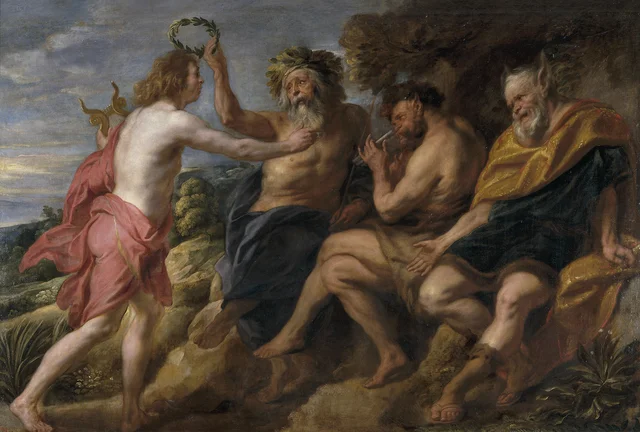 Apolo vencedor de PanJacob Jordaens, 1637
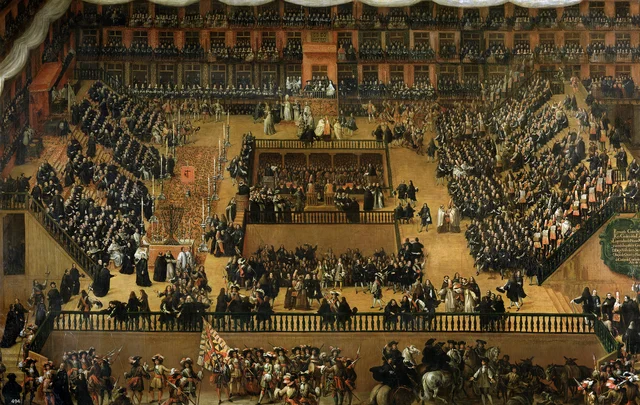 Auto de fe en la Plaza Mayor de MadridFrancisco Rizi, 1683
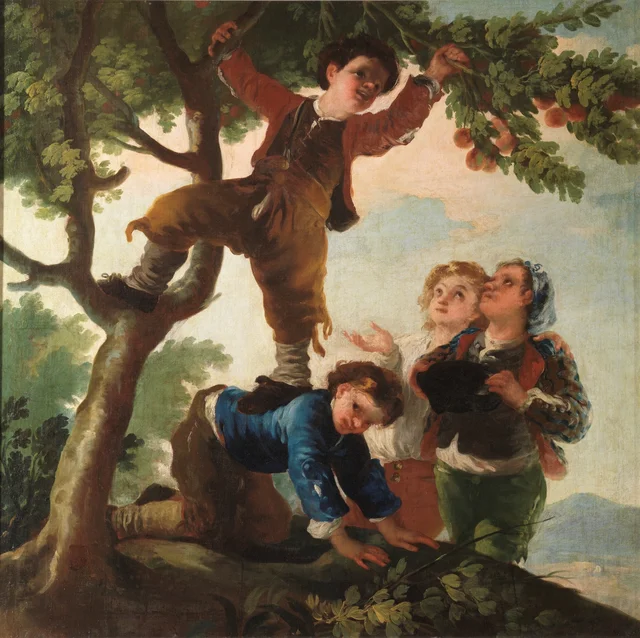 Muchachos cogiendo frutaFrancisco Goya, 1778