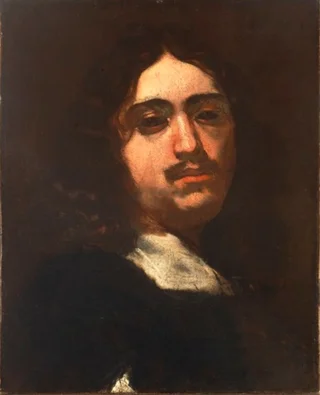
Jusepe de Ribera
1591–1652 · Krone von Aragón · Barock
Die Geschichte
1616 verließ ein junger spanischer Maler Rom in Richtung Neapel, den Gläubigern, die er nicht bezahlen konnte, immer einen Schritt voraus. Neapel war damals spanischer Besitz, regiert von einem aus Madrid entsandten Vizekönig, sodass ein Spanier dort zugleich für die neapolitanische Oberschicht und für durchreisende spanische Adlige arbeiten konnte. Ribera blieb für immer. Im selben Jahr heiratete er Caterina Azzolino, die Tochter eines neapolitanischen Malers, eine Verbindung, die einem Neuankömmling die nötigen Türen öffnete.
Er malte in der dramatischen Manier des Übergangs von Dunkel zu Licht, die der italienische Maler Caravaggio geprägt hatte, der wenige Jahre zuvor in Neapel gearbeitet hatte und dort 1610 gestorben war. Ribera trieb den Naturalismus weiter und malte gemarterte Heilige, greise Philosophen und den geschundenen Satyr Marsyas mit einer Schroffheit, die ihm den Beinamen Lo Spagnoletto eintrug, der kleine Spanier. Spanische Vizekönige kauften seine Leinwände und verschifften sie nach Spanien, und so wurde ein Maler, der nie dorthin zurückkehrte, dennoch einer seiner berühmtesten Künstler, heute neben anderen spanischen Barockmeistern wie Diego Velázquez und Francisco de Zurbarán genannt.
In den frühen 1630er Jahren war seine Beleuchtung vom harten Kontrast zu etwas Weicherem übergegangen. Ein Gemälde von 1642 zeigt einen bettelnden Jungen mit einem Klumpfuß, heute im Louvre in Paris, wie er grinst und ein Blatt hält, auf das lateinisch die Bitte um ein Almosen um der Liebe Gottes willen geschrieben ist.
Werke
115 Werke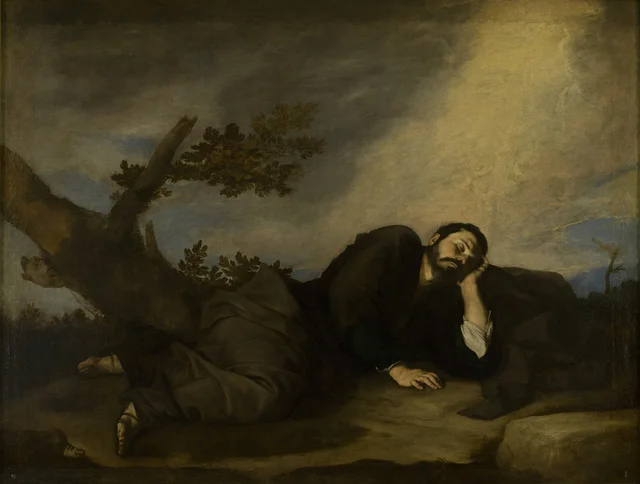 Jakobs TraumJusepe de Ribera, 1639
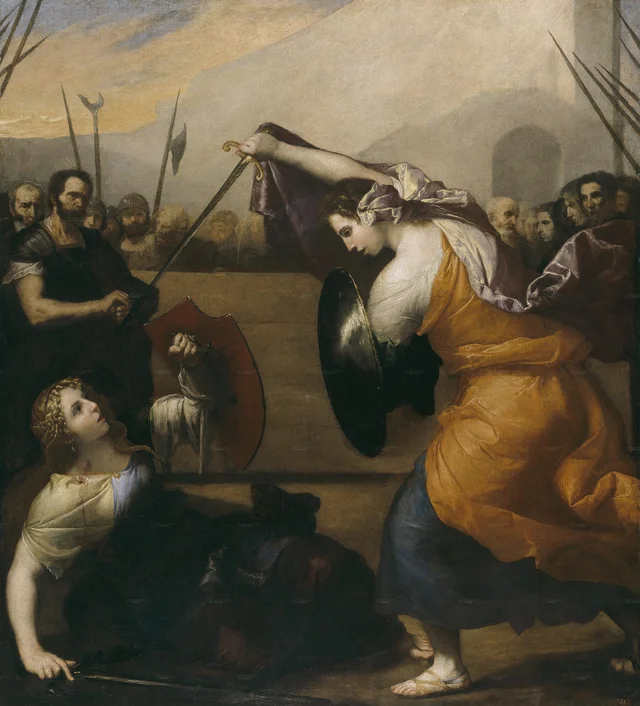 GladiatorinnenJusepe de Ribera, 1636
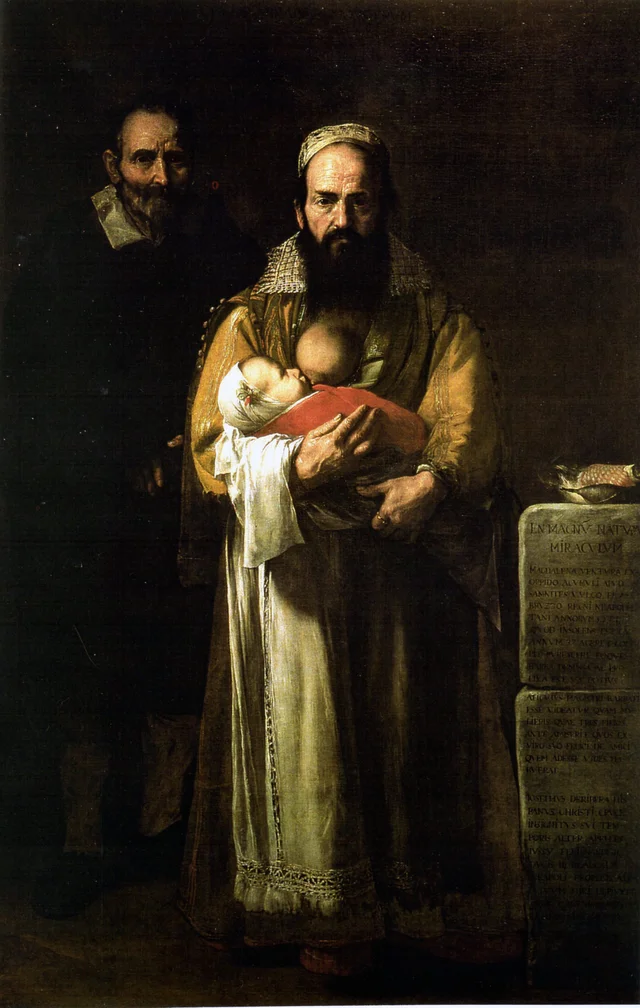 Magdalena Ventura mit ihrem Mann und SohnJusepe de Ribera, 1631
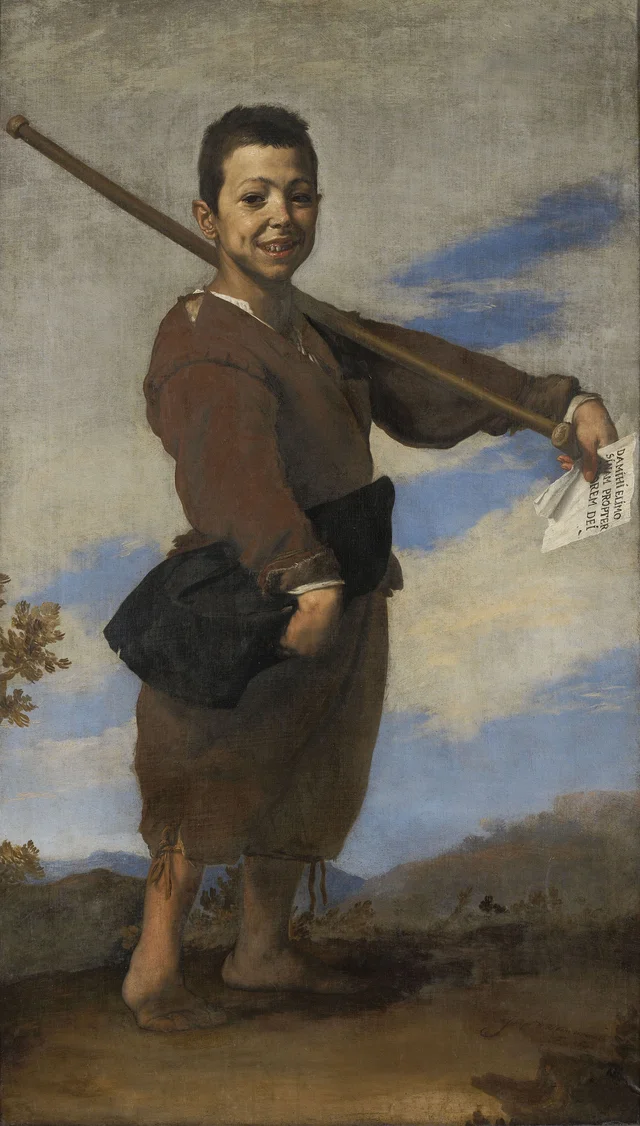 Der KlumpfüßigeJusepe de Ribera, 1642
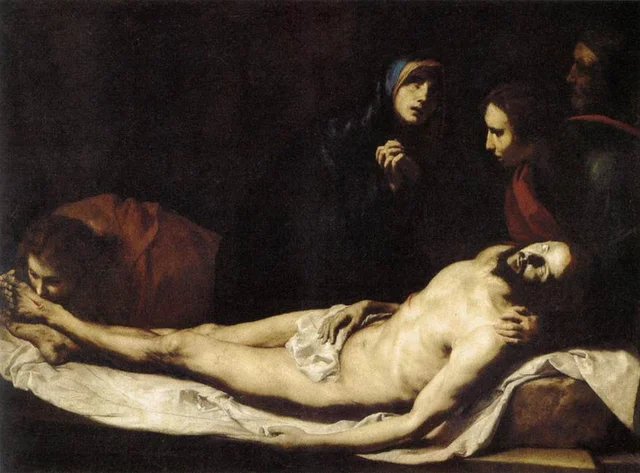 PietàJusepe de Ribera, 1633
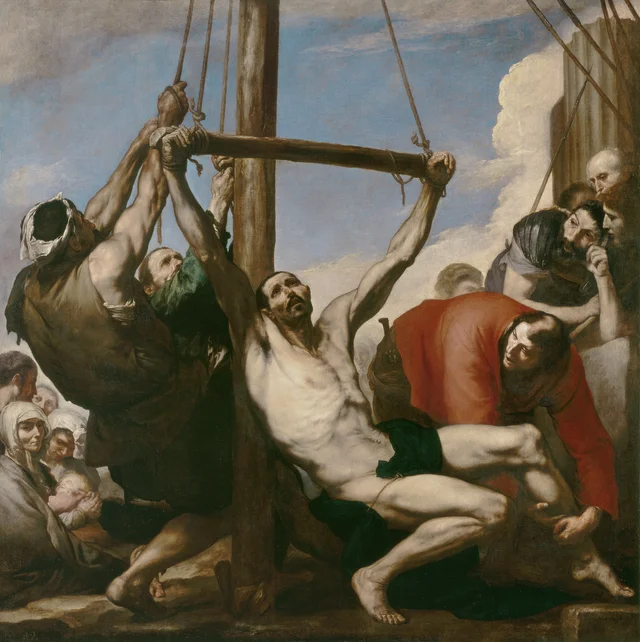 Das Martyrium des heiligen PhilippusJusepe de Ribera, 1639
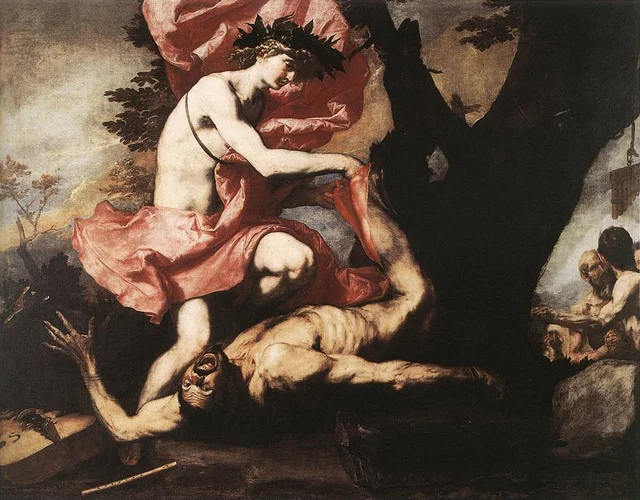 Apoll schindet MarsyasJusepe de Ribera, 1637
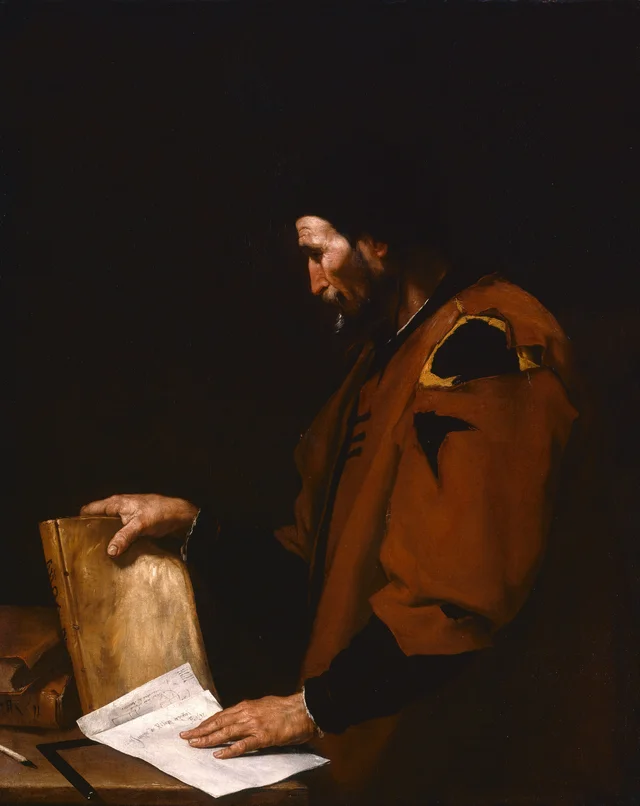 AristotelesJusepe de Ribera, 1637
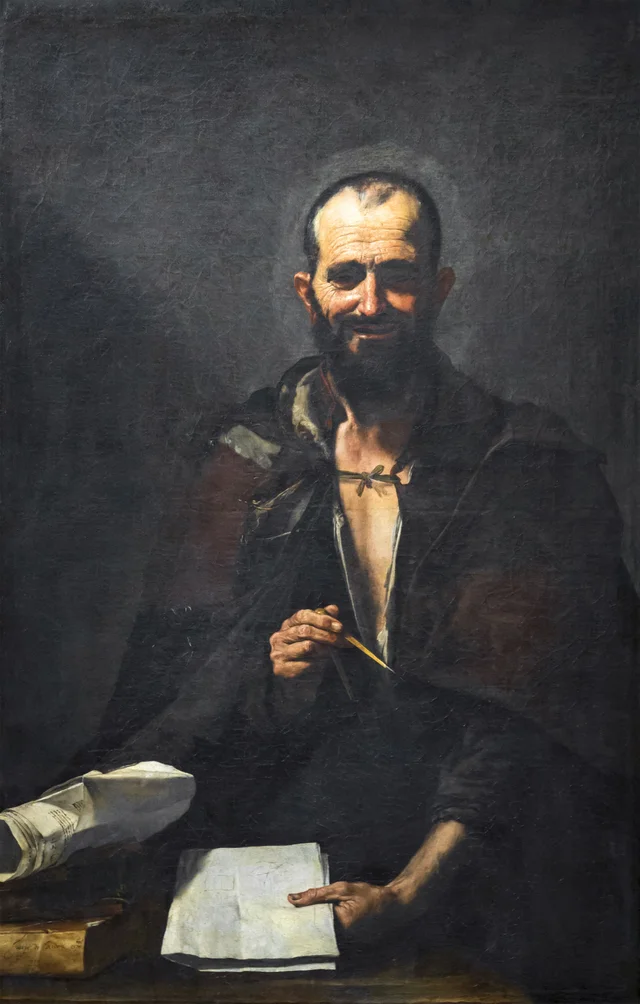 DemokritJusepe de Ribera, 1630
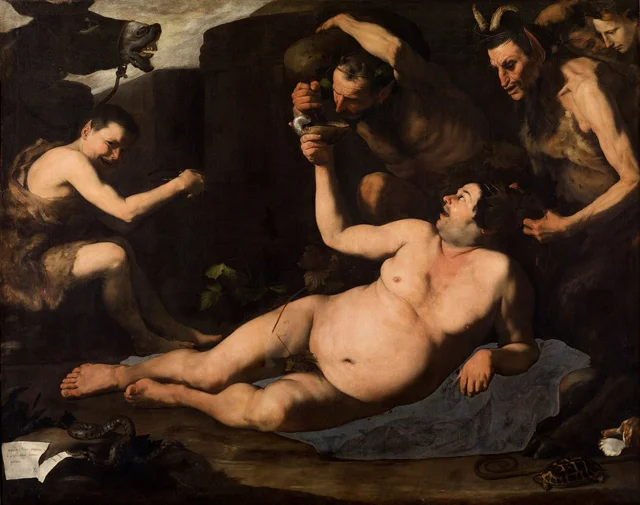 Der trunkene SilenJusepe de Ribera, 1626
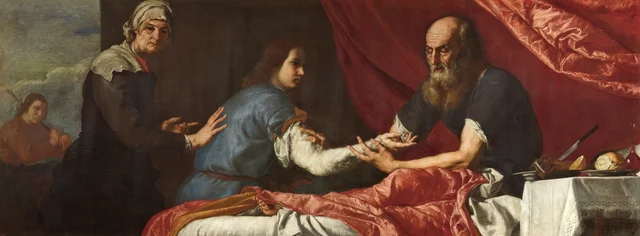 Isaak und JakobJusepe de Ribera, 1637
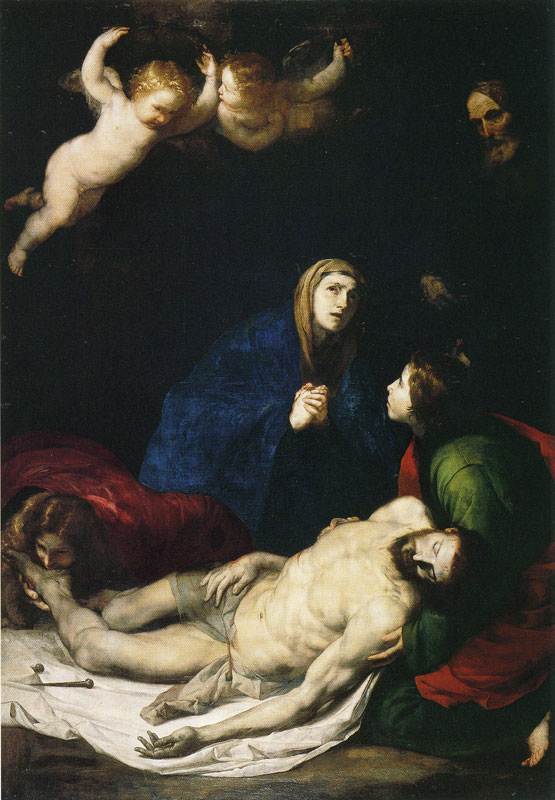 Beweinung des toten ChristusJusepe de Ribera, 1637
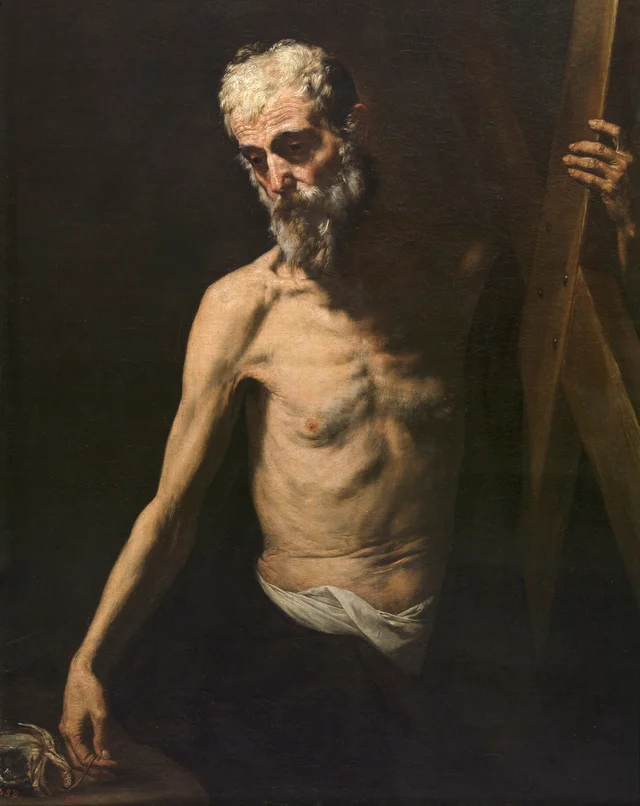 Der heilige AndreasJusepe de Ribera, 1631
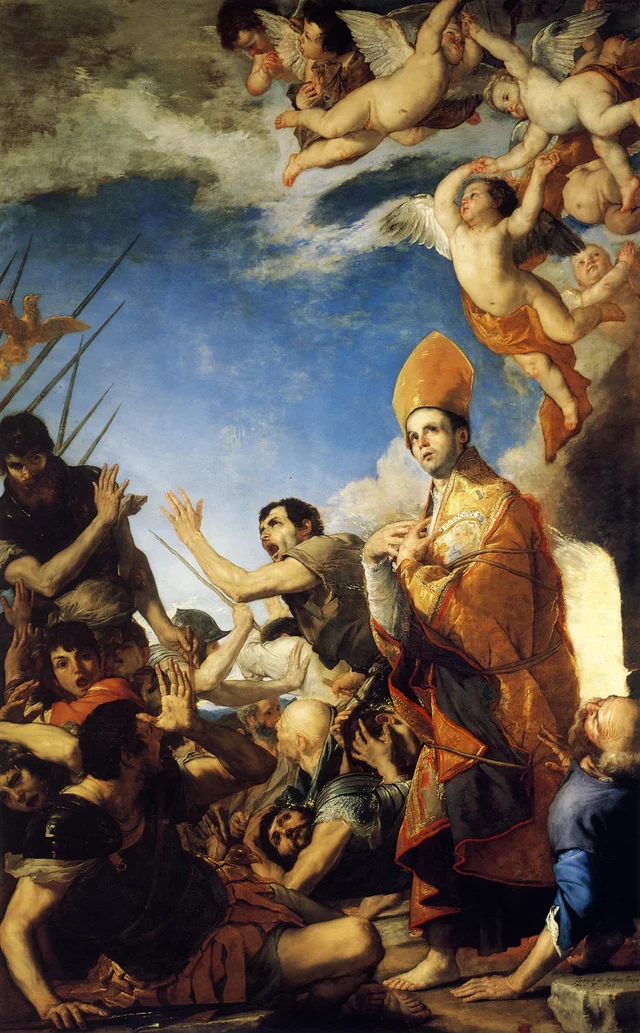 Der heilige Januarius verlässt den FeuerofenJusepe de Ribera, 1646
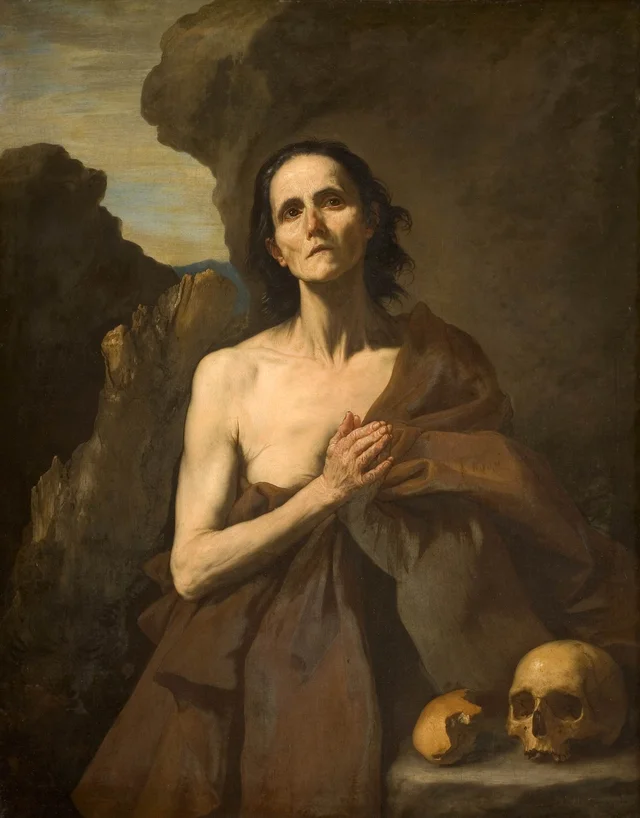 Die heilige Maria von ÄgyptenJusepe de Ribera, 1641
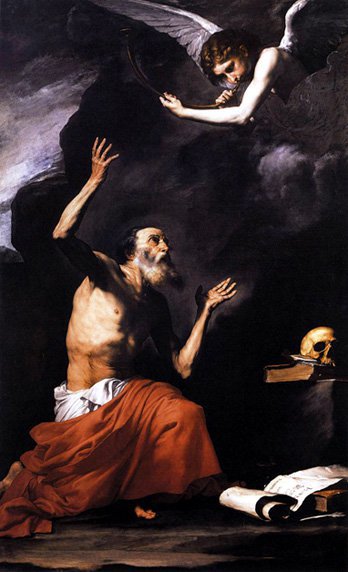 Der heilige Hieronymus und der Engel des GerichtsJusepe de Ribera, 1626
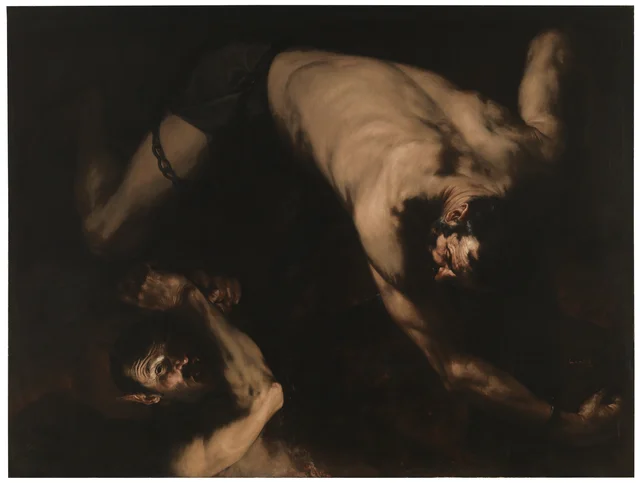 IxionJusepe de Ribera, 1632
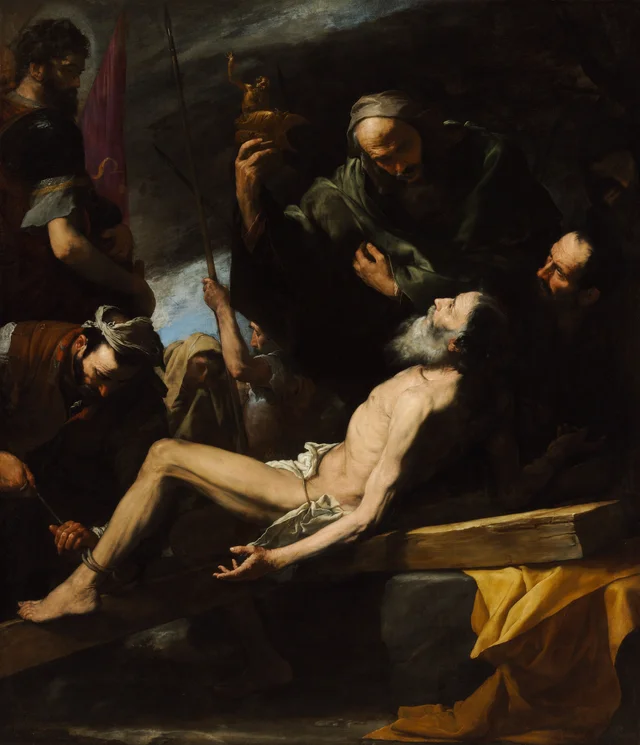 Das Martyrium des heiligen AndreasJusepe de Ribera, 1628
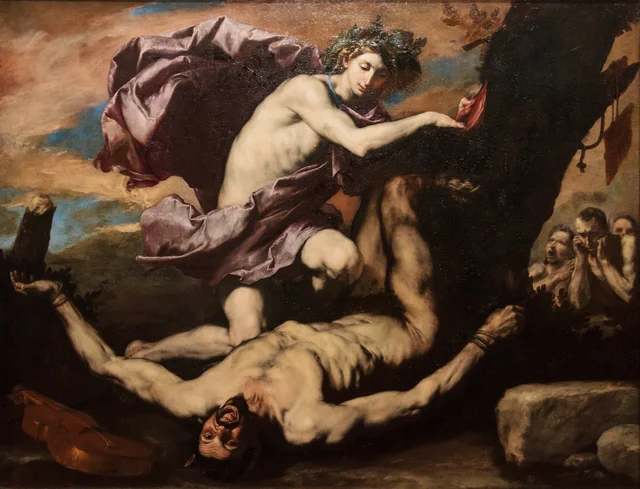 Apoll schindet MarsyasJusepe de Ribera, 1637
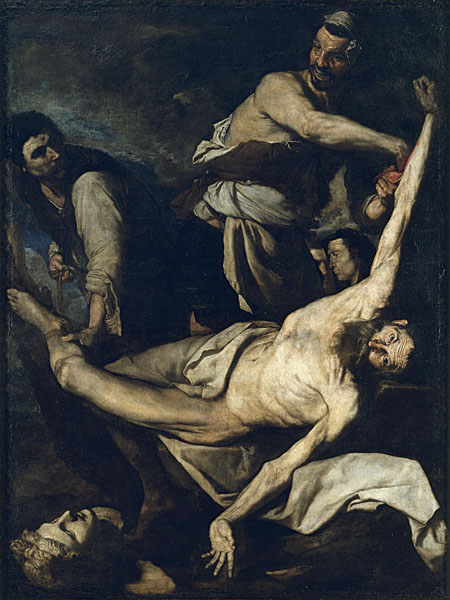 Das Martyrium des heiligen BartholomäusJusepe de Ribera, 1644
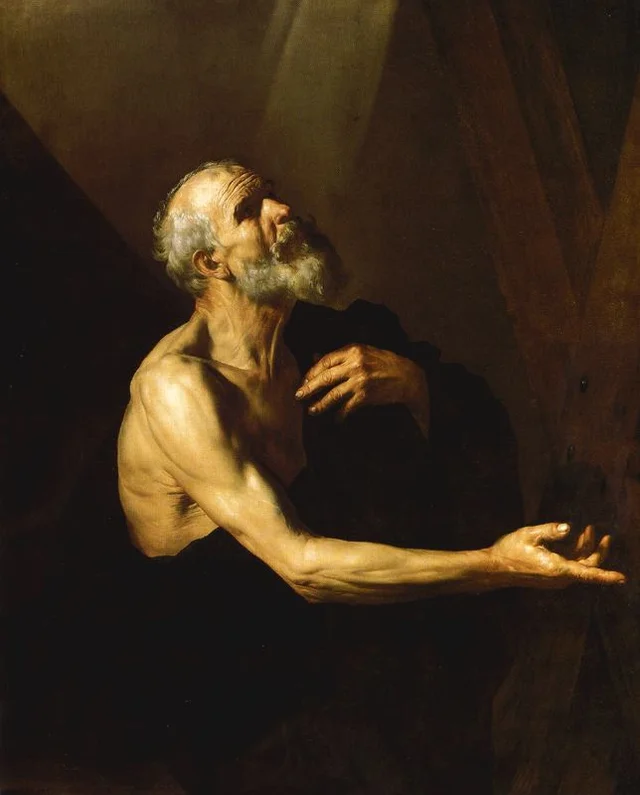 Der heilige AndreasJusepe de Ribera, 1616
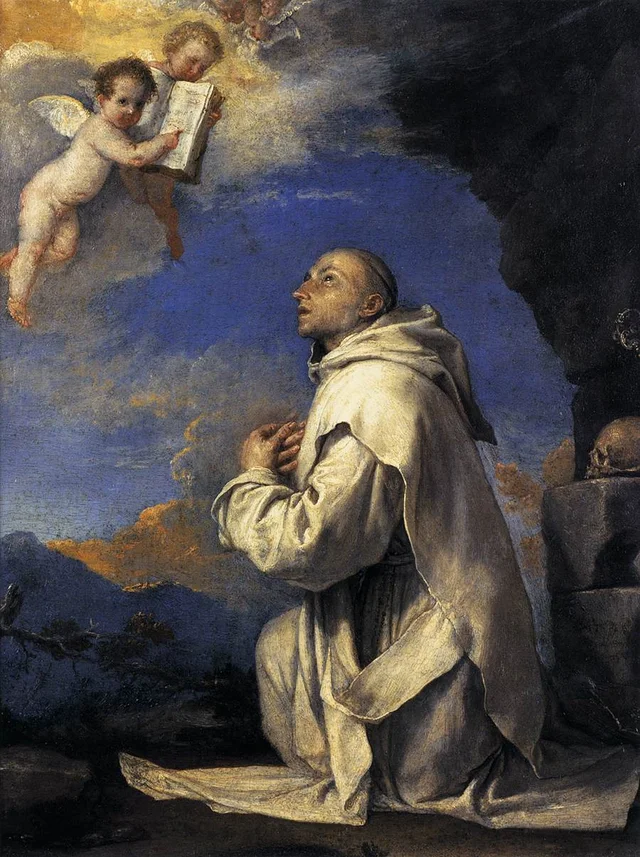 Der heilige Bruno empfängt die RegelJusepe de Ribera, 1643
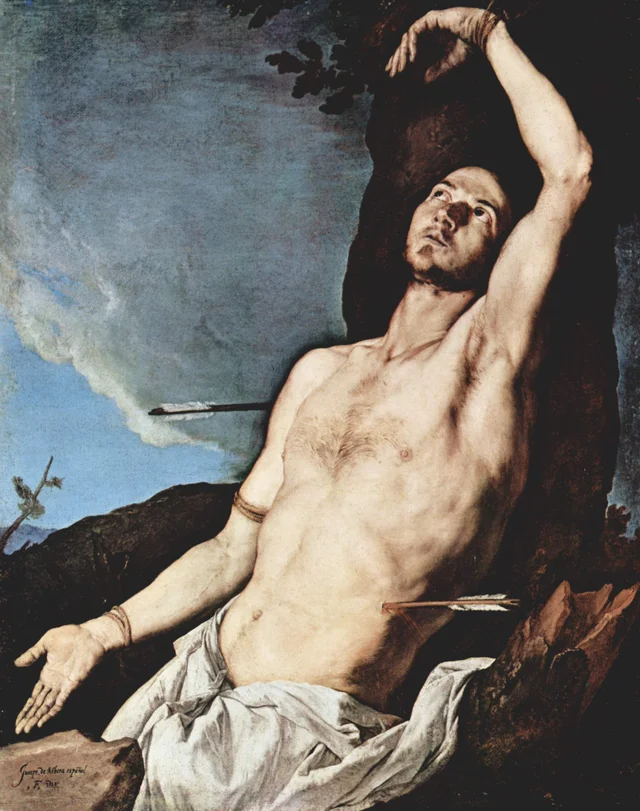 Der heilige SebastianJusepe de Ribera, 1651
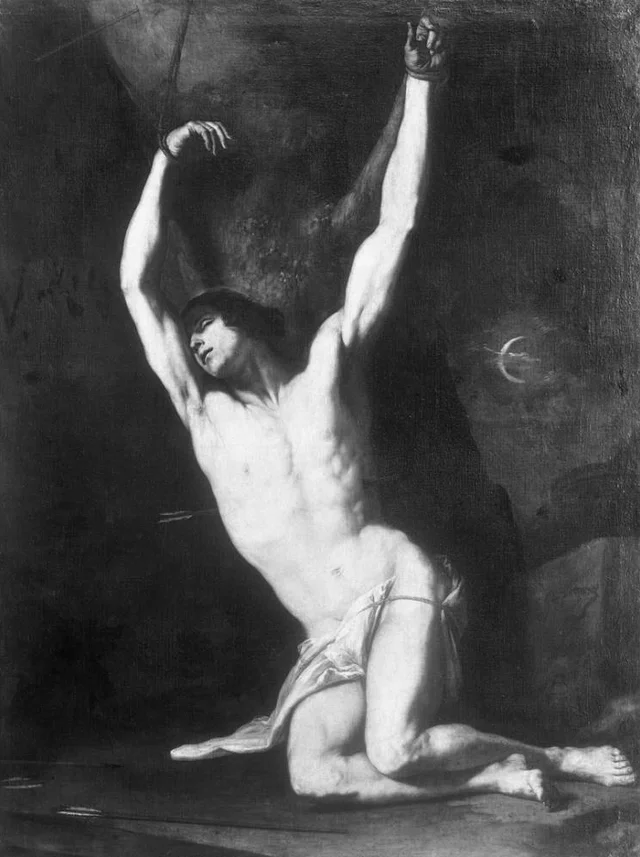 Heiliger SebastianJusepe de Ribera, 1636
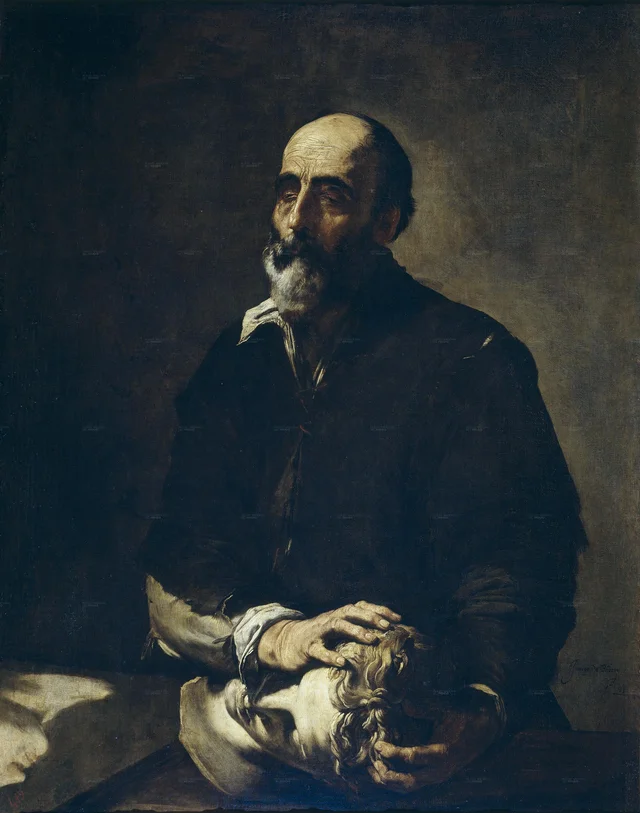 Der blinde BildhauerJusepe de Ribera, 1632