오디오 가이드
이야기
루브르는 요새로 시작했다. 필리프 2세가 중세 파리를 지키기 위해 1190년 무렵 센강 우안에 이를 세웠고, 이후 여러 세기에 걸쳐 프랑스 왕들이 이를 왕궁으로 고쳐 지었다. 그러다 1682년 루이 14세가 궁정을 베르사유로 옮기면서, 절반쯤 짓다 만 전당들은 왕실 컬렉션과 그 안에 거처를 둔 예술가들의 몫으로 남겨졌다.
혁명은 이곳을 공공 미술관으로 바꾸어 놓았다. 1793년 8월 10일 중앙 예술 미술관이 문을 열어, 왕실과 교회에서 몰수한 미술품을 들어오고자 하는 모든 시민에게 공개했다. 나폴레옹은 이곳을 원정에서 얻은 전리품으로 채우고 한동안 자기 이름을 따 개칭하기도 했다. 워털루 이후 상당수는 반환되었으나, 연구를 위해 정리되고 대중에게 무료로 개방되는 국가 컬렉션이라는 발상은 그대로 남았다.
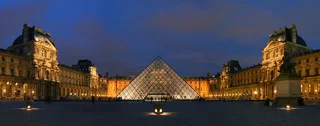
오늘날 루브르는 밀로의 비너스부터 제리코의 메두사호의 뗏목까지 3만 5천 점이 넘는 작품을 소장하고 있다. 그러나 인파가 몰려드는 곳은 작은 초상화 한 점 앞이다. 1911년 8월 그 그림이 사라졌다. 미술관에서 일한 적 있는 이탈리아인 잡역부 빈첸초 페루자가 레오나르도의 모나리자를 벽에서 떼어 외투 속에 감춰 들고 나간 것이다. 2년 동안 빈 액자만 걸려 있었고 관람객들은 그 빈자리를 보러 왔으며, 그림은 페루자가 피렌체의 한 화상에게 팔려다 붙잡힌 뒤인 1913년에야 돌아왔다. 1989년 안뜰에 세워진 이오 밍 페이의 유리 피라미드가 이제 입구를 이룬다.
다른 아티클
소장품
작품 1174점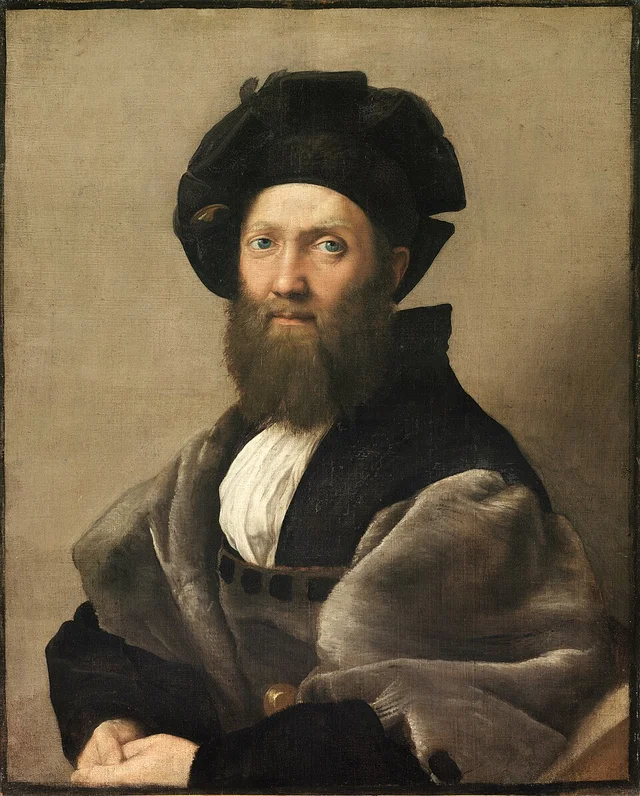 발다사레 카스틸리오네의 초상라파엘로, 1515
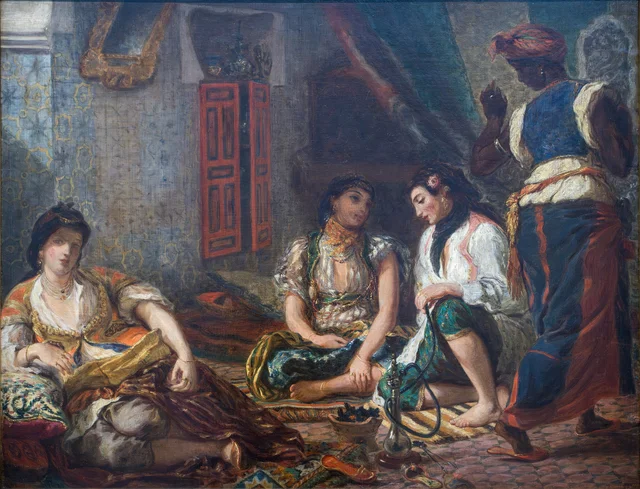 알제의 여인들외젠 들라크루아, 1834
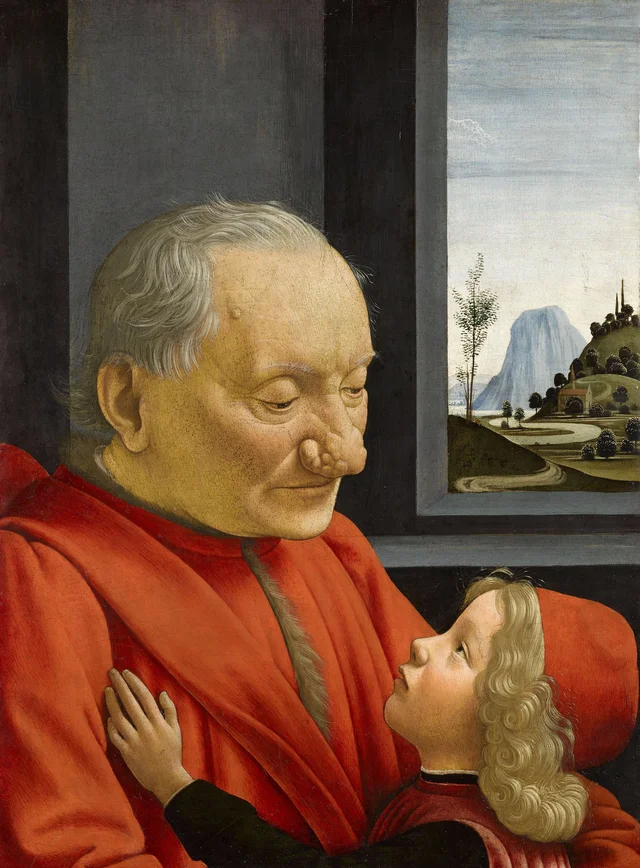 노인과 손자도메니코 기를란다요, 1490
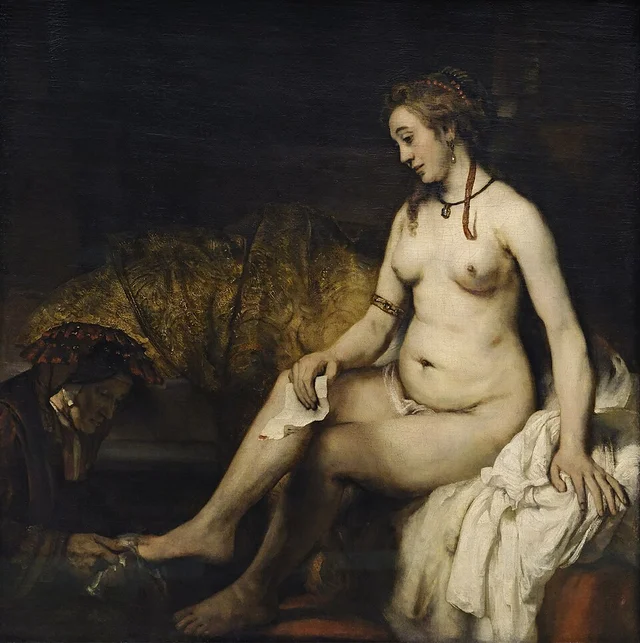 목욕하는 밧세바렘브란트, 1654
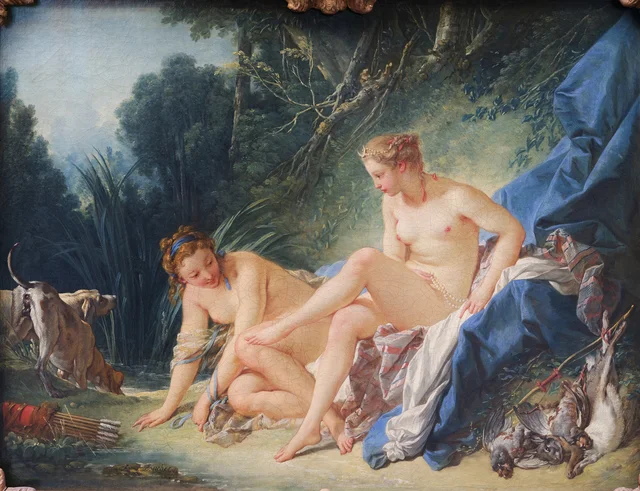 목욕을 마친 디아나프랑수아 부셰, 1742
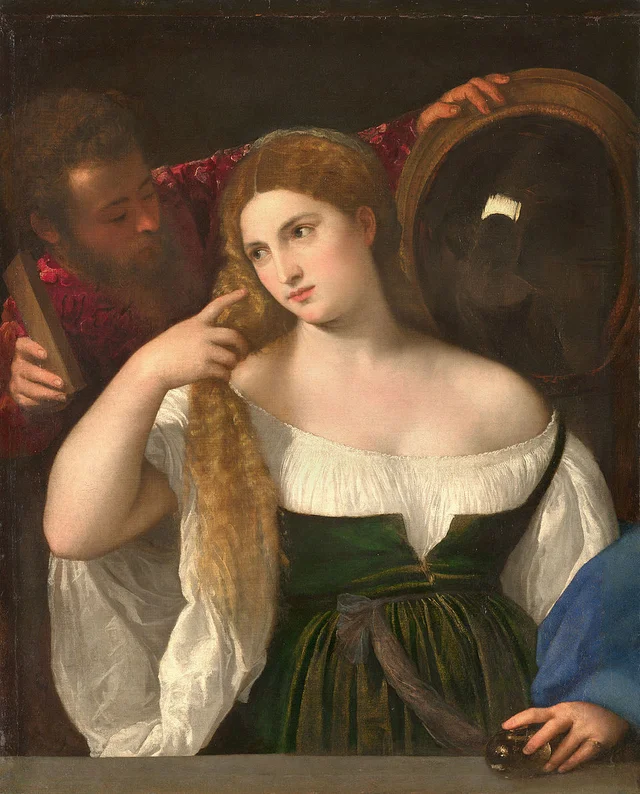 거울을 든 여인티치아노, 1515
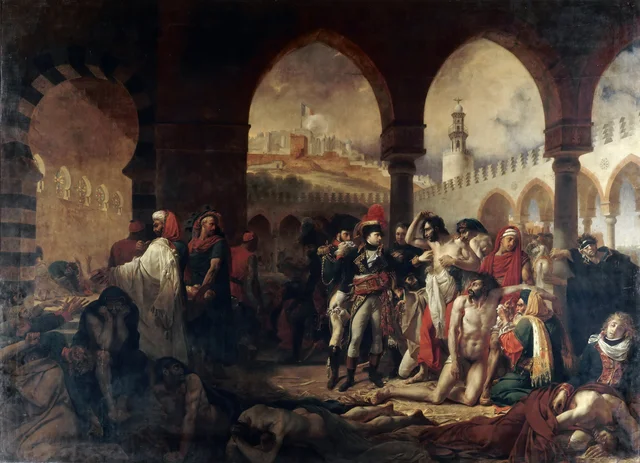 자파의 페스트 환자를 방문한 보나파르트앙투안장 그로, 1804
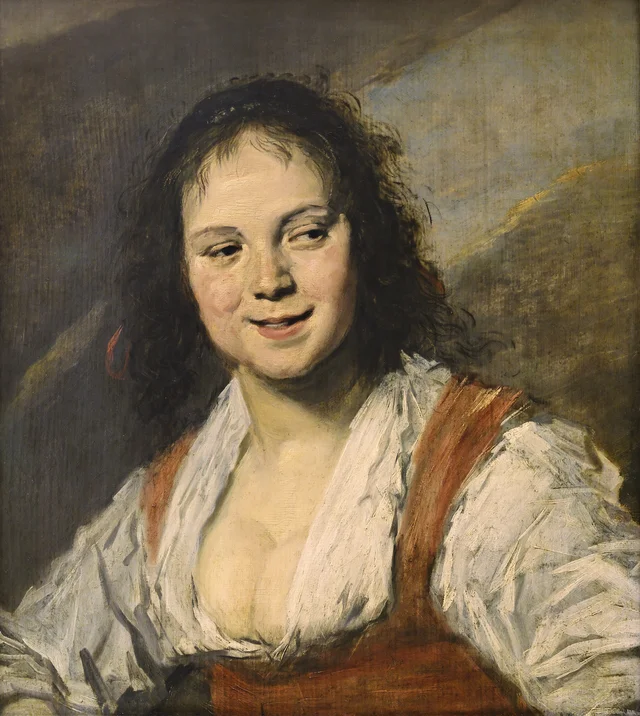 집시 소녀프란스 할스, 1628
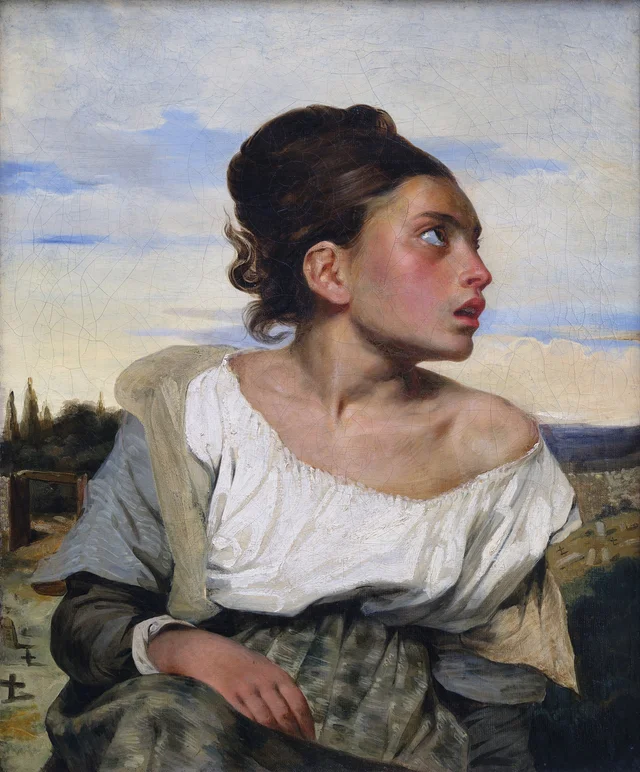 묘지의 고아 소녀외젠 들라크루아, 1824
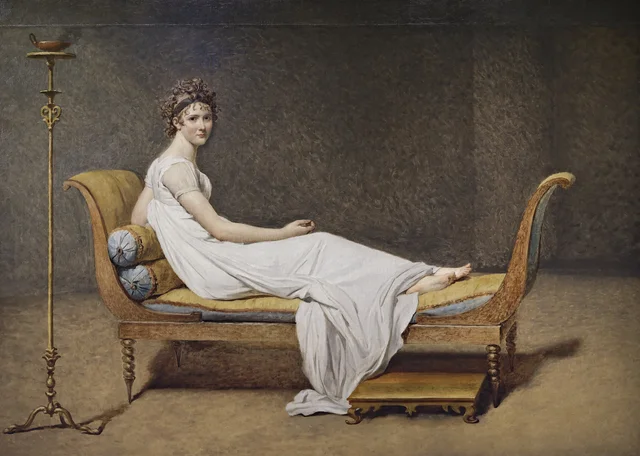 레카미에 부인의 초상자크루이 다비드, 1800
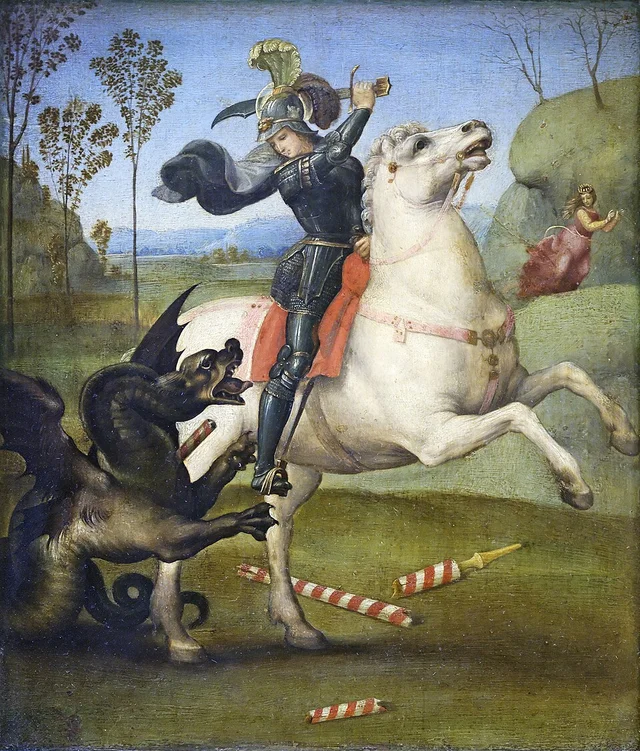 성 게오르기우스와 용라파엘로, 1500
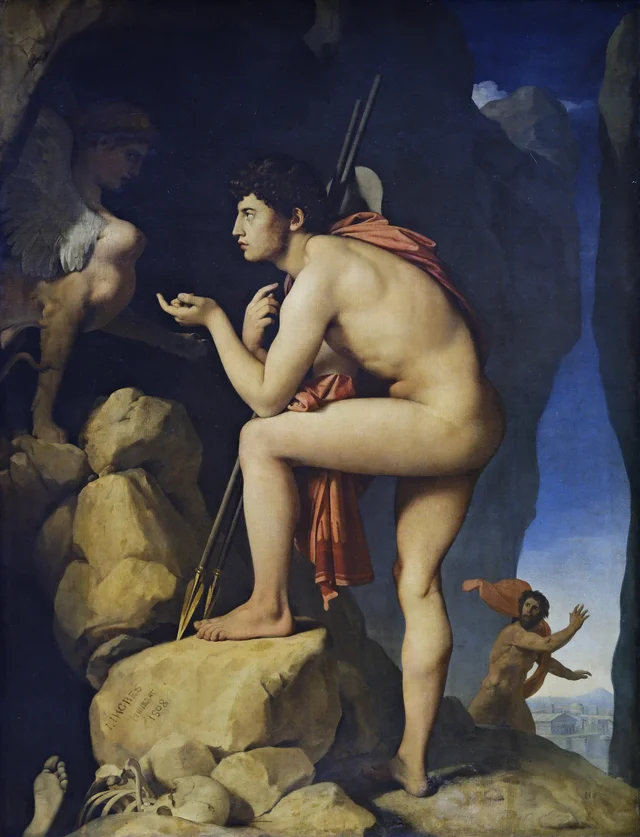 오이디푸스와 스핑크스장오귀스트도미니크 앵그르, 1808
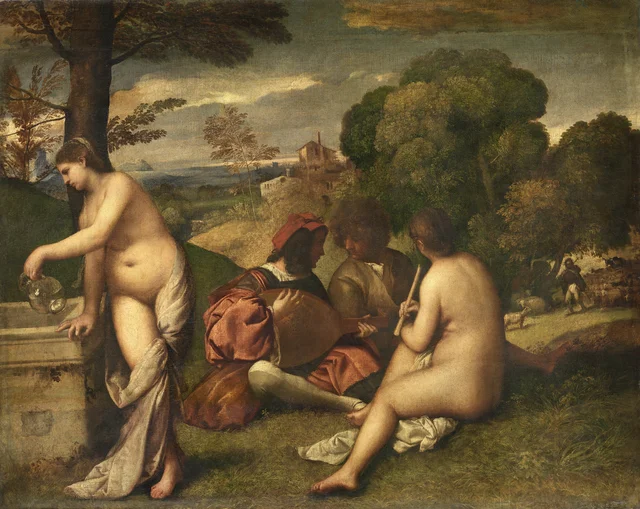 전원의 합주티치아노, 1510
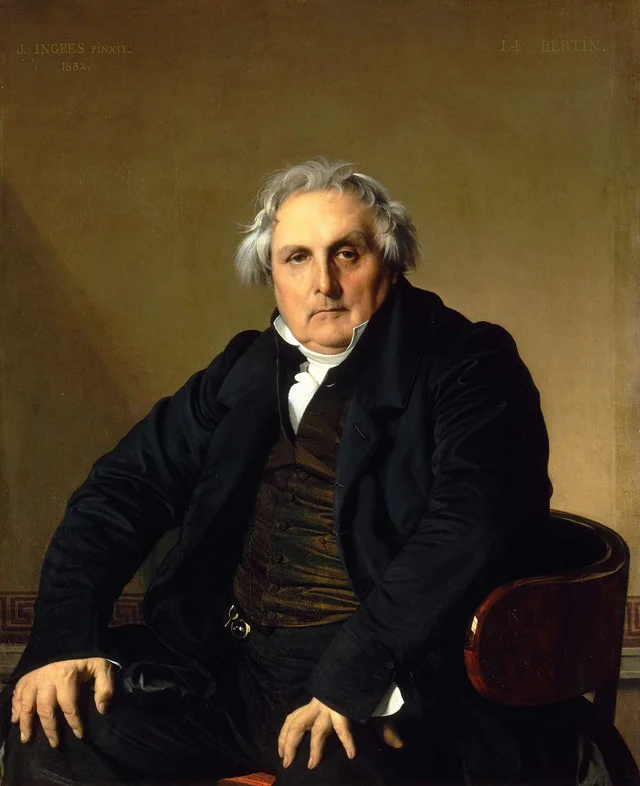 베르탱 씨의 초상장오귀스트도미니크 앵그르, 1832
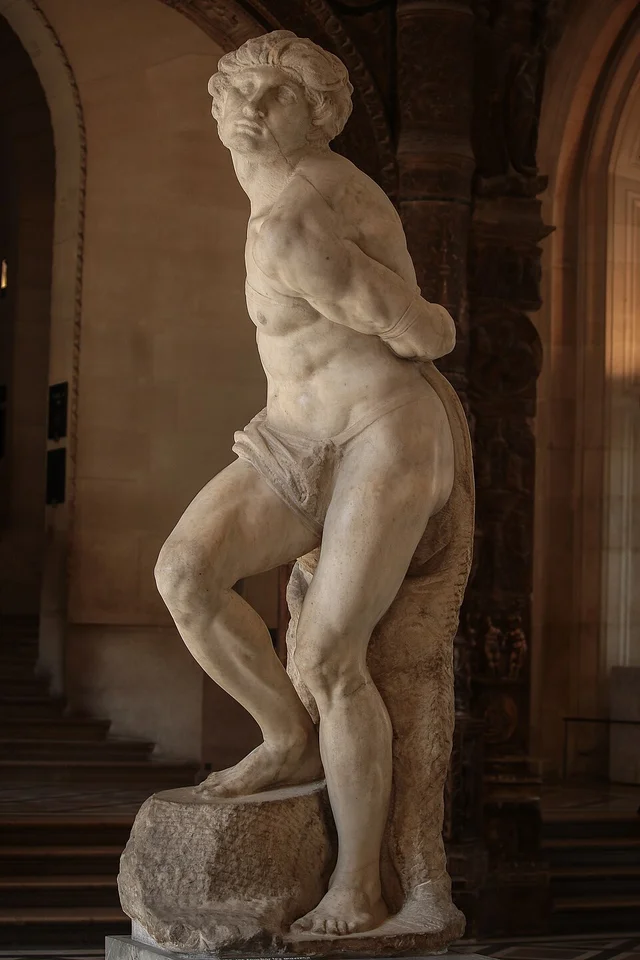 반항하는 노예미켈란젤로, 1514
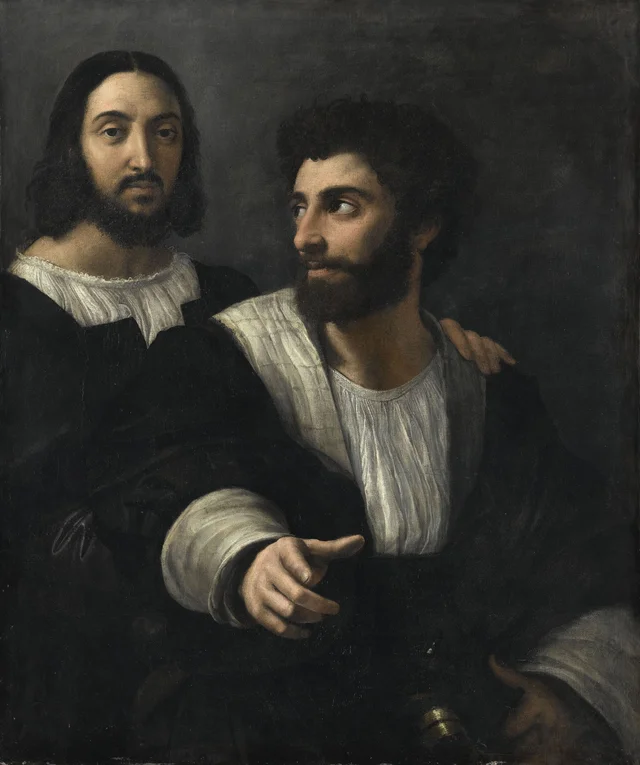 친구와 함께한 자화상라파엘로, 1519
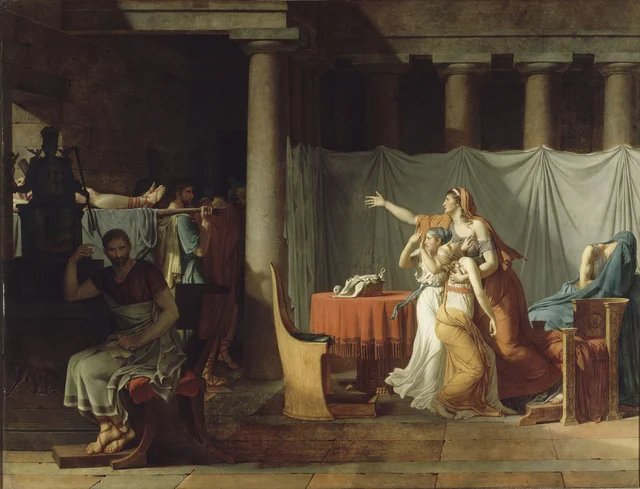 릭토르들이 브루투스에게 아들들의 시신을 가져오다자크루이 다비드, 1789
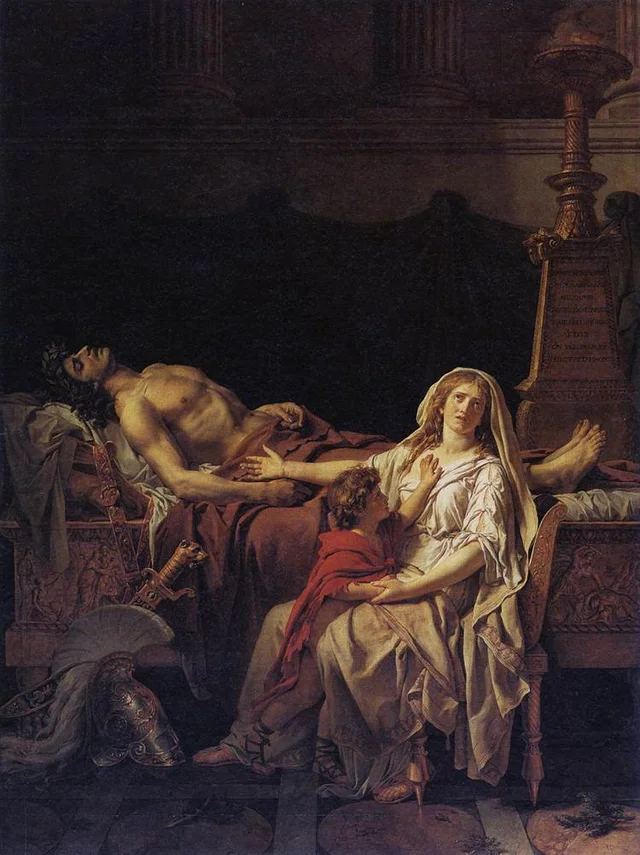 헥토르를 애도하는 안드로마케자크루이 다비드, 1783
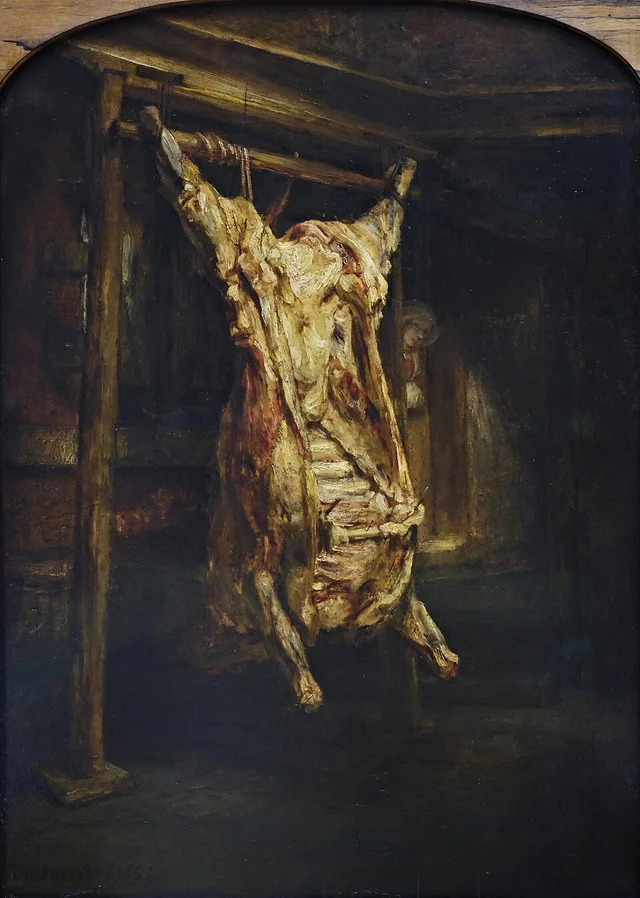 도살된 소렘브란트, 1655
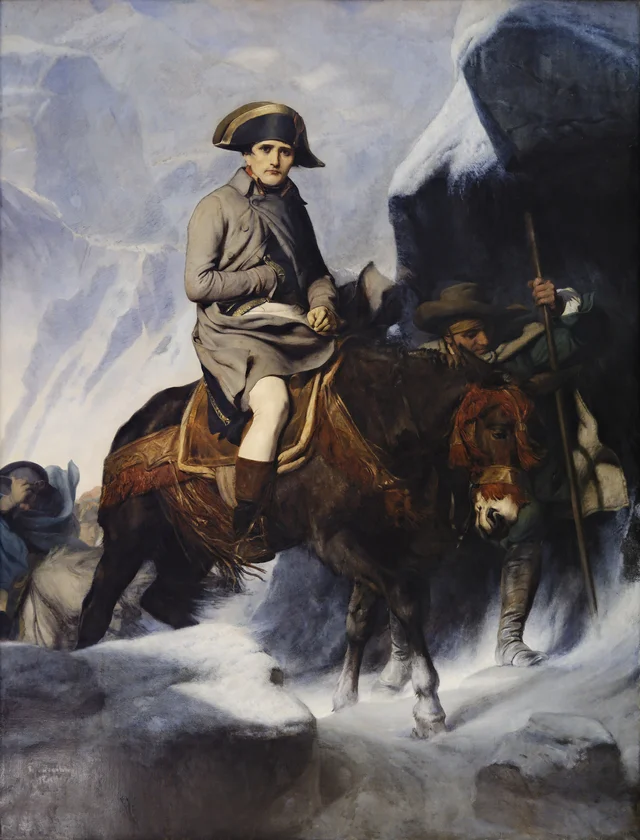 알프스를 넘는 보나파르트폴 들라로슈, 1848
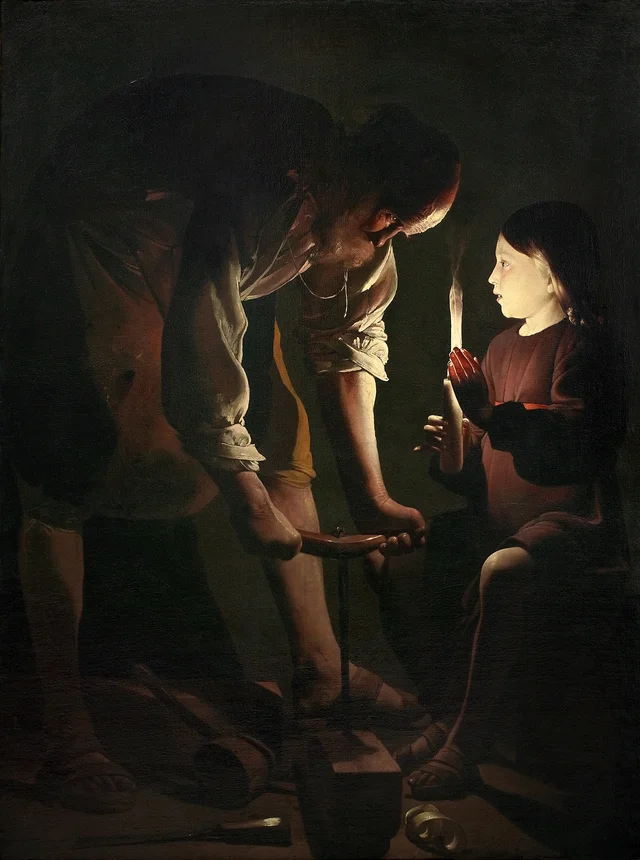 목수 성 요셉조르주 드 라 투르, 1642
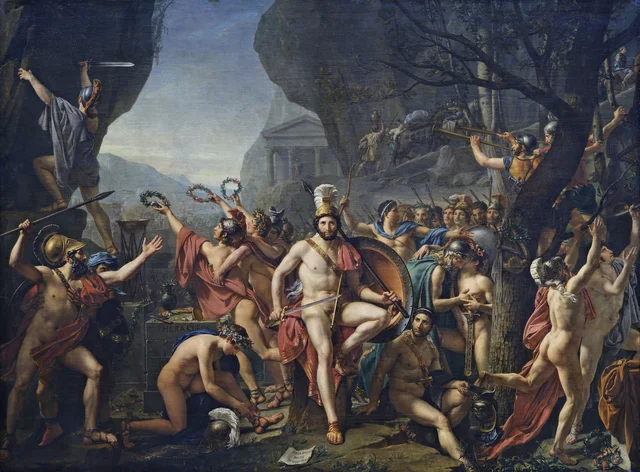 테르모필레의 레오니다스자크루이 다비드, 1814
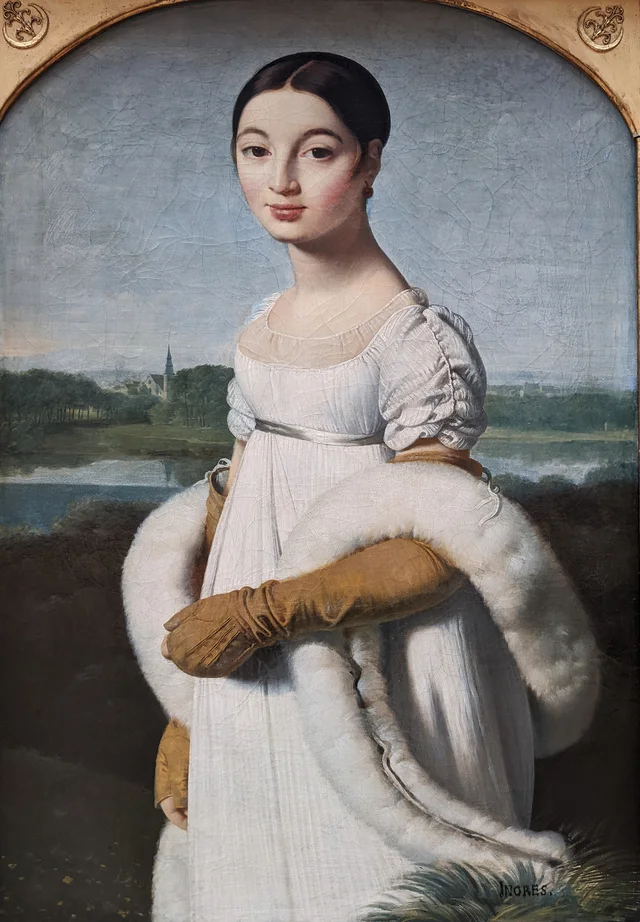 카롤린 리비에르 양장오귀스트도미니크 앵그르, 1806
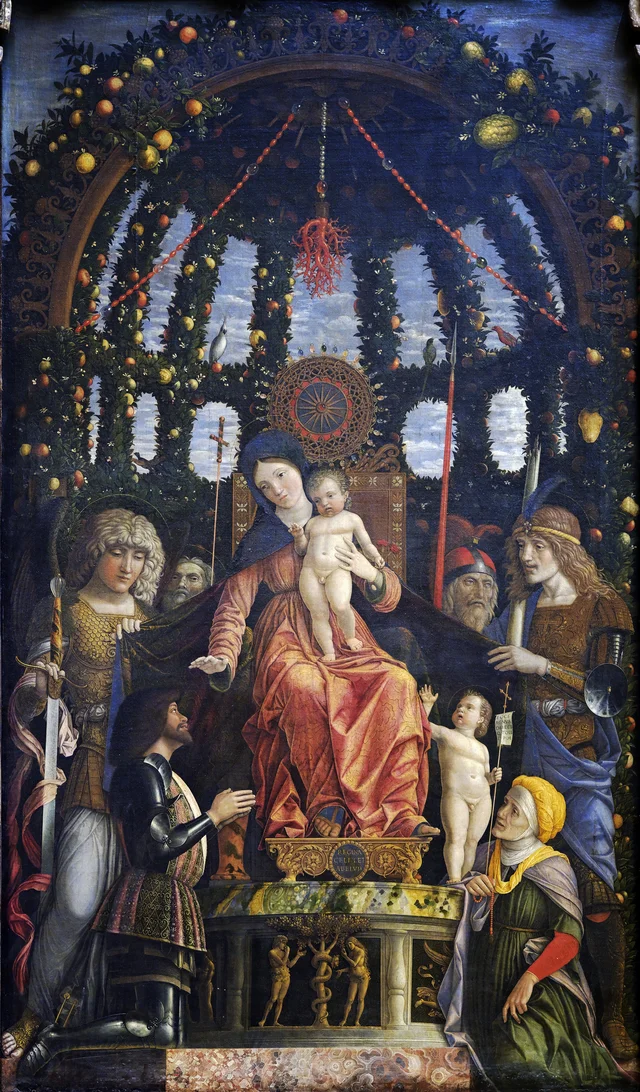 승리의 성모안드레아 만테냐, 1495
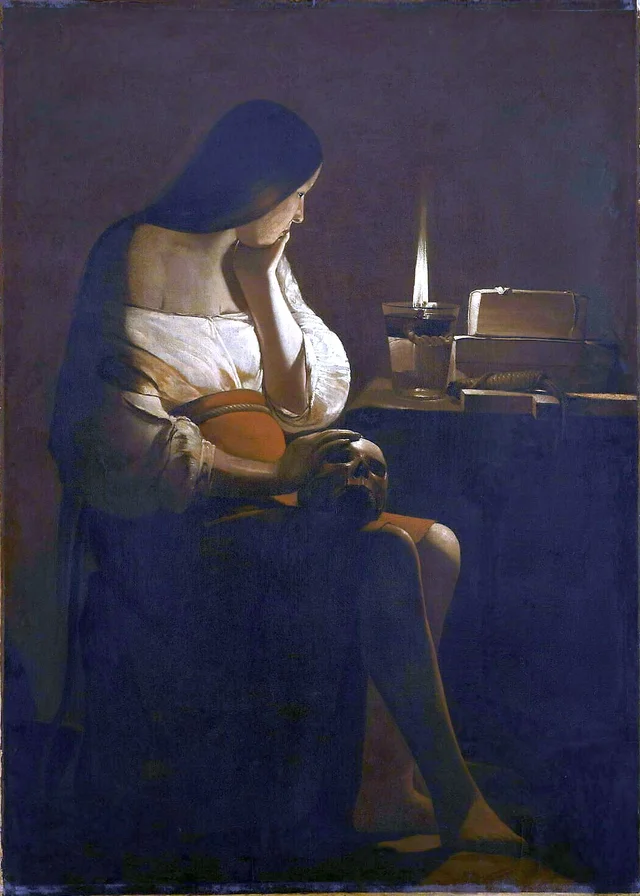 연기 나는 촛불 앞의 막달레나조르주 드 라 투르, 1642