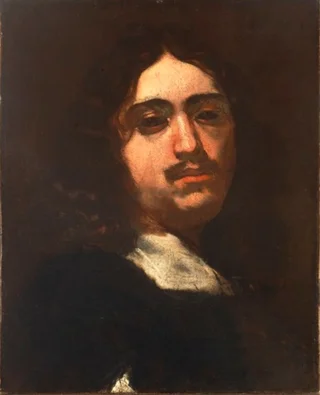
Jusepe de Ribera
1591–1652 · Corona de Aragón · Barroco
La historia
En 1616 un joven pintor español abandonó Roma rumbo a Nápoles, un paso por delante de unos acreedores a los que no podía pagar. Nápoles era entonces una posesión española, gobernada por un virrey enviado desde Madrid, de modo que un español allí podía trabajar a la vez para la élite napolitana local y para los nobles españoles de paso. Ribera se instaló para siempre. Ese mismo año se casó con Caterina Azzolino, hija de un pintor napolitano, un enlace que le abrió las puertas que un recién llegado necesitaba.
Pintaba a la manera dramática de claroscuro iniciada por el pintor italiano Caravaggio, que había trabajado en Nápoles unos años antes y había muerto allí en 1610. Ribera llevó el naturalismo más lejos, pintando santos martirizados, filósofos ancianos y al sátiro desollado Marsias con una crudeza que le valió el apodo de Lo Spagnoletto, el pequeño español. Los virreyes españoles compraban sus lienzos y los enviaban a España, y así fue como un pintor que nunca regresó allí se convirtió pese a todo en uno de sus artistas más célebres, situado hoy junto a otros maestros del Barroco español como Diego Velázquez y Francisco de Zurbarán.
Hacia comienzos de la década de 1630 su iluminación se había suavizado, del contraste tajante hacia algo más difuso. Un cuadro de 1642 de un niño mendigo con un pie deforme, hoy en el museo del Louvre de París, muestra al muchacho sonriendo y sosteniendo un papel con una petición, en latín, de limosna por el amor de Dios.
Obras
114 obras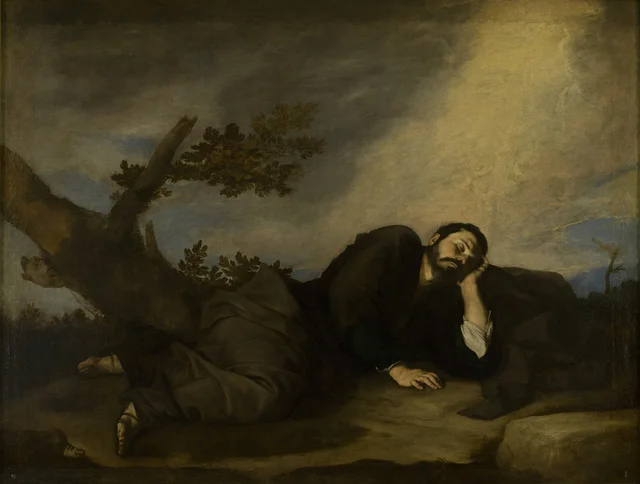 El sueño de JacobJusepe de Ribera, 1639
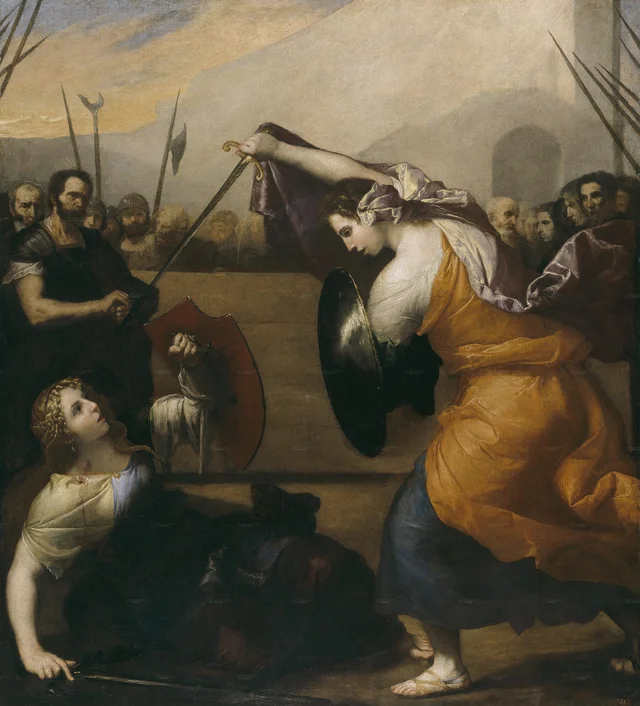 Duelo de mujeresJusepe de Ribera, 1636
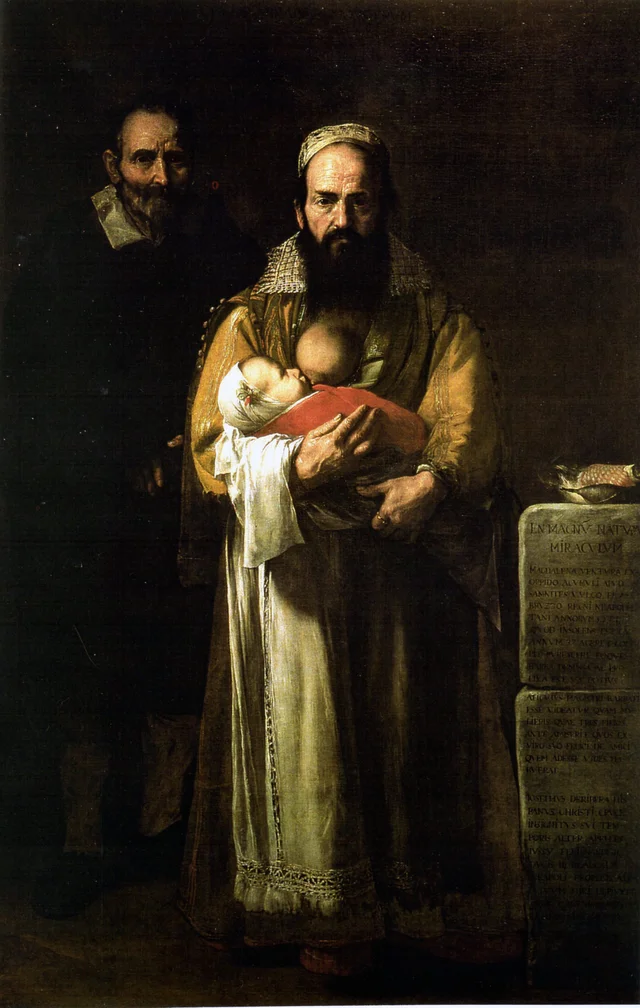 Magdalena Ventura con su marido y su hijoJusepe de Ribera, 1631
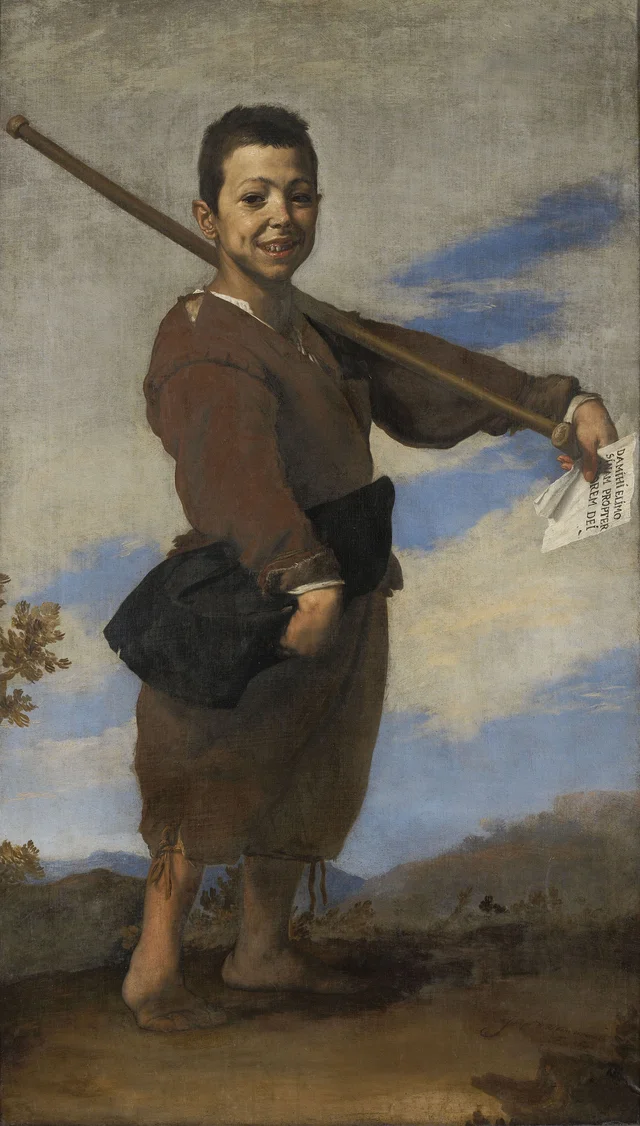 El patizamboJusepe de Ribera, 1642
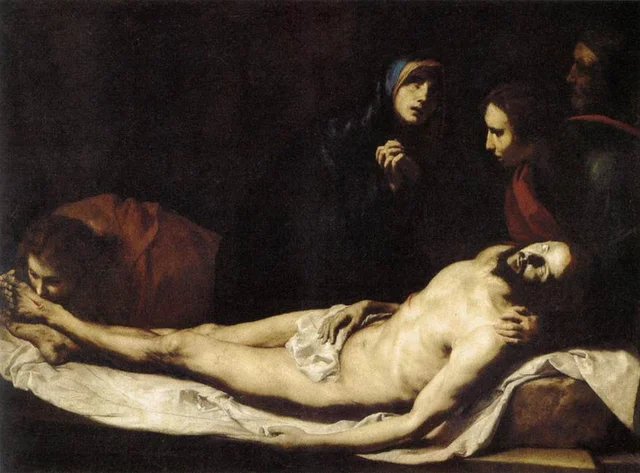 La PiedadJusepe de Ribera, 1633
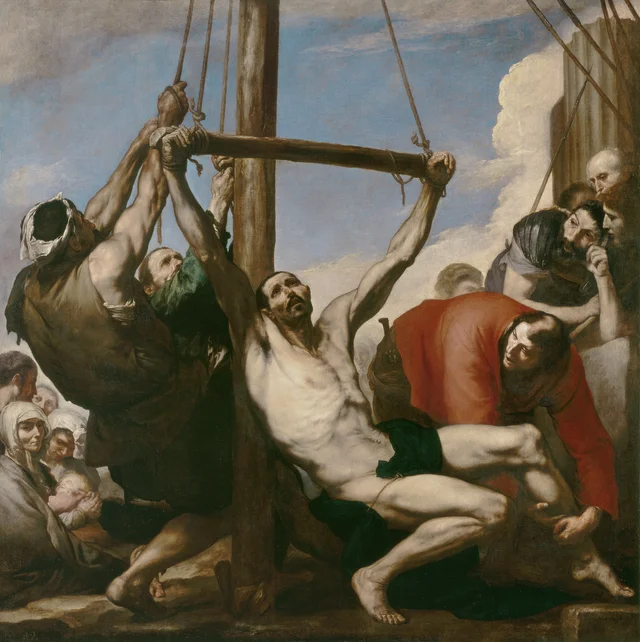 El martirio de San FelipeJusepe de Ribera, 1639
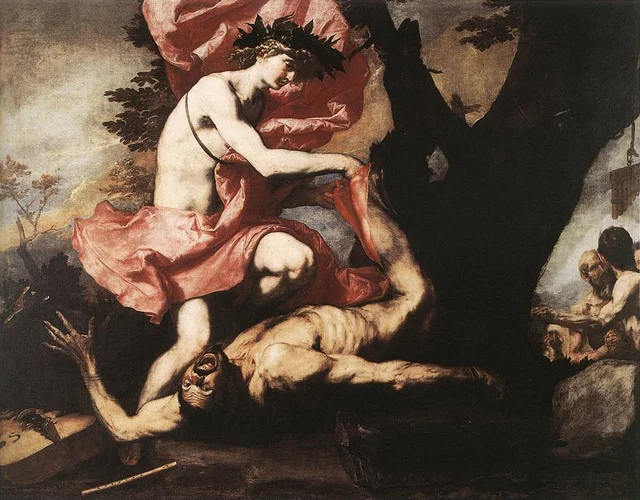 Apolo desollando a MarsiasJusepe de Ribera, 1637
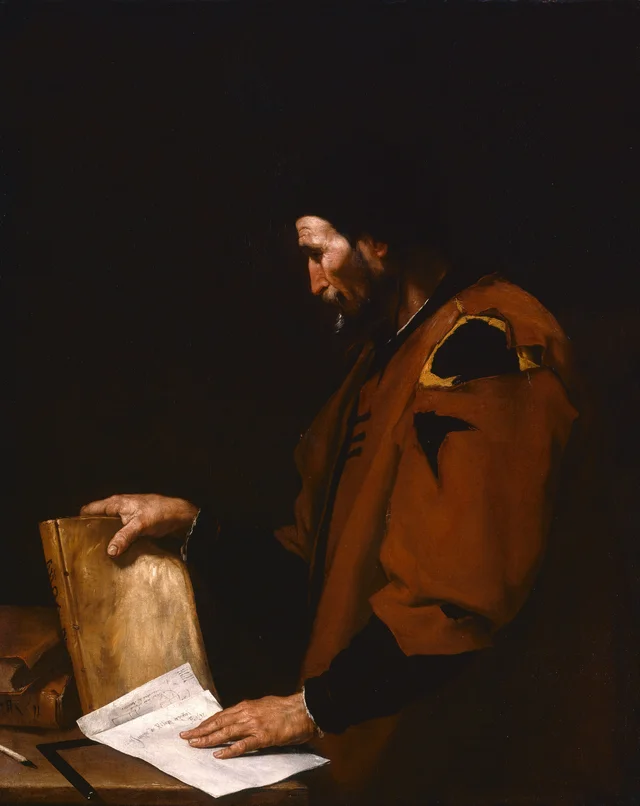 AristótelesJusepe de Ribera, 1637
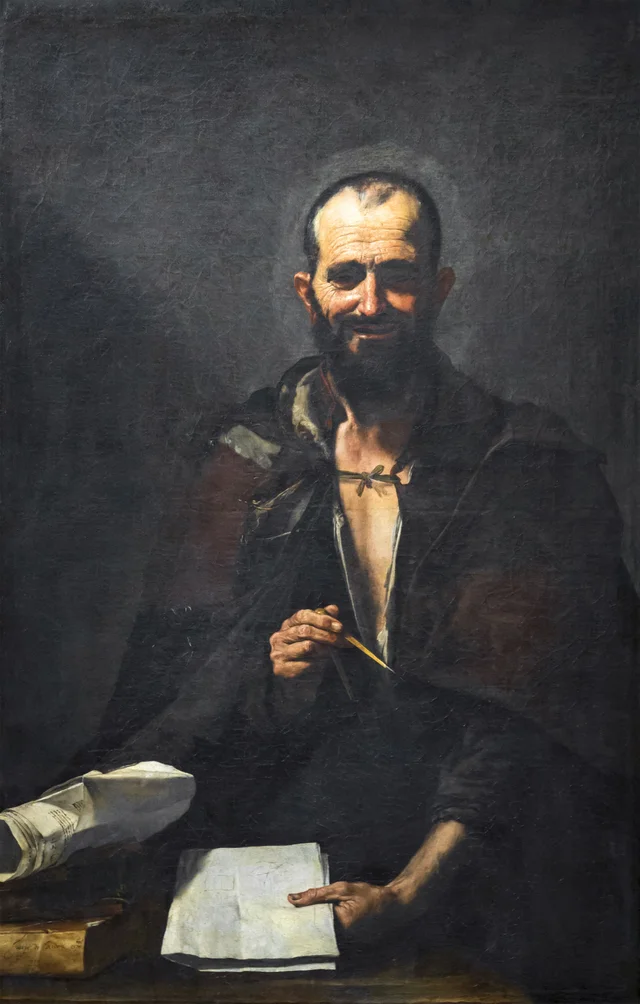 DemócritoJusepe de Ribera, 1630
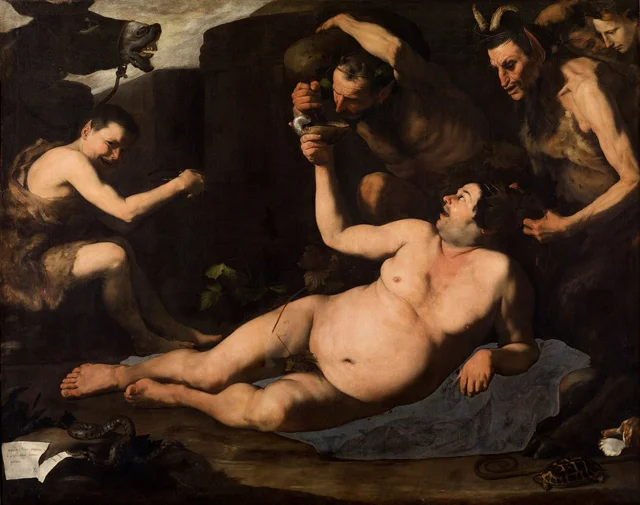 Sileno ebrioJusepe de Ribera, 1626
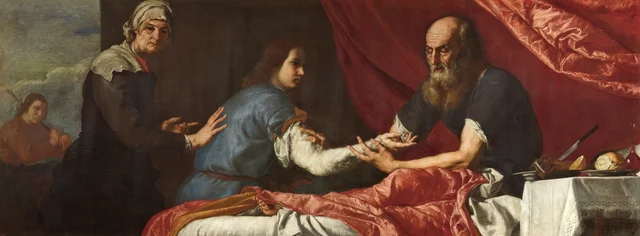 Isaac y JacobJusepe de Ribera, 1637
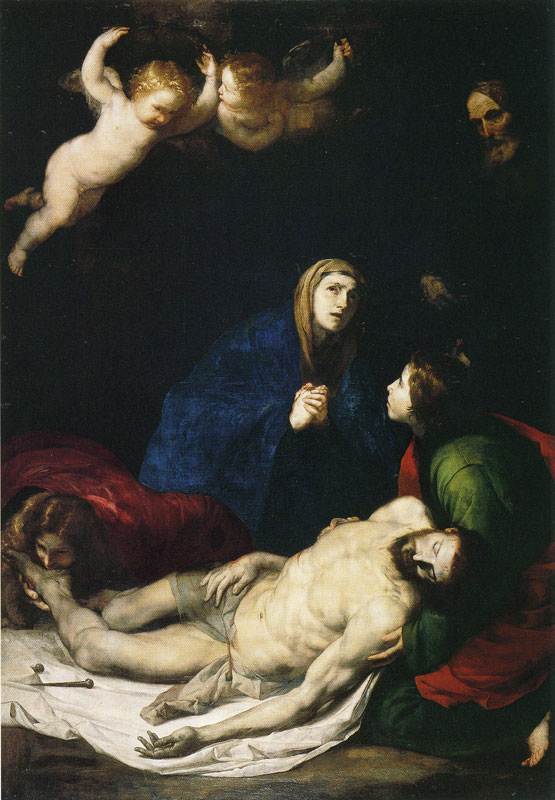 Lamentación sobre Cristo muertoJusepe de Ribera, 1637
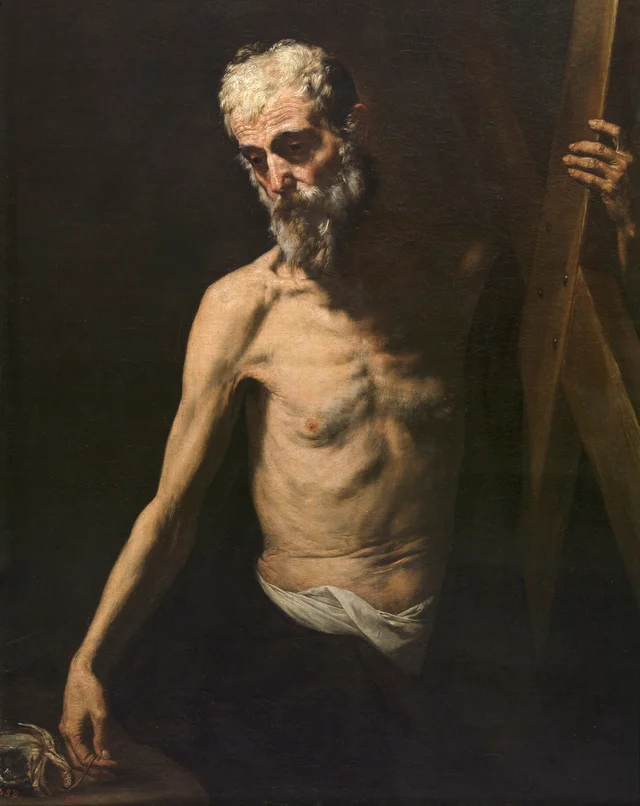 San AndrésJusepe de Ribera, 1631
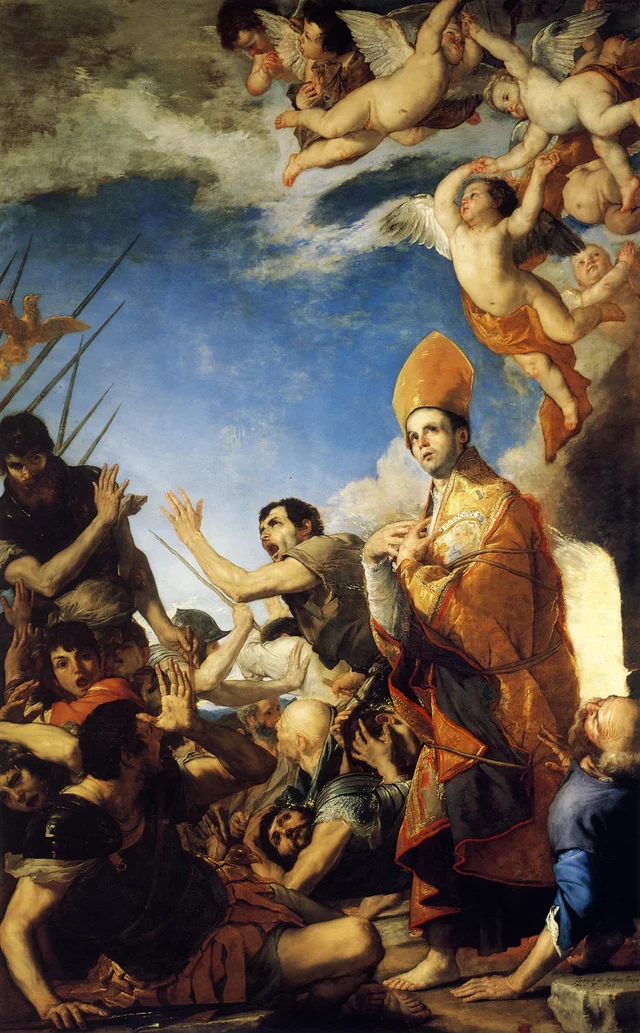 San Genaro saliendo del hornoJusepe de Ribera, 1646
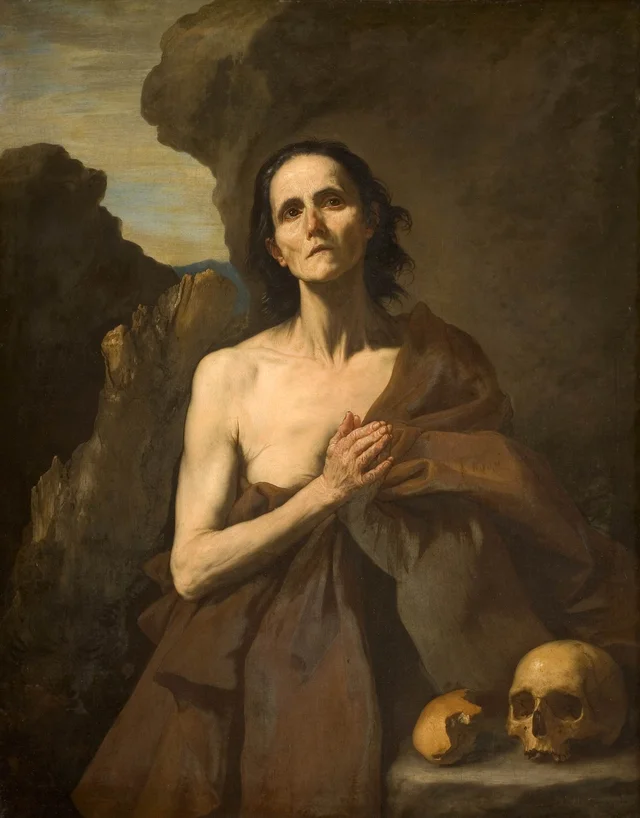 Santa María EgipcíacaJusepe de Ribera, 1641
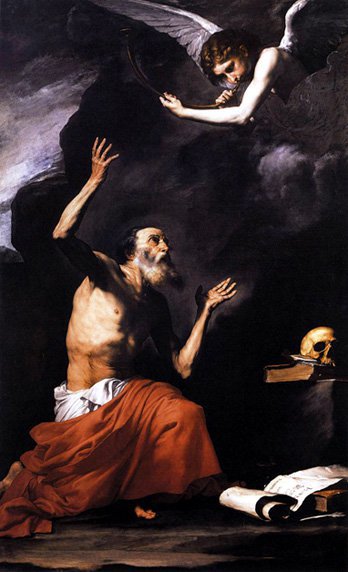 San Jerónimo y el ángel del JuicioJusepe de Ribera, 1626
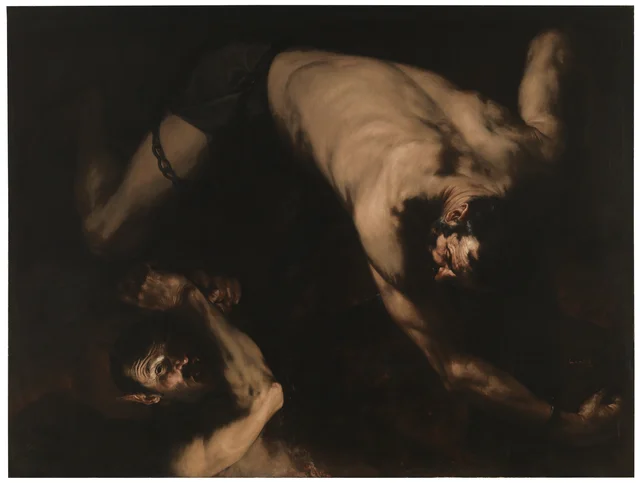 IxiónJusepe de Ribera, 1632
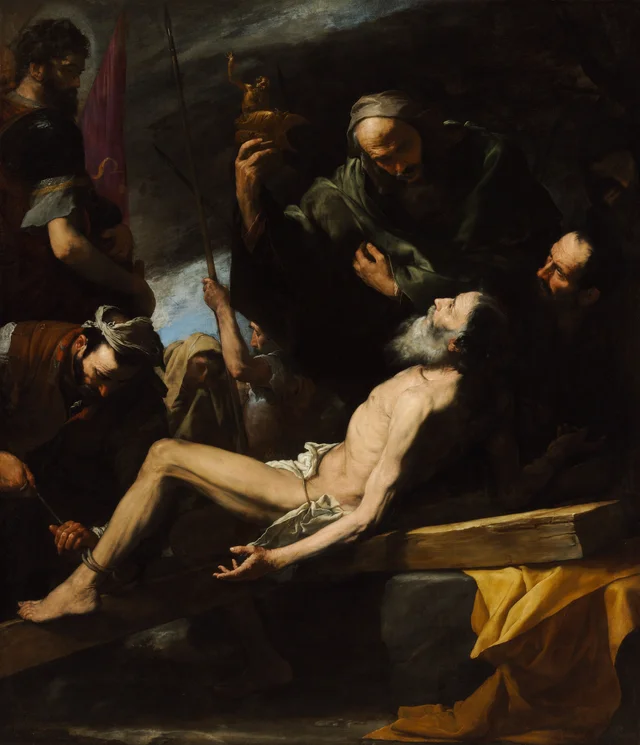 El martirio de san AndrésJusepe de Ribera, 1628
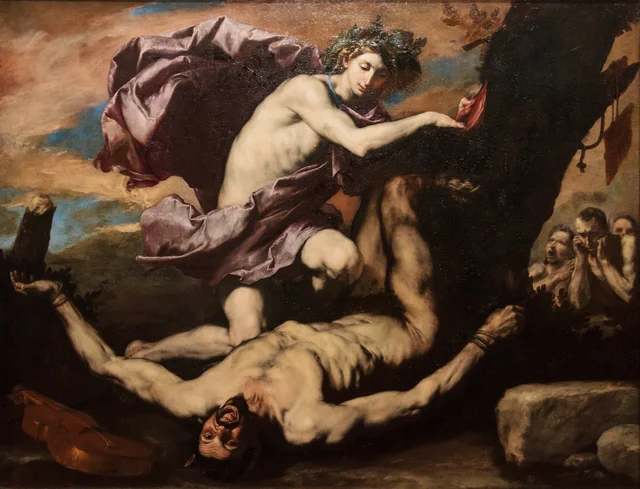 Apolo desollando a MarsiasJusepe de Ribera, 1637
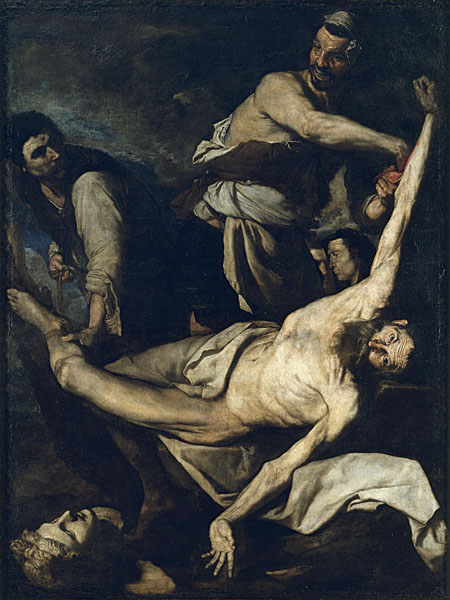 Martirio de san BartoloméJusepe de Ribera, 1644
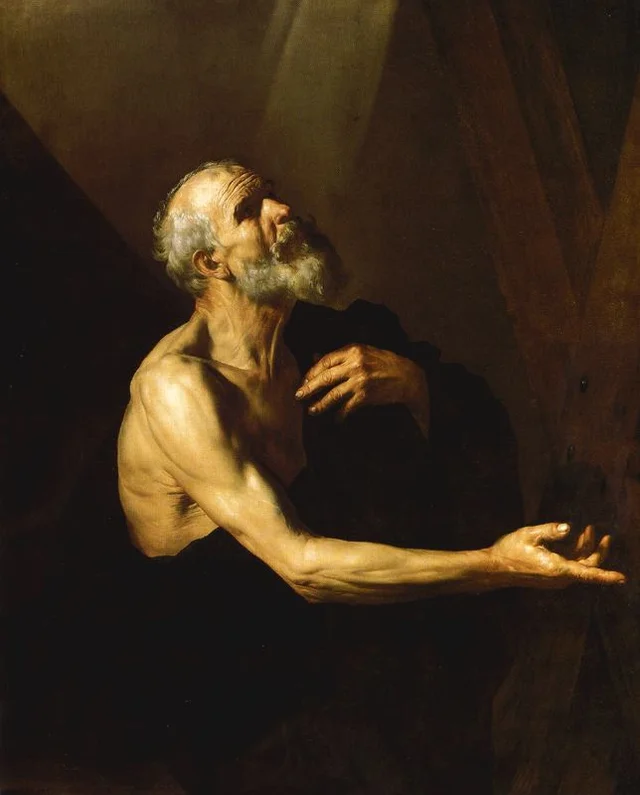 San AndrésJusepe de Ribera, 1616
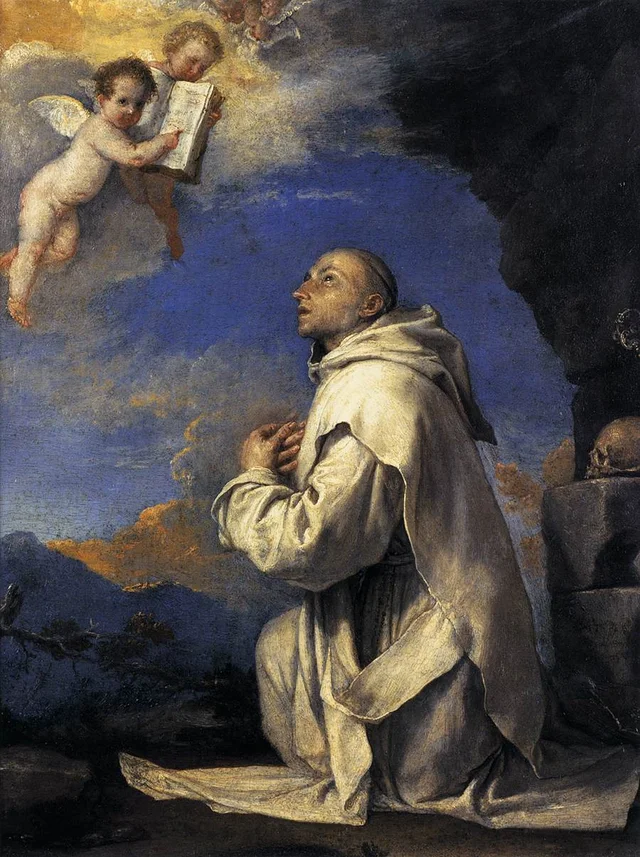 San Bruno recibiendo la ReglaJusepe de Ribera, 1643
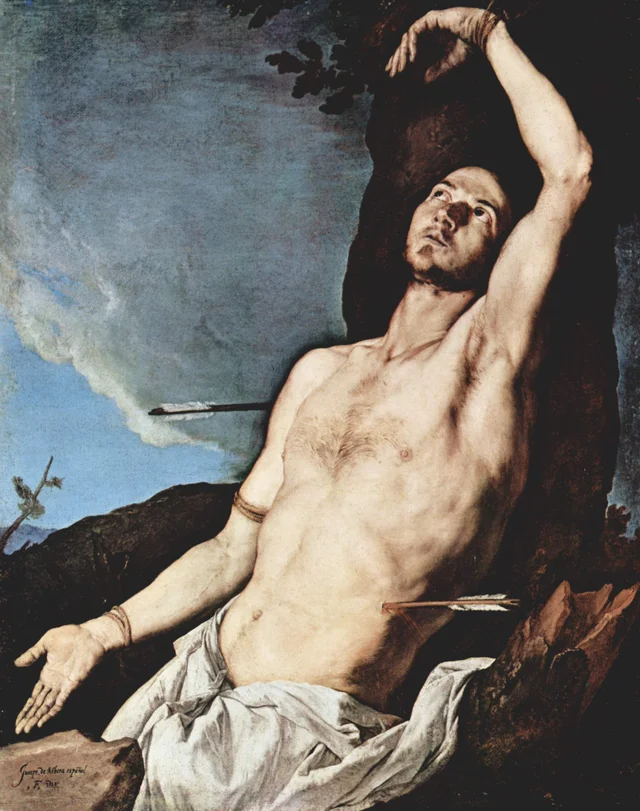 San SebastiánJusepe de Ribera, 1651
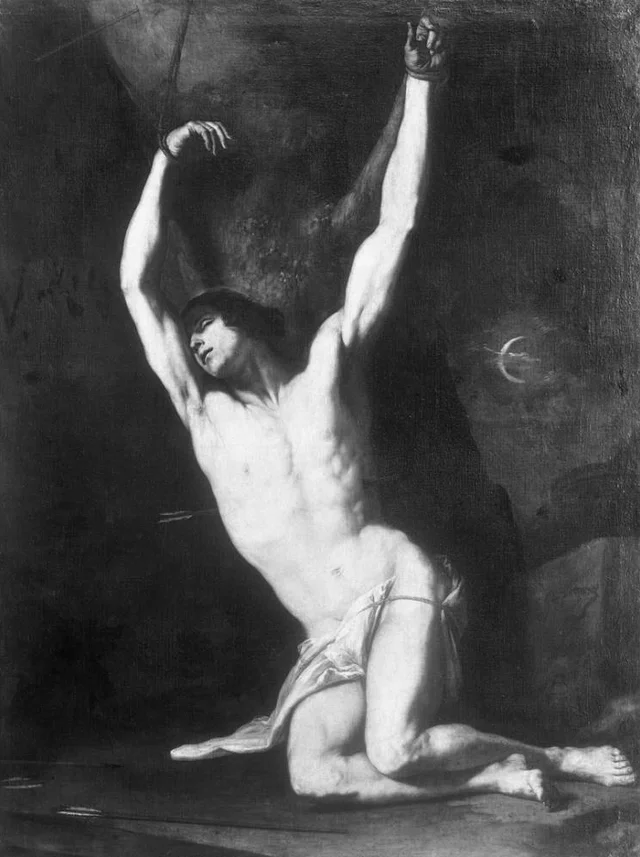 San SebastiánJusepe de Ribera, 1636
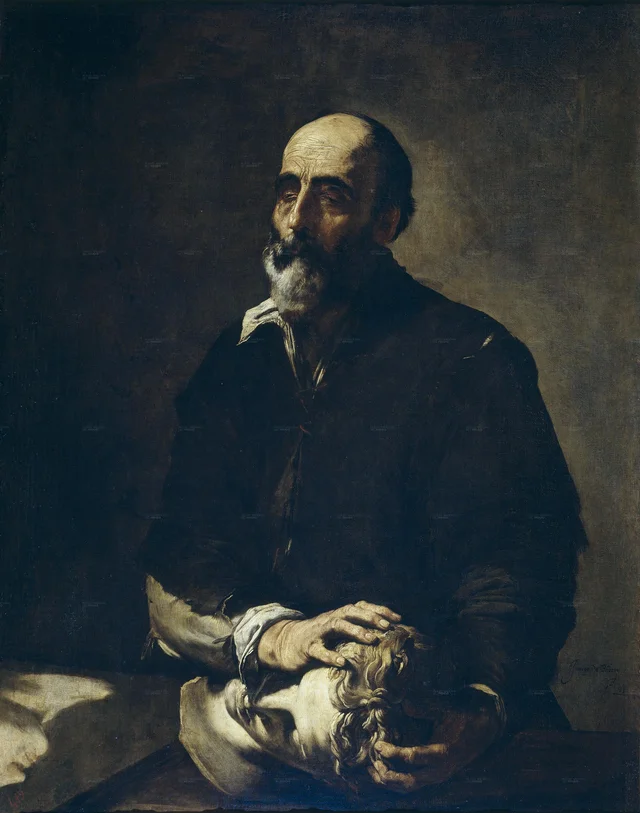 El escultor ciegoJusepe de Ribera, 1632