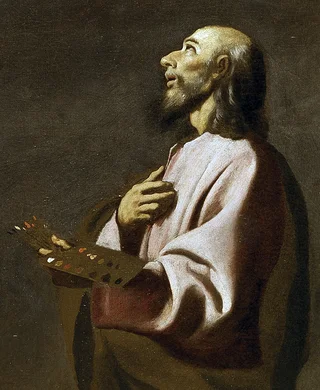
Francisco de Zurbarán
1598–1664 · Espagne · Baroque
L'histoire
En janvier 1626, le monastère dominicain de San Pablo el Real à Séville engagea le jeune Francisco de Zurbarán pour vingt et un tableaux en huit mois, dont quatorze scènes de la vie de saint Dominique. Il livra dans les délais, et cette commande fit sa réputation. Moins de trois ans plus tard, le conseil municipal de Séville l'invita officiellement à s'y installer de façon permanente, car ses tableaux, disaient-ils, rehaussaient la renommée de la ville.
Durant les deux décennies suivantes, Zurbarán peignit presque exclusivement pour des monastères et des ordres religieux à travers l'Espagne et ses colonies américaines, développant un style fondé sur une lumière crue se détachant de fonds presque noirs, et un don singulier pour le rendu des étoffes blanches, les grossiers habits de laine des chartreux et des franciscains peints avec une attention de sculpteur pour les plis et le poids du tissu.
Son marché s'effondra après 1640, lorsque le goût sévillan se tourna vers la peinture religieuse plus douce et sentimentale du plus jeune Bartolomé Esteban Murillo. Zurbarán s'installa à Madrid en 1658 dans l'espoir de commandes royales, et y mourut en 1664, largement supplanté par le peintre qu'il avait autrefois éclipsé.
Œuvres
106 œuvres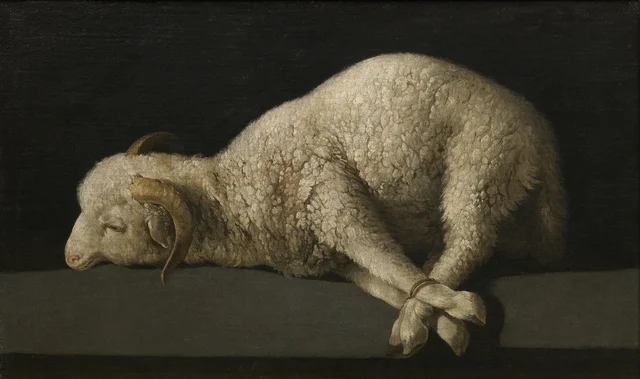 Agnus DeiFrancisco de Zurbarán, 1635
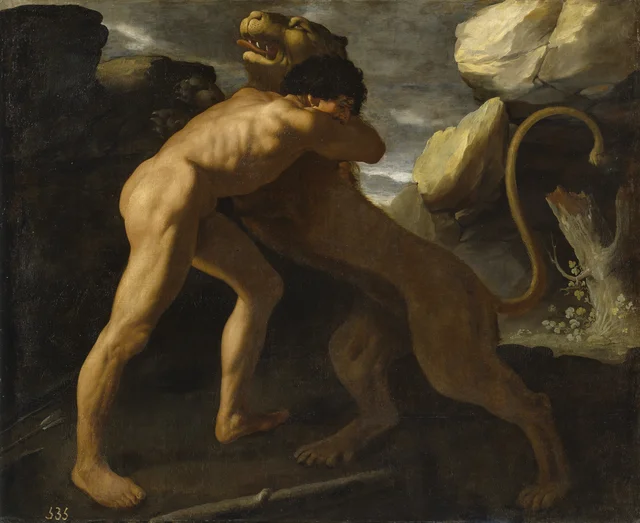 Hercule combattant le lion de NéméeFrancisco de Zurbarán, 1634
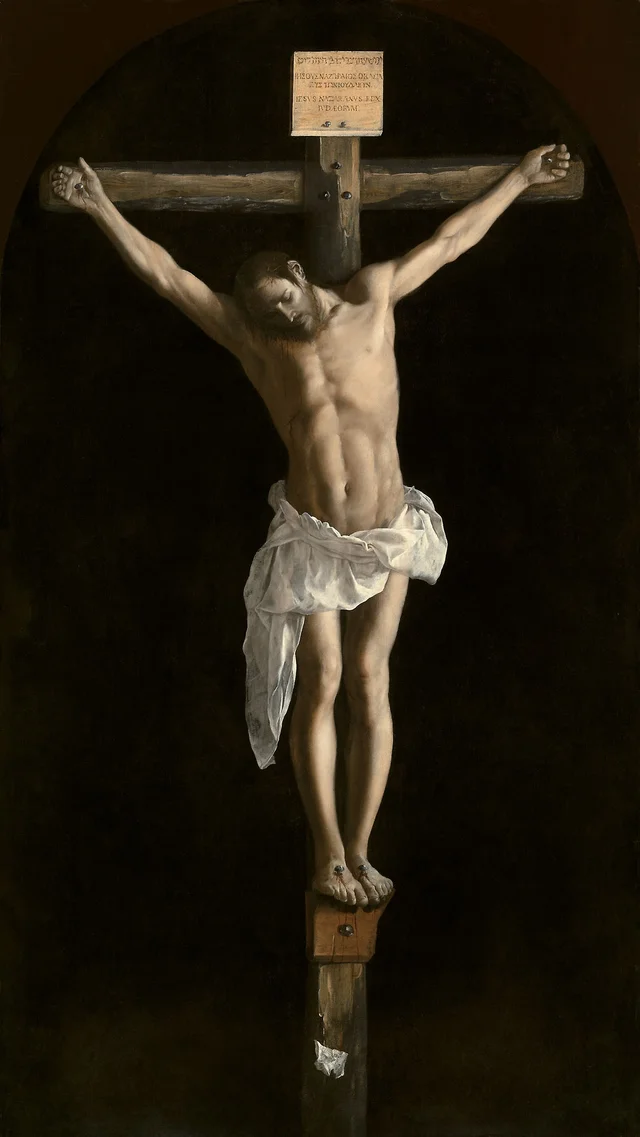 La Crucifixion du ChristFrancisco de Zurbarán, 1627
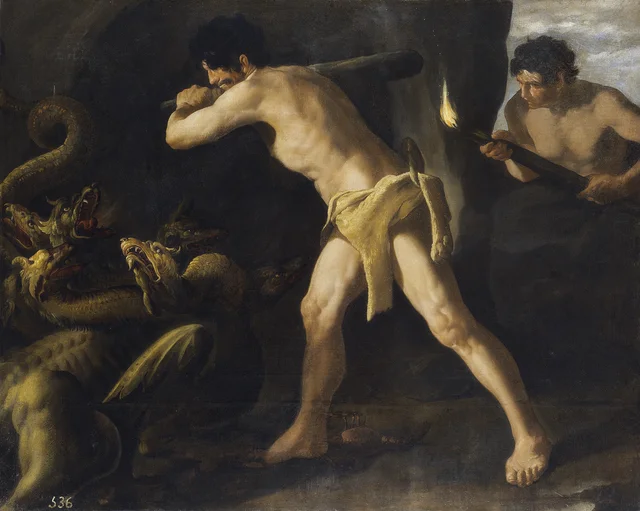 Hercule et l'HydreFrancisco de Zurbarán, 1634
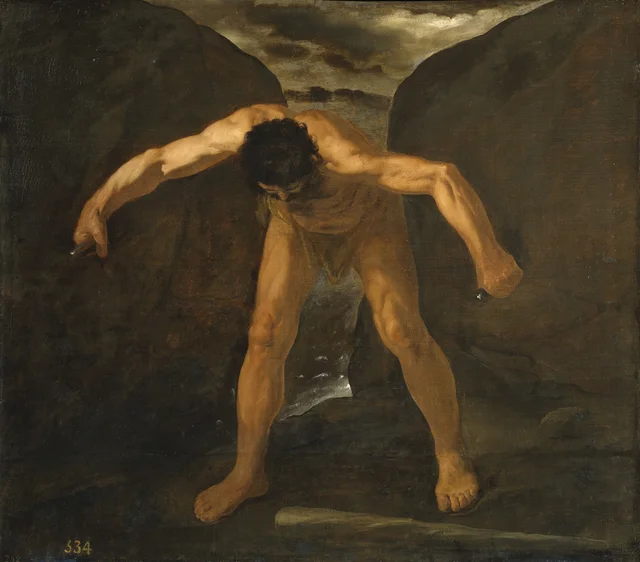 Hercule sépare les monts Calpé et AbylaFrancisco de Zurbarán, 1634
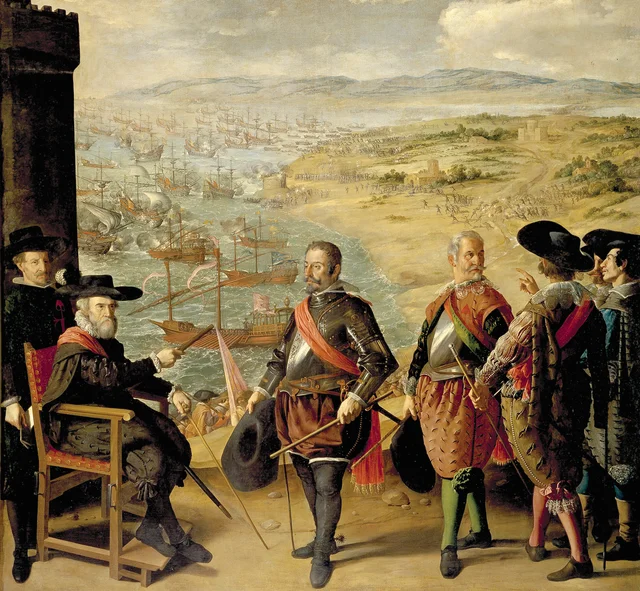 La Défense de Cadix contre les AnglaisFrancisco de Zurbarán, 1634
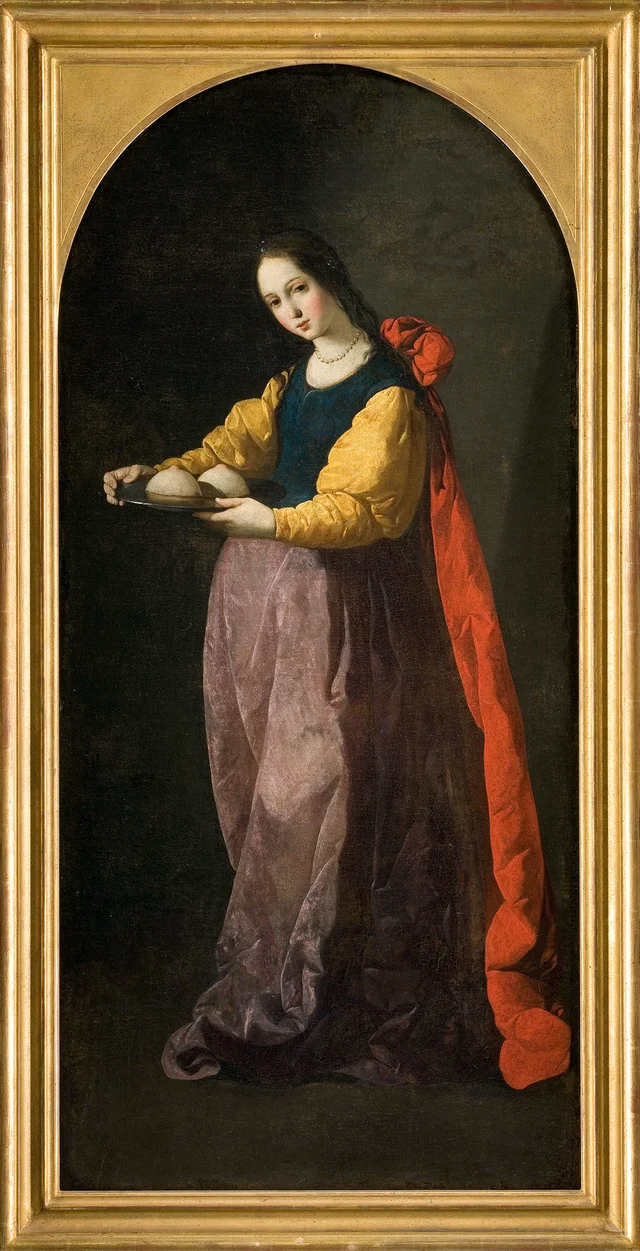 Sainte AgatheFrancisco de Zurbarán, 1630
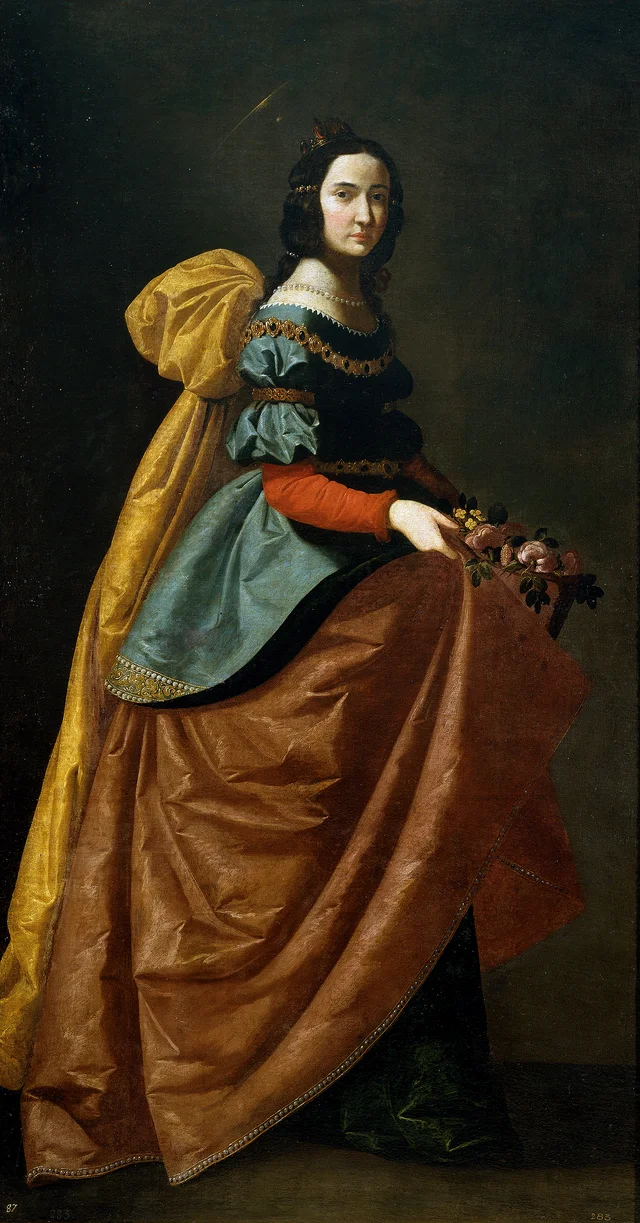 Sainte Élisabeth de PortugalFrancisco de Zurbarán, 1635
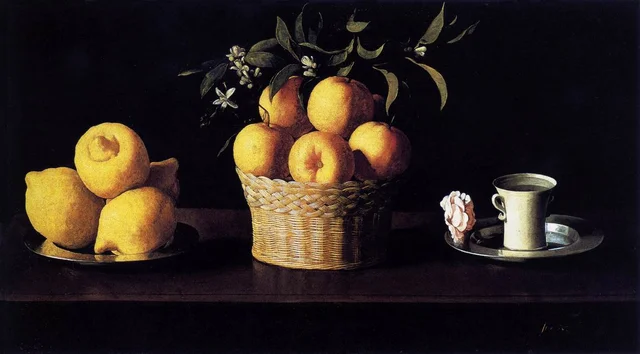 Nature morte aux citrons, oranges et une roseFrancisco de Zurbarán, 1633
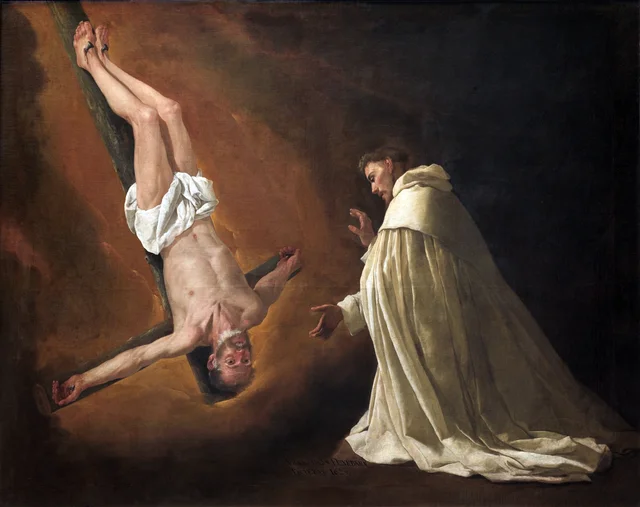 Apparition de l'apôtre Pierre à saint Pierre NolasqueFrancisco de Zurbarán, 1629
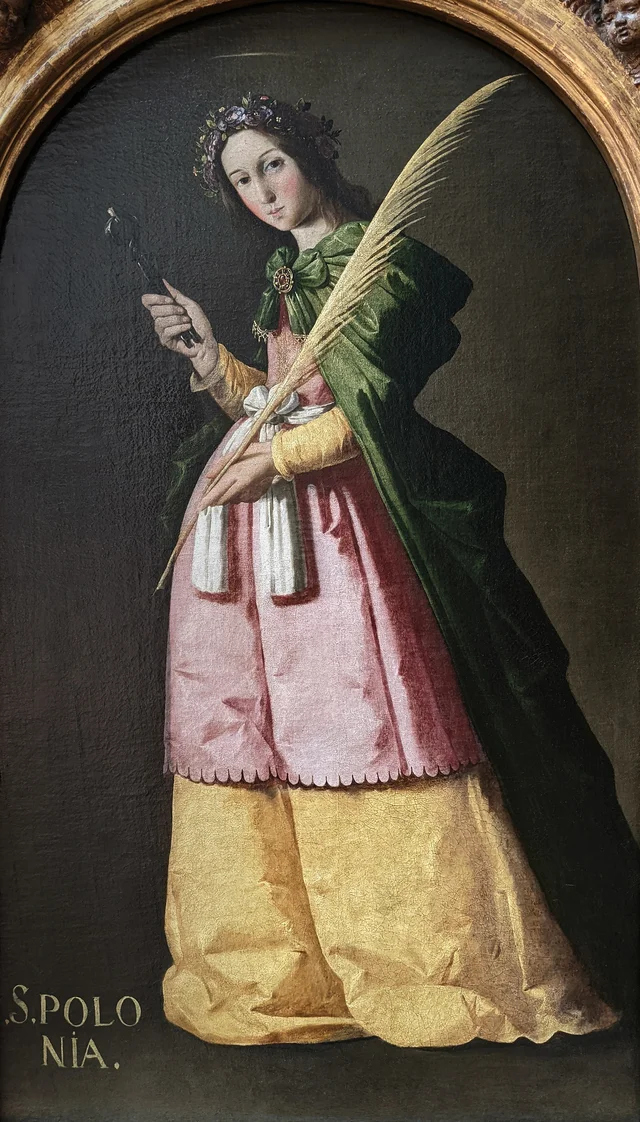 Sainte ApollineFrancisco de Zurbarán, 1637
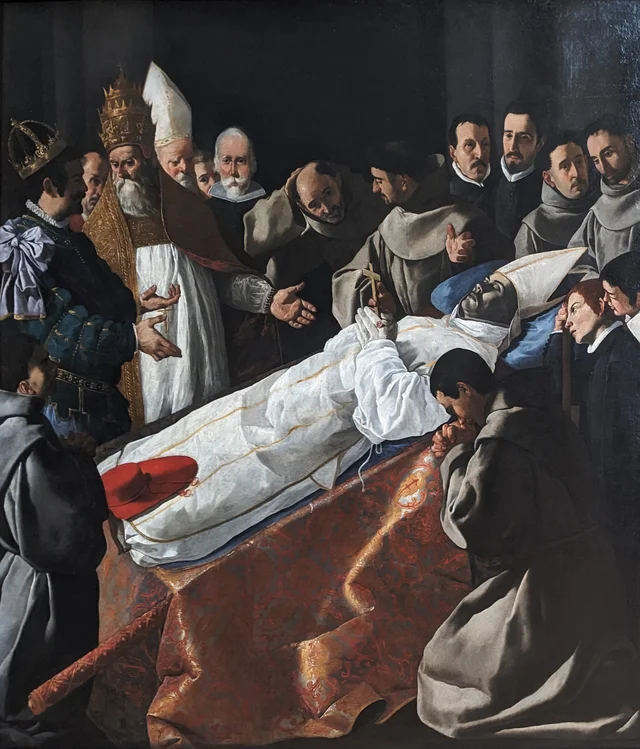 Les Funérailles de saint BonaventureFrancisco de Zurbarán, 1629
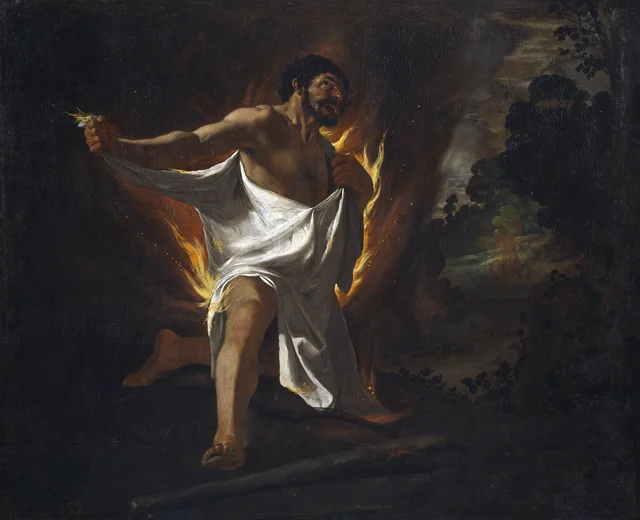 La Mort d'HerculeFrancisco de Zurbarán, 1634
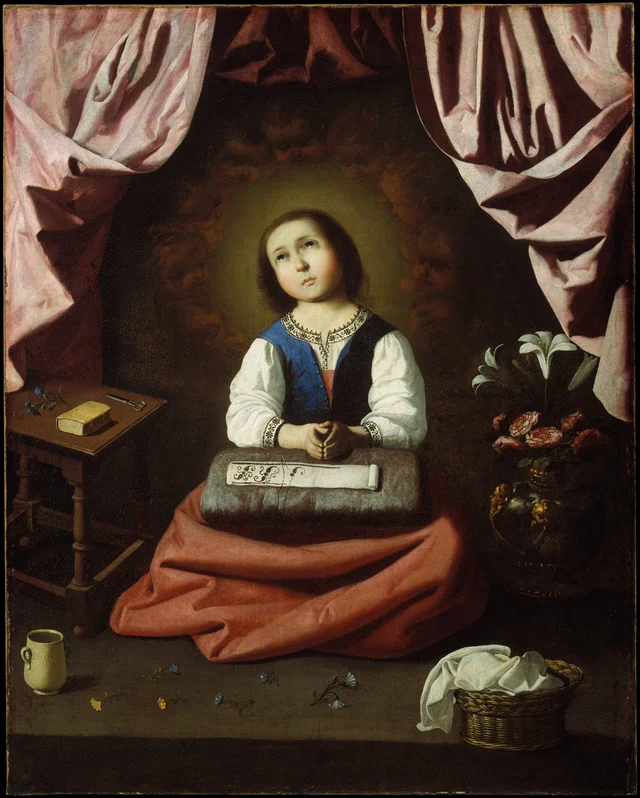 La Vierge enfantFrancisco de Zurbarán, 1633
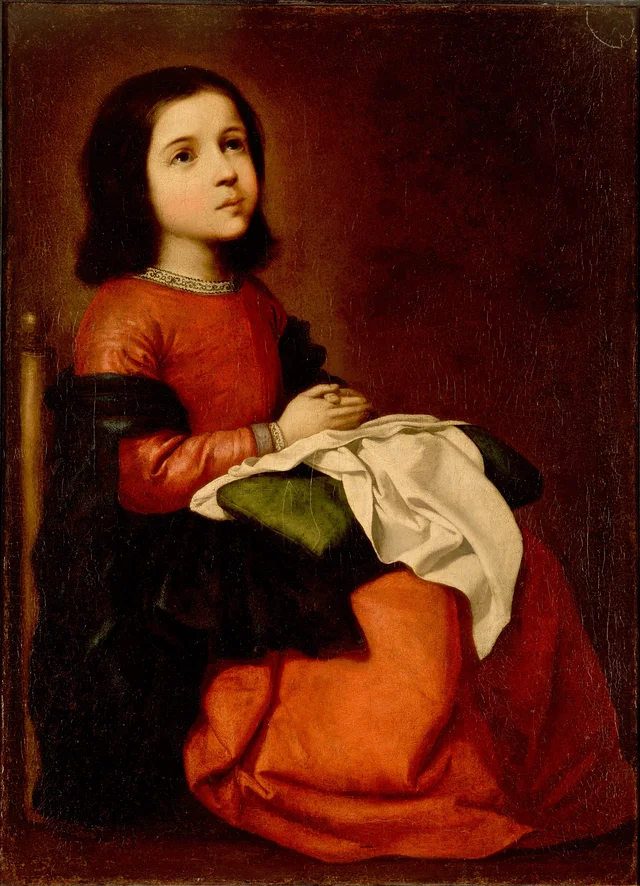 L'Enfance de la ViergeFrancisco de Zurbarán, 1658
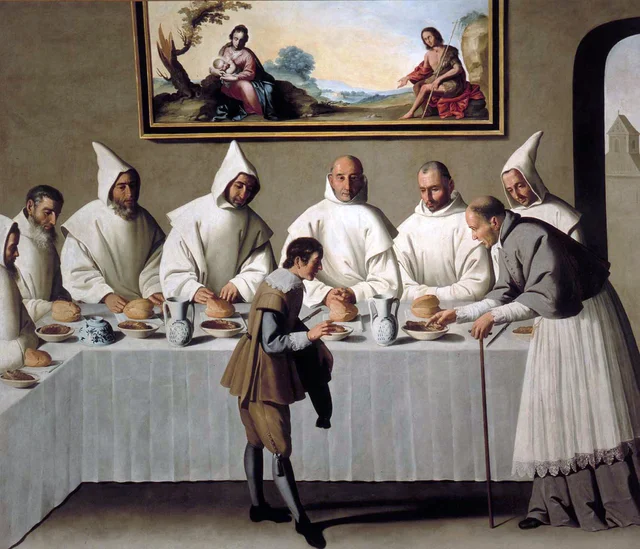 Saint Hugues au réfectoire des ChartreuxFrancisco de Zurbarán, 1655
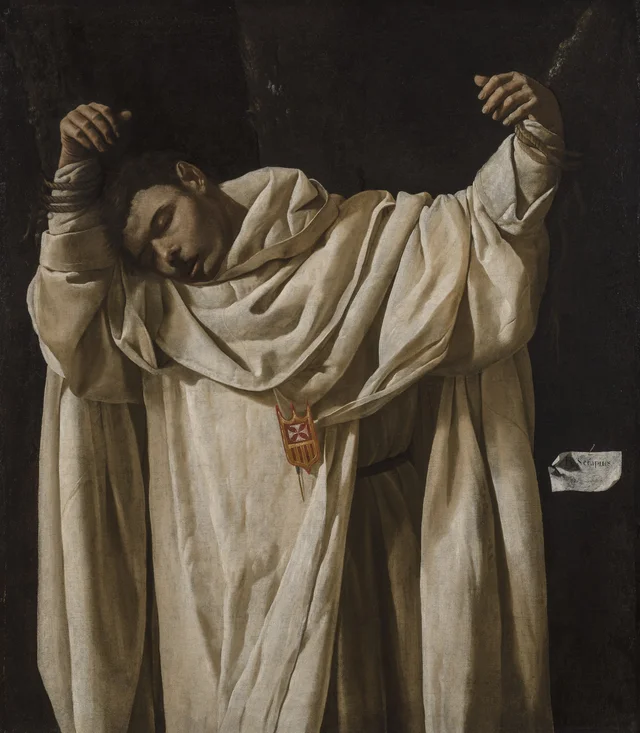 Saint SérapionFrancisco de Zurbarán, 1628
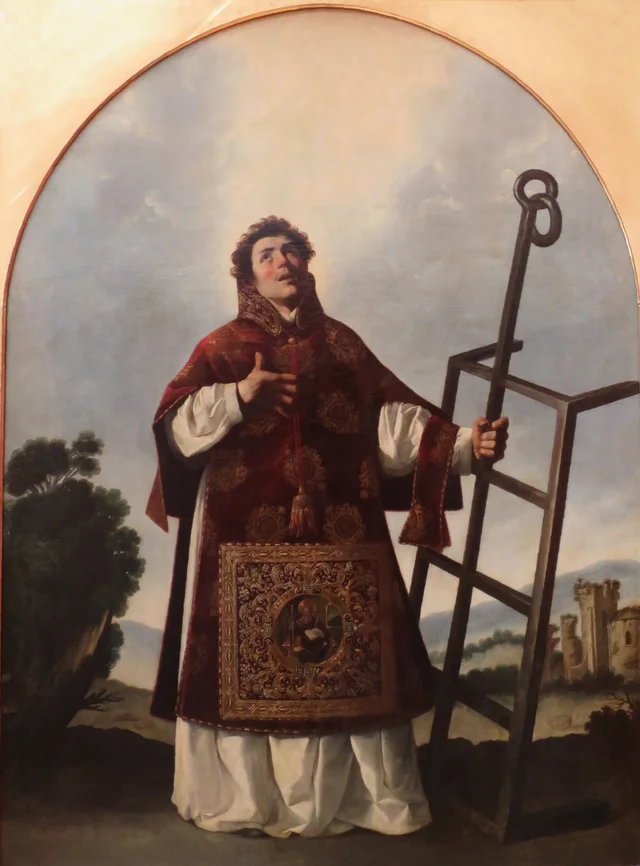 Saint LaurentFrancisco de Zurbarán, 1636
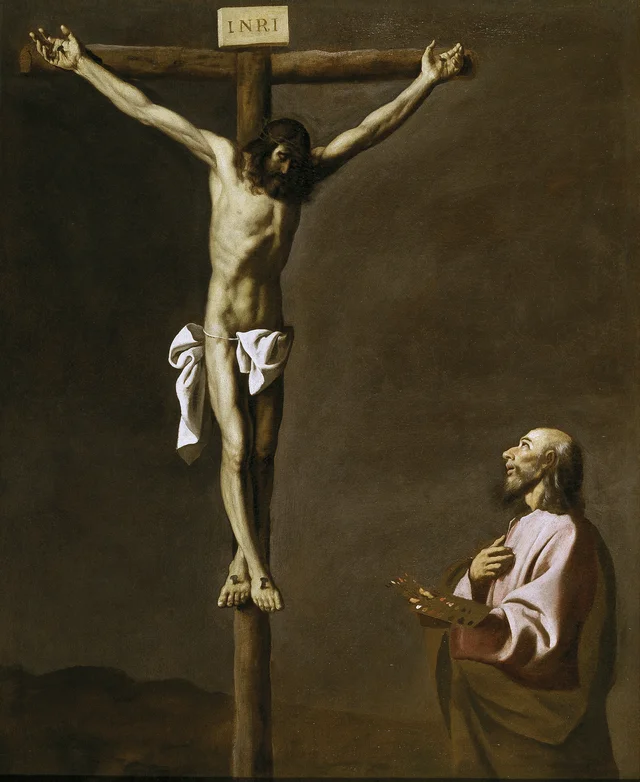 Saint Luc en peintre devant le Christ en croixFrancisco de Zurbarán, 1650
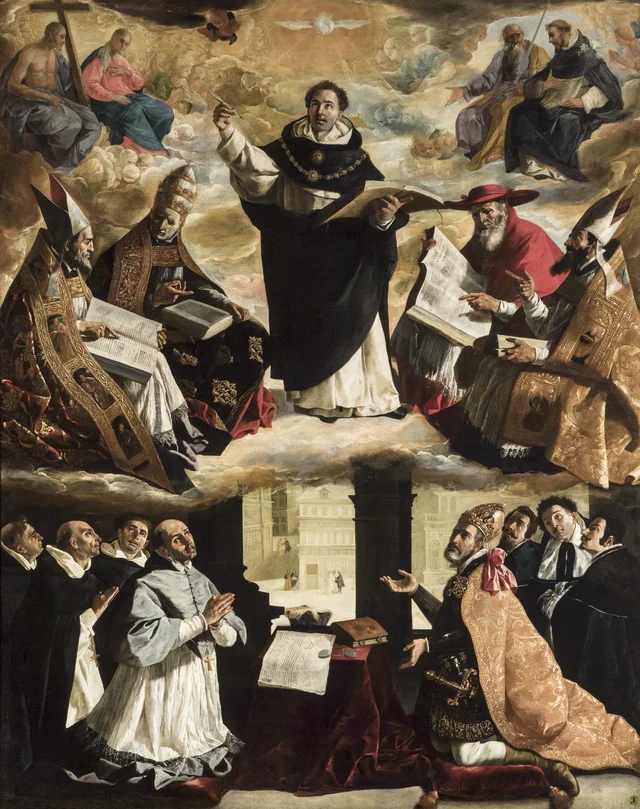 L'Apothéose de saint Thomas d'AquinFrancisco de Zurbarán, 1631
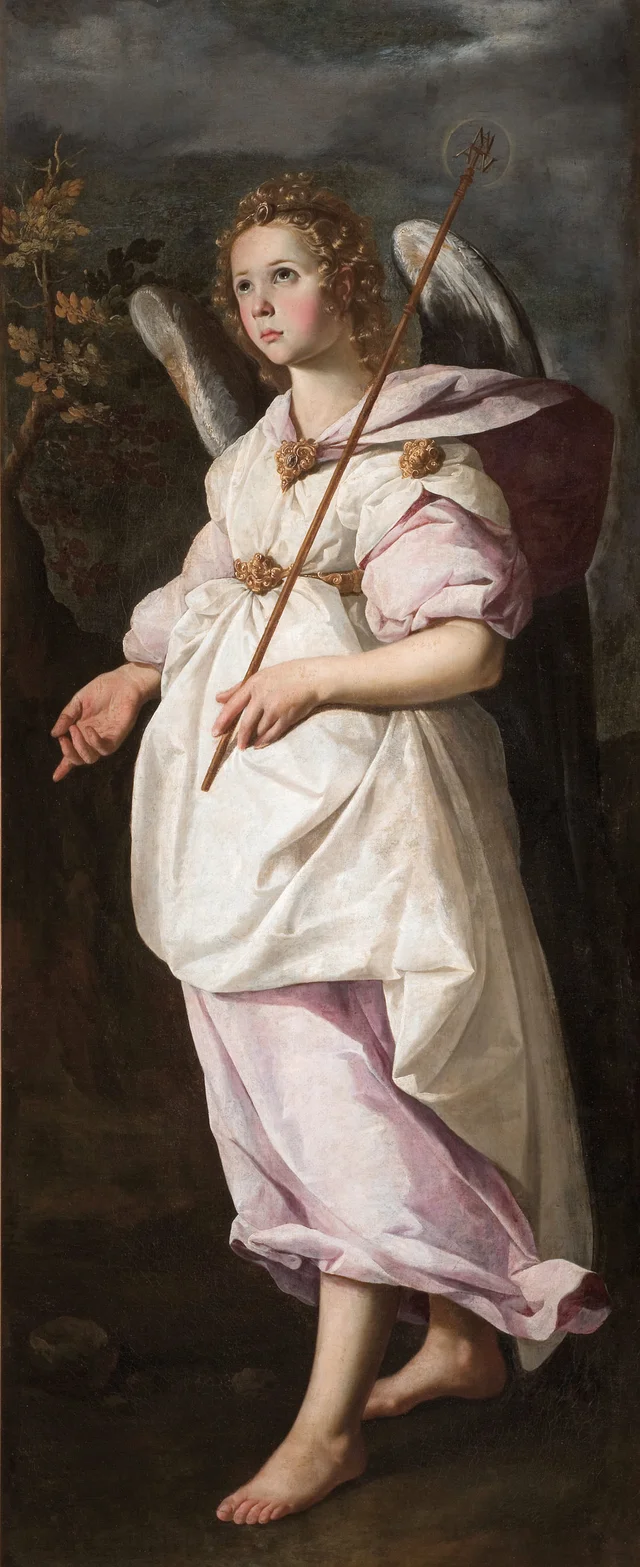 L'Archange GabrielFrancisco de Zurbarán, 1631
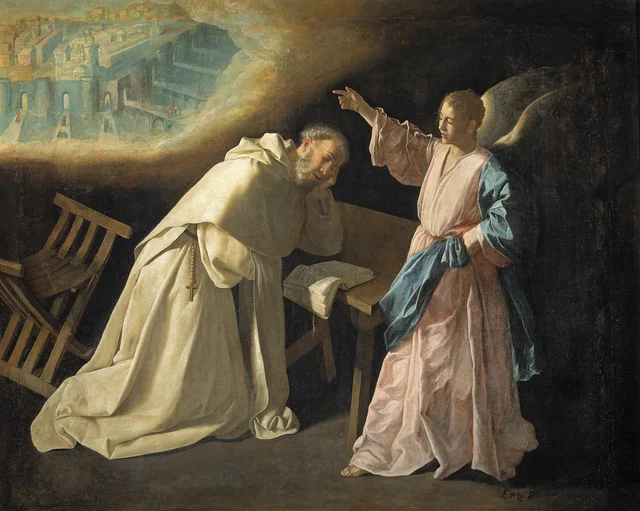 La Vision de saint Pierre NolasqueFrancisco de Zurbarán, 1629
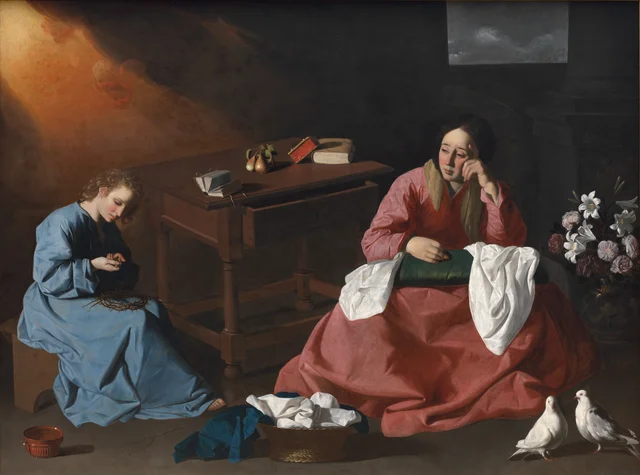 Le Christ et la Vierge dans la maison de NazarethFrancisco de Zurbarán, 1630
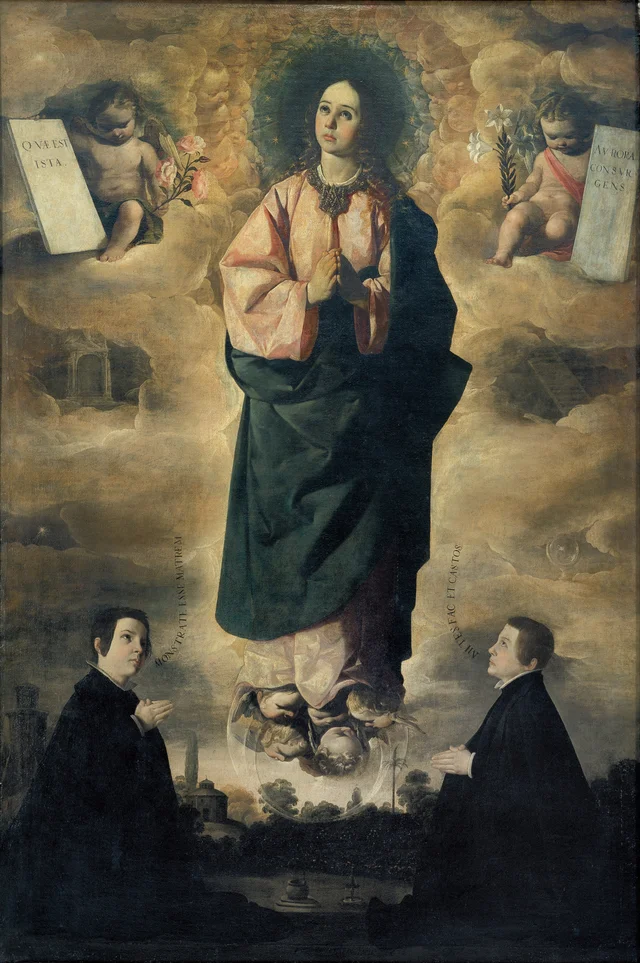 L'Immaculée ConceptionFrancisco de Zurbarán, 1632
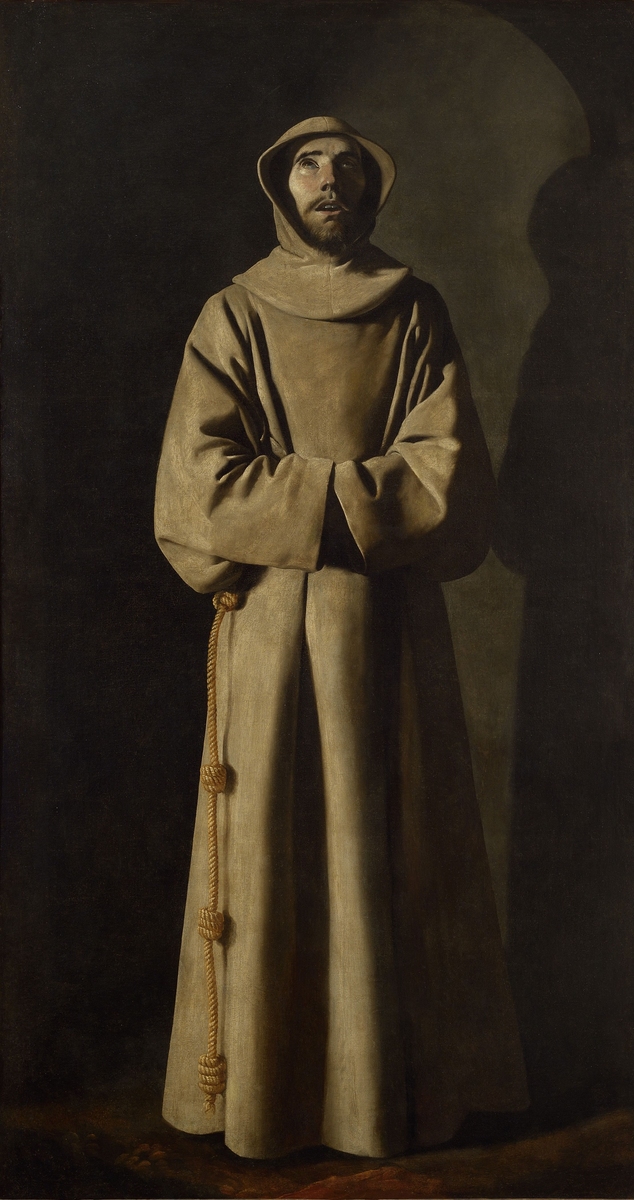 Saint François d'AssiseFrancisco de Zurbarán, 1659