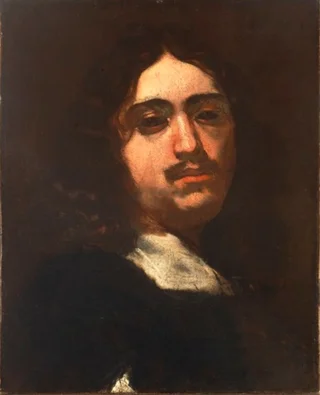
Jusepe de Ribera
1591–1652 · Couronne d'Aragon · Baroque
L'histoire
En 1616, un jeune peintre espagnol quitte Rome pour Naples, avec une longueur d'avance sur des créanciers qu'il ne peut payer. Naples est alors une possession espagnole, gouvernée par un vice-roi envoyé de Madrid, si bien qu'un Espagnol peut y travailler à la fois pour l'élite napolitaine et pour les nobles espagnols de passage. Ribera s'y installe pour de bon. La même année, il épouse Caterina Azzolino, fille d'un peintre napolitain, une union qui ouvre à un nouveau venu les portes dont il a besoin.
Il peint dans la manière dramatique du clair-obscur mise au point par le peintre italien Caravage, qui avait travaillé à Naples quelques années plus tôt et y était mort en 1610. Ribera pousse le naturalisme plus loin, peignant des saints martyrs, des philosophes âgés et le satyre écorché Marsyas avec une crudité qui lui vaut le surnom de Lo Spagnoletto, le petit Espagnol. Les vice-rois espagnols achètent ses toiles et les expédient en Espagne, et c'est ainsi qu'un peintre qui n'y revint jamais devint pourtant l'un de ses artistes les plus célèbres, rangé aujourd'hui aux côtés d'autres maîtres du baroque espagnol comme Diego Velázquez et Francisco de Zurbarán.
Au début des années 1630, son éclairage s'est adouci, passant du contraste brutal à quelque chose de plus diffus. Un tableau de 1642, un jeune mendiant au pied bot, aujourd'hui au musée du Louvre à Paris, montre l'enfant souriant, tenant un papier où est inscrite, en latin, une demande d'aumône pour l'amour de Dieu.
Œuvres
115 œuvres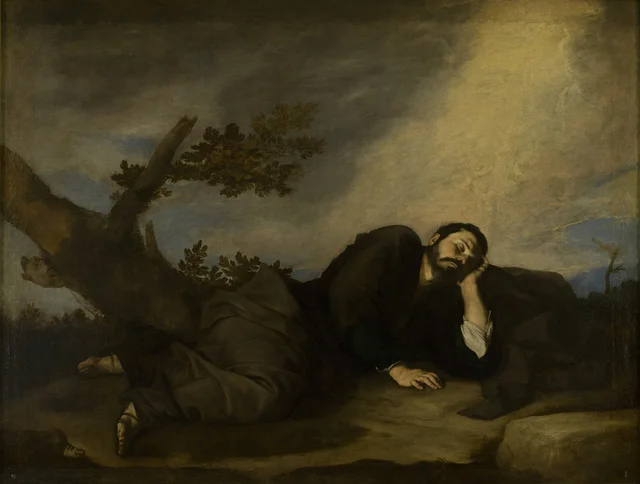 Le Songe de JacobJusepe de Ribera, 1639
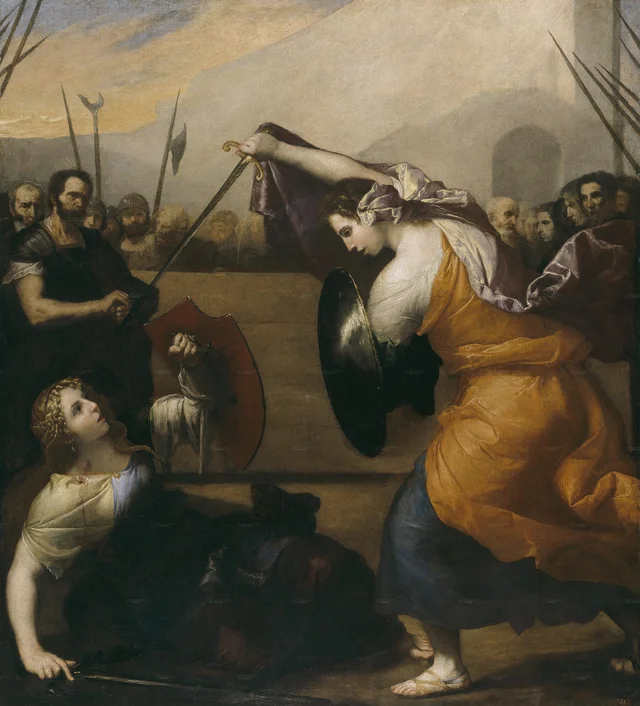 Femmes gladiateursJusepe de Ribera, 1636
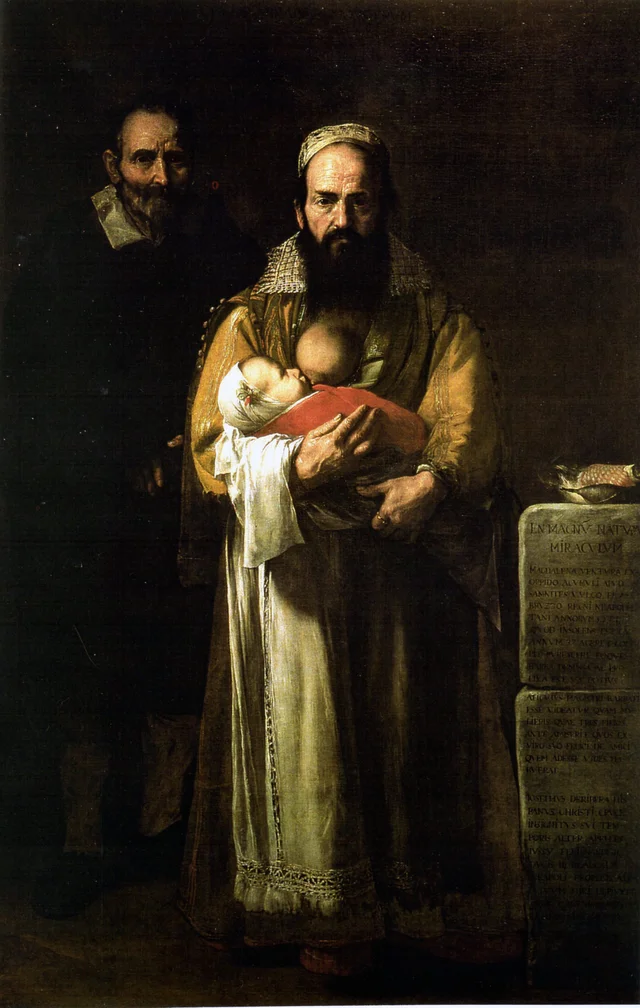 Magdalena Ventura avec son mari et son filsJusepe de Ribera, 1631
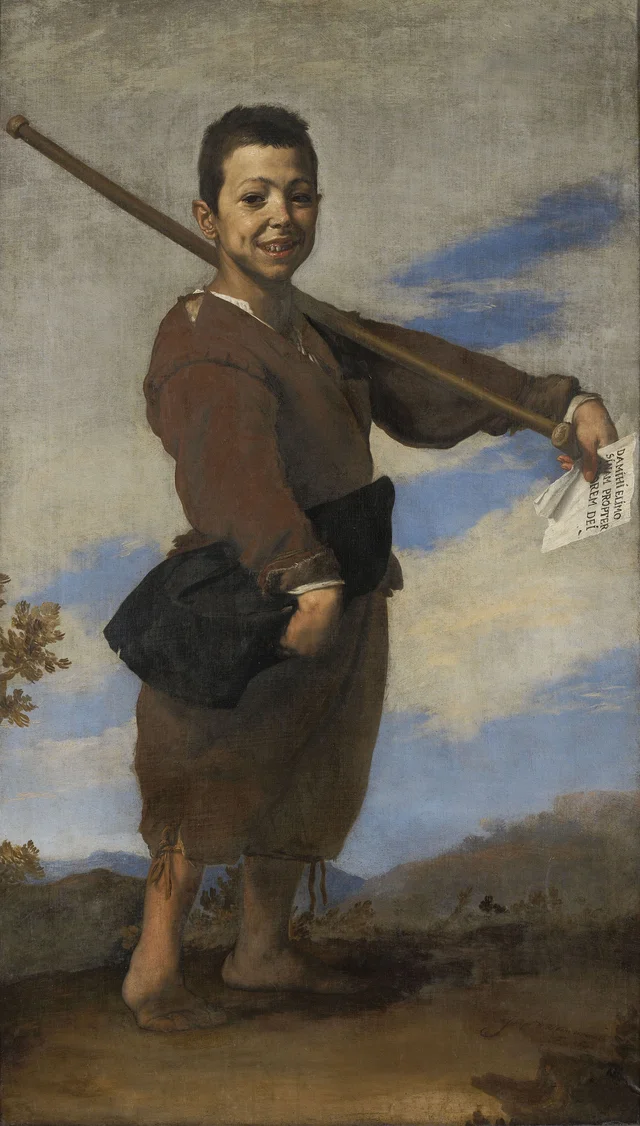 Le Pied-botJusepe de Ribera, 1642
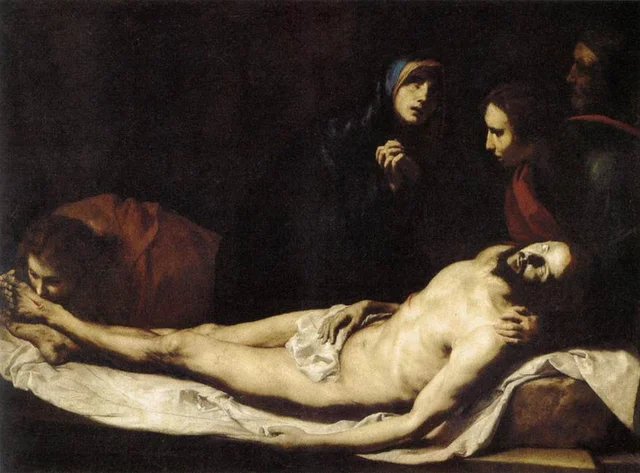 La PietàJusepe de Ribera, 1633
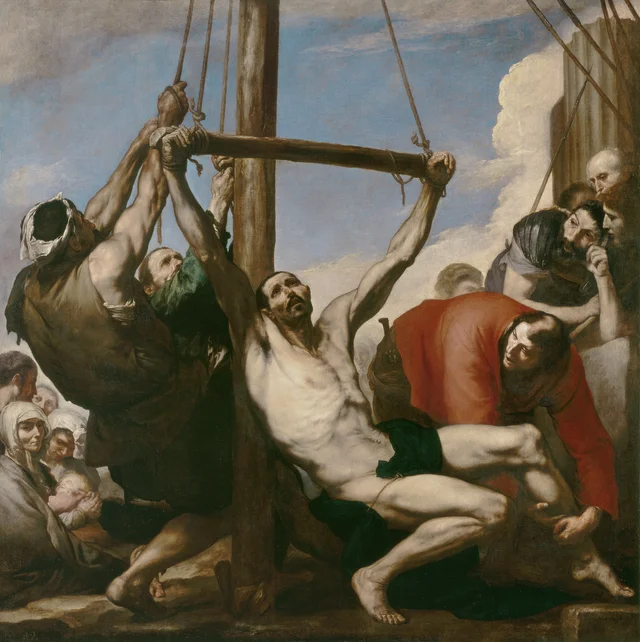 Le Martyre de saint PhilippeJusepe de Ribera, 1639
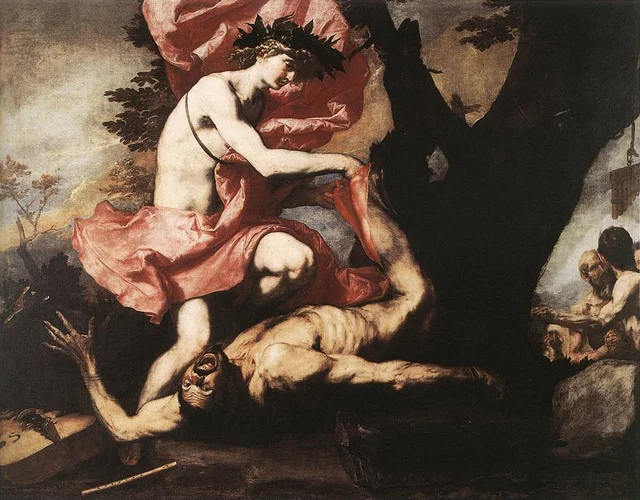 Apollon écorchant MarsyasJusepe de Ribera, 1637
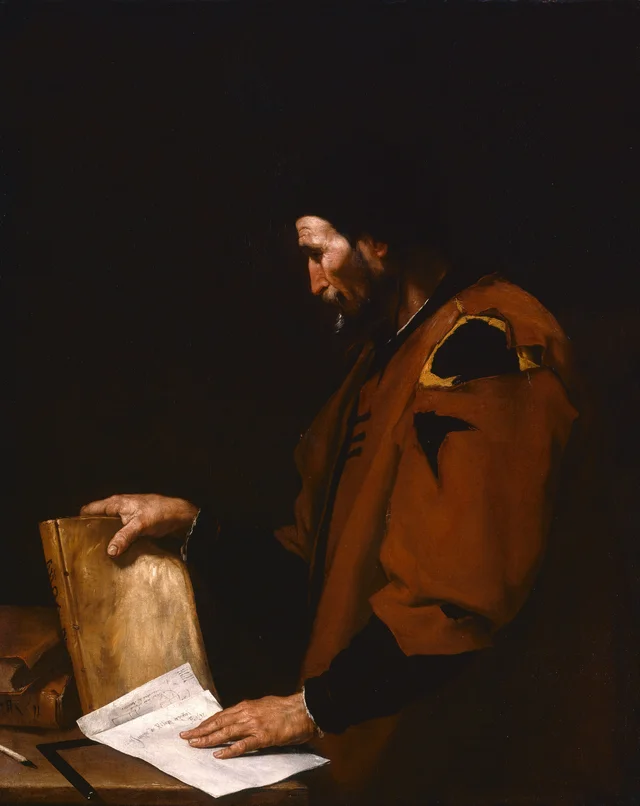 AristoteJusepe de Ribera, 1637
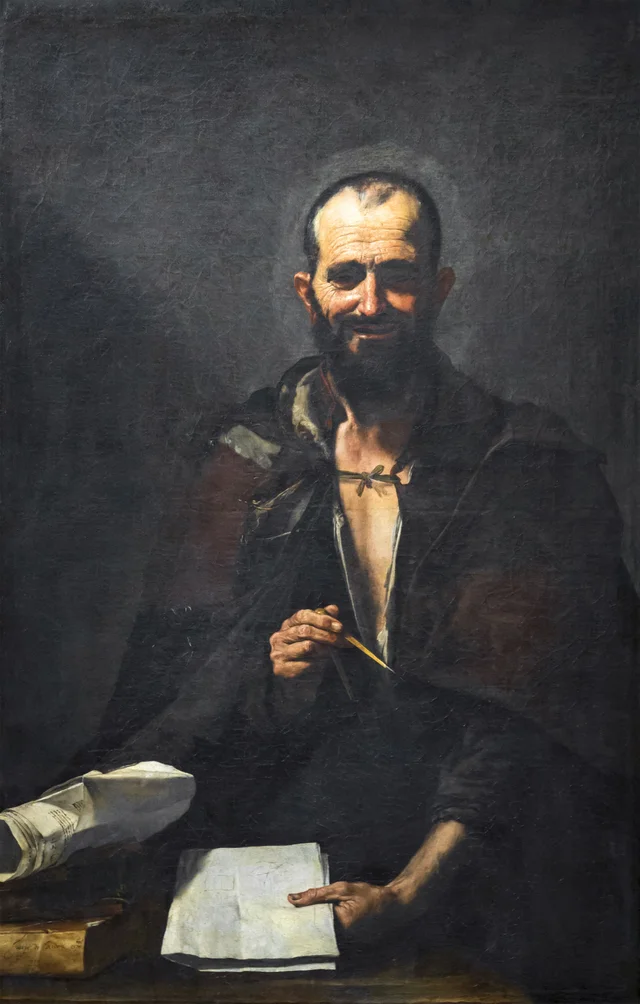 DémocriteJusepe de Ribera, 1630
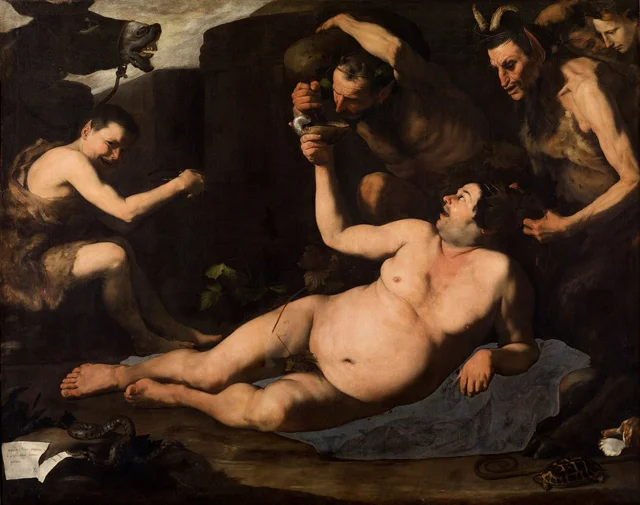 Silène ivreJusepe de Ribera, 1626
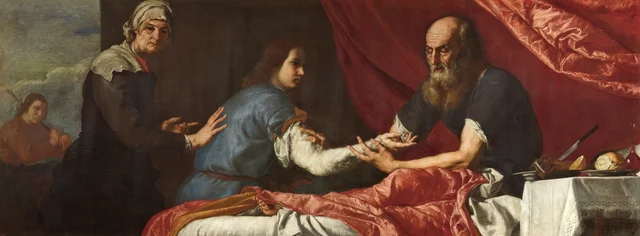 Isaac et JacobJusepe de Ribera, 1637
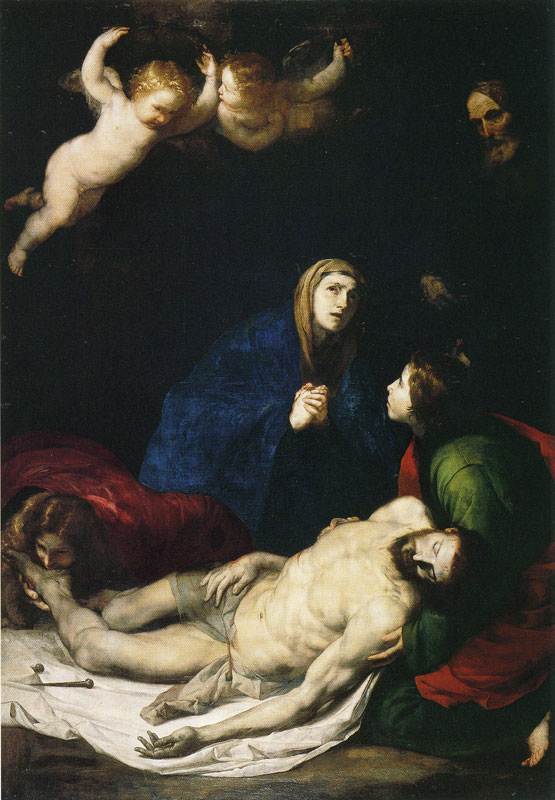 Lamentation sur le Christ mortJusepe de Ribera, 1637
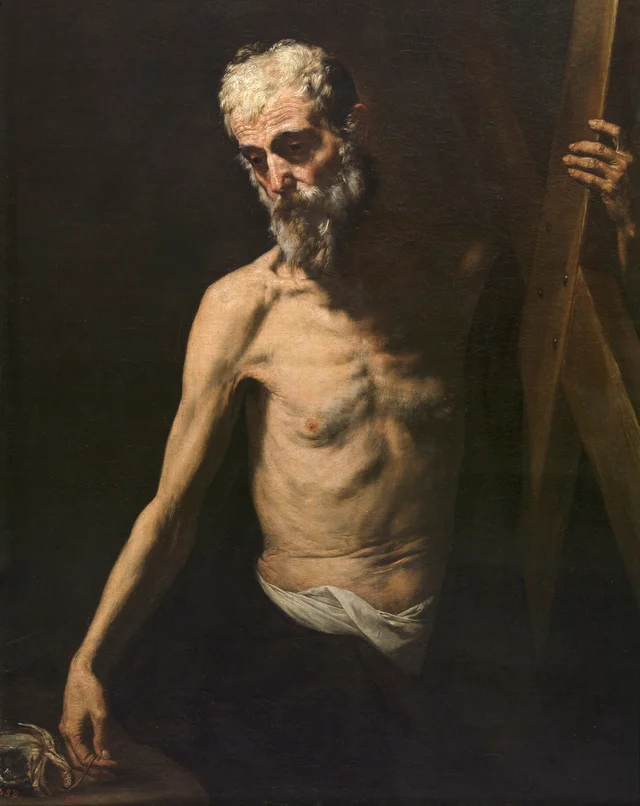 Saint AndréJusepe de Ribera, 1631
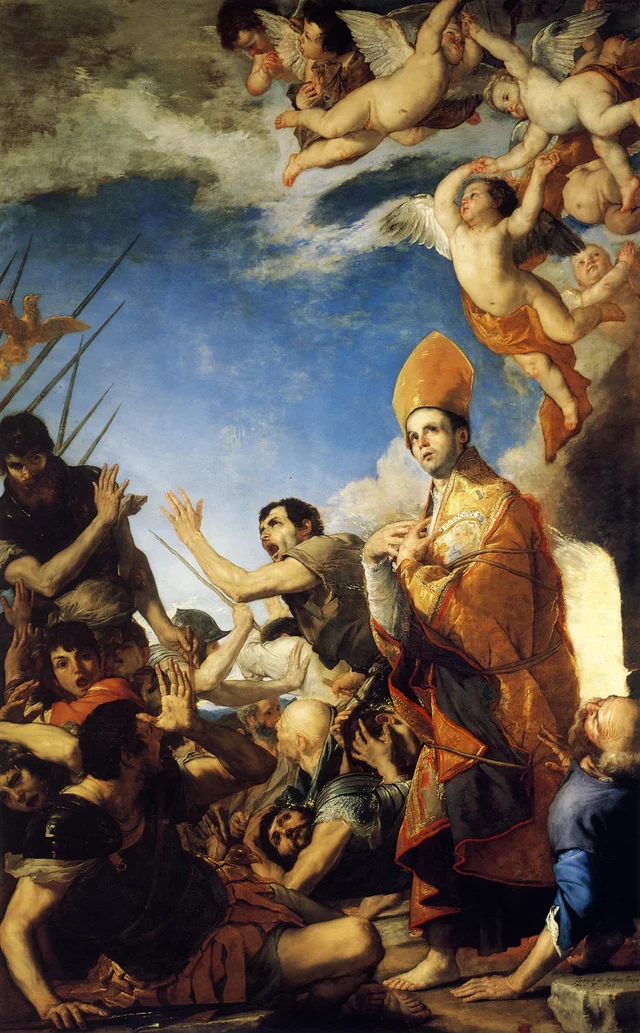 Saint Janvier sortant de la fournaiseJusepe de Ribera, 1646
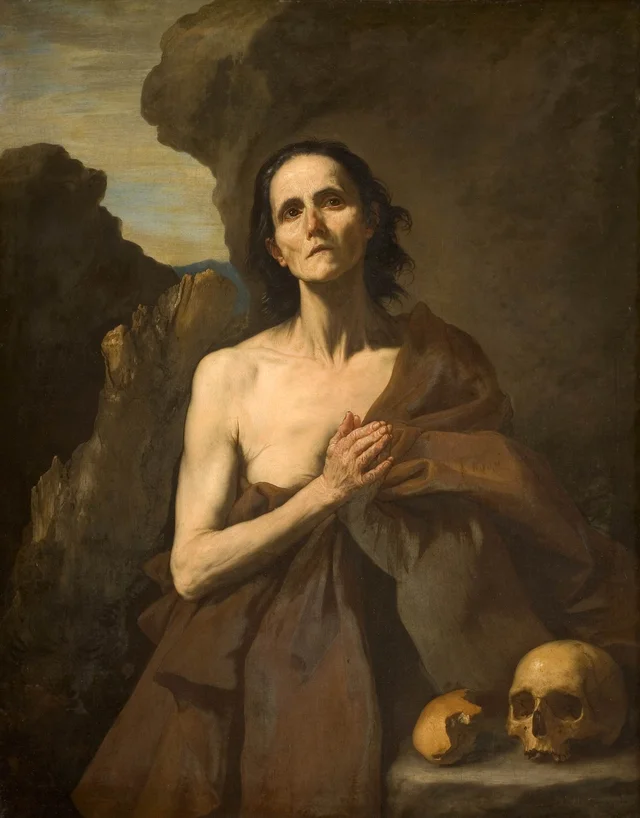 Sainte Marie l'ÉgyptienneJusepe de Ribera, 1641
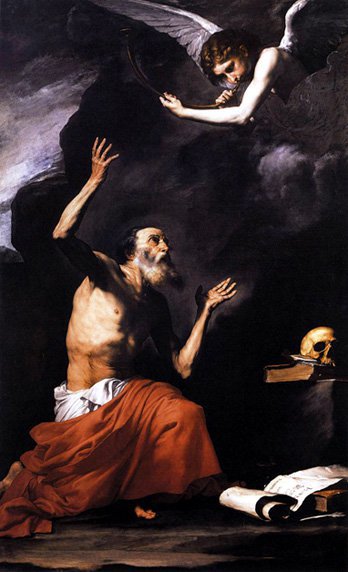 Saint Jérôme et l'ange du JugementJusepe de Ribera, 1626
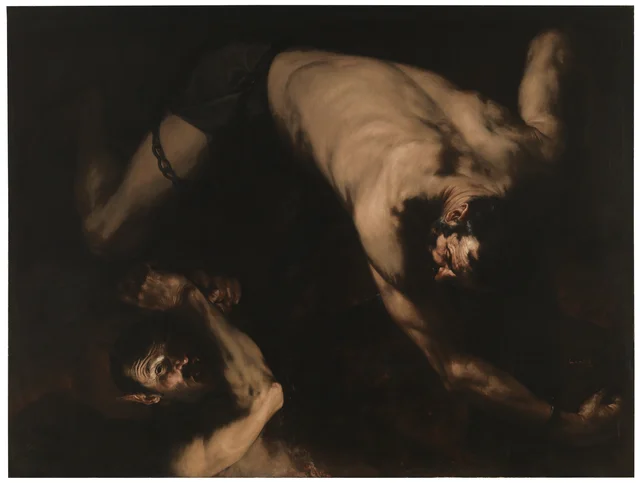 IxionJusepe de Ribera, 1632
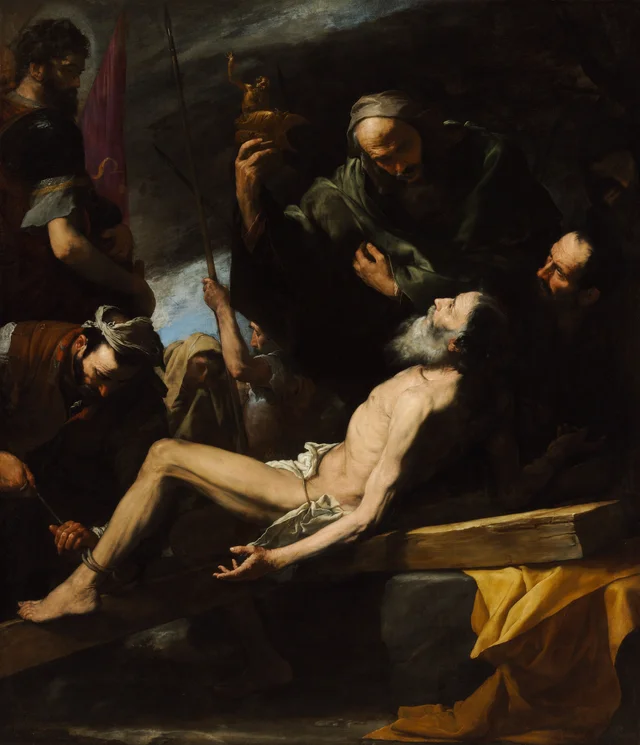 Le Martyre de saint AndréJusepe de Ribera, 1628
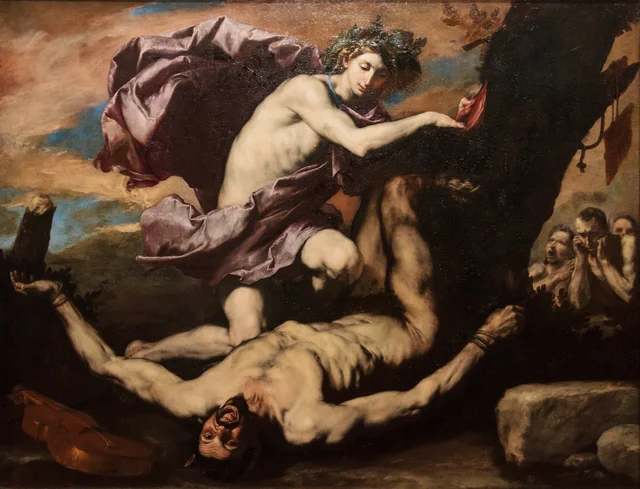 Apollon écorchant MarsyasJusepe de Ribera, 1637
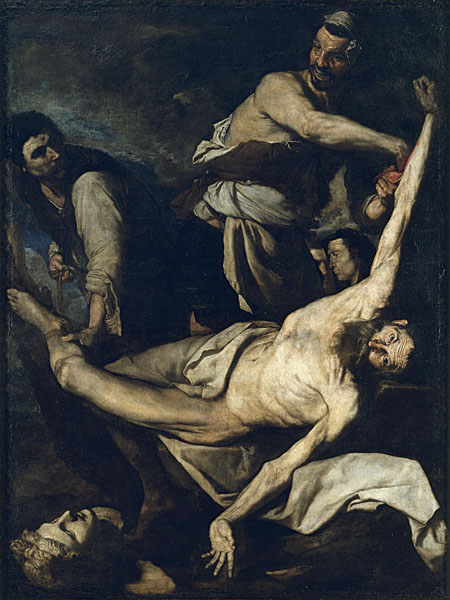 Le Martyre de saint BarthélemyJusepe de Ribera, 1644
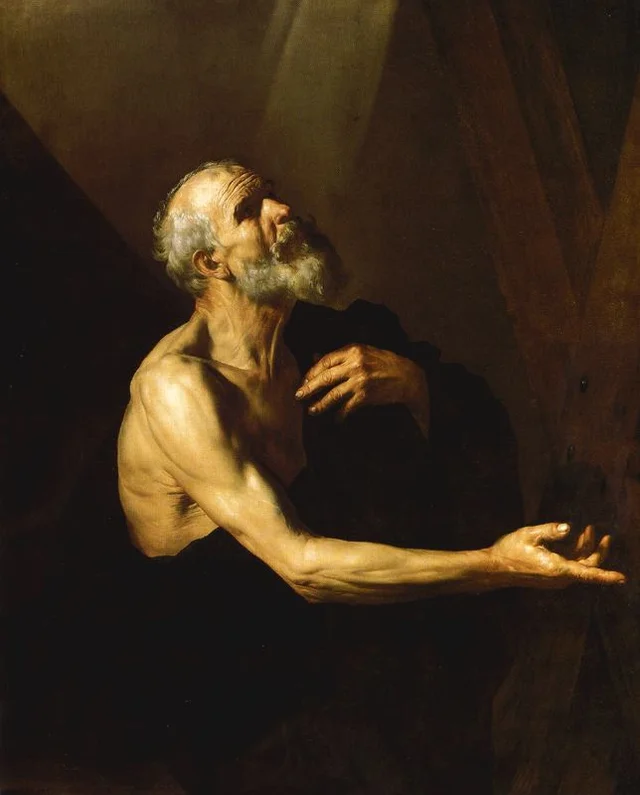 Saint AndréJusepe de Ribera, 1616
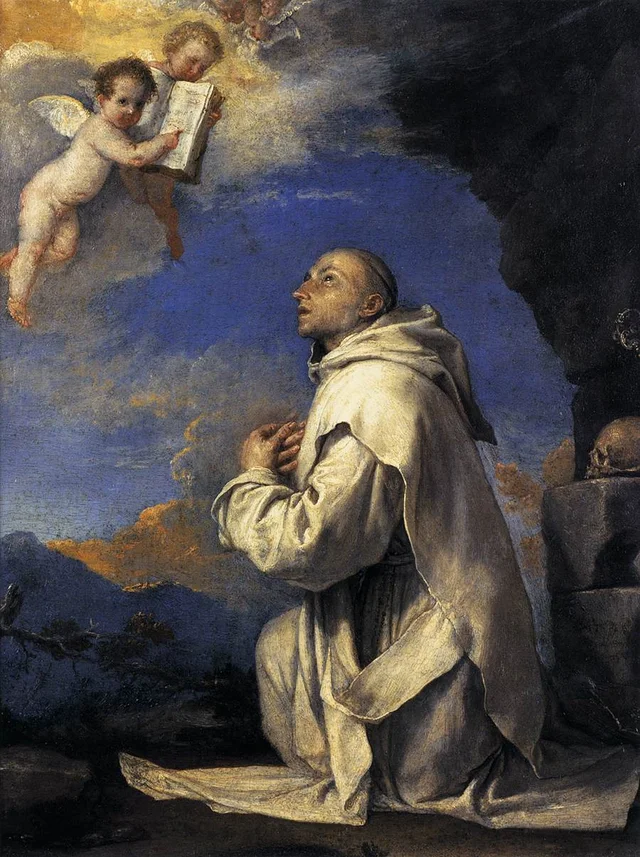 Saint Bruno recevant la RègleJusepe de Ribera, 1643
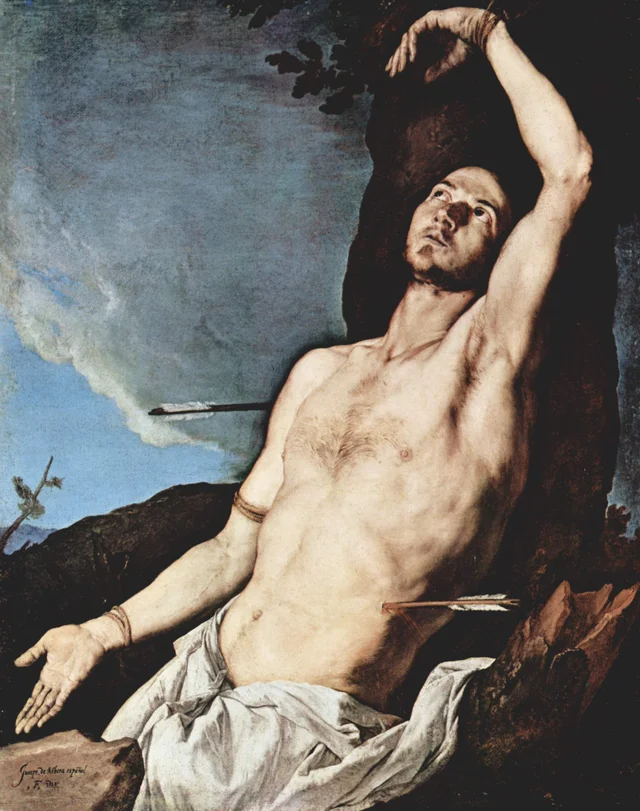 Saint SébastienJusepe de Ribera, 1651
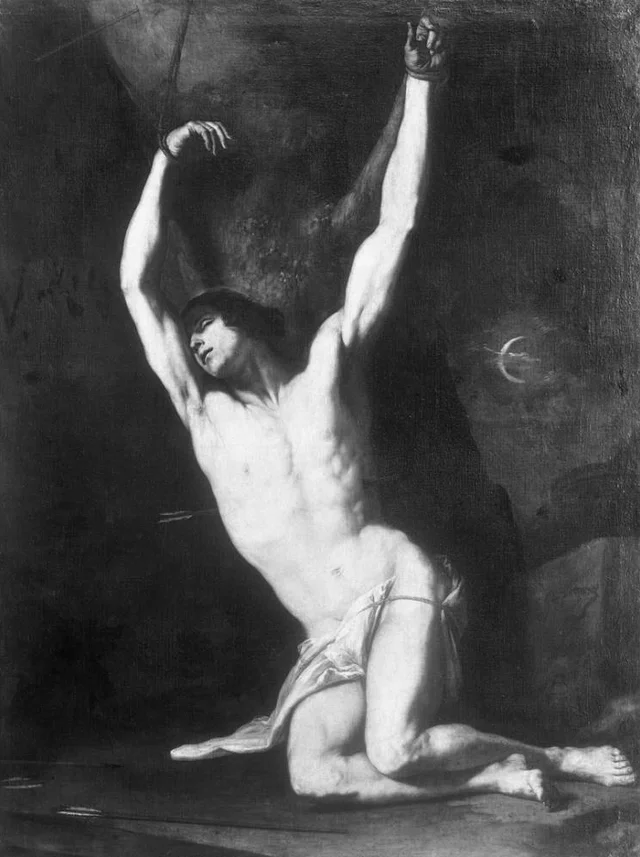 Saint SébastienJusepe de Ribera, 1636
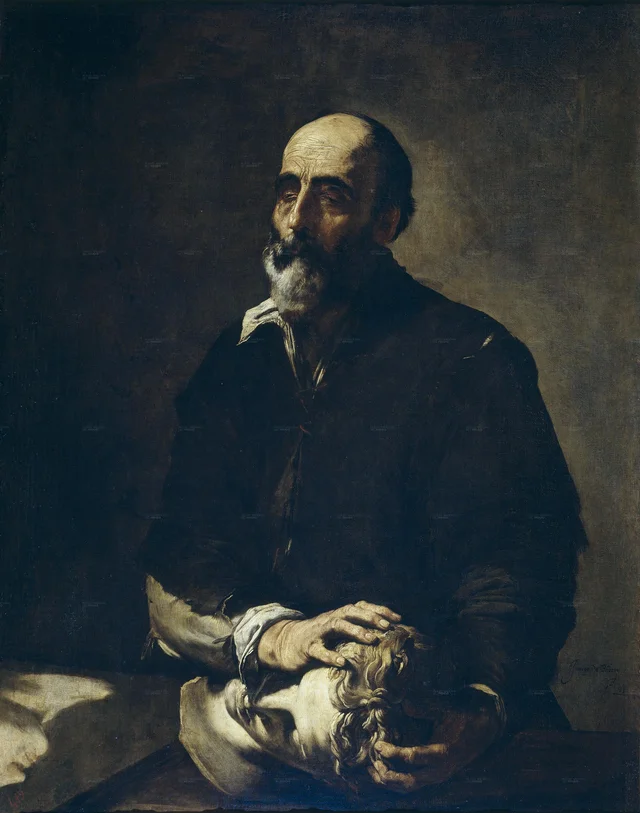 Le Sculpteur aveugleJusepe de Ribera, 1632