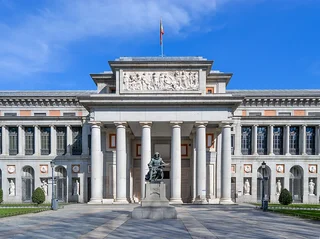
L'histoire
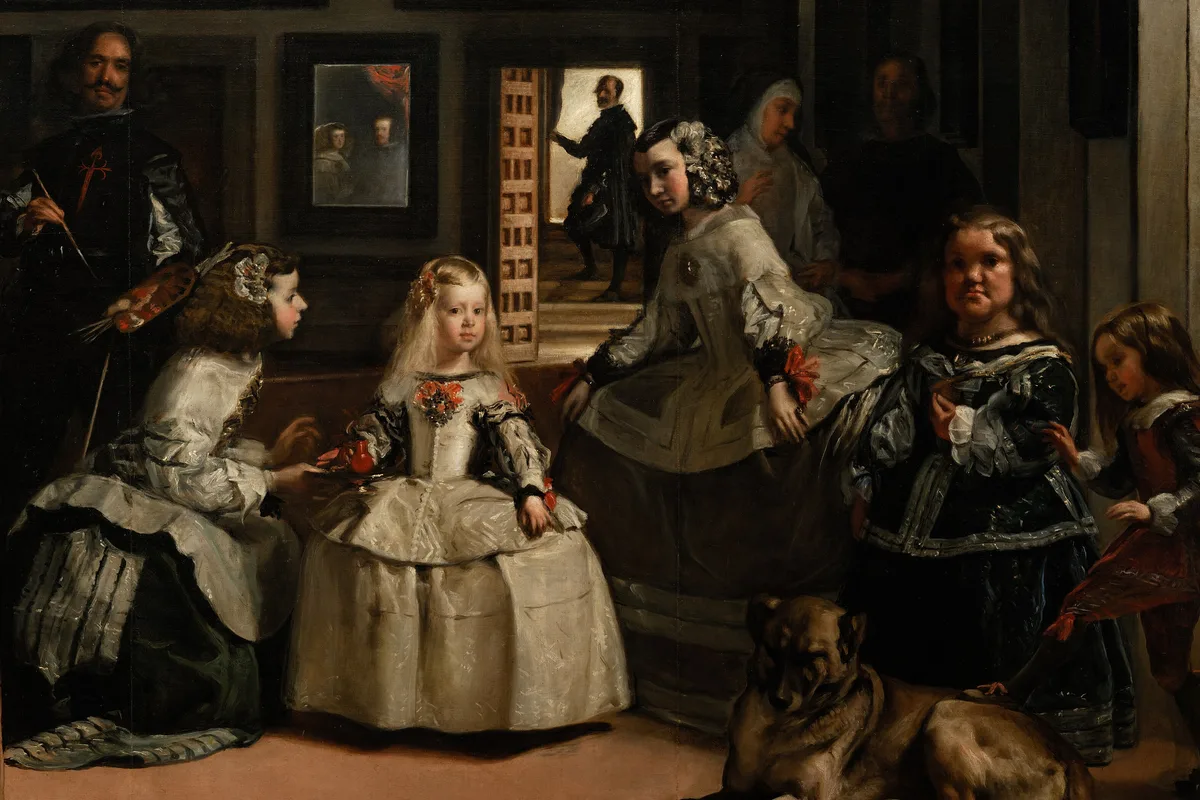
Le Prado est la collection d'un roi rendue publique. Pendant trois siècles, les Habsbourg puis les Bourbons d'Espagne achetèrent et commandèrent à l'échelle royale, et leur goût est le musée : le Titien et Rubens que les rois aimaient, Vélasquez qui servit la cour d'Espagne presque toute sa vie. Ses Ménines sont accrochées au cœur du bâtiment, le peintre regardant depuis l'arrière de sa propre toile, dans une salle du vieil Alcázar royal.
La galerie ouvrit en 1819 dans un édifice que l'architecte Juan de Villanueva avait d'abord conçu comme un cabinet de sciences naturelles. Ses murs portent les versants les plus sombres de l'art espagnol autant que sa splendeur, le Tres de Mayo de Goya, le peloton d'exécution levant ses lanternes dans la nuit, et les Peintures noires qu'il appliqua directement sur les murs de sa propre maison, âgé, sourd et retiré du monde, sans jamais vouloir les montrer.
Le plus ancien de ses grands trésors précède ce goût royal espagnol, Le Jardin des délices de Jérôme Bosch, la vision en trois panneaux du paradis, du désir et de l'enfer, entrée plus tard dans la collection de Philippe II et envoyée à son palais-monastère de l'Escurial. Elle attire maintenant les foules vers ce que seule la cour avait jadis le droit de voir.
Autres articles
Collection
870 œuvres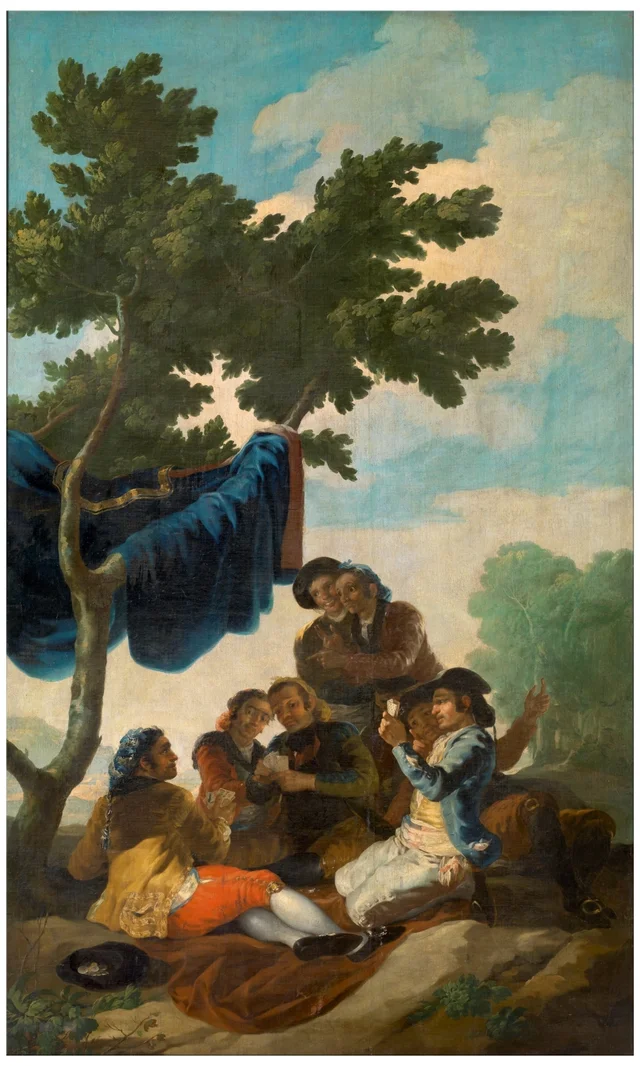 Les Joueurs de cartesFrancisco Goya, 1777
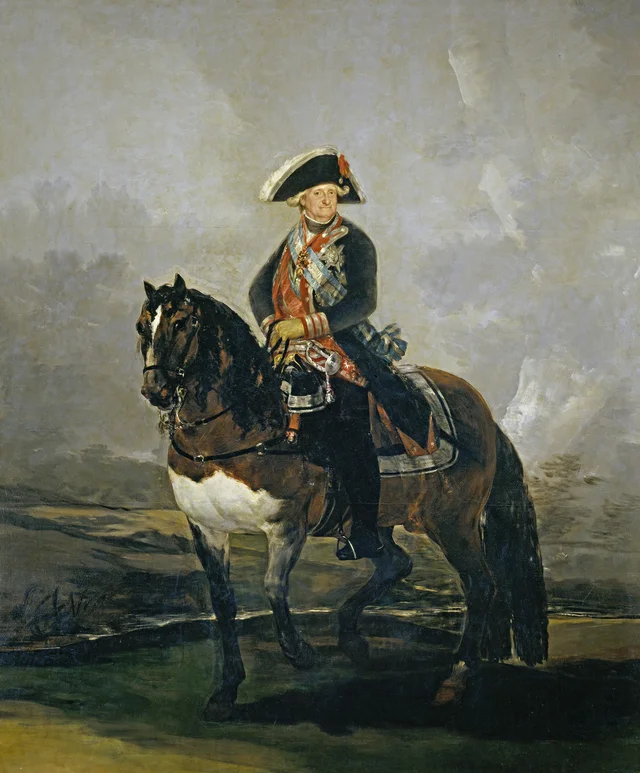 Charles IV à chevalFrancisco Goya, 1800
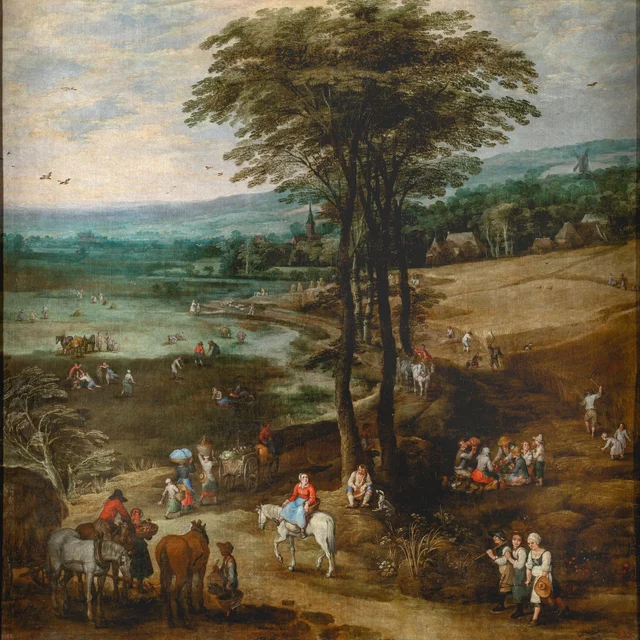 La Vie à la campagneJan Brueghel l'Ancien, 1620
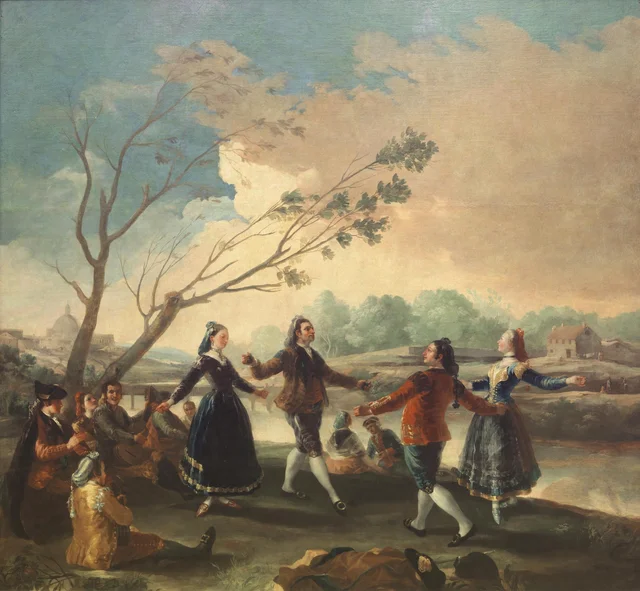 La danse au bord du ManzanaresFrancisco Goya, 1776
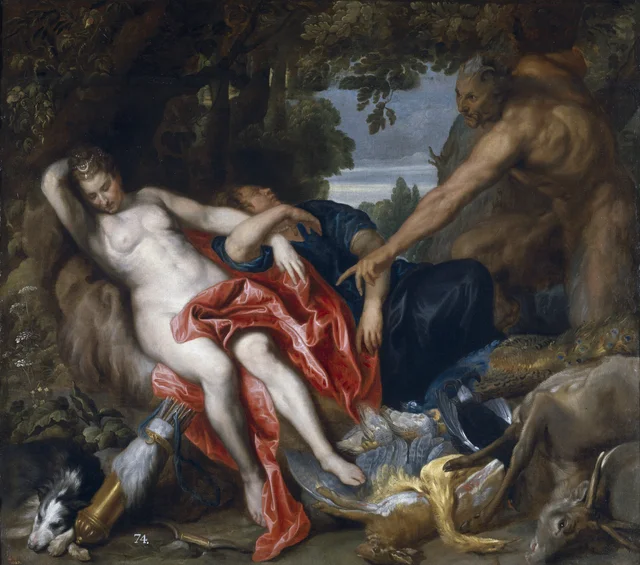 Diane et une nymphe surprises par un satyreAntoine van Dyck, 1622
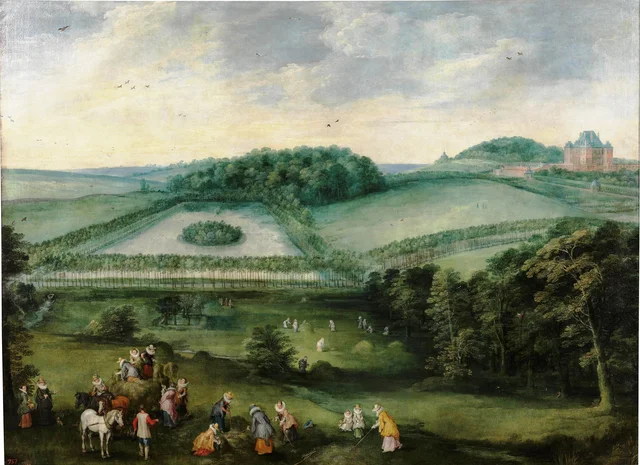 Excursion à la campagne de l'infante Isabelle-Claire-EugénieJan Brueghel l'Ancien, 1601
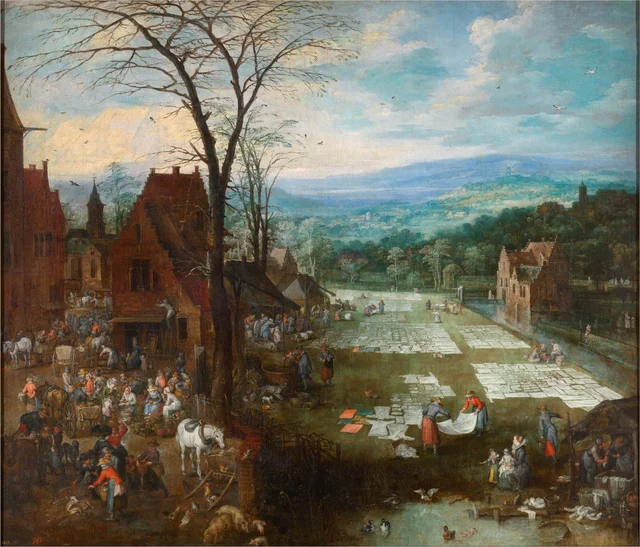 Marché et lavoir flamandsJan Brueghel l'Ancien et Joos de Momper, 1620
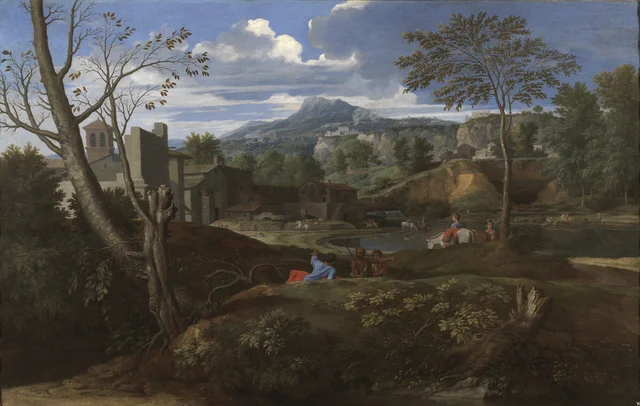 Paysage idéalNicolas Poussin, 1648
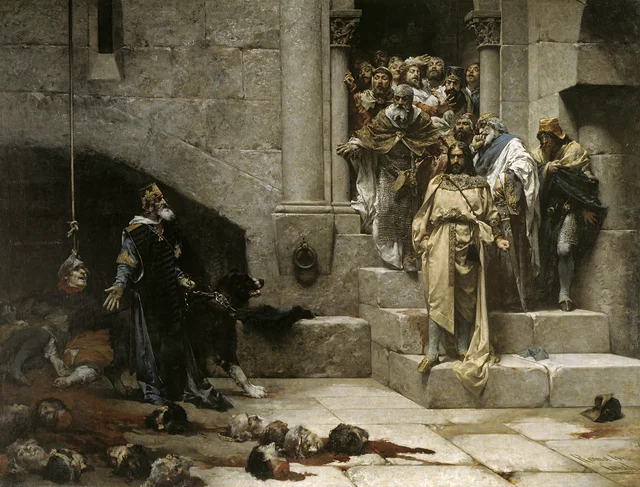 La Cloche de HuescaJosé Casado del Alisal, 1880
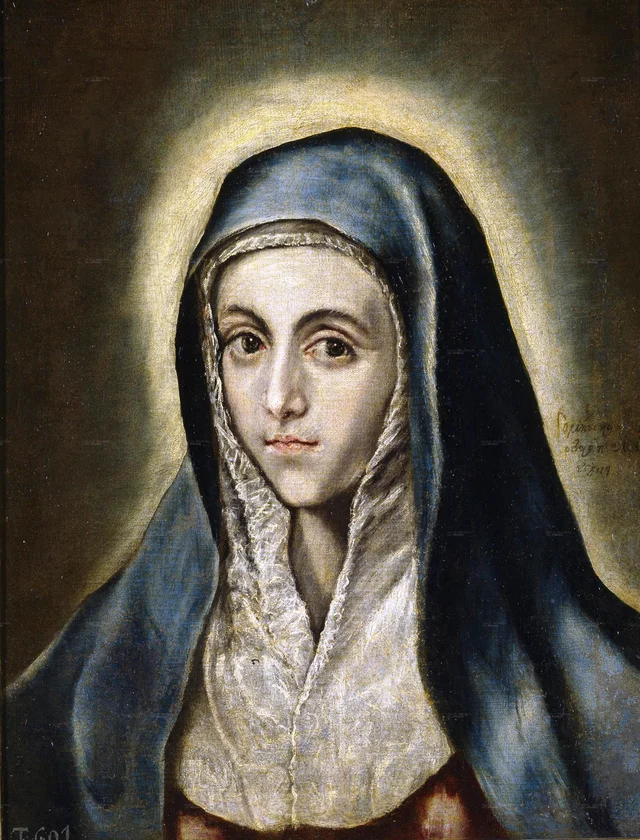 Mater dolorosaEl Greco, 1597
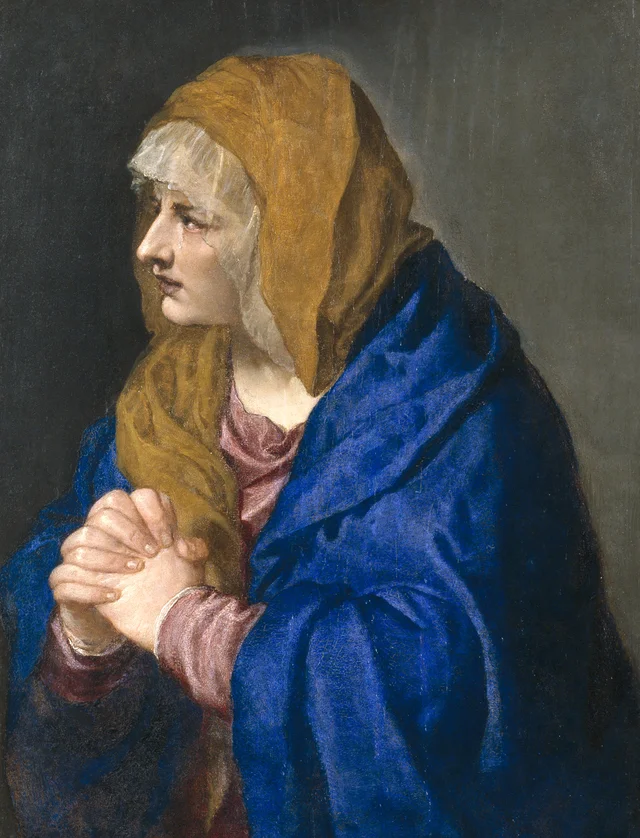 Mater Dolorosa aux mains jointesTitien, 1554
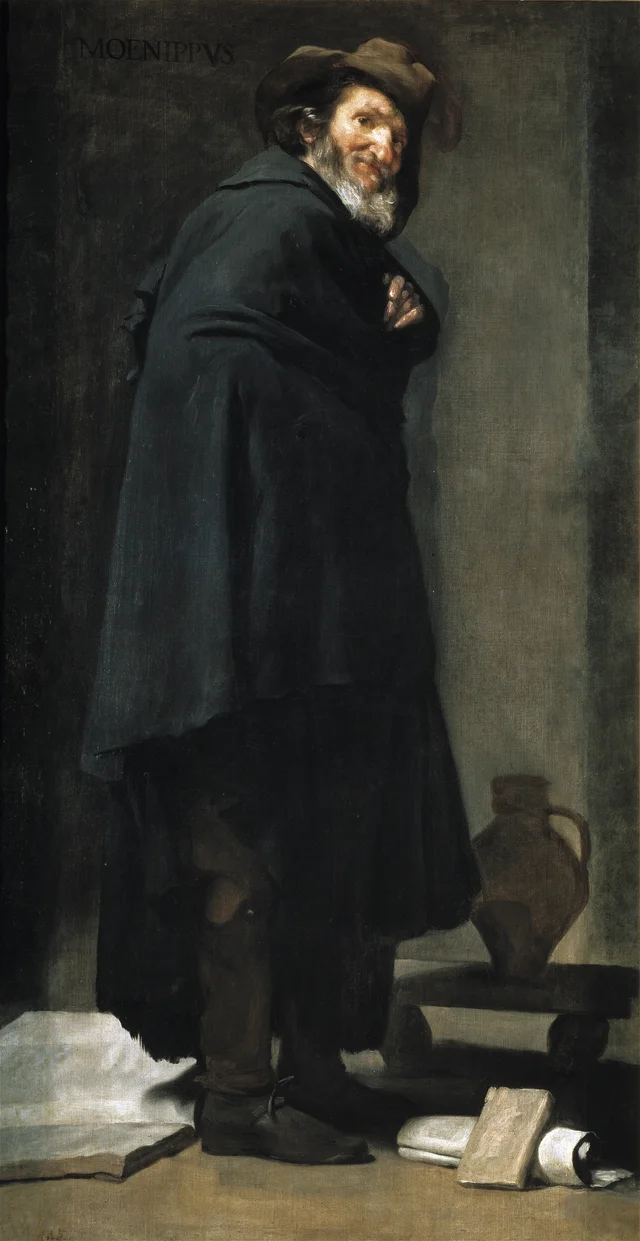 MénippeDiego Vélasquez, 1639
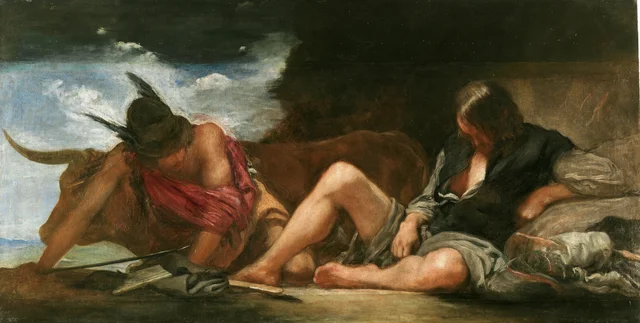 Mercure et ArgusDiego Vélasquez, 1659
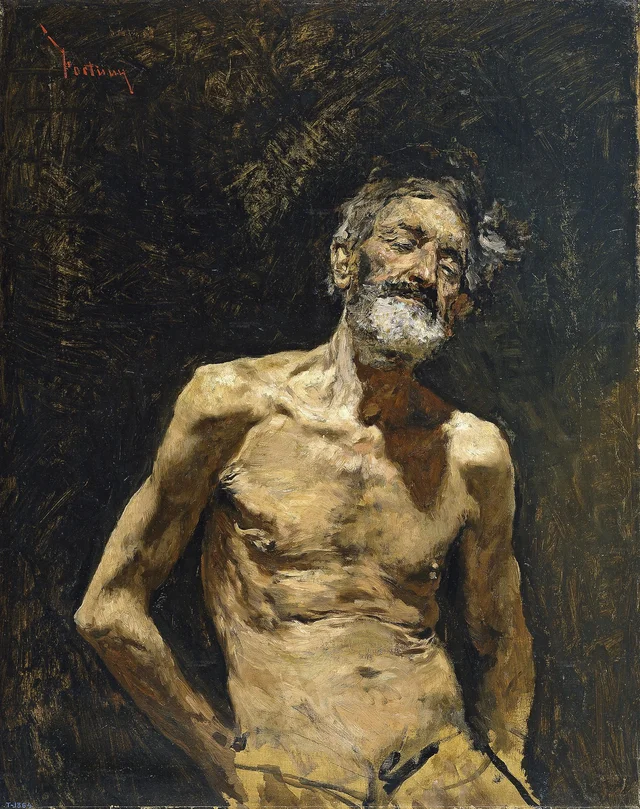 Vieil homme nu au soleilMariano Fortuny Marsal, 1871
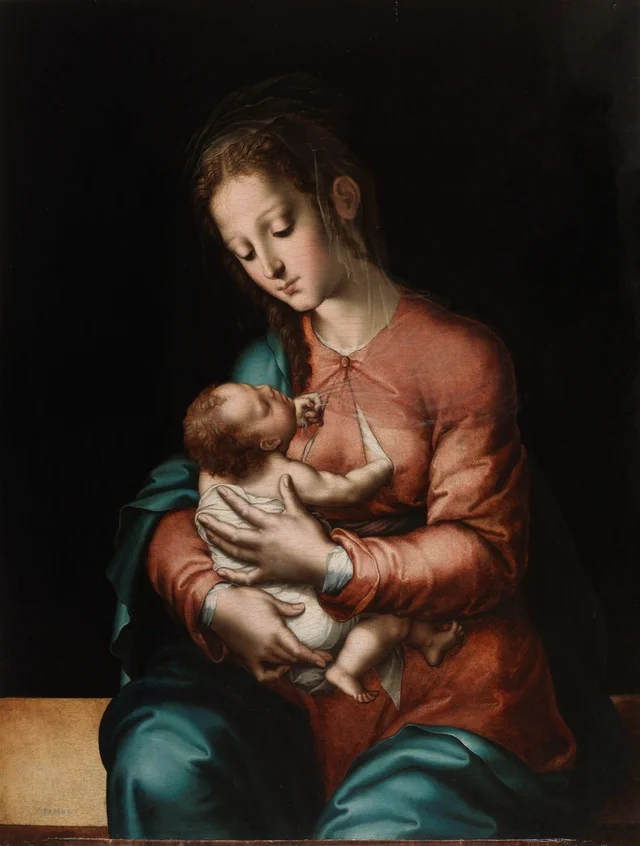 La Vierge allaitantLuis de Morales, 1570
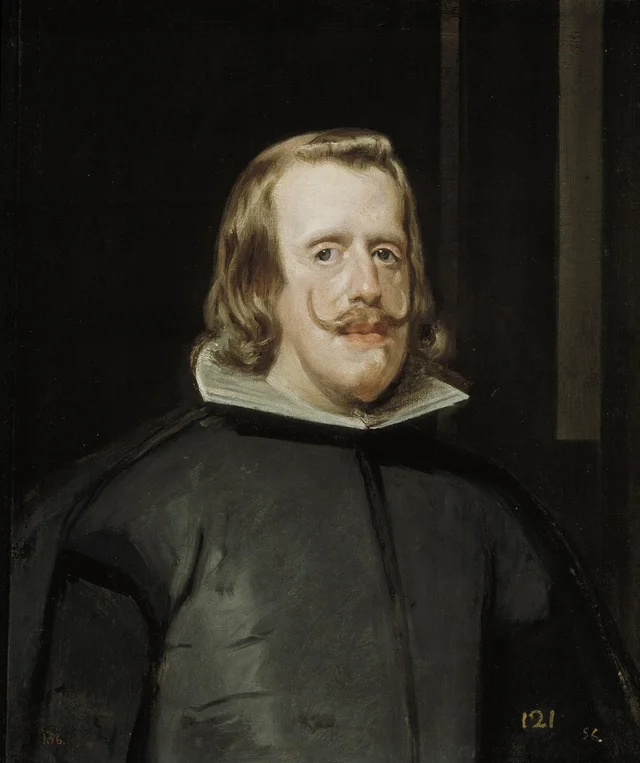 Philippe IV dans sa vieillesseDiego Vélasquez, 1653
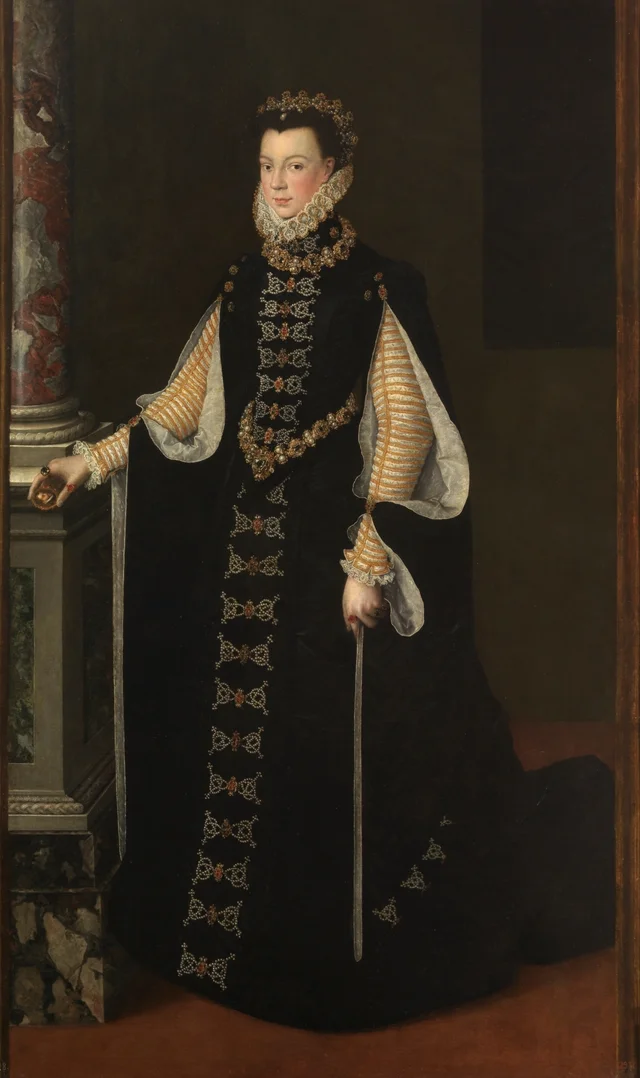 Portrait d'Élisabeth de ValoisSofonisba Anguissola, 1561
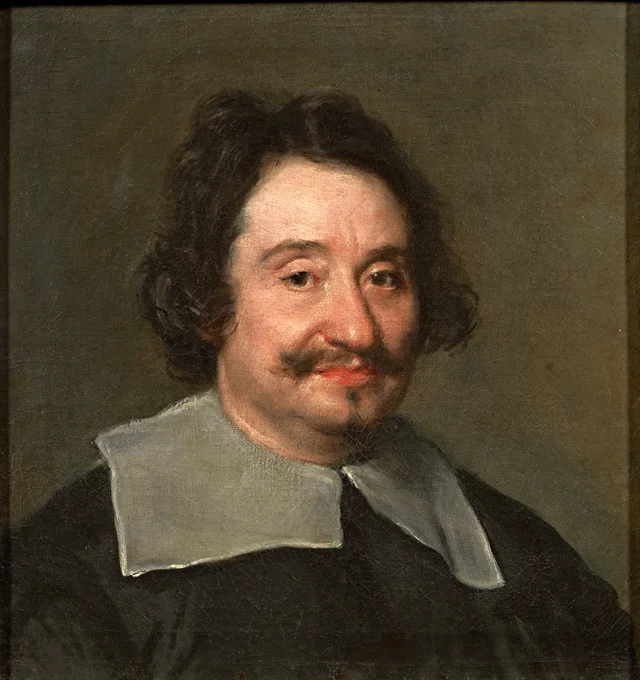 Portrait de Ferdinando BrandaniDiego Vélasquez, 1650
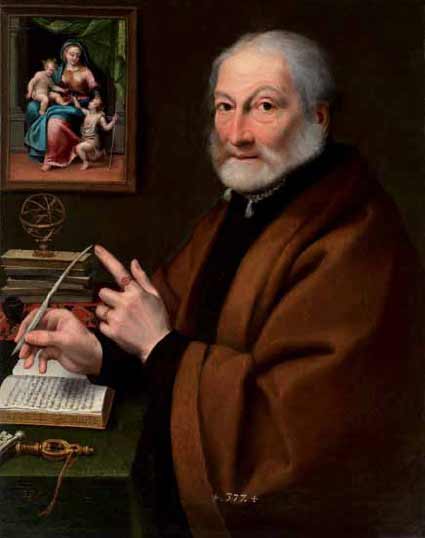 Portrait de Giovanni Battista CaselliSofonisba Anguissola, 1557
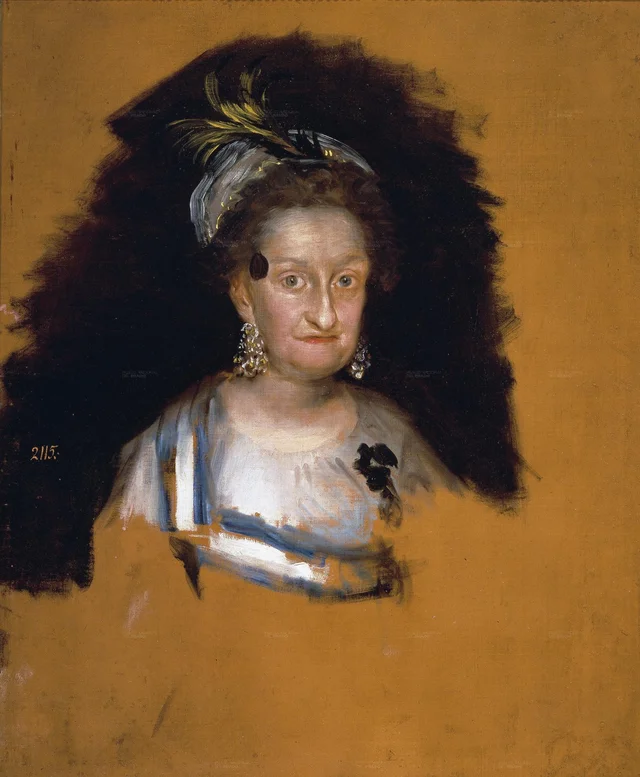 Portrait de Marie-Josèphe d'EspagneFrancisco Goya, 1800
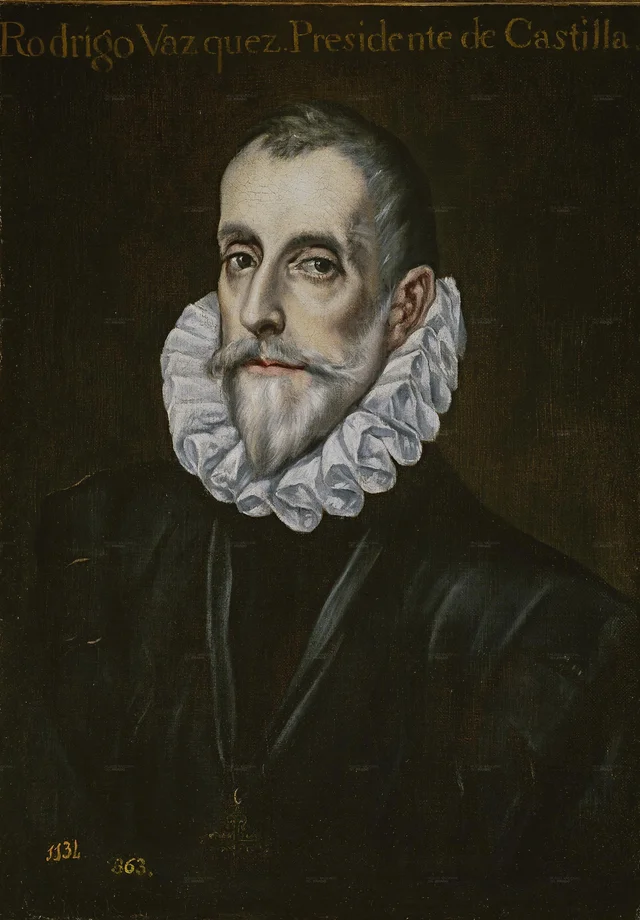 Portrait de Rodrigo Vázquez de ArceCopie d'après Le Greco, 1587
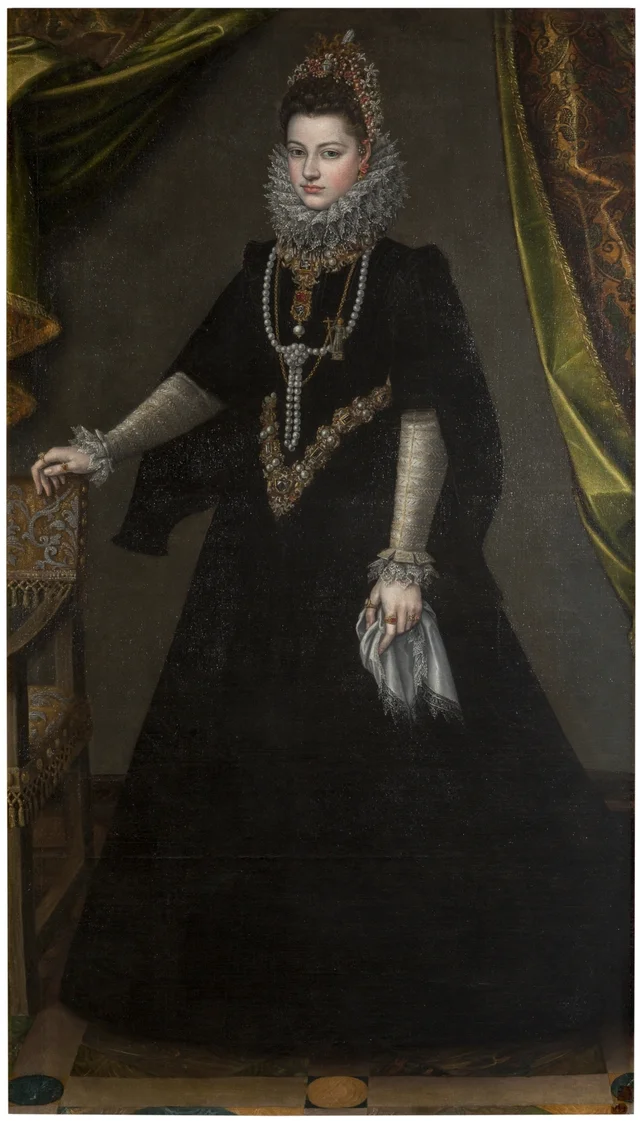 Portrait de l'infante Isabelle Claire EugénieSofonisba Anguissola, 1599
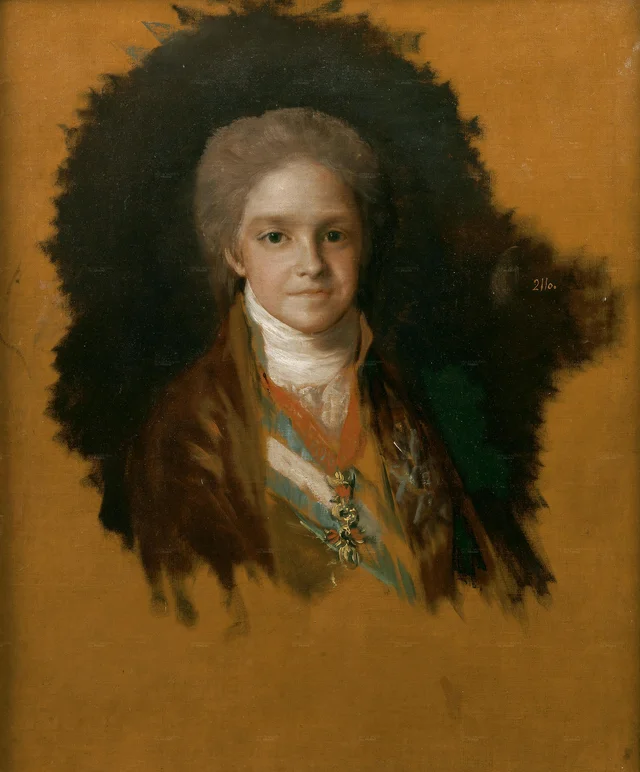 Portrait de l'infant Charles-Marie-Isidore d'EspagneFrancisco Goya, 1800
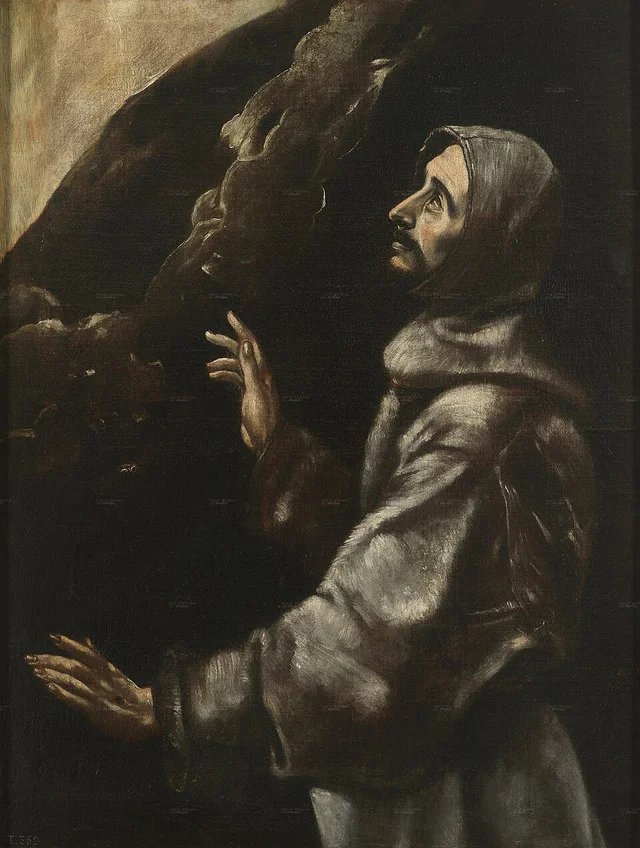 Saint François d'Assise en extaseEl Greco, 1600
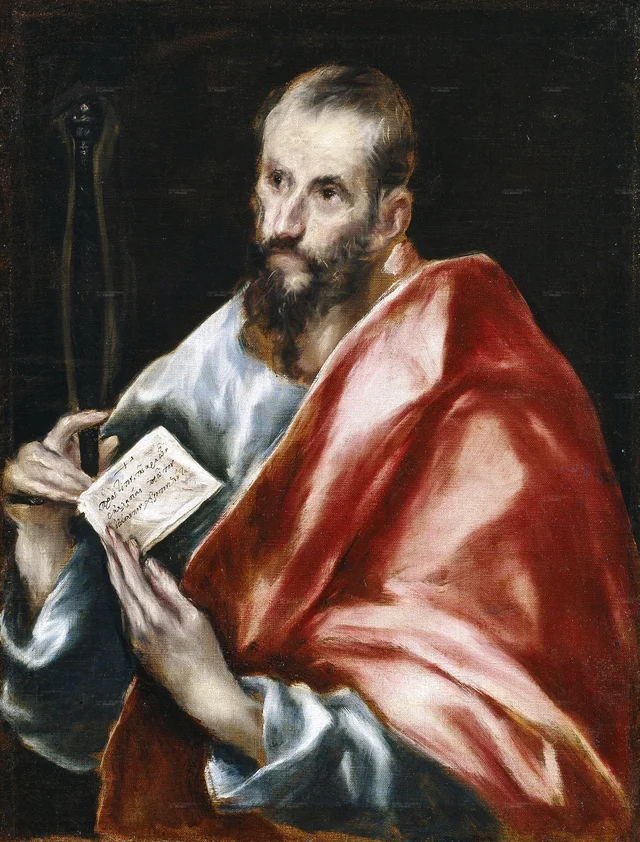 Saint PaulEl Greco, 1610