오디오 가이드
이야기
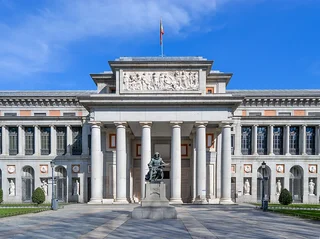
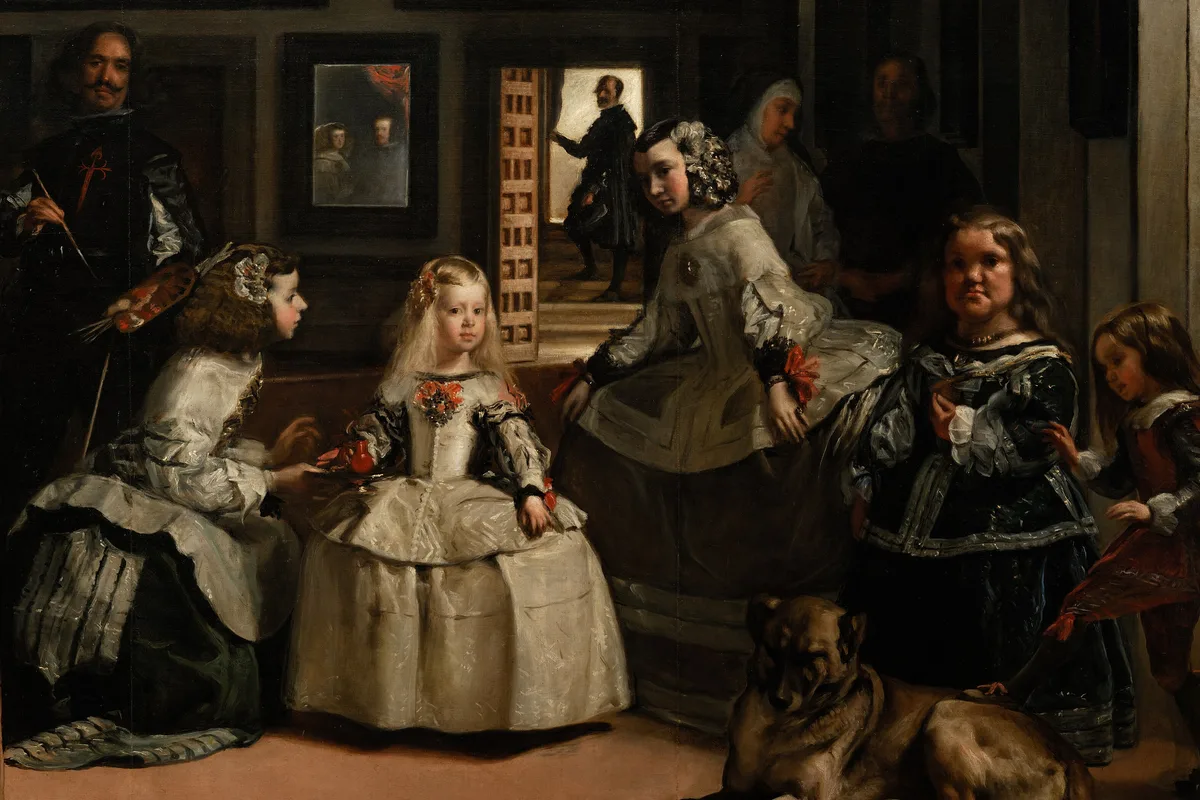
프라도는 왕의 컬렉션이 대중에게 공개된 곳이다. 세 세기에 걸쳐 스페인의 합스부르크 왕가와 부르봉 왕가는 왕실의 규모로 그림을 사들이고 주문했으며, 그들의 취향이 곧 이 미술관이다. 왕들이 아꼈던 티치아노와 루벤스, 그리고 생애 대부분을 스페인 궁정에서 봉직한 벨라스케스가 그것이다. 그의 시녀들은 건물 한복판에 걸려 있는데, 화가가 옛 왕궁 알카사르의 한 방에서 자기 캔버스 뒤편에 서서 밖을 내다보는 그림이다.
미술관은 건축가 후안 데 비야누에바가 원래 자연과학 전당으로 설계한 건물에서 1819년 문을 열었다. 그 벽에는 스페인 미술의 화려함과 더불어 그 어두운 국면도 함께 걸려 있다. 고야의 1808년 5월 3일에서는 처형대의 병사들이 어둠 속에서 등불을 치켜들고 있고, 검은 그림 연작은 그가 만년에 귀가 먼 채 세상과 등지고 지내며 자기 집 벽에 직접 그려 넣은, 애초에 남에게 보일 뜻이 없던 그림들이다.
이곳의 위대한 보물 가운데 가장 오래된 작품은 그런 스페인 왕실의 취향보다 앞선다. 히에로니무스 보스의 쾌락의 정원으로, 낙원과 욕망과 지옥을 담은 세 폭짜리 환영이다. 이 그림은 훗날 펠리페 2세의 컬렉션에 들어와 그의 수도원 겸 궁전인 엘 에스코리알로 보내졌다. 이제는 한때 궁정만이 볼 수 있었던 이 그림을 보려는 인파가 모여든다.
다른 아티클
소장품
작품 870점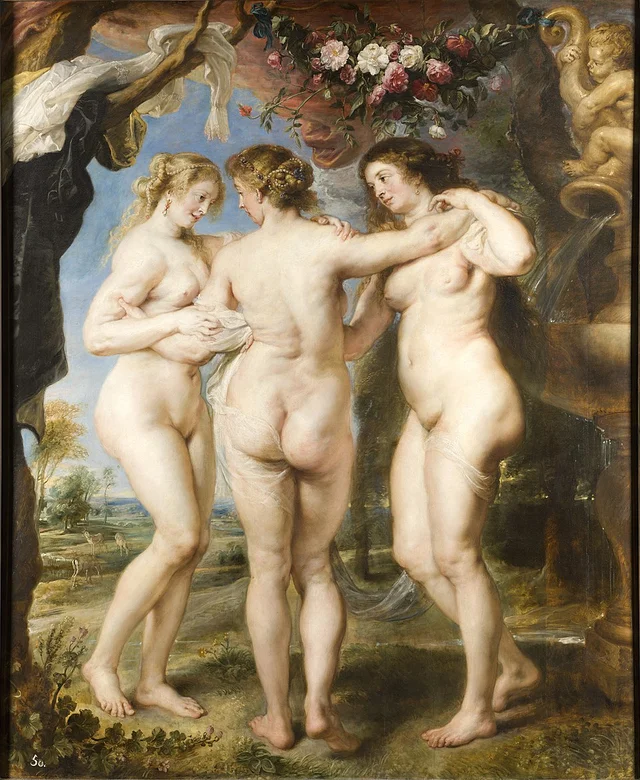 삼미신페테르 파울 루벤스, 1630
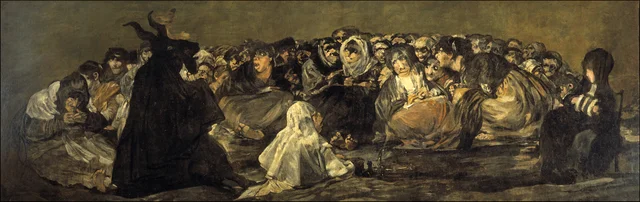 마녀들의 안식일프란시스코 고야, 1820
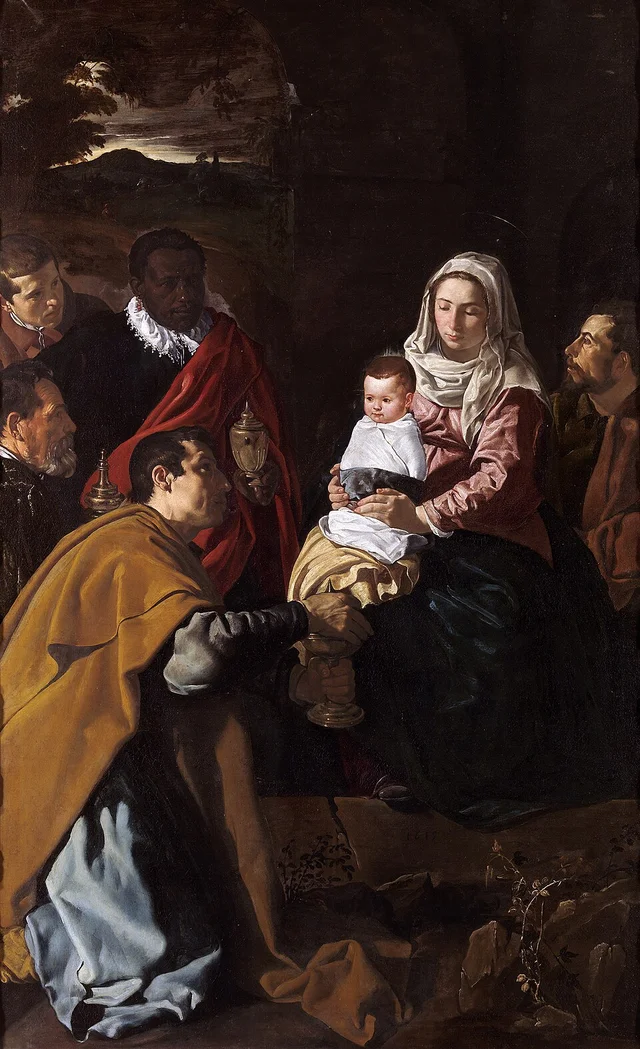 동방박사의 경배디에고 벨라스케스, 1619
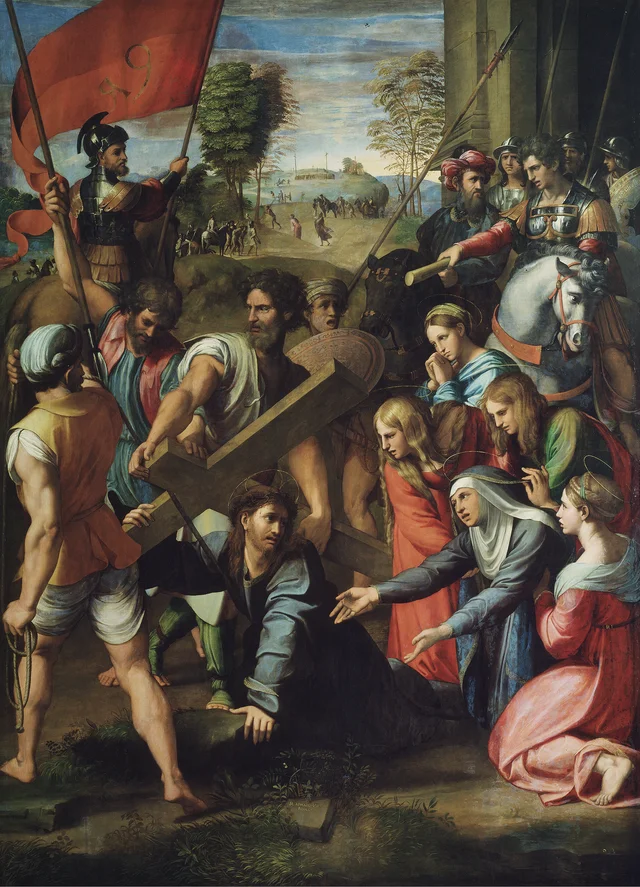 골고다로 가는 길에 쓰러지는 그리스도라파엘로, 1515
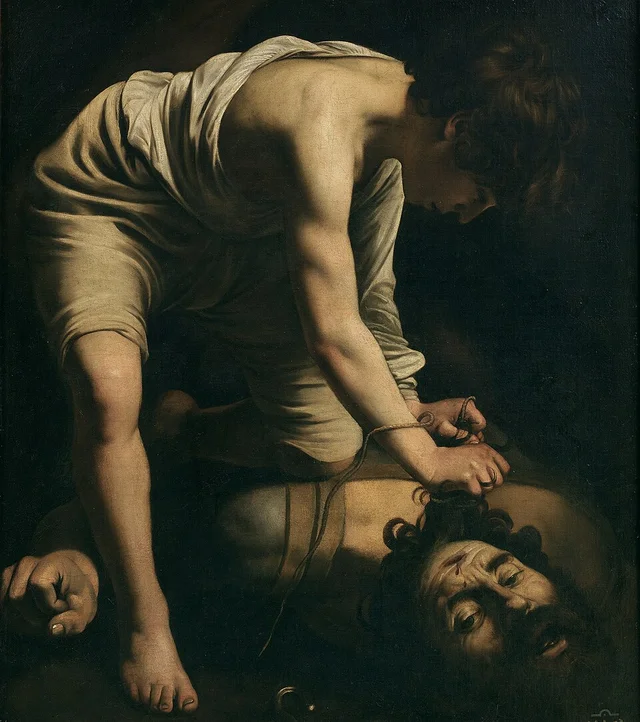 다비드와 골리앗카라바조, 1600
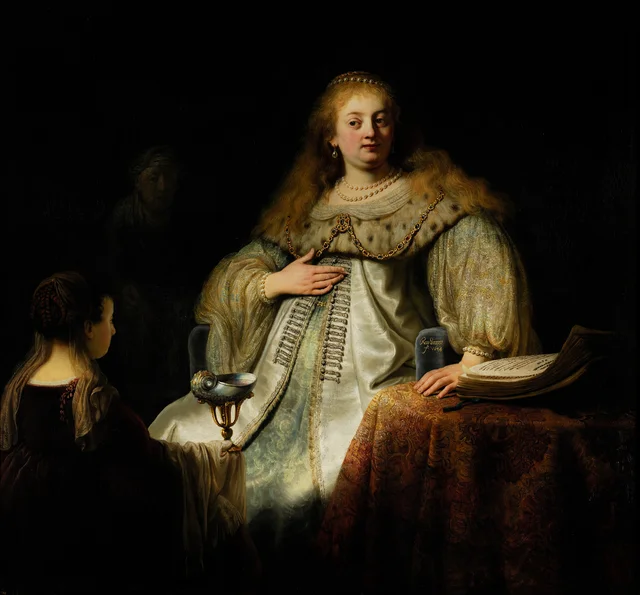 홀로페르네스의 연회에 있는 유디트렘브란트, 1634
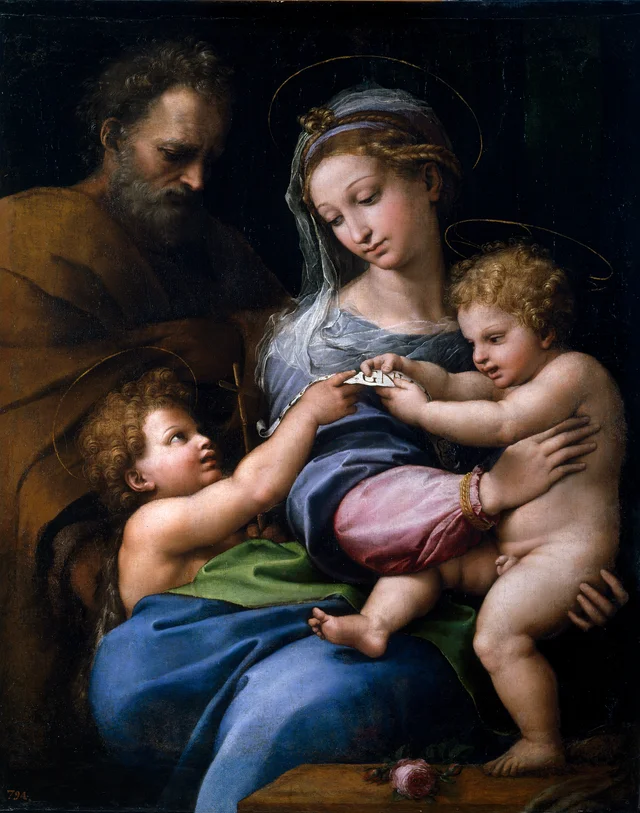 장미의 성모라파엘로, 1517
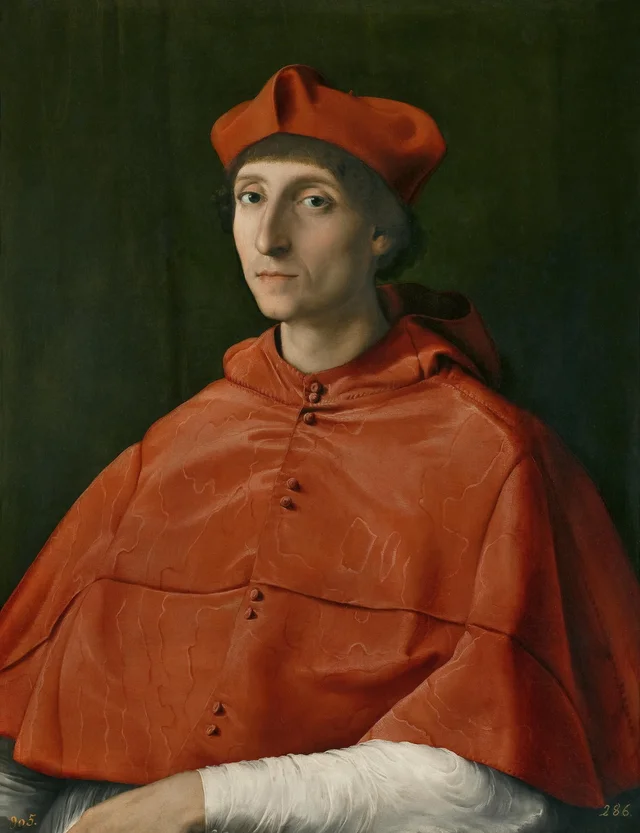 추기경의 초상라파엘로, 1510
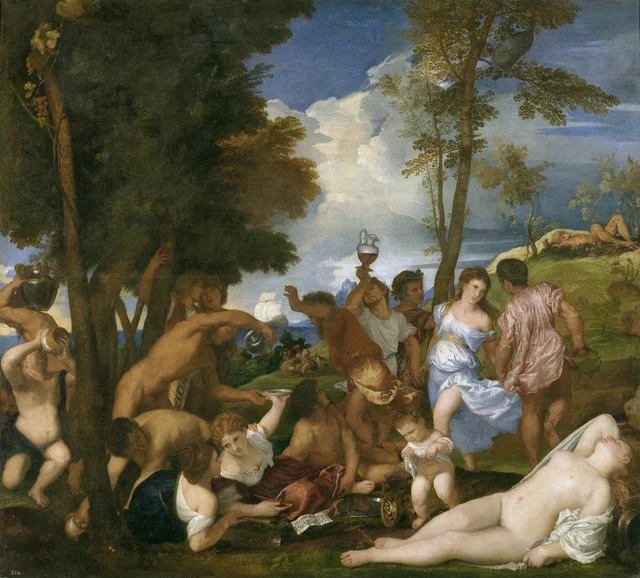 안드로스인들의 주신제티치아노, 1523
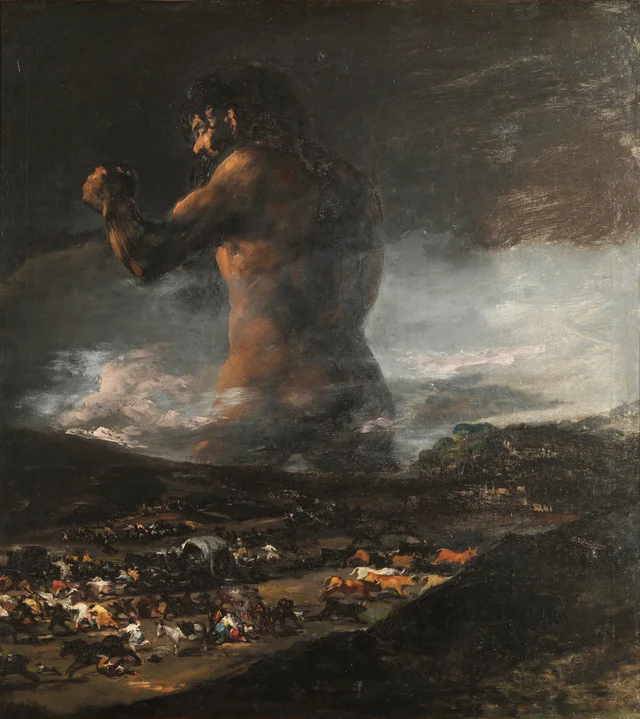 거인아센시오 훌리아, 1808
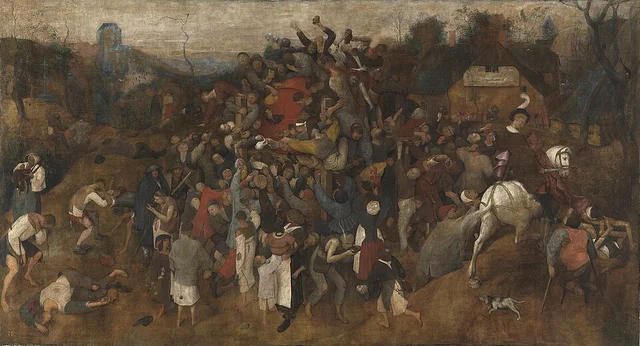 성 마르틴 축일의 와인대 피터르 브뤼헐, 1566
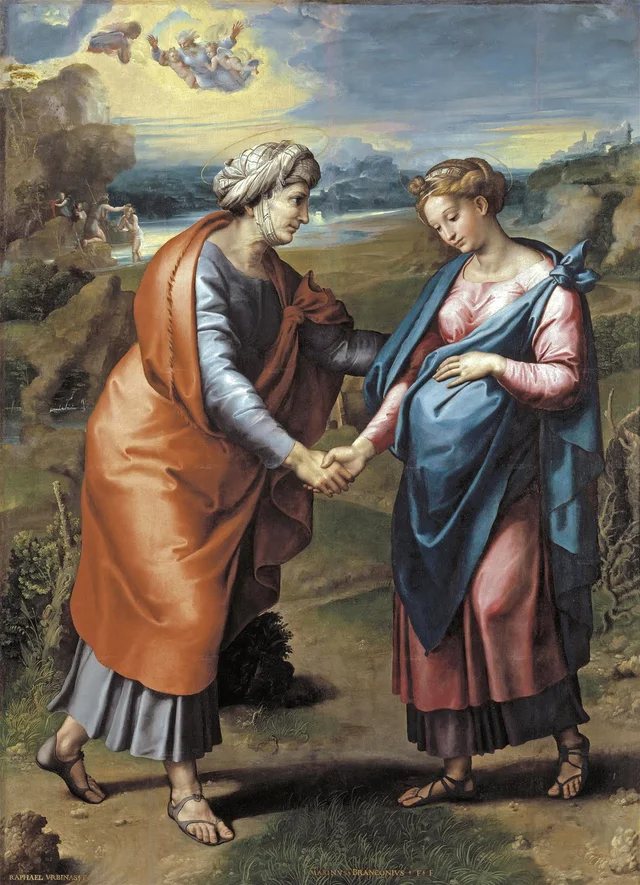 방문라파엘로, 1517
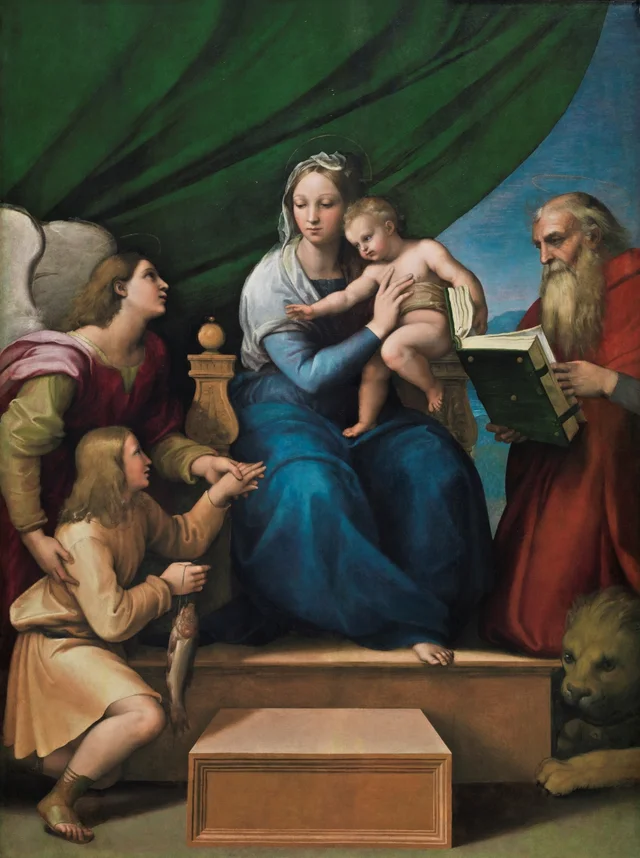 물고기의 성모라파엘로, 1513
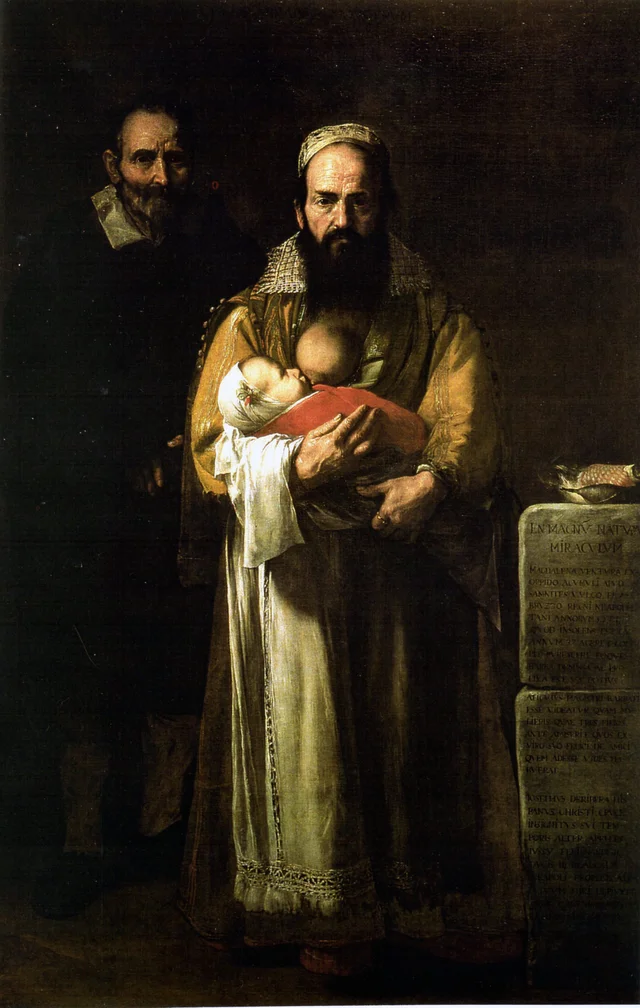 남편과 아들과 함께 있는 막달레나 벤투라후세페 데 리베라, 1631
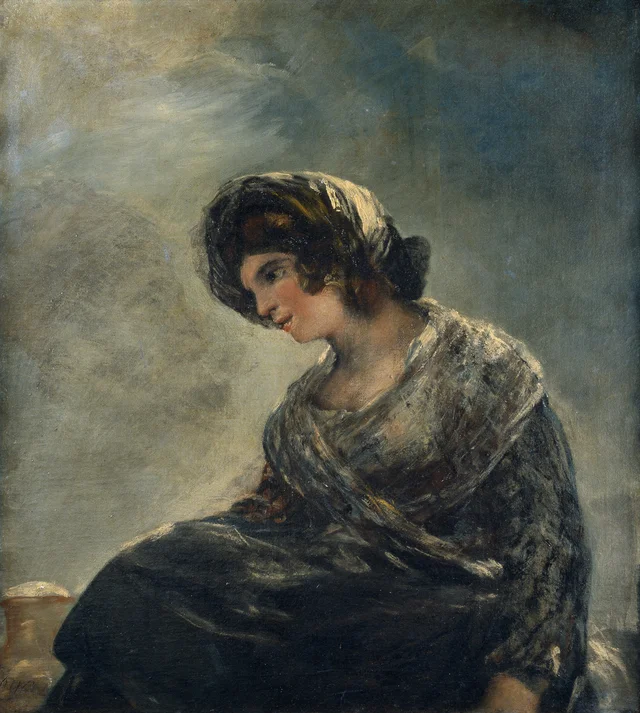 보르도의 우유 짜는 여인프란시스코 고야, 1827
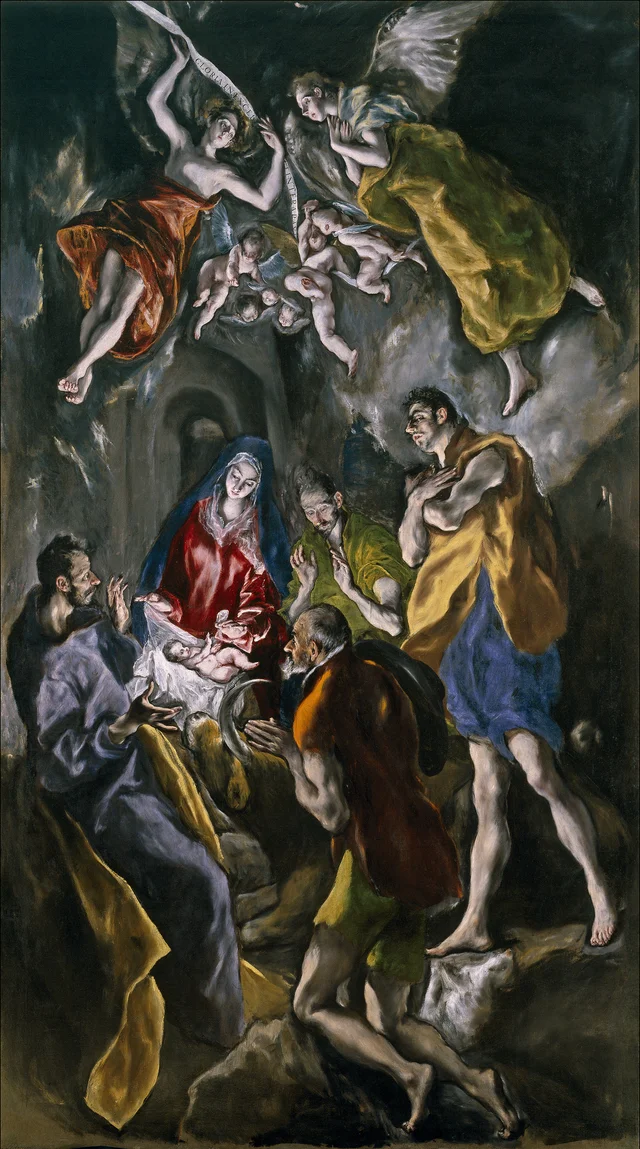 목자들의 경배엘 그레코, 1612
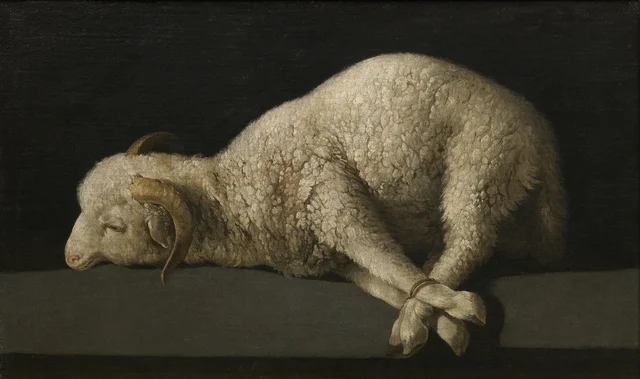 하느님의 어린양프란시스코 데 수르바란, 1635
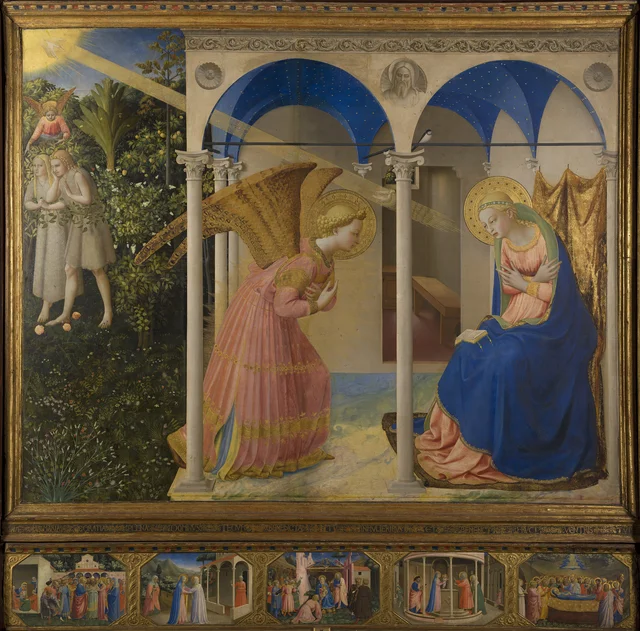 수태고지프라 안젤리코, 1425
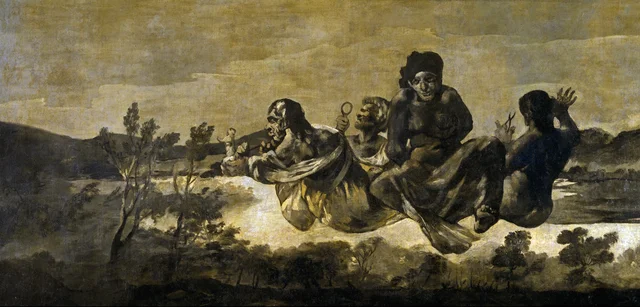 아트로포스프란시스코 고야, 1819
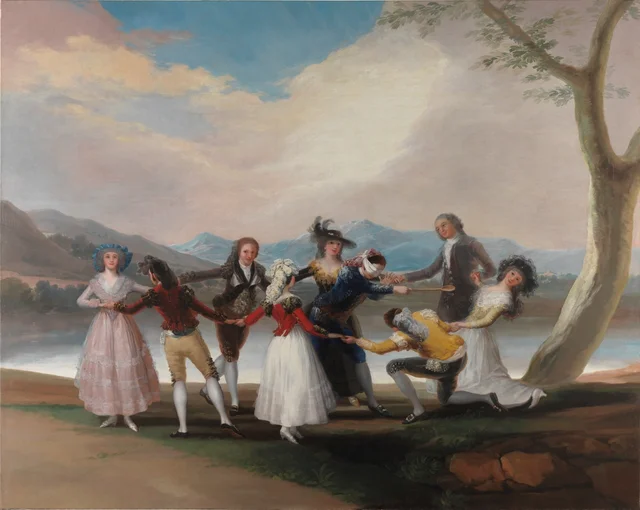 눈가리개 술래잡기프란시스코 고야, 1788
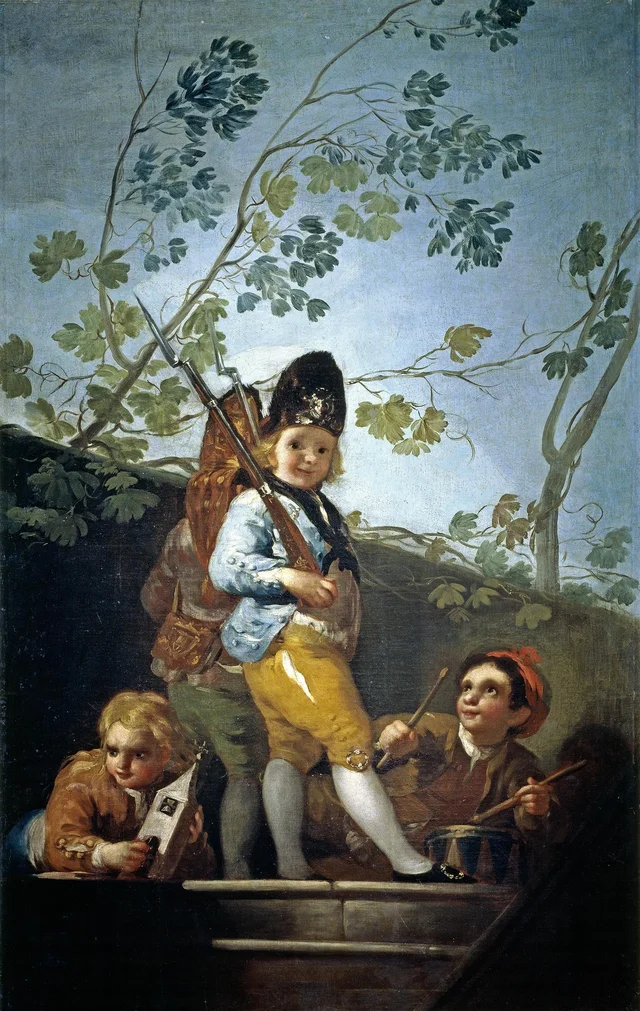 병정놀이를 하는 아이들프란시스코 고야, 1778
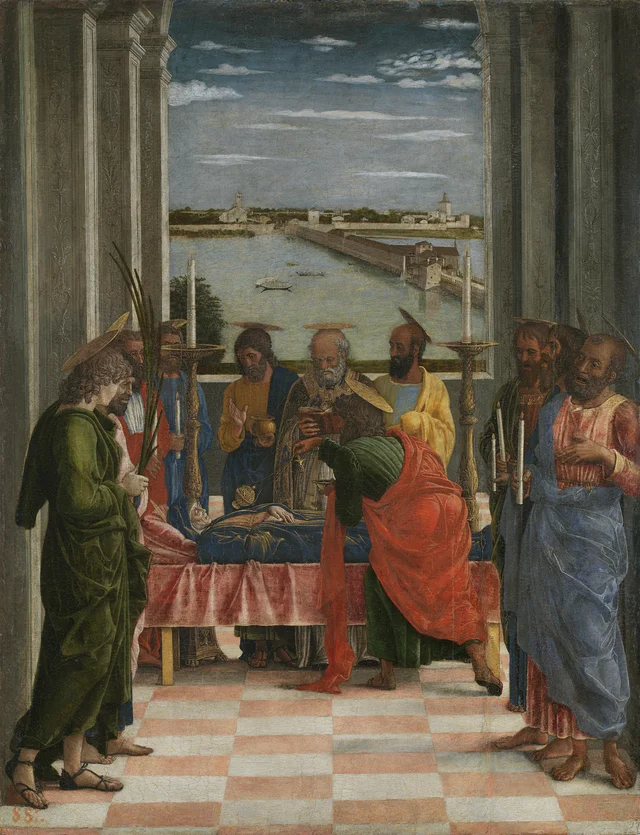 성모의 죽음안드레아 만테냐, 1462
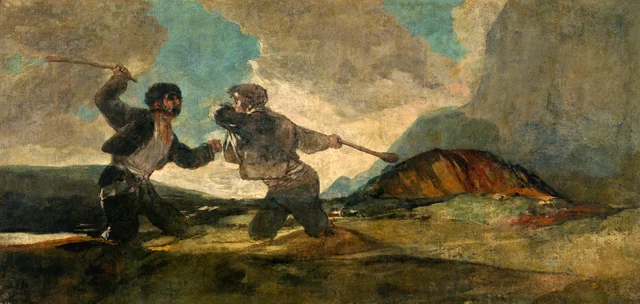 몽둥이 결투프란시스코 고야, 1820
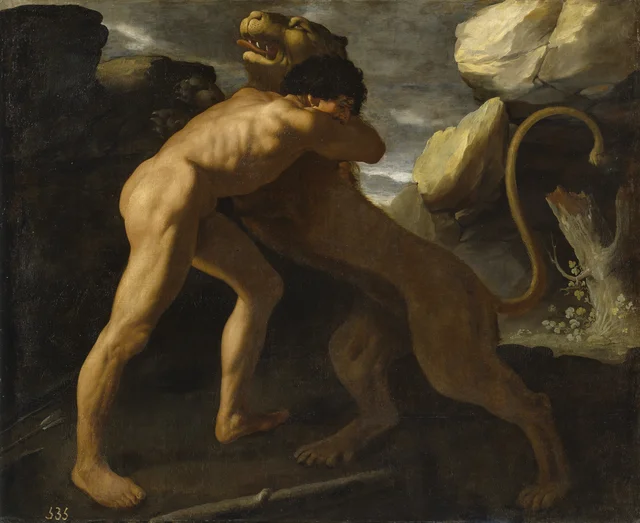 네메아의 사자와 싸우는 헤라클레스프란시스코 데 수르바란, 1634
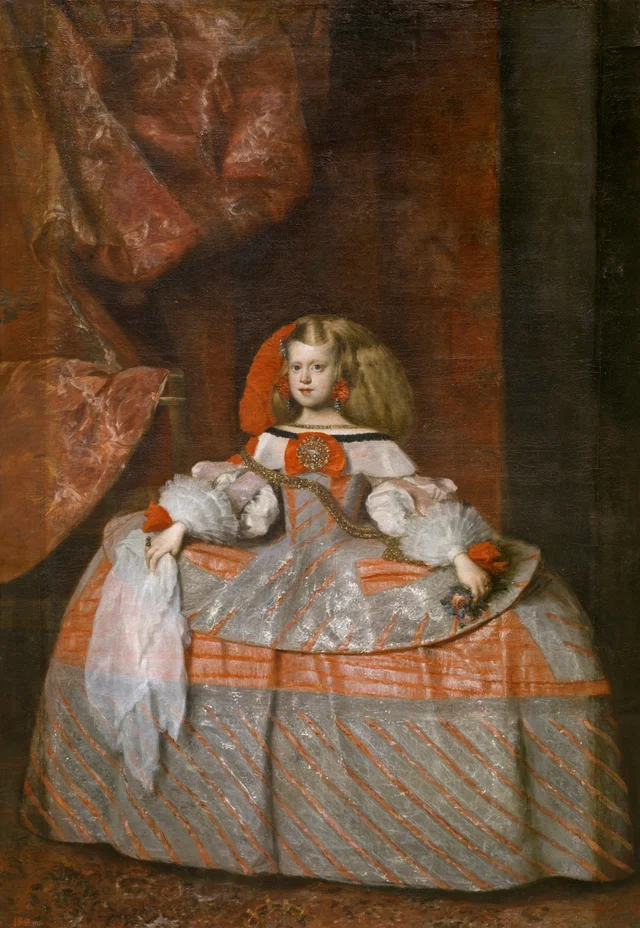 분홍 드레스를 입은 마르가리타 테레사 공주후안 바우티스타 마르티네스 델 마소, 1660