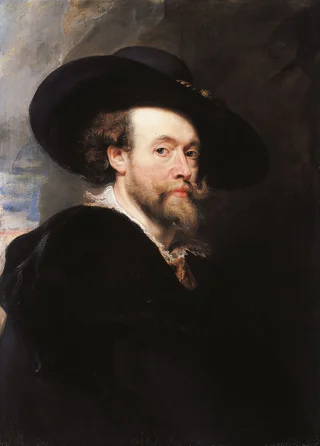
Pedro Paulo Rubens
1577–1640 · Países Baixos Espanhóis · Pintura barroca flamenga
A história
A maioria dos grandes pintores ficava no ateliê. Rubens passou boa parte da carreira como diplomata em atividade, e os dois ofícios se alimentavam um do outro. Falava várias línguas com fluência, circulava com desenvoltura entre príncipes e comandava o ateliê de pintura mais movimentado da Europa, em Antuérpia, então nos Países Baixos espanhóis. Reis confiavam a ele mais do que retratos.
O exemplo mais claro veio em 1629. Espanha e Inglaterra estavam em guerra havia anos, e Filipe IV da Espanha enviou Rubens a Londres sob o disfarce de artista em visita, uma fachada que lhe permitia ser recebido na corte sem alarde enquanto discretamente defendia a causa espanhola. Ao longo de uns nove meses trabalhou sobre Carlos I da Inglaterra, colecionador de arte apaixonado, defendendo o caso pela paz entre as duas coroas e pintando para ele ao mesmo tempo. Um dos quadros que fez ali, uma alegoria da Paz e da Guerra, era ele próprio parte do argumento, mostrando os bens que a paz traz e a ruína que a guerra carrega consigo.
Funcionou. Um tratado entre Inglaterra e Espanha foi assinado em 1630, e antes de Rubens partir, Carlos o armou cavaleiro. Filipe IV faria o mesmo mais tarde, de modo que ele acabou cavaleiro dos dois reinos que ajudara a reconciliar. Continuou pintando num ritmo enorme até o fim, boa parte com assistentes esboçando suas composições, e na última década comprou uma casa de campo ao sul de Antuérpia, o Château de Steen, cujos campos e céus úmidos preenchem as paisagens que fez só para si mesmo.
Mais artigos
 Artigo · 44 min de leituraO Mauritshuis de Haia: 20 quadros e como chegaram ao museu
 Artigo · 41 min de leituraO que ver no Louvre: 25 obras principais
 Artigo · 19 min de leituraMuseu do Prado: as pinturas que sobreviveram aos seus mundos
 Artigo · 41 min de leituraMuseu Thyssen-Bornemisza: 20 quadros comprados por pai e filho
 Artigo · 36 min de leituraPinacoteca de Brera: dos confiscos de Napoleão à Grande Brera
 Artigo · 43 min de leituraGemäldegalerie de Berlim: 20 pinturas que Berlim comprou, perdeu e dividiu
Obras
486 obras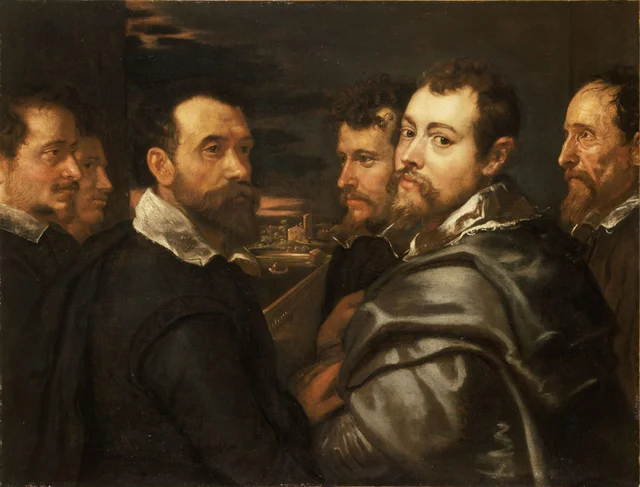 Autorretrato num círculo de amigos em MântuaPedro Paulo Rubens, 1602
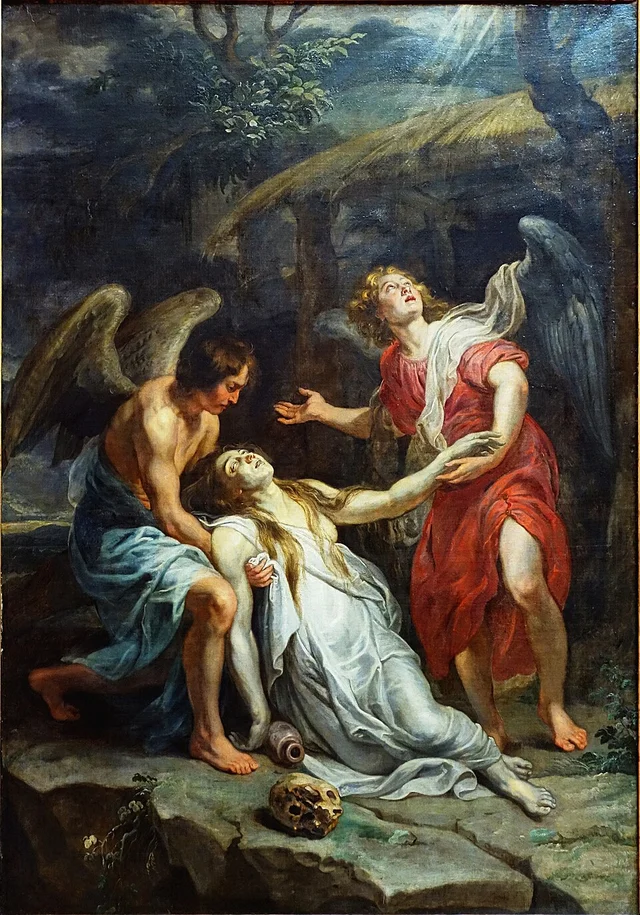 Santa Maria Madalena em êxtasePedro Paulo Rubens, 1620
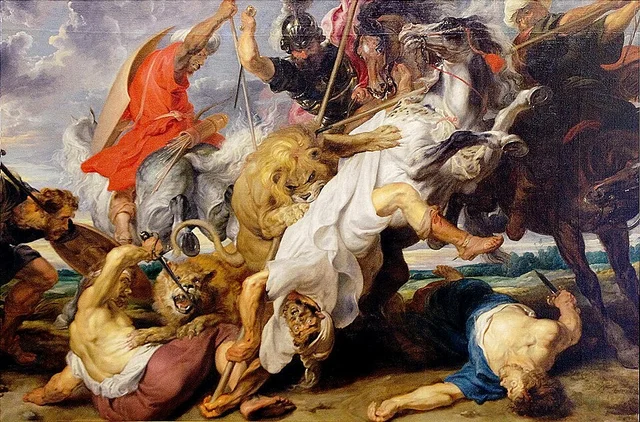 A caça ao leãoPedro Paulo Rubens, 1621
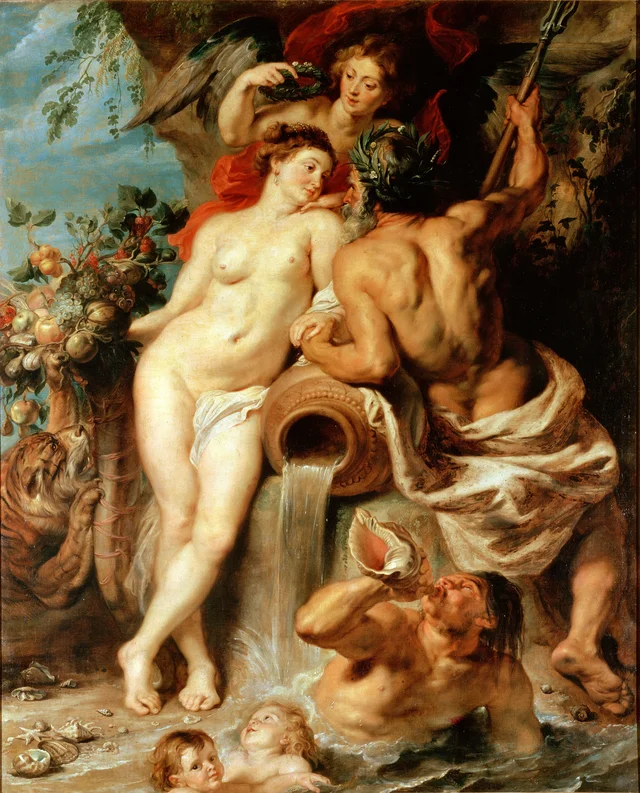 A união da Terra e da Água (Antuérpia e o Escalda)Pedro Paulo Rubens, 1618
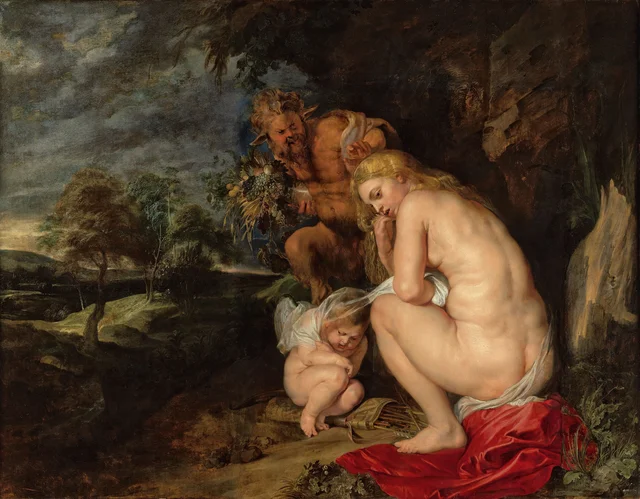 Vênus FrígidaPedro Paulo Rubens, 1614
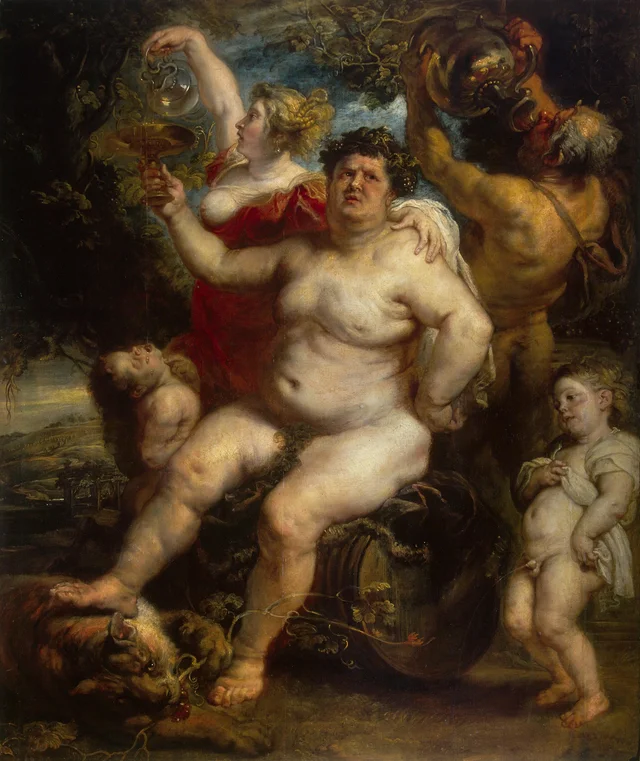 BacoPedro Paulo Rubens, 1638
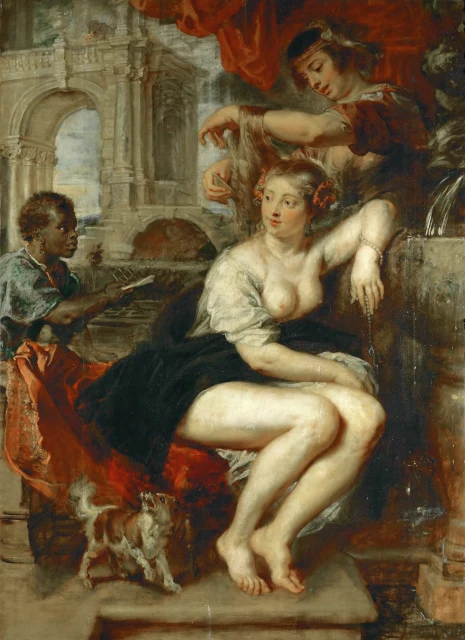 Betsabá no banhoPedro Paulo Rubens, 1635
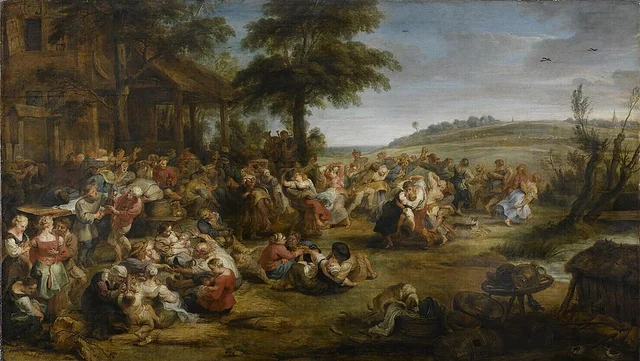 Camponeses em festa e dançaPedro Paulo Rubens, 1635
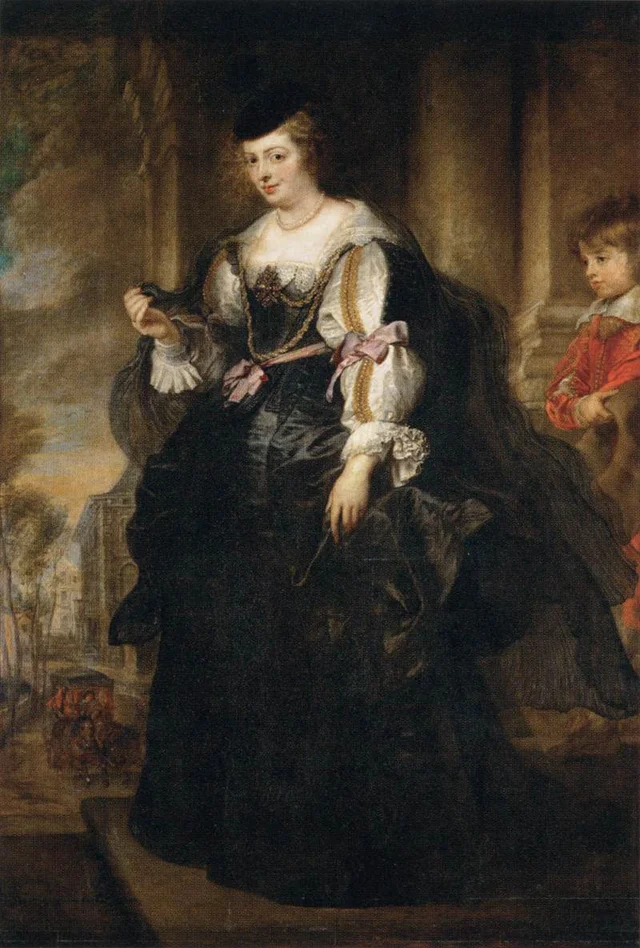 Helena Fourment com uma CarruagemPedro Paulo Rubens, 1639
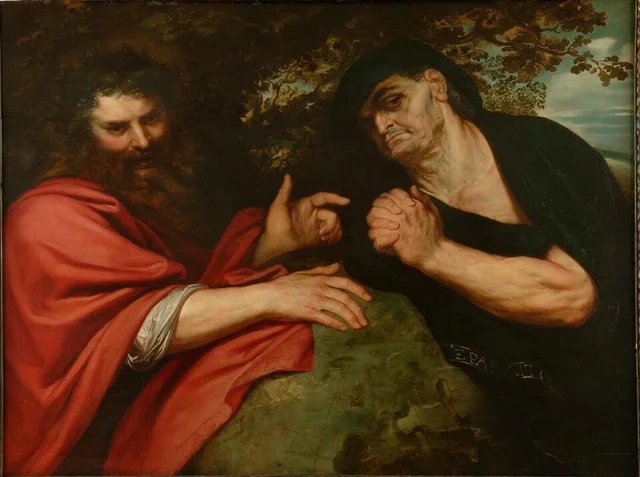 Heráclito e DemócritoPedro Paulo Rubens, 1603
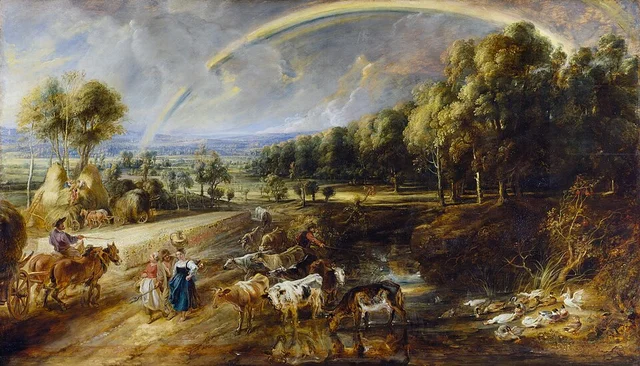 Paisagem com arco-írisPedro Paulo Rubens, 1636
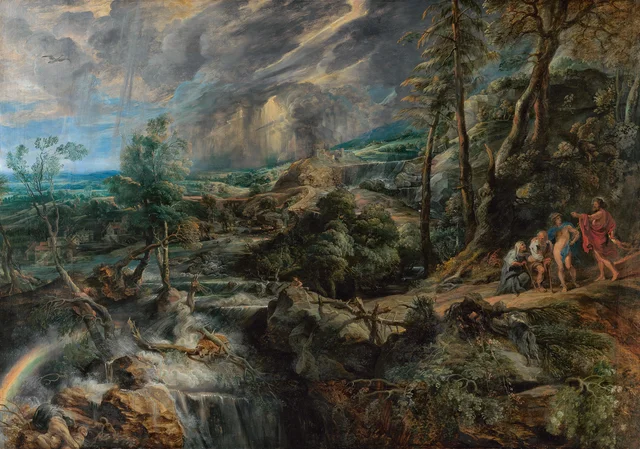 Paisagem com Filêmon e BáucisPedro Paulo Rubens, 1620
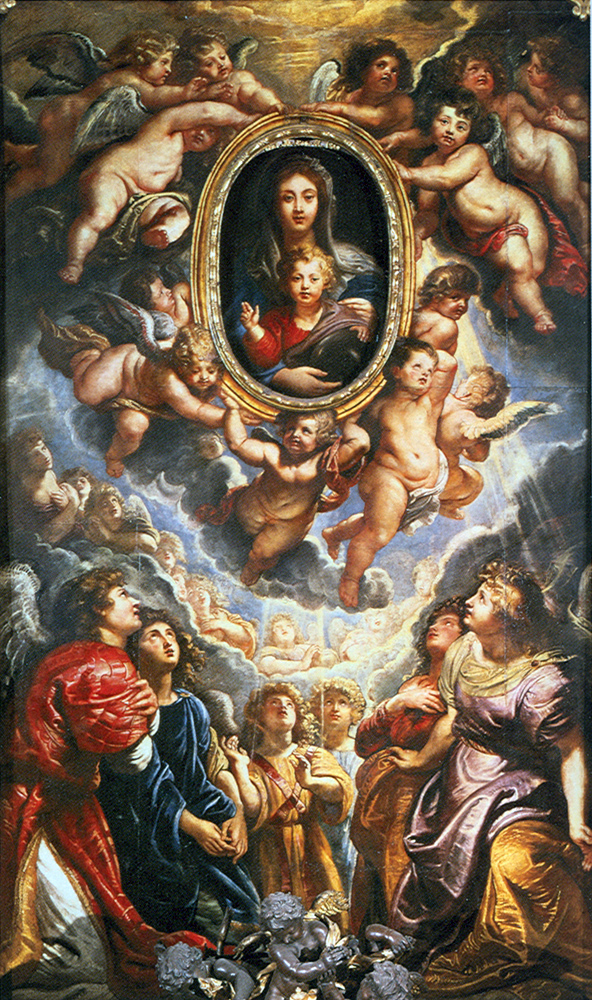 Madonna della VallicellaPedro Paulo Rubens, 1606
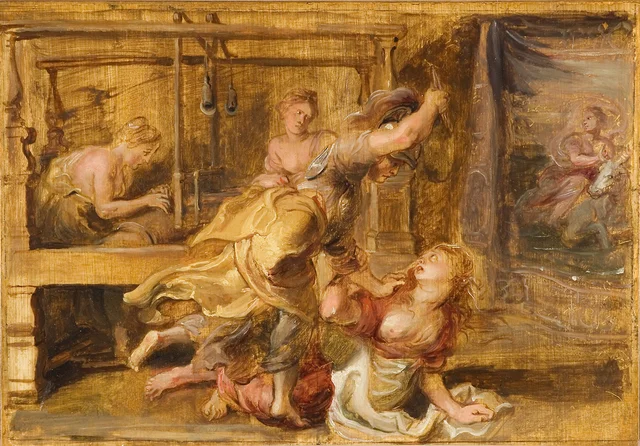 Palas e AracnePedro Paulo Rubens, 1637
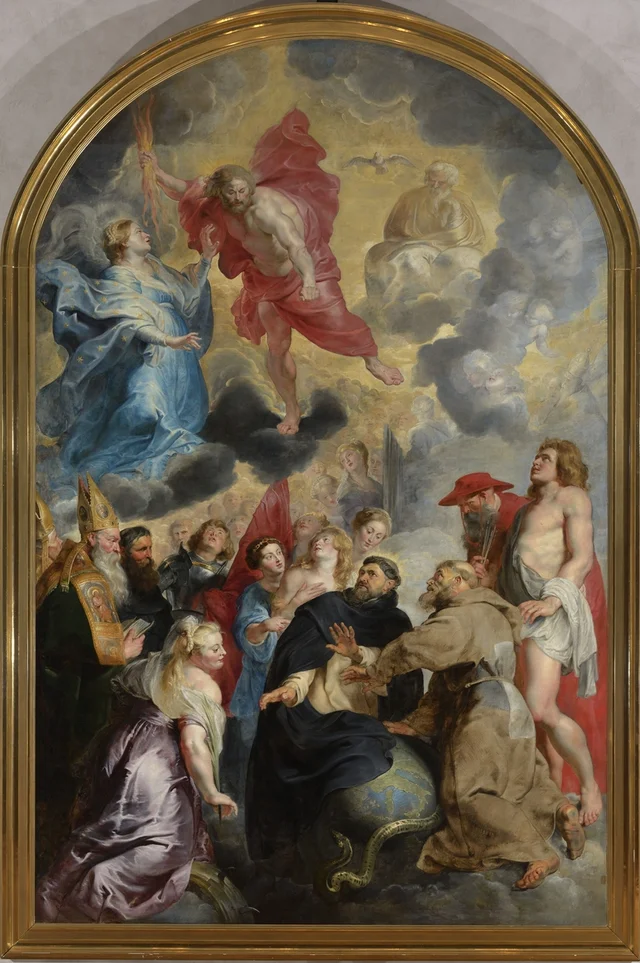 São Domingos e São Francisco protegendo o mundo da ira de CristoPedro Paulo Rubens, 1620
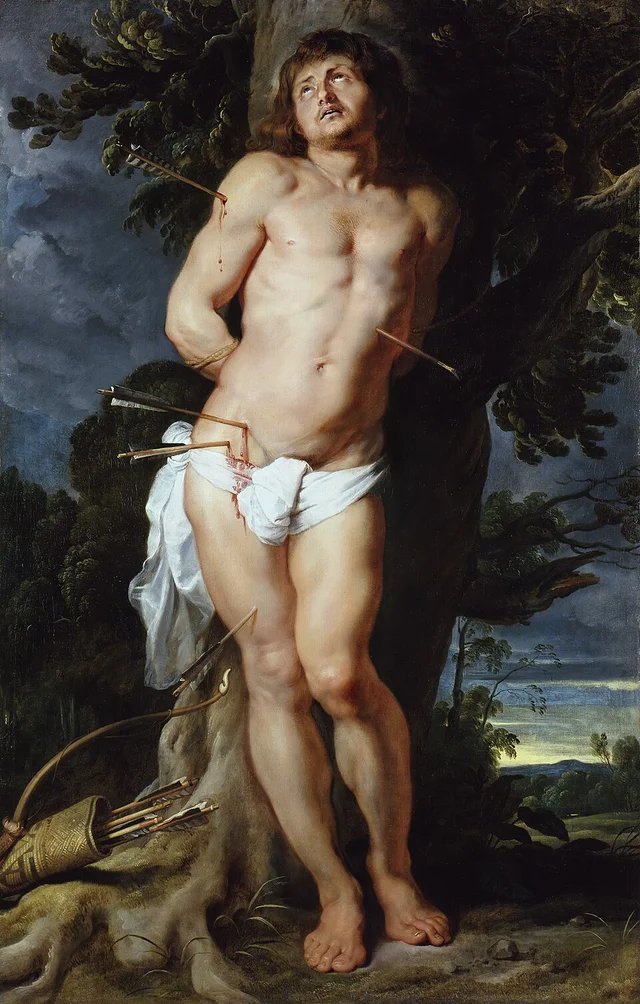 São SebastiãoPedro Paulo Rubens, 1618
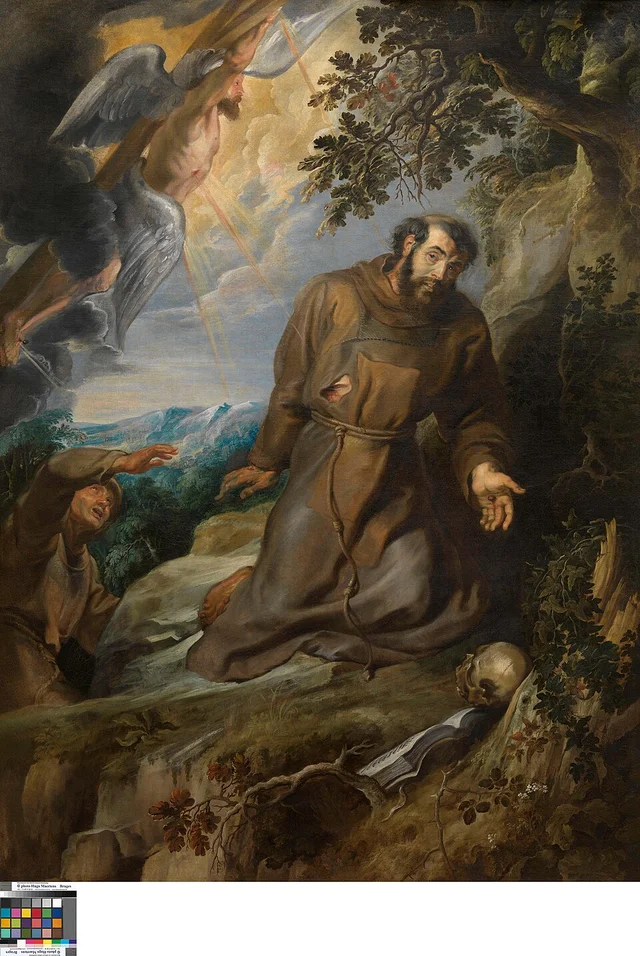 A estigmatização de são Francisco de AssisPedro Paulo Rubens, 1633
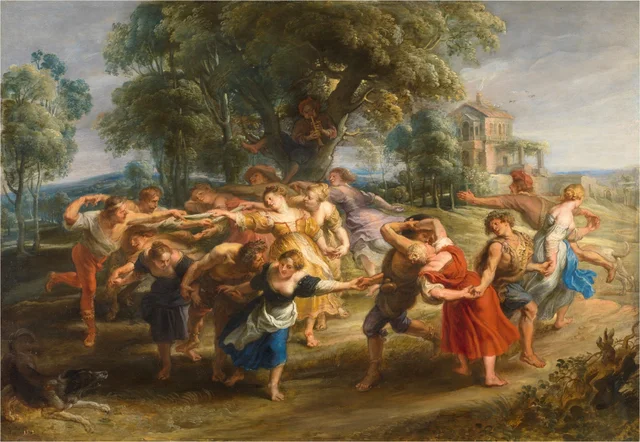 A dança dos aldeõesPedro Paulo Rubens, 1635
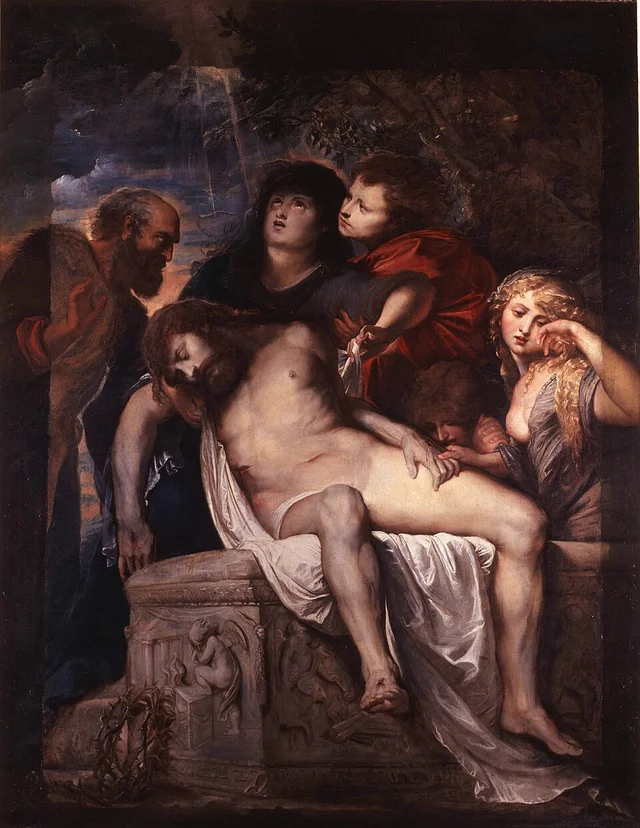 A descida da cruzPedro Paulo Rubens, 1602
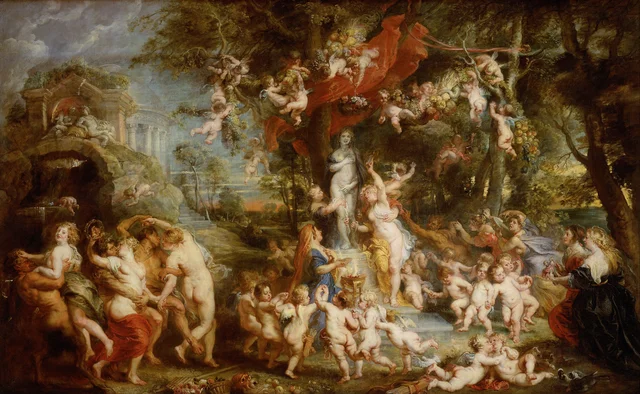 A festa de VênusPedro Paulo Rubens, 1636
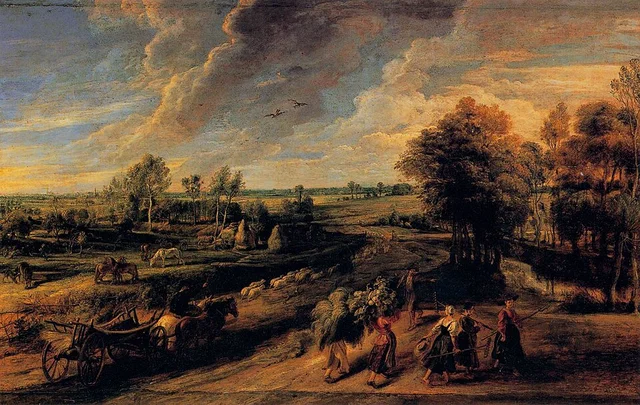 O Regresso dos Camponeses dos CamposPedro Paulo Rubens, 1640
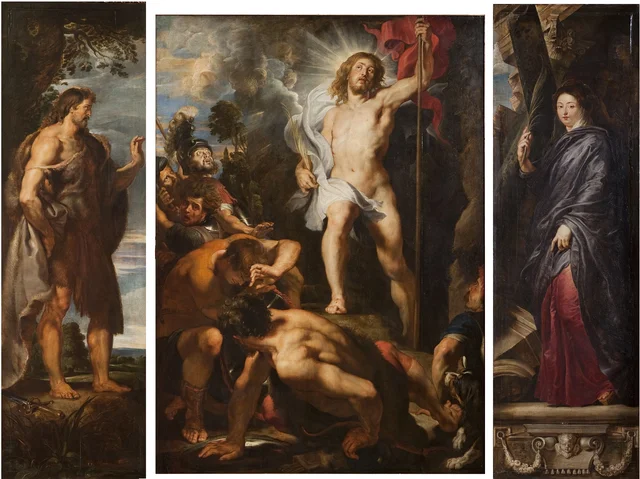 A Ressurreição de CristoPedro Paulo Rubens, 1611
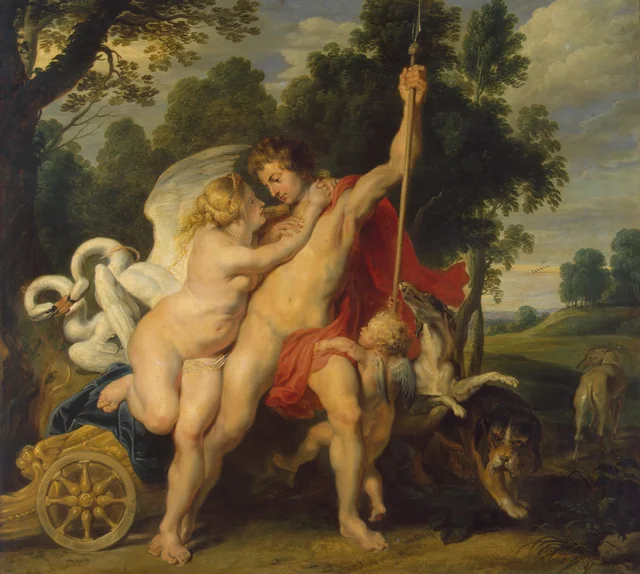 Vênus e AdônisPedro Paulo Rubens, 1610
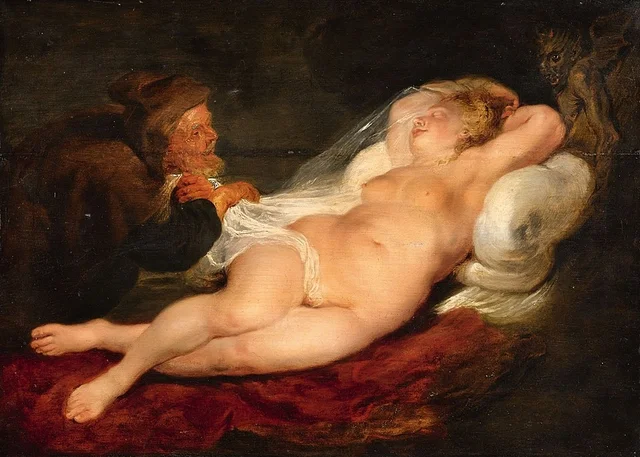 Angélica e o EremitaPedro Paulo Rubens, 1620
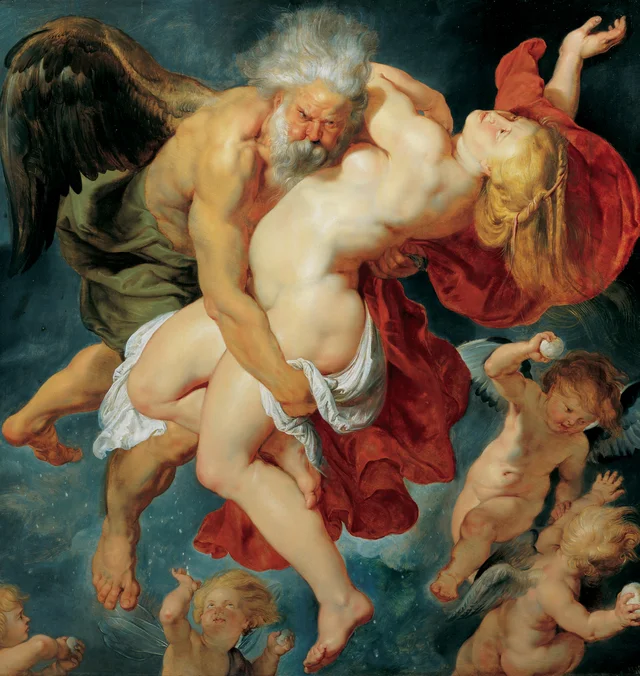 Bóreas Raptando OritiaPedro Paulo Rubens, 1620