音声ガイド
ストーリー
ルーヴルは要塞として始まった。フィリップ2世が1190年ごろ、中世のパリを守るためにセーヌ川右岸に築き、その後の数世紀を通じてフランス王たちはこれを王宮へと建て直していった。1682年、ルイ14世が宮廷をヴェルサイユへ移し、造りかけの広間を王室コレクションと、内部に住まう芸術家たちに残すまで続いた。
革命がこれを公共の美術館へ変えた。1793年8月10日、中央美術館が扉を開き、王室と教会から没収した美術を、入りたいと願うすべての市民に見せた。ナポレオンは遠征の戦利品でこれを満たし、つかのま自らの名にちなんで改称した。ワーテルローののち多くは返還されたが、理念は残った。研究のために整えられ、民衆に無料で開かれた国民のコレクションである。
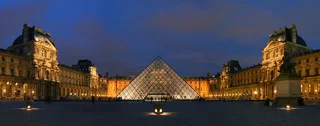
今日ルーヴルは、「ミロのヴィーナス」からジェリコーの「メデューズ号の筏」まで、3万5000点を超える作品を収める。だが群衆が押し寄せるのは、一枚の小さな肖像画へだ。1911年8月、それは消えた。かつて館で働いていたイタリア人の便利屋ヴィンチェンツォ・ペルッジャが、レオナルドの「モナ・リザ」を壁から外し、上着の下に抱えて持ち去ったのだ。2年のあいだ額縁は空のまま掛かり、来館者はその隙間を眺めに来た。絵はペルッジャがフィレンツェの画商に売ろうとしたのち、1913年にようやく戻った。1989年に中庭に据えられたイオ・ミン・ペイのガラスのピラミッドが、いまは入口を示している。
他の記事
コレクション
1174点の作品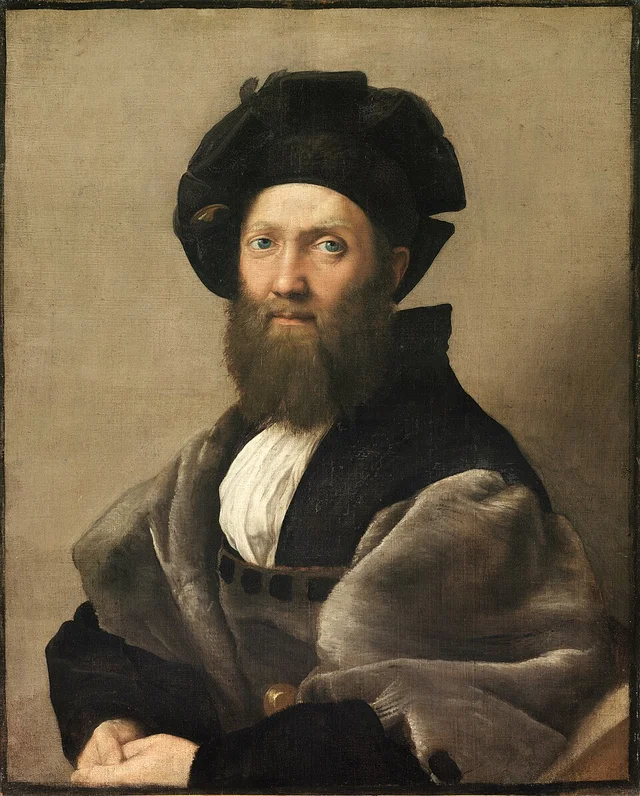 バルダッサーレ・カスティリオーネの肖像ラファエロ, 1515
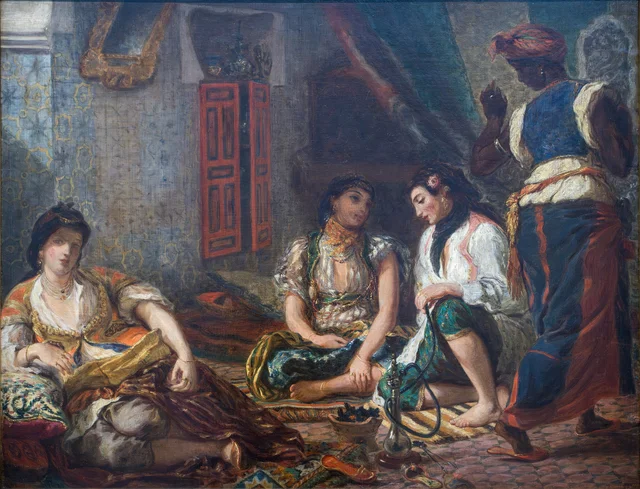 アルジェの女たちウジェーヌ・ドラクロワ, 1834
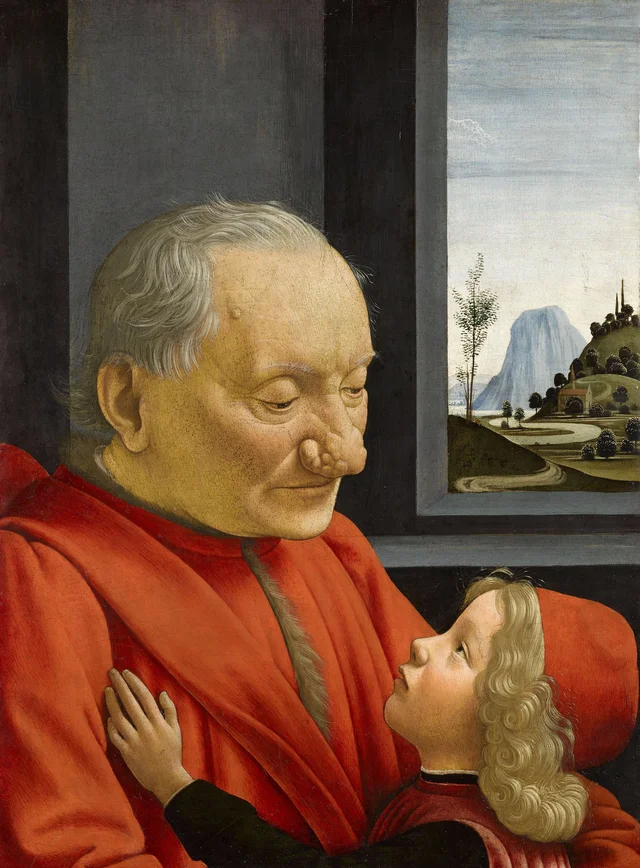 老人と孫ドメニコ・ギルランダイオ, 1490
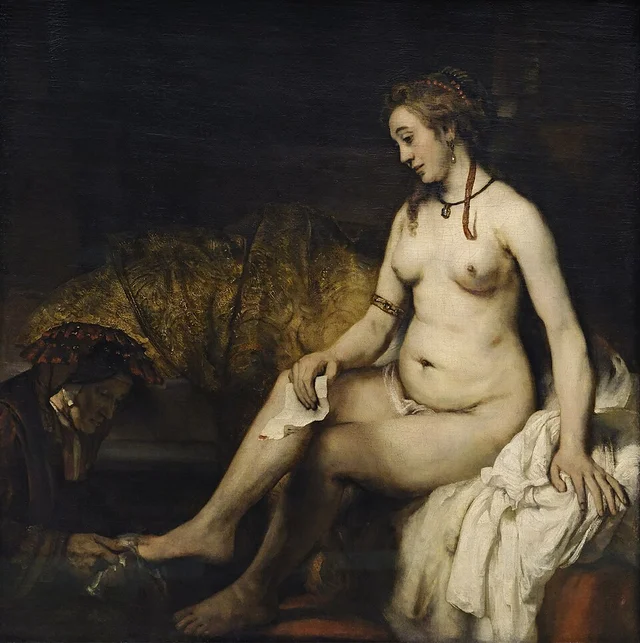 水浴するバテシバレンブラント, 1654
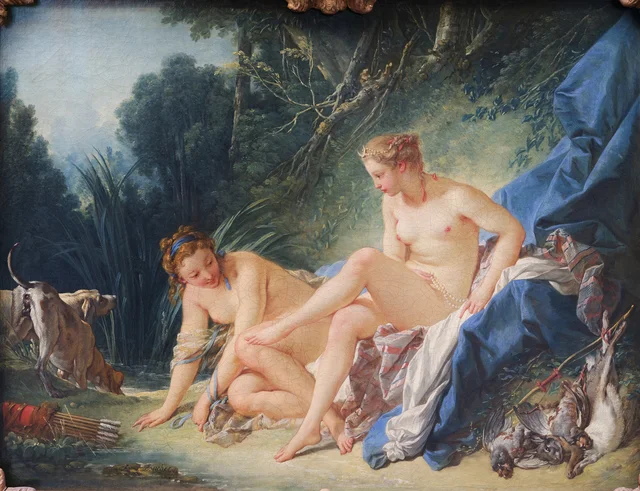 水浴を終えたディアナフランソワ・ブーシェ, 1742
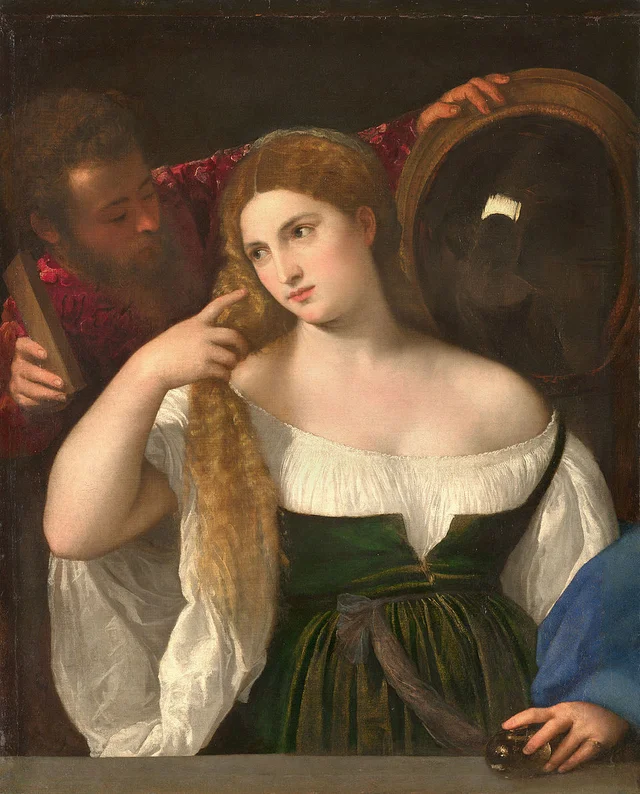 鏡を持つ女ティツィアーノ, 1515
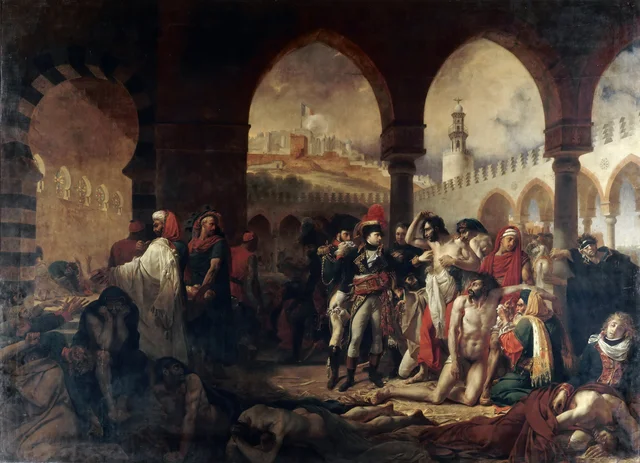 ジャッファのペスト患者を見舞うボナパルトアントワーヌ=ジャン・グロ, 1804
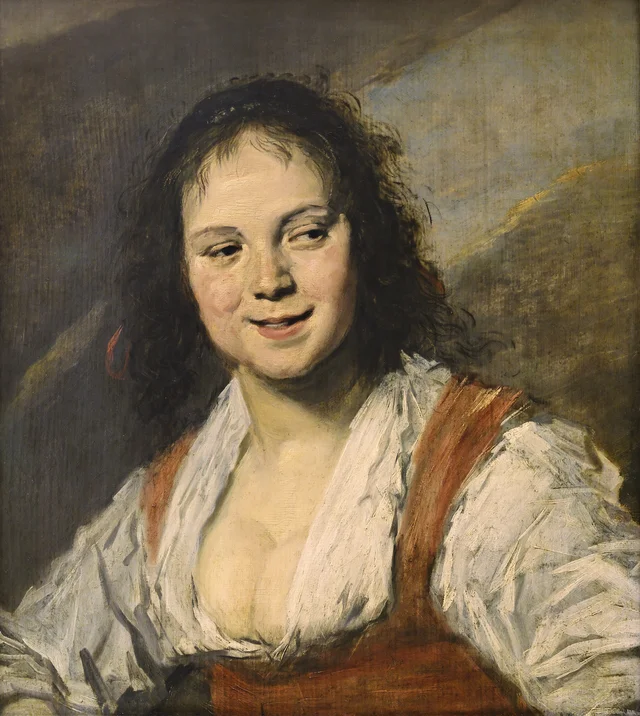 ジプシーの少女フランス・ハルス, 1628
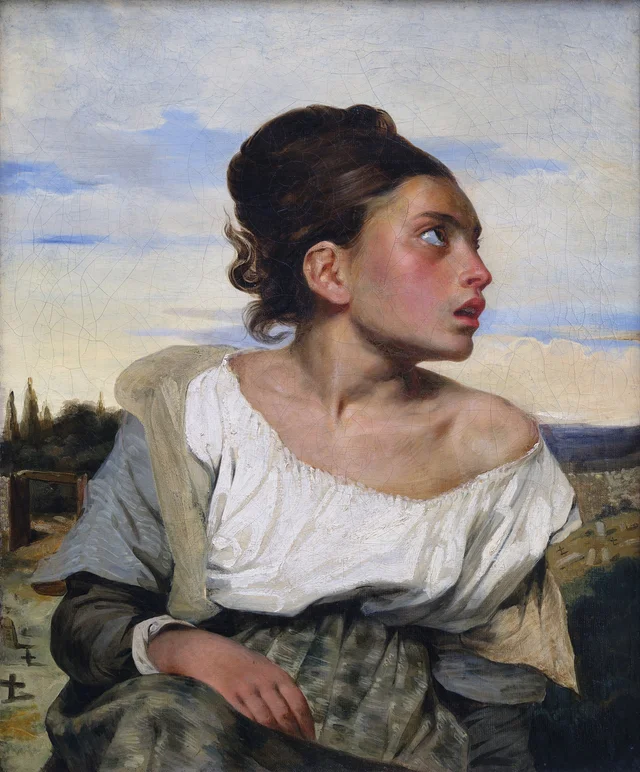 墓地の孤児ウジェーヌ・ドラクロワ, 1824
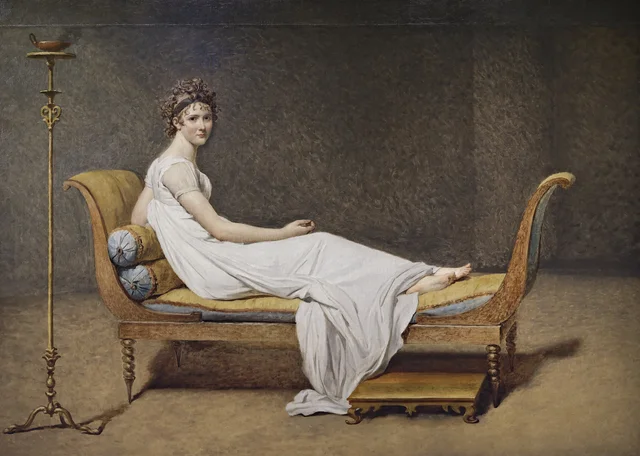 レカミエ夫人の肖像ジャック=ルイ・ダヴィッド, 1800
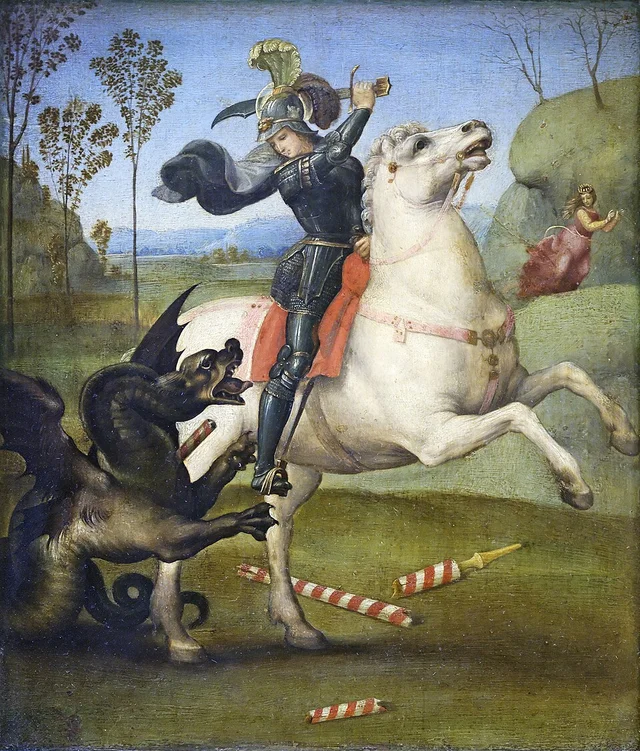 聖ゲオルギオスと竜ラファエロ, 1500
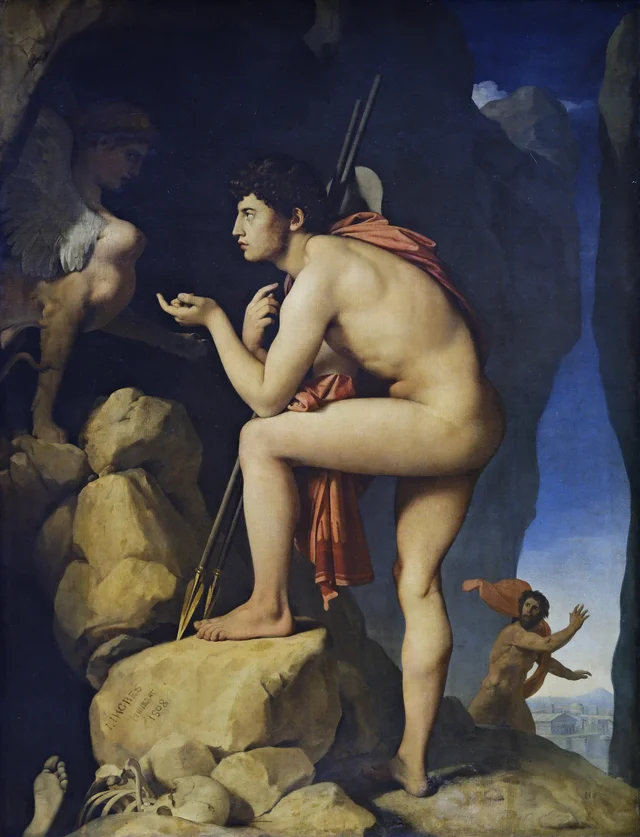 オイディプスとスフィンクスジャン=オーギュスト=ドミニク・アングル, 1808
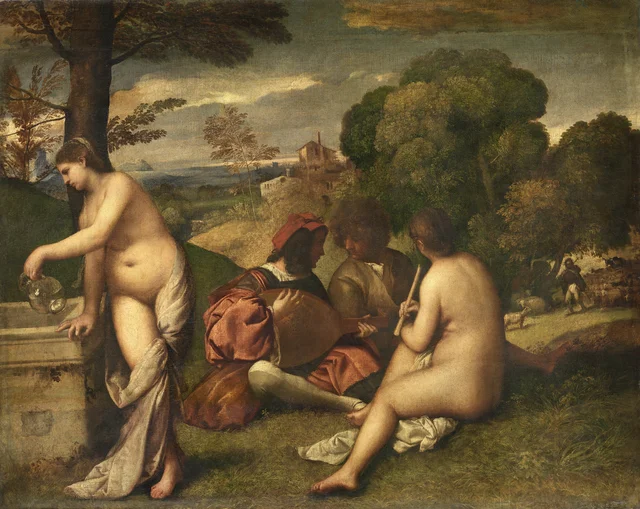 田園の奏楽ティツィアーノ, 1510
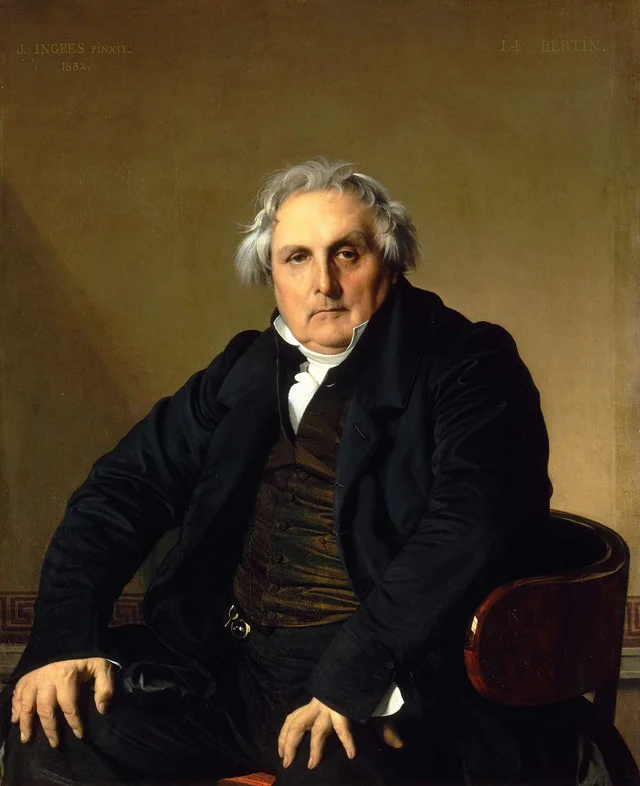 ベルタン氏の肖像ジャン=オーギュスト=ドミニク・アングル, 1832
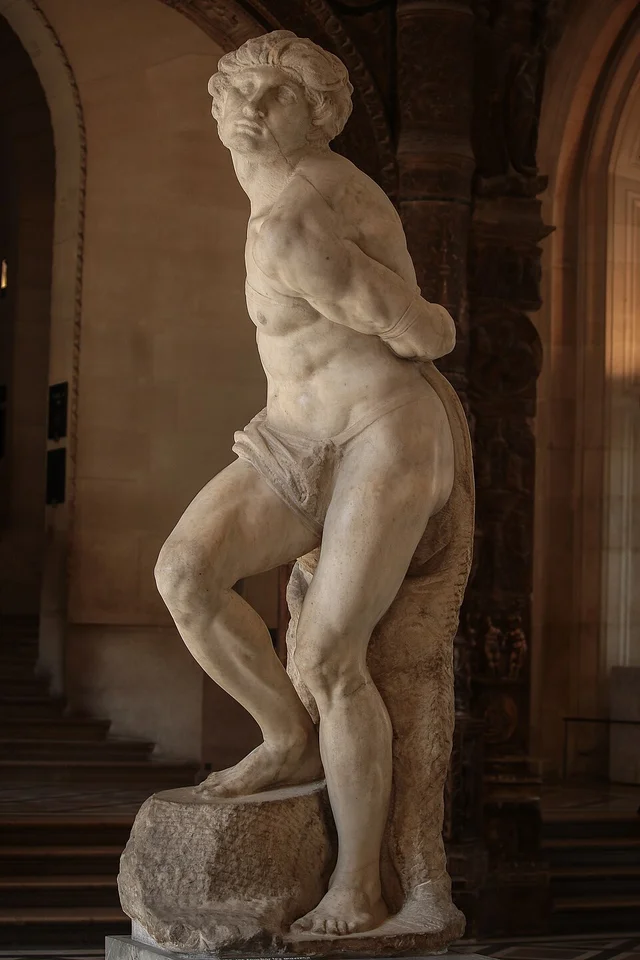 抵抗する奴隷ミケランジェロ, 1514
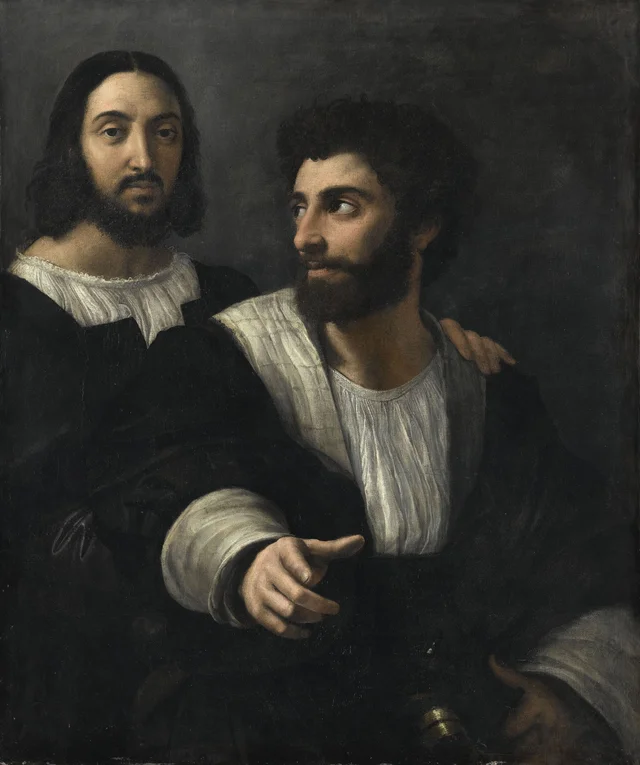 友人と一緒の自画像ラファエロ, 1519
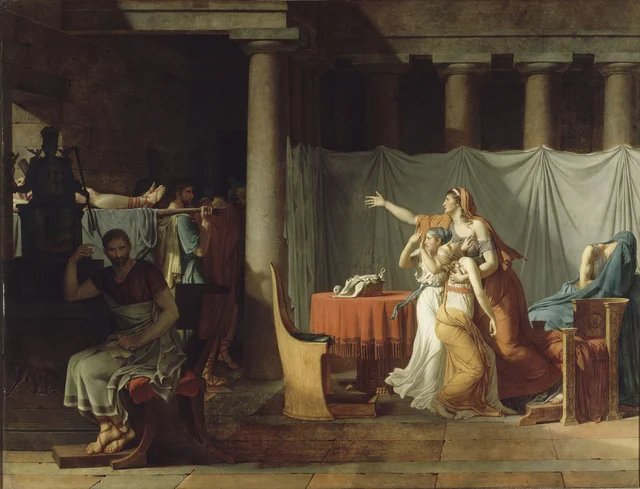 ブルートゥスのもとに息子たちの遺骸を運ぶ警吏たちジャック=ルイ・ダヴィッド, 1789
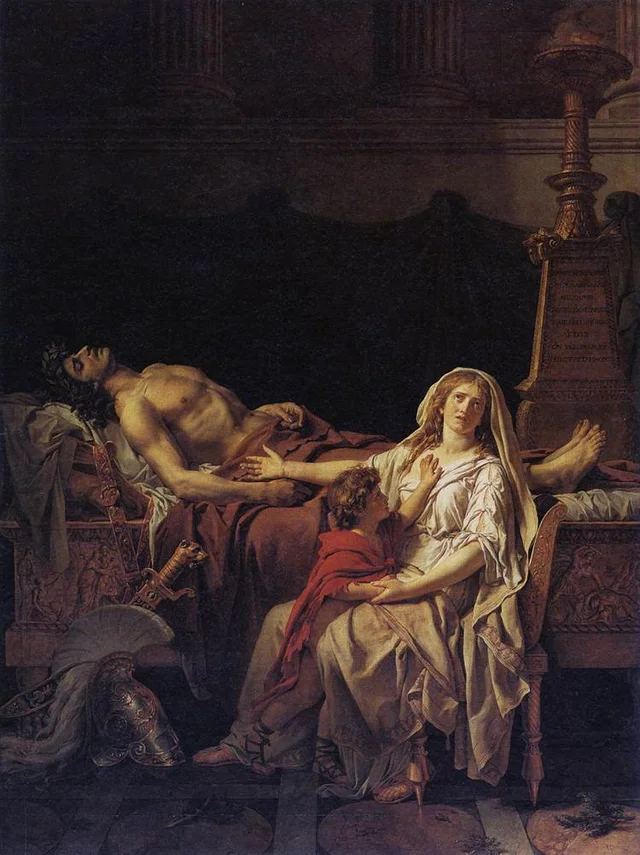 ヘクトルを悼むアンドロマケジャック=ルイ・ダヴィッド, 1783
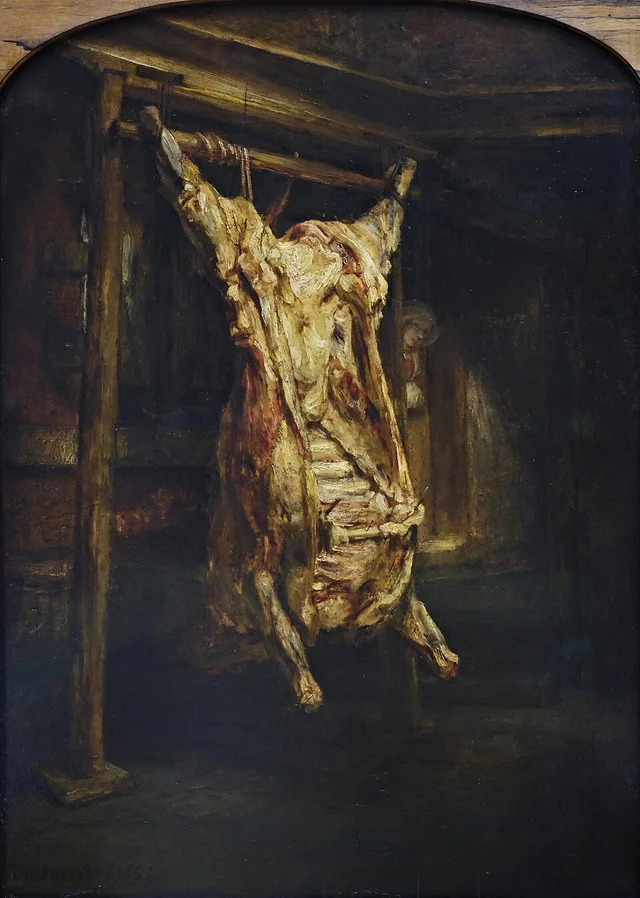 屠殺された牛レンブラント, 1655
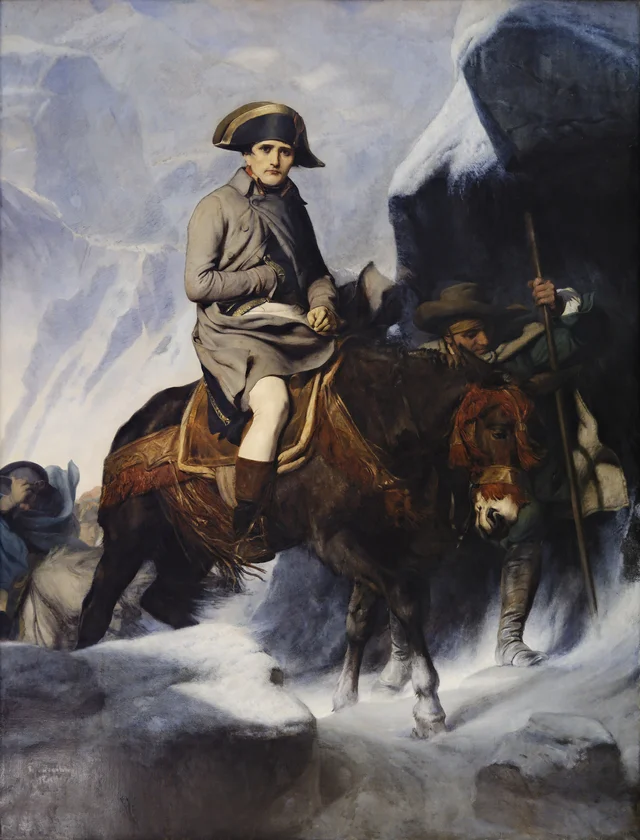 アルプスを越えるボナパルトポール・ドラローシュ, 1848
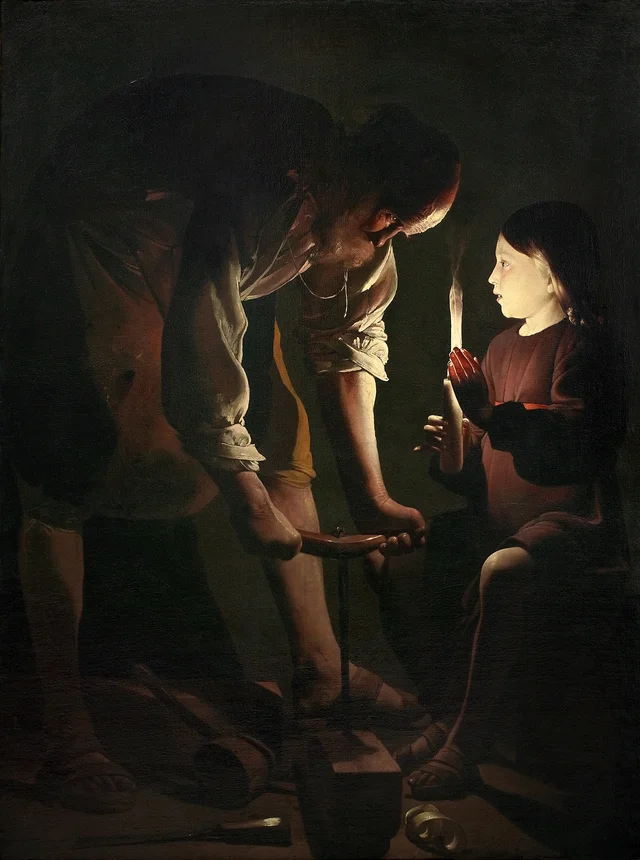 大工聖ヨセフジョルジュ・ド・ラ・トゥール, 1642
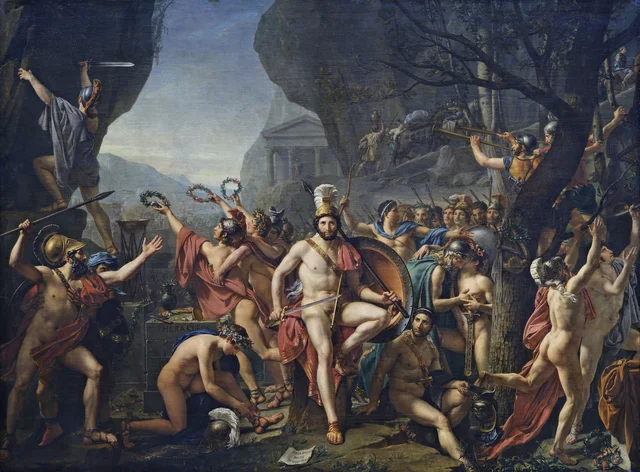 テルモピュライのレオニダスジャック=ルイ・ダヴィッド, 1814
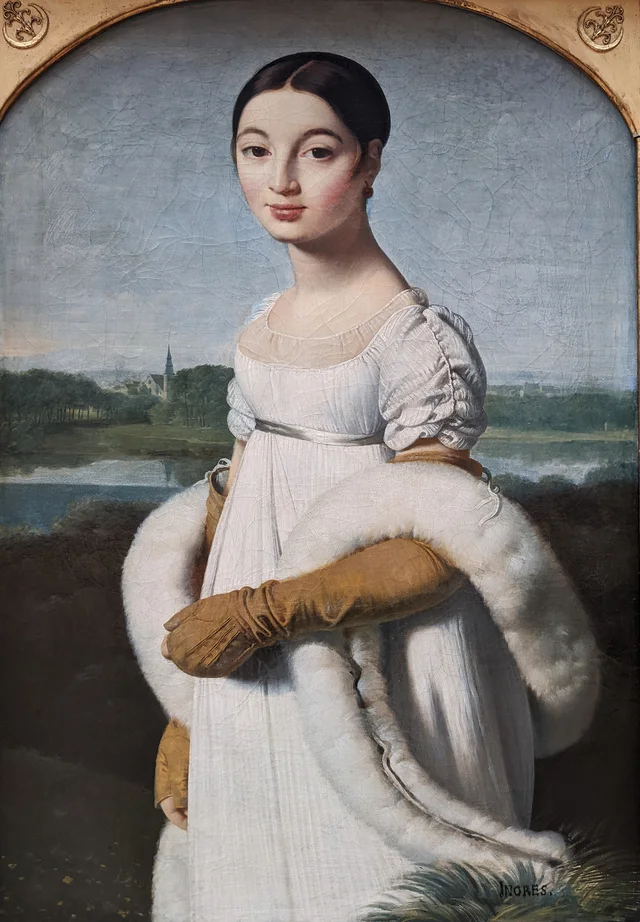 カロリーヌ・リヴィエール嬢ジャン=オーギュスト=ドミニク・アングル, 1806
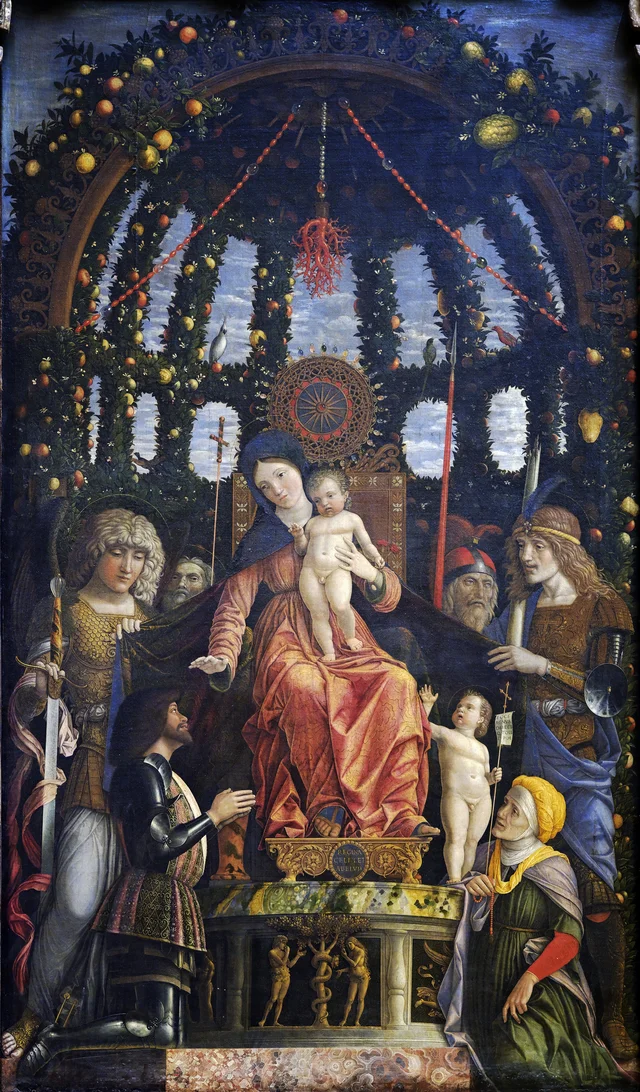 勝利の聖母アンドレア・マンテーニャ, 1495
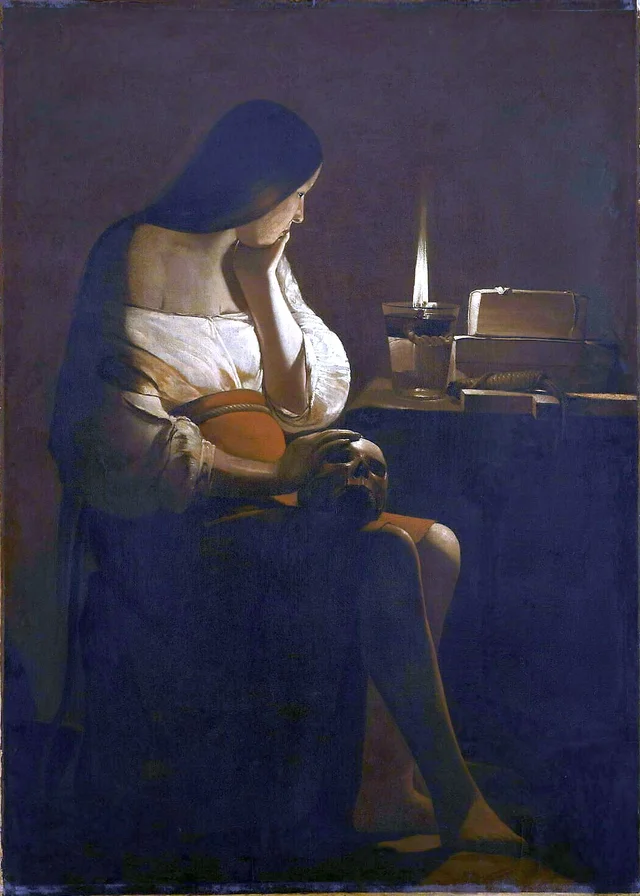 燻る炎のマグダラのマリアジョルジュ・ド・ラ・トゥール, 1642