
The story
The Louvre began as a fortress. Philip II raised it on the right bank of the Seine around 1190 to guard medieval Paris, and over the following centuries French kings rebuilt it into a royal palace, until Louis XIV moved his court to Versailles in 1682 and left the half-finished halls to the royal collection and the artists lodged inside.
The Revolution turned it into a public museum. On 10 August 1793 the Muséum central des arts opened its doors, showing the confiscated art of the crown and the church to any citizen who wished to walk in. Napoleon filled it with the spoils of his campaigns and briefly renamed it after himself. Much was returned after Waterloo, but the idea held, a national collection arranged for study and free to the public.
Today the Louvre holds more than 35,000 works, from the Venus de Milo to Géricault's Raft of the Medusa. The crowds, though, press toward one small portrait. In August 1911 it vanished: Vincenzo Peruggia, an Italian handyman who had worked in the museum, lifted Leonardo's Mona Lisa off the wall and carried it out under his coat. For two years the frame hung empty while visitors came to stare at the gap, and the painting returned only in 1913, after Peruggia tried to sell it to a dealer in Florence. I. M. Pei's glass pyramid, set in the courtyard in 1989, now marks the entrance.
More articles

Collection
1,174 works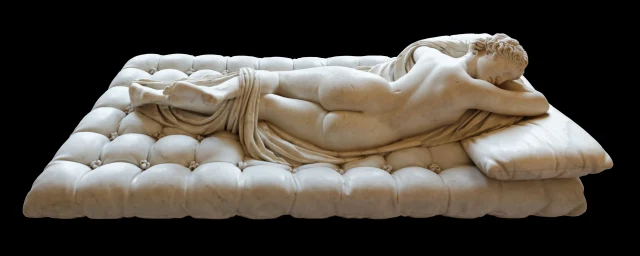 Sleeping HermaphroditusUnknown Roman sculptor (Imperial period), 125
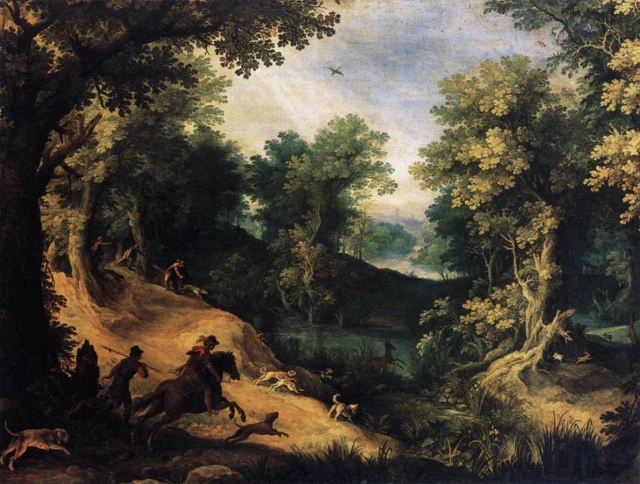 Stag HuntPaul Bril, 1592
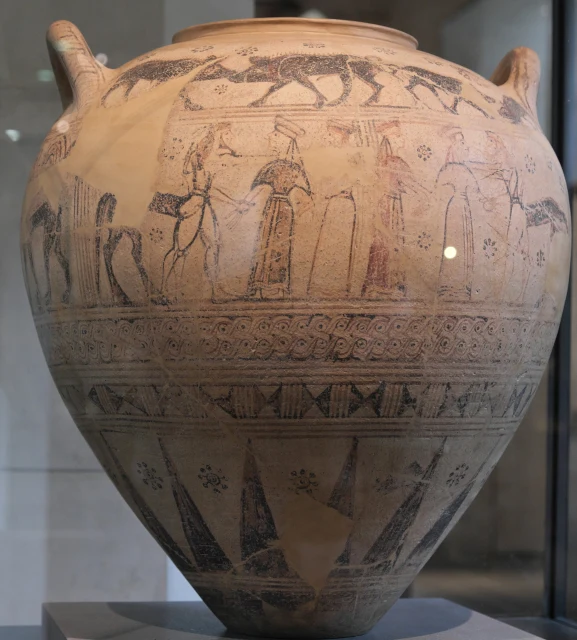 Stamnos with Theseus and the MinotaurUnknown Greek vase painter (Megara Hyblaea, Orientalizing period), -655
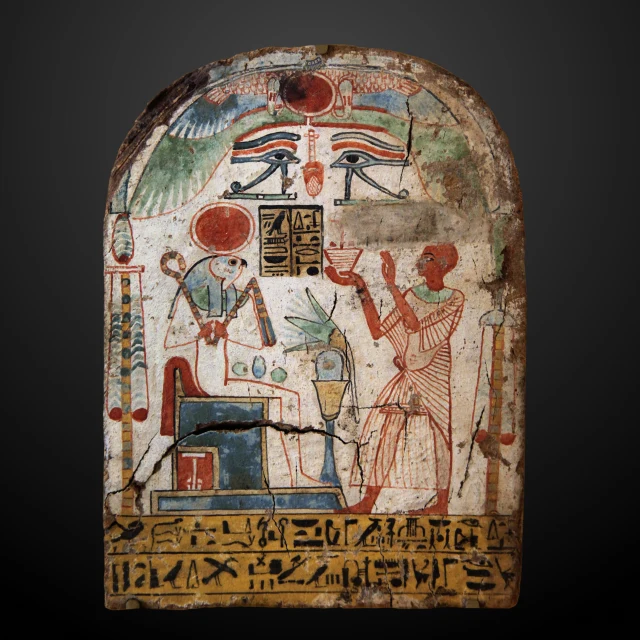 Stela of a Man Offering Incense to Ra-HorakhtyUnknown Egyptian artist (Third Intermediate Period), -837
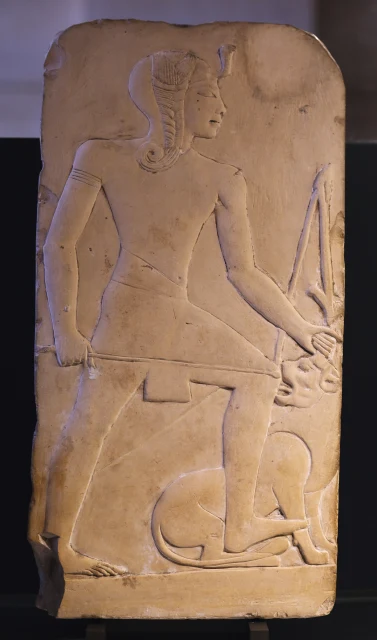 Stela of a Young Royal or Divine Figure Overpowering a LionUnknown Egyptian artist (Ramesside period), -1182
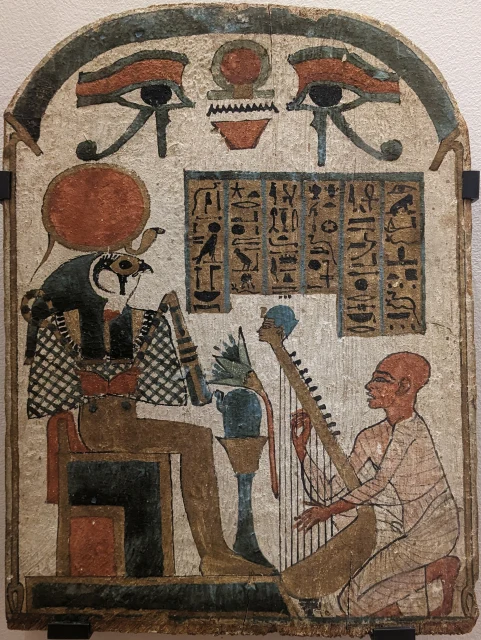 Stela of DjedkhonsuiufankhUnknown Egyptian artist (Third Intermediate Period), -867
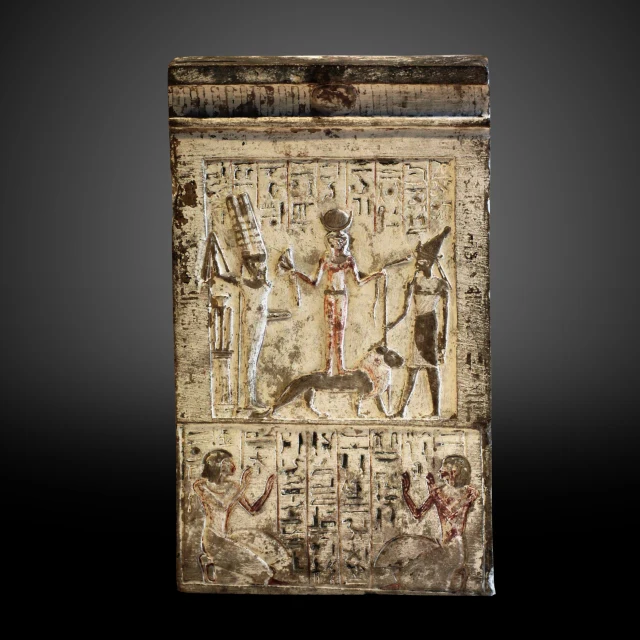 Stela of Huy with Qadesh, Min and ReshepUnknown Egyptian artist (Ramesside period), -1253
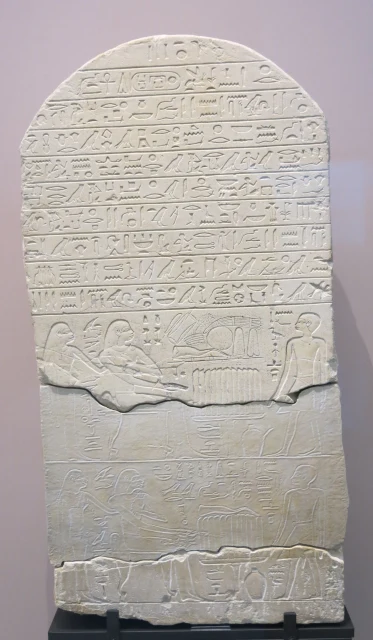 Stela of ImenyUnknown Egyptian artist (Middle Kingdom), -1883
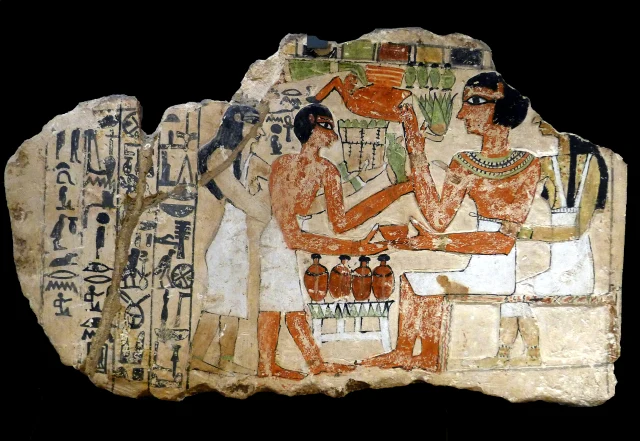 Stela of Iri Receiving an OfferingUnknown Egyptian artist (Middle Kingdom), -1882
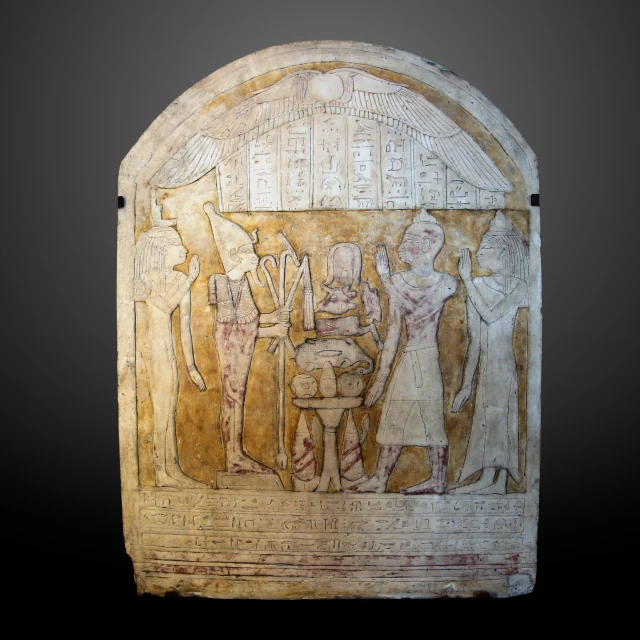 Stela of Khonsuirdis and His Wife Worshipping Osiris and IsisUnknown Egyptian artist (Late Period or Ptolemaic), -642
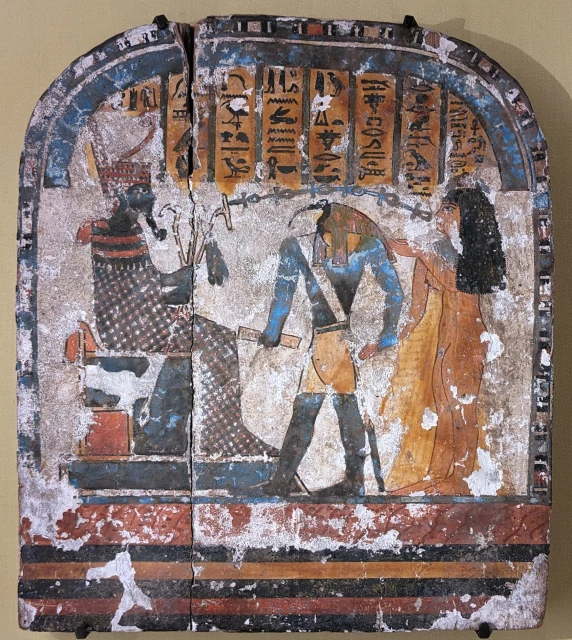 Stela of Lady Nestarut Led by Thoth before AtumUnknown Egyptian artist (Third Intermediate Period), -837
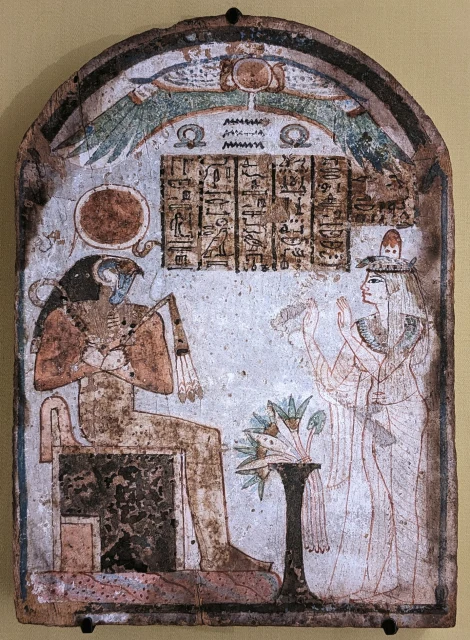 Stela of Lady Tachemes Worshipping Ra-HorakhtyUnknown Egyptian artist (Third Intermediate Period), -837
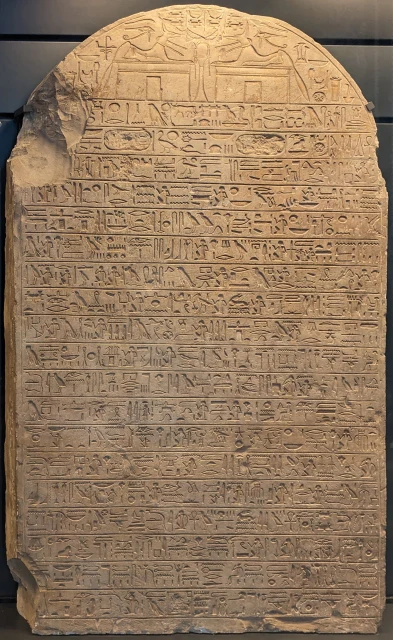 Stela of MinnakhtUnknown Egyptian artist (18th Dynasty), -1315
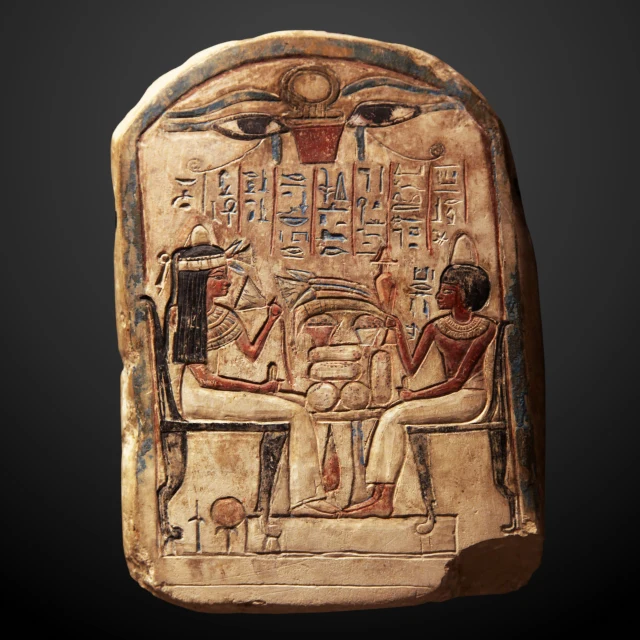 Stela of Pakaresy and Iset at the Funerary MealUnknown Egyptian artist (18th Dynasty), -1482
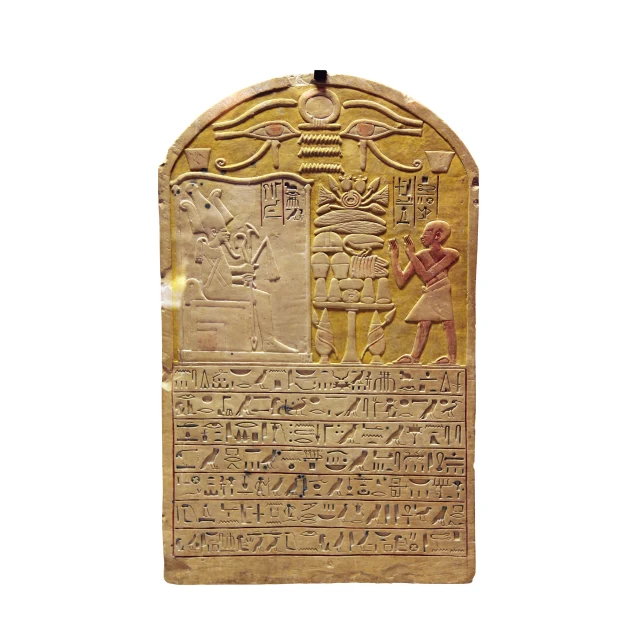 Stela of Pentcheny Worshipping OsirisUnknown Egyptian artist (18th Dynasty), -1482
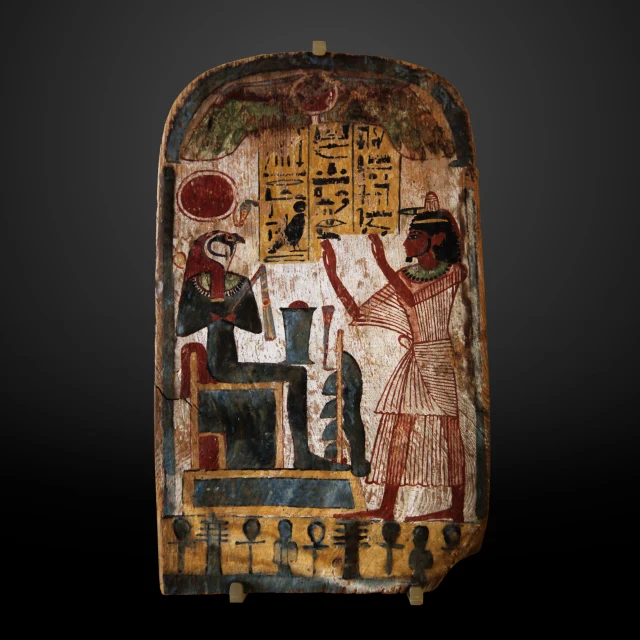 Stela of Renpetmaa Worshipping Ra-HorakhtyUnknown Egyptian artist (Third Intermediate Period), -837
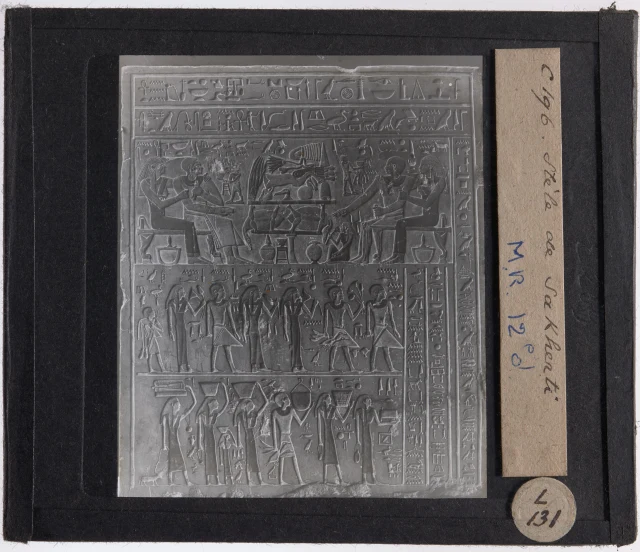 Stela of Sakherty, Overseer of the TreasuryUnknown Egyptian artist (Middle Kingdom), -1915
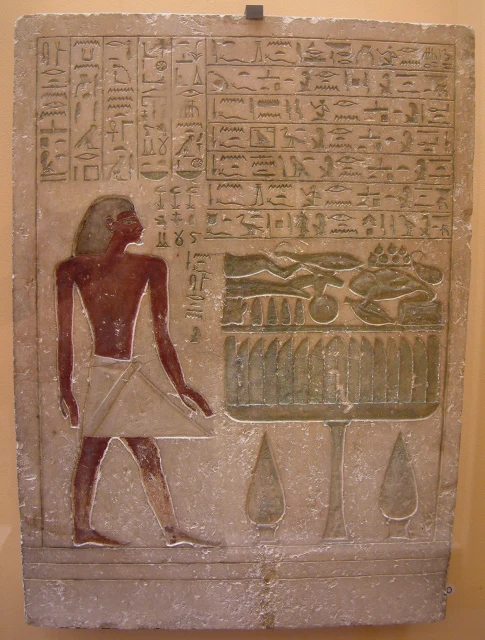 Stela of Senusret Before an Offering TableUnknown Egyptian artist (Middle Kingdom), -1915
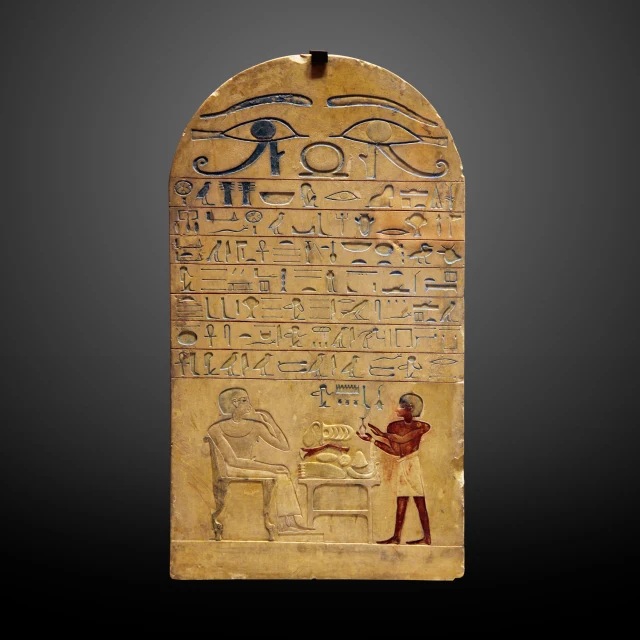 Stela of the Great Steward Iat with Uhemmenu Offering a DrinkUnknown Egyptian artist (18th Dynasty), -1500
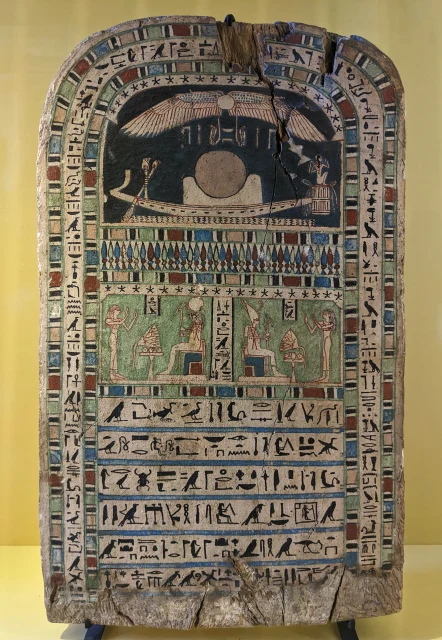 Stela of the Lady Udjarenes Worshipping the SunUnknown Egyptian artist (Late Period or Ptolemaic), -594
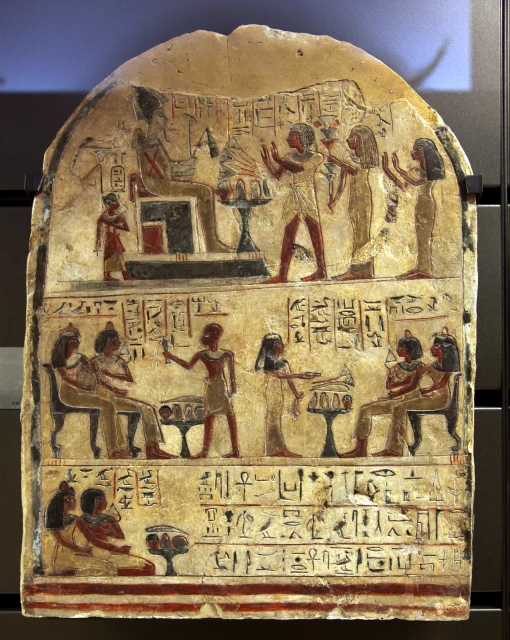 Stela of the Sailor Huy Worshipping Osiris and the Deified Amenhotep IUnknown Egyptian artist (18th Dynasty), -1387
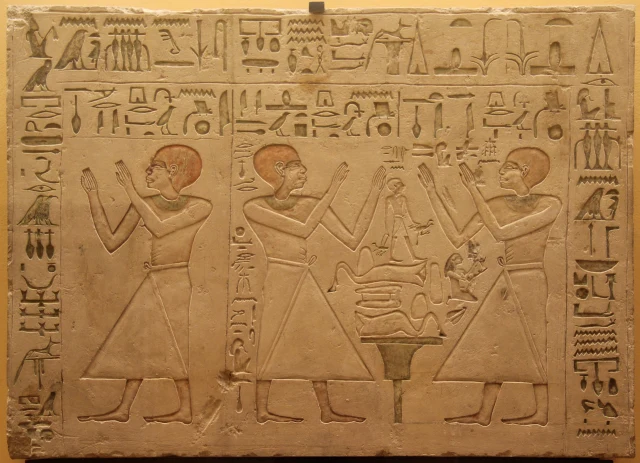 Stele of KhetyUnknown Egyptian artist (Middle Kingdom), -1922
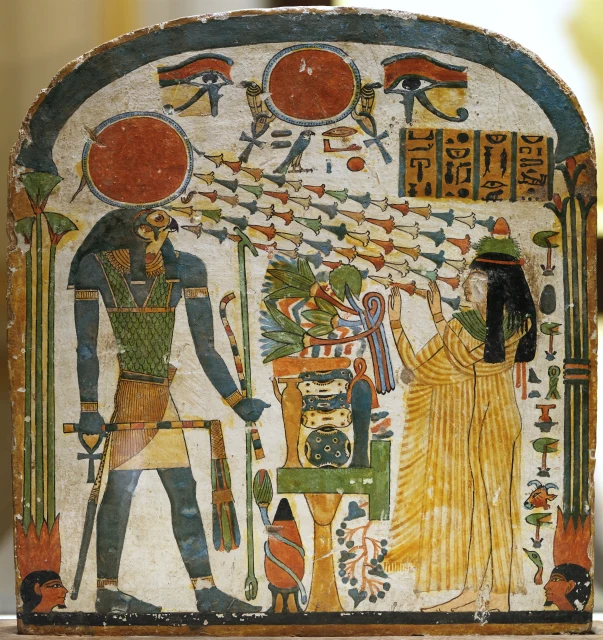 Stele of Lady TaperetUnknown Egyptian artist (Third Intermediate Period)
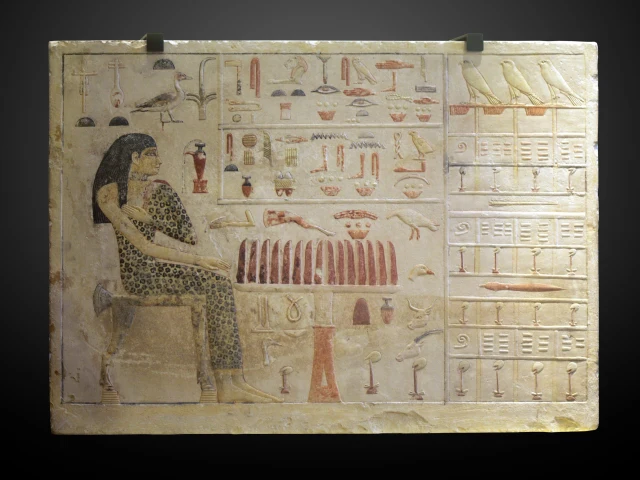 Stele of NefertiabetUnknown Egyptian artist (4th Dynasty), -2604
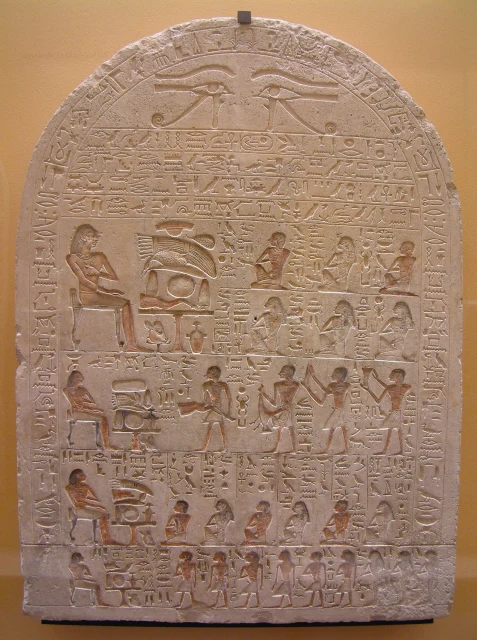 Stele of SasatetUnknown Egyptian artist (Middle Kingdom), -1838