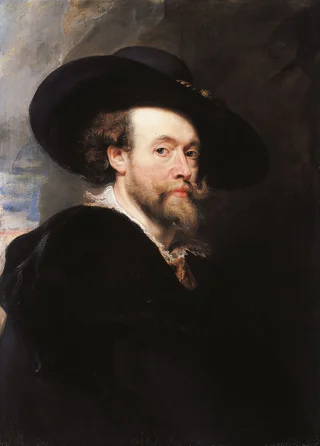
Pierre Paul Rubens
1577–1640 · Pays-Bas espagnols · Peinture baroque flamande
L'histoire
La plupart des grands peintres restaient à l'atelier. Rubens, lui, passa une bonne partie de sa carrière comme diplomate en exercice, et les deux métiers se nourrissaient l'un l'autre. Il parlait couramment plusieurs langues, évoluait sans peine parmi les princes, et dirigeait depuis Anvers, alors dans les Pays-Bas espagnols, l'atelier de peinture le plus actif d'Europe. Les rois lui confiaient bien davantage que des portraits.
L'exemple le plus net survient en 1629. L'Espagne et l'Angleterre étaient en guerre depuis des années, et Philippe IV d'Espagne envoya Rubens à Londres sous couvert d'un artiste en visite, une couverture qui lui permettait d'être reçu à la cour sans éveiller l'inquiétude tout en plaidant discrètement la cause espagnole. Pendant environ neuf mois, il travailla sur le roi Charles Ier, collectionneur d'art passionné, plaidant la paix entre les deux couronnes tout en peignant pour lui. L'un des tableaux qu'il y réalisa, une allégorie de la Paix et de la Guerre, faisait lui-même partie de l'argumentaire, montrant les bienfaits qu'apporte la paix et les ruines qu'emporte la guerre.
Cela fonctionna. Un traité entre l'Angleterre et l'Espagne fut signé en 1630, et avant que Rubens ne reparte, Charles l'anoblit. Philippe IV fit de même par la suite, si bien qu'il se retrouva chevalier des deux royaumes qu'il avait contribué à réconcilier. Il continua de peindre à un rythme considérable jusqu'à la fin, une bonne partie de l'ouvrage étant ébauchée par des assistants d'après ses compositions, et dans sa dernière décennie il acheta une maison de campagne au sud d'Anvers, le château de Steen, dont les champs et les ciels chargés de pluie emplissent les paysages qu'il peignit pour lui seul.
Autres articles
 Article · 48 min de lectureLe Mauritshuis à La Haye : 20 tableaux et comment ils y sont entrés
 Article · 46 min de lectureQue voir au Louvre : 25 œuvres majeures
 Article · 21 min de lectureMusée du Prado : les tableaux qui ont survécu à leurs mondes
 Article · 45 min de lectureLe musée Thyssen-Bornemisza : vingt tableaux achetés par un père et son fils
 Article · 40 min de lectureLa Pinacothèque de Brera : des saisies napoléoniennes à la Grande Brera
 Article · 47 min de lectureLa Gemäldegalerie de Berlin : 20 tableaux que Berlin a achetés, perdus et divisés
Œuvres
486 œuvres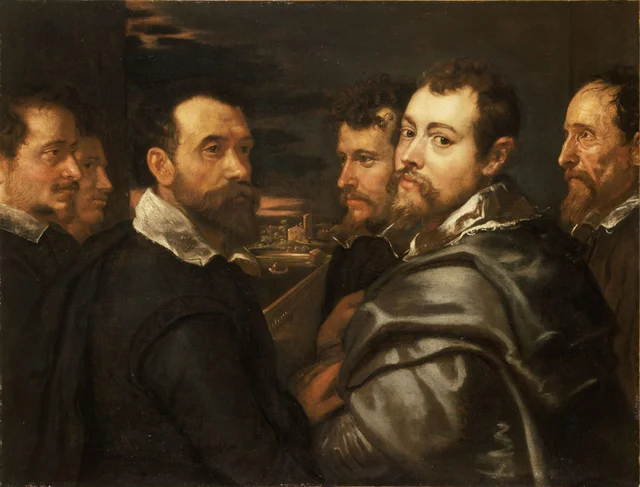 Autoportrait dans un cercle d'amis à MantouePierre Paul Rubens, 1602
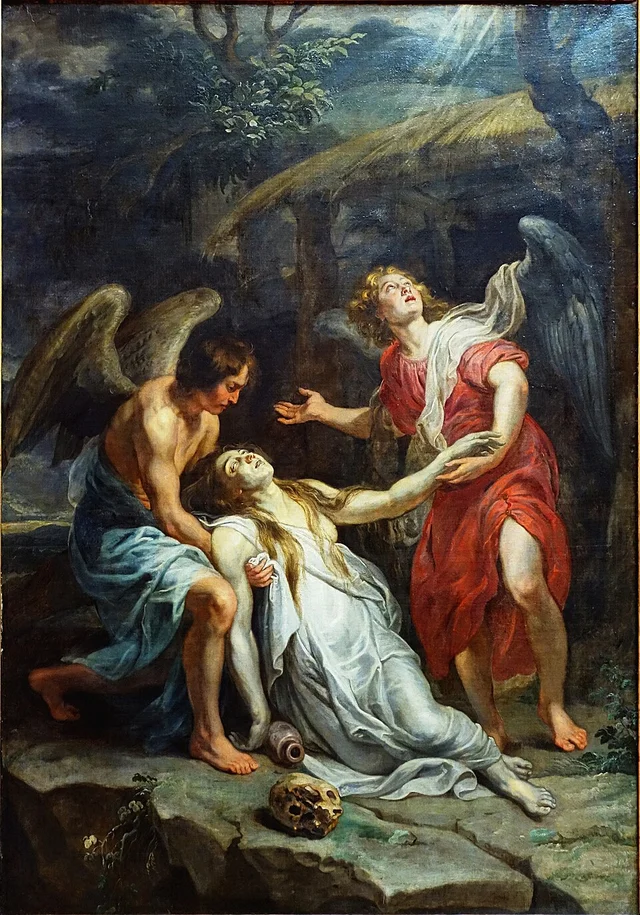 Sainte Marie-Madeleine en extasePierre Paul Rubens, 1620
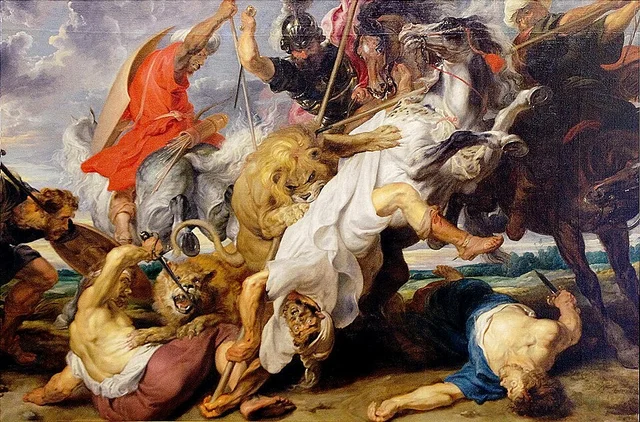 La Chasse au lionPierre Paul Rubens, 1621
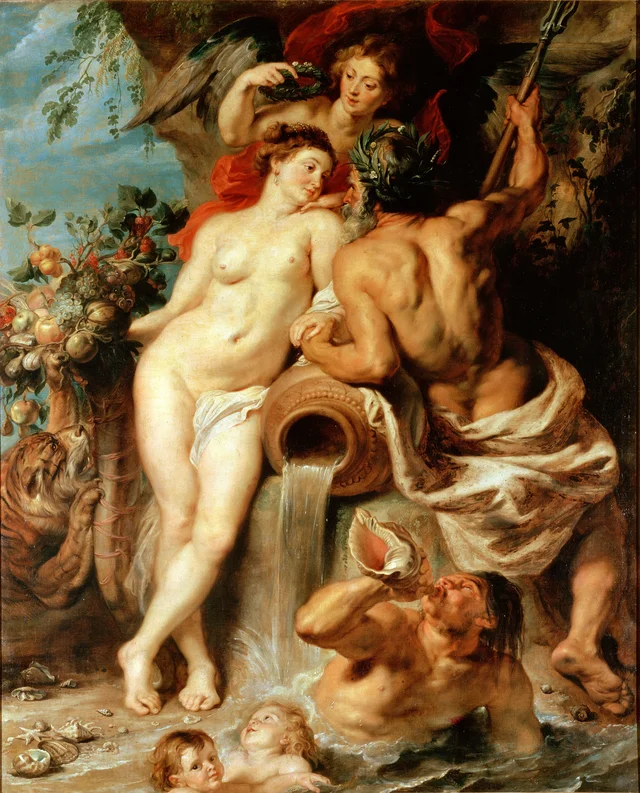 L'Union de la Terre et de l'Eau (Anvers et l'Escaut)Pierre Paul Rubens, 1618
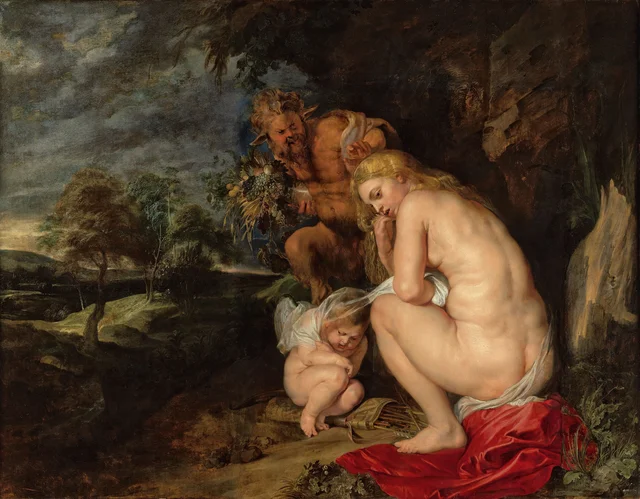 Vénus frigidaPierre Paul Rubens, 1614
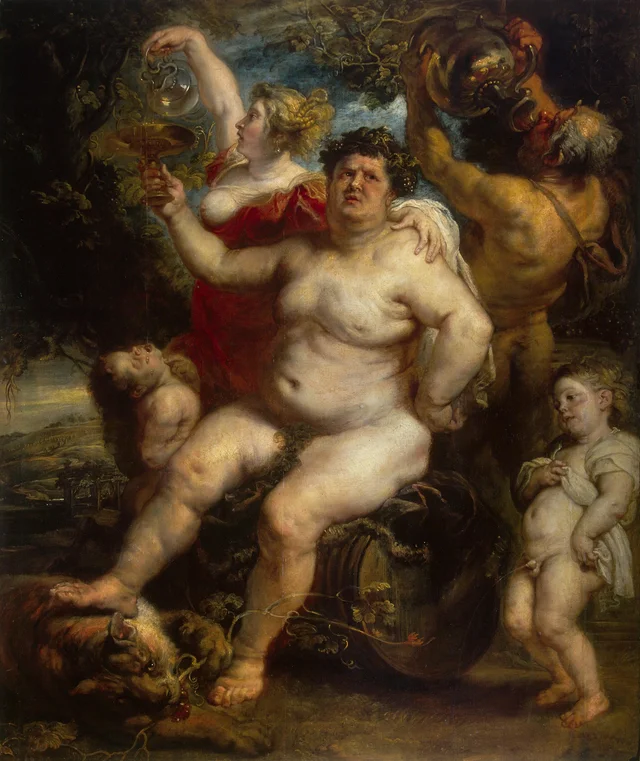 BacchusPierre Paul Rubens, 1638
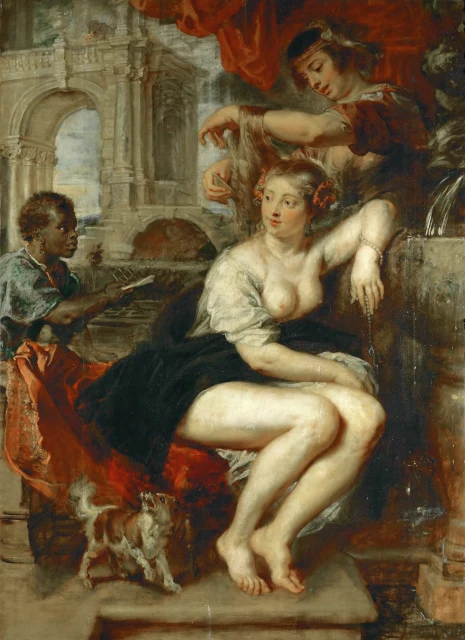 Bethsabée au bainPierre Paul Rubens, 1635
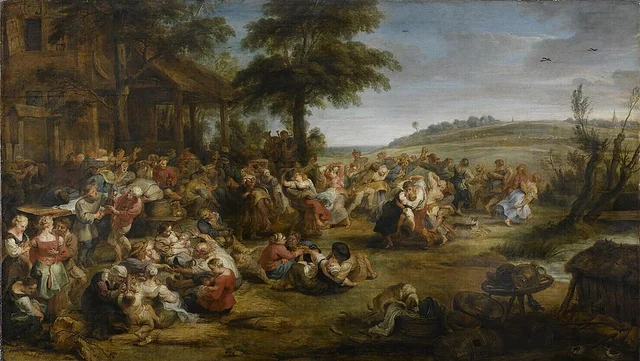 Kermesse (paysans festoyant et dansant)Pierre Paul Rubens, 1635
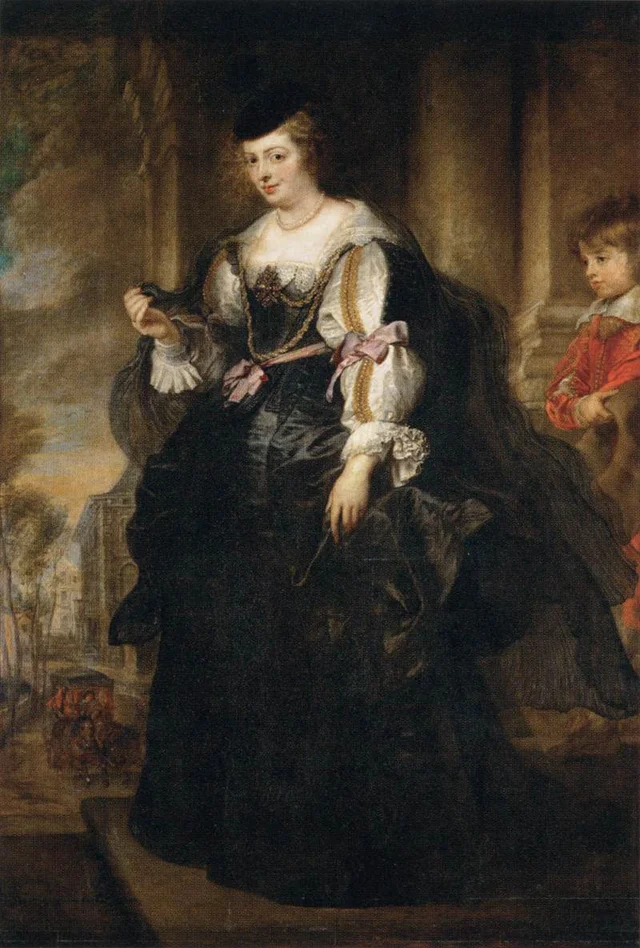 Hélène Fourment au carrossePierre Paul Rubens, 1639
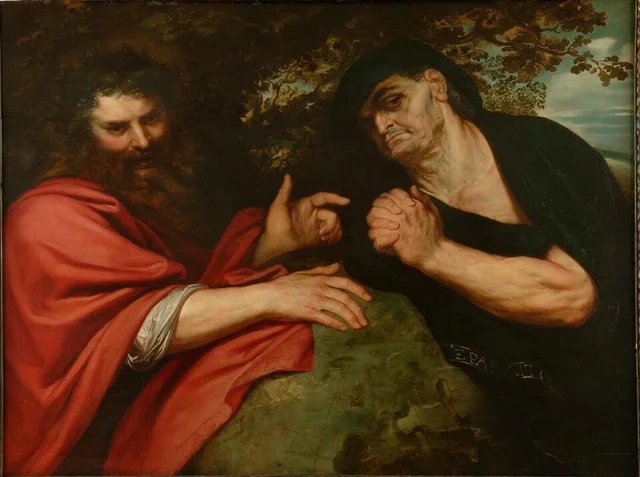 Héraclite et DémocritePierre Paul Rubens, 1603
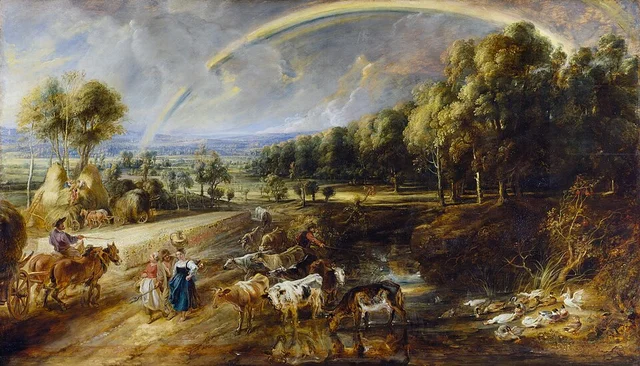 Paysage avec arc-en-cielPierre Paul Rubens, 1636
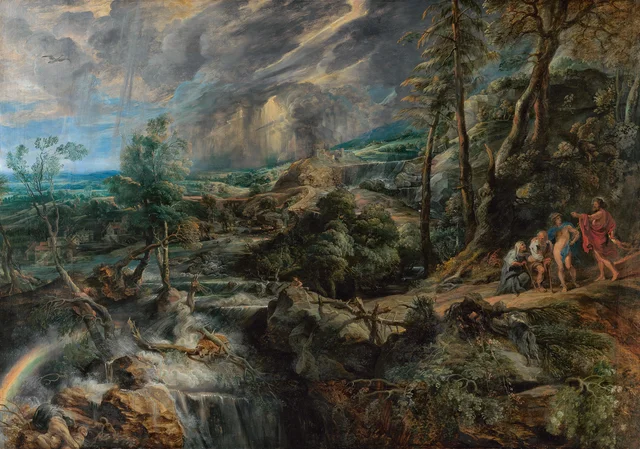 Paysage avec Philémon et BaucisPierre Paul Rubens, 1620
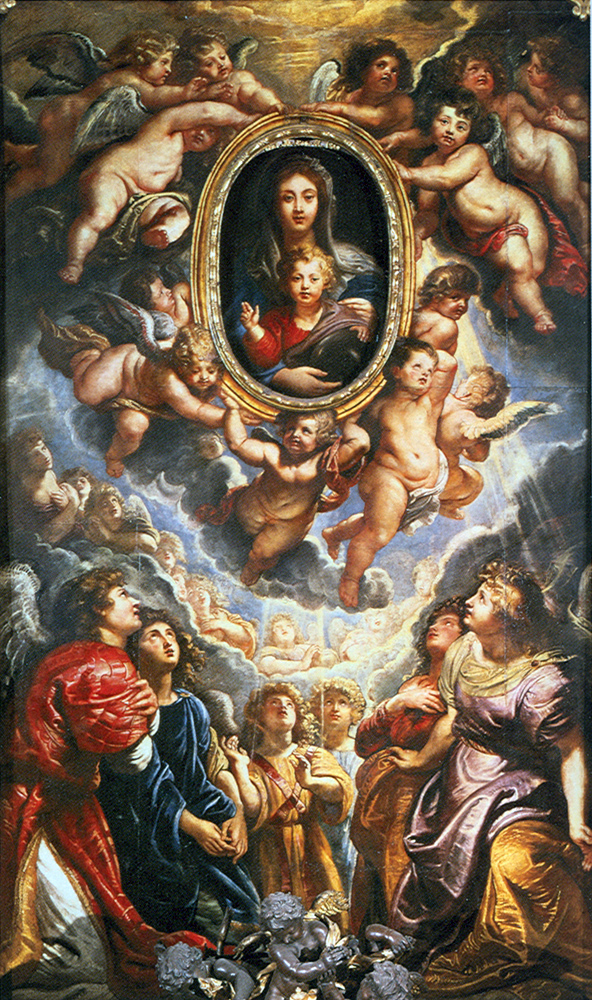 La Madone de la VallicellaPierre Paul Rubens, 1606
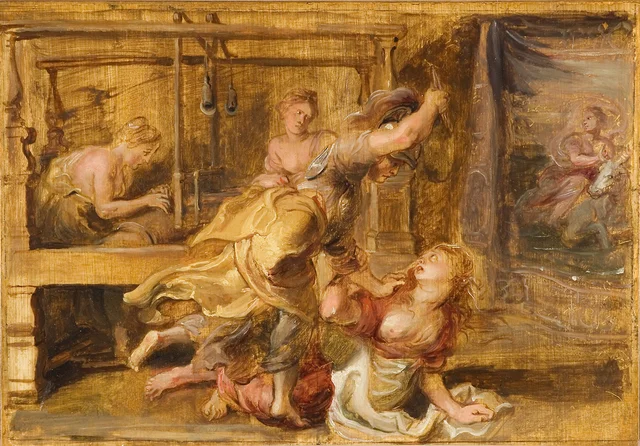 Pallas et ArachnéPierre Paul Rubens, 1637
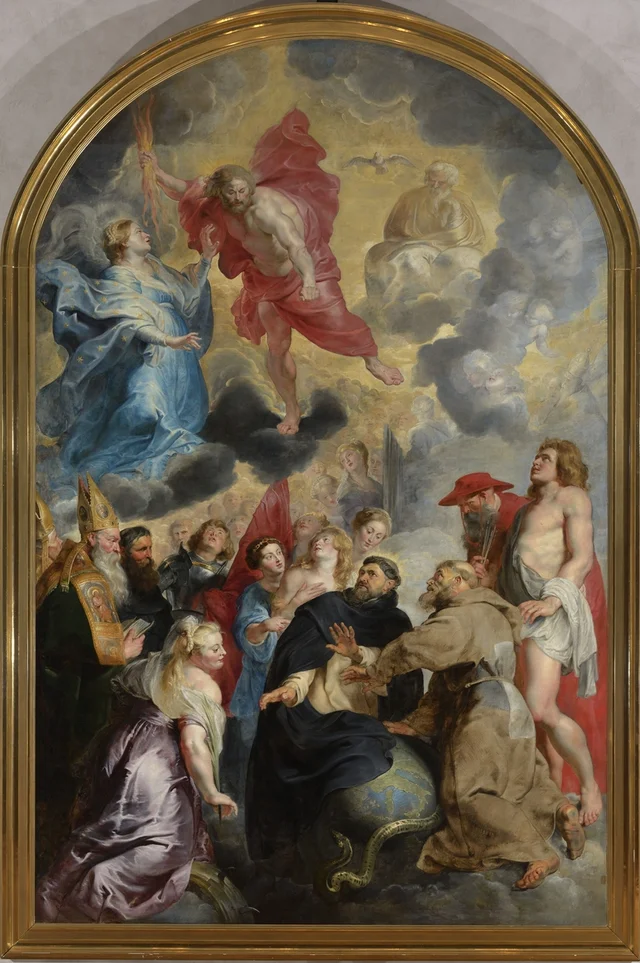 Saint Dominique et saint François protégeant le monde de la colère du ChristPierre Paul Rubens, 1620
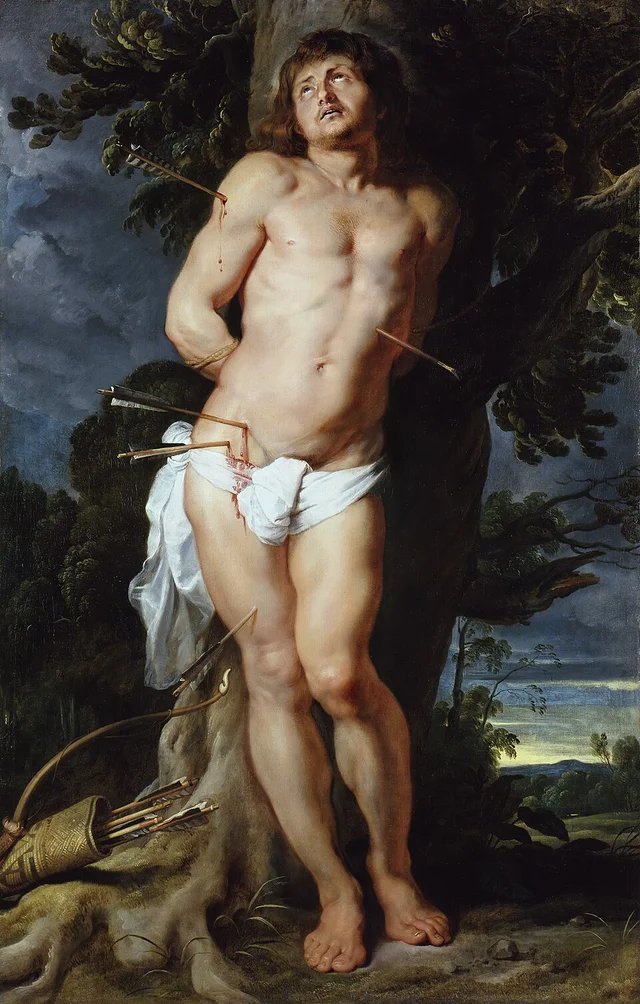 Saint SébastienPierre Paul Rubens, 1618
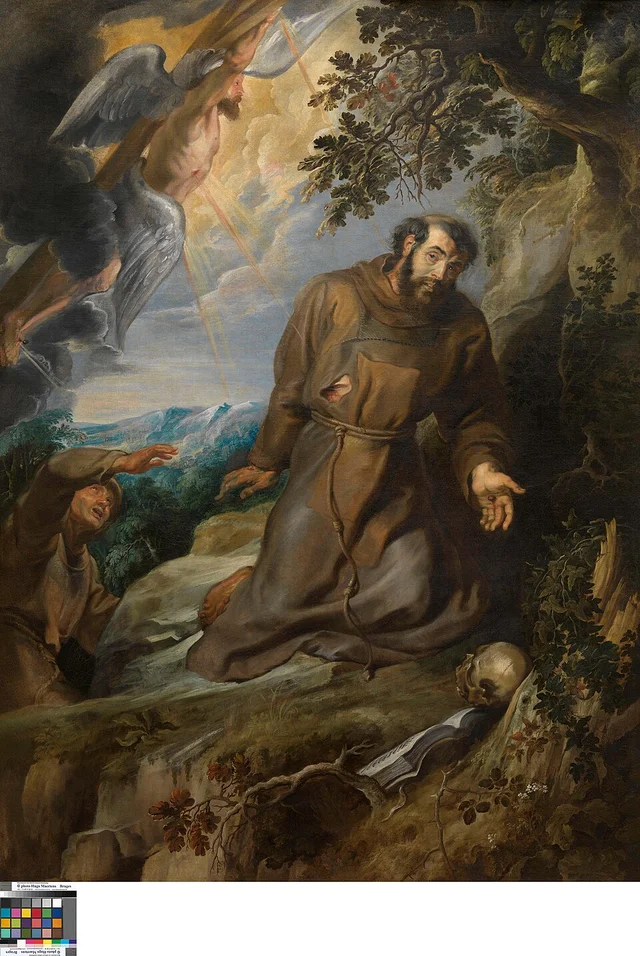 La Stigmatisation de saint François d'AssisePierre Paul Rubens, 1633
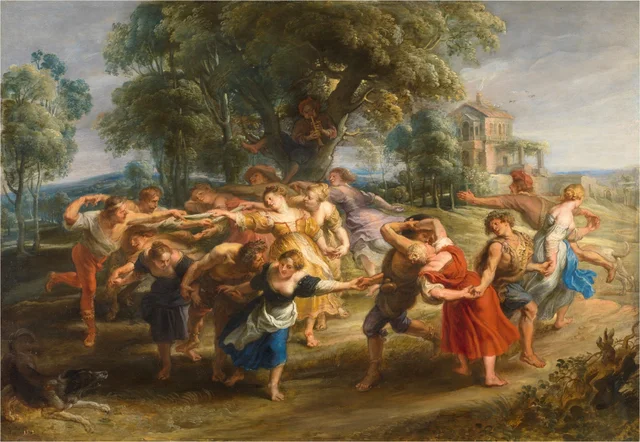 La Danse des villageoisPierre Paul Rubens, 1635
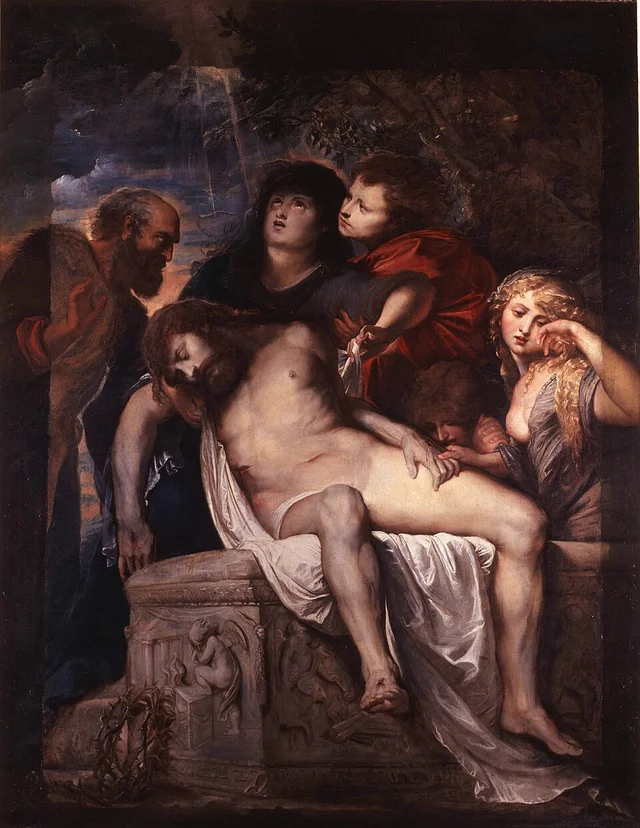 La Descente de croixPierre Paul Rubens, 1602
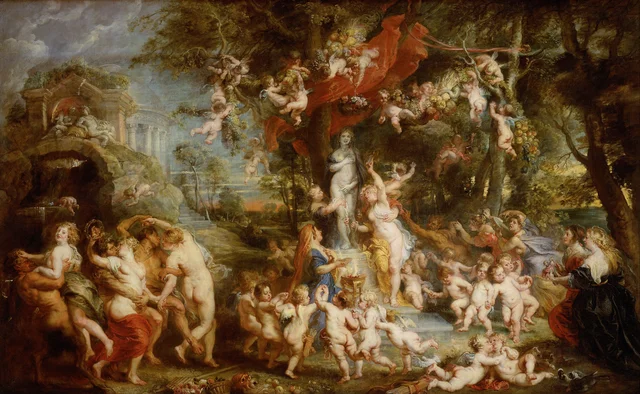 La Fête de VénusPierre Paul Rubens, 1636
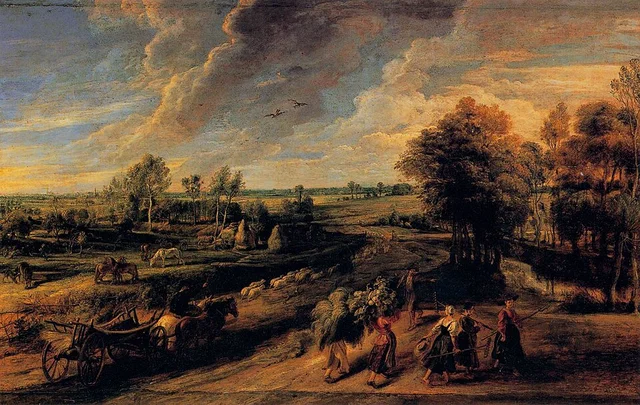 Le Retour des paysans des champsPierre Paul Rubens, 1640
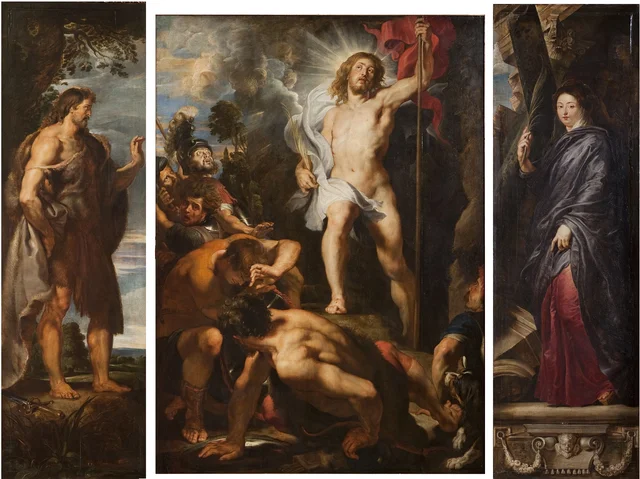 La Résurrection du ChristPierre Paul Rubens, 1611
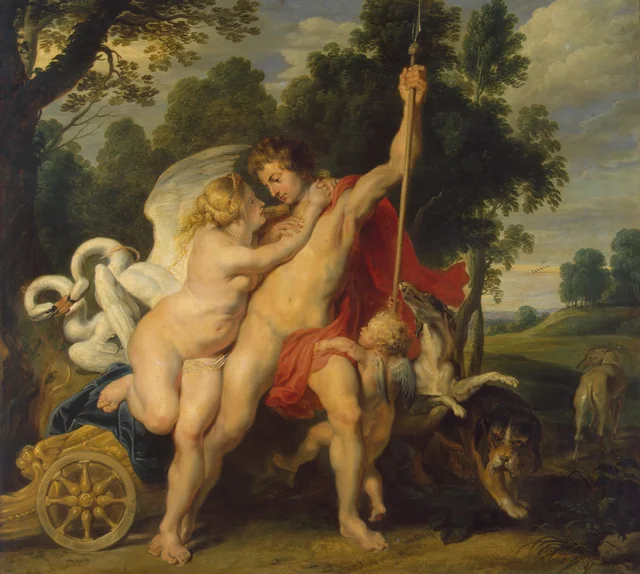 Vénus et AdonisPierre Paul Rubens, 1610
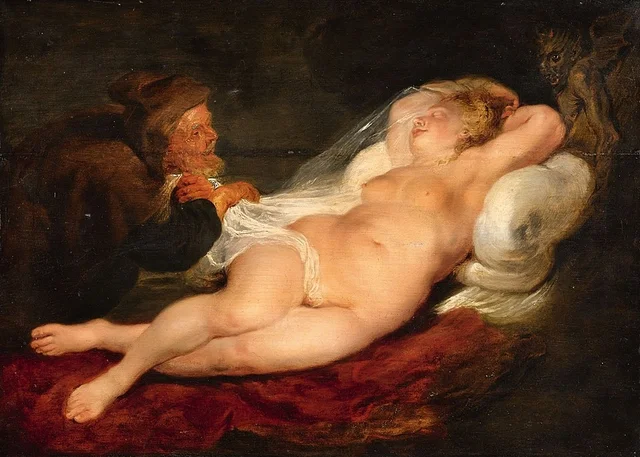 Angélique et l'ermitePierre Paul Rubens, 1620
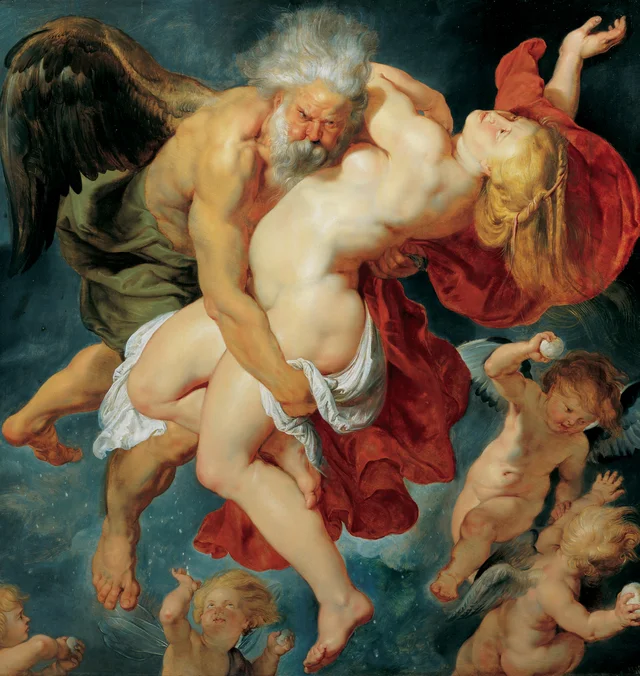 L'Enlèvement d'Orithye par BoréePierre Paul Rubens, 1620